The Story of the "Bag of Bags": How a Prized Luxury Turned into Public Enemy No. 1 (9 photos)
Not so long ago, a "bag full of bags" was a staple in every household—a quiet symbol of domestic stability and comfort. The logic was simple: if you had plastic bags, it meant you had brought something home in them, which was a good sign. Today, this household artifact is becoming rarer, but not because of a drop in purchasing power. Our attitude toward plastic bags has fundamentally shifted, turning a once-trusted household helper into a sworn enemy. 
What Was Life Like Before Plastic Bags?
Before the dawn of plastic bags, people made do with whatever containers were at hand. Food, goods, and waste were hauled in sacks, paper wrappings, baskets, wheelbarrows, trays, and carts. Sometimes women even used the aprons or skirts of their dresses to carry things—anything that could hold a load was fair game. 
As late as the mid-20th century, paper bags were used to sell almost anything except liquids
In the early 19th century, the packaging industry experienced a major breakthrough. Ever-inventive British engineers introduced the paper bag. Never content to rest on their laurels, they soon upgraded the design to feature a flat bottom—the precursor to today's trendy "craft" paper bag.
Trips to the local shop suddenly became much more convenient: a structured bag could carry far more than a simple paper cone, a pair of pockets, or a folded skirt. Later, someone had the bright idea to add handles to the British invention, revolutionizing shopping once again. Now, a shopper could carry a heavy bag in each hand—and balance a couple more on their elbows if necessary. 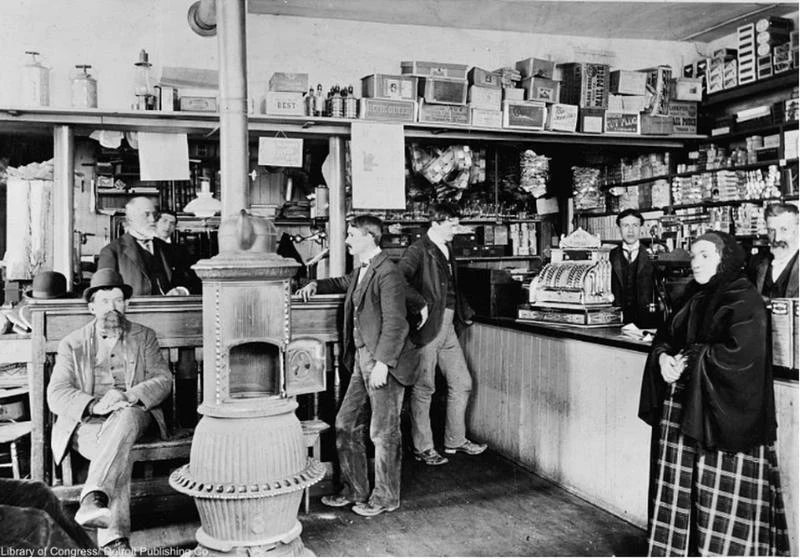
The boom in retail called for fresh solutions in packaging
Shopkeepers and grocers were thrilled: customers bought more, and the bags doubled as mobile billboards. However, paper bags had several glaring drawbacks—they lacked durability, weren’t moisture-resistant, and tore easily. In practice, they were single-use containers, good for two or three trips at best.
His Majesty, Polyethylene
By the late 19th century, paper bags reigned supreme in retail and daily life, completely oblivious to the rival emerging in scientific labs. Chemists had synthesized polyethylene and cellophane, but using them for grocery packaging was out of the question. Manufacturing these new polymers was so astronomically expensive that you might as well have used them to wrap diamonds. 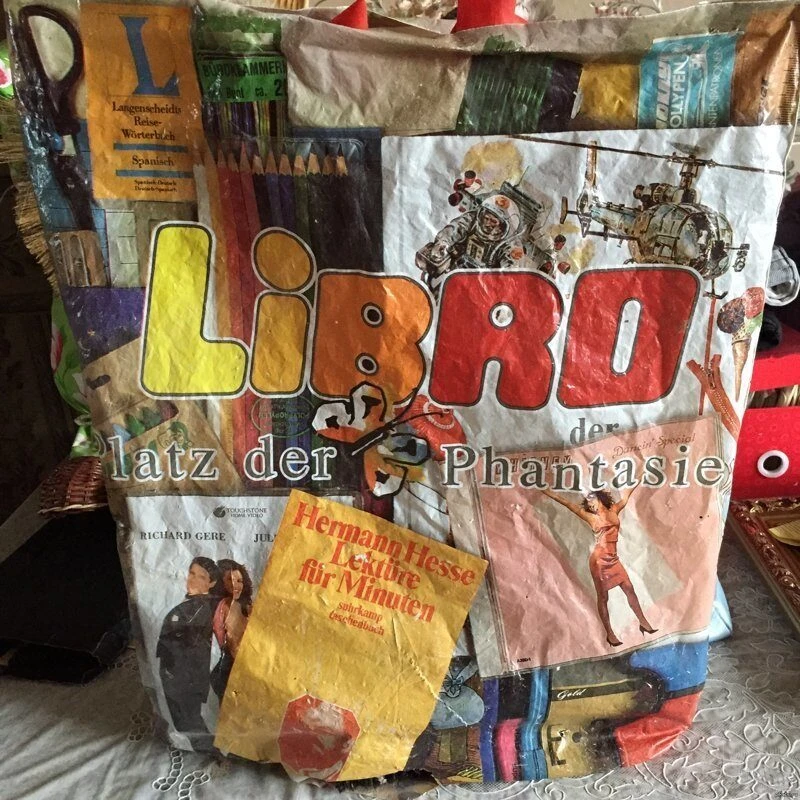
The era of the plastic bag truly kicked off in the 1950s with the advent of mass-produced polymers. Coincidentally, supermarkets were taking off in Great Britain, making this half-century-old invention an overnight sensation. Yet, these early plastic bags weren't given to customers to carry groceries—they were used strictly for storage to keep food fresh. They were simply too flimsy to carry heavy items home.
Plastic shopping bags became widespread thanks to American department stores, where resourceful inventors figured out how to make the material tear-resistant and durable. Naturally, the next logical step in true American fashion was figuring out how to print advertisements on them.
The Plastic Bag Arrives in the USSR
While the rest of the world was comfortably shopping with plastic bags, the land of triumphant socialism was still stuck in the 19th century, relying almost exclusively on plain paper bags. That, and the legendary mesh string bag—the
avoska
—which became a cultural icon of the era. 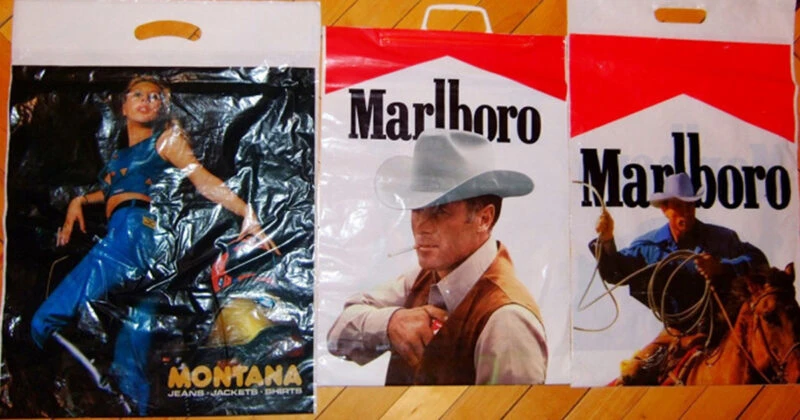
Collectors can still find rare plastic bags from that era on online marketplaces and auction sites today
The first plastic bags reached the Soviet Union in the 1970s and instantly became a status symbol of the luxury lifestyle. A superpower capable of building space rockets, nuclear icebreakers, and massive steel plants didn't produce consumer plastic packaging—among many other everyday items. Plastic bags entered the country tucked inside the luggage of the fortunate few who traveled abroad, or were smuggled in by merchant mariners returning from overseas voyages.
A plastic bag, especially one featuring a vibrant Western logo, was the ultimate flex. If someone was seen carrying one, it was a clear signal that they—or someone close to them—had been "on the outside." Bags became hot commodities on the black market. Westerners would have been stunned to learn that a Soviet citizen might spend a quarter of their monthly salary on a plain plastic bag bearing a Marlboro advertisement. 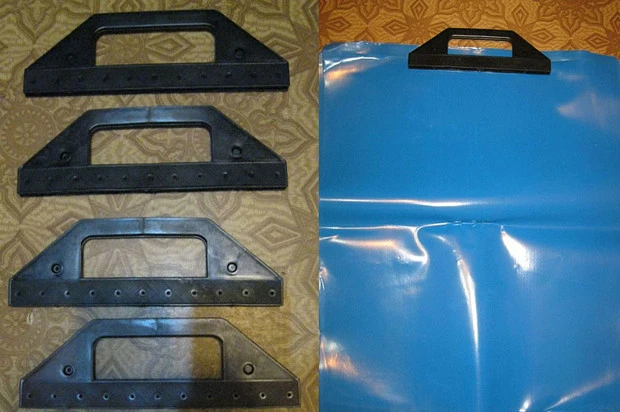
Clip-on handles like these could bring even the most worn-out plastic bag back to life
People treasured and babied their bags, but eventually, they would fade or tear, driving their owners to despair. Resourceful citizens came up with ingenious fixes: sealing tears with hot irons, stitching up rips, or placing a string
avoska
inside to reinforce the flimsy handles.
A uniquely Soviet innovation soon emerged: detachable plastic handles, quickly produced by underground entrepreneurs (
tsekhoviki
) and even a few state factories. Through sheer persistence and constant repair, people reused the same bags for years—throwing away even a heavily faded, battered bag was more than most could bear. 
Today, commentators playfully joke that the fall of the Soviet Union began with plastic bags—that citizens sold out for plastic packaging and carried their own empire to the ash heap of history. There might be a grain of truth to the joke: for the average Soviet citizen, a plastic bag was often their very first tangible piece of "decadent Western capitalism."
From Prized Possession to Environmental Villain
Today, it’s safe to say the glory days of the plastic bag are long gone. Even the slickest bags quickly end up crumpled in a dark corner of the kitchen or hallway. They are no longer brought out to show off on a romantic stroll like in the 1980s, but merely to line trash cans and haul out garbage. 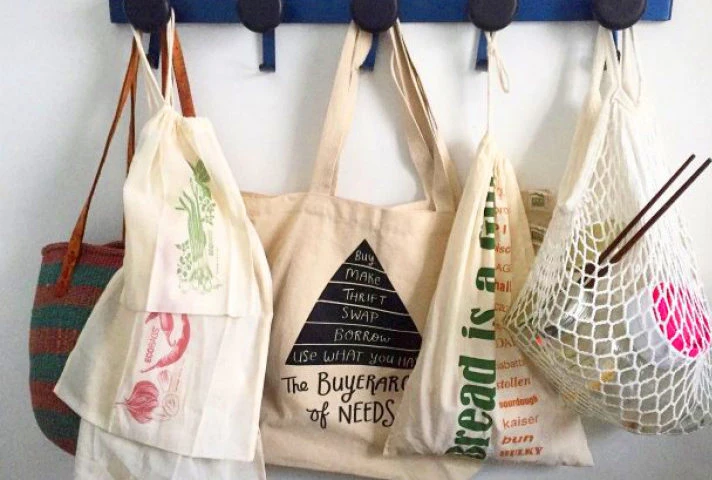
Tote bags and vintage string bags are experiencing a major renaissance
The cashier's routine question, "Would you like a bag?", which would have sounded like music to Soviet ears thirty years ago, now falls on deaf ears. Retail giants sell plastic bags for pennies, pocketing billions while turning a blind eye to where those bags end up.
Meanwhile, the trusty plastic bag has turned into an environmental disaster. As the planet suffocates under polymer waste, governments are taking drastic action: in Kenya, bringing in a plastic bag can carry actual jail time. In 2019, free plastic bags were banned in many retail stores, while countries like the UK and Germany introduced strict bans and restrictions, leaving trash disposal as their primary permitted use. Asian nations, currently leading global plastic consumption, are also stepping up their fight against single-use bags.
Because plastic can take up to 1,000 years to decompose, our great-grandchildren could realistically stumble across the very first commercial bag ever produced. With the same zeal that 20th-century scientists spent making plastic durable, today's chemists are racing to find sustainable alternatives. 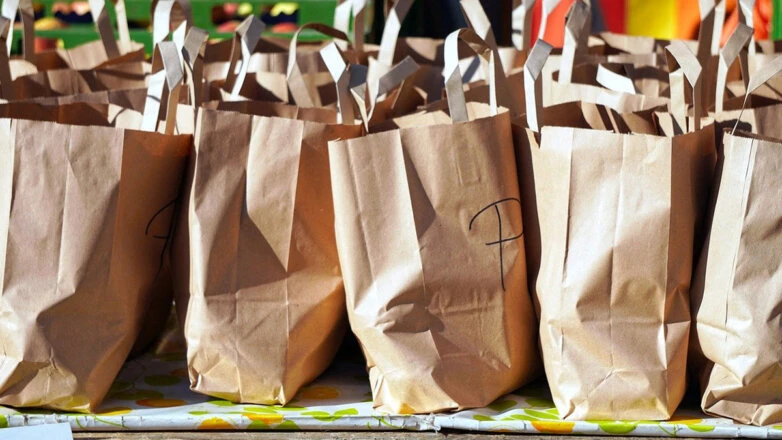
The future belongs to biodegradable materials and recycled paper. Canvas tote bags and retro string bags are trendy once again—and who knows, maybe holding items in the hem of your skirt will make a comeback too.