Men and Women Were Separated on 'Survivor'. Here's What Happened (7 photos)
Around the world, teams on reality shows like
Survivor
have traditionally been co-ed, bringing men and women together. A few years ago, however, producers of the Dutch version decided to run an experiment, splitting the contestants into all-male and all-female tribes. Feminist activists immediately championed the idea, claiming the world would finally see an all-female society thrive without men. So, how did this intriguing experiment play out—and did the women manage to prove their superiority under extreme conditions? 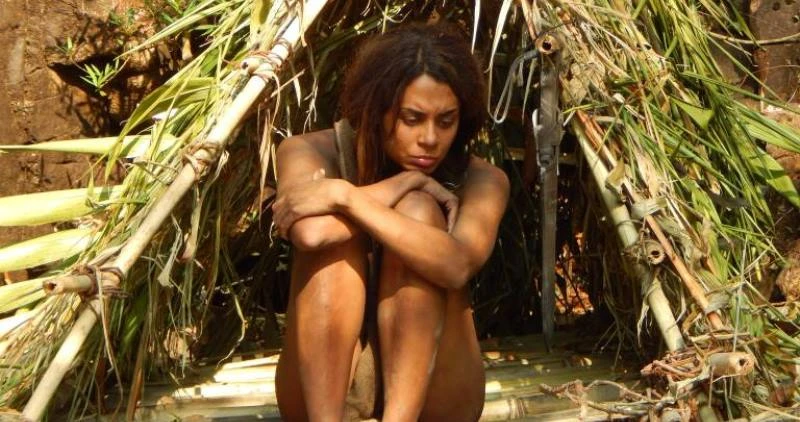
Both groups—men and women—were dropped off with minimal starter supplies on separate oceanic islands identical in size and natural environment. Each mini-colony started by trying to establish a hierarchy and assign roles, but the men couldn't agree on a leader and simply decided to skip the politics and get down to business. 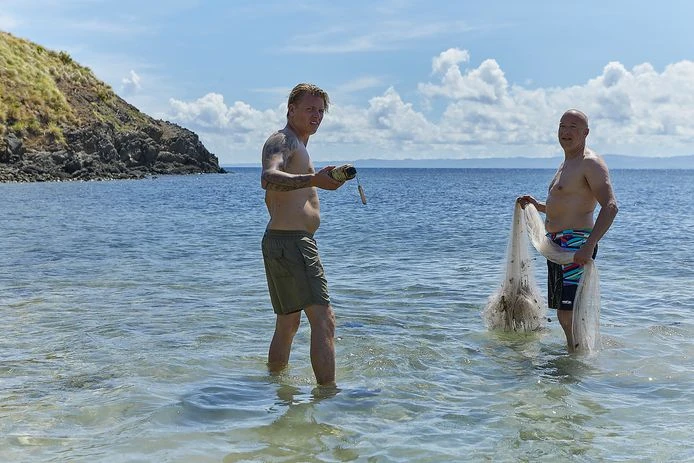
Every guy picked a task according to his skills and interests. Some went hunting and fishing, others gathered fruit, while the rest set to work building a shelter. Everyone had something to do—even the laziest contestant, after taking a long dip in the lagoon, began crafting furniture for their shared camp.
Within a few days, the men's island boasted a thriving little outpost of civilization, catering not just to basic survival needs, but to creature comforts as well. Life quickly settled into a smooth routine, with everyone pulling his weight for the common good. 
Meanwhile, after exploring their island, the women got to work too. Their very first project was building a drying rack for their clothes and towels. Once that was done, they headed straight to the beach to tan and chat. It quickly became clear that the women could only get things done if everyone agreed. With 12 contestants involved, reaching a total consensus proved virtually impossible.
Over the course of a few episodes, drama completely engulfed the women's island. The women fell out, split into warring factions, devoured all their emergency rations, and got drenched in tropical storms. In between swimming, arguing, and weathering the elements, they spent their time battling sand fleas. The women's camp was a picture of misery, drawing little more than mockery from viewers. 
Things were going smoothly for the men, and even the few disagreements that flared up were resolved quickly and without fuss. Seeing this stark contrast, the producers decided to shake things up by swapping contestants: three men were sent to the women's island, while three women were moved to the men's camp.
The three lucky guys chosen by lot to join the ladies were initially thrilled and excited. However, their pleasant dreams vanished the moment they stepped foot on the neighboring island. The women had failed to build even a basic shelter, their emergency rice supply was long gone, and the camp was rife with non-stop bickering. 
Put to work immediately, the three men had to draw on their experience and work from dawn to dusk to build liveable conditions and gather food for the island's "Amazons." All the while, life in the female camp went on as usual—the women kept swimming, sunbathing, and talking through their grievances.
The women sent to the men's island, on the other hand, found themselves in paradise. They were greeted with a solid roof over their heads, a functioning latrine, simple yet comfortable furniture, and an abundance of food. Naturally, this changed nothing about their routine: the female guests continued to spend their days idly and carefree. 
Unsurprisingly, all of this unfolded in front of millions of viewers and under the watchful eye of women's rights activists. Feminists immediately accused the producers of rigging the show to reinforce outdated patriarchal stereotypes.
They remained unconvinced even when CBS ran a similar experiment in the US—splitting men and women into separate teams—with virtually the same dismal results. There, too, the men quickly organized and built a comfortable camp, while the women got bogged down in failed attempts at hierarchy and burned through their emergency provisions. 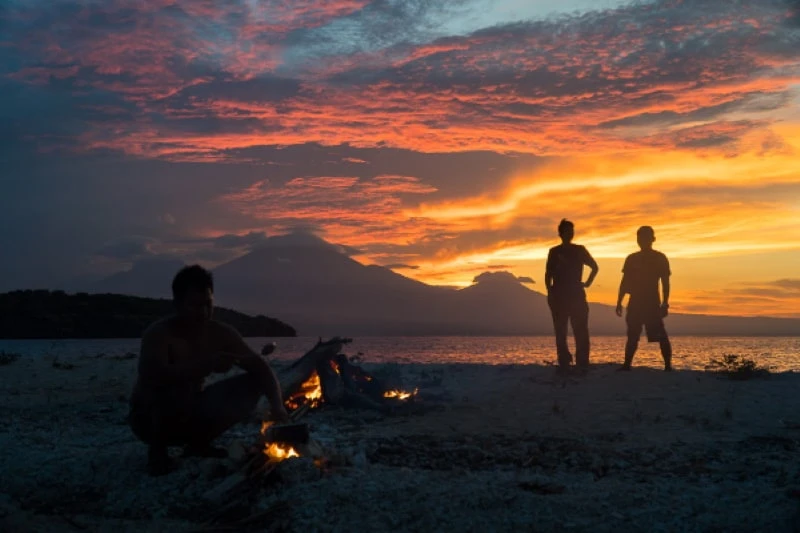
The only thing that occasionally hindered the male group's progress was the aggressive behavior of a few individuals—a problem the majority quickly learned to manage. In the women's group, however, constant infighting and arguments didn't just slow down progress; they completely replaced it. Ultimately, the dream of proving that a male-free female society could thrive collapsed entirely.