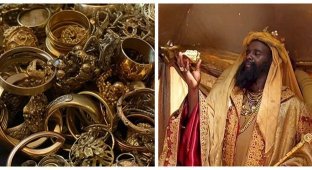
Mansa Musa’s Pilgrimage: How the Wealthiest Person in History Spent His Fortune (7 photos)
Ask anyone to name advanced African civilizations, and they will likely mention Ancient Egypt and perhaps the Islamic Maghreb. Few realize that powerful, wealthy empires also flourished south of the Sahara—states whose fame echoed across the continent and far beyond. One such great power was Mali, an empire that spanned an impressive historical period from the 8th to the 15th century AD. 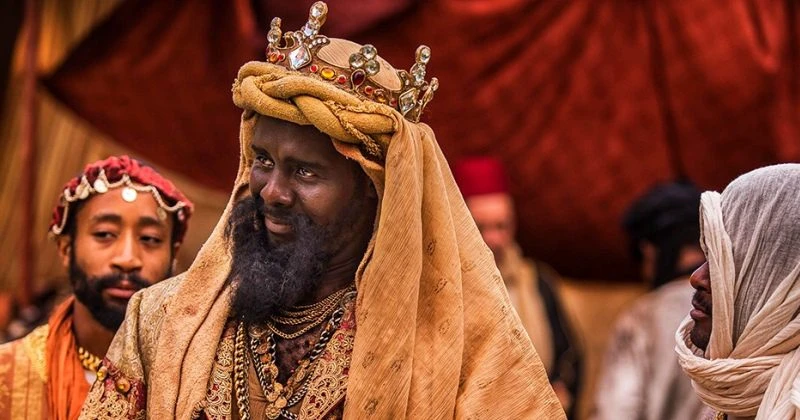
The Mali Empire reached its golden age under Mansa (Emperor) Musa of the Keita dynasty. Ruling from 1307 to 1332, he expanded his territory to encompass lands that today make up Mauritania, Senegal, The Gambia, Guinea, Burkina Faso, Mali, Niger, Nigeria, and Chad.
Yet Mansa Musa is remembered not so much for his conquests or fair rule as for his staggering wealth. Scholars examining historical records estimate that the West African monarch amassed a fortune worth roughly $400 billion in today's money. 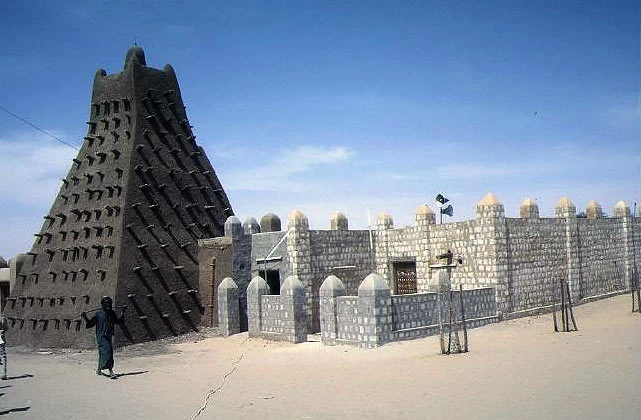
Musa Keita ascended the throne almost by chance. Abubakar II, the ninth ruler of Mali, developed a sudden passion for ocean exploration. Building a massive fleet, he set sail into the Atlantic in search of new lands. His ultimate fate remains a mystery, though some historians boldly speculate that his ships may have reached the Americas.
Be that as it may, an empire cannot go long without a leader, and in 1312 Musa Keita took the throne. He was the son of a vizier and the grandson of the legendary Sundiata, who in 1200 unified local tribes, transforming a modest state into a dominant empire.
Sundiata Keita, who originally led a guild of blacksmith-priests, established trade in his realm's two most prized commodities: gold and salt. This laid a formidable economic foundation. Mali's exports were in high demand not only across the Islamic world but in Christian lands as well, with two-thirds of all gold mined in the empire and half of its salt destined for foreign markets. 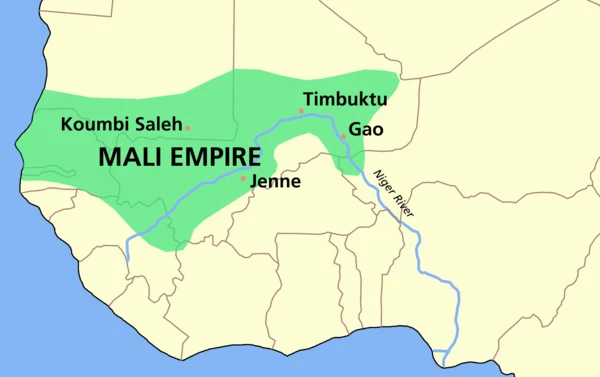
Musa proved to be a worthy descendant of Sundiata, governing wisely and justly. He was a generous patron of poets, musicians, and scholars, while actively nurturing trade and diplomatic ties with neighboring states.
Despite all his virtues, Musa might never have captured global attention had he not decided, in the twelfth year of his reign, to embark on a Hajj to Mecca. Whispers of Mali's wealth had long circulated throughout the Islamic world, but they were largely dismissed as myth. Musa’s legendary pilgrimage convinced even the fiercest skeptics that a fabulously wealthy empire truly existed on the edge of the African continent.
An army of 60,000 to 80,000 soldiers and servants accompanied the Malian ruler on his epic journey. Musa carried 12 tons of pure gold, handing it out lavishly as alms—not just to the poor he encountered along the way, but to virtually anyone in his path. 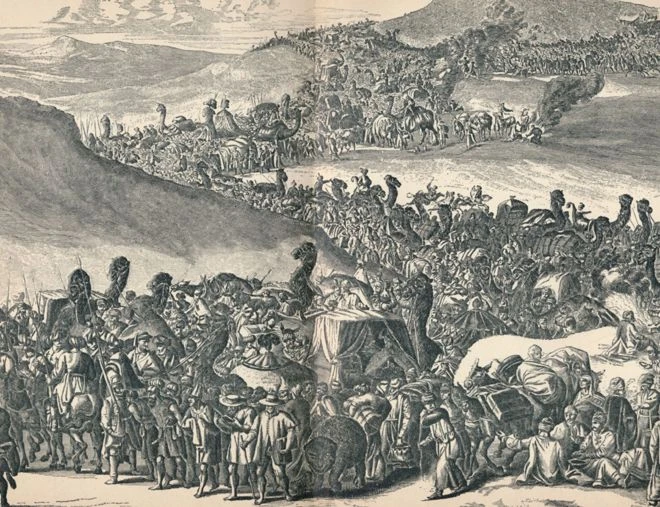
The logistics supporting this vast entourage were meticulously planned and executed flawlessly. Even in the heart of the Sahara, the emperor dined on fresh ocean fish and ripe fruit daily. Water was equally abundant, as one memorable incident from the voyage illustrates.
One day, while the miles-long caravan was crossing the desert, the ruler's wife decided she wanted to bathe alongside her 500 handmaidens. Laborers promptly excavated a massive pool in the desert sand and filled it using thousands of waterskins.
To leave a lasting legacy, Musa commissioned the construction of a large mosque at his own expense in every city where he spent a Friday. Every day, he also purchased a slave and set them free. Arabic chronicles praise the Mansa as a man of extraordinary wisdom and piety—praise that, remarkably, was far more than mere courtly flattery. 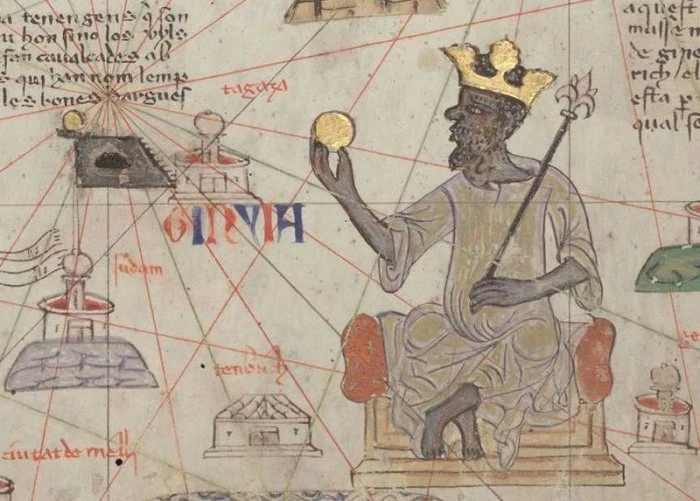
However, Musa's grand tour through the Islamic world was not all cause for celebration. By handing out gold so freely, the monarch destabilized local economies and triggered a prolonged financial crisis, drastically devaluing the precious metal. Commodity prices soared, forcing many locals to tighten their belts.
The journey home proved far more arduous. Beset by sandstorms and raided by enemies eager to seize the legendary spoils, the expedition lost a third of its men and camels. Nevertheless, the emperor returned home safely, bringing back an invaluable prize: a cohort of architects, theologians, and poets who profoundly transformed the nation's culture.
Though Musa spent a lion's share of his gold reserves, he came out ahead. By showering gifts everywhere he went, he gained unprecedented international prestige. Numerous states opened trade routes with Mali specifically as a result of his extravagant expedition to Mecca. 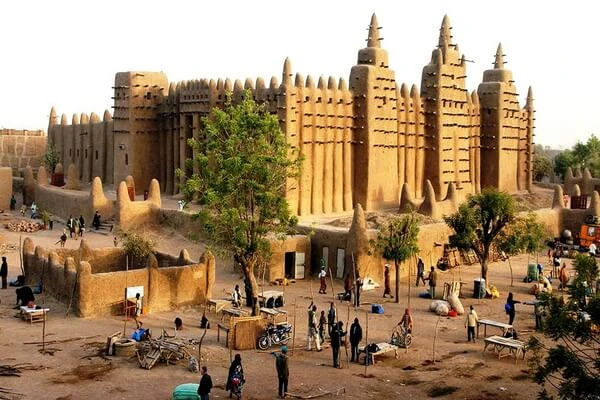
The scholars and artisans recruited by Musa helped establish a major Islamic learning center in Timbuktu. The city grew into Africa’s grandest cultural hub, its stunning architecture captivating all who visited. Much of this was thanks to the Spanish architect Al-Sahili, who designed several unique mosques in the city. These sacred buildings laid the foundation for a new architectural style named after its creator.
Yet the empire’s golden era died with Musa in 1332. His heirs possessed not a fraction of his talent, and trouble began as soon as his son, Maghan I, took the throne. First, Timbuktu was captured and sacked by the neighboring Mossi people. 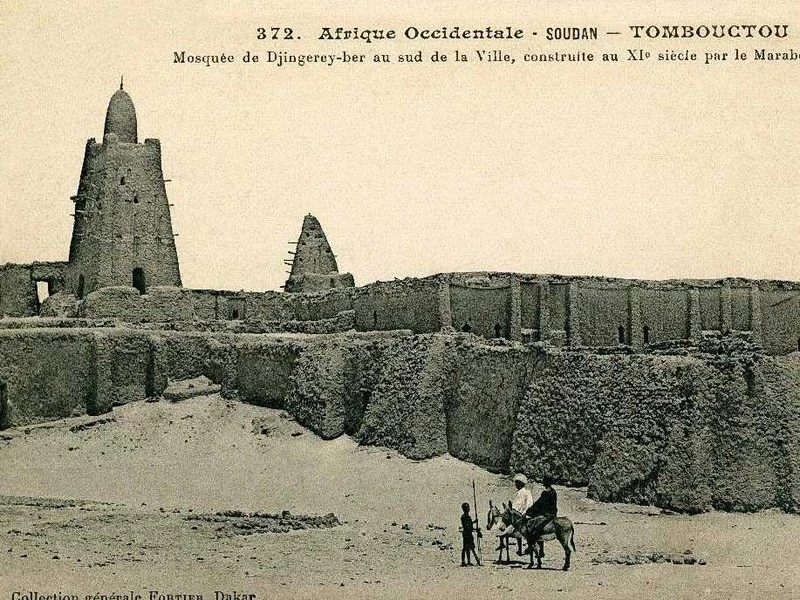
Following this defeat, the empire was plagued by internal strife, widespread corruption, and social decline. By the end of the 14th century, the once-glorious empire had faded from the accounts of Arab travelers. The vast state fractured into warring petty kingdoms, falling easy prey to rising neighboring powers.
By the mid-16th century, all that remained of the mighty power that once dominated West Africa was a small, obscure sultanate.