The Comandante's Private Life: How Many Children Did Fidel Castro Have—and Why Was It a State Secret? (14 photos)
August 13, 2026, marks 100 years since Fidel Castro's birth. For half a century, he ruled Cuba, preaching equality and the renunciation of personal wealth. Yet his own family was kept so strictly secret that the Cuban people didn't even know his wife's name. Estimates of how many children Castro fathered across several women range from nine to eleven. Officially, however, only one son existed for decades. Here is the story of El Comandante's secret family: from his first marriage to the second wife the nation only saw after his death. 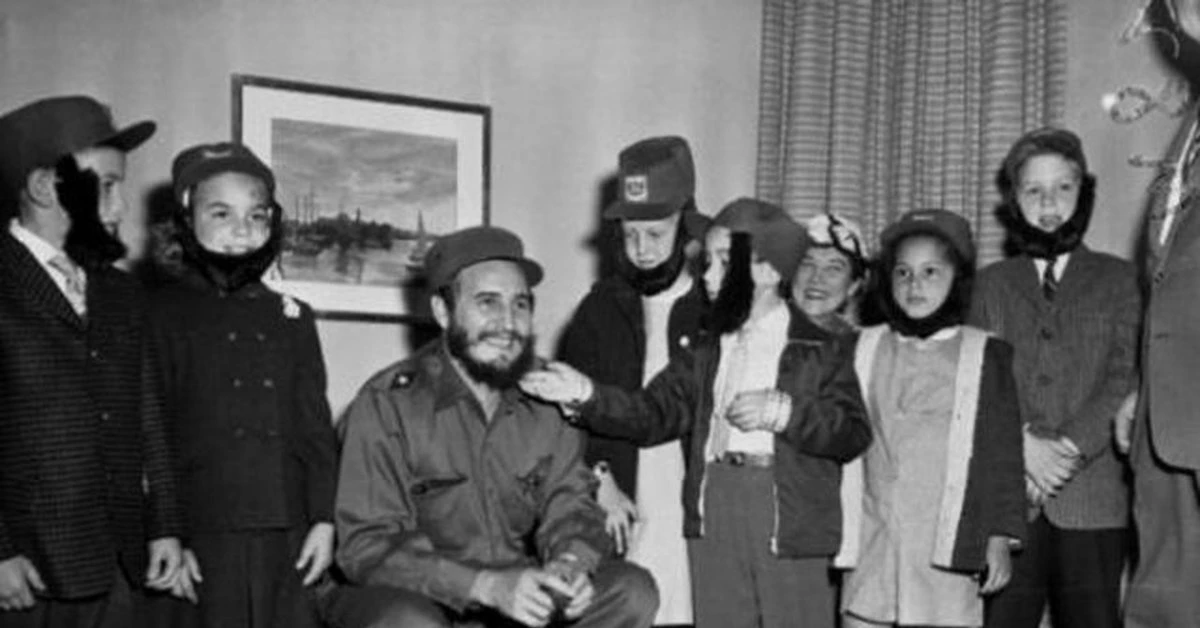
His First and Only Legal Marriage
Mirta Francisca Díaz-Balart came from a wealthy Cuban family. Her father was the mayor of Banes and held prominent positions under the Batista regime—the very dictator Castro would later overthrow. The young couple met at the University of Havana and married on October 11, 1948, spending their honeymoon in New York City. 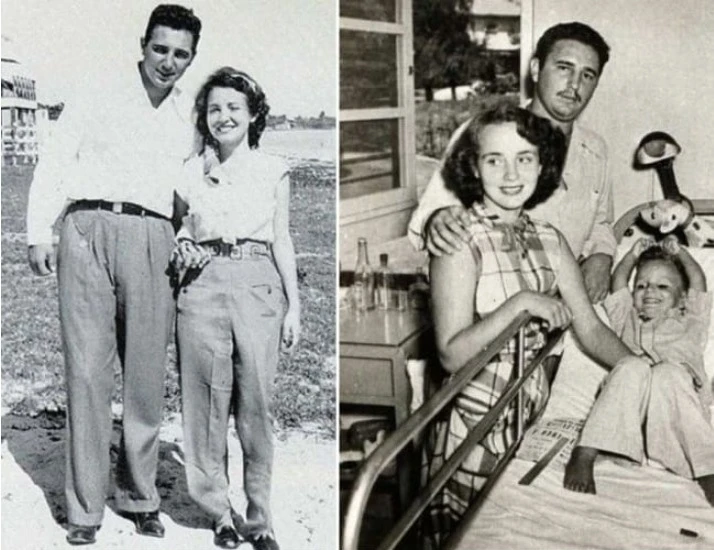
The young Castro family: Mirta, Fidel, and their son Fidelito, born in 1949.
In 1949, their son, Fidel Ángel Castro Díaz-Balart, was born. Known as "Fidelito" from childhood due to his striking resemblance to his father, he was raised during a tumultuous time. The marriage lasted seven years, though Castro was rarely home, preoccupied with preparing an armed uprising. In 1953, he was imprisoned after the failed assault on the Moncada Barracks, and later fled to Mexico.
Their 1955 divorce exploded into a public scandal. While in prison, Castro smuggled a letter meant for his mistress, Natalia Revuelta, but it accidentally ended up in Mirta's hands. At the same time, news leaked that Mirta was receiving a salary from Batista's Ministry of the Interior. The revelation caused a sensation, prompting Castro to file for divorce. 
Mirta Díaz-Balart spent the rest of her life in Madrid and never gave interviews about her marriage to Castro.
She later married Emilio Núñez Blanco, the son of a Cuban ambassador to the UN. Living in Madrid from 1959 onward, she refused all media interviews and rarely spoke of her first marriage. Mirta Díaz-Balart passed away in July 2024 at the age of 95.
Fidelito: Scientist, Nuclear Physicist, Tragedy
Fidelito was raised primarily by his mother, but Castro insisted he be educated in Cuba. When he was sent to study in the Soviet Union, it was under an assumed name—José Raúl—to protect his security. He initially studied at Voronezh State University before transferring to Moscow State University's Faculty of Physics, where he graduated with honors. He later earned his PhD in nuclear physics at the Joint Institute for Nuclear Research in Dubna. 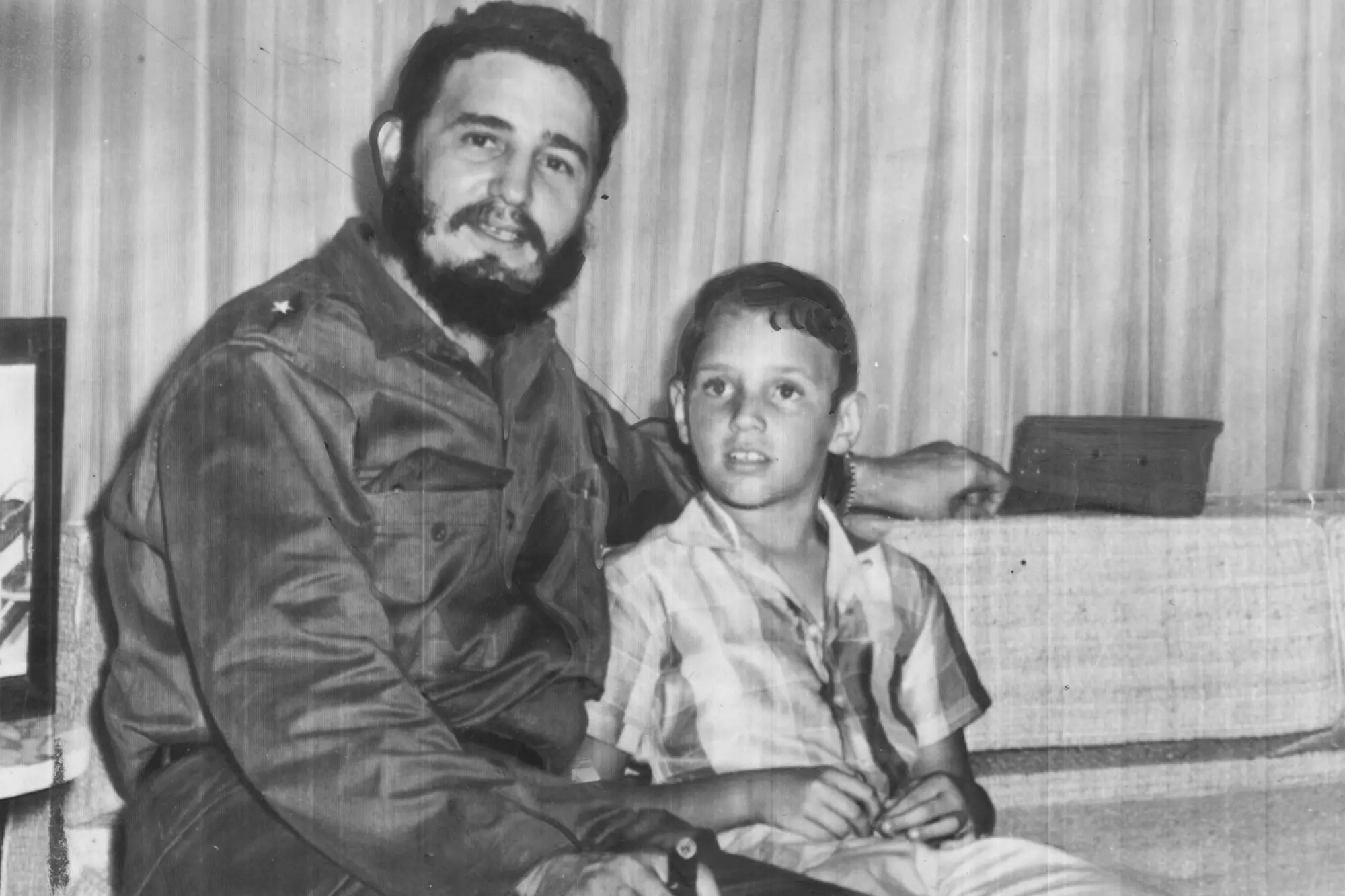
Fidel Castro with his son Fidelito. The boy's real identity was concealed—he studied in the USSR under the alias José Raúl.
During the 1980s, Fidelito served as executive secretary of Cuba's Atomic Energy Commission, spearheading the nation's nuclear program and representing Cuba at the International Atomic Energy Agency (IAEA). He later became vice president of the Cuban Academy of Sciences. 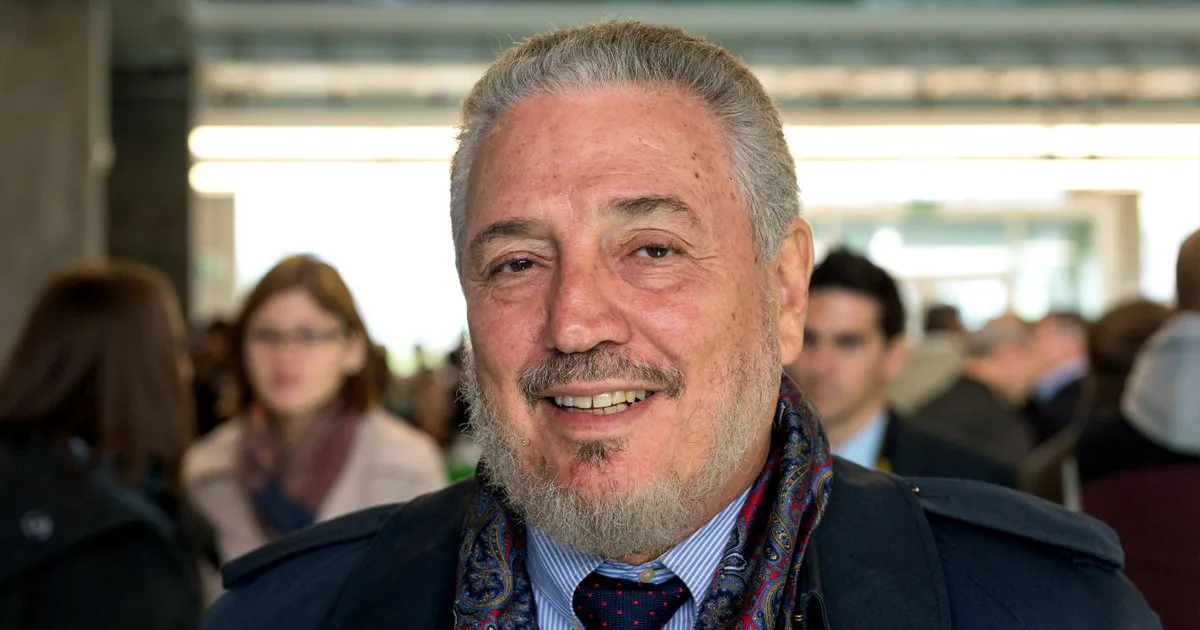
Fidelito was the spitting image of his father. In the 1980s, he led Cuba's nuclear program and represented the country at the IAEA.
His life ended in tragedy. On February 1, 2018, Fidel Ángel Castro Díaz-Balart committed suicide at age 68. State news agency Prensa Latina reported that he had been undergoing treatment for severe depression in the months leading up to his death.
Natalia Revuelta and the Rebellious Daughter
Castro's affair with Natalia Revuelta Clews began while he was still married to Mirta. Natalia was a married Cuban socialite. In 1956, she gave birth to their daughter, who was given the surname of Natalia's husband, Fernández. Castro never officially acknowledged her as his own. 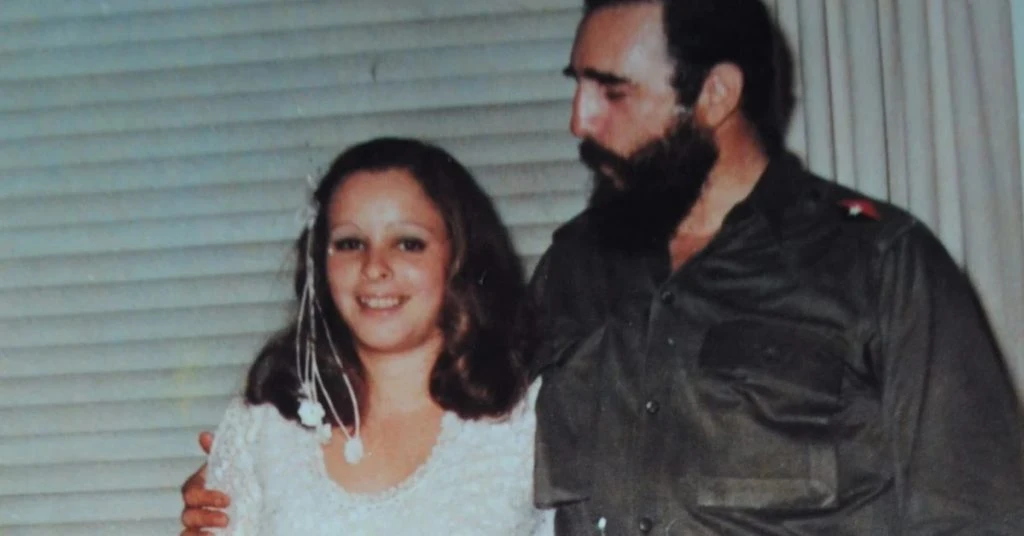
Fidel Castro with his daughter Alina Fernández on her wedding day. Their relationship remained strained throughout his life.
Alina Fernández Revuelta grew up to become a fierce critic of her father's regime. Having rarely seen Castro as a child, she felt little affection for him. In 1993, she fled Cuba disguised in a wig and carrying a forged Spanish passport. After a brief stay in Spain, she settled in the US, where she penned columns for The Miami Herald and hosted the long-running Miami radio show Simplemente Alina ("Simply Alina"). In 1997, she published a tell-all memoir detailing her life as Castro's secret daughter. 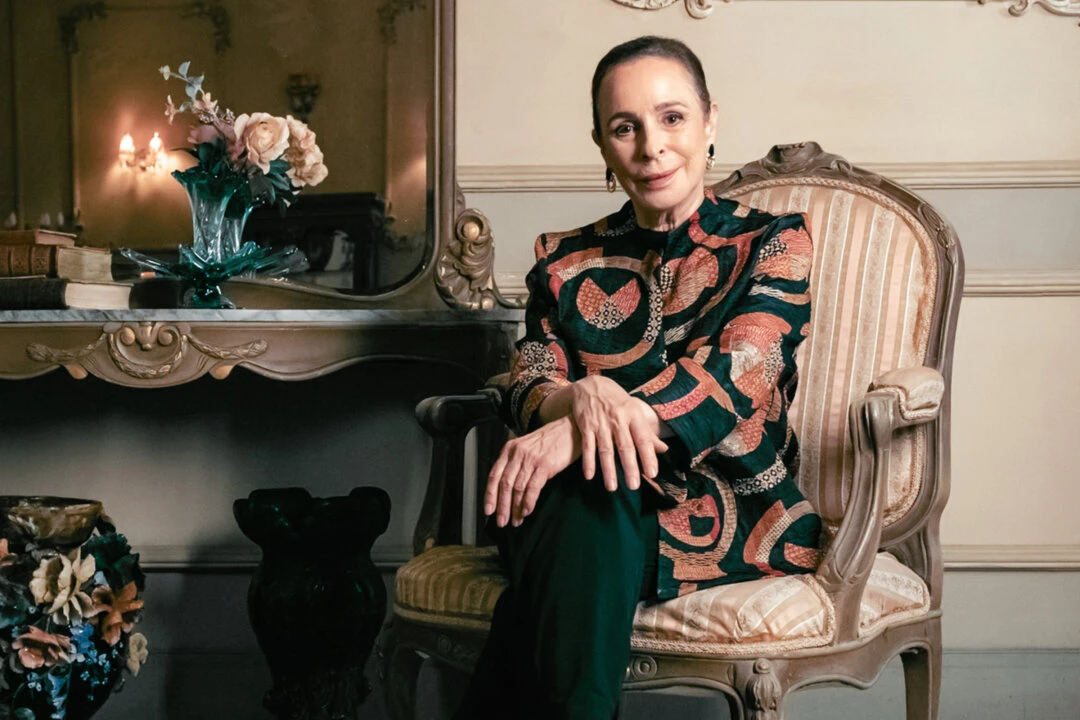
Alina Fernández in Miami, where she hosted a radio show and wrote columns about life in Cuba.
Alina became one of the main sources of insider information about El Comandante's hidden family. It was she who revealed to the world that Castro had five sons with his common-law second wife.
Celia Sánchez: The Woman He Listened To
Among all the women in Castro's life, Celia Sánchez Manduley held a unique position. A revolutionary, confidante, and likely his closest companion for two decades, she was waiting for him in the Sierra Maestra mountains when his expedition landed in Cuba in 1956. She had founded the 26th of July Movement in Oriente Province and personally took part in the guerrilla fighting. 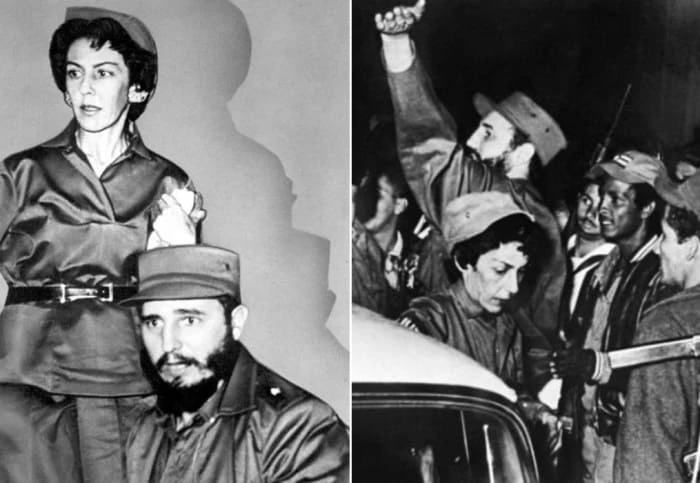
Celia Sánchez was widely believed to be the only person Castro truly listened to. Cuba still honors her as a revolutionary icon.
Following the revolution's victory, Sánchez served in the Secretariat of the Council of Ministers. Officially his aide and companion, her true influence ran far deeper. Biographers consider her the one person Castro genuinely relied upon. Legend has it she even came up with the name for the iconic Cohiba cigar brand. 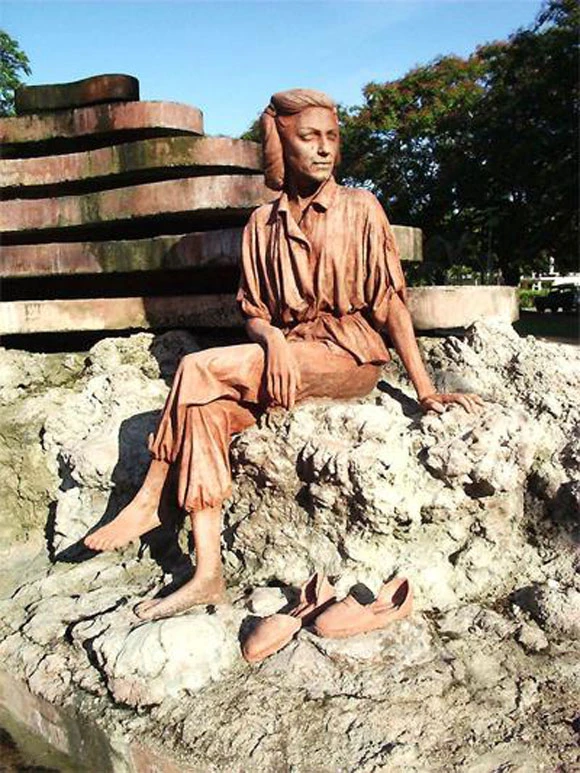
A monument to Celia Sánchez in Manzanillo—the only woman in Castro's inner circle to be granted official state honors in Cuba.
On January 11, 1980, Celia Sánchez died of lung cancer. She was laid to rest in the Pantheon of the Revolutionary Armed Forces at Colón Cemetery in Havana. Cuba erected a monument in her honor in Manzanillo and named a textile plant after her. She remains the only woman in Castro's circle to receive such high official honors.
Dalia Soto del Valle: The Secret Wife of 40 Years
In the early 1960s, during a literacy campaign in Cienfuegos province, Castro spotted a young schoolteacher named Dalia Soto del Valle following one of his speeches. She was around 17 years old. Within weeks, she moved to Havana, where Castro set her up in a Spanish-style villa, visiting her under the cover of night. 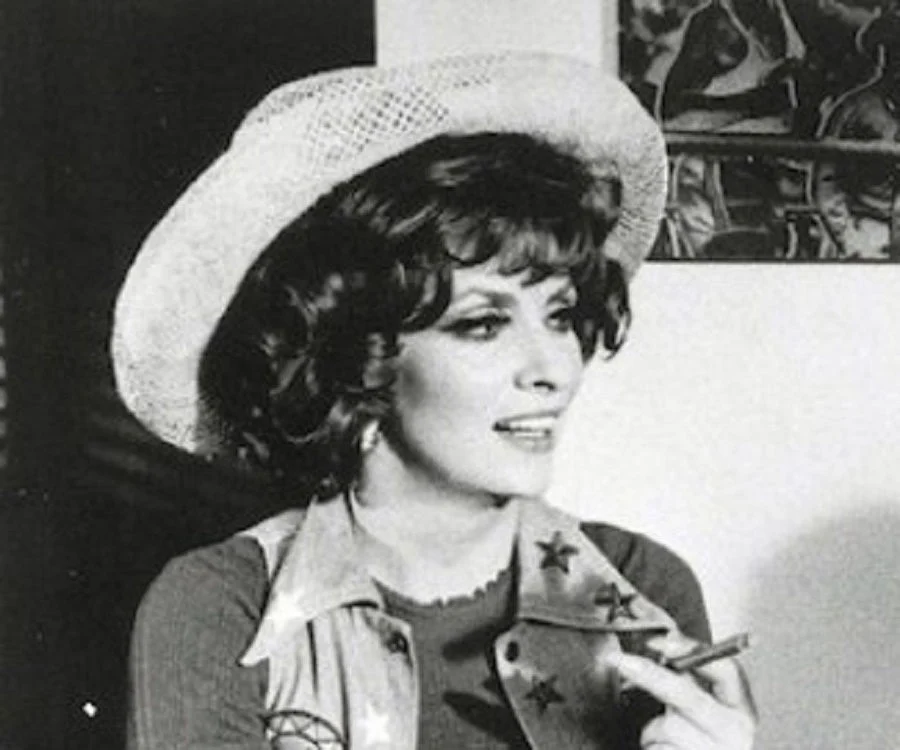
A provincial teacher relocated to Havana at Castro's command—marking the start of a story hidden from the Cuban public for decades.
Dalia came from a wealthy background; her father, Fernando Soto del Valle Ginart, was a landholder whose property was likely seized during the 1959 revolution. Nevertheless, the young teacher would go on to become the most guarded secret in Cuba. 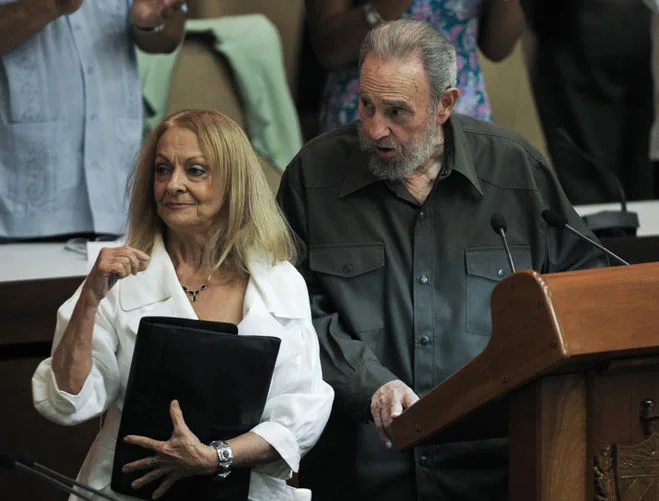
Dalia Soto del Valle spent over 40 years by Castro's side. Cubans only learned of her existence after his death.
In February 1980, Castro quietly married Dalia in a private ceremony attended only by their sons. Almost no one in Cuba was aware of it. The first details about Dalia's existence leaked to the international media around 2000, after home video footage was smuggled off the island by a girlfriend of one of Castro's sons. Officially, her presence was never acknowledged during El Comandante's lifetime.
Five Sons, All Starting With 'A'
Dalia bore Castro five sons, all given names beginning with the letter "A"—a nod to the revolutionary nom de guerre Castro adopted in the Sierra Maestra: Alejandro, after Alexander the Great. The boys grew up under tight security, sheltered from the public eye, their true identities closely guarded. 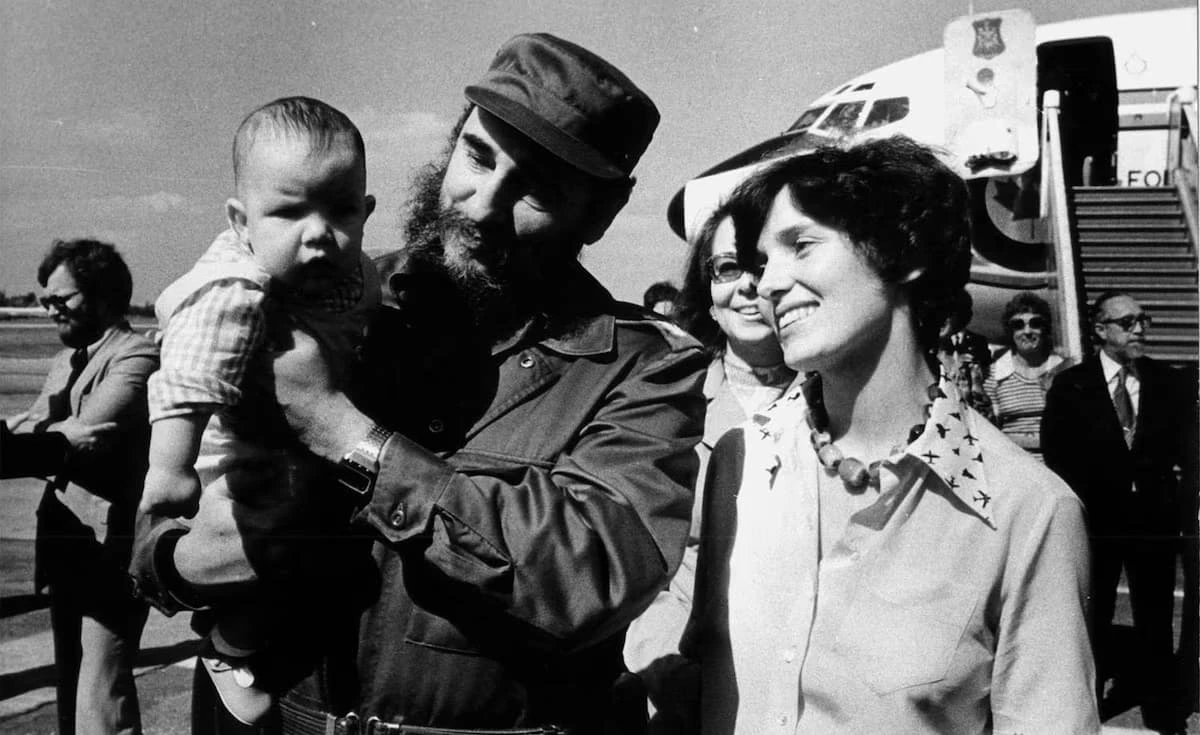
1976: The Cuban leader holds Michel Trudeau, the late younger brother of Canadian Prime Minister Justin Trudeau.
The eldest, Alexis, became a software engineer. Alex works in IT and videography, while Alejandro also went into computer technology. Ángel remains the most enigmatic brother, with virtually no public information available about him. Finally, Antonio became the only son to step into the public spotlight. An orthopedic surgeon who headed a department at Havana's Frank País Hospital, he served for years as the team doctor for the Cuban national baseball team and was named vice president of the World Baseball Softball Confederation. 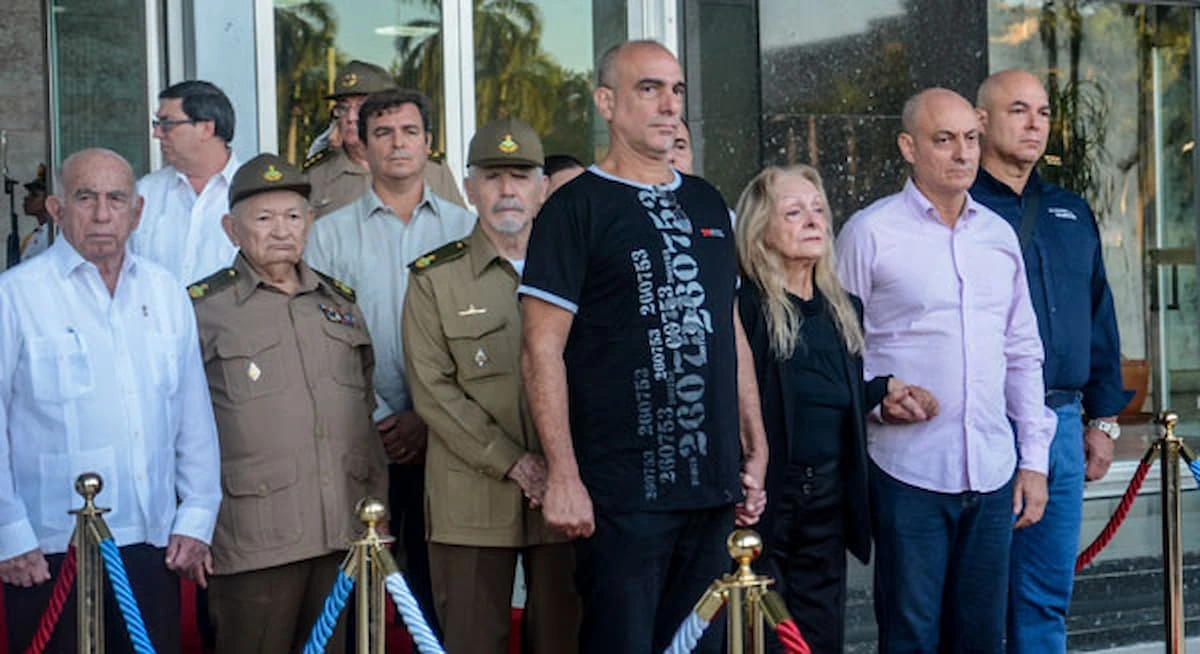
A rare group photograph showing members of Fidel and Raúl Castro's families together at a public event.
Dalia's children lived in such deep isolation that on one occasion, Alexis began courting a young woman, unaware of who she was. A bodyguard had to step in and inform him that she was actually his cousin—the daughter of his uncle Ramón. The family lived so far removed from society that Castro's own children did not recognize their own relatives.
Why the Revolutionary Hid His Family
According to Cuban counterintelligence, Castro survived 638 assassination attempts. In 1975, a US Senate committee officially confirmed at least eight CIA plots between 1960 and 1965. Alleged assassination weapons ranged from poisoned cigars and lethal pills to a diving suit contaminated with fungus. Even one of Castro's former lovers, Marita Lorenz, was recruited by the CIA to poison him—a mission she failed to carry out.
In such an environment, putting his family in the spotlight posed a fatal security risk—a practical concern for any leader under threat. But there was also a calculated political reason. Castro meticulously crafted the image of an ascetic, a selfless leader wholly devoted to the revolution. Acknowledging a secret marriage, five children, and numerous affairs would have shattered that carefully built myth. 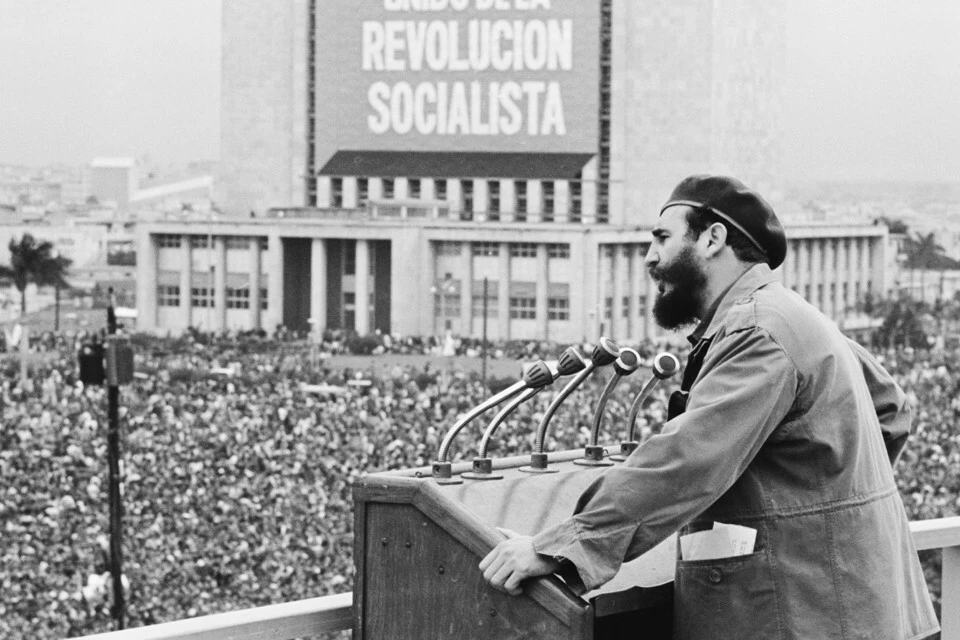
From the podium at Revolution Square, Castro preached collectivism and transparency—while maintaining total secrecy at home.
The irony of Fidel Castro is stark. A leader who railed against bourgeois privilege and secrecy lived much like a feudal monarch—with a hidden family, guarded estates for relatives, and children raised under assumed names. While demanding transparency from the Cuban people, he hid his wife for 40 years. Asked how many children he had, Castro famously remarked: "Nearly a tribe."
A century after Fidel Castro's birth, Cuba still stands under a red flag, knowing only as much about its iconic leader as he permitted. Was hiding his family a necessary measure to keep them safe—or was it, above all, a calculated political maneuver? What do you think?