We have bad news for you: Velociraptors were tiny, feathered dinosaurs, lemmings don't commit mass suicide, and before the internet, Americans got their science facts straight from Hollywood. While we don't always expect movies to be 100% accurate—and are usually happy to suspend our disbelief—sometimes the myths forced down our throats are just too absurd to ignore. 
A Crashing Helicopter's Rotor Blades Can Slice Through Pavement 
In reality, helicopter rotor blades are surprisingly fragile. They're filled with foam or a lightweight honeycomb structure because their job is to slice through air, not concrete. When a chopper crashes, the blades are usually the first thing to snap off and shatter into pieces.
Vibrant, Bright Neon Space Lasers 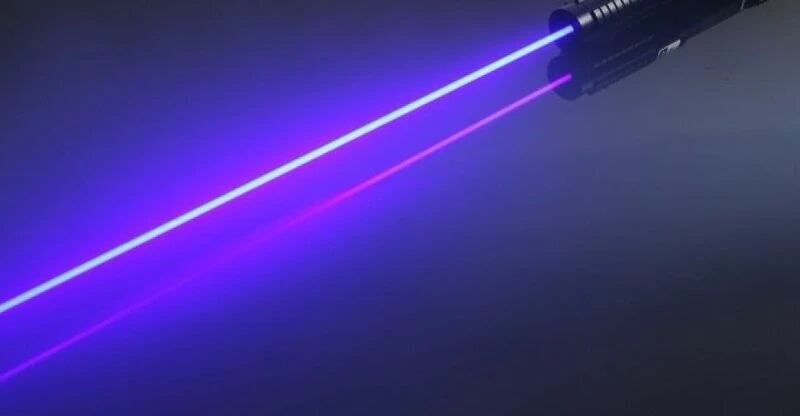
In reality, a laser beam in space would be completely invisible. Regardless of whether such weapons even exist in real life (they don't), laser beams need a medium like fog, smoke, or dusty air to be seen. Depending on the laser's wavelength, Earth's atmosphere might make a beam visible, but space never will. In a vacuum, there's zero chance of seeing a laser beam.
Silenced Guns Only Make a Tiny "Pfft" Sound 
Sorry to disappoint, hitmen: suppressors like that simply don't exist. They muffle the sound of a gunshot, but they certainly don't make it silent.
Concealed Body Armor Can Stop Any Bullet 
Hate to break it to you, but soft, concealable body armor won't stop a burst from an assault rifle. It's only designed to stop handguns—which is still impressive, broken ribs aside. Military-grade body armor is much tougher, but it costs thousands of dollars and weighs over 20 pounds.
In Zero Gravity, People Move in Slow Motion 
Not at all! Don't confuse outer space with a swimming pool. Gravity doesn't affect horizontal movement. In zero gravity—and in the absence of air resistance—you actually move slightly faster than on Earth. Moving slowly is actually just a smart safety precaution so astronauts don't crash into the control panel or smash crucial equipment onboard.
A Dinosaur Will Abandon Its Prey Just to Chase a Human 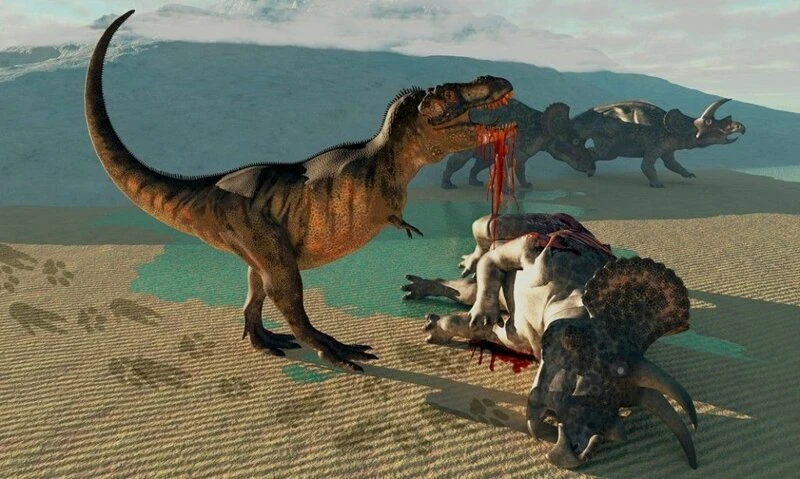
No actual predator would ever do this. Animals, both living and extinct, exhibit what scientists call Holling's Type III functional response—or, in plain terms, basic biological common sense. If you have a feast sitting right in front of you, why knock your plate onto the floor to chase down a waiter passing by with a side dish?
"Look, a Bomb! Quick, Cut the Right Wire!" 
Not quite. Real bomb disposal techniques are much cleverer. EOD (Explosive Ordnance Disposal) teams don't usually sit around snipping colorful wires. Instead, they often use special disruptors or even precision rifles like semi-automatic carbines. This approach is known as "active disposal," and it rarely results in an accidental detonation.
Gigantic Monsters Live in Remote Caves 
Honestly, a cave is about the worst place imaginable for a giant creature to live. Without sunlight, there's no plant life, meaning the only nutrients available are whatever trickles in from the outside world—like bat guano. You can't grow big and strong on that kind of diet. In fact, real cave dwellers evolve to conserve as much energy as possible.
Submarine Captains Have Luxurious Private Quarters 
No submarine in the world has anything like this. Space is at an absolute premium on a sub, and every single inch is optimized. Even on the most modern submarines, senior officers' quarters barely have enough headroom to stand up straight. The captain's only real luxury is having a bunk to themselves.
If a Spaceship Loses Thrust, It Will Crash Into Earth in Seconds 
Not a chance! Unless by "seconds" you mean hundreds of thousands of seconds. For instance, the
USS Enterprise
in
Star Trek Into Darkness
would have taken about 80 hours to reach Earth's atmosphere. And if it were in a stable orbit, losing power wouldn't cause it to fall at all, because maintaining an orbit doesn't require constant thrust.
Radioactive Stuff Always Glows Neon Green 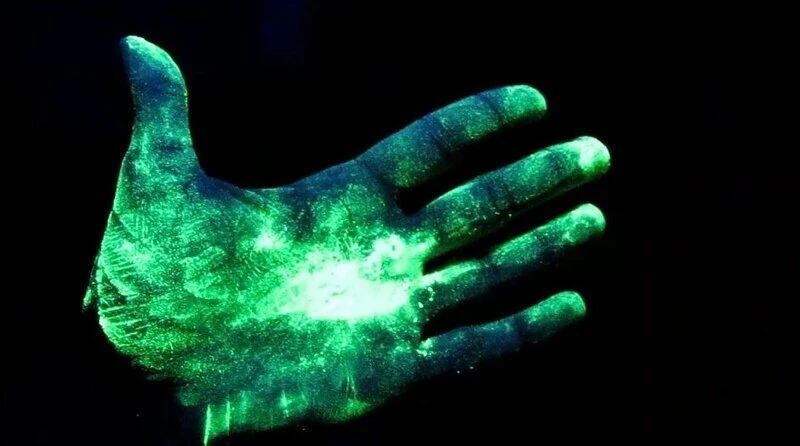
Hollywood strikes again. Radiation has nothing to do with emitting visible light. This cliché likely stems from the era when radium was used to make watch hands glow in the dark—though even then, the glow was caused by phosphor additives, not radiation itself. In reality, radiation is completely invisible.
Truth Serums Work Just Like They Do in Movies 
Unfortunately, no such magic drug exists. While certain substances can lower inhibitions and make people talkative (alcohol being a prime candidate), no chemical can physically force someone to tell the truth. In real-world interrogations, administering a "truth serum" was usually just a psychological trick to fool suspects into believing they couldn't lie.
In Sci-Fi Movies, the Sun Is Always Yellow or Orange 
In space, the Sun is actually blindingly white. It only appears yellow from Earth because our atmosphere scatters shorter wavelengths of light (the same reason the sky looks blue). At sunset, this scattering is even more pronounced, shifting the Sun's color toward deep orange and red.
If a Plane Runs Out of Fuel, It Plummets Instantly 
It will eventually come down, sure, but not like a rock. Modern airplanes are excellent gliders even without engine thrust. A jet losing power at 40,000 feet can glide for roughly 100 miles before touching down, giving pilots time to navigate toward a safe runway or water landing.
Underwater Research Stations Are Always Dimly Lit and Gloomy 
Not at all. Why would they be? Real underwater habitats are brightly lit from 7:00 AM to 11:00 PM to maintain a comfortable environment for the crew to live and work. There's zero reason to keep scientists in the dark—movies only do it to create a tense atmosphere and remind viewers that the scene takes place underwater.
Space Explosions! Massive Fireballs! Deafening Roars! 
Hold on a second. How could any of that happen in a vacuum? In reality, a space explosion is far less dramatic: an object simply disintegrates instantly. And, as you probably know, sound requires a medium like air to travel. If you witnessed an explosion in space, it would happen in complete silence.
Trapped in an Elevator? Escape Through the Ceiling Hatch! 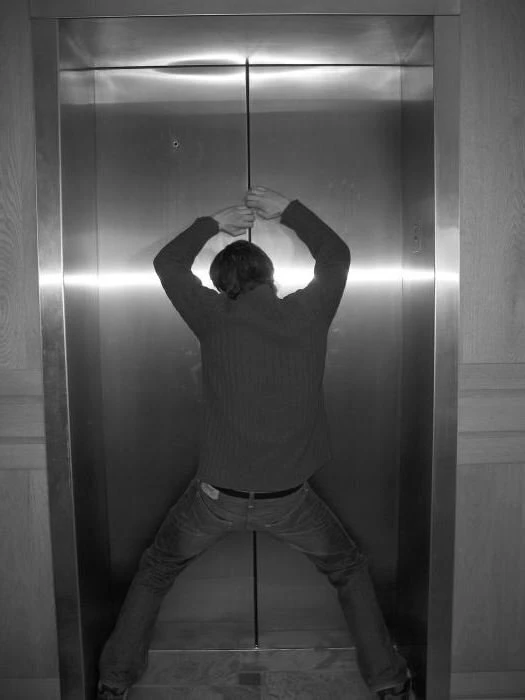
That's a terrible idea in real life. Elevator escape hatches are locked from the outside so emergency responders can get
in
to rescue passengers. Elevator shafts are incredibly dangerous environments for untrained civilians. If you're trapped, climbing out through the roof—even if you somehow managed to unlatch it—is far riskier than just waiting for help inside.
Dropping a Toaster into a Bathtub Is Instantly Fatal 
Most likely, nothing dramatic will happen. Modern plumbing relies heavily on PVC piping, which doesn't conduct electricity easily. On top of that, a device's internal fuse or the home's circuit breaker (or GFCI outlet) will trip long before the toaster could cause lethal injury.
You Can Stealthily Crawl Anywhere Through Air Ducts 
You'd run into major problems trying this. Real ventilation systems are packed with sharp screws, internal dampers, and narrow wiring. Crawling through them is pure movie magic—and even then, only plausible if you're tiny and nimble. Plus, metal ducts are ridiculously loud when bumped, making quiet stealth completely impossible.
A Fuel Tank Is a Bomb Waiting to Explode at Any Second 
Here's the thing: liquid gasoline isn't inherently explosive. If you drop a lit match into a bucket of cold gasoline, the match will extinguish before the fuel even ignites. Gas stations and fuel storage tanks are surprisingly safe from liquid explosions—the real danger lies in concentrated vapors, not the liquid itself.
Add your comment
You might be interested in:













NASA said goodbye to the Martian helicopter Ingenuity (4

Wind turbines: why they only have three blades (6 photos)

17 victims who were deceived by culinary scammers (18

South African authorities blamed a penguin for a helicopter

Why do you need such reliable protection on windows? (4

Brand I wanna Bangkok presented Hulk shoes (4 photos)

Margaret Hamilton Dies at 90: The Story of the Moon

"What Is This Thing?": 20+ Bizarre Objects That

25 Incredibly Beautiful and Rare Stones (26 Photos)

13 "Healthy" Habits You Should Actually Quit (14

16 Fascinating and Surprising Facts About Life in Sweden

Cassini Spacecraft Reveals Saturn’s Rings (10 Photos)

Hypnotic and Oddly Satisfying GIFs That Show How Food Is

Behind-the-Scenes Feuds: Hollywood's Most Famous On-Set

Soldiers in Lace, a Bowling Geisha, and 20 More Rare Photos
