Whittier: The Extraordinary Town Where the Entire Population Lives Under One Roof (13 Photos)
The United States has plenty of tiny towns with populations of just a few dozen people. But Whittier, Alaska, is in a league of its own. Home to just 220 residents, its small size isn't what makes it remarkable. What truly sets Whittier apart—even in a country accustomed to quirks—is that the entire town lives inside a single 14-story building. 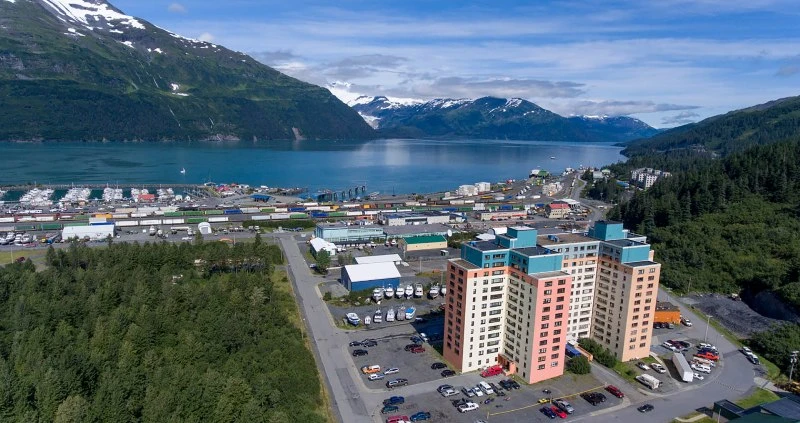
Nestled among the mountains and dense forests of northeastern Alaska, Whittier sits on the shores of a stunningly picturesque bay framed by towering cliffs and rocky beaches. It is a relatively young settlement, first appearing on the map in the aftermath of World War II. 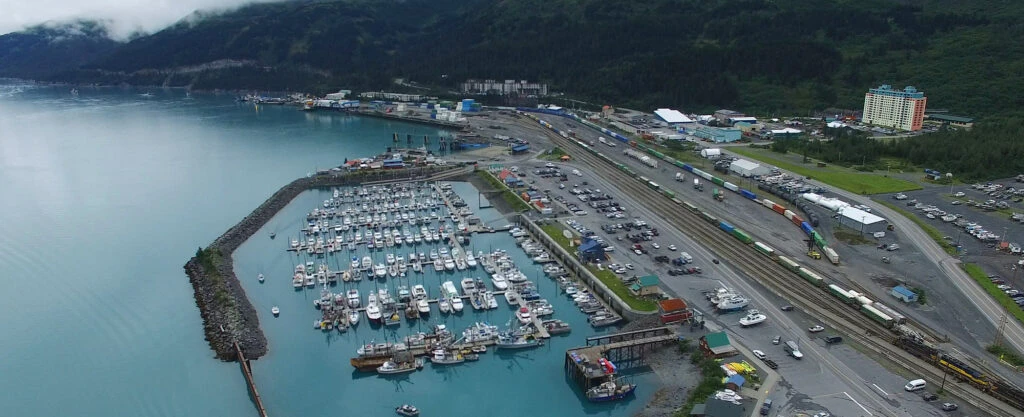
Whittier originally served as a strategic military harbor. The location was ideal for naval vessels and submarines thanks to its deep, ice-free waters. The military also valued its natural defenses: surrounded by steep mountains, the outpost could only be accessed from the sea, making it a northern fortress carved out by nature itself. 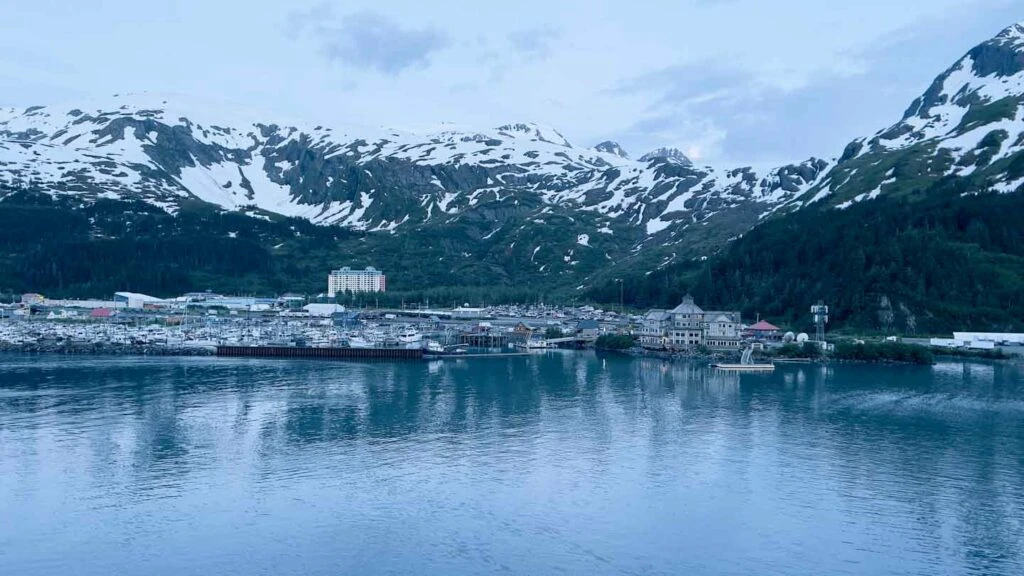
Operating without a land route eventually proved impractical, prompting engineers to blast a two-mile tunnel right through the rock. The tunnel accommodated both a highway lane and a railway line. Once overland access was established, newcomers began arriving—some to service the military base, others simply captivated by the rugged beauty of the northern wilderness. 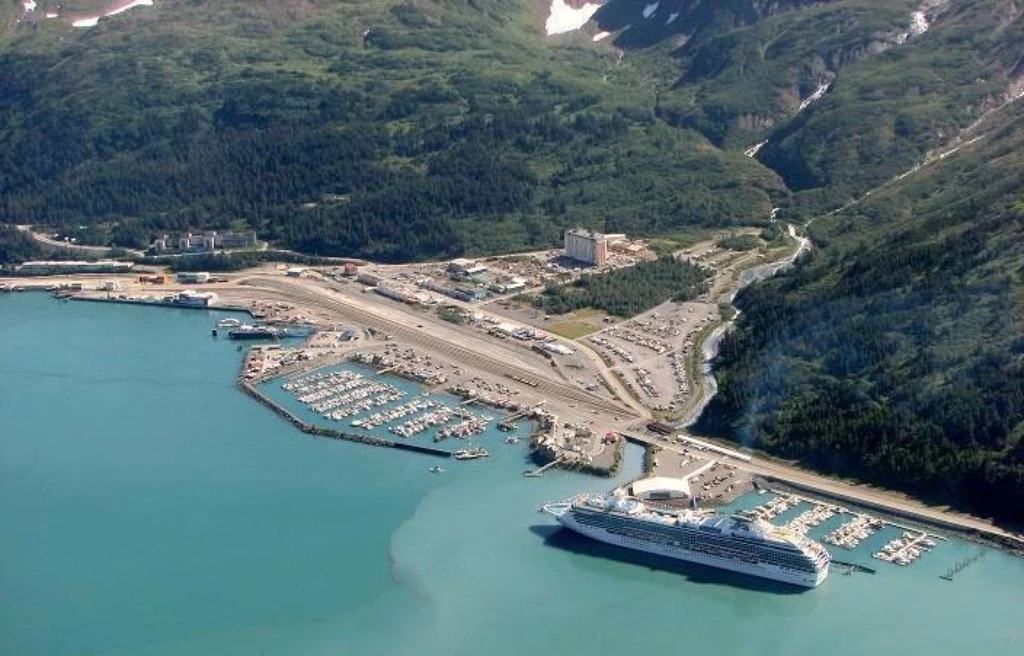
Before long, a commercial port opened, welcoming fishing vessels, cargo ships, and the occasional cruise liner. This triggered a boom in local infrastructure, with a hospital, school, shops, cafés, a restaurant, a beauty salon, and even a community center springing up along the waterfront. 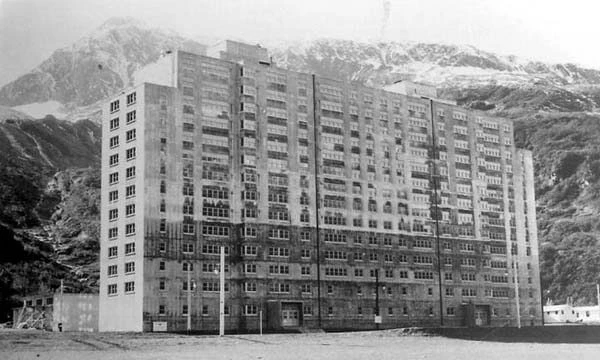
Begich Towers shortly after construction was completed
Cozy single-story houses were built for the civilian population, while military personnel were housed in a massive 14-story complex officially named Begich Towers. 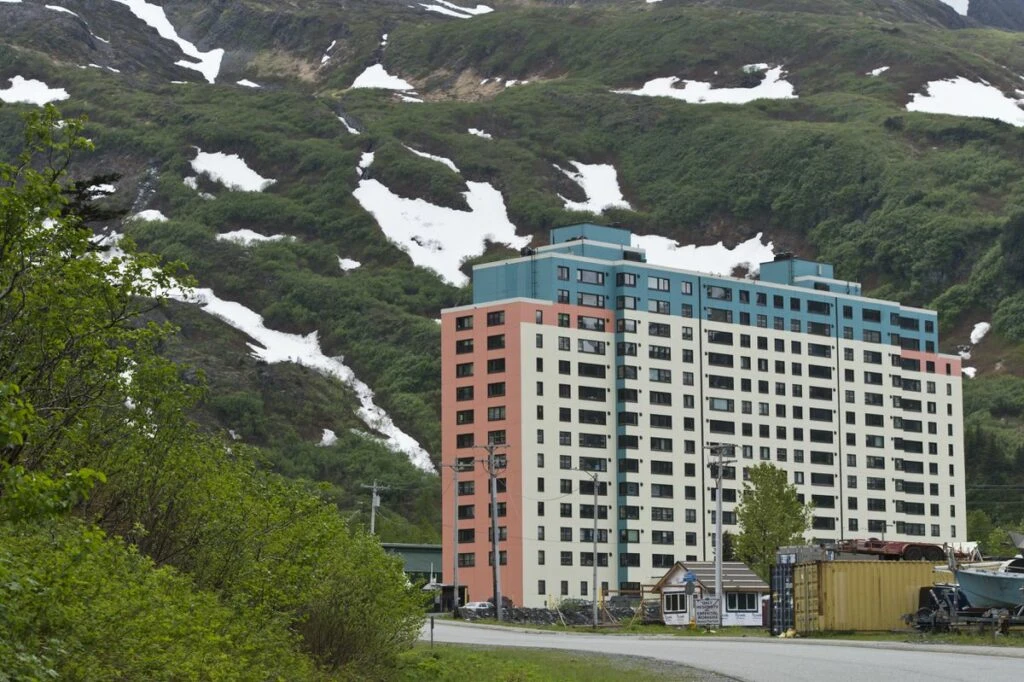
The Story Behind Begich Towers
Designed by architect Anton Anderson, the building became the tallest structure in Alaska. It was named Begich Towers in memory of Nick Begich, a U.S. Congressman from Alaska who tragically died in a plane crash. More than just an apartment complex, it was designed as a self-contained vertical city. The plans included military headquarters, a medical clinic, a cafeteria, gymnasiums, recreational areas, a laundry facility, a library, and even a chapel. 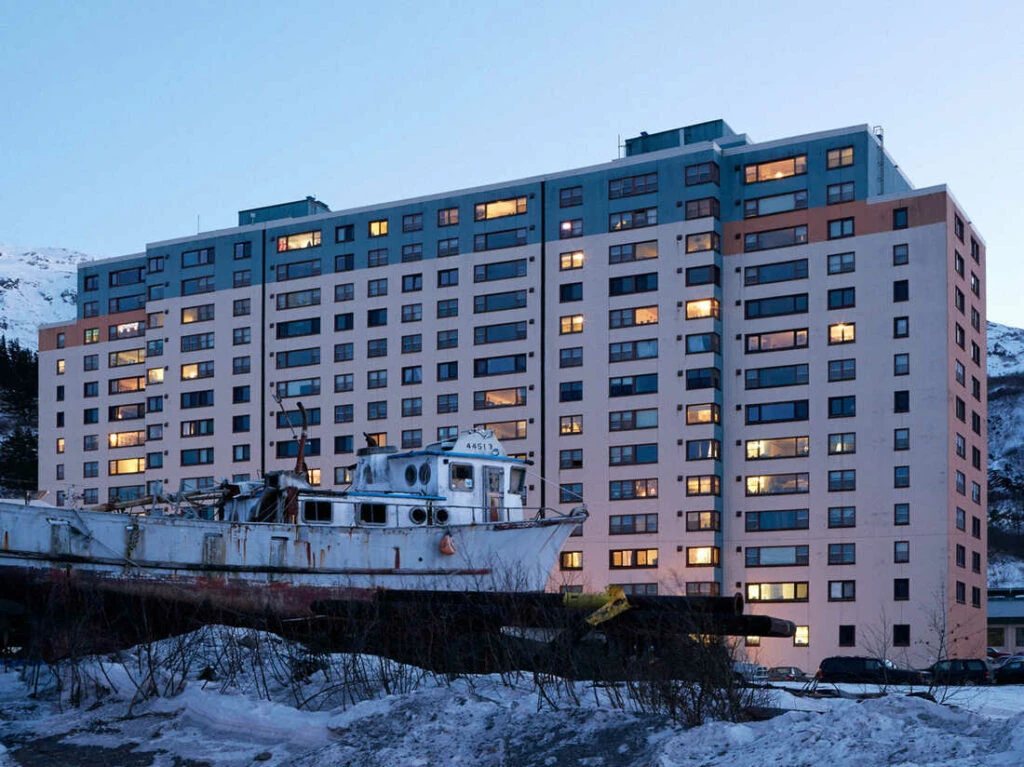
For several years, the high-rise stood proudly over the outpost—until disaster struck. In the spring of 1964, the Great Alaska Earthquake triggered devastating tsunamis and landslides that almost completely wiped out Whittier's low-rise buildings. 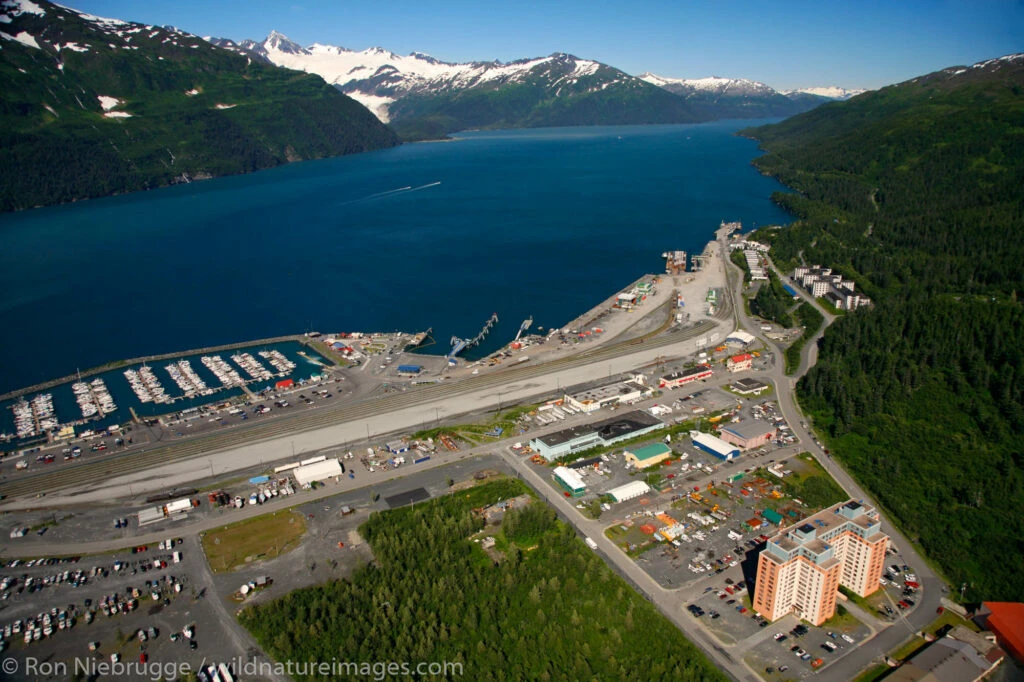
Begich Towers sustained damage as well, but military crews quickly repaired the structure. Their stay, however, was short-lived: the military soon decided to decommission the base, deeming Whittier too vulnerable a location for naval ships and munitions storage. Yet the town survived. The port remained operational, and the majority of civilian residents chose to stay. 
How an Entire Town Moved Under One Roof
Residents were temporarily allowed to move into the vacant high-rise while their homes were being rebuilt. But as years passed, state authorities were in no hurry to construct new housing. Since no one was asking the locals to leave the building, they simply made it their permanent home. The arrangement proved remarkably convenient: daily essentials were located right on the lower floors, allowing residents to run errands without stepping outside into harsh Alaskan weather. To this day, many residents leave the building only to head to work at the port. 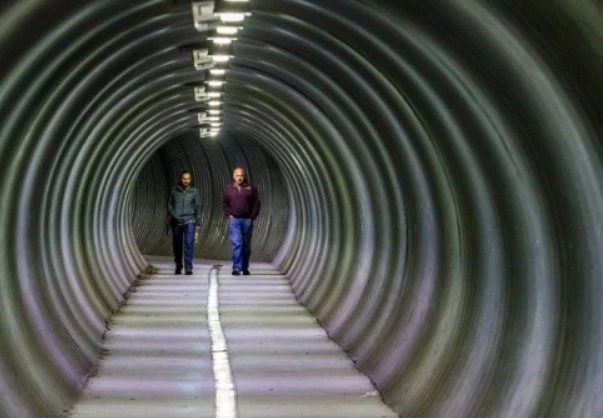
Although the local school is housed in a separate building, children don't even have to brave the cold to get to class. A heated, well-lit underground tunnel connects Begich Towers directly to the schoolhouse. Over time, the former military facilities were repurposed for civilian use, though the administrative wing retained its governing role, now serving as city hall and the local police station. 
The athletic facilities once used by naval personnel were transformed into fitness spaces and indoor play areas for kids. Other military quarters were converted into grocery stores, a barbershop, and repair services, while the chapel remained in its original location. 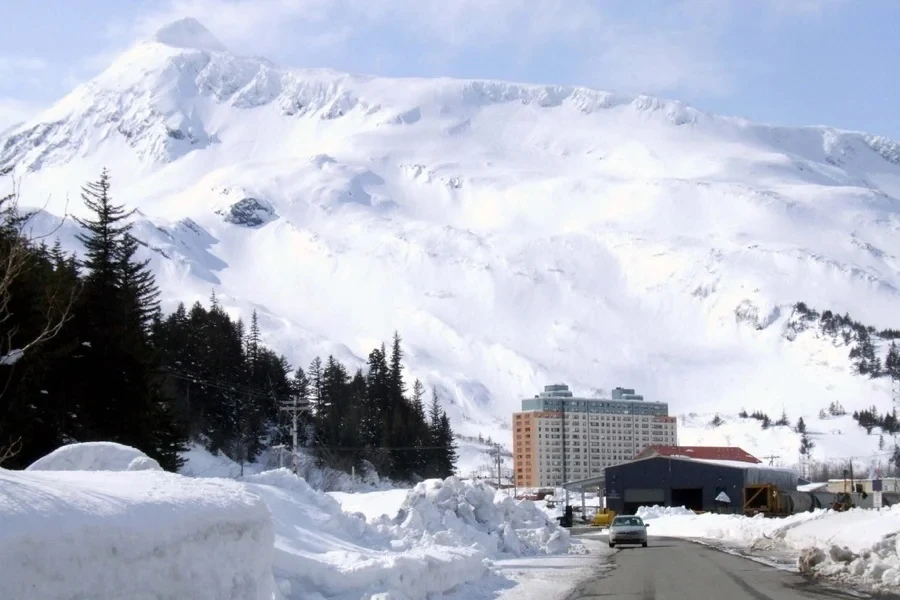
Life in Whittier is far from easy. Winters bring heavy snowdrifts and long polar nights, while the short summers offer little sunshine and weeks of continuous rain. Job opportunities are scarce, so newcomers rarely move in. Yet long-time residents are in no rush to trade their single-building town for modern city life. Those who remain in Whittier have consciously chosen this unique way of living and are perfectly content with it. 
The town also attracts the occasional tourist. A few enterprising locals rent out their apartments and offer guided tours of Begich Towers—despite building regulations prohibiting short-term rentals. Visitors are willing to pay top dollar for the exotic experience, which includes exploring the building and taking in the breathtaking surrounding landscape.