Hyundai has figured out a way to improve suspension comfort without increasing roll in corners (3 photos)
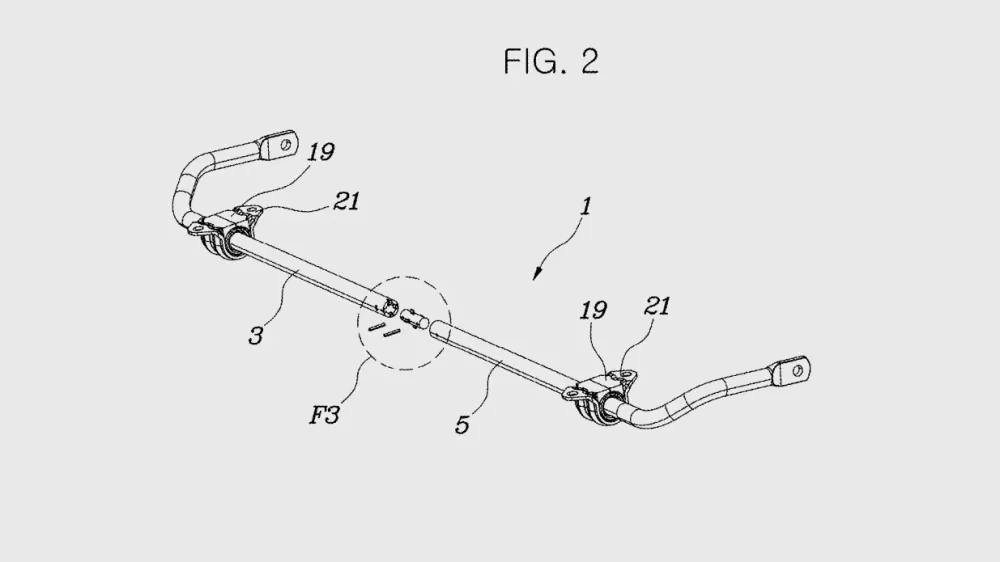
Hyundai has developed a new anti-roll bar design—it can automatically adjust its stiffness depending on driving conditions. This development aims to resolve the traditional conflict between ride comfort and handling. A patent for the invention has been registered with the United States Patent and Trademark Office (USPTO), and was brought to the attention of Carbuzz.com. 
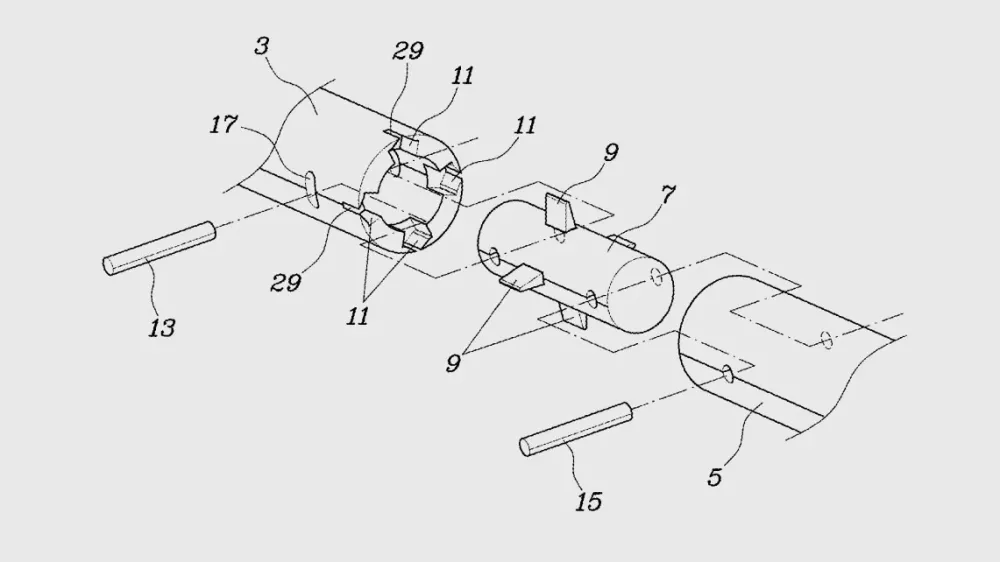
The stabilizer bar is divided down the center into two independent segments, connected by an internal connecting shaft. Guide pins secure the elements and limit their movement.
With a micro-profile road or small torsional angles, only the elastic elements of the link shaft within the free play of the oblong hole are deformed. This ensures a low initial stiffness, which improves ride comfort, more effectively isolates the body from minor road vibrations, and reduces cabin noise.
During maneuvering and increased roll, the pin reaches the edge of the oblong slot, and the protrusions press against the groove walls, fully engaging the entire metal structure of the stabilizer, increasing the final stiffness.
Unlike more complex and expensive active roll control systems using hydraulics or electric drives (such as those used by Porsche, Rivian, BMW, and Bentley), Hyundai's passive design is simple to manufacture and highly reliable. The low cost will allow this technology to be used not only on premium cars, but also on affordable performance models such as the Hyundai Elantra N, or future electric vehicles from the N division. The company has not yet commented on the development, so the approximate time frame for the innovation's availability in production models is unknown.