A dog's smile, a cat's playfulness, a horse's loyalty—animals are just as expressive as humans! They obviously also experience joy, sadness, and fear. Signs of joy include tail wagging in dogs and even dancing in birds! Fear makes animals' hearts beat faster, and cats express sadness by licking their fur. They can also feel envy and rejoice at the success of their companions. Who said emotions are only a human trait? Observing animals, we become convinced: they feel, just like us. 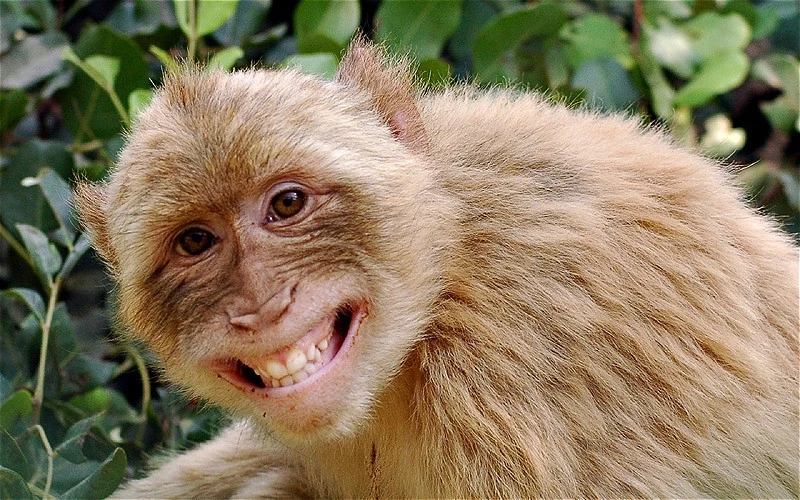
1. Tigers know how to take revenge
In 2007, some young men decided to tease an Amur tigress at the San Francisco Zoo on Christmas Day. It doesn't matter now what they said to the tigress. What matters is that a deep grudge was ingrained in her animal soul. A few minutes after the offenders left, she emerged from the enclosure, spreading terror through the open enclosures of other animals, cutting a path through the appetizing crowd of people, and found those same three villains to settle a bloody score with them. 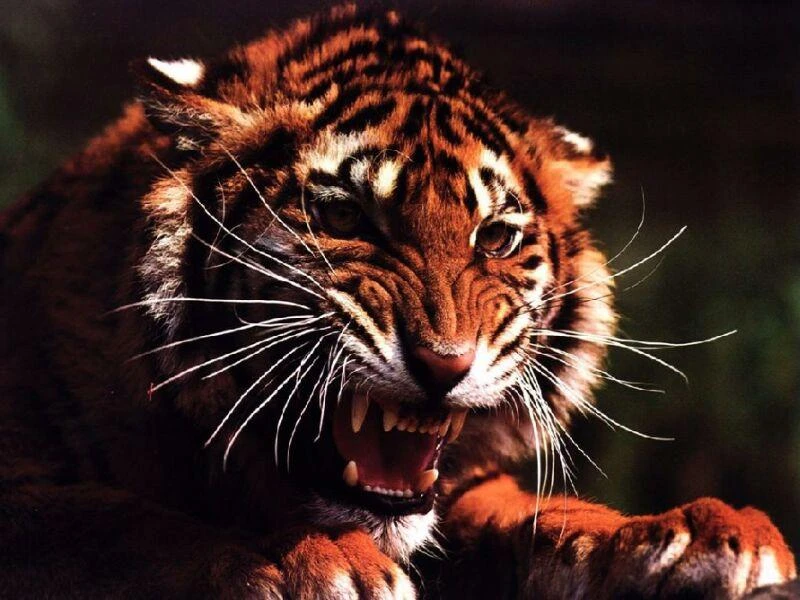
However, in reality, this is nothing compared to the story of Vladimir Markov, a poacher. One fateful day in 1997, Markov managed to wound a tiger and, as an added humiliation, appropriate part of the tiger's kill. The tiger, despite everything, managed to escape. However, deep wounds remained not only on the predator's body, but also in its soul.
Later, the tiger found Markov's hunting lodge in the forest. Not finding its owner, the beast unleashed its fury on anything that smelled of the poacher and lay in wait for revenge at the entrance. And if anyone thinks that upon Markov's arrival, all misunderstandings were settled over a cup of tea, we have disappointment. The tiger dragged Markov into the bushes, tore him to pieces, and ate him.
2. Rats never abandon their own
The word "rat" is considered an insult by people, regardless of age or social status. Call someone a rat at work and see for yourself. No one will be happy.
The reason lies not only in the fact that dirty rats carry various diseases, but also in their blatant failure to meet the standards of human virtue. Rats are unaware of mutual aid and are incapable of organizing social groups. All they can do is madly race to any rotting garbage, then devour it, walk over each other, and defecate right on their neighbor's face in a frantic, selfish battle for food and reproduction. 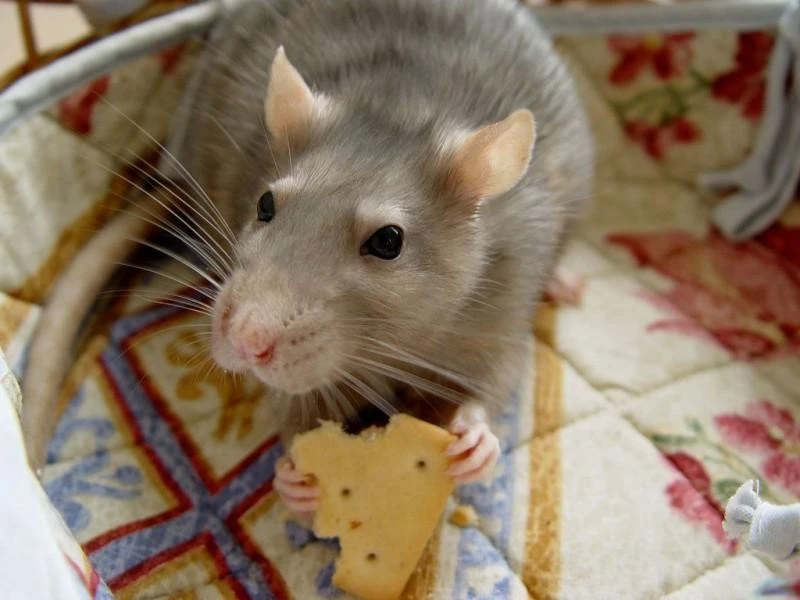
However, centuries of scientific experience tell us that animal behavior, seemingly haphazard and horrific at first glance, can appear in a new light with prolonged observation. Researchers of rat behavior have encountered examples of rats' altruism and devotion to one another. Ironically, the scientists themselves were forced to conduct a cruel experiment, creating a psychological torture chamber like in the film "Saw."
One of two rats, who had been living together for some time, was placed in a confined space, while the other was left outside to observe its trapped companion. As expected, the captive rat began making distress calls, prompting the other rat to immediately take rescue measures. In a striking display of empathy, the free rat rushed to its friend's aid, ignoring even the specially prepared mountain of treats.
And the rat's kindheartedness didn't stop there. Once the rescue was complete, the helper rat shared its treat with the rescued one. The two friends ate in silence, their gaze expressing their disdain for the astonished scientists.
3. Elephants mourn the dead
Elephants are like the Harvey Keitel of the animal kingdom: obvious bullies, but with a touch of mature intelligence, making them somewhat less threatening. They are also constantly naked. But thanks to the cartoon "Dumbo," we think of elephants as gentle and sensitive, right? Well, there's one ability that, in people's minds, corresponds to the depth of human emotion: the ability to mourn the dead. 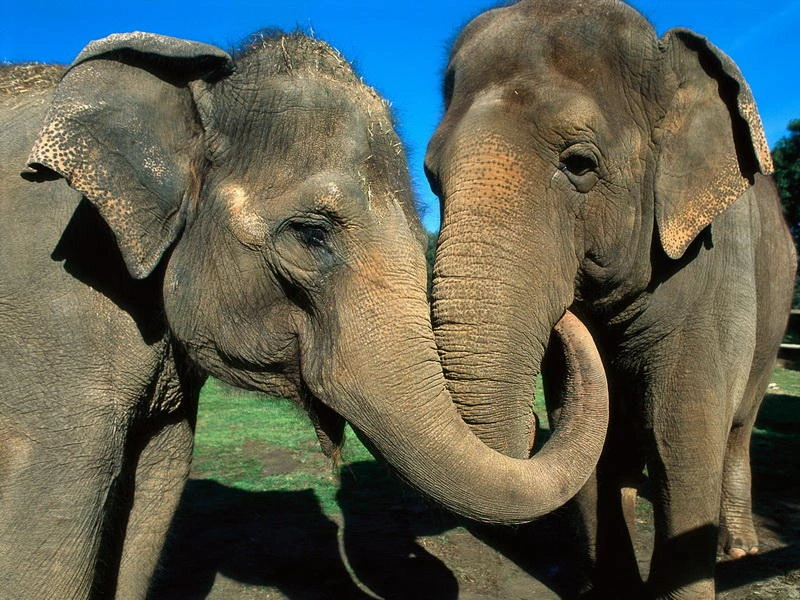
So, if you think animals see their fallen brethren as nothing more than lumps of rotting flesh, consider elephants. When they come across the remains of their own kind, they gather around and caress the skulls and tusks with their thick trunks.
Not only do elephants convincingly show respect for the skeletons of their dead comrades, but they also bury them in foliage or nearby bushes.
And it's not limited to the corpses of other elephants. One pachyderm in Kenya killed two people. However, instead of simply abandoning the bodies, it went and buried them.
So, if an elephant does kill you, it will only do so with a feeling of profound guilt and the utmost respect for your corpse.
4. Fruit flies drown their sorrows in alcohol
For many of us, personal failure and alcohol are as inseparable as New Year's and...alcohol. Because being human isn't always a good thing—we have big brains, big loves, and therefore big emotions, which require large bottles of booze to suppress. But as surprising as it may sound, humans aren't the only creatures who behave this way. 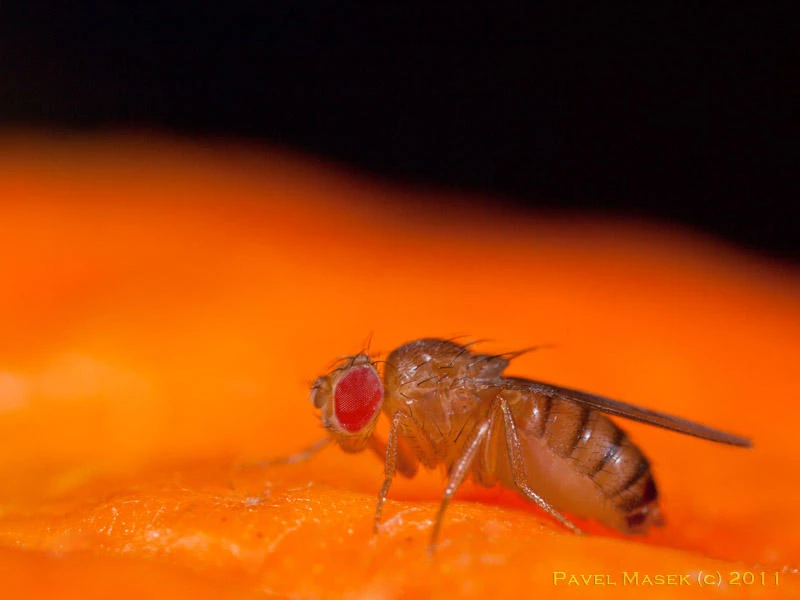
Since fruit flies are, above all, highly sexual creatures, scientists wondered what happens to them when they are rejected. Rejection is not uncommon in fruit flies, as females tend to be prudish, especially if they have just mated. If a second male attempts to mate, the female will kick him and run away. Because, you see, she's not some kind of slut.
After their sexual encounters, the scientists offered both the rejected and successful flies a choice of regular or alcohol-soaked food. Moreover, fruit flies showed no preference after yet another sexual conquest, while their counterparts who had failed significantly more often chose food laced with alcohol.
Actually, the same physiological reasons underlie the behavior of both flies and humans. Alcohol triggers the release of reward chemicals in the fruit flies' brains, so when they are not satisfied with sex, they seek solace in a bottle. Or (in this case) in a large portion of food laced with alcohol. Basically, if you're feeling depressed, dip your pizza in gin.
5. Pigeons are prone to superstitions
If there's one type of mental activity unique to humans, it's superstition. After all, intelligence is a double-edged sword, right? There's probably only one animal smart enough to create a computer and stupid enough to believe in lucky socks that bring good luck in the lottery. And yet, there's another superstitious (and untrained) animal besides us. We're pleased to introduce you to every motorist's favorite: the pigeon. 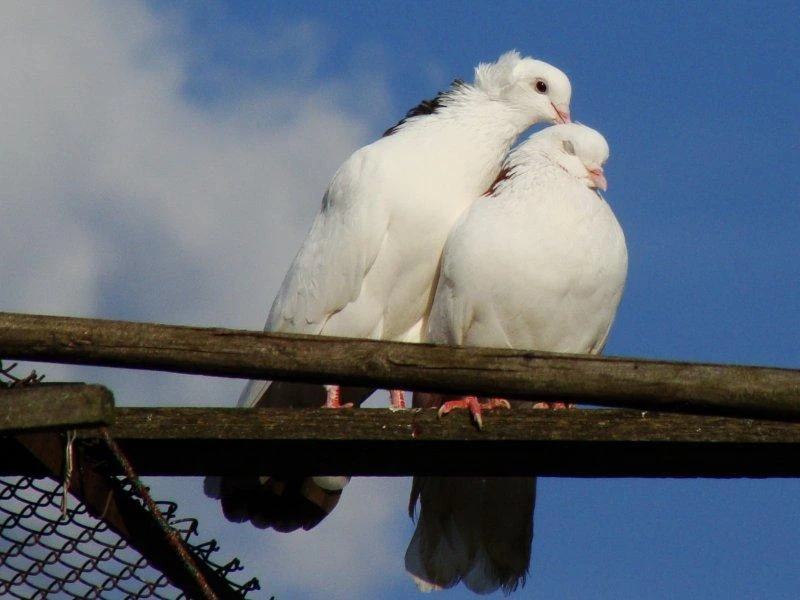
B.F. Skinner, the renowned psychologist who many of you probably know as "that guy with the box," kept not only rats but also pigeons in his cages. The cages were equipped with a mechanism through which food was regularly dispensed, and the pigeons devoured it as if it were their last meal. The pigeons loved the food and couldn't figure out how to get more.
Unable to grasp the concept of free food, the pigeons assumed that the food appeared as a result of their actions, approved by the pigeon god of feasting. For example, one pigeon turned to the right when food was presented and therefore assumed that this movement was the reason for the food's appearance.
Each pigeon developed its own belief system. Some decided that it was necessary to turn counterclockwise two or three times, others made pendulum-like head movements, and still others nodded. Skinner kept the pigeons well-fed to eliminate the influence of hunger on their behavior. This way, the pigeons didn't go crazy from hunger—they were willing to believe anything, as long as they had something to bomb cars with.
Add your comment
You might be interested in:









How a neural network sees pets (5 photos)

Photo of a cat in a supermarket trolley caused a lot of
Beautiful butterfly Swallowtail (18 photos + 2 videos)
A huge rat shows its owner its newborn cub (5 photos + 3
We just discovered that fur seals are actually... sea

If you love to print, you also love to pay money: HP

AGTZ Twin Tail presented - a very expensive transformable
A passenger "flew" out of a plane because of her

Photographer stumbles upon abandoned Orient Express in

Protective film Removing it with a power screwdriver

When a child plays hide-and-seek at a professional level

Super dads who swoop in to save the day

Precision carpentry

Looks like it's time to buy WinRAR
How to hang wallpaper neatly
Man sets up bedroom camera and discovers the reason for his

Athlete in Bavarian dress flies over a lake on a hydrofoil

First meeting with Mom's twin sister
