10 Mind-Blowing Facts from History, Science, and Beyond (11 Photos)
Imagine being trapped in the flooded engine room of a capsized ferry. Water is rising, your air pocket is shrinking by the minute, and hope is slipping away. 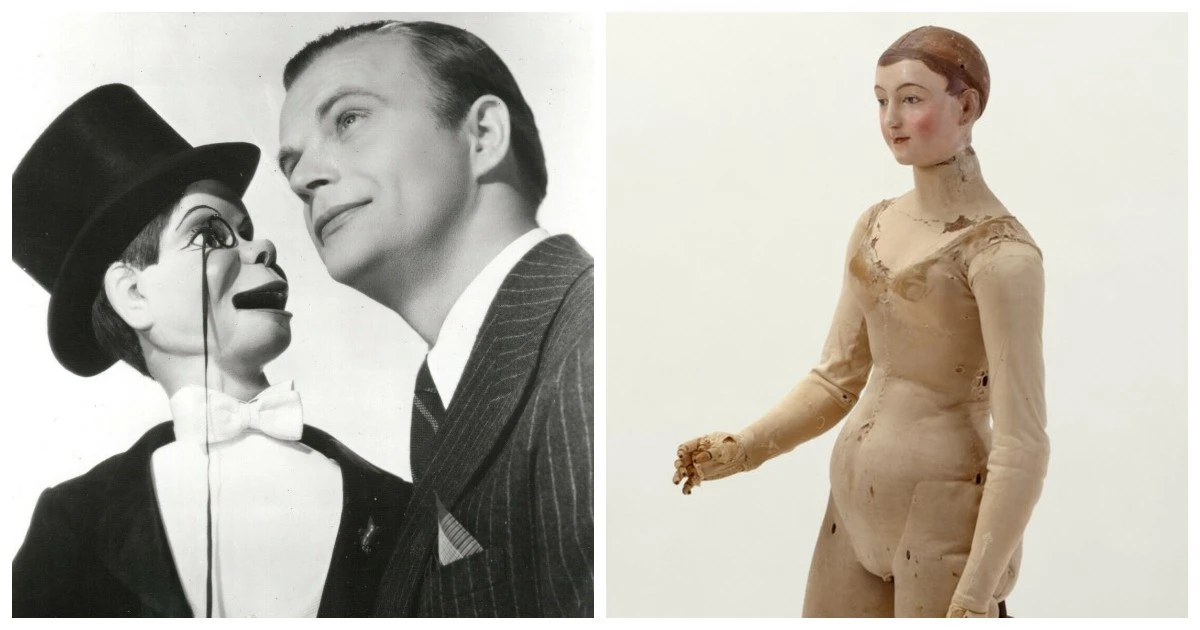
Engineer Augustine Charahani endured over 40 hours in this living nightmare before a rescue diver grabbed his ankle. This isn't a movie plot—it's a real-life tale of survival. And it's just one of ten incredible, strange, and fascinating stories waiting for you below.
1. Saved by an Air Pocket 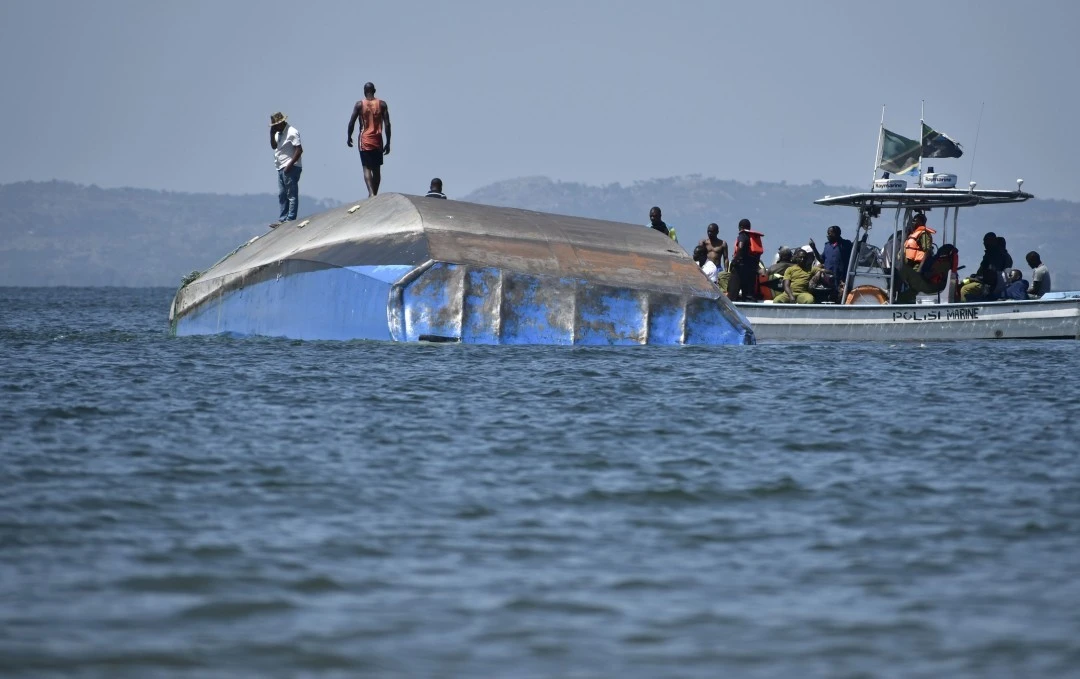
In 2018, engineer Augustine Charahani survived for over 40 hours inside a shrinking air pocket in the flooded engine room of the capsized passenger ferry MV Nyerere on Lake Victoria. Starving, exhausted, and submerged in water two-thirds deep, he finally felt a rescue diver grab his ankle—a miracle story from a deadly disaster.
2. A Failed Experiment 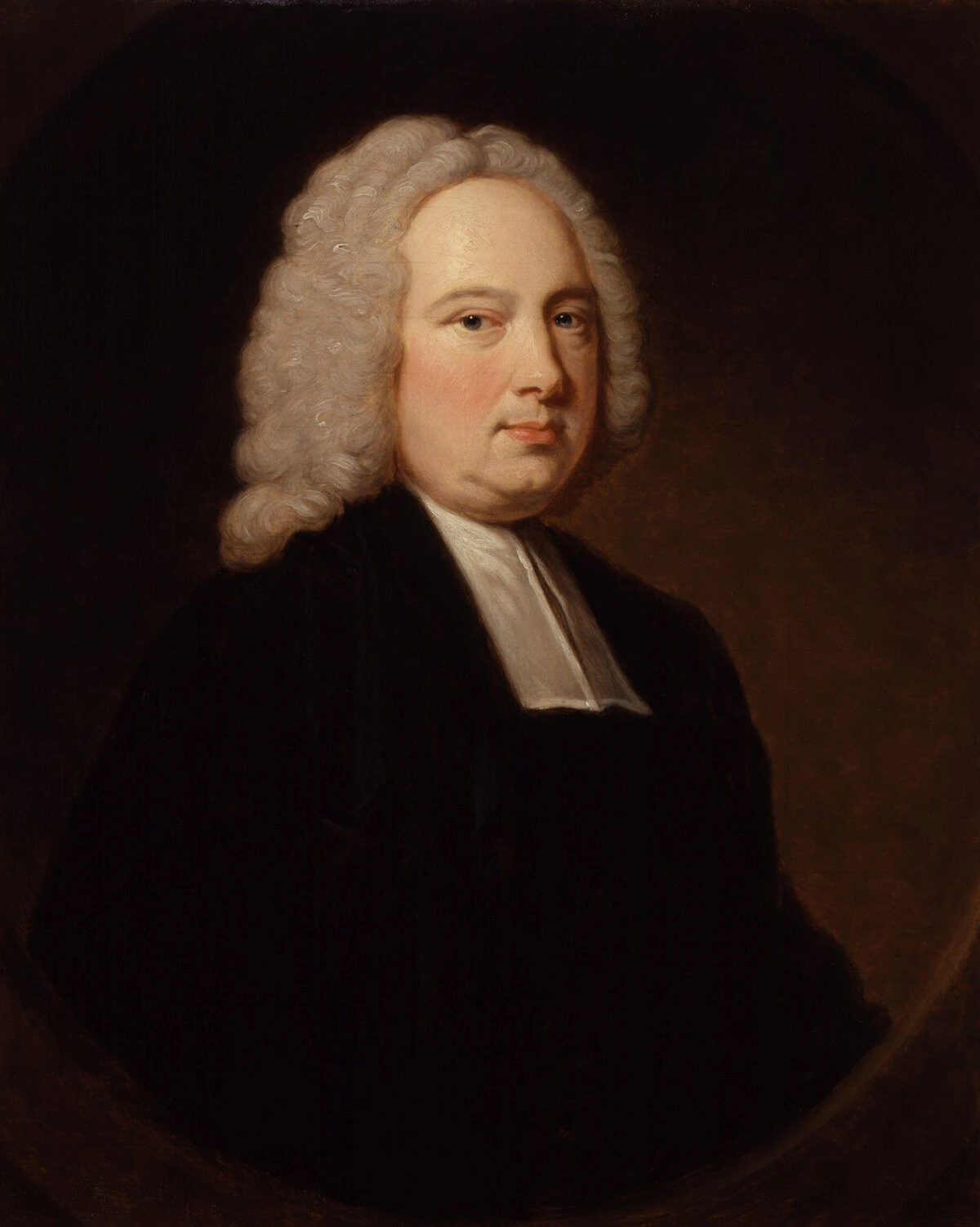
In the 1720s, astronomer James Bradley set out to measure stellar parallax. While he failed in his primary mission, his journey led to the discovery of the aberration of light, provided direct observational proof that the Earth orbits the Sun, and calculated the speed of light with remarkable accuracy.
3. Night Shifts and Dementia Risk 
Working night shifts long-term has been linked to a higher risk of developing dementia, including Alzheimer's disease. One major study found that people who consistently work night shifts face nearly double the risk of Alzheimer's, likely due to disruptions in sleep quality and circadian rhythms.
4. A Warning to the Monarch 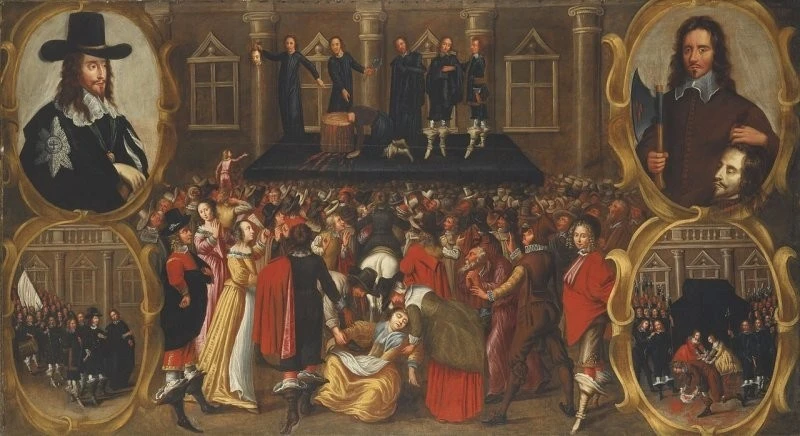
A copy of King Charles I's 1649 death warrant is displayed in the Robing Room used by the monarch during the State Opening of Parliament at the Palace of Westminster. It serves as a stark ceremonial reminder of what can happen to a sovereign who tries to interfere with Parliament.
5. Surviving on Potatoes 
While potatoes alone don't provide a fully balanced diet, a human can survive for an extended period on a diet of potatoes and buttermilk—though long-term nutrient deficiencies will eventually take a toll on health.
6. The Shocking Experiment 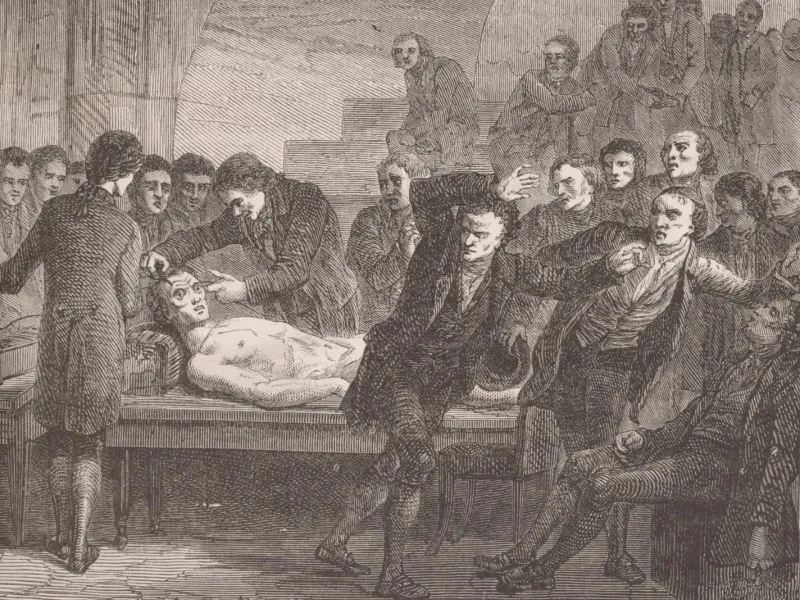
In 1803, scientist Giovanni Aldini performed public electrical experiments on the corpse of an executed criminal. The shocks caused the dead man's jaw to quiver, limbs to twitch, and one eye to pop open. This horrifying spectacle is widely believed to have inspired Mary Shelley to write "Frankenstein."
7. A Peculiar Will 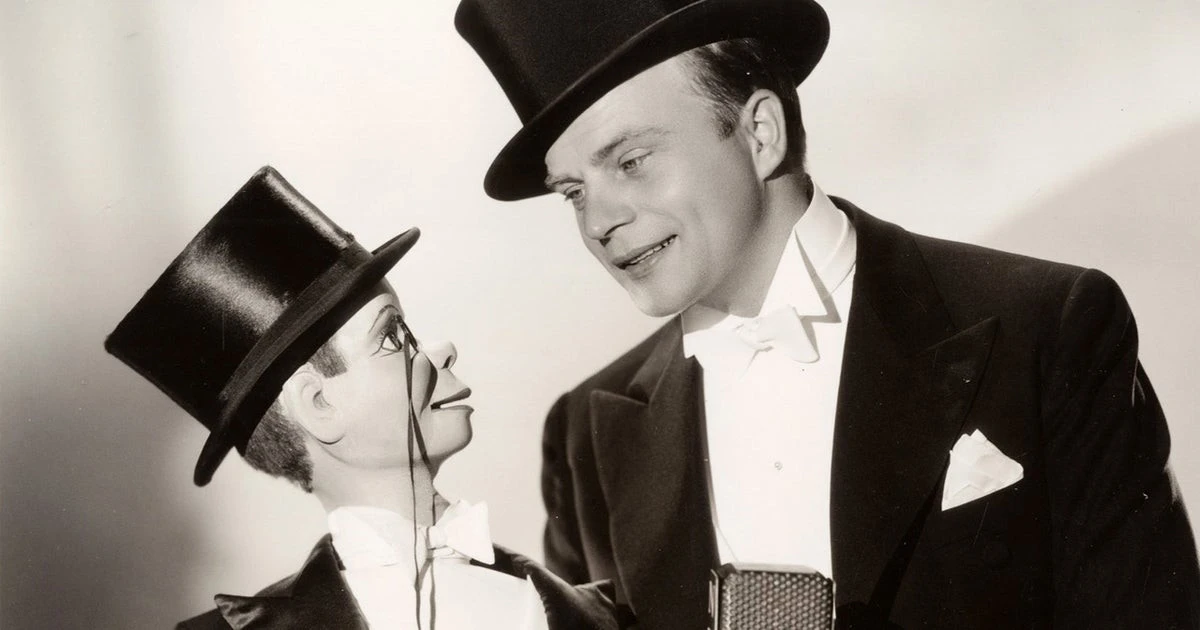
Famed ventriloquist Edgar Bergen left nothing in his will to his daughter, "Murphy Brown" star Candice Bergen—instead bequeathing $10,000 to his dummy, Charlie McCarthy.
8. The Emperor's Revenge 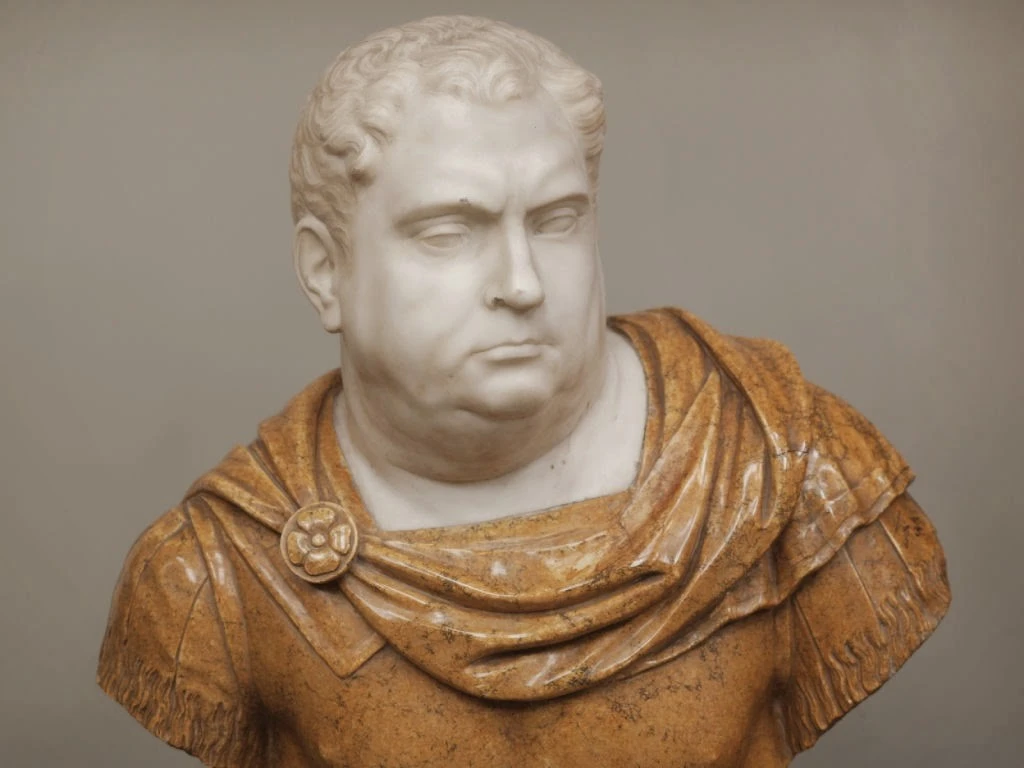
Roman Emperor Vitellius sentenced nearly all the contractors, moneylenders, and tax collectors who had ever demanded debt payments or taxes from him to death. When one man's execution was reprieved, Vitellius ordered him killed in his presence anyway, declaring that he wanted to "feed his eyes."
9. From a Flemish "Little Man" to a Global Fashion Icon 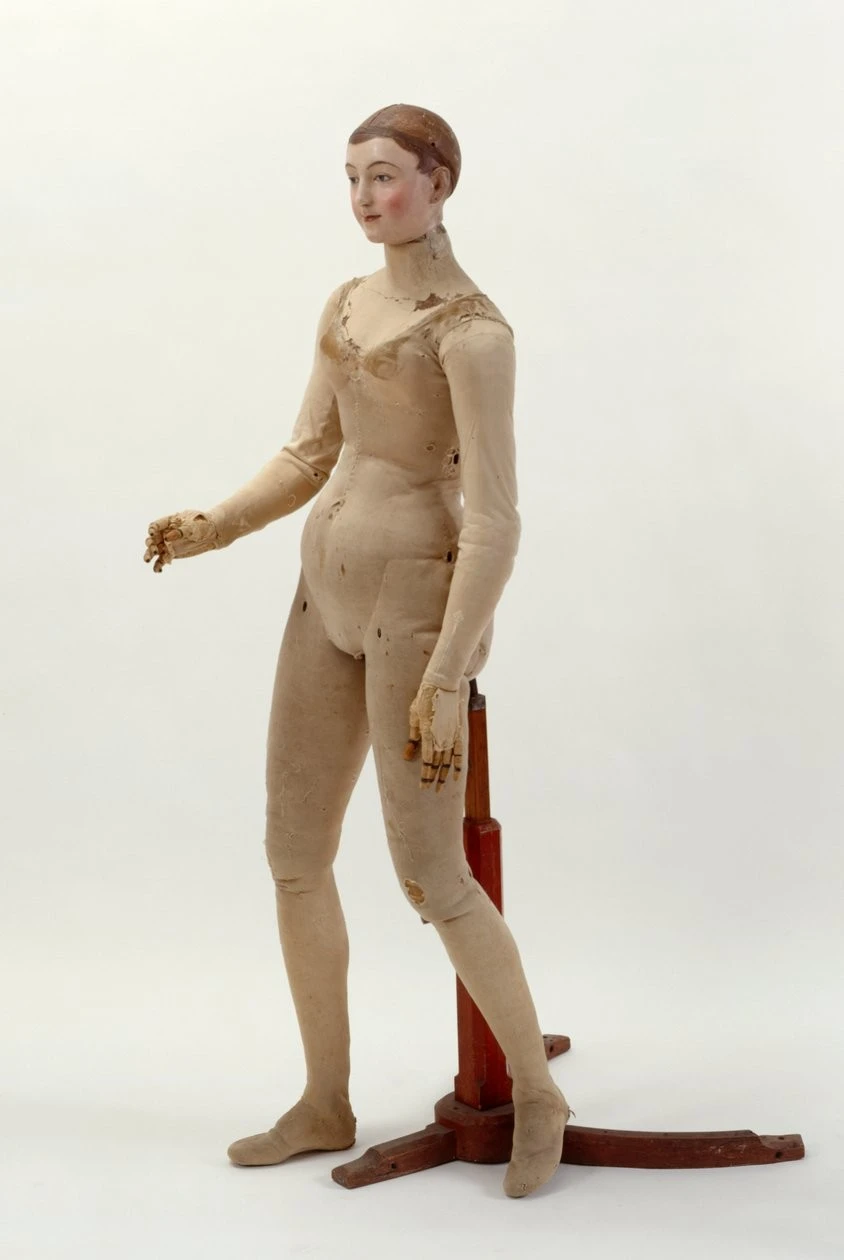
In the Middle Ages, Flanders (modern-day Belgium) was the trendsetter of European fashion. Trendsetters from across the continent gathered there to see the latest styles. However, women were forbidden from modeling clothes, as it was considered improper. Instead, outfits were displayed on either beardless young men or wooden dolls—both referred to as manneken, Middle Dutch for "little man." The French adopted the word, changing its spelling and pronunciation to mannequin. By the 19th century, when France took over as the world's fashion capital, the term spread globally—even returning to Dutch with a brand-new meaning.
10. The Battle of the Names 
When William Herschel discovered the seventh planet in 1781, he broke centuries of tradition by naming it "Georgium Sidus" ("George's Star") in honor of his patron, King George III of Great Britain. However, astronomer Johann Elert Bode pushed for mythological consistency, arguing that Uranus was the father of Saturn, just as Saturn was the father of Jupiter. The name stuck—with a catch. Uranus is the Greek god of the sky, whereas the Roman counterpart is Caelus. Bode was likely unaware of Caelus; otherwise, he would have suggested it. Later discoveries like Neptune and Pluto returned strictly to the Roman naming tradition.