Audrey Tautou: From 'Amélie' to Reclusion — What Happened to French Cinema's Leading Lady (14 photos)
On August 9, 2026, Audrey Tautou will turn 50. Her last screen role was in 2019, and she seems in no rush to make a comeback. Today, the globally famous actress can be spotted on the streets of Paris with a camera in hand—photographing passersby, traveling, and working on a book. Becoming an icon of French cinema off the back of a single role, she did something few in show business ever dare to do: she chose a life over a career. And by all accounts, she hasn't regretted it for a second. 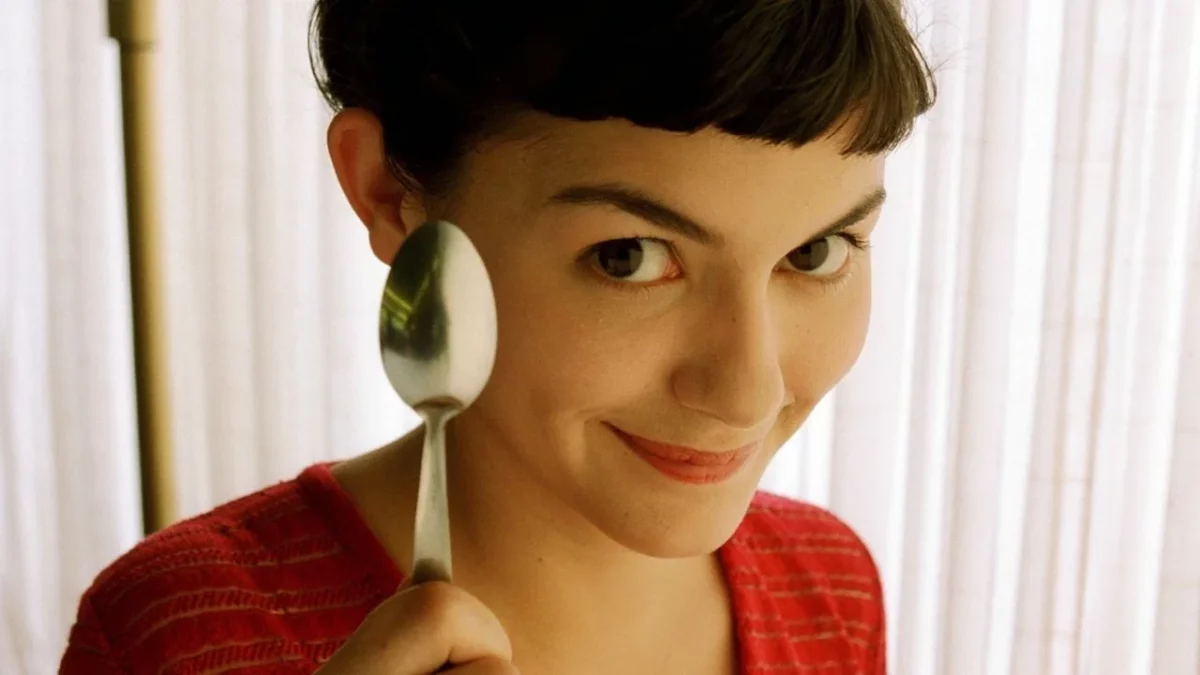
The Girl from Auvergne Who Never Wanted to Be an Actress
Audrey Justine Tautou was born on August 9, 1976, in Beaumont, a small town in the Auvergne region. Her father was a dental surgeon and her mother a teacher—a grounded family that deeply valued education. As a child, Audrey dreamed of becoming an anthropologist, fascinated by human behavior, cultures, and traditional ways of life. Acting was the furthest thing from her mind. 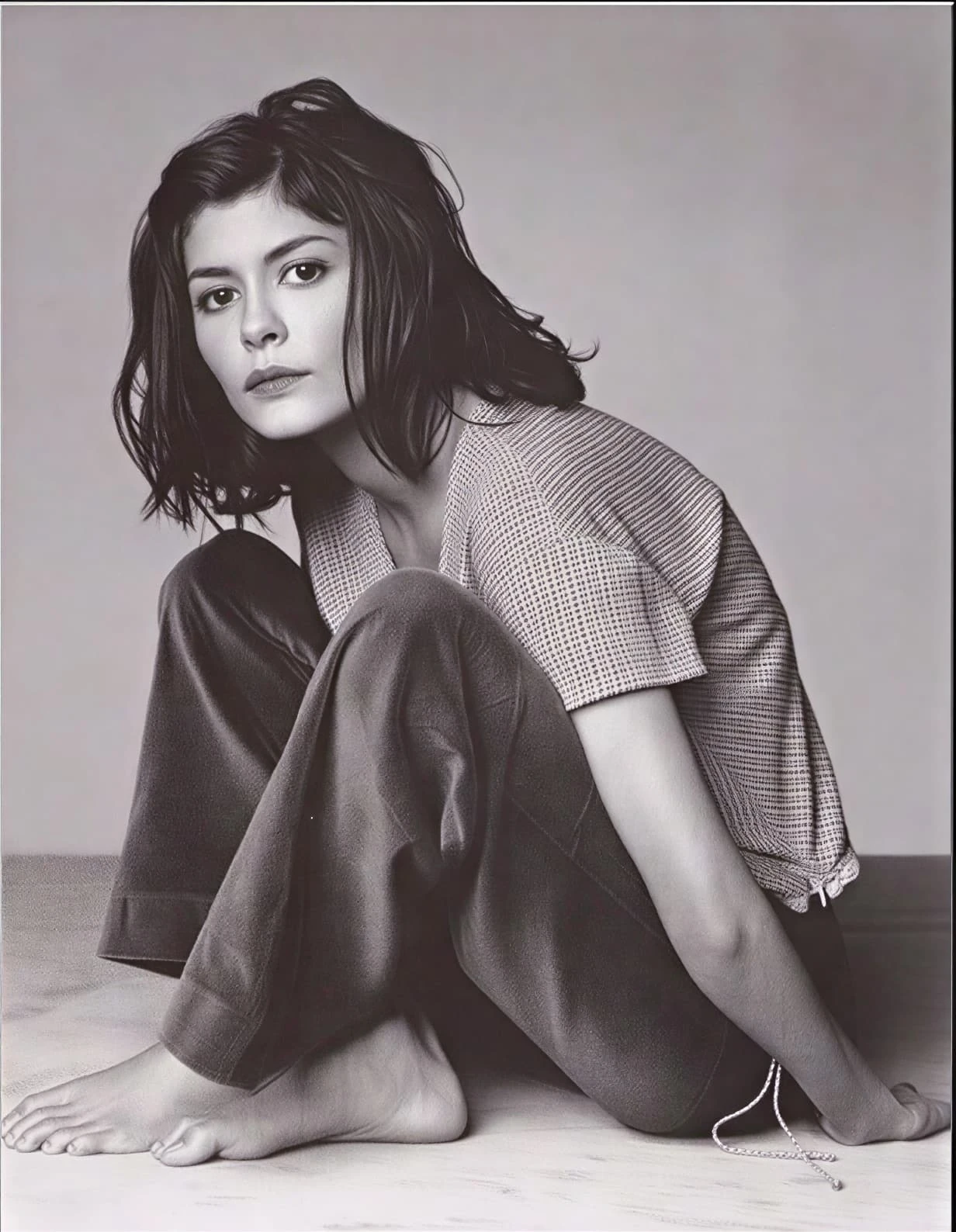
Tautou launched her career in the late 1990s—without industry connections or ambitions of global stardom
Her passion for theater emerged unexpectedly during her high school years. After passing her final exams, she convinced her parents to let her enroll in a summer drama course. They agreed, and that single summer changed everything. Tautou soon enrolled at the prestigious Cours Florent drama school in Paris while simultaneously studying literature at the Catholic University of Paris. In 1996, at age 19, she landed her first TV movie role. 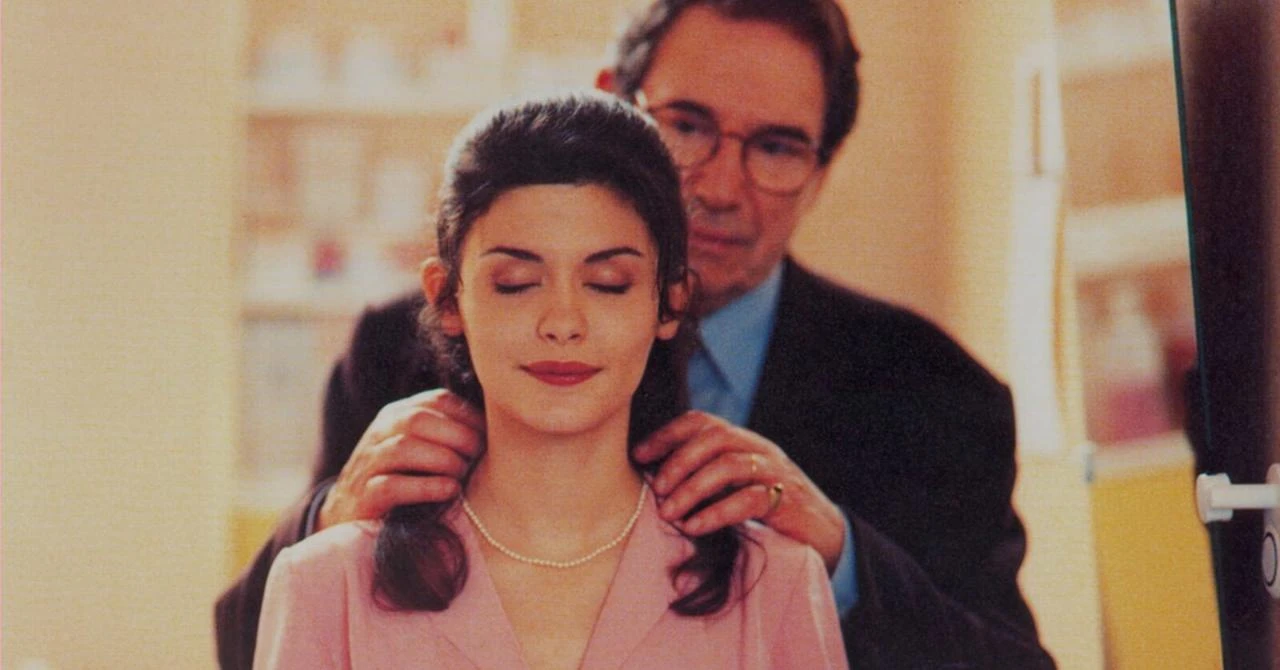
Feature film debut: A breakout role in 'Venus Beauty Institute' earned her a César Award and changed everything
In 1998, she won Best Young Actress at the Béziers Festival of Young Actors. A year later, director Tonie Marshall cast her in her film *Venus Beauty Institute* (*Vénus Beauté (Institut)*). The role earned Tautou a César Award—the French equivalent of an Oscar—for Most Promising Actress. She was just 23. It felt like the beginning of a promising career, but no one could have predicted that two years later, a single film would completely upend her life.
'Amélie': A Triumph That Became a Trap
The year was 2001. Director Jean-Pierre Jeunet released *Amélie* (*Le Fabuleux Destin d'Amélie Poulain*), telling the story of a shy Montmartre waitress who quietly orchestrates the happiness of those around her. The film became an instant sensation, grossing $173.9 million worldwide against a $10 million budget. It picked up five Academy Award nominations and four César Awards, including Best Film. In France alone, nine million people bought tickets. 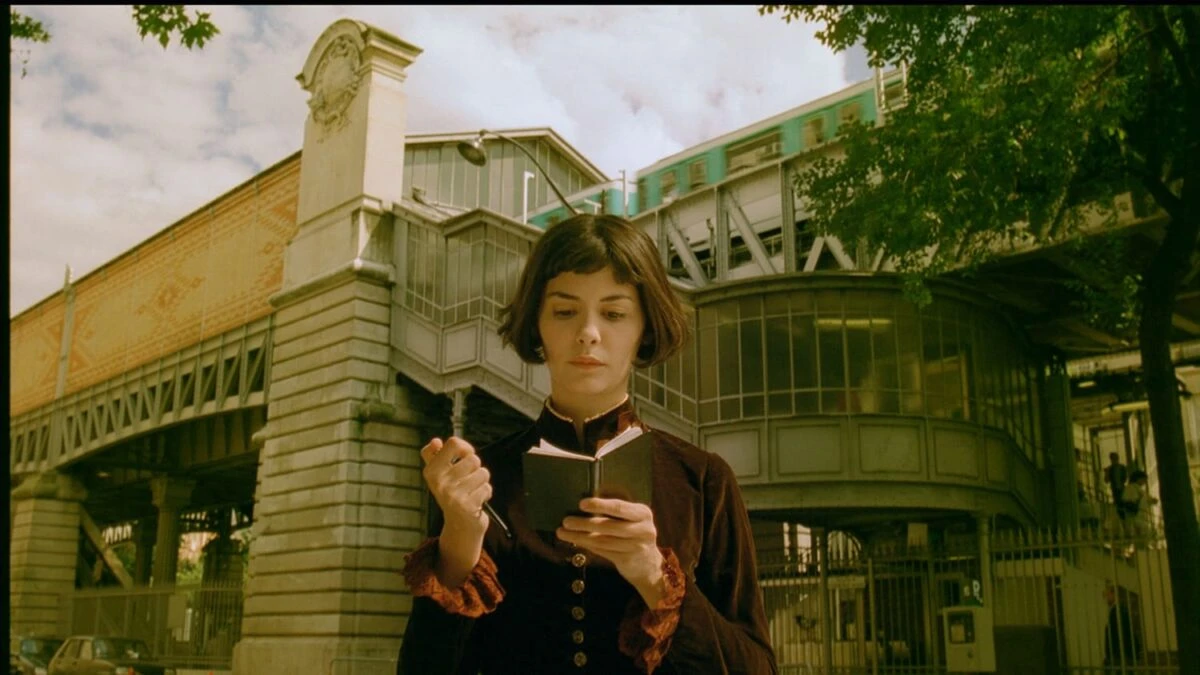
'Amélie' grossed $173.9 million worldwide and earned five Academy Award nominations
Overnight, Audrey Tautou became a household name—not just in France, but across the globe. Her face graced magazine covers worldwide, and critics began comparing her to icons like Audrey Hepburn and Brigitte Bardot. For many, this would have been a dream come true. For Tautou, it was a gilded nightmare.
"Sometimes fame feels like a prison. I've never wanted to live outside the real world, away from real people," she would later reflect in an interview with Time Out. 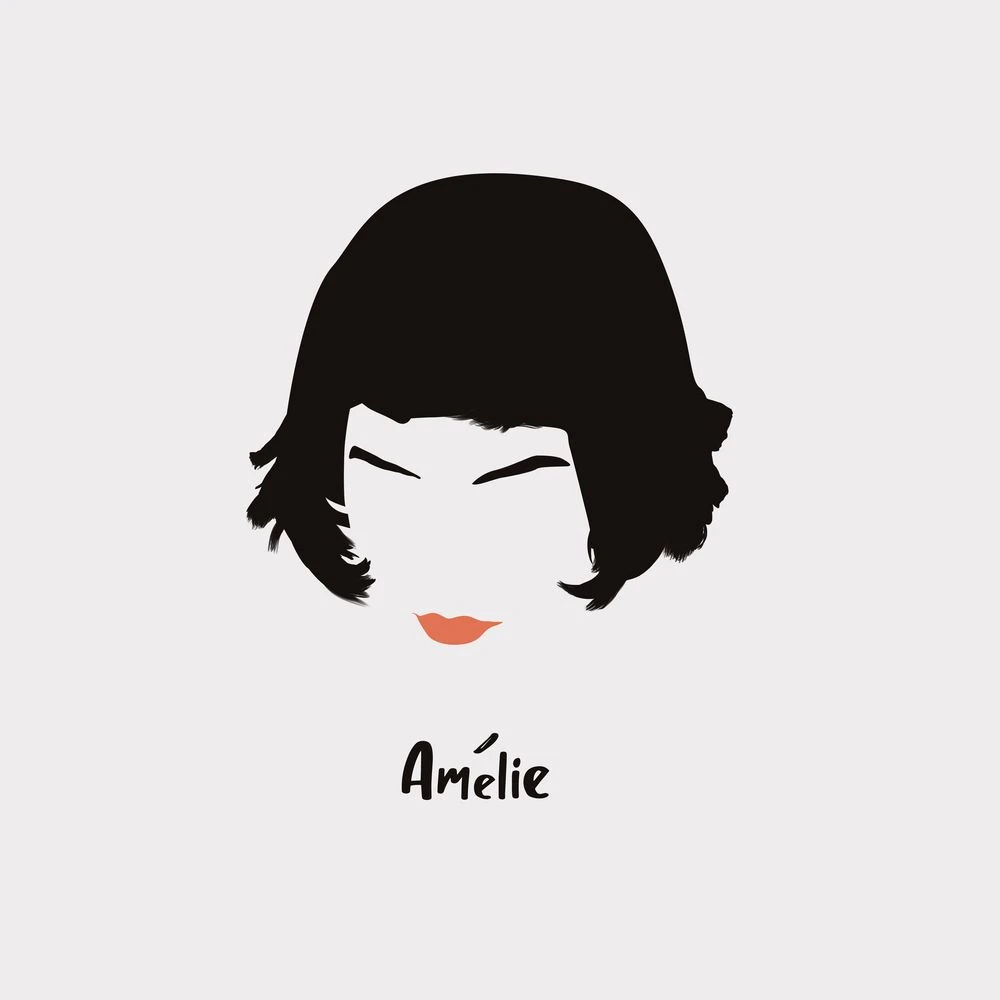
Amélie became as much a symbol of Paris as the Eiffel Tower—and a claustrophobic trap for the actress who brought her to life
That was when she picked up a camera—not for the first time, but with serious intent. Her love affair with photography had actually begun at age 11, when she asked for a "real adult camera" for her First Communion and received a 35mm Nikon F401. Now, photography became a way to reclaim her sense of self: a tool to observe the world rather than be the target of everyone else's gaze.
Hollywood and the Principled Rejection
Following *Amélie*, Hollywood threw its doors open. Tautou stepped inside—just once, quietly and deliberately. In 2006, she starred alongside Tom Hanks in Ron Howard's *The Da Vinci Code*, playing Sophie Neveu, the granddaughter of a murdered Louvre curator. The film grossed nearly $760 million globally, introducing her to millions more viewers worldwide. 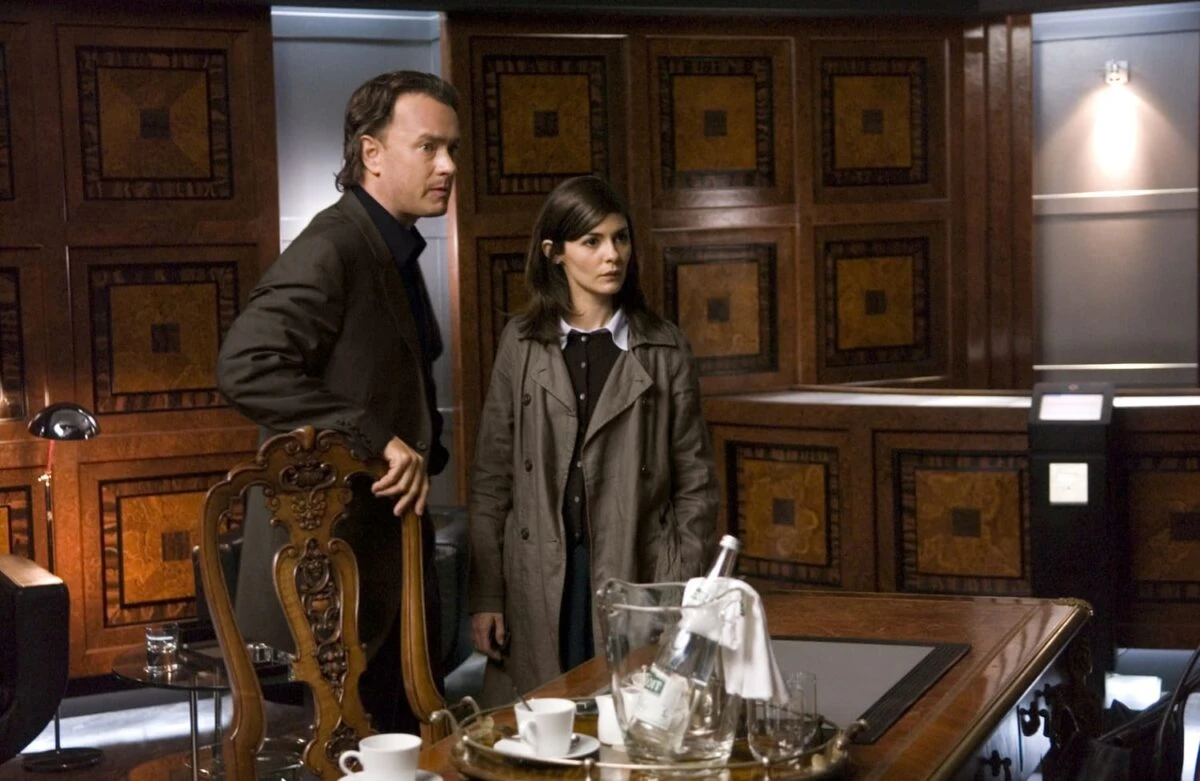
Tautou starred alongside Tom Hanks in 'The Da Vinci Code'—yet she intentionally chose not to build a Hollywood career
Yet *The Da Vinci Code* was never meant to be a launchpad. Tautou returned to France and never looked back. It wasn't for a lack of offers, but a lack of desire. "Fame embarrasses me. I'm not comfortable with it," she confessed to *Le Figaro*. She chose to work only with directors she trusted on projects that genuinely intrigued her—prioritizing human, grounded stories over blockbuster spectacles. 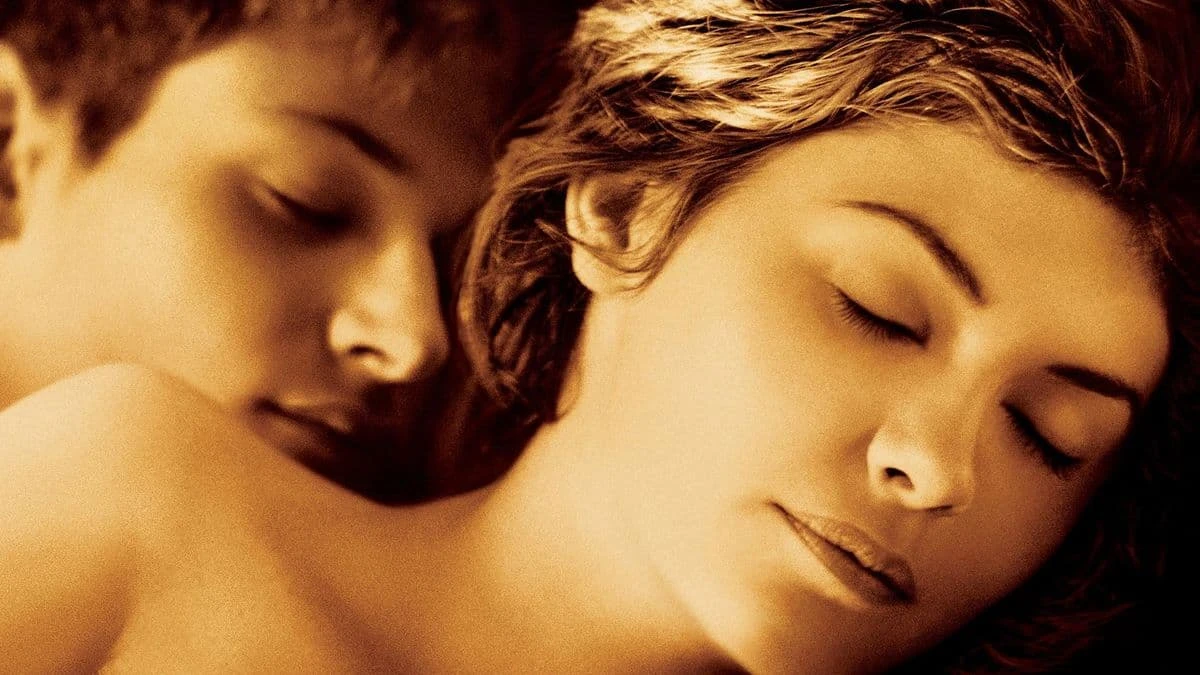
Mathilde waiting for her WWI soldier: Tautou brought resilient, unwavering women to life in every film she chose
In 2004, she reunited with Jeunet for the romantic war drama *A Very Long Engagement* (*Un long dimanche de fiançailles*), which won two Césars and earned Tautou a BAFTA nomination. In 2007 came the intimate drama *Hunting and Gathering* (*Ensemble, c’est tout*), followed in 2011 by *Delicacy* (*La délicatesse*), a subtle story about a woman rebuilding her life after grief. Each role marked a distinct, deliberate step forward.
Coco Chanel, Simone Cousteau, and Other Formidable Women
Looking back at Tautou's post-*Amélie* filmography, a clear pattern emerges. Time and again, she gravitated toward self-determined women who charted their own paths—defying circumstance, era, and societal expectations. 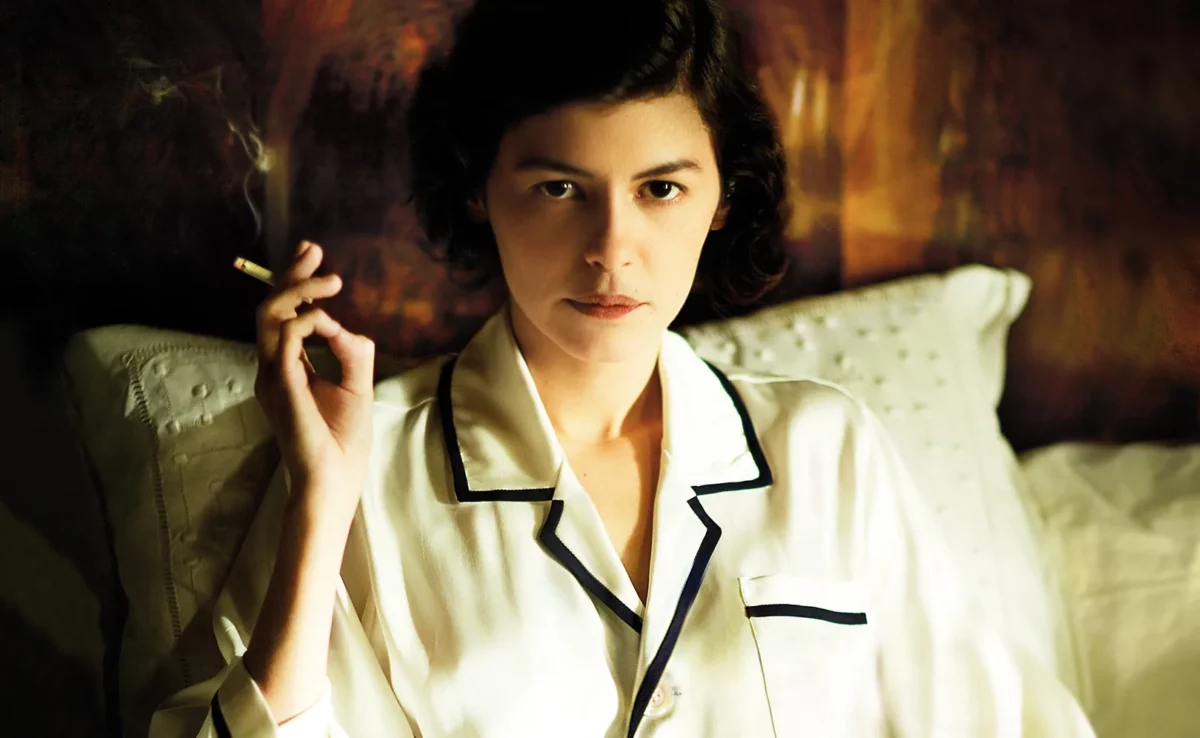
Tautou earned BAFTA and César nominations for her portrayal of Coco Chanel in the 2009 biopic—accolades she never actively chased, but thoroughly deserved
In 2009, she starred in Anne Fontaine's *Coco Before Chanel* (*Coco avant Chanel*), portraying Gabrielle Chanel before she became a fashion legend, as she clawed her way out of provincial poverty. The film grossed $50 million globally and scored four BAFTA nominations, alongside a Best Actress César nomination for Tautou. Though Keira Knightley was also considered for the role, the director ultimately chose Tautou—after all, who could portray a quintessential French icon better than Tautou herself? 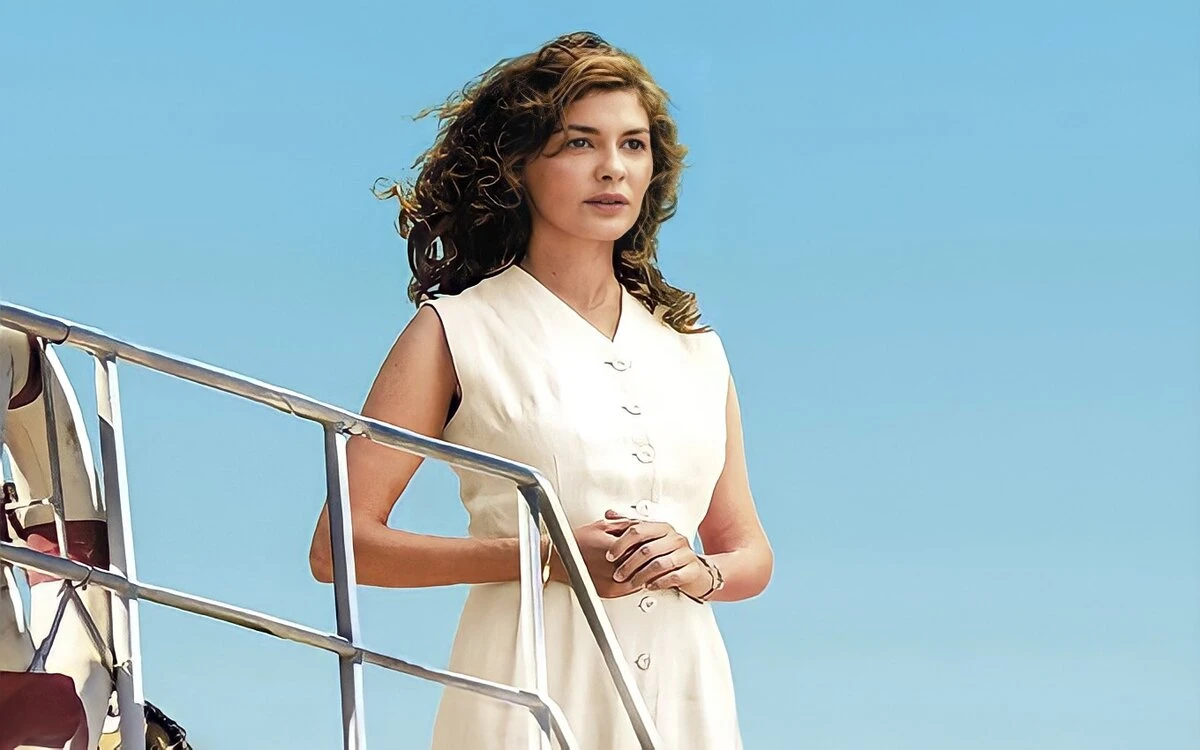
Tautou as Simone Melchior: Spending four decades in the shadow of a famous husband while forging her own distinct destiny
In 2016, she starred in Jérôme Salle's *The Odyssey* (*L'Odyssée*), a biopic about Jacques Cousteau. Tautou played his wife, Simone Melchior—the world's first female aquanaut, who spent 40 years aboard the *Calypso* while remaining largely in the shadows of her legendary husband. Once again, Tautou inhabited a woman standing beside a titan, steadfastly holding onto her identity.
The Face of Chanel No. 5 and Unshakable Boundaries
Alongside her film career, Tautou became the ambassador for one of history's most iconic fragrances: Chanel No. 5. Starring in sleek commercials and print campaigns, she was the quintessential Parisian—petite, cerebral, and enigmatic. The luxury fashion house maintained a partnership with her for years. 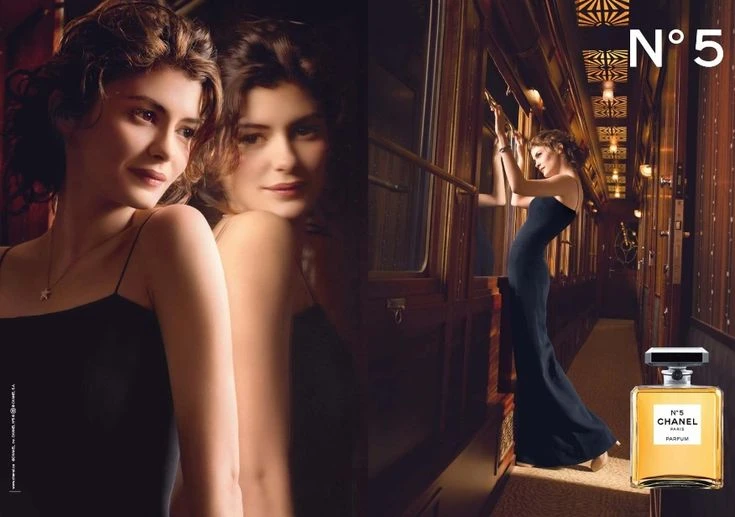
Tautou became one of the most recognizable faces of Chanel No. 5, yet remained one of the most fiercely private celebrities of her generation
Yet despite her global visibility, Tautou methodically constructed a fortress around her personal life. She arrived alone at high-profile events and steadfastly refused to discuss her romantic life. When the French tabloid *Voici* reported in 2019 that she had adopted a baby girl from Vietnam, Tautou offered no response—staying true to her lifelong code of silence. "The less I'm in the spotlight, the better I feel," she told *Marie Claire* in 2017. "I finally need to exist for myself."
"Fame embarrasses me. I've never wanted to live outside the real world, away from real people."
Photography as a Parallel Life
In July 2017, Montmajour Abbey in Arles played host to *Superfacial*—Tautou's debut solo photography exhibition, unveiled as part of the prestigious Rencontres d'Arles festival. The showcase featured work she had quietly accumulated over 15 years, split into two series: a collection of satirical, staged film self-portraits, and over 500 candid shots of the journalists who had interviewed her throughout her career. 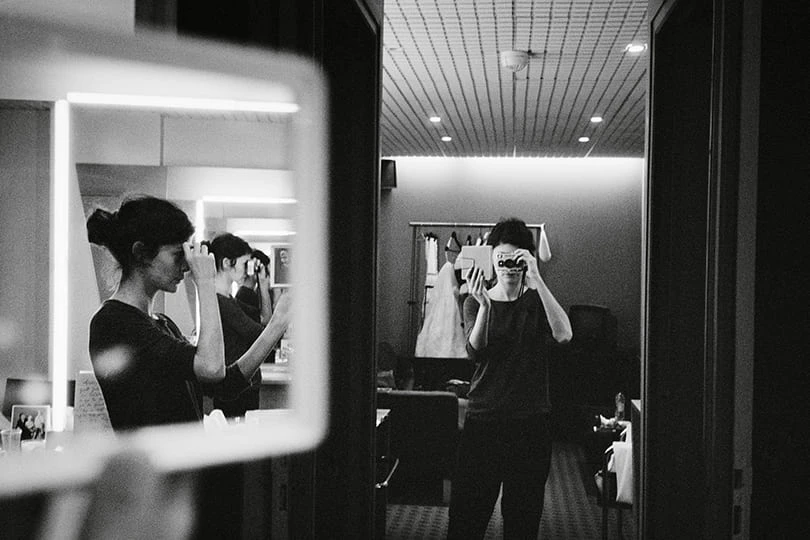
The 'Superfacial' exhibition opened in Arles in July 2017, revealing 15 years of secret photography that she had never publicly mentioned
The dialogue between the two series was unmistakable: in one, Tautou dissected her own public persona; in the other, she turned her lens on those who constructed and transmitted that persona to the world. As journalists documented her, she documented them—a quiet act of artistic retaliation.
"My work is instinctive," she explained in an interview with *Polka Magazine*. "I take pictures of people on the street and while traveling. For a while, I photographed the journalists interviewing me." 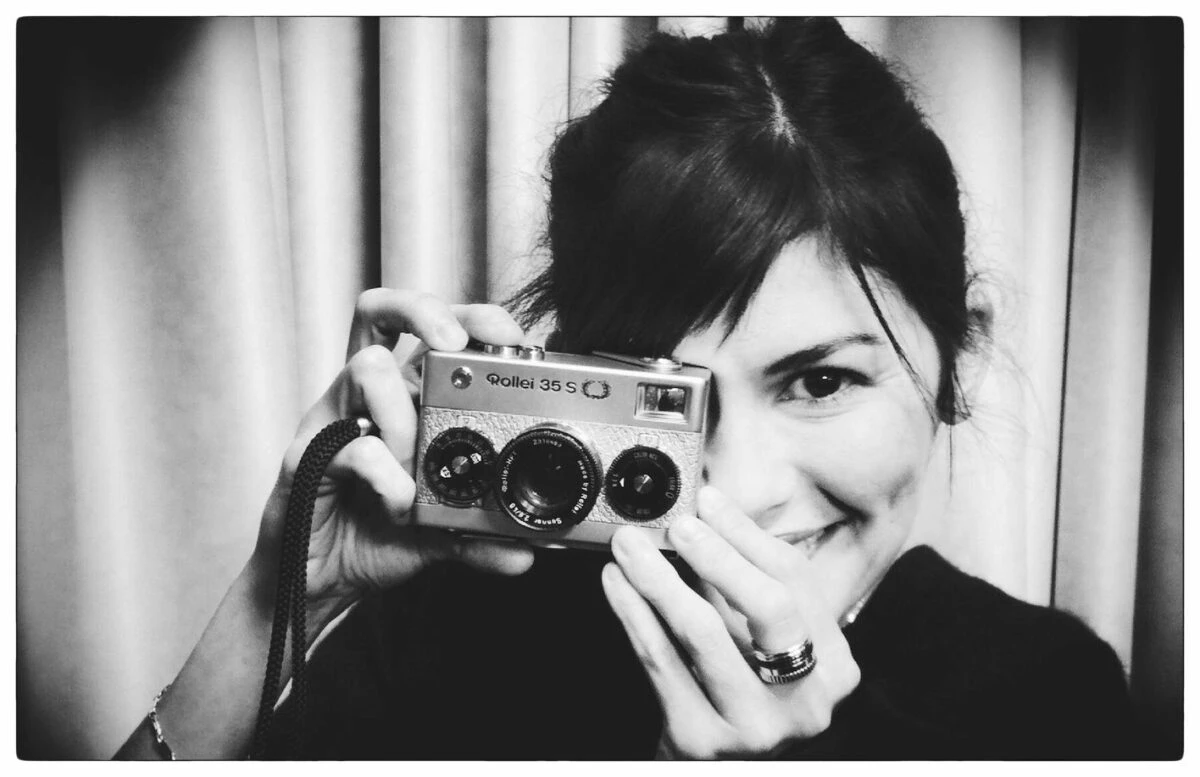
'Superfacial': 15 years of self-portraits serving as a playful, ironic commentary on her own celebrity status
The exhibition ran through September 2017 and was later published as a photo book, *Superfacial*, by Fisheye Éditions.
Her Final Film and Plans for the Next Decade
In 2019, Tautou appeared in John Turturro's *The Jesus Rolls*, a spin-off of *The Big Lebowski*, alongside Bobby Cannavale, Christopher Walken, Susan Sarandon, and Jon Hamm. The film had its U.S. theatrical release in February 2020. She has not acted in a film since. 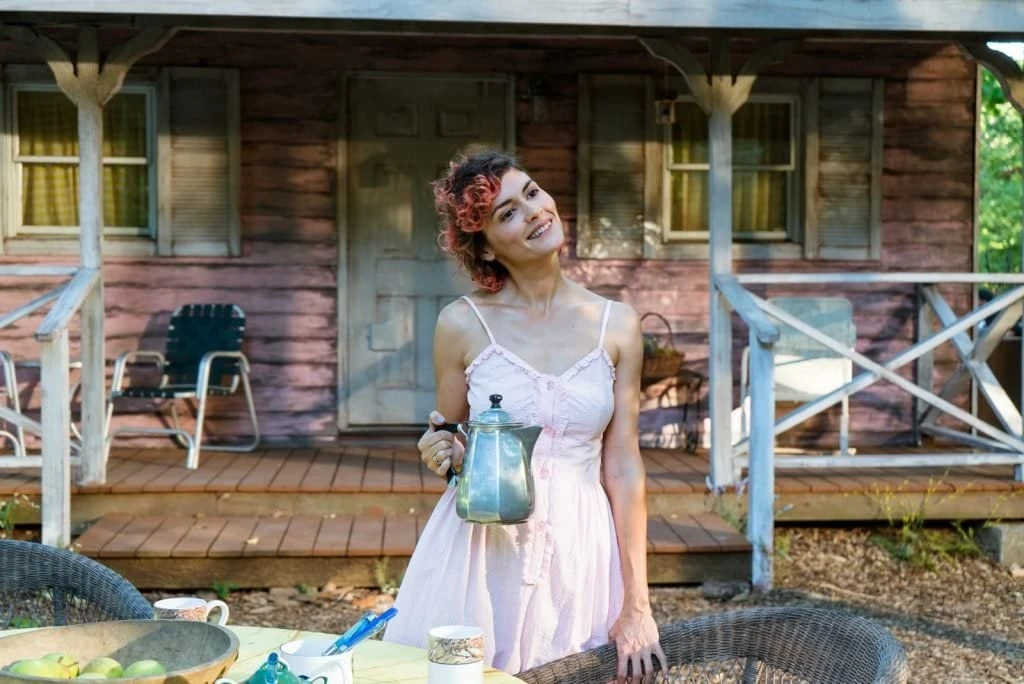
'The Jesus Rolls' remains Tautou's last film credit to date—a star-studded comedy by John Turturro that had a modest box office run
In rare interviews, she offers glimpses into her current life. She is writing and illustrating a children's book, putting together a new photography collection, and developing a screenplay for a movie she hopes to direct herself. When asked by *Madame Figaro* about a potential return to acting, she offered a characteristic smile: "At this pace, we'll probably be talking about that in ten years." 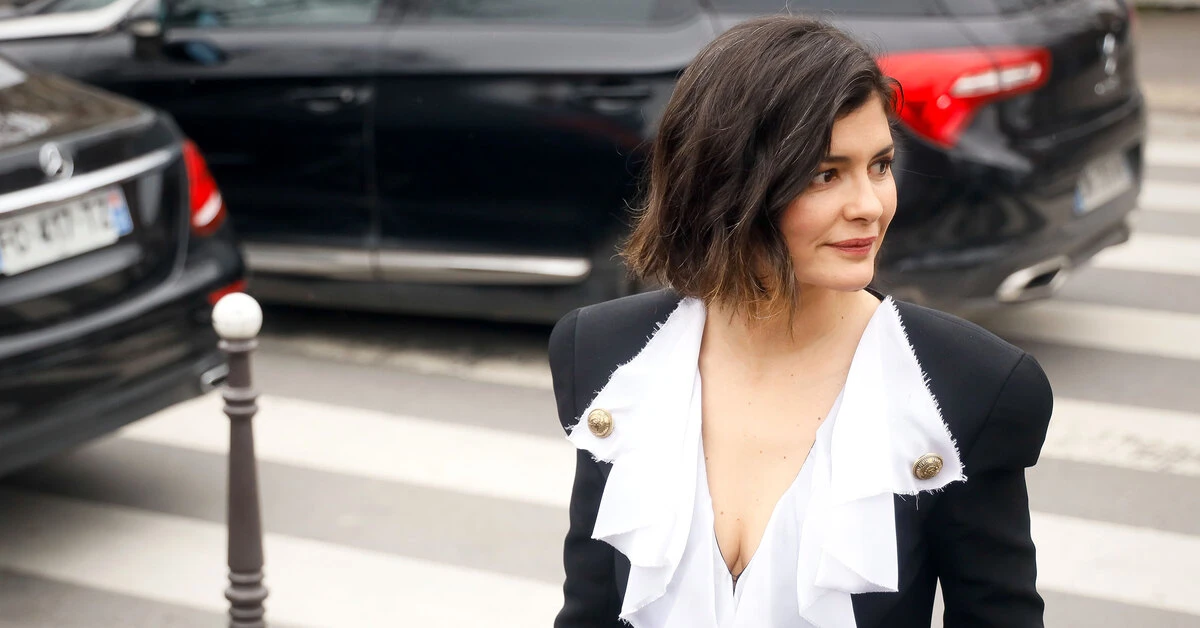
Audrey Tautou today: Paris, a camera, and total control over her own time—offering no explanations to those waiting for her screen return
Turning 50 with no social media presence, no tabloid scandals, and no red carpets for the sake of publicity. Instead, she enjoys a quiet life in Paris, genuine freedom, and the liberating feeling of owing nothing to anyone. The woman seen by millions through a cinema lens ultimately chose to step out of frame—and in doing so, embodied the true spirit of French independence far more than any role she ever played.
What do you think: Is stepping away from cinema a loss or a triumph? Let us know in the comments below.