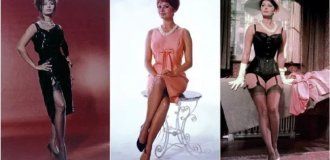
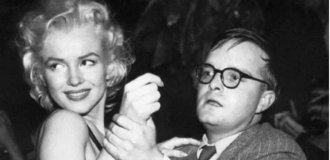
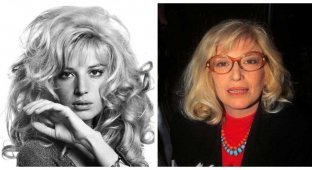
How Actress Monica Vitti Defied Beauty Standards to Become the Face of an Era (10 photos)
Trends in beauty evolve just as quickly as fashion. Where cosmetics, diets, and hairstyling once reigned, modern women now rely on cosmetic injectables and plastic surgery to conform. Yet not everyone chooses to play by these rules. Blond Italian actress Monica Vitti was a far cry from the conventional ideal of her era. Rather than altering herself to fit the mold, she redefined beauty—becoming a role model for millions of women worldwide. 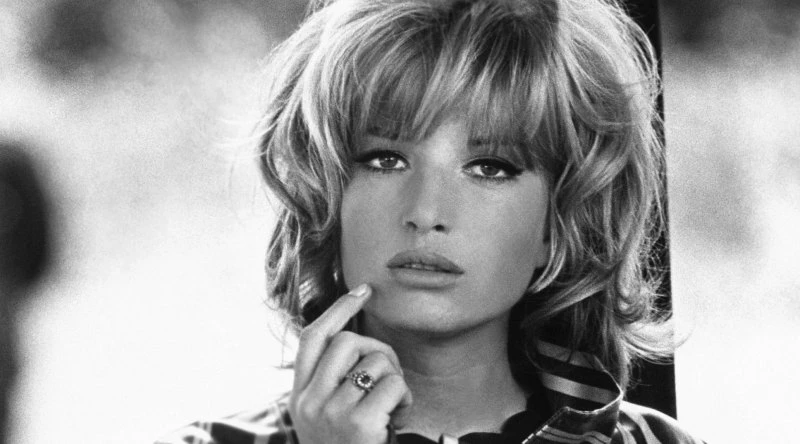
Too Thin and Aquiline-Nosed
Born Maria Luisa Ceciarelli in Rome in 1931, the woman who would later captivate the world as Monica Vitti grew up spirited and expressive. Even in primary school, she eagerly took part in theatrical productions. Choosing a career was a no-brainer for Maria; after graduating, she enrolled in Rome's National Academy of Dramatic Arts. 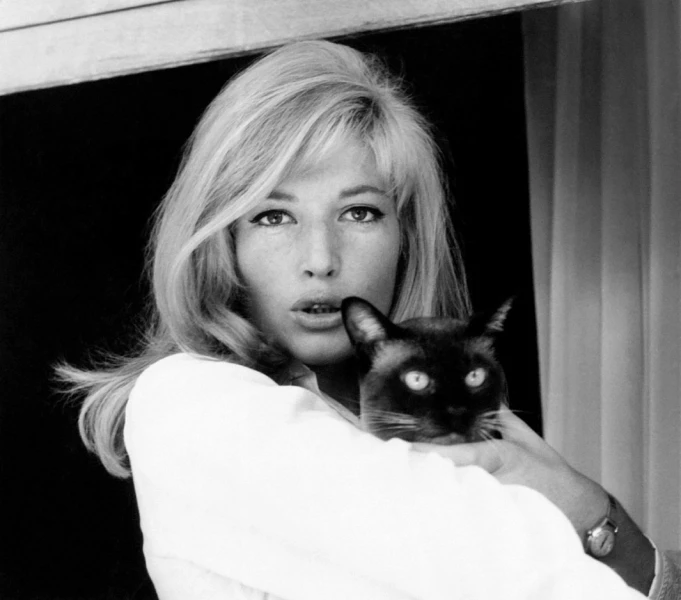
Maria began working on stage while still a student, making her screen debut in 1952 in the well-received comedy
Laugh! Laugh! Laugh!
. The credits listed her under her new stage name, Monica Vitti—a moniker she created by shortening her mother's maiden name, Vittiglia. 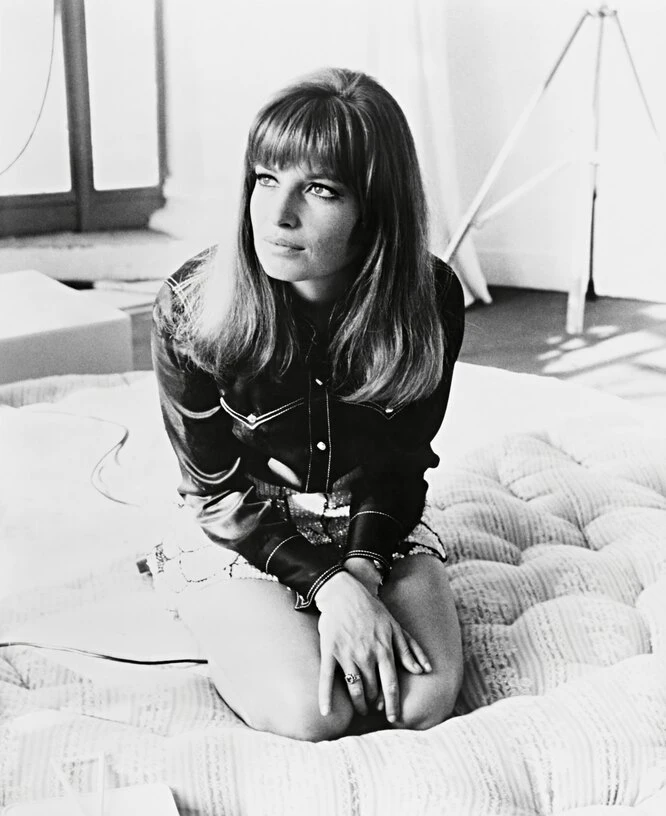
Audiences took to the talented young actress, but that wasn't enough to launch her career. Despite her promising debut, directors weren't rushing to offer her roles. Only one filmmaker showed interest, but it came with a catch: Monica had to undergo plastic surgery to remove the bump on her nose. He also advised her to gain weight, as slender actresses were out of favor at the time. Naturally, she refused. 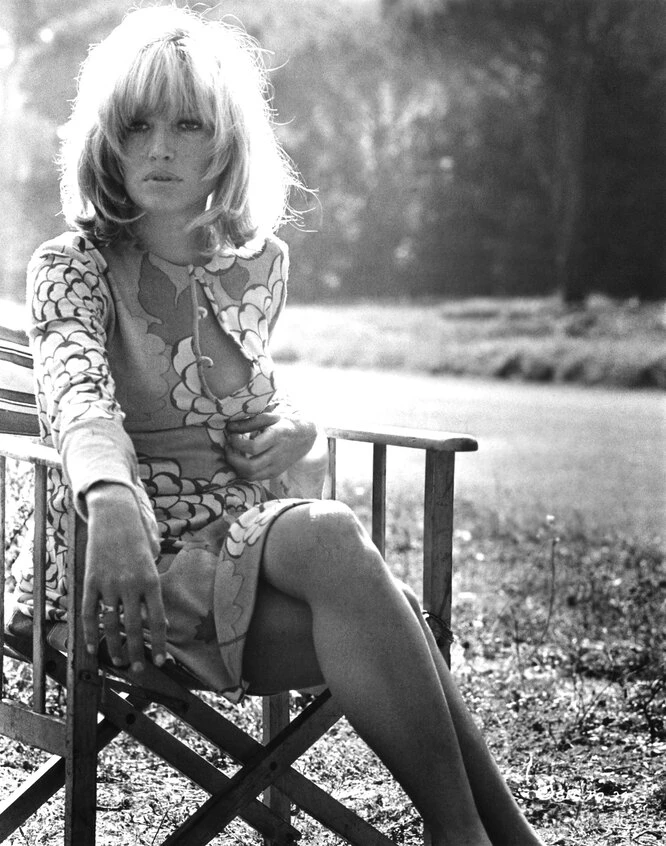
Monica and Michelangelo
For several years, Monica's screen career hit a standstill. She continued performing in the theater while her film dreams remained on hold. Then came a life-changing turning point: her meeting with director Michelangelo Antonioni. What started as a creative partnership soon blossomed into a romance. Together for a decade, Vitti and Antonioni created a string of legendary films, most notably
L'Avventura
,
La Notte
,
L'Eclisse
, and
Red Desert
. 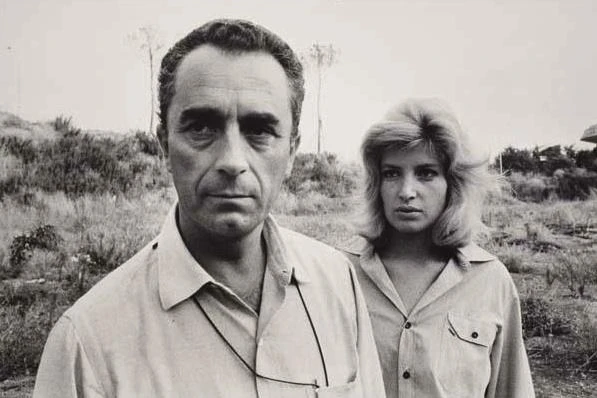
Monica Vitti and Michelangelo Antonioni
Their life together was anything but smooth. Antonioni famously called Monica his muse—and she was—yet she couldn't shake the feeling that she was merely a valuable artistic tool to the maestro rather than a beloved partner. Compounding matters was Antonioni's intense jealousy, which sparked frequent fights. After one particularly bitter row, Vitti decided it was time to part ways. 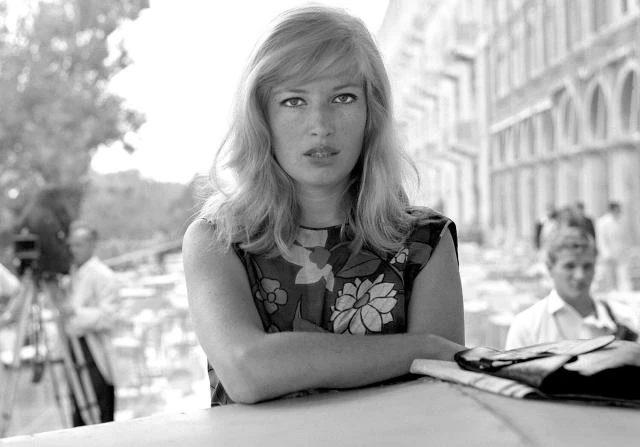
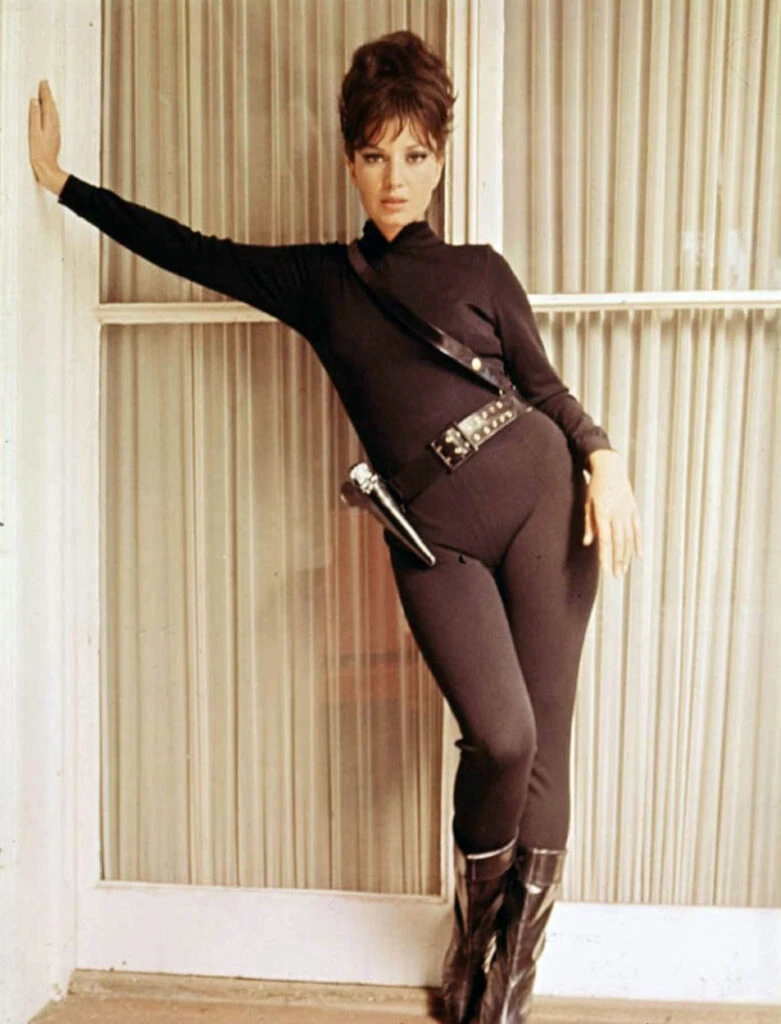
The split was quiet and amicable. By then, Monica Vitti was a true icon of Italian cinema. Antonioni continued to work with her, and the former couple maintained a warm friendship. In 1981, they reunited professionally for another joint project, the film
The Mystery of Oberwald
. 
Milestones of Success
Having conquered acting, Vitti tried her hand as a director and screenwriter. Success followed her here as well:
Flirt
, a film based on her screenplay, earned several awards at European film festivals. More importantly, the project brought a new love into her life—renowned director Roberto Russo. 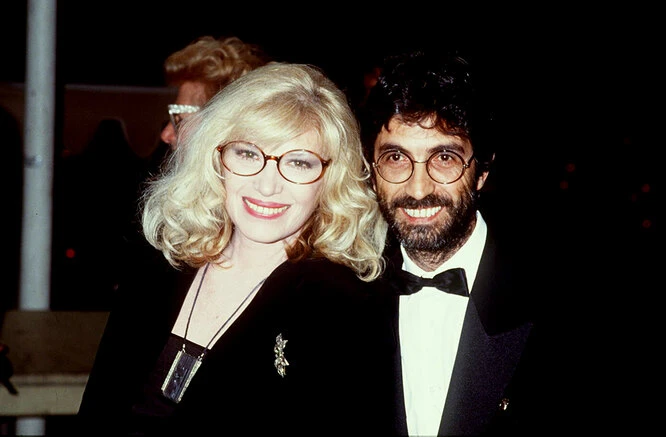
Monica Vitti and Roberto Russo
The couple were together for 30 years before finally walking down the aisle. For decades, Monica had remained resolute—haunted by her past relationship with Antonioni, she refused to let married life interfere with her creative passion. Only later in life did she accept the proposal of the man she had loved for so many years. 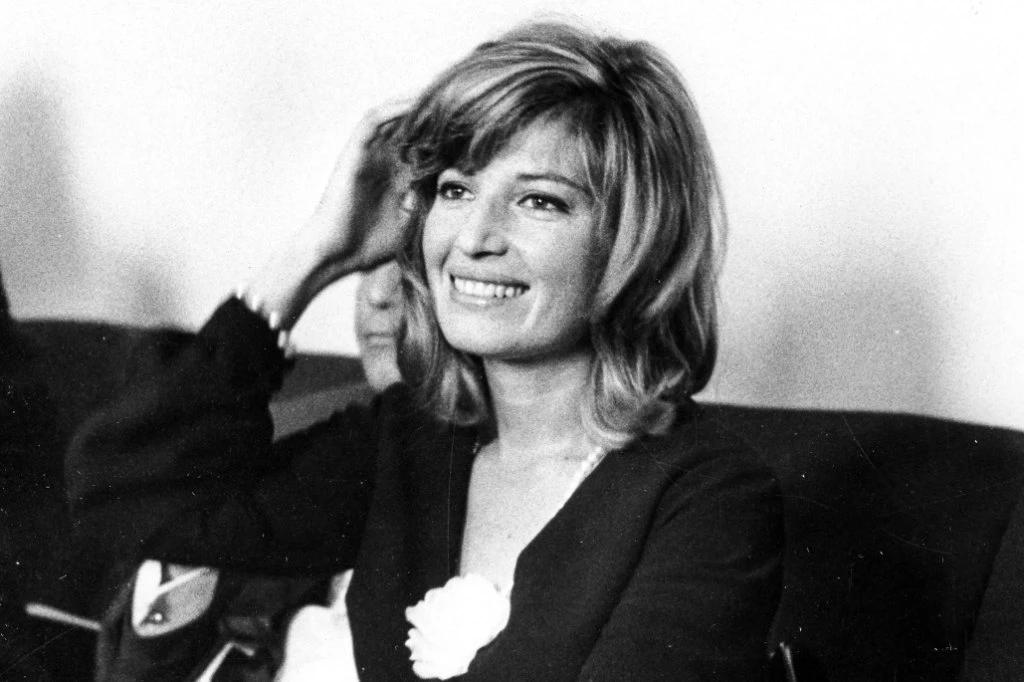
Vitti acted well into her later years. She was in her sixties when she earned the Best Actress award at the San Sebastián International Film Festival for her role in
The Girl with a Pistol
. Over the course of her career, she won five David di Donatello Awards for Best Actress—a record surpassed by only one colleague, Sophia Loren. 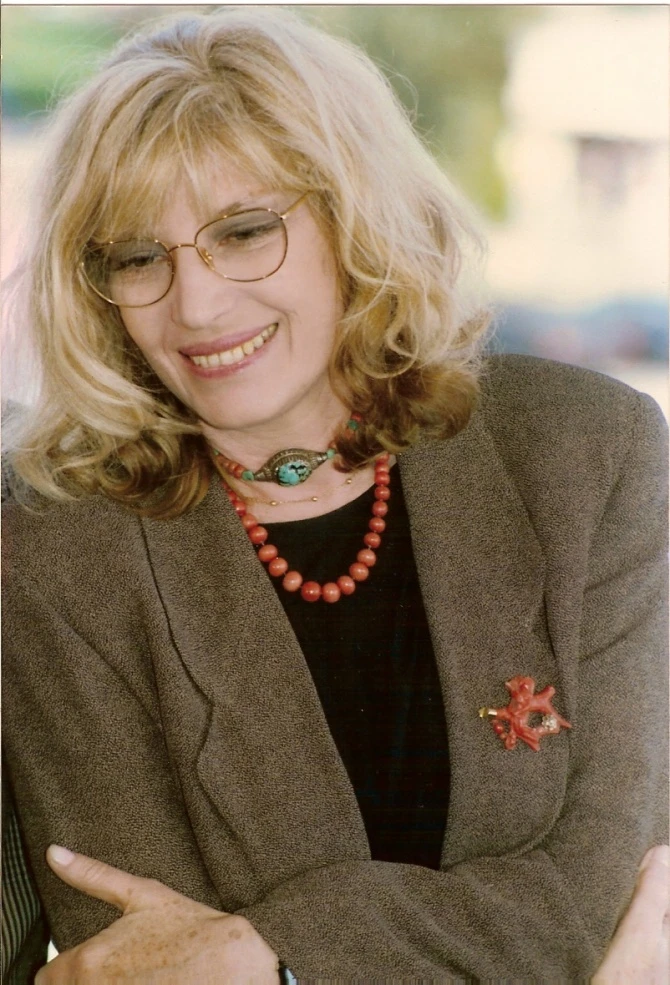
In the final years of her life, Monica Vitti battled a severe illness, stepping away from the public eye and avoiding interviews. She passed away on February 2, 2022. Her contribution to world cinema is impossible to overstate. Through her life and work, she proved that true talent will always shine through, even if your face and figure don't conform to standard beauty ideals.