The Secret History of the Hellfire Club: Benjamin Franklin, a Devilish Baboon, and Heaven 300 Feet Above Hell (22 Photos)
More than 1,200 human bones once lay buried beneath the basement floor of Benjamin Franklin’s London home. 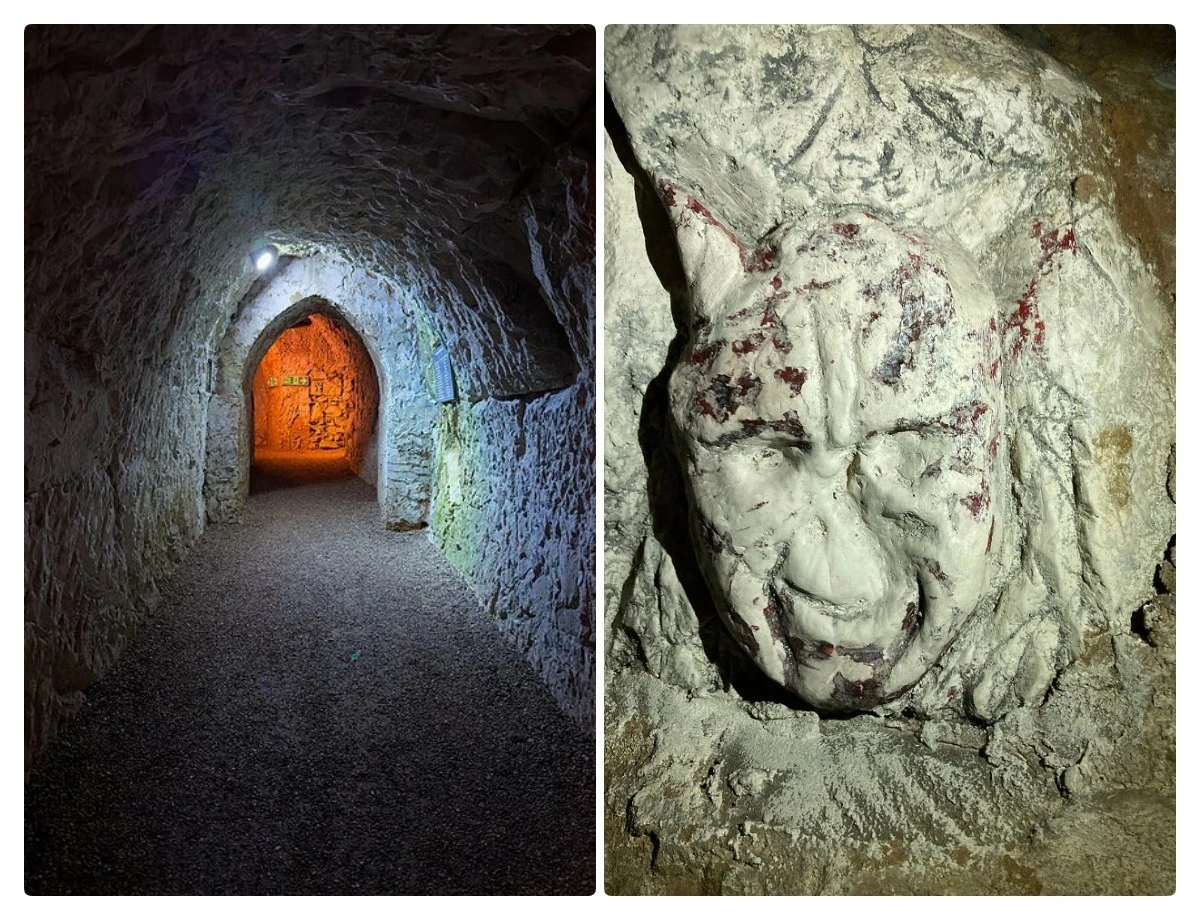
Around the very same time, a British aristocrat of his acquaintance carved a network of caves deep into a hillside. Nearly 300 feet underground, he created a mock "Hell," where he and high-ranking politicians played at being monks, drank heavily, and terrorized guests with a baboon dressed as the devil. 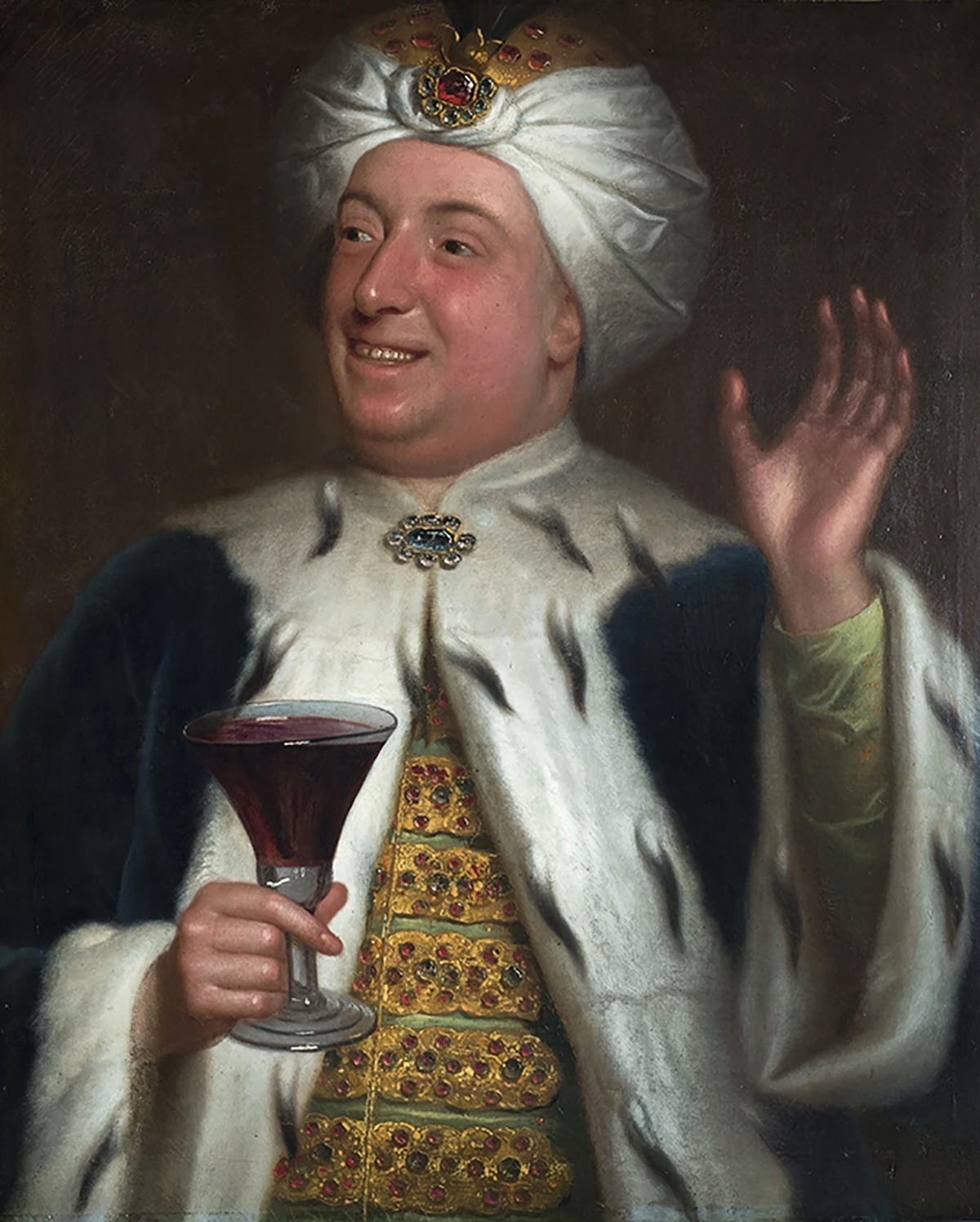
Portrait of Sir Francis Dashwood, founder of the Order of the Knights of Saint Francis of Wycombe—an exclusive gentlemen's club later infamously known as the Hellfire Club, c. 1750
These two stories are completely unrelated by cause, yet they unfolded within the exact same social circle during the exact same era. Together, they offer a fascinating glimpse into how 18th-century British elites lived according to their own rules beyond the bounds of propriety.
The Caves: From Roadwork to the Gates of the Underworld 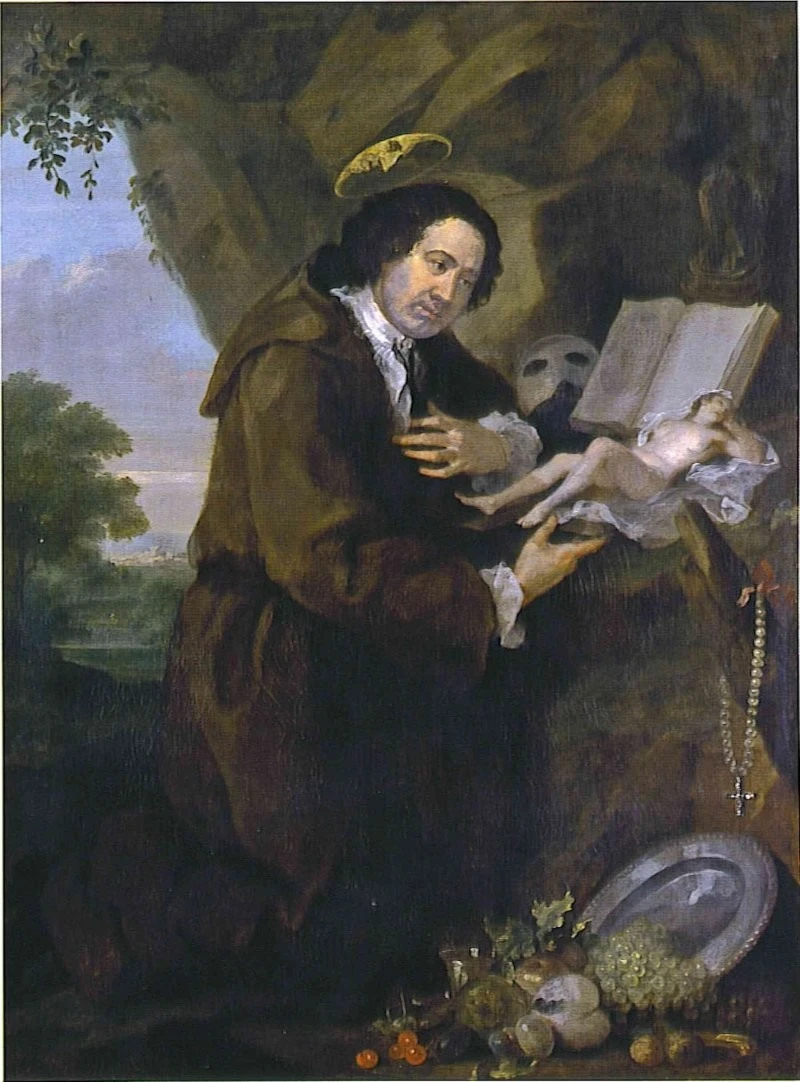
Portrait of Sir Francis Dashwood by William Hogarth
The central figure in this tale is Sir Francis Dashwood, 11th Baron le Despenser. His ancestral estate was located in West Wycombe, Buckinghamshire. When a severe crop failure struck the region in the 1750s, Dashwood hired local villagers to mine chalk from a nearby hillside. 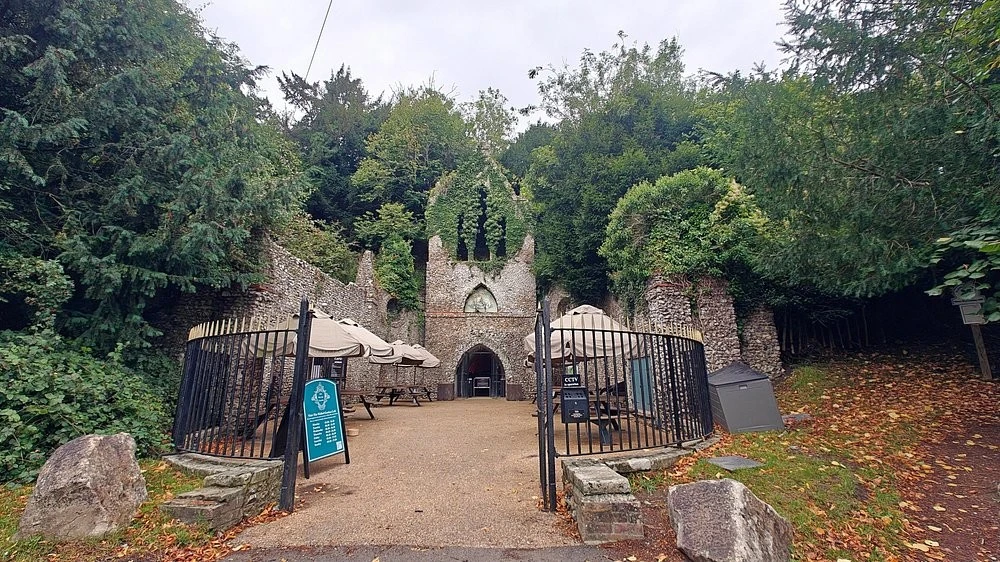
Entrance to the caves
The excavated chalk was used to pave a new road connecting West Wycombe and High Wycombe. The cavernous space left behind became the foundation for what would later be known as the Hellfire Caves. 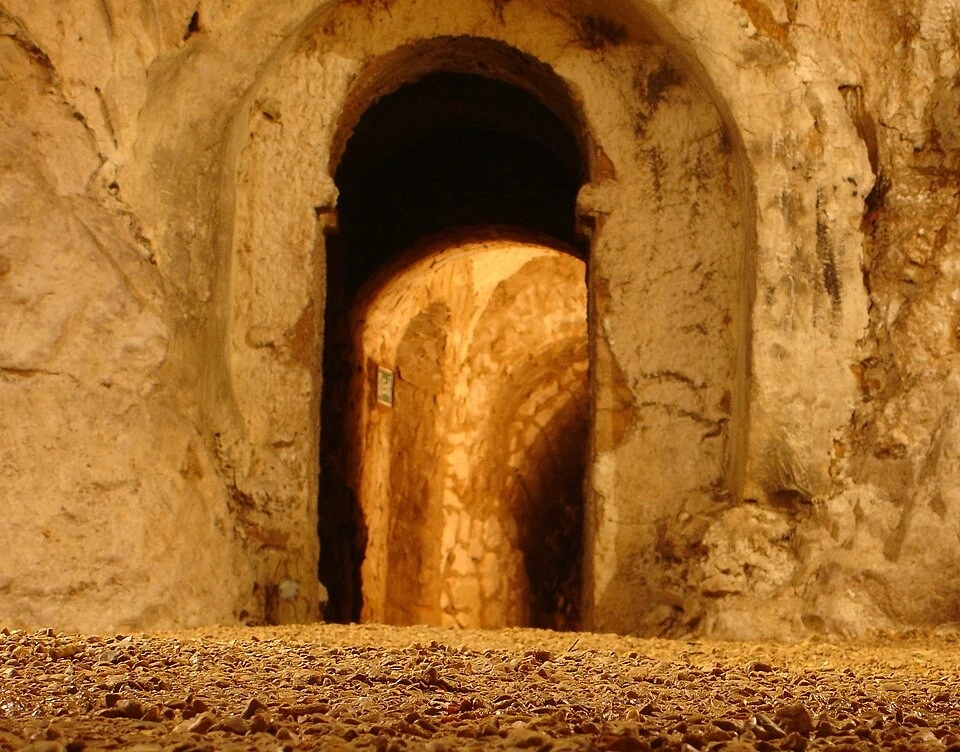
A tunnel inside the Hellfire Caves
The catch, however, is that this was no ordinary quarry. The tunnels wind erratically, opening into hidden chambers, with demonic faces and phallic symbols carved into the stone walls. 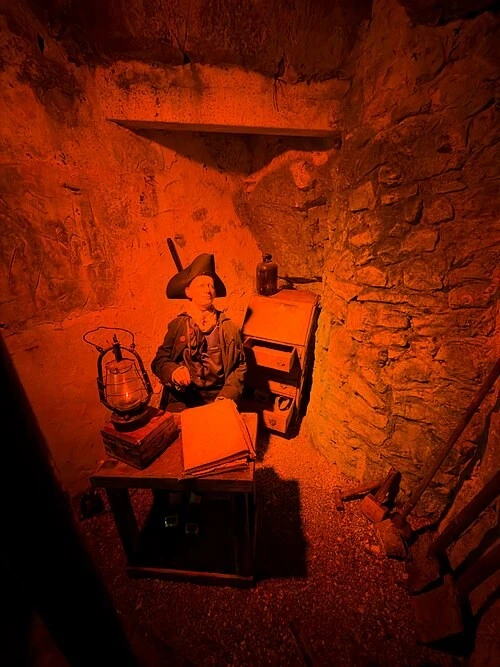
Estate staff have admitted in interviews that the layout of the caves remains a mystery to this day. One theory suggests part of the main passage mirrors female anatomy, while the entire complex is steeped in pagan imagery and Knights Templar lore. 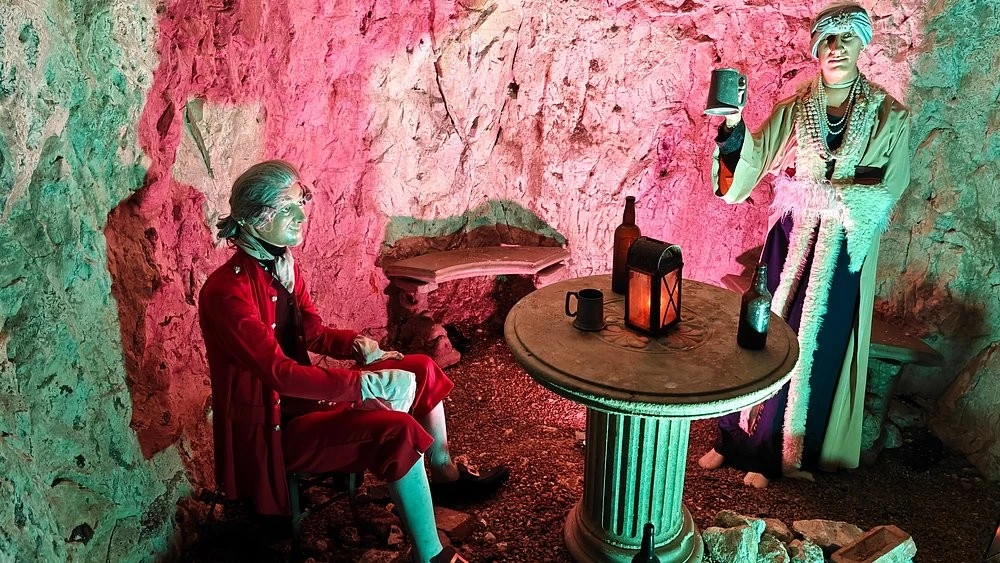
Dashwood had traveled extensively across Europe, taking keen inspiration from ancient ruins—making it clear that these design choices were far from accidental. 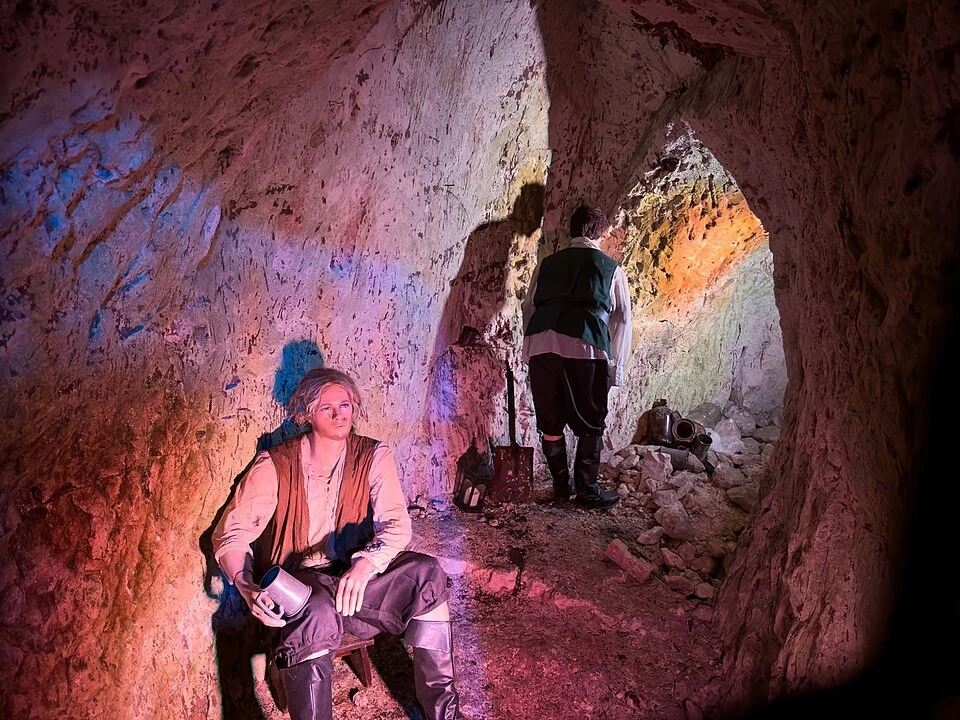
At the end of the subterranean tunnels lies an underground pool that Dashwood named the River Styx, after the mythical Greek river separating the living from the dead. Legend has it that initiates were "baptized" here with unholy water from a "cursed well" before being ferried across the water by boat. 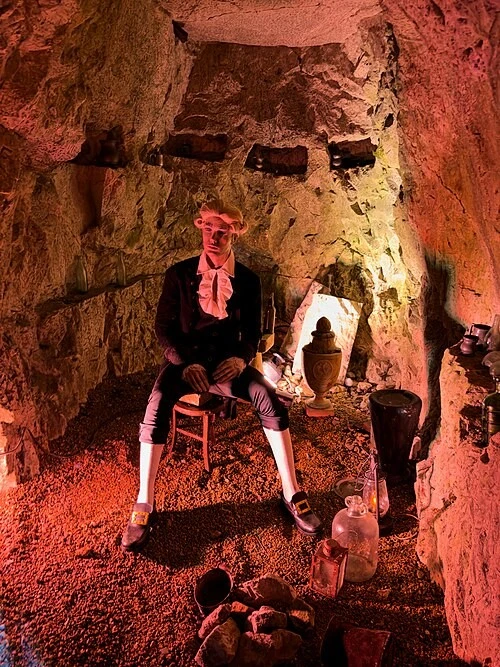
On the far side lay the final chamber: the Inner Temple. It is believed to sit directly 300 feet below St. Lawrence's Church on the hill above—placing heaven at the top and hell at the bottom. The very geometry of the site was a deliberate provocation.
The Club: Posing as Monks, Living as Revelers 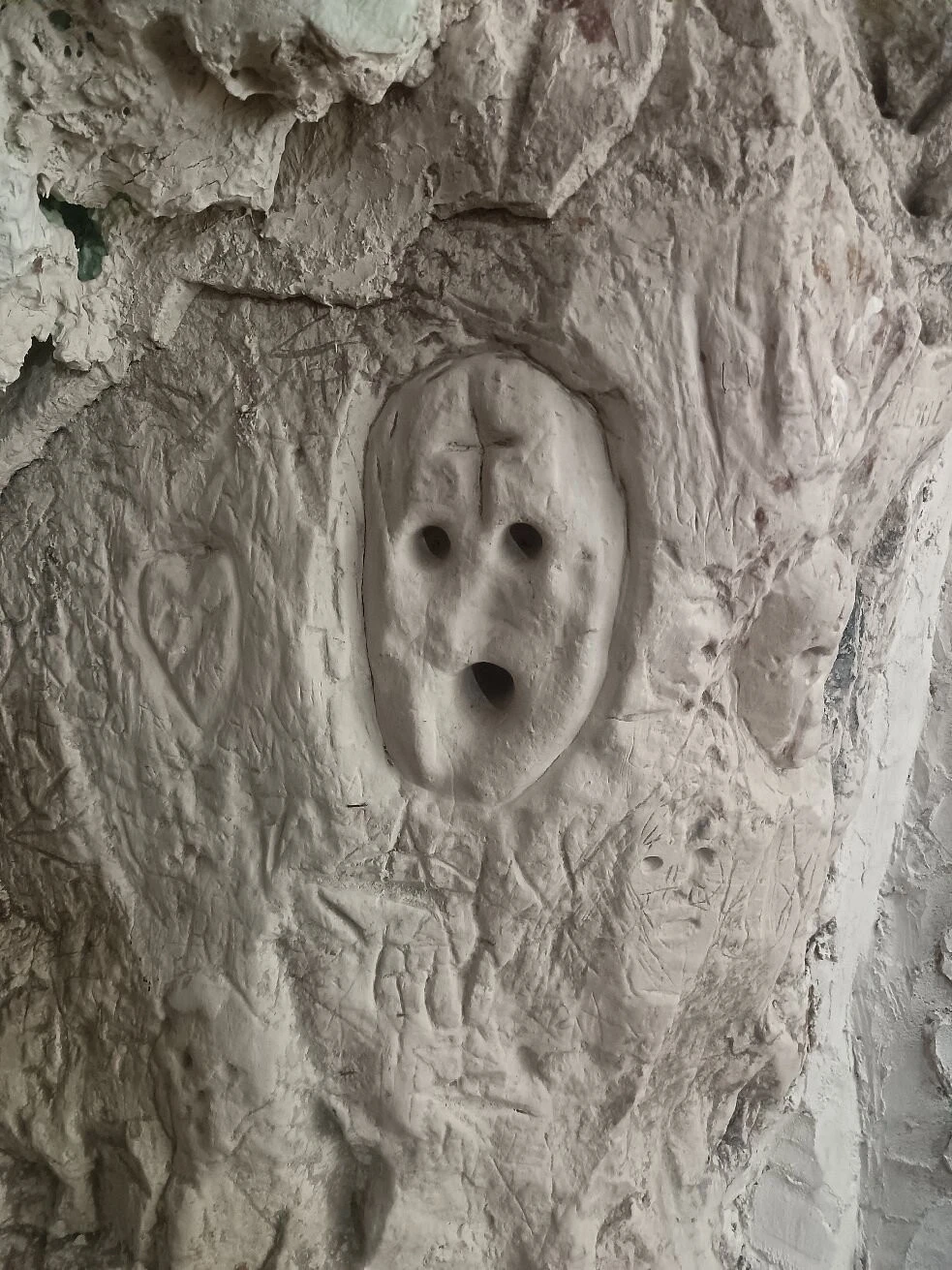
In its heyday, Dashwood’s society was never actually called the Hellfire Club. Instead, members referred to themselves as the Order of the Knights of West Wycombe or the Monks of Medmenham—named after Medmenham Abbey, a 12th-century monastic ruin where they met before moving into the caves. 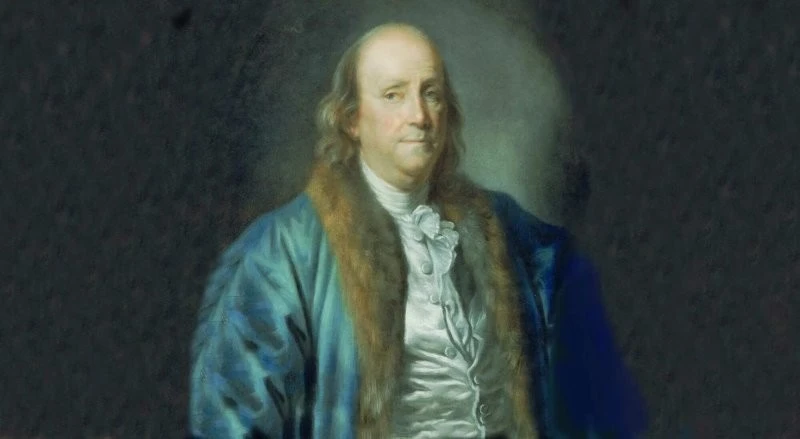
Benjamin Franklin
The society’s roster included prominent figures such as the radical politician John Wilkes, John Montagu (4th Earl of Sandwich), and the renowned painter William Hogarth. 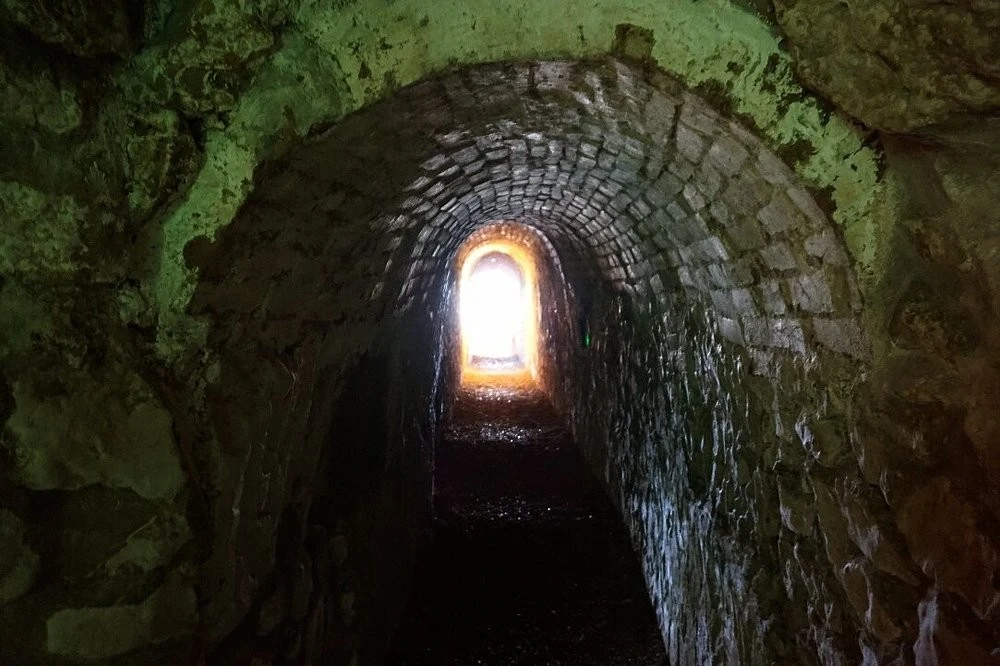
Benjamin Franklin was a close acquaintance of Dashwood. The two became friendly in England while Dashwood served as Postmaster General and Franklin was residing in London. Historical records confirm Franklin visited the caves in 1770. 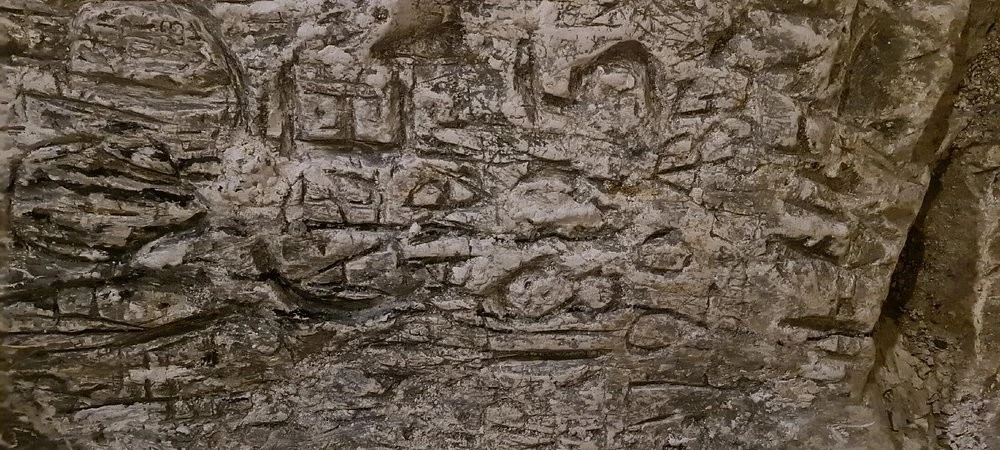
There are also accounts suggesting Franklin stayed overnight at Medmenham Abbey during club gatherings—a privilege typically reserved exclusively for members. As a result, some historians suspect he was linked to the secret order. 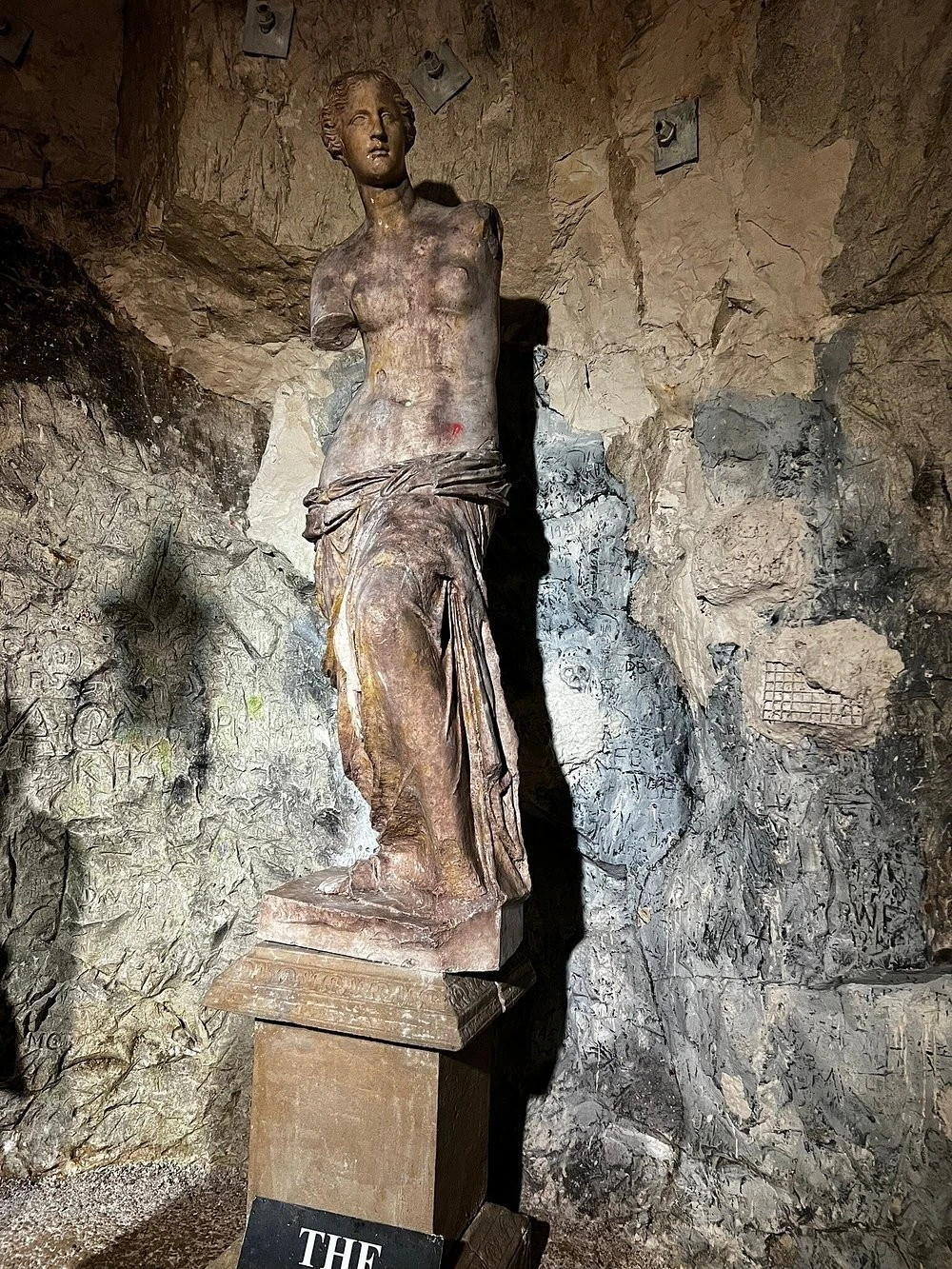
However, there is no solid evidence proving Franklin ever participated in any rituals or secret ceremonies underground. His association with Dashwood was likely rooted in shared Enlightenment interests and high-society networking. 
Aleister Crowley
The club’s motto was simple: "Do what thou wilt" (Fais ce que tu voudras). Adopted from Rabelais, this phrase would be popularized a century later by occultist Aleister Crowley as a rallying cry for debauchery. 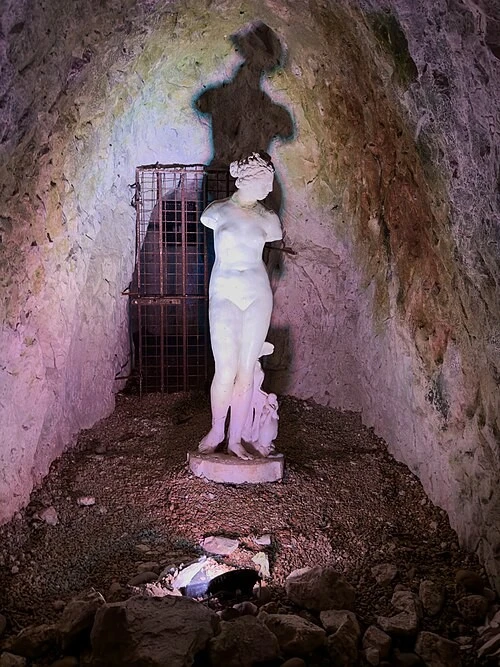
For Dashwood, however, it was a direct mock-taunt aimed at religious dogma. Members addressed one another as "Brother" and called their leader the "Abbot," parodying monastic life with hedonistic satire.
A Baboon, an Exposé, and a Bonfire of Secret Papers 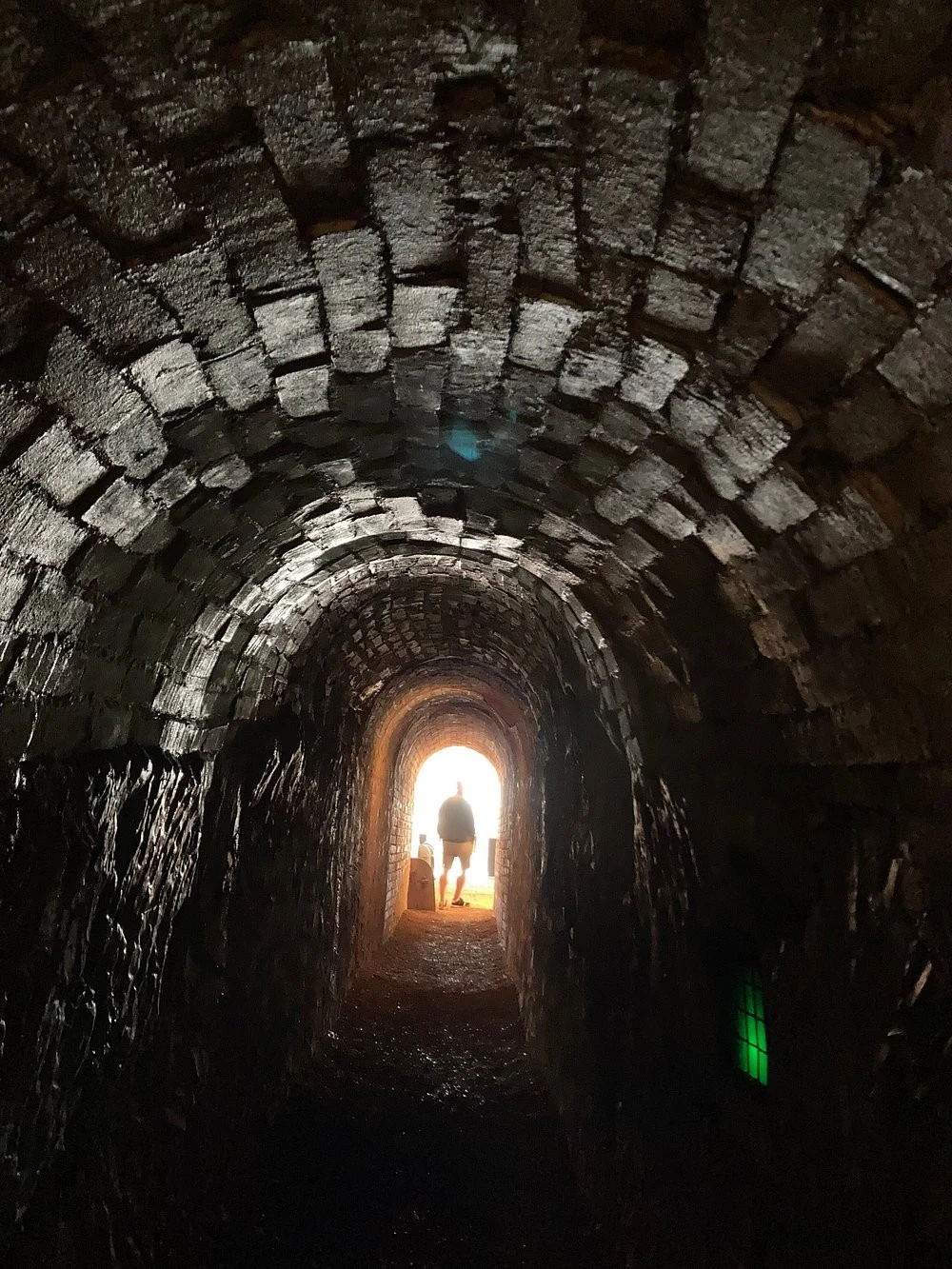
No official records survive detailing what actually went on inside the caves. Just days before his death in 1774, the club’s secretary and steward, poet Paul Whitehead, burned every incriminating document. All that remains are rumors, hostile exposés, and sensational accounts published by former members following bitter feuds. 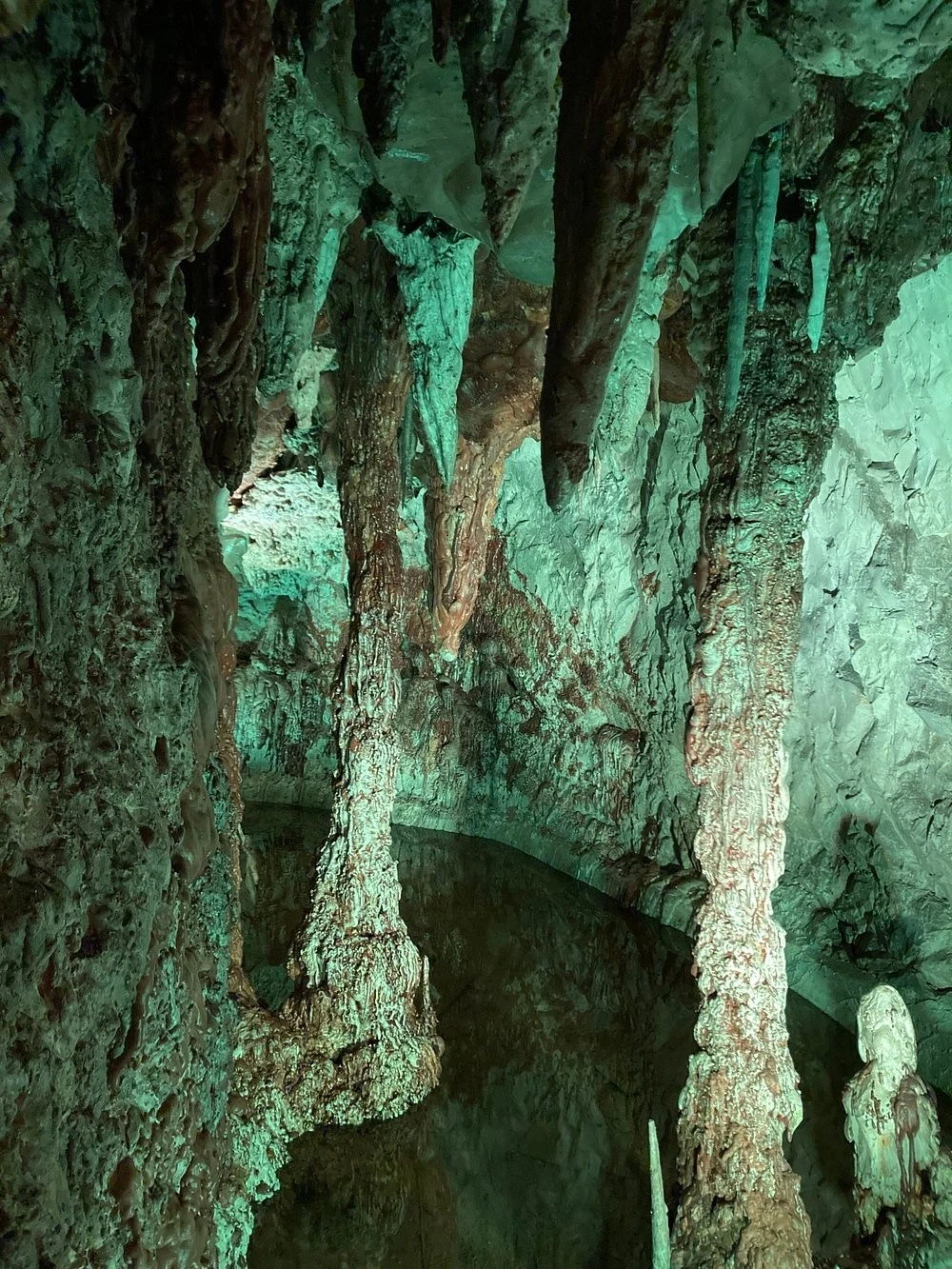
The most infamous tale involves a baboon. Legend has it that the Earl of Sandwich disguised a baboon as the Devil and hid it inside a large chest. When John Wilkes opened the chest during a gathering, the creature leapt out. Terrified, Wilkes reportedly fell to his knees, begging the "Devil" for mercy and claiming he was "only half a sinner." The prank infuriated Wilkes, who later penned a scathing tell-all exposing the club. 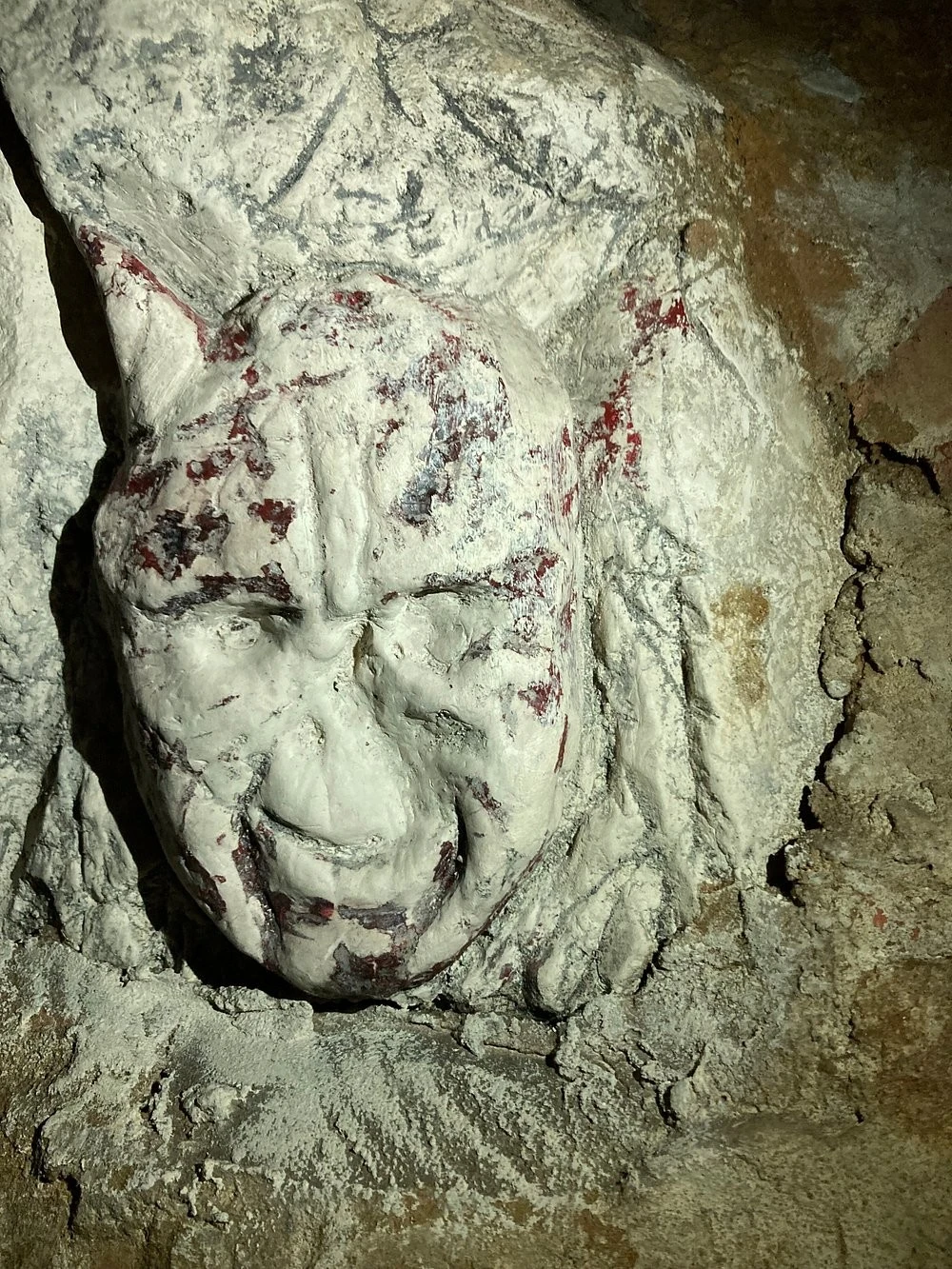
In 1760, a sensational book brought the club’s underground antics into the public eye. Facing intense public scandal and political pressure, the society dissolved around 1766. The Hellfire Caves have been open to tourists since 1863.
Franklin’s Basement: Another Macabre Story Lost in Translation 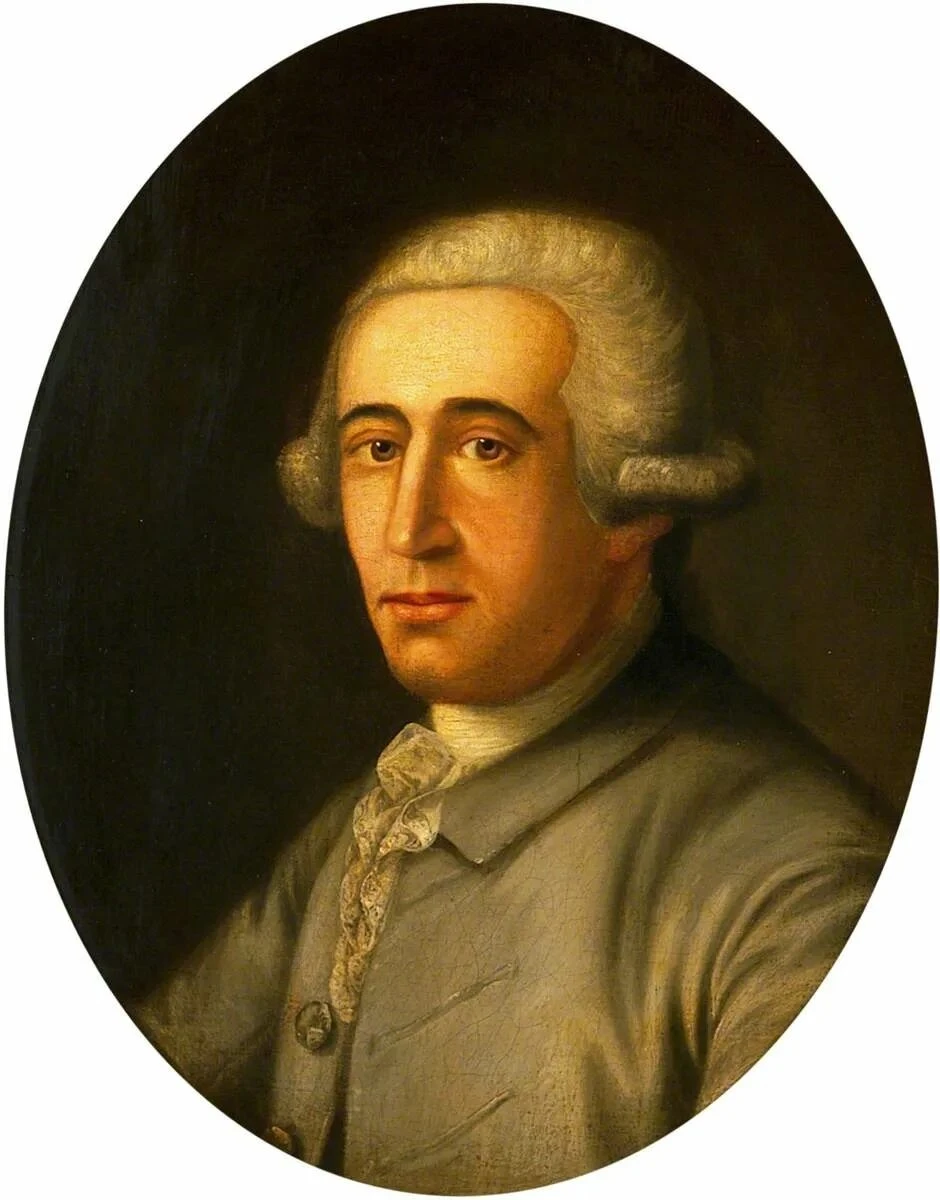
William Hewson (November 14, 1739 – May 1, 1774), an English surgeon, anatomist, and physiologist often referred to as the father of hematology
In 1998, during renovations at Franklin’s former residence at 36 Craven Street in London, workers uncovered more than 1,200 bone fragments buried in a pit beneath the basement floor. Forensic analysis confirmed the human remains dated back to the period when Franklin lived there. However, the mystery had nothing to do with occult rituals or foul play. The bones were leftover specimens from an anatomy school run secretly in the house by Franklin’s young friend and protégé, William Hewson. 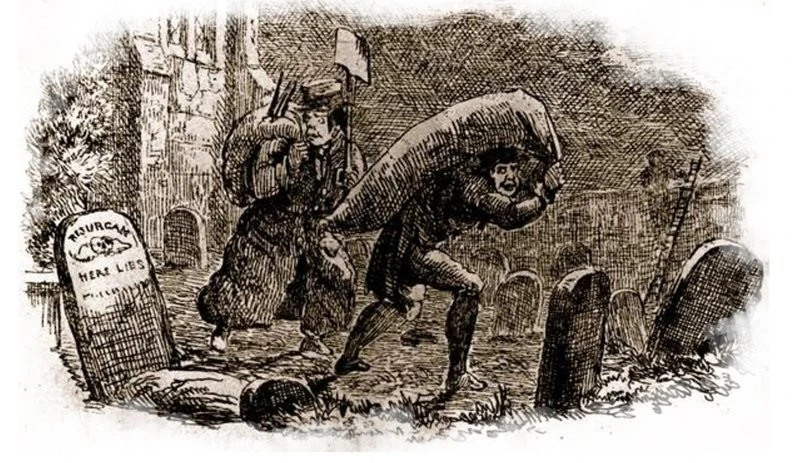
In mid-18th-century England, anatomical research operated in a legal gray area. Legally procuring human cadavers was nearly impossible, forcing anatomists to rely on grave robbers—known as body-snatchers—or the remains of executed criminals. 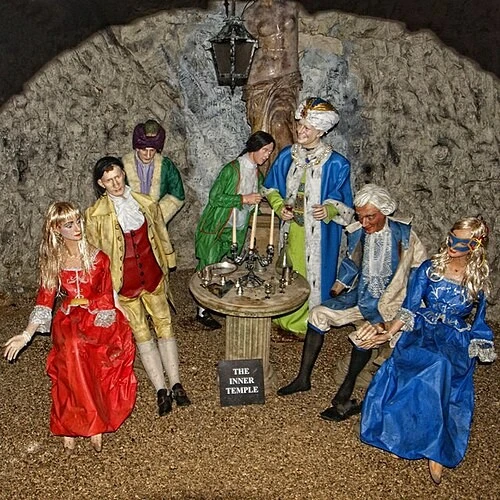
To avoid the risks of disposing of dissection remains in public, Hewson buried them discreetly right under the basement floor. Franklin was almost certainly aware of the operation, though there is zero evidence he ever participated in grave-robbing or dissections himself. Tragically, Hewson died in 1774 of sepsis after accidentally cutting himself during a dissection; he was just 34 years old.