Why Was "The Fifth Element" Accused of Plagiarism? How a Movie Broke Every Rule of Sci-Fi and Won (11 Photos)
What would you call the greatest movie in sci-fi history? "The Empire Strikes Back"? "Blade Runner"? "2001: A Space Odyssey"? "Alien"? "The Matrix"? "Total Recall"? 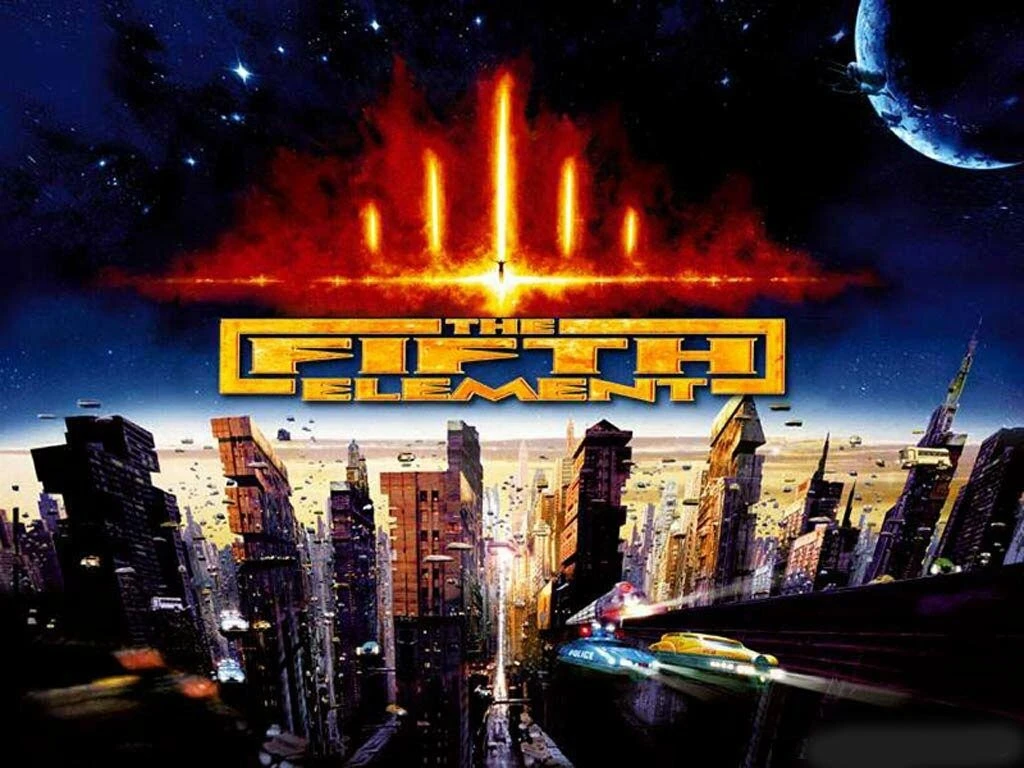
Well, every single one of those films is brilliant in its own right, and a few completely redefined the genre. But what if I told you there’s a picture that threw out the sci-fi rulebook entirely? A movie that truly stood the test of time and transcended standard genre labels.
We're talking about Luc Besson’s 1997 classic, "The Fifth Element." So hail a flying cab, win a tropical getaway to paradise, and let's save the universe while taking a deep dive into how this cinematic marvel came to life.
The Genesis of an Idea: From Teenage Dreams to a 400-Page Script 
Luc Besson first conceived the movie's core concept when he was still a teenager. He drew heavy inspiration from French sci-fi comic books, particularly the "Valerian and Laureline" series—a passion project he would finally adapt decades later, but let's not get ahead of ourselves.
While writing, Besson envisioned a story set in the year 2300. The plot revolved around an "everyman" who wins a resort trip to Fhloston Paradise in the Angel Constellation. There, he meets Leeloo, a being blessed with youthful beauty despite being over 2,000 years old.
Besson kept developing the script throughout the 1980s, and by 1991 he was sitting on a massive 400-page draft. At the same time, he was sharpening his directorial craft while making "Atlantis," a documentary celebrating the sheer grandeur of the ocean.
To get "The Fifth Element" into production, Luc pitched the project to Patrice Ledoux and Nicolas Seydoux at the French film powerhouse Gaumont. He also recruited legendary French comic artists Jean Giraud (Moebius) and Jean-Claude Mézières to shape the movie's world design.
It was their distinct aesthetic vision that sparked the visual identity needed to pull off this sci-fi epic.
A Rocky Road to Production: Budgets, Rejections, and the Success of "Léon" 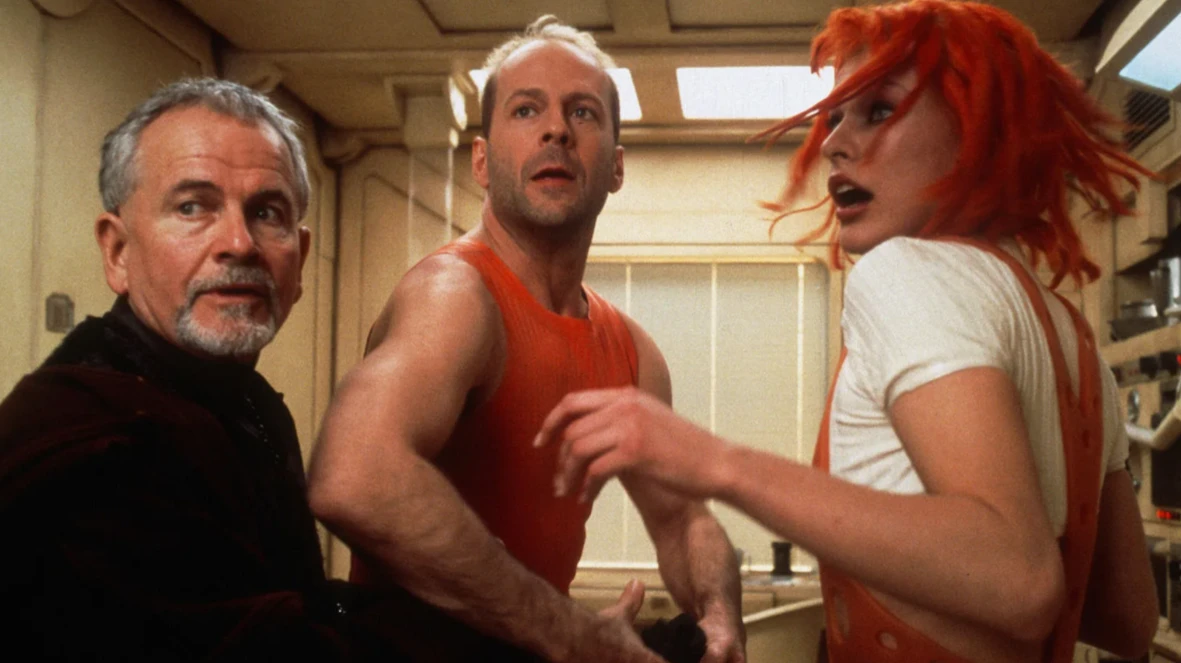
Luc Besson initially eyed Bruce Willis and Mel Gibson for the role of Korben Dallas. Willis showed interest but hesitated because his previous two features, "Hudson Hawk" and "Billy Bathgate," had bombed at the box office. Gibson simply turned the role down.
Matters worsened when studios began backing away from the project over its staggering $100 million price tag. By December 1992, production ground to a halt and the pre-production team disbanded.
In 1994, Besson shifted gears to helm what became his first massive international hit: "Léon: The Professional." Set in New York, the thriller follows a hitman who takes in a 13-year-old girl after corrupt DEA agents massacre her family.
Starring Jean Reno, Natalie Portman, and Gary Oldman, "Léon" grossed over $45 million worldwide against a modest $16 million budget.
Riding high on that success, Luc kept reworking "The Fifth Element." Refusing to give up on his passion project, he trimmed the budget to $90 million and approached Columbia Pictures, which had co-funded "Léon." This time, the studio gave him the green light.
Casting and Characters: Bruce Willis, Milla Jovovich, and Ruby Rhod 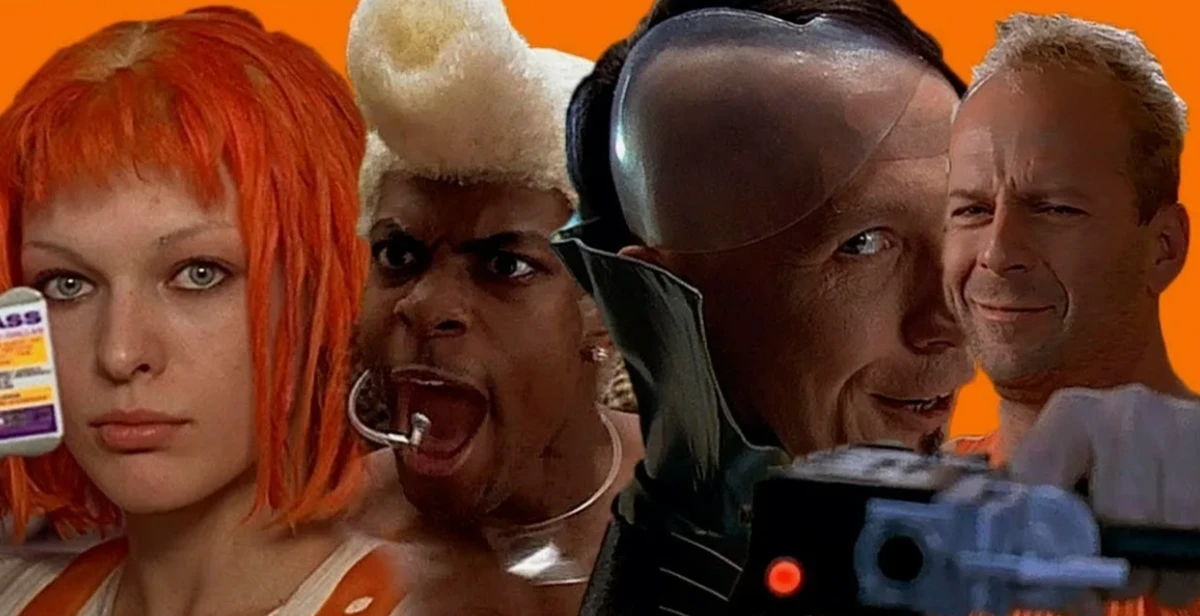
Besson had originally planned to cast a lesser-known actor as Korben Dallas. But one day, the director dropped by producer Barry Josephson's office while Josephson happened to be meeting with Bruce Willis about another film.
Besson asked to pop in and say hello, casually mentioning that "The Fifth Element" was finally moving forward, albeit with a cheaper lead. Willis replied, "If I like the script, we can always work something out." Willis read it and signed on immediately.
Production officially began in August 1995. Besson and his team launched casting calls across Paris, London, and Rome. Gary Oldman was brought on as Jean-Baptiste Emanuel Zorg, the ruthless corporate kingpin and arms dealer.
The supporting cast featured Ian Holm, Luke Perry, Brion James, Tommy "Tiny" Lister Jr., and Tricky from Massive Attack. Chris Tucker was also brought on board.
When it came to casting Leeloo, Besson chose Milla Jovovich after personally auditioning between 200 and 300 actresses. Besson went so far as to construct a fictional "Divine Language" for Leeloo, which Jovovich had to learn. To help her immerse herself in character, the two wrote letters and spoke to each other exclusively in this made-up tongue.
The role of Ruby Rhod was originally offered to Prince. Regrettably, Prince had to decline due to scheduling conflicts with his world tour. Both Chris Tucker and Jamie Foxx were considered, but Besson felt Tucker's leaner physique fit the character's flamboyant style better.
Even looking back objectively, it’s impossible to imagine anyone else as Ruby Rhod—Tucker delivered a manic, high-energy performance that stole every scene.
Filming and Sets: London, Mauritania, and Scale Models 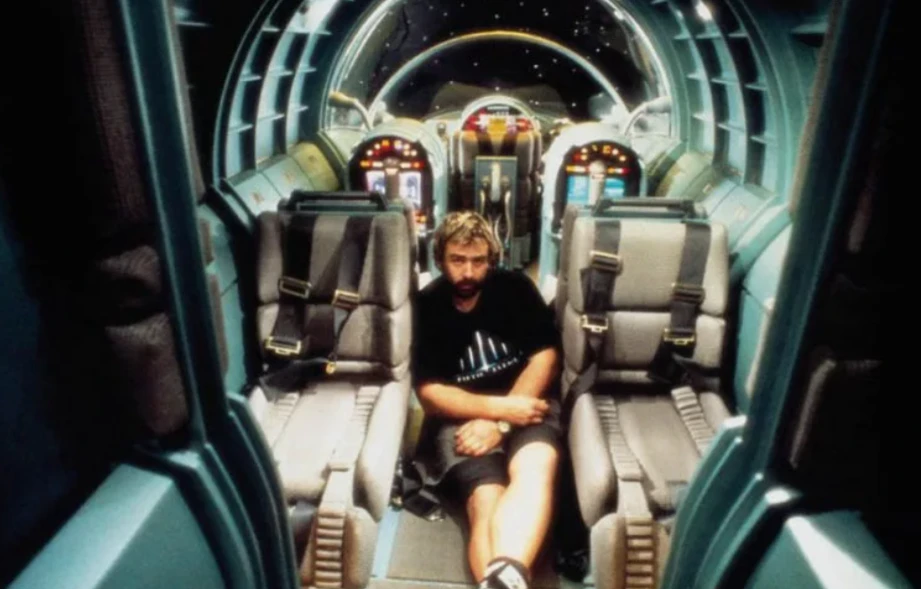
Ever a proud Frenchman, Besson wanted to film his grand epic in France. Unfortunately, he couldn't find studio facilities large enough, so production was moved to London. Principal photography took place at Pinewood Studios, taking up seven soundstages. Set construction began in October 1995.
The opening and closing sequences depicting Egypt were filmed on location in Mauritania. The iconic opera scene featuring Diva Plavalaguna was shot at the Royal Opera House in London. Live-action filming started in January 1996 and wrapped five months later. Once Bruce Willis finished his scenes around May, filming transitioned to Gary Oldman's sequences.
The design of futuristic New York's skyscrapers was inspired by 1960s residential architecture and the utopian concepts of 1910s architect Antonio Sant'Elia. Besson insisted on shooting most of the movie in broad daylight, pushing for a vibrant, joyfully chaotic aesthetic in sharp contrast to the dark, gritty sci-fi tropes of the time.
Costumes and Visual Style: Jean-Paul Gaultier and Future Aesthetics 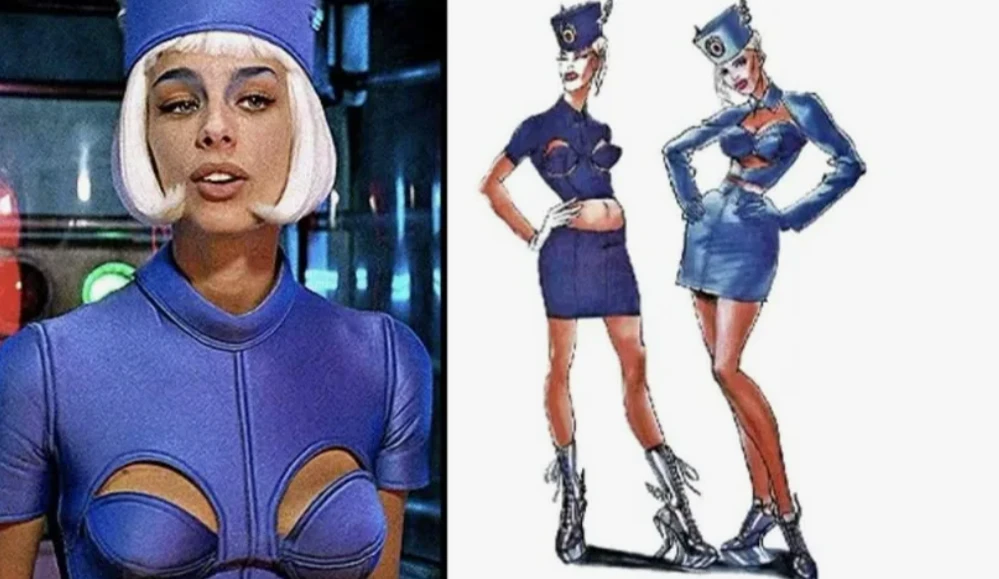
Fashion icon Jean-Paul Gaultier designed every single one of the 900 costumes worn by the extras on the Fhloston Paradise cruise liner. His designs were praised as intellectually provocative, boldly defying traditional gender and sexual norms.
Leeloo's iconic thermal bandage outfit, worn right after her regeneration scene, was inspired by hospital dressings designed to offer only the bare minimum of modesty.
Today, that outfit remains one of the most recognizable and frequently cosplayed looks at fan conventions worldwide.
Visual Effects: Miniatures, CGI, and Flying Cabs 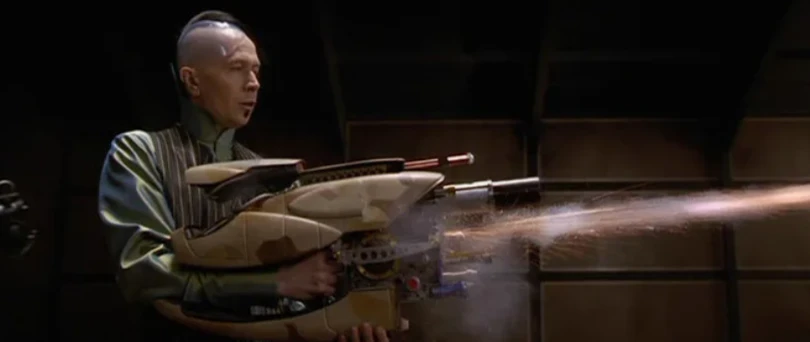
Three separate teams worked together to realize the practical and visual magic of "The Fifth Element." Nick Allder managed practical and pyrotechnic effects. Nick Dudman was in charge of creature effects, while Mark Stetson led the overall visual effects unit.
VFX powerhouse Digital Domain was hired to create the CGI, employing cutting-edge 1990s software to build the film's signature look.
Many shots seamlessly combined live action, scale models, CGI, and particle systems—most notably during the sprawling New York cityscapes. Remarkably, despite coming out in 1997, these visual effects hold up astonishingly well to this day.
Fun fact: the starry background in space shots was created simply by poking tiny holes in a giant sheet of black fabric.
My personal favorite behind-the-scenes detail involves the New York city models. The crew constructed 1:24 scale models of apartment blocks and skyscrapers, some standing up to 20 feet (6 meters) tall. A team of 80 craftspeople spent 5 months building the miniature metropolis.
The team described building windows as one of the most tedious jobs, as individual details—tiny furniture, miniature blinds, and tiny printed photos—were painstakingly placed behind almost every pane.
Because the film takes place in the 23rd century, everyday transport required a complete overhaul. Flying cars, boats, and ships were custom-designed for the film, with physical props built to serve as practical references. However, most vehicle-heavy sequences—especially the chaotic taxi chase—relied on CGI.
Premiere and Box Office Success: Cannes Triumph and Global Impact 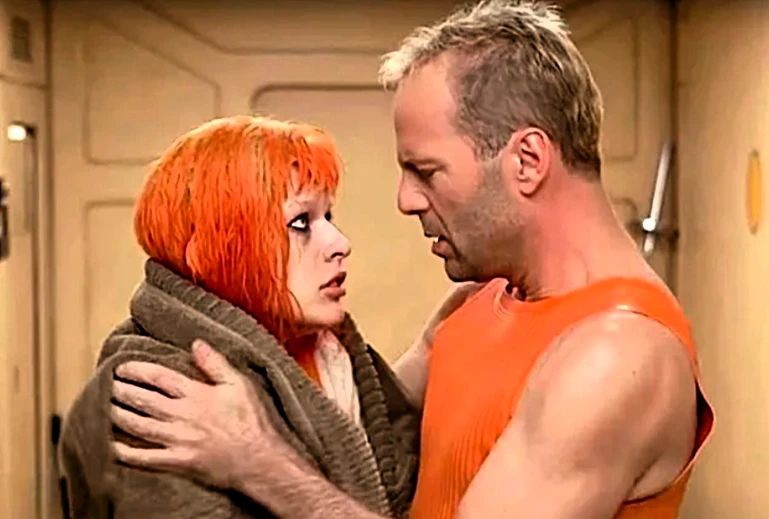
"The Fifth Element" held its world premiere on May 7, 1997, as the opening night film at the Cannes Film Festival. Gaumont pulled out all the stops for the event, hosting a lavish gala that included a Gaultier fashion show, a fireworks display, and a futuristic ballet performance.
The film hit US theaters on May 9, 1997, soaring straight to number one and grossing $17 million in its opening weekend. It became a runaway hit, pulling in over $263 million worldwide.
Remarkably, 75% of its earnings came from international markets. It became the highest-grossing French production of 1997 and held the record for the most successful French film internationally for 16 years, until "The Intouchables" took the crown in 2011.
Critics at the time hailed it as a warm, wildly fun spectacle that boasted some of the most intricate production and costume designs ever seen, all wrapped up in an unforgettable sci-fi ride.
Legal Battles: The "Incal" Plagiarism Lawsuit 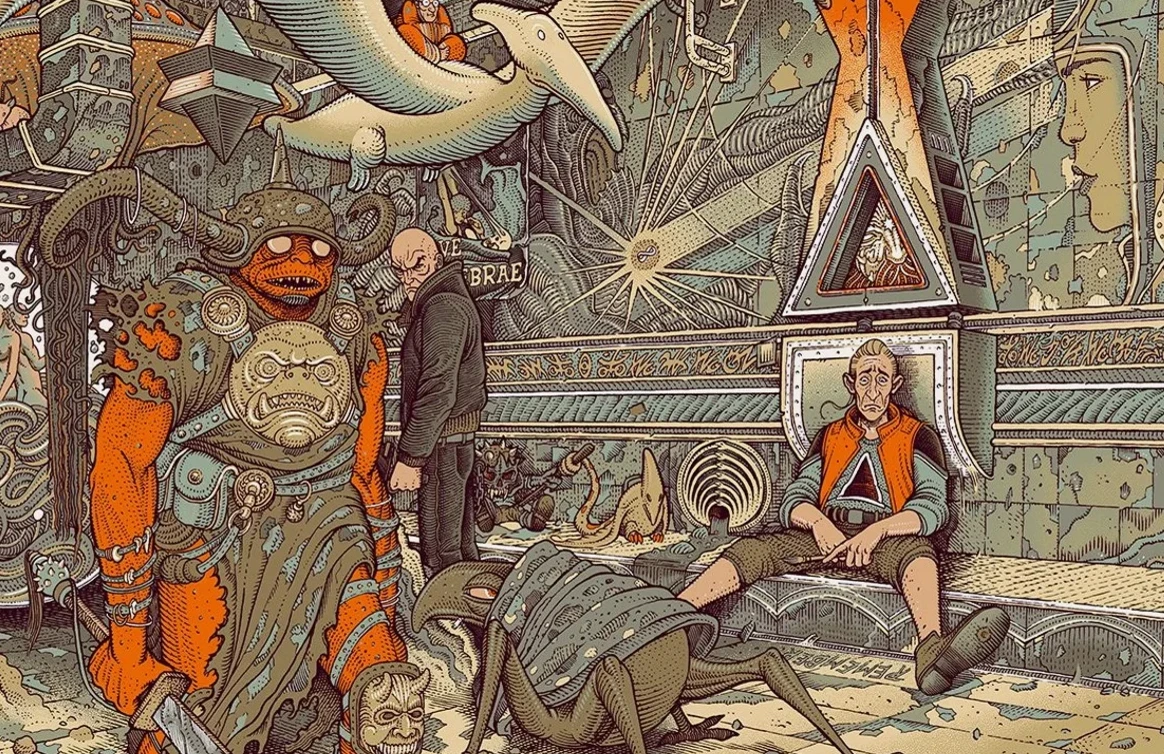
Following the film's release, Alejandro Jodorowsky and Jean Giraud sued Luc Besson, alleging that "The Fifth Element" plagiarized their acclaimed comic book series, "The Incal."
Giraud sued for €13.1 million for unfair competition, plus €9 million in damages and interest, alongside 2% to 5% of the film's net operating revenue. Jodorowsky sought €700,000.
The lawsuit was dismissed in 2004 on the grounds that only tiny elements of the comic had been used, and that Giraud himself had been hired by Besson to work on the movie long before any charges were brought.
Awards and Legacy: Cult Status 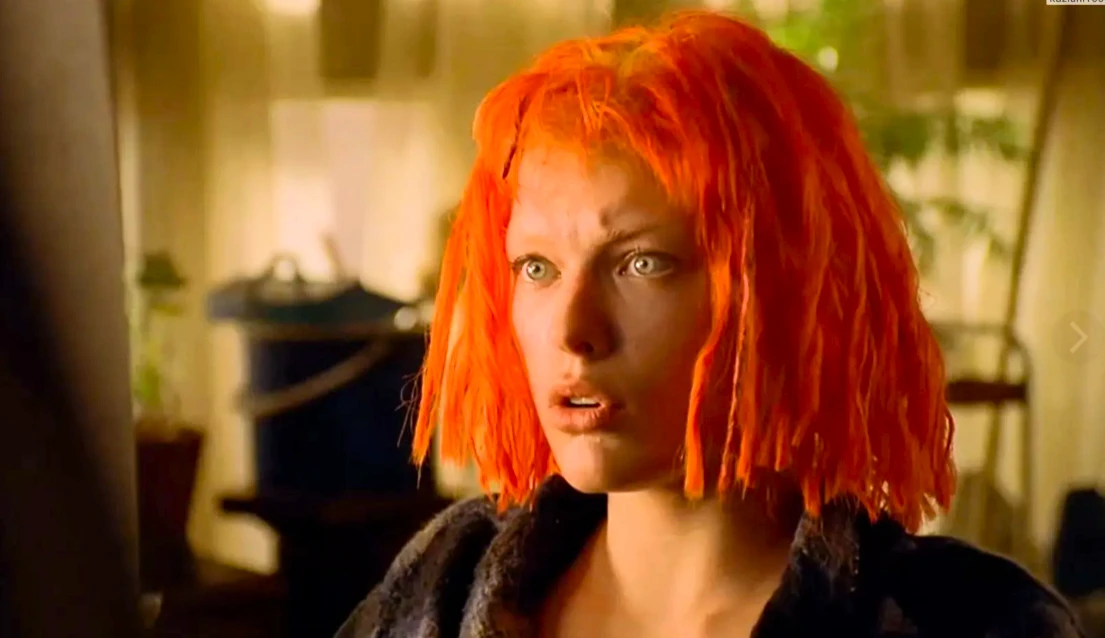
The movie earned an Academy Award nomination for Best Sound Effects Editing at the 70th Oscar ceremony, losing out to "Titanic." However, it won the BAFTA for Best Special Visual Effects, while Luc Besson took home the Lumières Award for Best Director.
Cinematographer Thierry Arbogast received the Technical Grand Prize at the 1997 Cannes Film Festival for his stunning work. The movie also earned four Saturn Award nominations: Best Science Fiction Film, Best Costumes, Best Special Effects, and Best Supporting Actress.
In the decades since its release, the film has achieved undisputed cult status. Bruce Willis fondly recalled, "It was a really fun movie to make," while Milla Jovovich praised Besson as "the first truly amazing director I ever worked with." 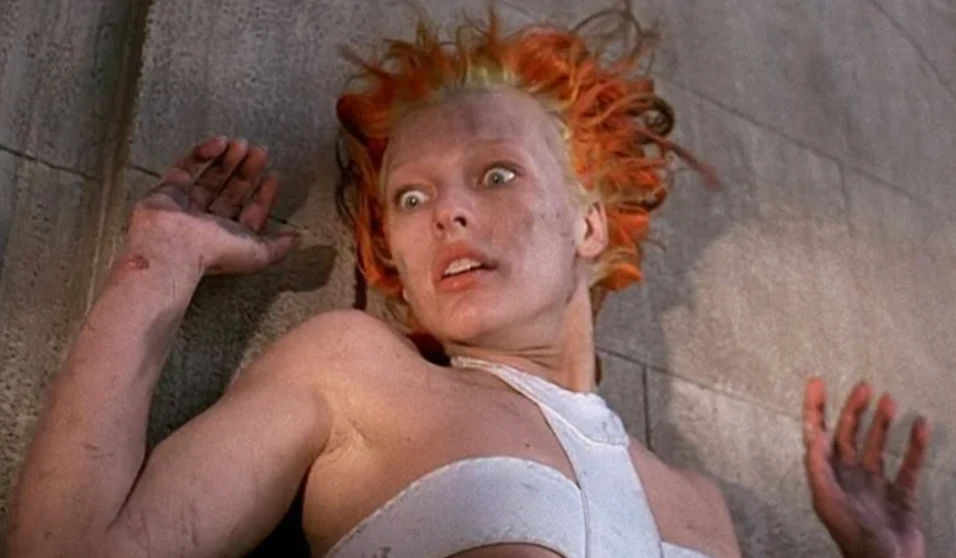
While many compare this film to "Star Wars," it has always held a far more special place in my heart.
"The Fifth Element" is a visually inventive, exhilarating masterpiece that rightfully earned its cult classic status.
Its signature style, colorful characters, and imaginative world-building came together to redefine sci-fi cinema. Love it or hate it, it remains one of the most thrilling and endlessly rewatchable movie experiences ever put on screen.