Murder on Wimbledon Heath The Rachel Nickell Story: From Police Mistake to Payback 16 Years Later (18 photos)
Rachel Nickell was a model, volunteer, and young mother. On July 15, 1992, she was murdered in front of her two-year-old son right on Wimbledon Heath. Forty-nine stab wounds in broad daylight—and no arrests. Under pressure from the press, Scotland Yard found a "suitable" suspect and staged a covert sting against him, which the court later called "a deception of the most flagrant kind." This didn't deter the real killer. We tell the whole story: from the nightmare on the heath to the verdict sixteen years later. 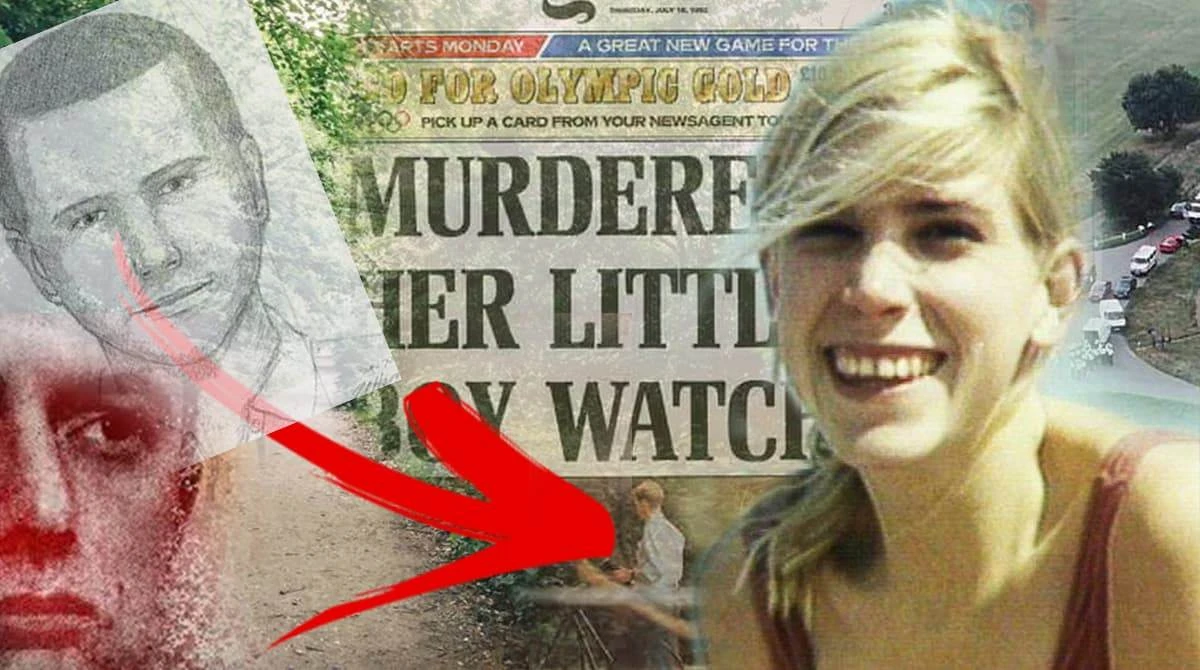
Nightmare on Wimbledon Heath
At 10:20 AM, Rachel was attacked in a secluded corner of the heath. The killer stabbed her 49 times in the neck and torso, raped her, and fled. The only witness left was little Alex. 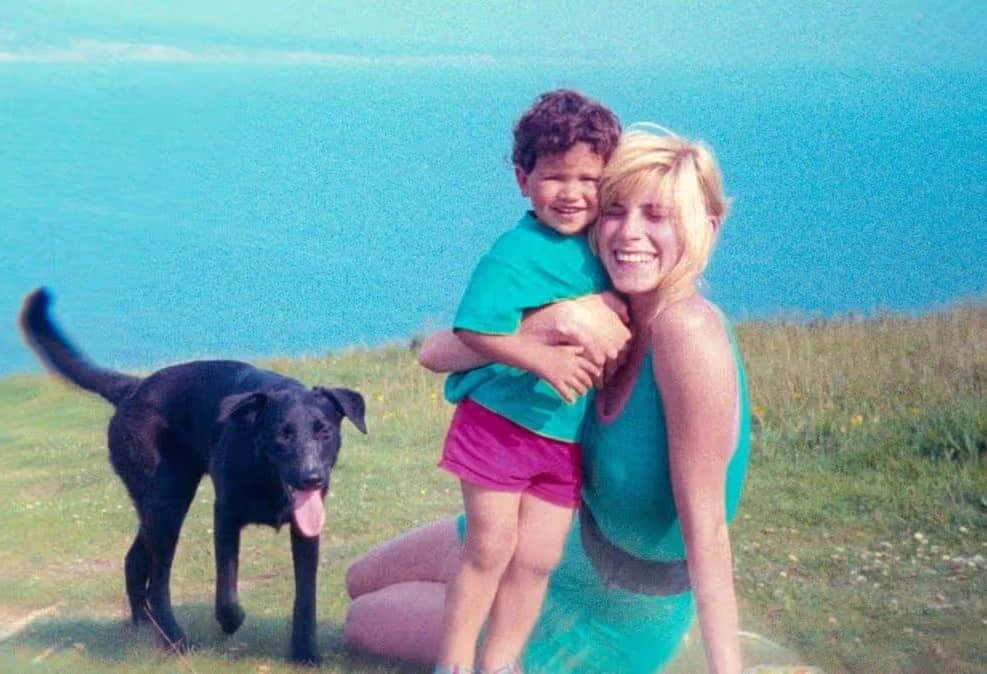
Rachel Nickell with her son Alex
A passerby who stumbled upon the scene of the tragedy found the boy alive. He was clinging to his mother's bloodied body and repeating, "Mummy, wake up." A scrap of paper lay on her face—the boy had tried to "cure" her, using banknotes as a bandage. This detail has forever gone down in British forensic history as one of the most heartbreaking.
Rachel was born on November 23, 1968. She worked as a model, did charity work, and dreamed of becoming a TV presenter. Her partner, Andre Hanscombe, learned of his beloved's death from the news. 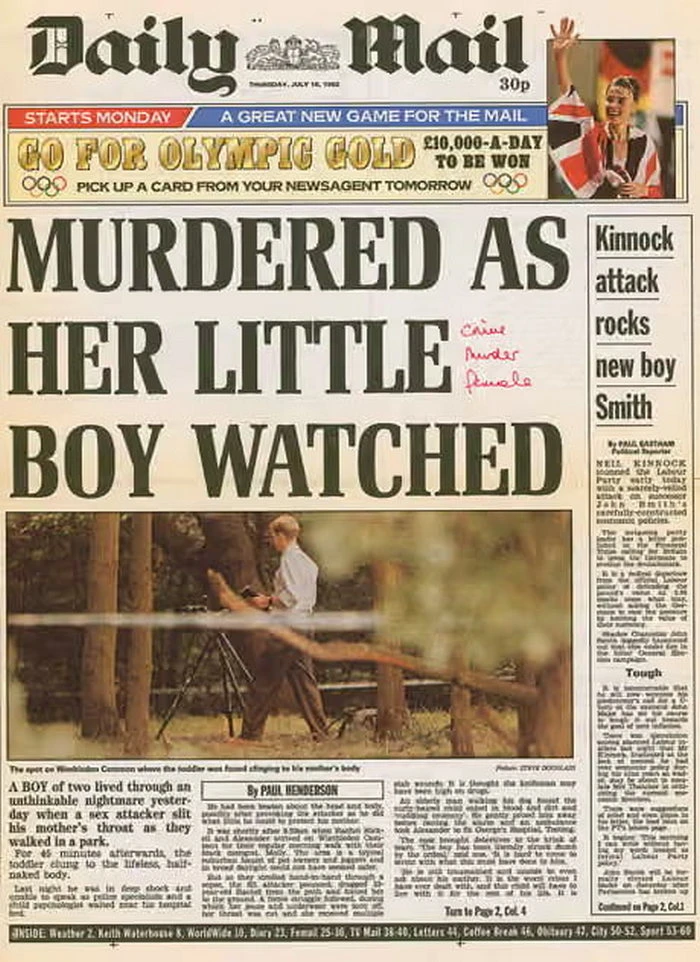
Newspaper article about the murder on Wimbledon Heath
The country was in shock. Tabloids ran with blatant headlines. Scotland Yard found itself under a barrage of pressure: they were expected to produce quick results.
Hunt for the "eccentric"
Investigators questioned 32 men. Among them was Colin Stagg from Roehampton, an unemployed 29-year-old bodybuilder. He often walked on the heath with his dog. There was no evidence against him: no fingerprints, no DNA evidence. 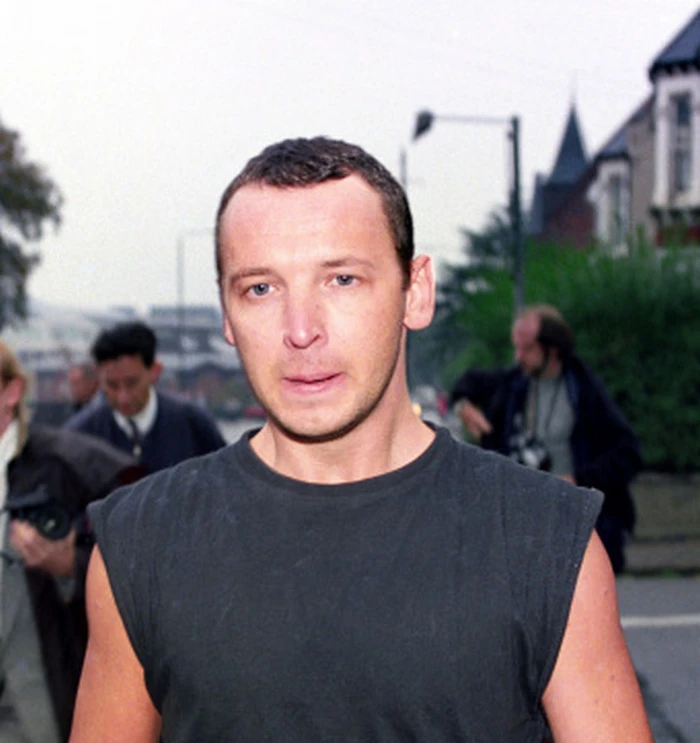
Colin Stagg is the prime suspect in the Rachel Nickell case
Neighbors considered him strange. Stagg was interested in the neopagan religion Wicca, led a solitary lifestyle, and dreamed of finding a partner—but relationships never worked out. This was enough to attract the attention of the police. 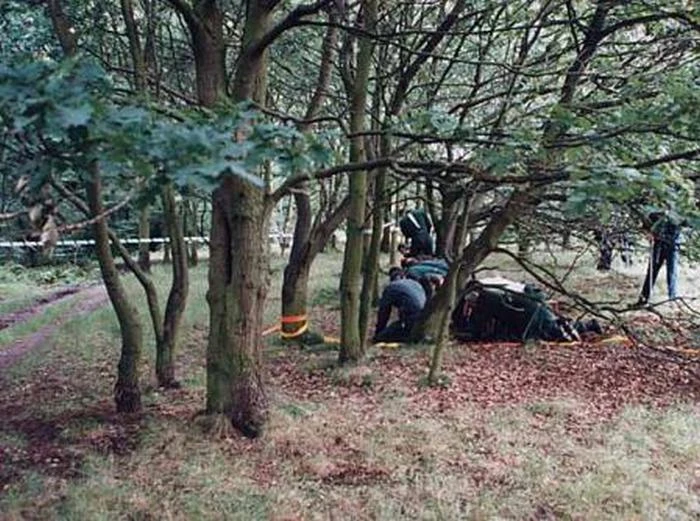
Police experts at the murder scene
The investigation brought in criminal psychologist Paul Britton. He drew a profile of the killer: a man between 20 and 30 years old, living alone and leading a reclusive life. He also had an interest in weapons, the occult, and a penchant for sadistic fantasies. Investigators believed Stagg was a good fit. There was no real evidence, but there was a "suitable" profile.
Operation Edzell: The Fatal "Honey Trap"
With no leads, the police took an unprecedented step. Officers from the SO10 special unit launched an operation codenamed "Edzell." A detective using the pseudonym "Lizzie James" contacted Stagg through a dating site. She introduced herself as a friend of a woman he had once corresponded with. 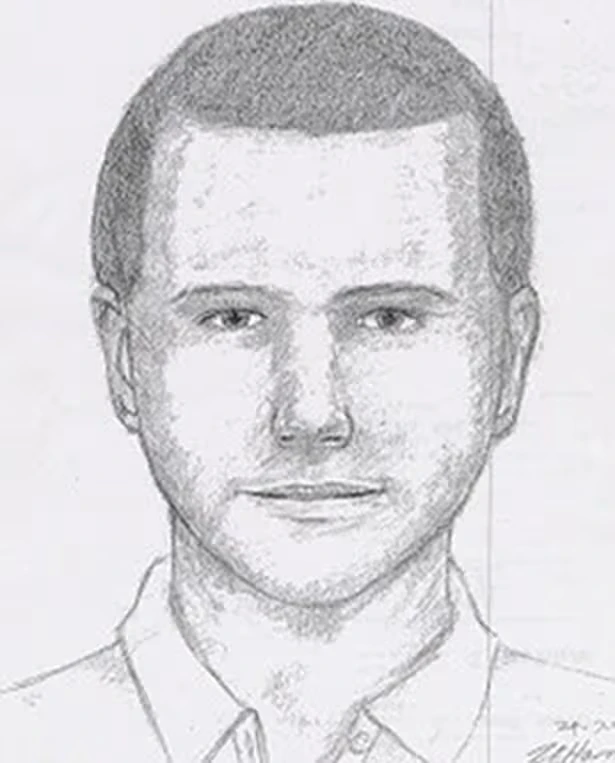
A composite sketch of the killer, based on witness statements
For five months, she corresponded with him, met in person, and spoke on the phone. The detective played the role of a woman with sadistic fantasies. Her goal was simple: to provoke Stagg into a confession. She hinted at sex, wrote letters with violent scenarios, and repeatedly escalated the level of provocation. 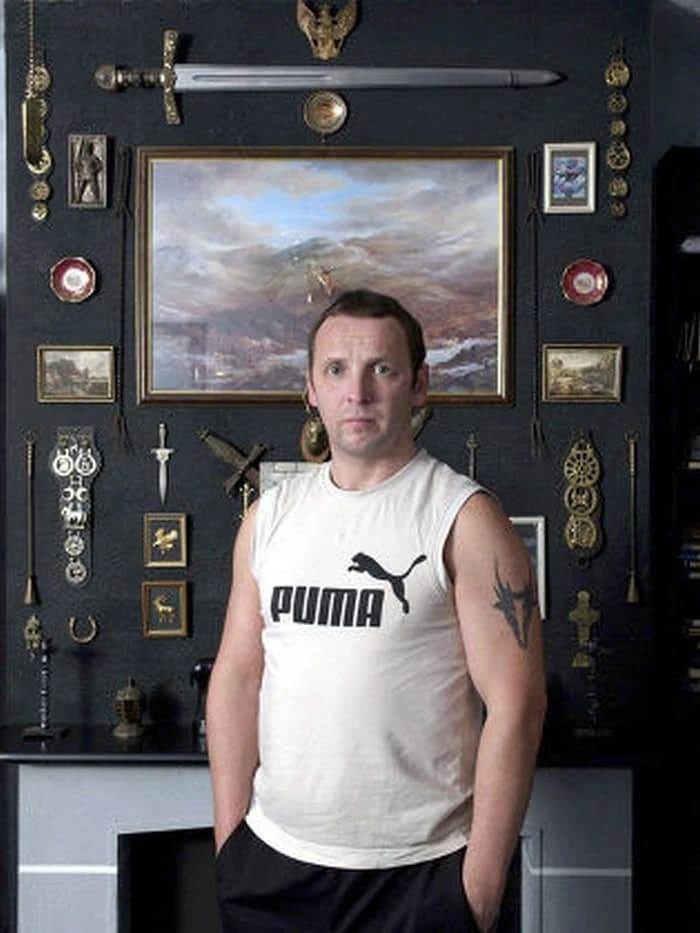
Colin Stagg was interested in neopaganism and medieval history.
The result was the opposite. Stagg confessed to "Lizzie" that he was still a virgin and dreamed of a quiet life. When directly provoked—"If only you had killed her, everything would have been different"—he replied, "I'm so sorry, but I didn't do it." During their meeting in Hyde Park, they discussed Nickell's murder. Stagg would later explain: he only kept up the conversation to gain "Lizzie's" favor—he had no other romantic hopes. 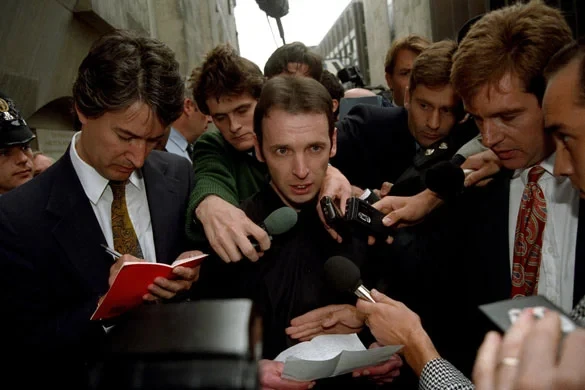
Colin Stagg surrounded by journalists outside the courthouse
Paul Britton later stated that he disapproved of the overtly violent nature of the letters. He only learned of their contents after they were sent. Nevertheless, the prosecution was set in motion. Stagg was arrested in September 1993.
The Collapse of Justice at the Old Bailey
In September 1994, the case reached the Old Bailey. There was no triumph for the prosecution. Judge Ognall reviewed the investigation and delivered a scathing verdict. The police had resorted to "deception of the most flagrant kind" and displayed "excessive zeal." All evidence obtained through the honey trap was deemed unlawful. The prosecution withdrew the case. Stagg was acquitted. 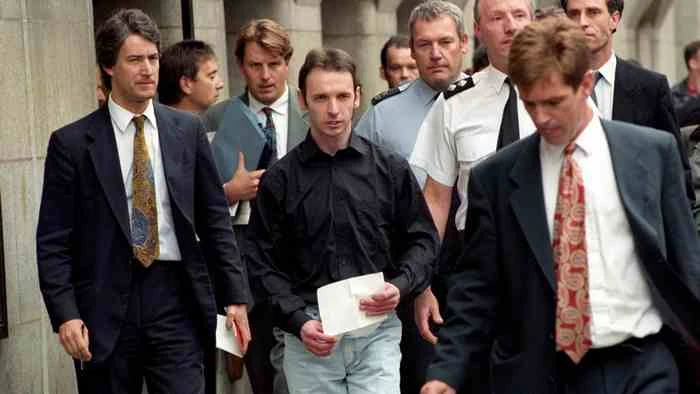
Colin Stagg outside the courthouse
But release didn't mean starting anew. The press dogged him for years. Headlines screamed, "Rachel's Killer Strikes Again." The stigma of "the suspect who got away with it" followed him everywhere. He lost his job and became an outcast. The lead detective on the case, Keith Pedder, stated in a 2001 ITV documentary that he personally doubted Stagg's innocence. This was despite the acquittal. 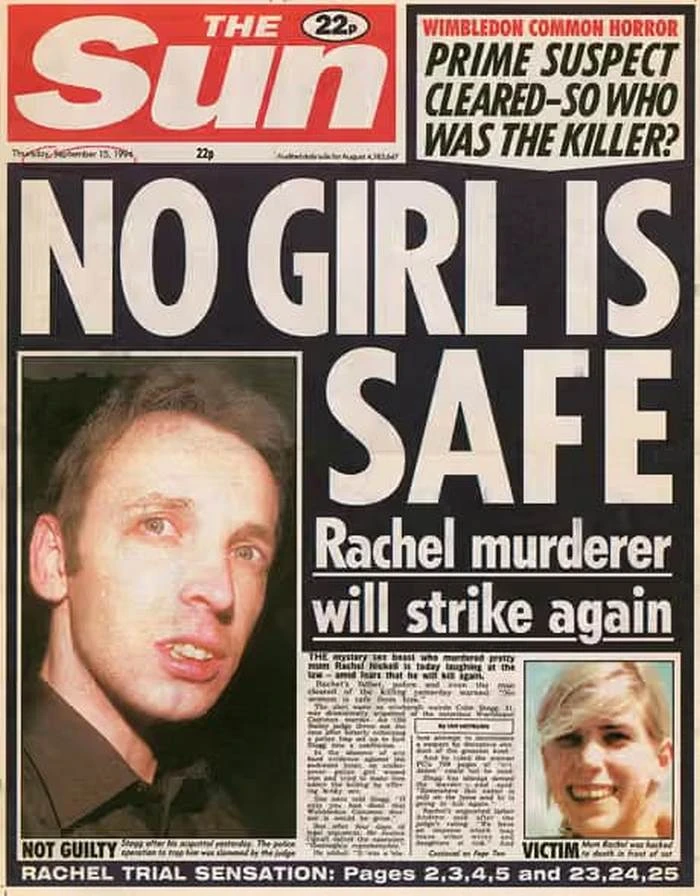
Newspaper headline on the day of Stagg's acquittal: "Rachel's killer strikes again..."
The investigation cost taxpayers three million pounds. It was later revealed that the investigators had overlooked crucial evidence. It was only in 2008 that the police formally apologized to Stagg. Assistant Commissioner John Yates delivered the apology in writing. Compensation of £706,000 was also paid at that time.
Stagg co-authored two books. The first, "Who Really Killed Rachel?", was written with author David Kessler. The second, "Outcast," was written with journalist Ted Hinds. He published the second book on the very day Napper made his first court appearance. 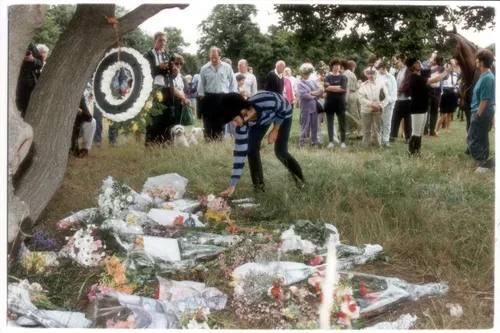
People continued to leave flowers at the site of Rachel Nickell's death for a long time.
André Hanscombe wrote "The Last Thursday in July" about his life with Rachel and how he coped with her death. In 1996, he left for France with his son. The reason was media harassment. Journalists even tracked them down in the village, and Andre openly criticized them for this in his book.
The Maniac Who Wasn't Caught in Time
While the police were pursuing Stagg, the real killer remained at large. Robert Napper was a Londoner, born on February 25, 1966. Crime reports dubbed him the "Green Chain Rapist" and the "Plumstead Ripper." 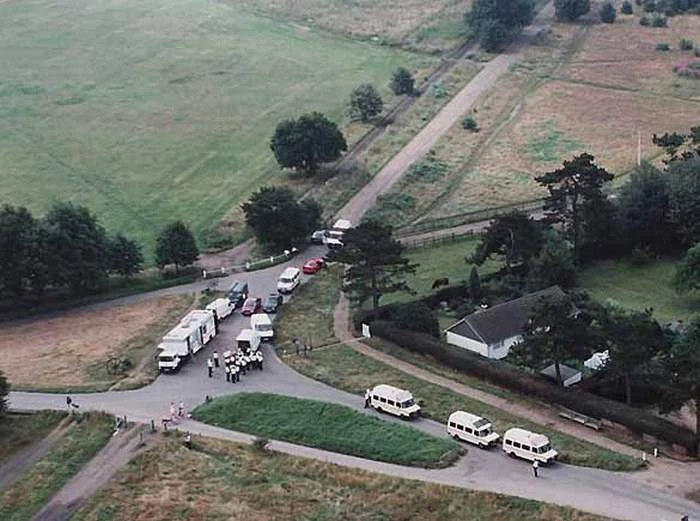
Police cars near the scene where Nickell was murdered
Back in 1989, Napper's mother called the police. She reported that her son had confessed to raping a woman. The police didn't pursue this lead. Shameful negligence: Napper could have been stopped then.
In 1992, while the Nickell case was underway, Napper twice came under suspicion. His appearance matched the composite sketch of a serial rapist. Twice he was summoned to provide DNA samples. Both times, he simply failed to show up—and no one was alerted. 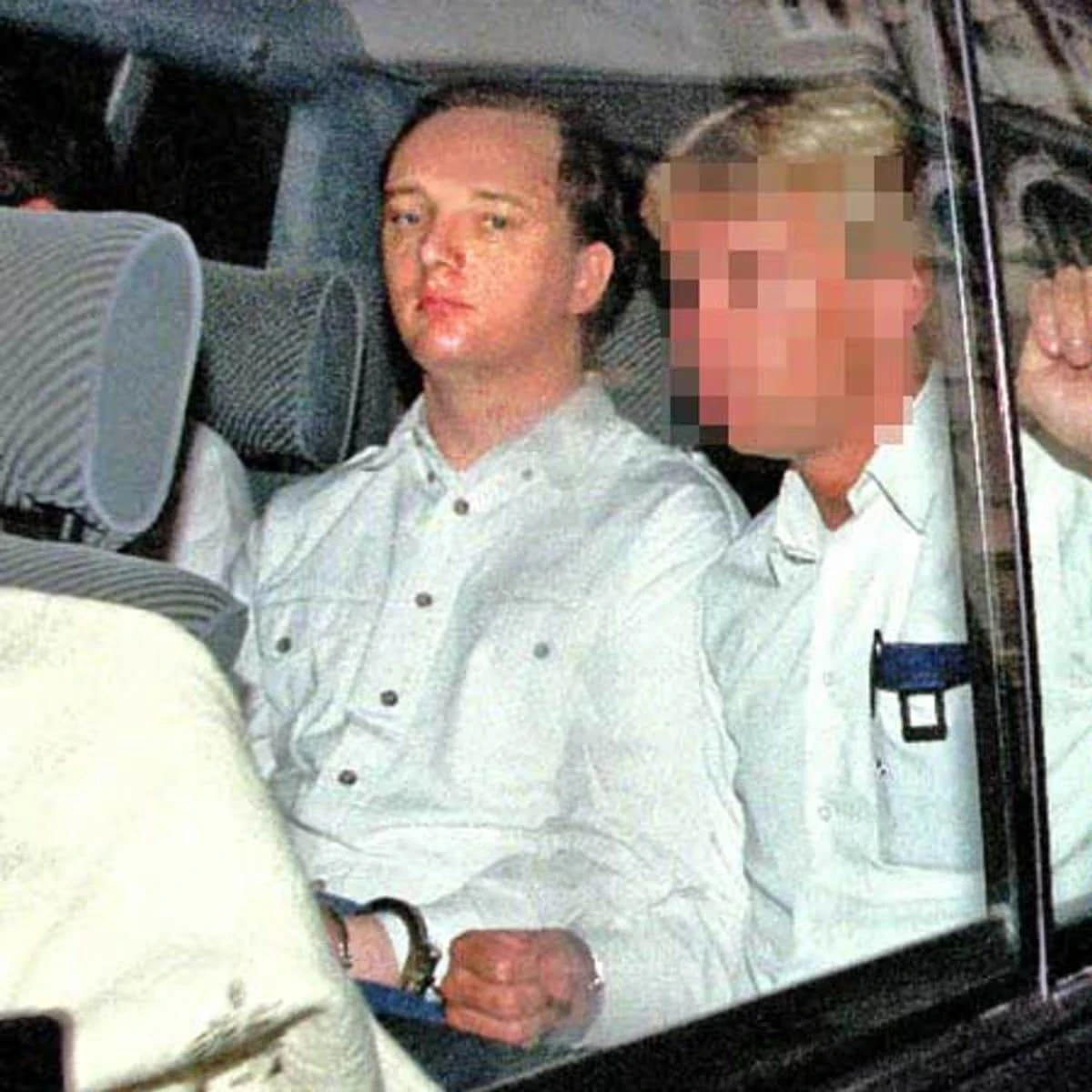
Rachel Nickell's killer, Robert Napper
In November 1993, Napper broke into the apartment of 28-year-old Samantha Bisset in Plumstead. He killed her and her 4-year-old daughter, Jazmine. The girl was found in bed under a blanket—the killer had deliberately covered her, as if putting her to bed. Fingerprints were left at the crime scene, which matched the police database. Napper was arrested in May 1994. In October 1995, he pleaded guilty, citing diminished responsibility.
A Triumph of Science: DNA Puts Everything in Place
After Stagg's acquittal, the Nickell case became a cold case for many years. In 2001, Scotland Yard decided to reexamine it using new forensic technology. 
Rachel Nickell
In 2003, a microscopic trace of male DNA was found on Rachel's clothing. It did not match either Andre's partner's or her son's samples. Stagg was finally ruled out as a suspect.
In July 2006, investigators questioned Napper for two days at Broadmoor. He denied everything. He was formally charged in November 2007. The trial began in November 2008. On December 18 of that year, Robert Napper pleaded guilty to Rachel Nickell's murder by reason of diminished responsibility. 
Broadmoor, a prison-type psychiatric hospital where Napper will spend the rest of his days
Judge Griffith Williams called Napper "a very dangerous man" and ordered his indefinite detention at Broadmoor. An inquest found that police could have stopped him long before Rachel's death. In its 2010 report, the Independent Police Complaints Commission (IPCC) described a "catalogue of poor decisions and mistakes." Commissioner Rachel Serfontein stated that without these mistakes, Napper would have been behind bars even before the murders of Rachel and the Bisset family.
Bitter Lessons of the Past
Rachel's son, Alex Hanscombe, was two years old when his mother died. He grew up to be a decent man. In rare interviews, he is striking for his complete lack of hatred and thirst for revenge. Alex calls on law enforcement to learn from their mistakes. 
Colin Stagg with her book
Detective "Lizzie James" retired early in 1998 at the age of 33. In 2001, she won a £125,000 judgment against Scotland Yard. The court found that the police had failed to provide her with adequate psychological support. This decision sparked outrage. Alex Hanscombe, the only living witness to his mother's murder, received only £22,000 from the state – less than a fifth of what the detective received.
Colin Stagg occasionally appears on television shows. He says he holds no ill will toward the police. He doesn't hide the fact that the experience ruined his youth. Profiler Paul Britton was brought in to investigate the case by the British Psychological Society. In 2002, the case was closed due to excessive delays. 
Thirty years later, Colin met Paul Britton, who nearly sent him to prison for life.
Rachel Nickell's story forever changed the British justice system. It showed that replacing real evidence with psychological profiles is dangerous. And the thirst for quick results allows the guilty to remain free while an innocent person languishes under investigation.
Do you think the goal of catching a dangerous criminal justifies dirty tricks, or should the law remain pure under all circumstances? Share your opinion in the comments!