The History of Sugar: How Humanity Got Its Sweet Tooth (7 photos)
While sugar gets a lot of bad press these days, humanity has yet to figure out how to live without it. Our history is inextricably tied to this complex commodity—one that cures, kills, fuels discovery, and simply makes life a little sweeter. But how much do we actually know about where sugar came from and the role it has played throughout the ages? 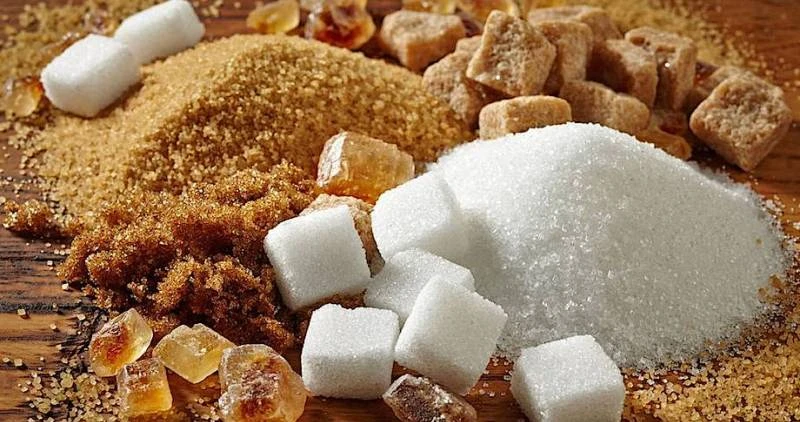
Sweet Water from the "Fragrant Reed"
It is no secret that sugar owes its existence to *Saccharum officinarum*. Carl Linnaeus himself coined this scientific name, but most people simply know it as sugarcane. A heat-loving perennial grass, it is closely related to crops like sorghum and corn. 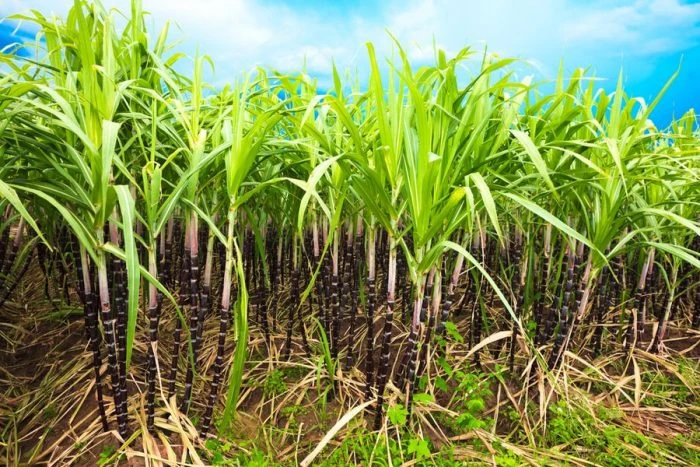
This is what sugarcane looks like
Sugarcane makes numerous appearances in ancient texts, though it wasn't adopted at the same time everywhere in the warmer regions of the world. While the Quran makes no mention of it, the much older Old Testament does. Passages in Isaiah (43:24) and Jeremiah (6:20) refer to "sweet cane," which scholars widely believe to be *Saccharum officinarum*.
Crucially, sugarcane was not native to the Near East. It was an exotic import, as Jeremiah famously recorded:
"To what purpose comes there to me incense from Sheba, and the sweet cane from a far country?"
Clearly, the cane was held in high regard by the ancient Israelites, reaching their lands as a precious trade commodity. Yet while the plant itself was frequently mentioned, the process of refining it into sugar remained unknown to most of the ancient world.
Buddha and Sugar
India was the notable exception. Ancient texts detailing the life of Gautama Buddha mention both the cane plant and the sweet, processed product derived from it. In fact, the Enlightened One discouraged its consumption, viewing it as a sign of spiritual weakness—and likely keeping an eye on his followers' physical health as well. 
The Buddha believed sugar was an unnecessary indulgence
The Buddha is believed to have been born in India around 568 BCE. This indicates that sugarcane was not only cultivated in this part of Asia at the time, but that people had already mastered processing it. The *Pratimoksha*, or Buddhist monastic code, lists foods considered "pacittiya"—luxuries or unnecessary indulgences for a healthy person.
Alongside buffalo milk, butter, oil, meat, fish, and curds, the extensive list included *gur*—a unrefined form of cane sugar. Since these dietary rules are attributed to the Buddha himself, he was undoubtedly familiar with sugarcane and the sugar made from it.
By the 4th century BCE, sugarcane was cultivated across India. In 325 BCE, Alexander the Great's army invaded the region. Nearchus, one of the great conqueror's admirals, observed:
"In India, a reed produces honey without bees, and an intoxicating drink is made from it, even though the plant bears no fruit." 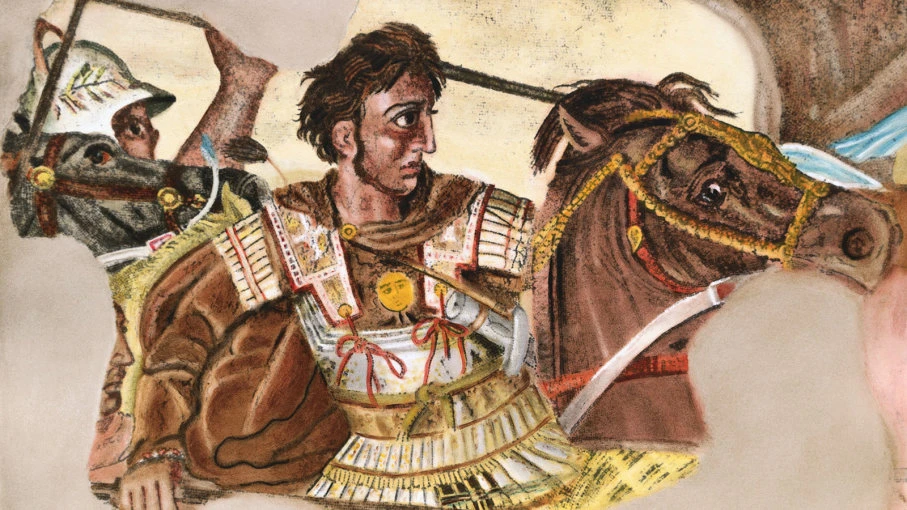
Alexander the Great may well have sampled sugar during his Indian campaign
Alexander's admiral likely encountered sugarcane juice rather than solid sugar. Around the time of Alexander's campaign, sugarcane was introduced to Egypt—presumably brought back by the Greeks. Cultivation took off in the fertile Nile Delta, and the Egyptians eventually began exporting the prized commodity.
Yet India remained the undisputed home of sugar for centuries. By 320 BCE, Indians recognized five distinct types of sugar, the most common being *guda*, *khanda*, and *sarkara*. The word *khanda* is the ultimate origin of the English word "candy," while *sarkara* is the clear linguistic ancestor of "sugar."
How Sugar Spread Across the Globe
By around 200 BCE, sugarcane was well known in China. Historical records from that era do not mention refined sugar or even sweet juice, suggesting the Chinese originally chewed the raw stalks. Records indicate that the Kingdom of Funan, located in modern-day Cambodia, paid tribute to the Chinese emperor with shipments that included bundles of sugarcane.
By 100 BCE, sugarcane was being cultivated on a large scale in southern China. Around the same time, it was also being grown across North Africa, the Near East, and the Arabian Peninsula. 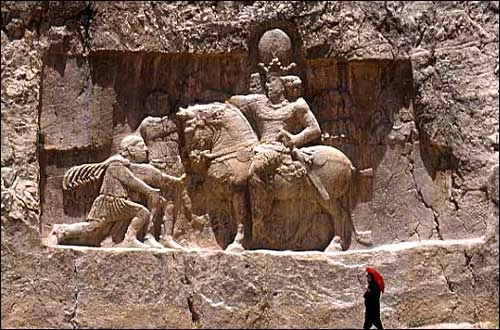
King Shapur I, whose efforts introduced sugarcane to Persia
However, sugar's true global conquest didn't begin until around 600 CE, when production kicked off in Persia. Why it took so long to reach the Persian Empire remains unclear, but the arid climate was likely a major obstacle. Cultivating the crop required massive irrigation projects.
Back in 262 CE, the Sasanian King Shapur I had built a dam on the Little Zab River. This allowed vast desert tracts to be irrigated and turned into fertile farmland, setting the stage for Persia's first attempts at growing sugarcane.
Sugar Conquers the World
The word "sugar" stems from the Sanskrit *shakkara*. The term wasn't exclusive to sweet substances, as it originally described any granular material. Cognates appear in numerous languages: *sakkar* in Arabic, *şeker* in Turkish, *zucchero* in Italian, *sucre* in French, and "sugar" in English.
In India itself, sugar was most commonly called *gur*, a word meaning "ball." This directly reflected the production process: once boiled down, the sticky sugar was pulled from the vats and rolled into large spherical lumps. 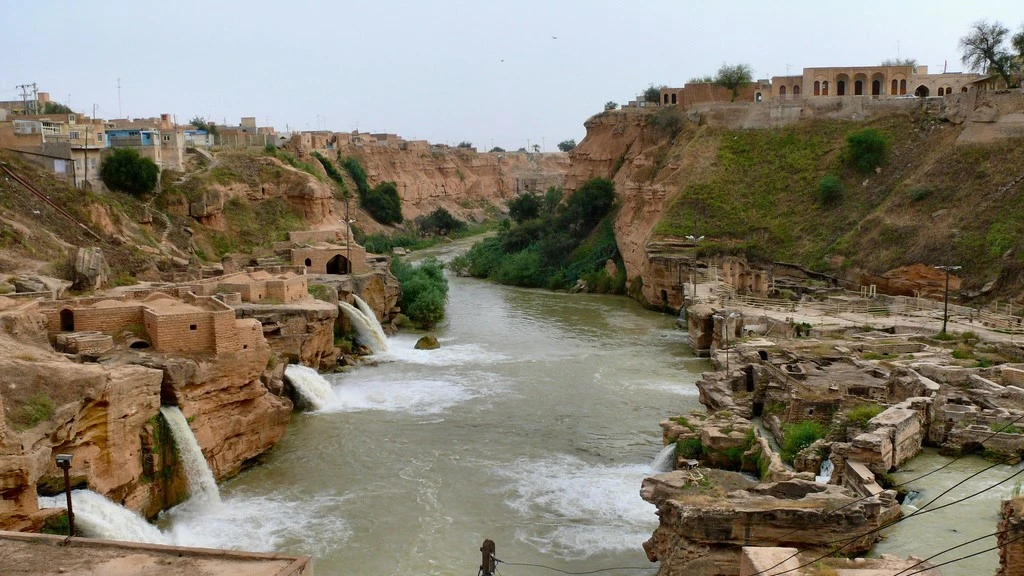
Ancient Persian hydraulic structures built for irrigation
In 627 CE, the Byzantine Empire dealt a decisive defeat to Persia. Among the spoils captured at King Khosrow II's palace in Dastagird were stockpiles of sugar. The Byzantines dubbed it an "Indian delicacy" and instantly developed a taste for it.
In this way, sugar entered Europe through Greek ports and Byzantine war booty. These early trade routes were eventually forgotten, leading to the long-held myth that Marco Polo first brought sugar back from Asia in the 13th century.
In the 15th century, sugarcane crossed the Atlantic aboard Christopher Columbus's caravels. The climate of the West Indies proved ideal, and massive sugarcane plantations quickly spread across the Americas. Later, the British introduced sugarcane to Australia from South Africa.
A Driver of History and Human Suffering
Sugar was far from a harmless commodity. Vast fortunes were built—and wars fought—in its name. Sugar fueled rebellions and became a driving force behind the enslavement of millions across the African continent. 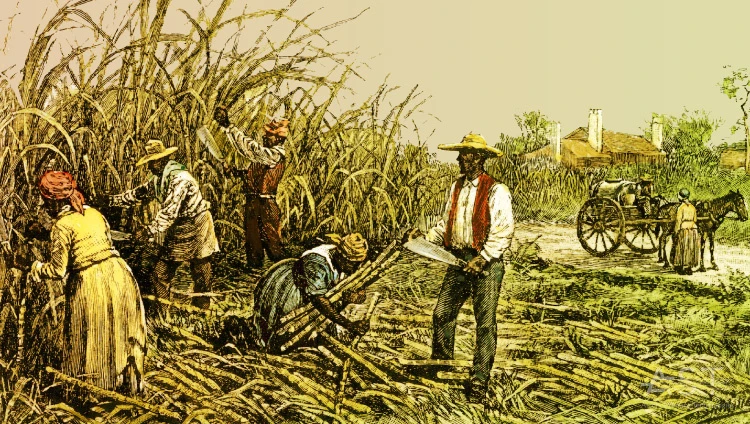
Enslaved workers harvesting sugarcane
It even reshaped global demographics. Driven by the sugar trade, an estimated 20 million Africans were forcibly transported to the Americas. Sugar brought Japanese and Chinese laborers to Hawaii and displaced tens of thousands of Pacific Islanders to the Australian mainland.
All of this was driven by a human appetite for sweetness—and an insatiable greed for profit. Today, it is impossible to count the millions of lives lost to this "white death." Sugar deserves to be treated with respect, much like daily bread, but perhaps with a healthy dose of caution.