What Builders Hide in Walls: From Human Sacrifices to Rotten Eggs (10 Photos)
A builder finishes up, packs his tools, and heads home. The wall is plastered smooth, but inside lies something that doesn't belong. This isn't a glitch in the construction process; it's a centuries-old feature. In honor of Builder's Day, celebrated on August 9, here's a look at what has been hidden inside walls over the centuries—from human sacrifices to rotten eggs—and why the tradition is still alive and well today. 
A Sacrifice to the Gods: A Construction Ritual That "Worked"
The premise was simple, almost transactional: the spirit of the slain would become the building's guardian. Tied to the spot of their death, they couldn't leave, bound to protect the structure forever—unpaid, without time off, and with no demand for raises. Foundation sacrifice is one of humanity’s oldest rituals, documented across every continent. Practiced everywhere from Japan to the Balkans, it persisted in Europe well into the Late Middle Ages. 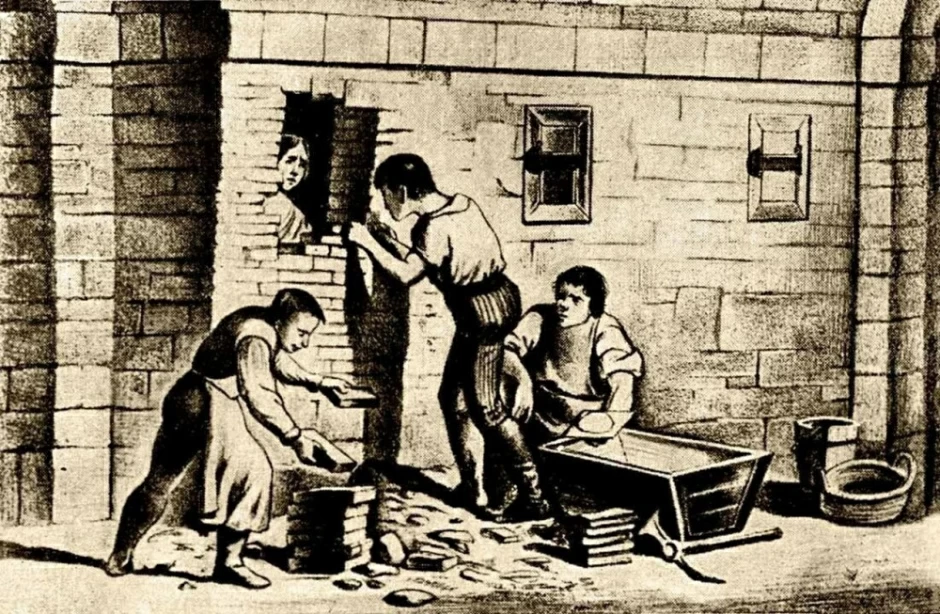
Entombment was more than an execution; it was a ritual to turn the victim into an invisible guardian of the walls
More often than not, women and children were chosen. The logic—if you can call it that—was that a weaker spirit was easier to anchor to the site, yet bitter enough to be fiercely protective. In the Balkans, folklore claimed that a fortress or bridge would stand firm only if a young bride or a worker's wife was walled up alive in the masonry. Italian lore tells of a bridge over the Adda River that collapsed repeatedly until a builder's wife was sealed into the central pillar, after which it stood firm. Medieval foremen certainly had a drastic approach to structural integrity. 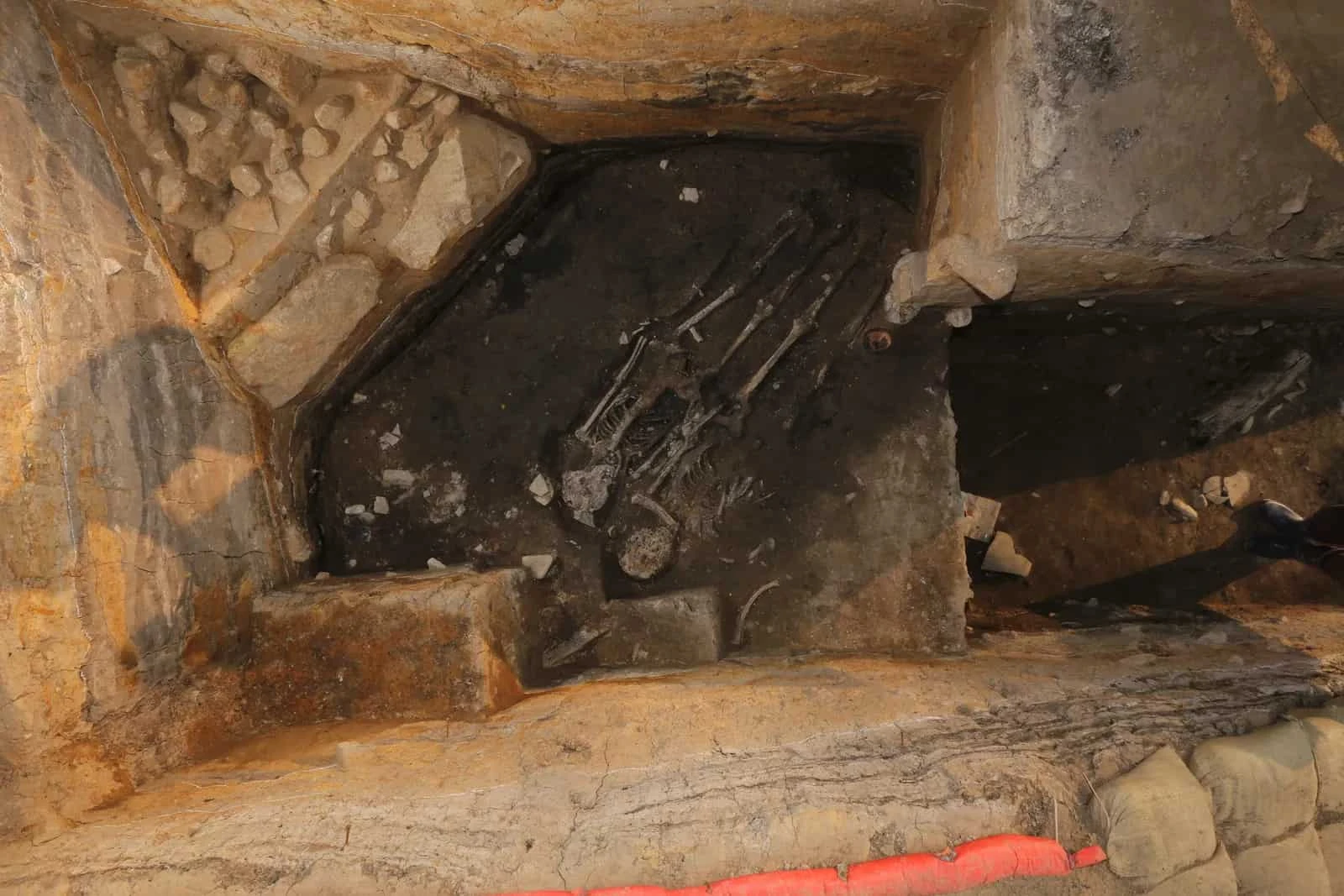
Skeletons in the foundations of medieval buildings are surprisingly common, with excavations across Central European castles regularly turning up such remains
During excavations at Czech castles like Troja, Karlštejn, and Konopiště, archaeologists discovered human remains embedded in the walls and foundations. Old chronicles offered a grim explanation: during a siege, these fallen warriors were meant to rise up and strike terror into the enemy. In 2000, excavations at a monastery in Halshany, Belarus, uncovered the skeleton of a young woman showing signs of a violent death beneath a wall. Local legend had long held that the builders conspired to wall up the first woman to set foot on the construction site. A worker's wife showed up to bring her husband lunch; she never made it home. According to the story, the collapsing walls immediately stabilized.
A similar legend surrounds the Yoke Tower at the Nizhny Novgorod Kremlin, where a woman was supposedly buried alive to secure the structure. She simply happened to be the first person to pass by that morning, carrying water buckets on a shoulder yoke. That alone sealed her fate.
A Shoe in the Wall: A Long-Term Superstitious Hack
By the 16th century, Europe had grown a bit wiser—or at least more frugal. Instead of living human beings, people began sealing worn-out shoes inside walls. The belief was that evil spirits would mistake the shoe for a person, step inside, and get trapped. A worn boot holds the shape, warmth, and scent of its owner—a trace of their essence. That was enough to fool a demon, and far preferable for the home's owner. 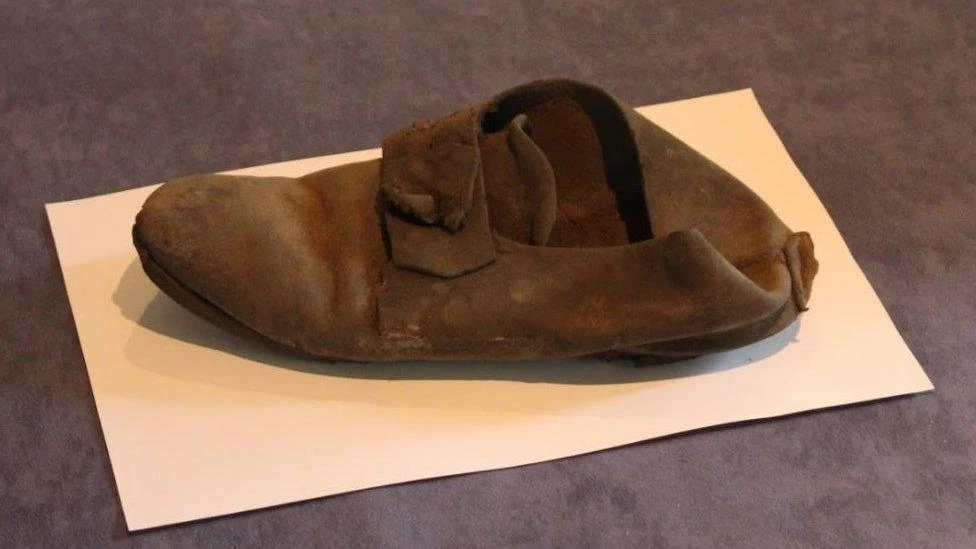
Restorers working on old British homes uncover these routinely, finding shoes concealed under floorboards, in chimney nooks, and above doorways
Since the 1950s, the Northampton Museum in the UK has maintained a dedicated registry for these discoveries: the Concealed Shoe Index. Today, the database holds around 2,000 entries from as many locations. The earliest documented find dates back to 1308, when a boot was discovered built into a wall of Winchester Cathedral. The museum still receives two to three new reports every month from the UK, Australia, Canada, and the United States. Nearly all are worn-out footwear, and about half originally belonged to children. 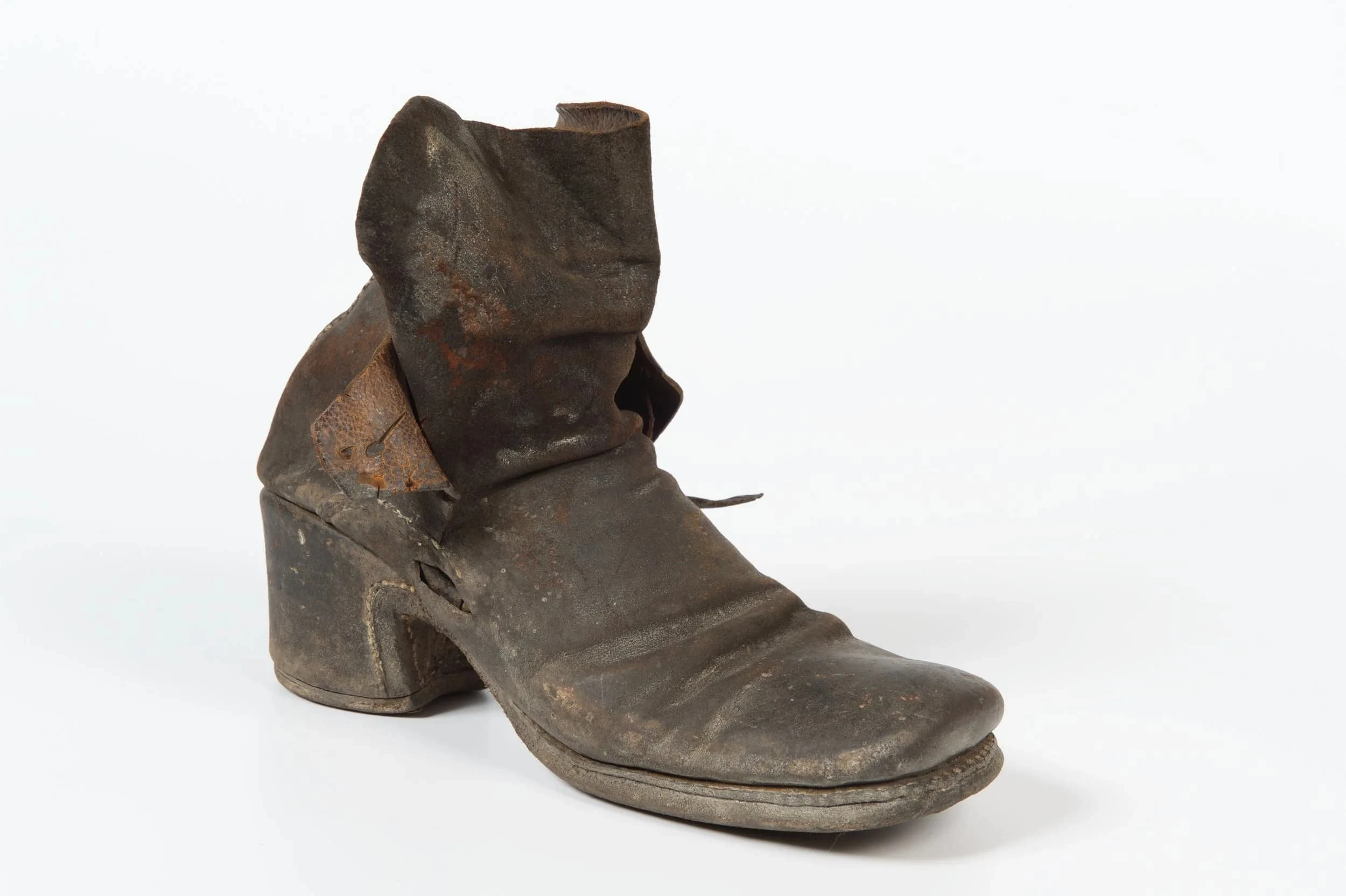
A late 17th-century men's leather ankle boot (circa 1675–1699), discovered beneath the bedroom floorboards of a farmhouse in Somerset, England
Shoes were most commonly hidden near chimneys, threshold openings, and doorways—places where evil spirits might try to breach the home. Interestingly, some property owners refuse to donate their discoveries to museums, keeping them put "just in case." The superstition has outlasted the very homes it was born in. 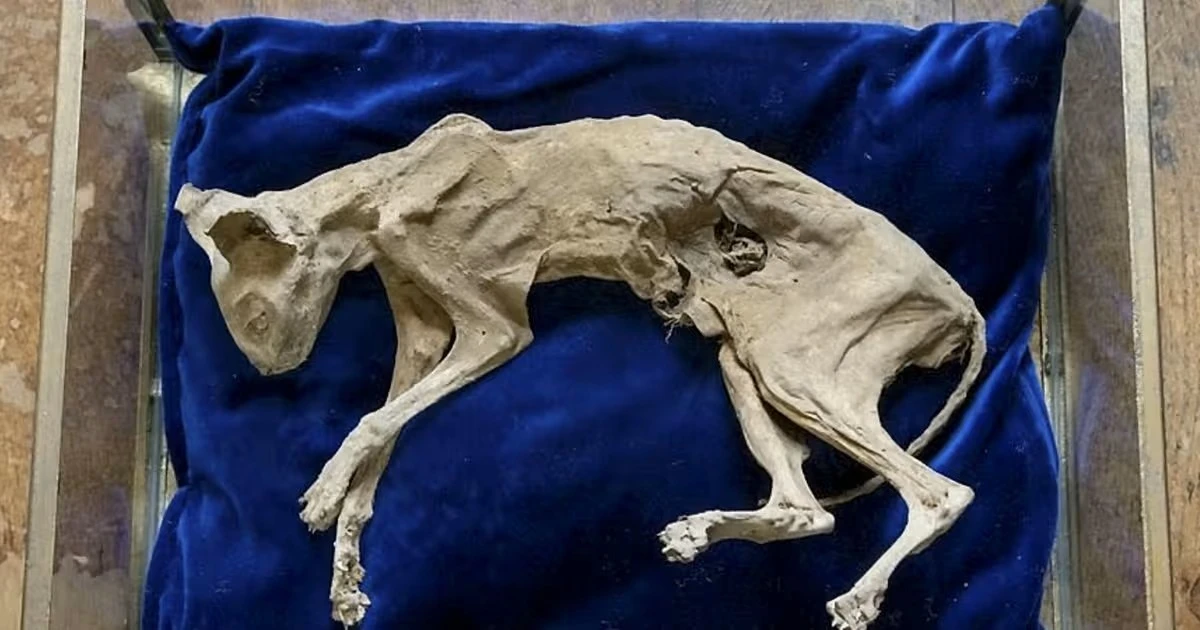
A mummified cat recovered from a wall on Borough High Street in London, dating back to the 16th century. Cats were walled up to ward off witches
Alongside shoes, dried cats were frequently encased in walls. Believed to possess a keen sensitivity to the supernatural, cats were thought to ward off witches and evil forces even in death. During renovations on Borough High Street in London, workmen retrieved a dried cat carcass that had been embedded in a wall for centuries. Coins were stashed for good luck, and animal skulls were built into foundations for strength. Builders of that era wove an entire invisible layer of protection into their masonry—a superstitious safeguard buried under layers of plaster.
A Letter to Nowhere: When Builders Believed in a Brighter Tomorrow
Somewhere between human sacrifices and getting revenge on bad clients, a far more touching tradition took root. Builders began sealing letters inside walls—messages meant for posterity, future residents, and generations yet unborn. Newly minted coins, newspapers, lists of crew members, and occasionally deeply personal notes were carefully packed away into walls and foundations. 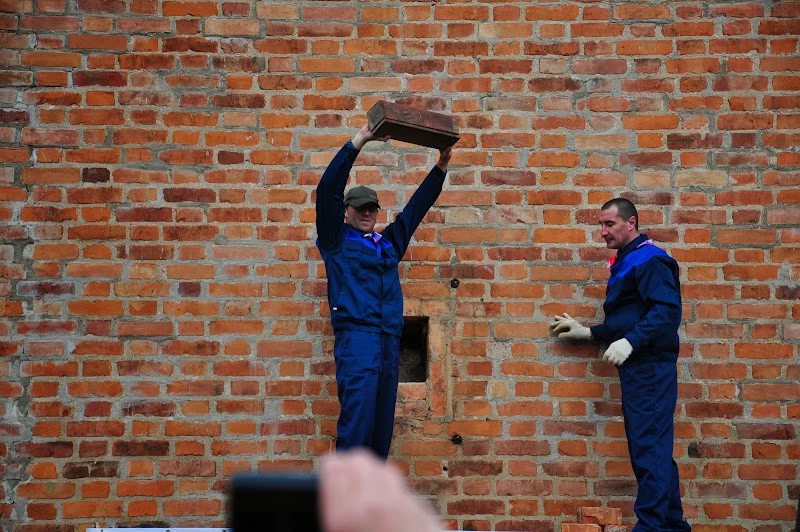
On September 28, 2013, a metal capsule entombed exactly 50 years earlier—in September 1963—was retrieved from the fortress wall in Smolensk
In September 1963, during the 1,100th anniversary celebrations of Smolensk, a metal time capsule was entombed in the city's 17th-century fortress wall. Inside was a "Message to Posterity"—an address to future citizens assumed to be living under communism. Exactly 50 years later, on September 28, 2013, the capsule was retrieved at Victory Square during the city's 1,150th anniversary festivities. It was read aloud. Communism had not arrived, and many of the achievements boasted about in the text had long since vanished into history. The crowd shared a knowing smile. Among them were elderly locals who had taken part in burying the capsule half a century earlier.
People always overestimate the permanence of their own era. The workers who sealed that letter to "those living under communism" were confident in the destination—they just misjudged who would actually receive it.
Rotten Eggs: A Revenge Classic
Ancient rituals may belong to the Middle Ages, but the habit of embedding surprises has endured. Modern contractors still leave extra items behind, though the motive has shifted. It’s no longer about pleasing gods, fending off spirits, or addressing future generations. It’s about getting even with clients who refuse to pay. 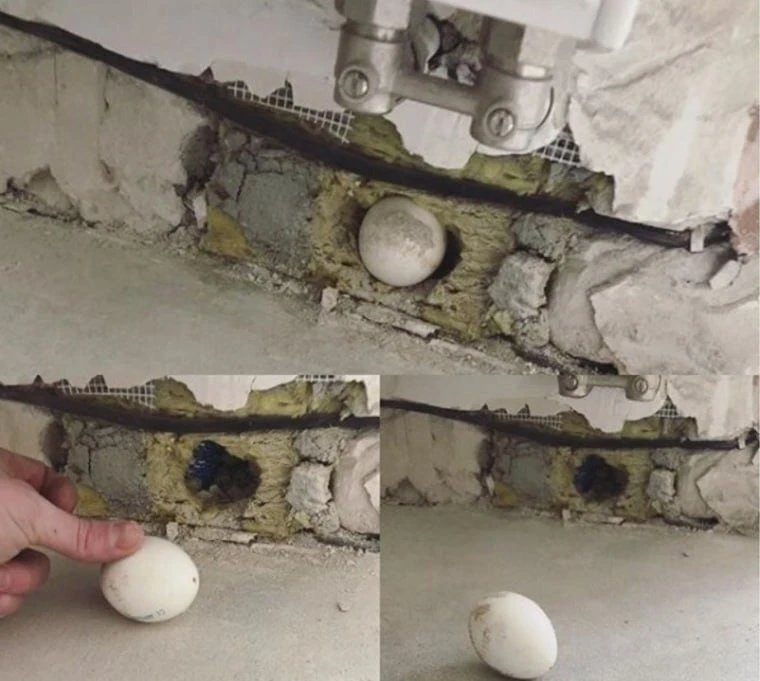
A raw chicken egg hidden in the masonry is a time-honored trick of contractor revenge: tracking down the source of the stench is nearly impossible
Walling up a raw egg is the undisputed classic of trade vengeance. The scheme is foolproof: a needle-pricked egg is sealed behind plaster, and within a week or two, the stench becomes unbearable. Pinpointing the origin without tearing down the drywall is virtually impossible, making paying off the debt by far the cheaper option. Tradesmen recount these stories with unmistakable professional satisfaction. A piece of raw meat tucked under laminate flooring yields the exact same result—just much faster. 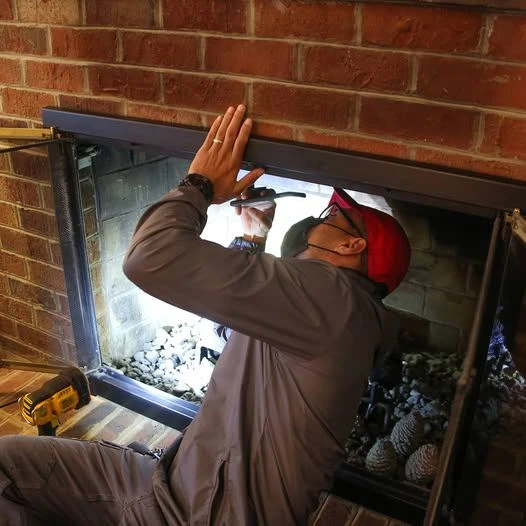
A pane of glass covering part of the flue: the homeowner lights the fireplace for the first time, and smoke floods the room. The cause remains a mystery, leaving repair crews baffled
The retaliatory toolkit extends well beyond eggs. Electricians might install a faulty shunt that blows the moment the power hits. Plumbers can weld a washer inside a heating pipe: water flows, but pressure drops and radiators stay cold, baffling everyone for months. Masons might lay a sheet of glass horizontally across part of a fireplace flue. The moment the owner lights a fire, smoke fills the house, leaving the culprit nowhere to be seen. A worker's ingenuity is limited only by how badly they were stiffed.
A Wall Is Never Just a Wall
A wall is a multi-layered time capsule of human fear, hope, resentment, and superstition. Every generation of builders has left something behind: some buried people, others concealed shoes, some wrote letters to the future, and others hid rotten eggs for the present. The motives have evolved, but the impulse to leave a mark remains unchanged. 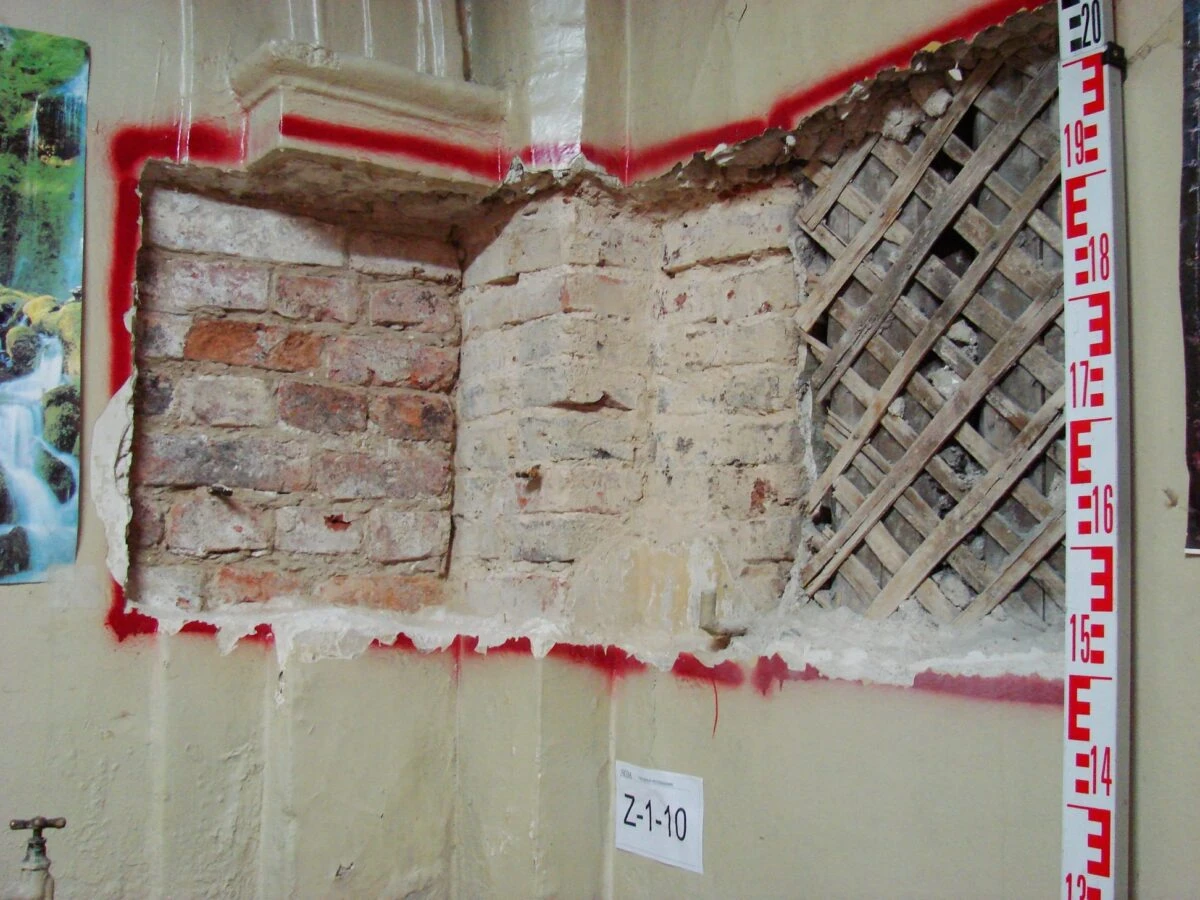
During the restoration of old buildings, every layer inside a wall reveals a distinct era with its own fears, hopes, and superstitions
Restorers know that opening up an old wall can reveal almost anything: a coin, a newspaper, a boot, a bone. Every builder leaves something behind. The only question is what—and why. Happy Builder's Day! Here’s hoping the only things inside your walls are lucky coins.
Have you ever found anything unexpected inside a wall during renovations? Let us know in the comments below!