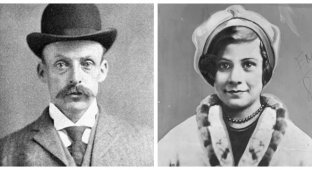
The grandfather who ate children: how an inconspicuous painter combined renovations and ritual madness (18 photos)
Picture an elderly gentleman: a neat gray suit, a neat mustache, a polite smile. He goes to church every Sunday, works diligently as a house painter, and has six children at home. A true pillar of 1920s society. Now let's look beneath the façade. Twenty-nine steel needles, which he himself inserted, are lodged in his groin. He begged his own children to spank him with a board studded with nails, ate excrement, and kidnapped other people's sons and daughters to eat. This "grandfather"'s real name was Albert Fish, and he proved to the world that absolute evil can be inconspicuous. 
Who is Albert Fish?
Hamilton Howard Albert Fish was born on May 19, 1870, in Washington, D.C. His childhood was hardly happy. His father, 43 years older than his mother, died when Albert was five. Albert had two brothers and a sister, and his mother, unable to cope, gave the children to the St. John's Orphan Asylum, also in Washington. 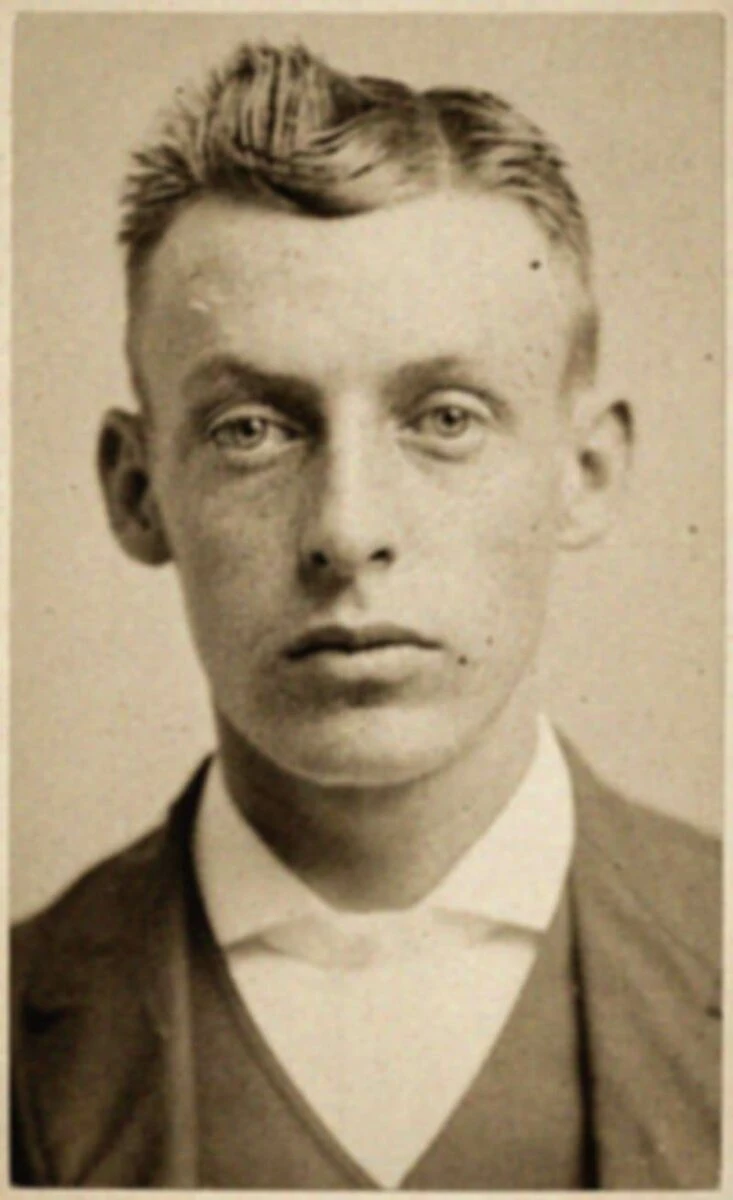
Albert Fish. 1889
It was there, in an atmosphere of strict religious discipline and regular floggings, that the first seeds of his future perversions were sown. Fish later admitted that harsh floggings caused him an irresistible sexual arousal. His family included many mentally ill people: an uncle suffered from religious mania, a brother was institutionalized, a sister had unspecified "mental deviations," and his mother experienced auditory and visual hallucinations. The groundwork for his madness was laid.
In 1880, his mother received a government job and took 10-year-old Albert from the orphanage. But by then, he was already a changed man. At 20, he moved to New York. Working as a house painter provided a steady income, but Fish also engaged in prostitution and raped boys—he would later admit to this during interrogations. 
A mugshot taken in 1903, when Fish was arrested for petty theft.
In 1898, his mother arranged a marriage for him with 19-year-old Anna Mary Hoffman, nine years his junior. The couple had six children: Albert, Anna, Gertrude, Eugene, John, and Henry. Those around him knew him as a quiet and deeply religious man, who knew entire chapters of the Bible by heart and was always giving alms. The couple lived together for 19 years, until Anna left her husband for another man in 1917. It was after this breakup, according to the children, that their father's behavior began to deteriorate. 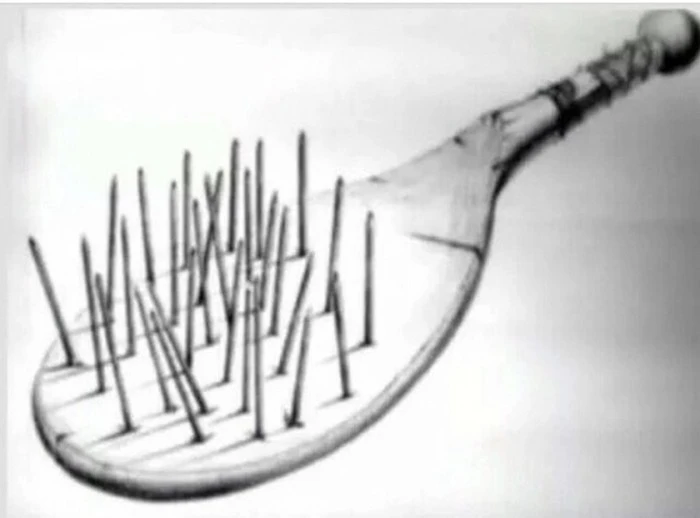
A board with nails used to "punish" Fish at his request
His own children recalled him as a strict but generally caring father who never raised his voice at them without cause. The most terrifying detail of their family life was that Fish sometimes asked his sons and daughters to brutally beat him with a board. To the children, this seemed like just a strange religious quirk of a parent demanding "punishment for sinful thoughts." They couldn't even imagine that they were unwittingly indulging in a profound and dangerous sexual perversion.
Inner Hell
Behind his seemingly benign exterior lay a veritable hell of psychiatric deviance. For many years, Fish practiced extreme forms of sadomasochism. He regularly inserted needles deep into his skin—later, during an X-ray, doctors would discover exactly 29 metal objects in his pelvic area. Some were so embedded that their edges had become thinned by time.
He cauterized his body with a red-hot iron, practiced coprophagia, and achieved orgasm through self-torture. This entire pathology was heavily laced with religious delusions. Psychiatrist Frederick Wertham, who examined Fish in 1935, called him a "psychiatric phenomenon": no other court case had ever dealt with someone with so many simultaneous sexual disorders. Fish sincerely believed he communicated directly with God and angels and that it was the Almighty who commanded him to torture children. 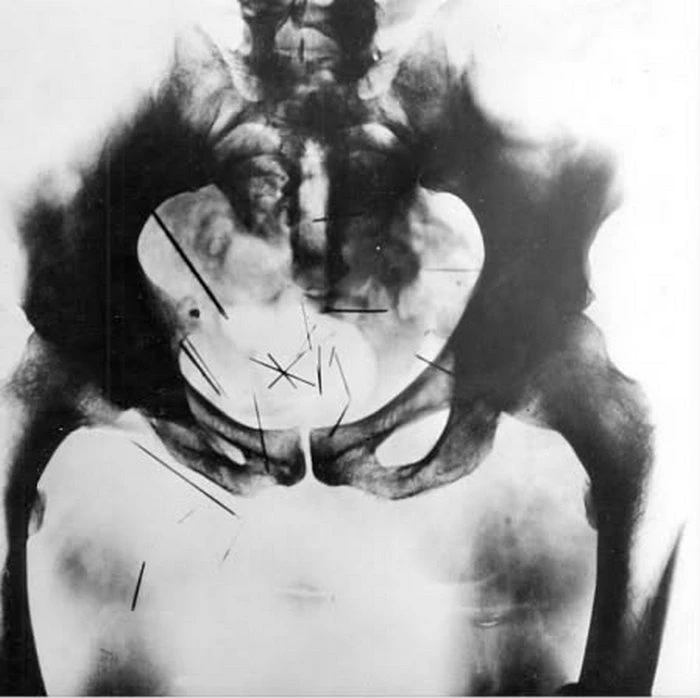
X-ray of Fish's pelvis shows 29 needles inserted under the skin and into the muscles.
He identified with the biblical patriarchs who demanded blood sacrifices. Sometimes he would wrap himself in a rug, claiming to be following the Apostle John's instructions. In his mind, quotations from Holy Scripture coexisted harmoniously with thoughts of cannibalism and violence. This created a hermetic, frighteningly logical system of madness—utterly incomprehensible to those around him.
The Path of the "Gray Man"
Fish's first murder, according to various estimates, occurred in 1910. The victim was a young man named Thomas Kedden. Fish held him in an abandoned house for two weeks, tortured him, and then severed his penis. Kedden survived: Fish, afraid of the smell of decomposition in the hot weather, abandoned the victim with a $10 bill and a bandaged wound. In 1919, in Georgetown, Virginia, Fish stabbed a mentally disabled teenager to death. 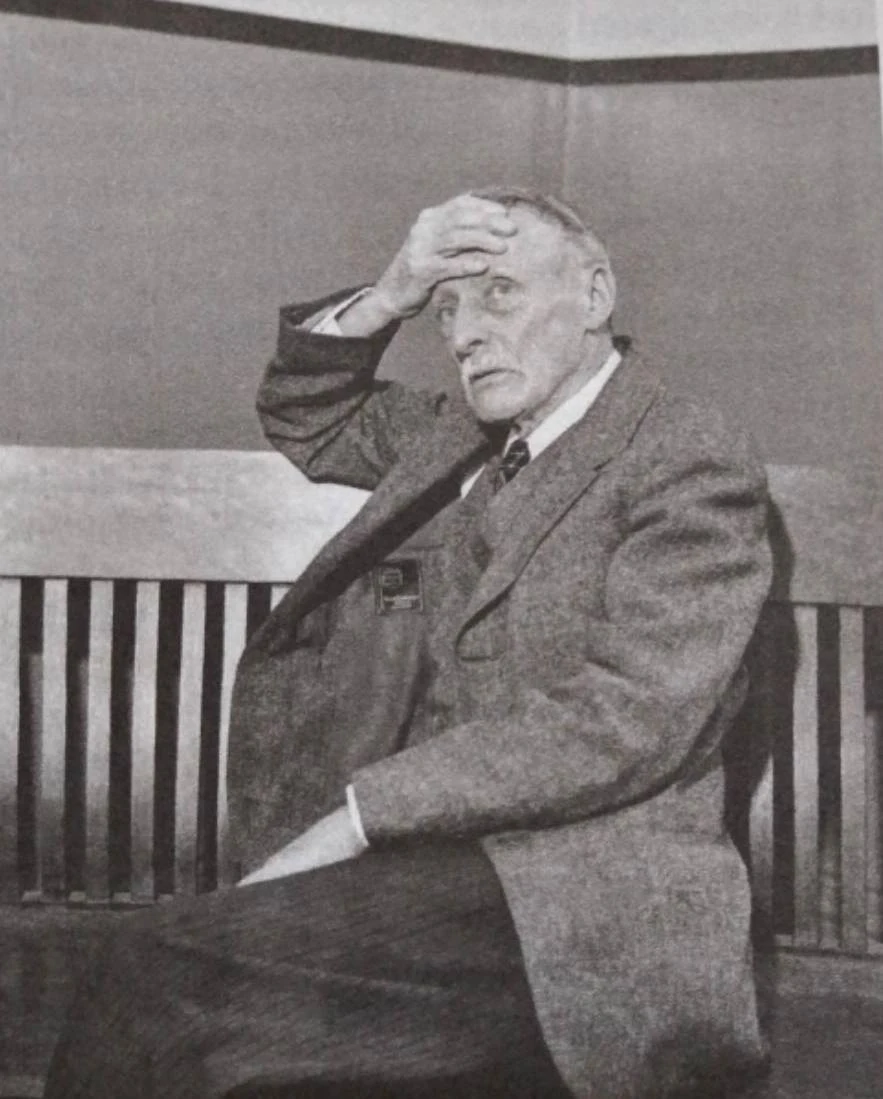
"Grandfather" Albert Fish
In 1924, nineteen-year-old Francis McDonnell disappeared. His body was found hanging by his own suspenders from a tree in Staten Island – he had been brutally beaten and mutilated. It was then that police first encountered a description of a suspect: witnesses saw a thin, polite elderly man with a gray mustache. It was Francis's mother, Anna McDonnell, who described him this way:
"He was walking down the street, muttering to himself and making strange movements with his hands. I saw his thick gray hair and drooping gray mustache. Everything about him seemed faded and gray."
Thus was born the nickname "The Gray Man." 
The abandoned villa—"Wisteria Cottage"—that Fish chose for his crimes
In 1927, four-year-old Billy Gaffney disappeared. Years later, Fish would coldly describe how he dealt with the toddler: he took the child to a dump on Ricker Avenue, stripped him naked, tied him up, and left him overnight in the abandoned house. The next day, he returned with a homemade cat-o'-nine-tails whip made from a cut-up leather belt. 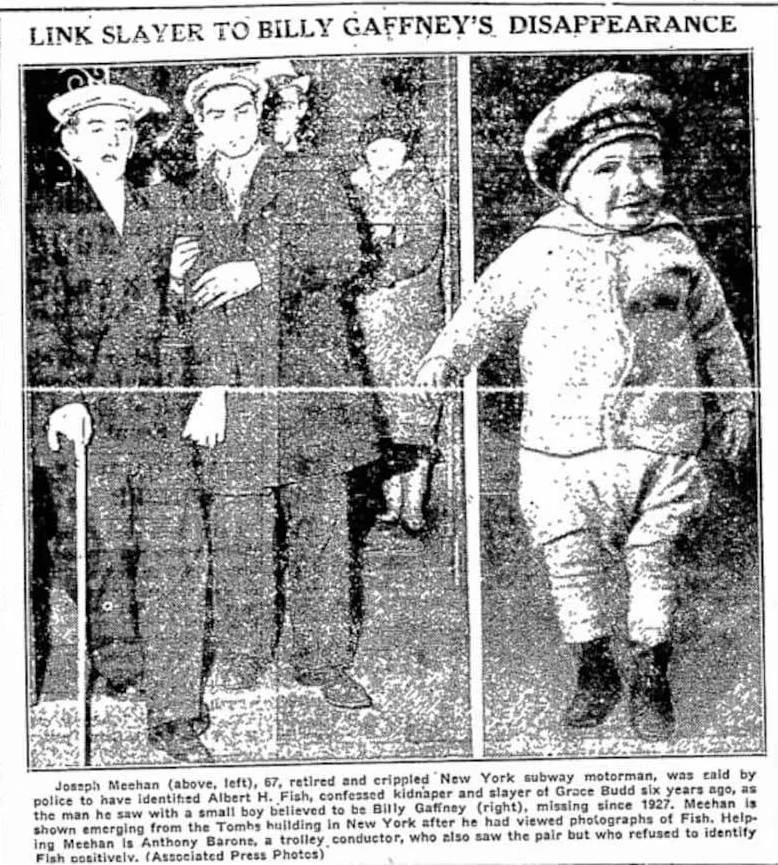
A 1934 New York newspaper article identifying Fish as the killer of Billy Gaffney
After much abuse, he killed the boy, dismembered the body, and ate it. As Fish led the child away, a three-year-old neighbor saw him. He told the police that the "Bogeyman" had taken Billy. No one wanted to connect the disappearance with the quiet elderly father. He remained completely invisible to society.
The Grace Budd Case: A Monster's Fatal Mistake
In 1928, a tragedy occurred that would ultimately destroy Fish. It took six long years for this to happen. Fish came to the New York Budd family under the assumed name "Frank Howard"—he responded to a newspaper ad placed by 18-year-old Edward Budd seeking work. Fish played the role of a good-natured, wealthy farmer from Long Island. 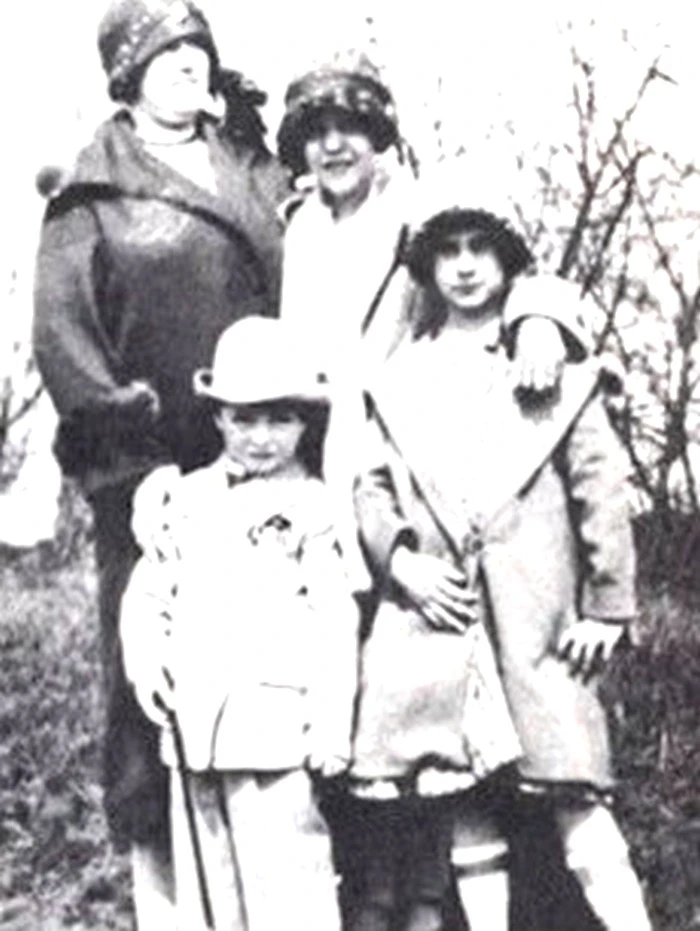
Mother Grace Budd with her daughters and youngest son
He quickly charmed the poor family: he brought a basket of fresh strawberries, chuckled politely, drank tea with the parents, and joked. Ten-year-old Grace had grown to trust the kind old man—she climbed onto his lap and kissed him on the cheek. Fish realized his goal had changed. He offered to take Grace with him to his niece's birthday party and promised to return the girl by evening. Seeing a respectable elderly gentleman before them, the mother and father released the child without the slightest suspicion. 
Grace Budd – a 10-year-old girl abducted by Fish in 1928
Fish took the girl to an abandoned house in East Irvington – "Wisteria Cottage" in Westchester County, an hour and a half outside of New York City. There, he asked Grace to pick flowers outside, entered the house, stripped naked to avoid getting blood on his clothes, and called to her through the window. When the girl entered, he strangled her. Over the next nine days, he dismembered the body and baked the pieces in the oven, later cynically describing the taste of her flesh as "sweet and delicate." He concluded his letter by adding, "She died a virgin."
Letter from a Psychopath
The Budd family waited for their daughter for years. The police were at their wits' end, but "Frank Howard" vanished without a trace. Six years passed. In November 1934, an anonymous letter arrived at the Budd home. Its contents could shock even the most prepared reader. Grace's mother was illiterate; her eldest son read to her. 
Police examine items found near Wisteria Cottage in 1934 (background)
In the letter, the sender confessed to Grace's murder in horrific detail, interspersed with stories of cannibalism in China during the famine. To avoid being dismissed as a fantasist by his parents, he began with a precise description of "Frank Howard's" visit to their home. Here's an excerpt from the message:
"The backside of a boy or girl is the most delicious part of the body, and, sold in China as veal cutlet, commanded the highest price. A friend of mine, who stayed there, developed a taste for human flesh. Returning to New York, he captured two boys, aged 7 and 11. Hiding them in his remote house, he kept them tied up in a closet. Several times a day, he spanked them to make the meat more flavorful. He killed the 11-year-old first, because he was fatter and had more meat. Every part of the body was butchered except the head, bones, and intestines. His backside was roasted in the oven, and the rest were boiled, fried, and stewed. The younger boy followed suit. At the time, I was living at 409 East 100th Street. My friend had told me so often about the taste of human flesh that I decided to try it to form my own opinion." 
Wanted Poster for Grace Budd
Next, Fish details how he dealt with Grace. The monster couldn't resist bragging. And it was this letter that proved his fatal mistake.
Detective William King: Hunter and Predator
Detective William F. King took over the investigation. The letter was anonymous, but the envelope bore a barely noticeable hexagonal imprint with the abbreviation "N.Y.P.C.B.A."—New York Private Chauffeurs' Benevolent Association. King followed the trail for two days.
It turned out that one of the association's doormen had forgotten his envelopes in the room he had previously rented—a tenement building on East 52nd Street. The landlady reported that the envelopes had been picked up by one of the next tenants, a house painter named Albert Fish. He had already moved out but was supposed to return for a letter from his son. The landlady agreed to notify him about the package. King waited. 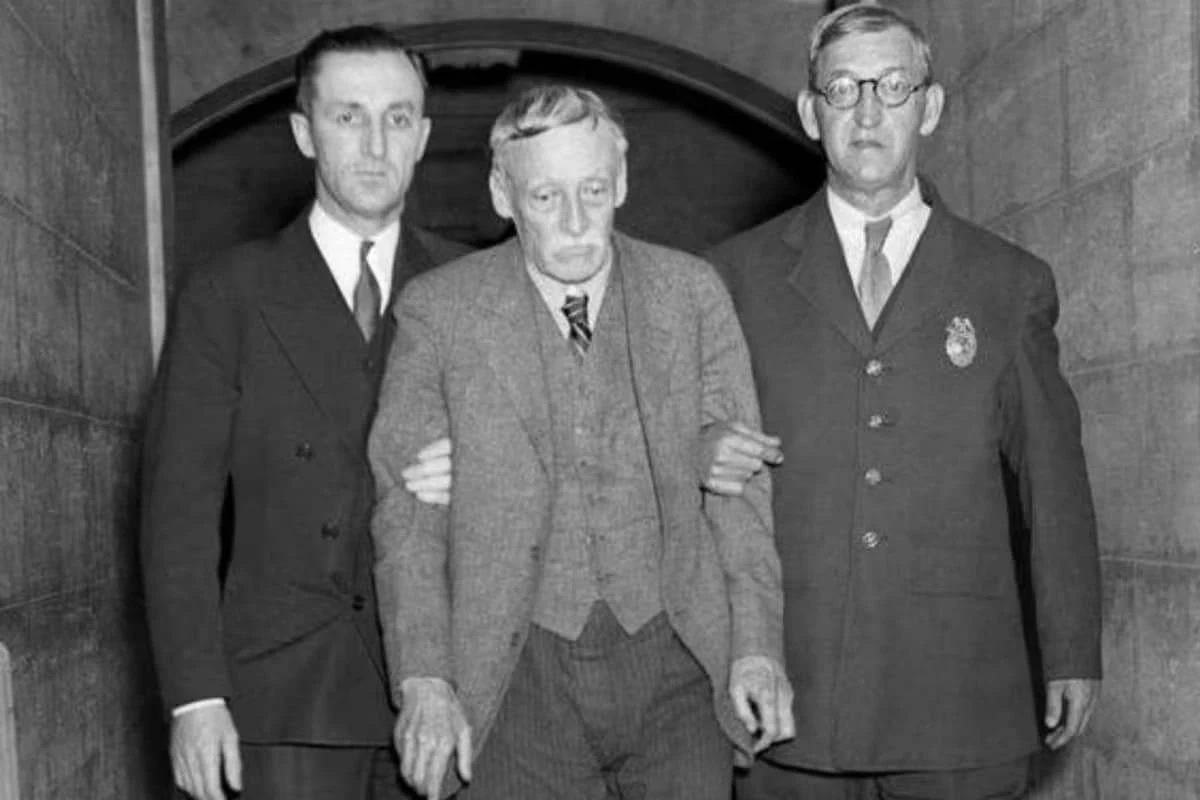
Albert Fish after his arrest. 1934
On December 13, 1934, Fish came to pick up the letter. When King introduced himself, the old man initially meekly agreed to follow him to the station. But as soon as they left the building, he instantly transformed: he grabbed a razor and lunged at the police officer. King subdued him. A search of the room revealed identical envelopes and paper. The mask of normalcy was torn away. Fish was 64 years old, making him the oldest person ever executed at Sing Sing.
Crazy or calculating?
The trial began on March 11, 1935, in White Plains, New York, and became a sensation. Fish's lawyers based their defense on the defendant's apparent insanity. Psychiatrist Frederick Wertham and two other experts insisted that Fish was unable to control his actions. Their arguments were compelling: a man who inserts dozens of needles into his body, eats other people's excrement, hears the voices of angels, and murders children simply cannot be mentally sane. 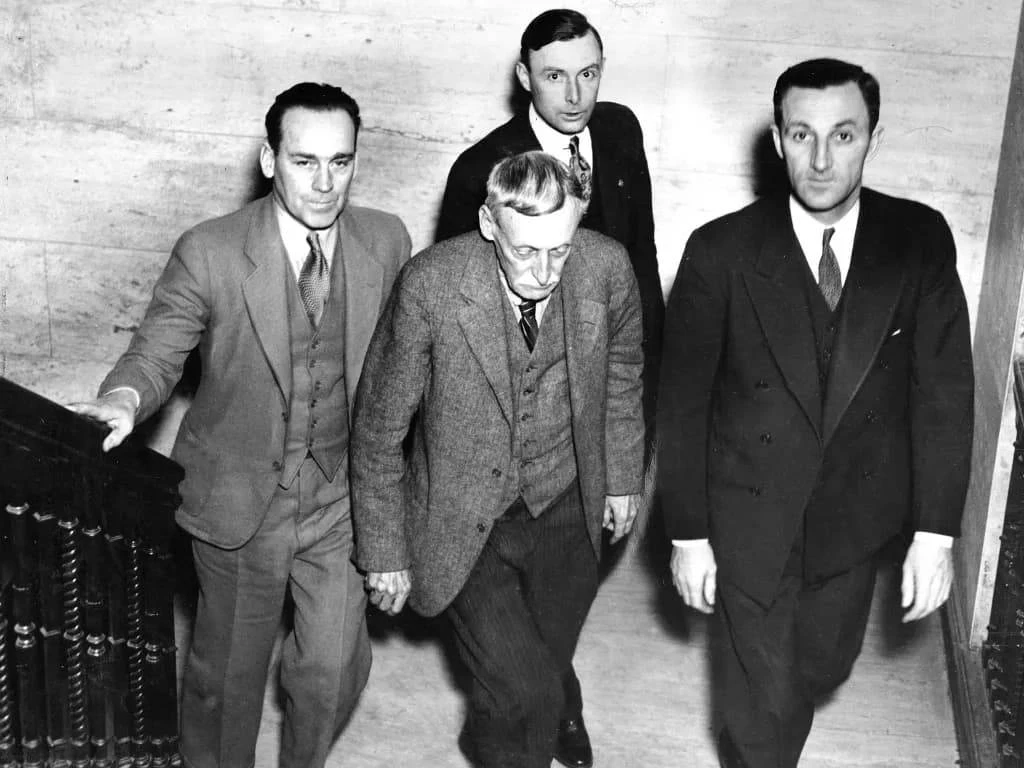
Albert Fish in the courthouse. 1935
However, the prosecution found a key counterargument. The prosecutor presented the very same letter to Mrs. Budd. By writing it, Fish proved that he was fully aware of the criminality of his actions. He knowingly risked capture for the sadistic pleasure of wounding the victim's mother again. Fish himself cynically remarked during the trial:
"You know as well as I do that if I hadn't written to Mrs. Budd, I never would have been caught." 
Search for remains near an abandoned villa
The jury's deliberations were brief. Some later admitted that they understood Fish was insane, but they were convinced he deserved to die. He was found sane and unanimously sentenced to death in the electric chair.
Execution and the Final Madness
The execution took place on January 16, 1936, at Sing Sing Prison in Ossing, New York. Fish was 65 years old, making him the oldest person ever executed at the facility. He greeted his death not just calmly, but with a perverse delight. He told reporters:
"For me, this will be the ultimate pleasure. The only pleasure I have never tasted." 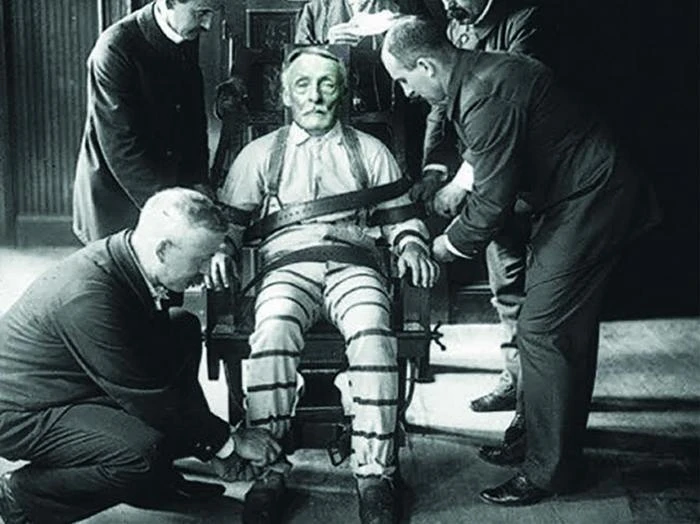
Albert Fish is prepared for execution. 1936
Fish obediently, even willingly, helped the guards secure the leather straps to his arms and legs. A legend circulated among the prison guards that during the first electric shock, the circuit shorted due to needles embedded in his body, forcing the executioners to administer a second, more powerful shock. There is no documentary evidence to support this, but the 29 needles embedded in the condemned man's body were a fact, as documented by X-rays. The maniac's last words before the helmet was placed on his head were absurd and terrifying: "I don't even know why I ended up here."
Blind Society
Albert Fish's story is terrifying not only for the details of his crimes. It is terrifying for how easily society allows evil to slip through its protective filters. Fish didn't hide in dark alleys or appear marginal. He paid his taxes, raised six children, and smiled politely at his neighbors. He was skilled at choosing his victims—most often, children from low-income families, street children, or the mentally disabled, counting on the police not to diligently investigate their disappearances. 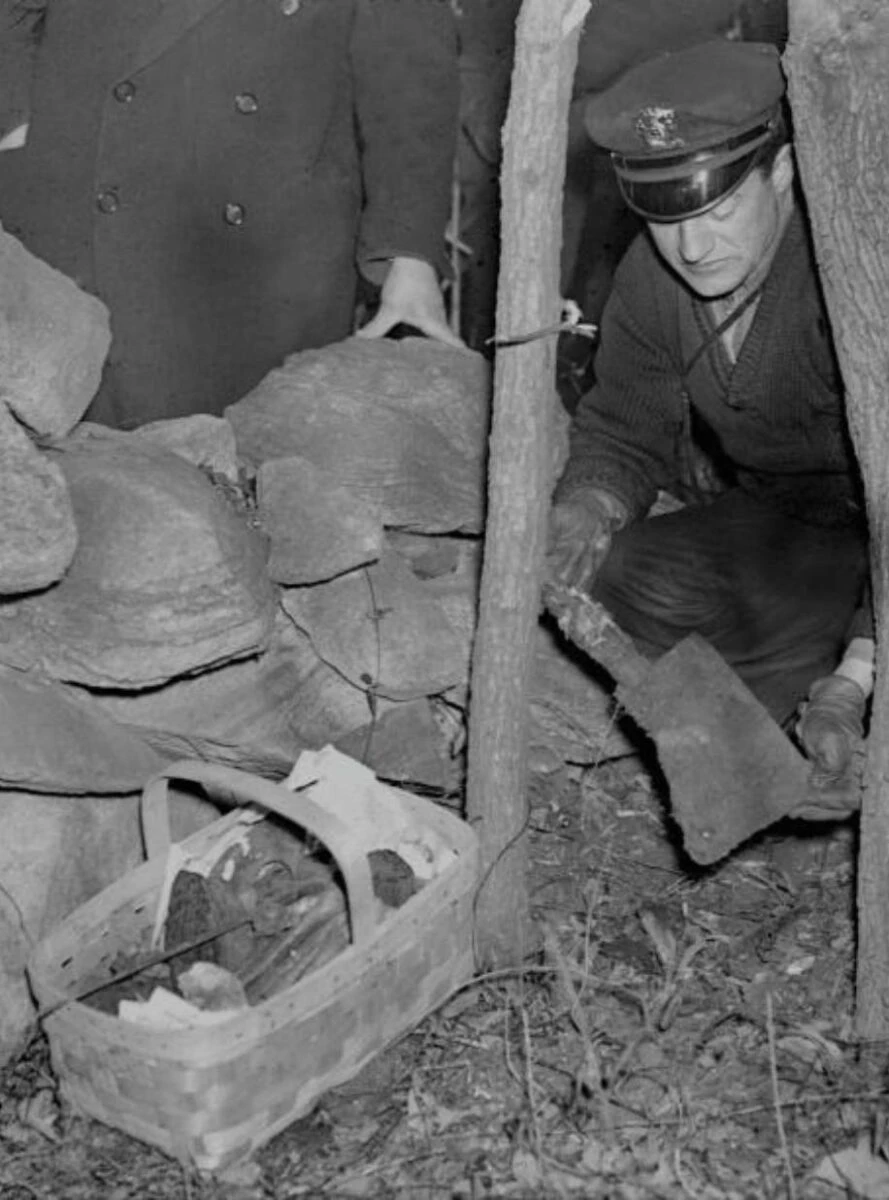
Police are examining the tools Fish used to kill and dismember children.
The police had numerous descriptions of him. But no one was willing to take the time to visit the old house painter until the determined and unconventional King showed up. The system didn't see him as a threat simply because, in the minds of people at the time, a decent, elderly Christian man was physically incapable of being a child killer. This blindness has cost the lives of many innocent children. 
Albert Fish in his car after his arrest
Do you think modern society, with its surveillance technologies and psychological profiling, is capable of recognizing such a "quiet neighbor" in time, or are we still defenseless against the mask of absolute normality? Share your opinion in the comments!