Nuclear Crisis: Major Power Plants Shut Down in Hungary and Romania as Danube Hits Record Lows (5 Photos)
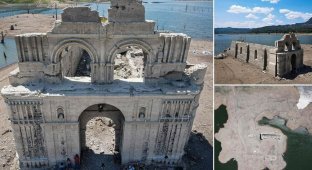
European champions of the "green transition" can finally pop the champagne: the EU's carbon footprint is plummeting. The catch? It’s not thanks to brilliant reforms, but because Mother Nature has simply deprived local energy producers of water. Europe’s main waterway, the Danube, has dried up to such alarming levels that it has threatened the power grids of several nations while exposing riverbeds hidden for millennia. 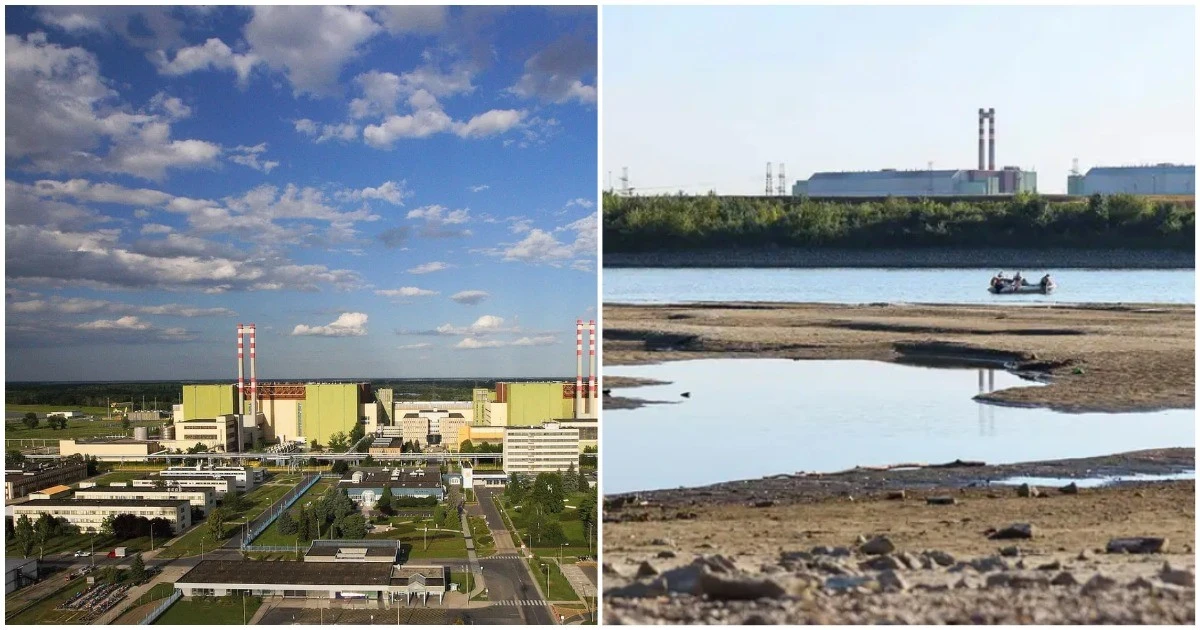
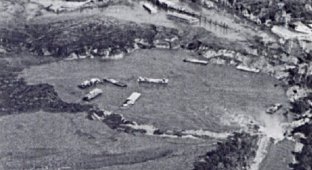
Water levels on the Danube have dropped to historic lows, reducing the once-busy shipping artery to a series of shallow puddles. Near the Bulgarian village of Ryahovo, the river retreated so far that locals stumbled upon a shocking discovery on the exposed bed: the remains of a massive prehistoric mammoth. 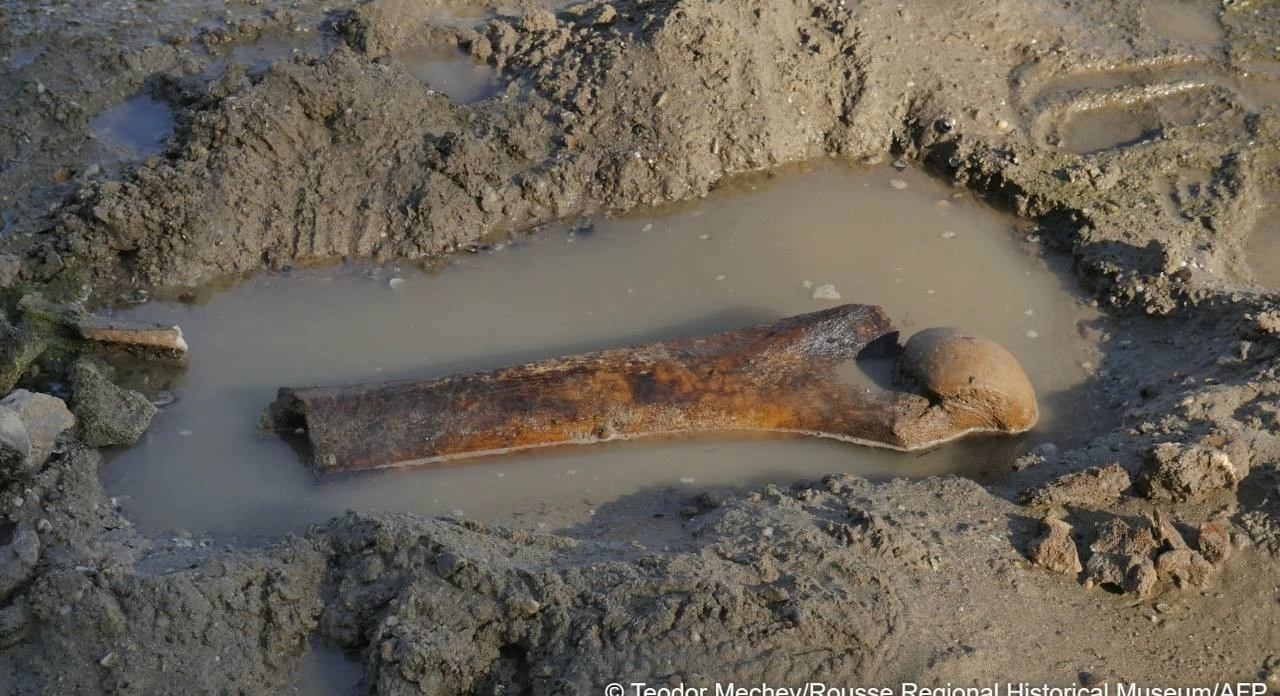
Museum curator Krasimir Kirov noted that the creature stood nearly five meters tall and weighed over 7 to 8 tons. It was likely swept to the spot by Danube currents, which have accumulated prehistoric remains along the riverbed over thousands of years.
This species roamed the Earth from roughly 500,000–800,000 years ago up until 7,000–10,000 years ago, meaning the fossilized bones date back several millennia.
While scientists celebrate the find, locals are making grim jokes: at this rate of drought, we'll soon be unearthing entire Neanderthal settlements from the Danube bed. 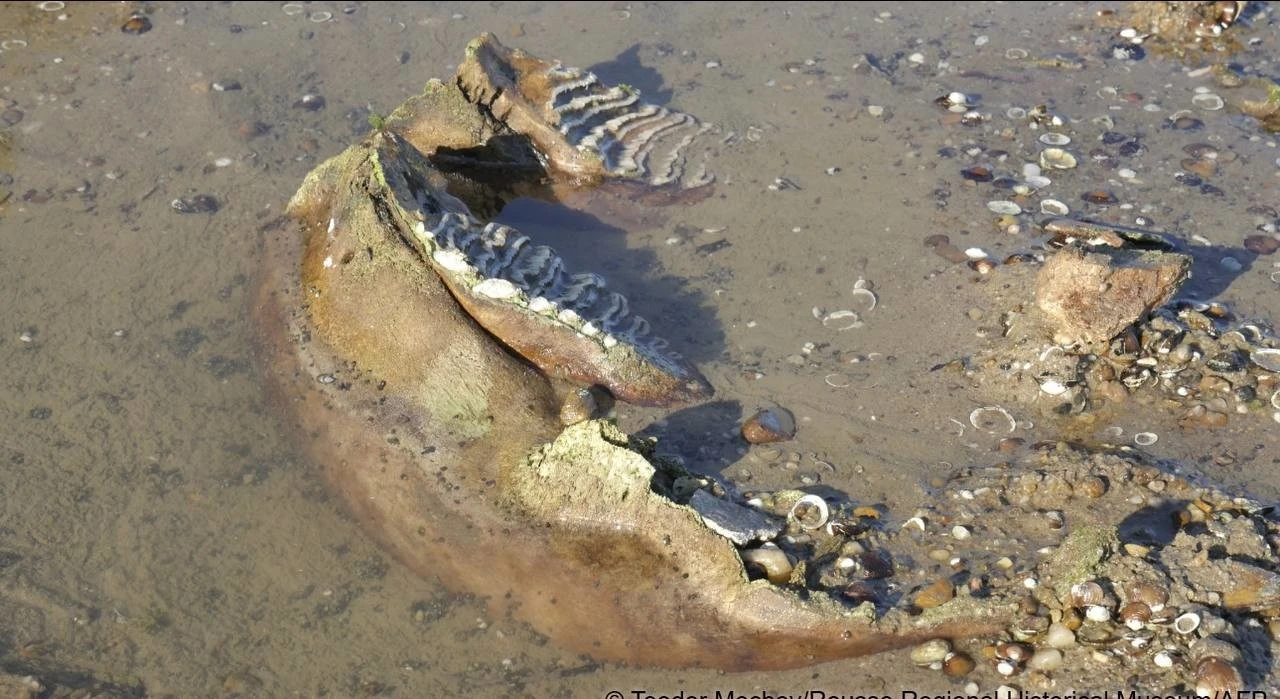
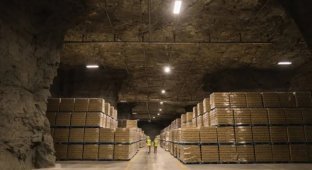
The irony of the situation deserves its own chapter in physics textbooks. Nuclear power plants have long been touted as the pinnacle of eco-friendly energy—zero CO₂ emissions, zero toxic smoke. Yet they share one fatal vulnerability: an extreme dependence on ordinary river water to keep their reactors cool.
And as soon as the scorching heat struck, all that lauded technological progress crumbled into nothing.
Prime Minister Péter Magyar officially confirmed that the Paks Nuclear Power Plant is on the verge of a complete shutdown. Water levels in the Danube haven't just plunged; the water temperature has soared. Cooling a reactor with warm water is a recipe for disaster. As a result, the plant's output plummeted from 2,000 MW to a paltry 480 MW, with one reactor unit forced into an emergency shutdown overnight. The nation's largest nuclear plant now risks a total standstill for the first time in 44 years. 
Across the border at Romania's Cernavodă Nuclear Power Plant, the story is much the same—one of its two reactors has already been powered down. Local engineers are now frantically considering whether they can divert a branch of the Danube just to pump water into the overheating plant. 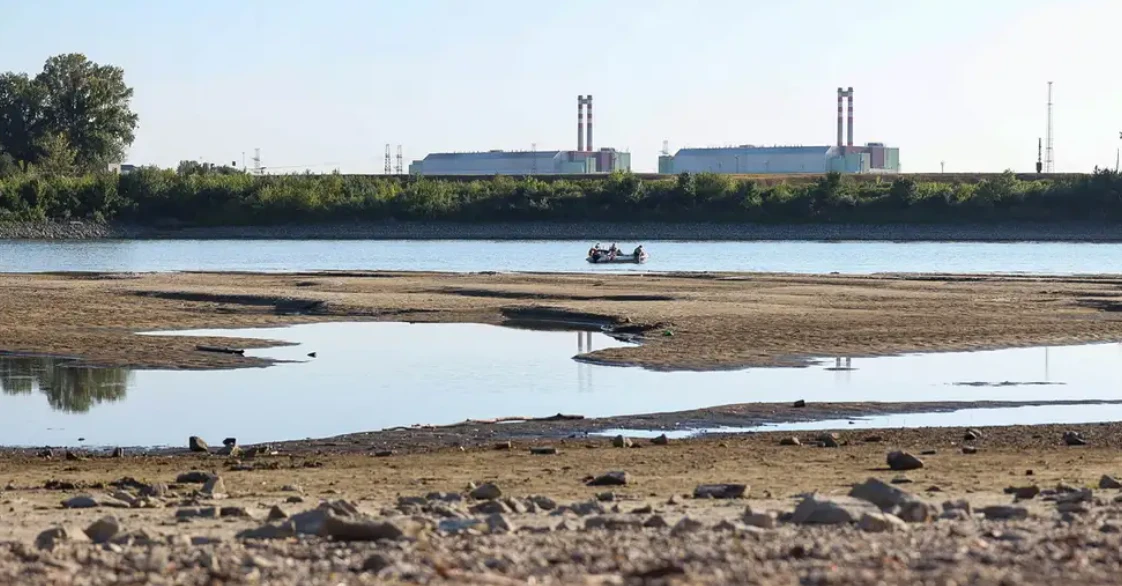
French nuclear operators are sounding the alarm, too. Regulations strictly prohibit their river-bound plants from discharging hot wastewater back into dried-up riverbeds to prevent boiling local fish populations alive.
Europe spent years striving to build a flawless tech-driven world, completely overlooking the fundamental laws of nature. You wanted clean nuclear energy? You got it. But without water, it's nothing more than a pile of useless, expensive metal. At least Europeans have mammoth bones to show for it.