Most Popular Superstitions and Their Origins (11 photos)
We have put together a list of ten common superstitions and where they come from. Whether you are superstitious or not, uncovering the origins behind these age-old beliefs makes for a fascinating read. 
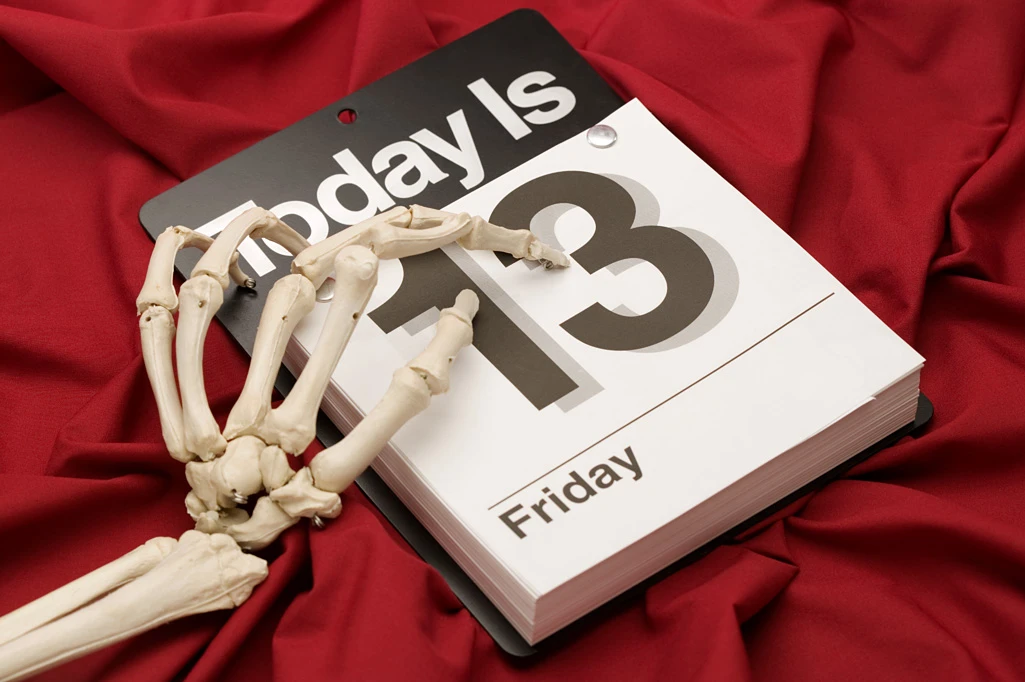
Never Do Anything on Friday the 13th
The dread surrounding Friday the 13th is believed to stem from loose interpretations of the Old Testament. According to legend, it was on this exact day that Cain killed his brother Abel. Over time, the myth gathered momentum, turning the number 13 into an enduring symbol of misfortune. 
Never Hand Anything Across a Threshold
This tradition dates back to ancient times when ancestral ashes were buried beneath the doorstep. Disturbing the spirits by passing objects over the threshold was seen as deeply dangerous. For the same reason, sitting on a threshold was taboo—it was viewed as the boundary between two realms: the safety of the home and the hostile world outside, or worse, the living and the dead. 
A Black Cat Crossing Your Path Brings Misfortune
Under the cover of night, a black cat would often dart across the road, virtually invisible in the dark. Spooked by the sudden shadow, a horse would rear up and throw its rider. It was for these accidental mishaps that black cats earned a reputation for being in league with dark forces. 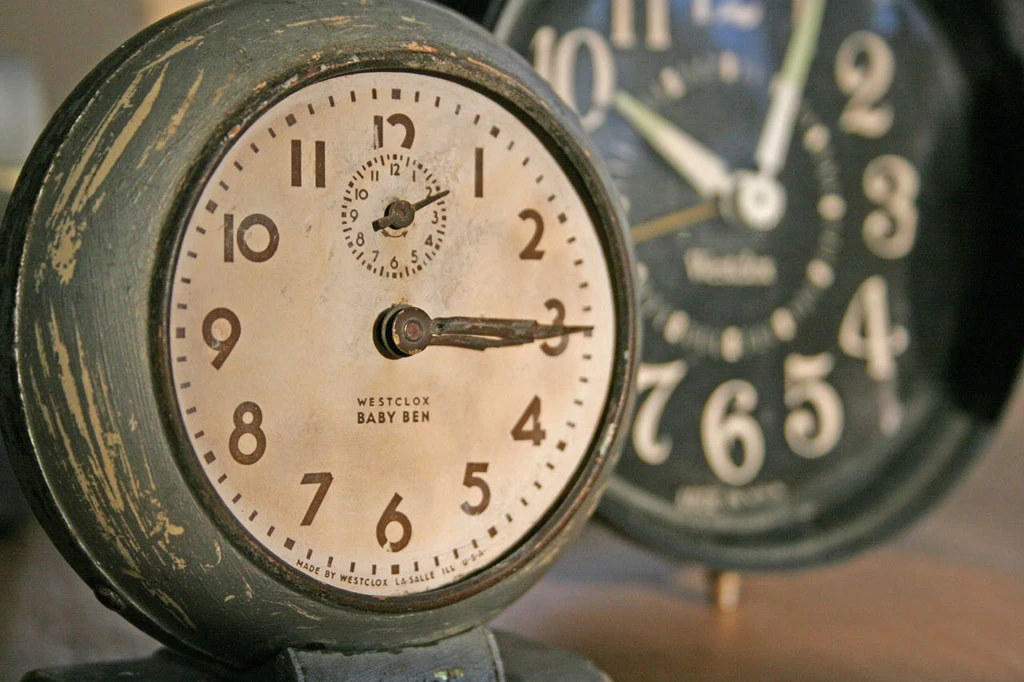
Never Give a Clock or Watch as a Gift
Even in our modern, enlightened age, gifting a timepiece is still considered a bad omen. But why? This belief originates from Chinese culture, where receiving a clock as a gift is seen as an invitation to a funeral. 
Never Celebrate Your 40th Birthday
This superstition likely stems from the sacred status of the number 40 across many cultures. It appears repeatedly throughout the Bible: Moses led his people through the desert for forty years, the Great Flood lasted forty days, and Jesus spent forty days in the wilderness after his baptism...
Ancient Slavic ancestors held the number 40 in high regard as well—some historians believe it formed the foundation of their counting system. Many rituals surrounding life and death centered on 40. For instance, a newborn was kept away from strangers for forty days after birth. On the fortieth day after a person's death, final memorial rites were held, as it was believed the soul parted from the earthly realm for good on that day. Furthermore, in early Christian Kievan Rus, an intriguing custom involved inspecting a body on the fortieth day after death. If the deceased had lived a righteous life and showed no signs of decay, steps toward canonization could begin. 
Sit Down for a Moment Before Setting Off on a Journey
This custom stems from ancient beliefs in spirits that governed daily life. People believed household spirits would cling to travelers, hindering their journey in an effort to bring them back home. By pausing to sit quietly for a moment before leaving, you could trick the spirits into thinking the trip had been canceled, catching them off guard. 
Never Eat Off a Knife
Knives were seen not just as tools, but as primary weapons of protection against both physical dangers and evil spirits. Such a symbolically powerful object required respect and was traditionally handled with ritual care. Eating directly off a blade was thought to anger spirits, making the person hot-tempered and aggressive. Not to mention, you run the very real risk of cutting yourself. 
Never Pick Up Anything Left at a Crossroads
According to tradition, illnesses and bad luck could be transferred onto a personal item and discarded at a crossroads for dark forces to claim. To avoid absorbing someone else's misfortune, people were warned against picking up anything at an intersection—especially valuable items, as the higher the object's value, the heavier the curse cast upon it. 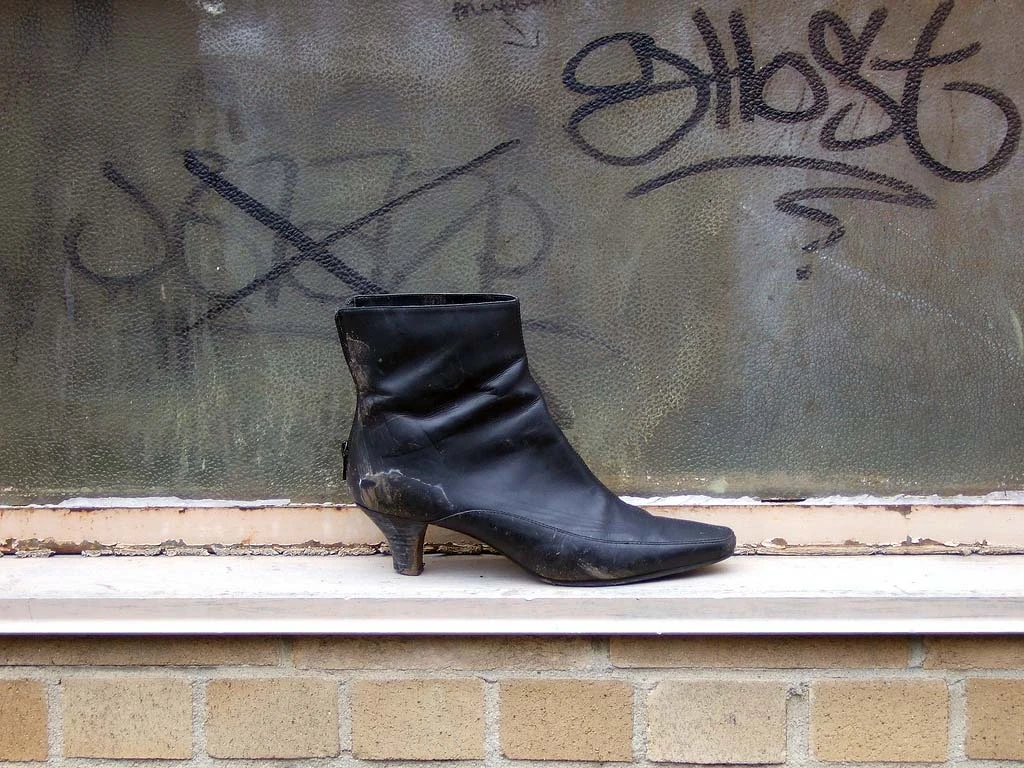
Never Walk Around Wearing Only One Shoe
This old rule has been observed for generations. Folklore elders used to warn that walking around in a single shoe or slipper doomed a person to becoming orphaned early in life. 
Never Take Out the Trash After Sunset
This might just be the most popular superstition among men. While nearly everyone has heard it, few know where it comes from. Tradition has it that taking out the trash after dark will invite local gossip. And it makes sense—why else would you be sneaking things out of the house under cover of night? Nosy neighbors wouldn't miss a chance to speculate on what you're trying to hide. Another variation claims that throwing out trash at night drains your household wealth, though that one is a bit harder to explain logically.