When heading out on vacation—whether to the countryside, the wilderness, or overseas resorts—we worry about all kinds of threats: shark attacks, bear encounters, civil unrest, freak hurricanes, and tsunamis. For the most part, these fears are overblown. The real dangers often come from creatures you can't even see with the naked eye. 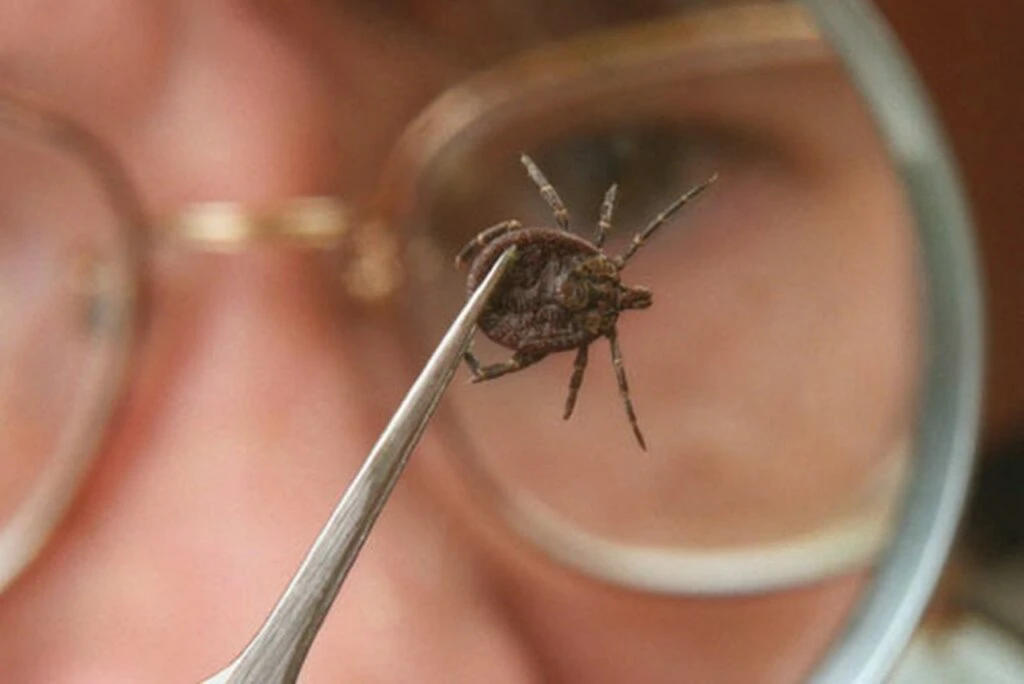
We're talking about parasites—creatures of all shapes and sizes that evoke disgust and dread in equal measure. Once inside the body, they can trigger serious and potentially life-threatening illnesses. The good news? Protecting yourself is usually fairly straightforward if you take a few basic precautions. 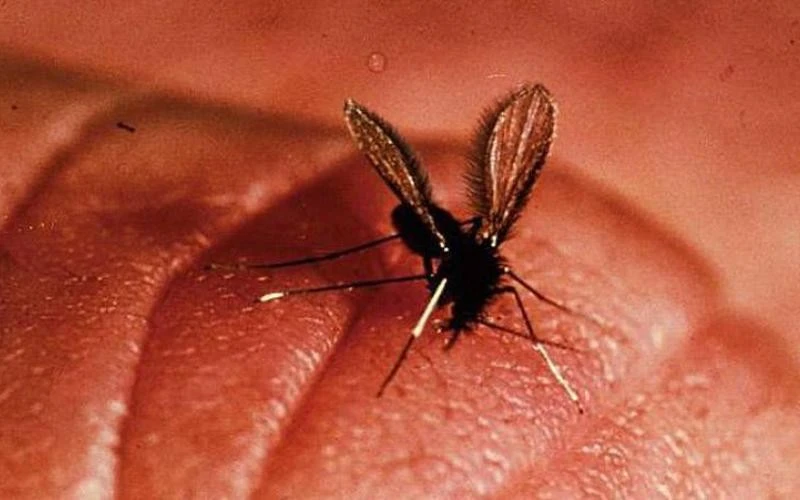
1. Leishmaniasis
This severe condition is caused by a group of microscopic protozoa known as Leishmania. Cutaneous leishmaniasis, for instance, stems from parasites lurking in the digestive tracts of sandflies and mosquitoes. When an infected insect bites, the parasites enter the bloodstream, leading to painful skin sores and ulcers. Around two million new cases are diagnosed worldwide every year. 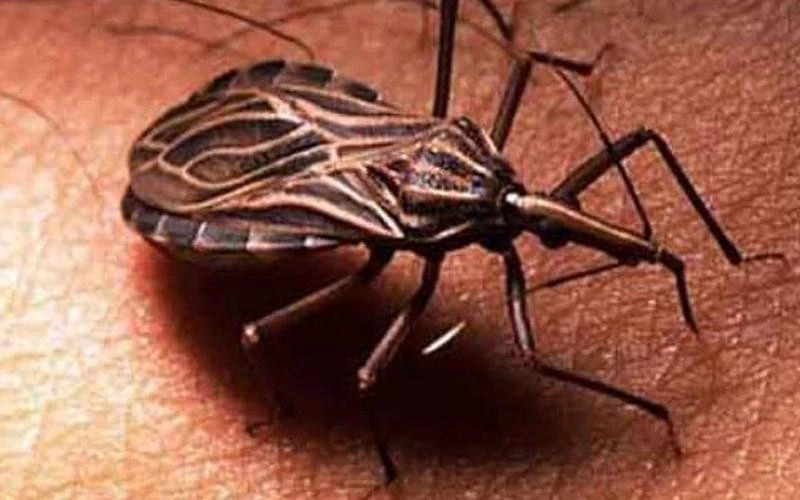
2. Trypanosomes
These highly dangerous single-celled organisms infect insects and warm-blooded animals alike, causing a range of severe diseases. Kissing bugs carry Trypanosoma cruzi, the parasite responsible for Chagas disease—a deadly illness that claims roughly 15,000 lives annually. 
3. Roundworms (Ascaris)
These parasitic worms live in soil and enter the human body when unwashed or poorly rinsed fruits and vegetables are consumed. While roundworms aren't always fatal, they can cause a world of trouble. By invading the gastrointestinal tract and respiratory system, they can trigger allergic reactions, muscle pain, insomnia, and a persistent dry cough. 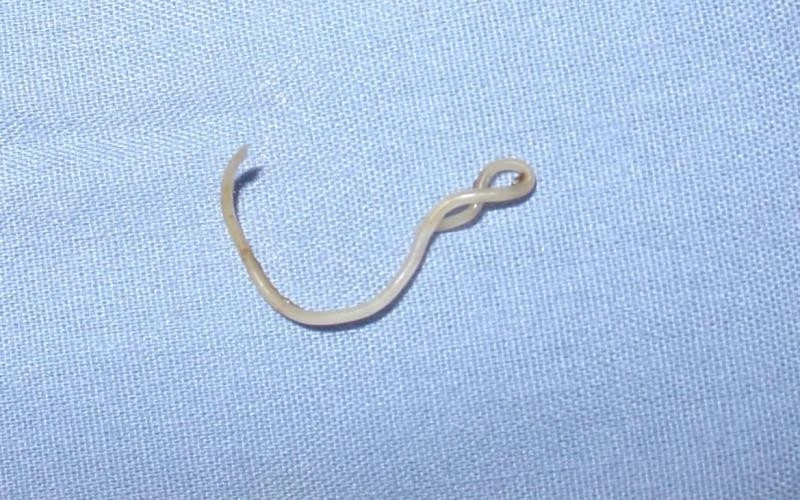
4. Toxocara
These large roundworms (4 to 18 cm long) primarily infect cats and dogs. While stray animals pose the highest risk, household pets can contract them as well without proper care. If humans accidentally ingest the eggs, the larvae hatch inside the body. As they travel through the nervous system, they can settle in the liver or eyes, leading to ocular toxocariasis. 
5. Filarial Worms
Roughly 10 species of filarial worms are known to infect humans. Despite being paper-thin—no more than 0.3 mm in diameter—they can grow up to half a meter long. Spread by blood-sucking insects and occasionally ticks, these worms settle in human lymphatic vessels, body cavities, and skin tissue. By blocking the lymphatic system, they can cause elephantiasis or lead to vision loss if they reach the eyes. 
6. Meningococci
Neisseria meningitidis bacteria cause much more than a severe runny nose—they are responsible for meningitis, a life-threatening inflammation of the membranes surrounding the brain and spinal cord. Colonizing the mucous membranes of the nasopharynx, meningococci spread easily through airborne droplets. 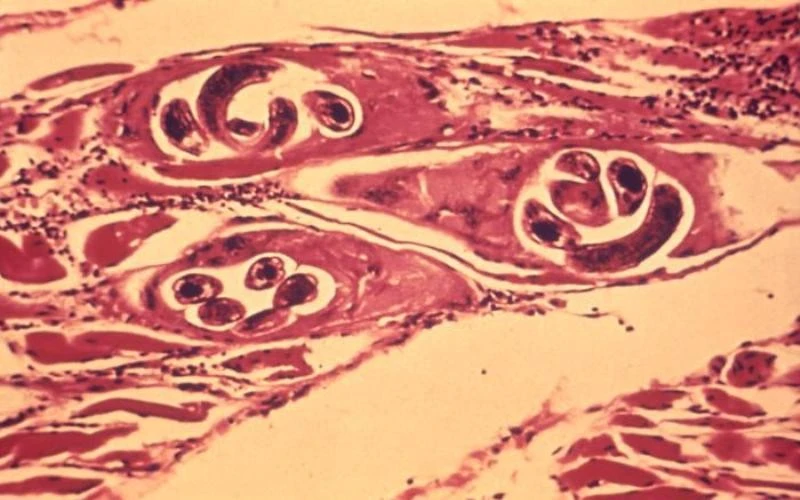
7. Trichinella
BBQ lovers who enjoy pork should be on high alert for Trichinella, as these parasites lodge their larvae deep in muscle tissue. If pork isn't cooked thoroughly, the larvae enter the human body, triggering allergic reactions, fever, and severe joint and muscle pain. Symptoms of trichinosis typically appear two to three weeks after infection. 
8. Beef Tapeworm (Taeniarhynchosis)
This condition is caused by the beef tapeworm, whose larvae embed in infected cattle. Measuring a terrifying 7 to 10 meters in length, this massive worm should make anyone pause before ordering a rare steak. Thankfully, like most parasites, beef tapeworms are destroyed by proper cooking. 
9. Brain-Eating Amoeba (Amebic Meningoencephalitis)
Naegleria fowleri, a seemingly ordinary microscopic amoeba, thrives in warm freshwater lakes and rivers (77–86°F/ 25–30°C). Infection occurs during swimming when the parasite enters through the nose, traveling along the olfactory nerve straight to the brain and causing a fatal infection. Although rare, it's not something to ignore. Poorly chlorinated swimming pools, hot springs, and warm baths can also pose a risk. 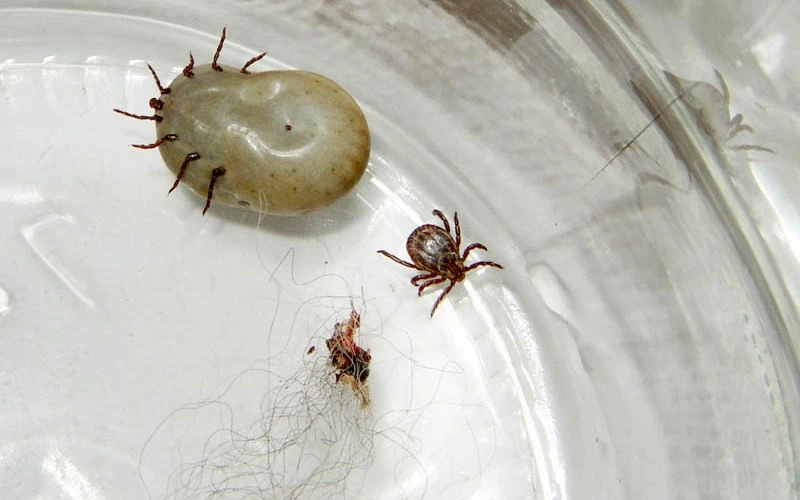
10. Tick-Borne Encephalitis
Last but certainly not least on the summer threat list is tick-borne encephalitis (TBE). Transmitted by ixodid ticks, this dangerous viral infection causes high fevers and can attack the brain's gray matter and central nervous system. If you plan on spending time outdoors in high-risk areas, getting vaccinated before your trip is an absolute must.
Add your comment
You might be interested in:
















Protective film Removing it with a power screwdriver

When a child plays hide-and-seek at a professional level

Super dads who swoop in to save the day

Precision carpentry

Looks like it's time to buy WinRAR

How to hang wallpaper neatly

Athlete in Bavarian dress flies over a lake on a hydrofoil

Man sets up bedroom camera and discovers the reason for his

First meeting with Mom's twin sister
