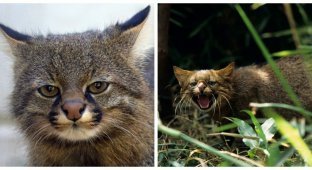
Kolokolo: The Gloomiest Species of Wild Cats. It Inflates Like a Balloon When Frightened! (10 photos)
This is the Pampas cat. Wild. Dangerous. And very unhappy. 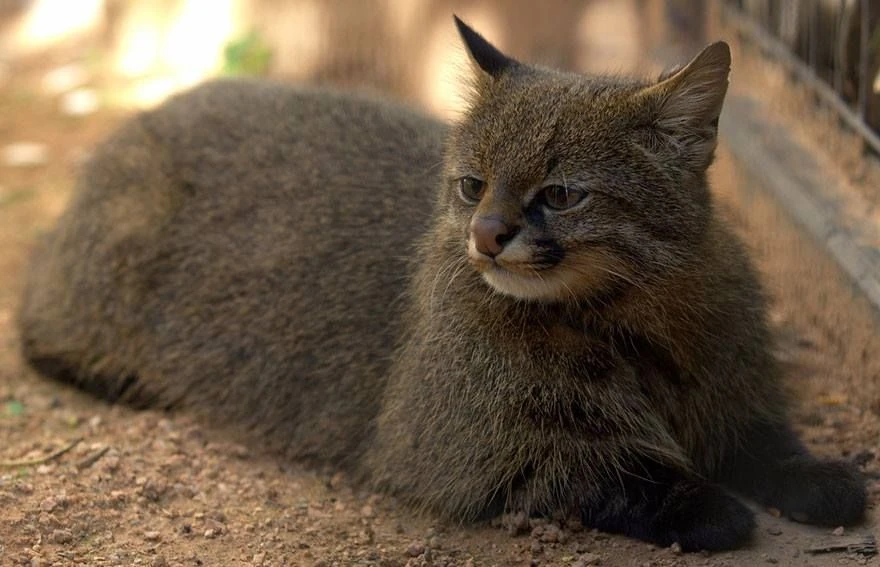
I'm very dangerous. Let me sleep...
The Pampas cat, or Colocolo (as it's known locally), is one of South America's most secretive predators. While the jaguar graces T-shirts and the puma stars in documentaries, this young lady lives in the shadows, leads a nocturnal or crepuscular lifestyle, and refuses to be captured on camera traps. 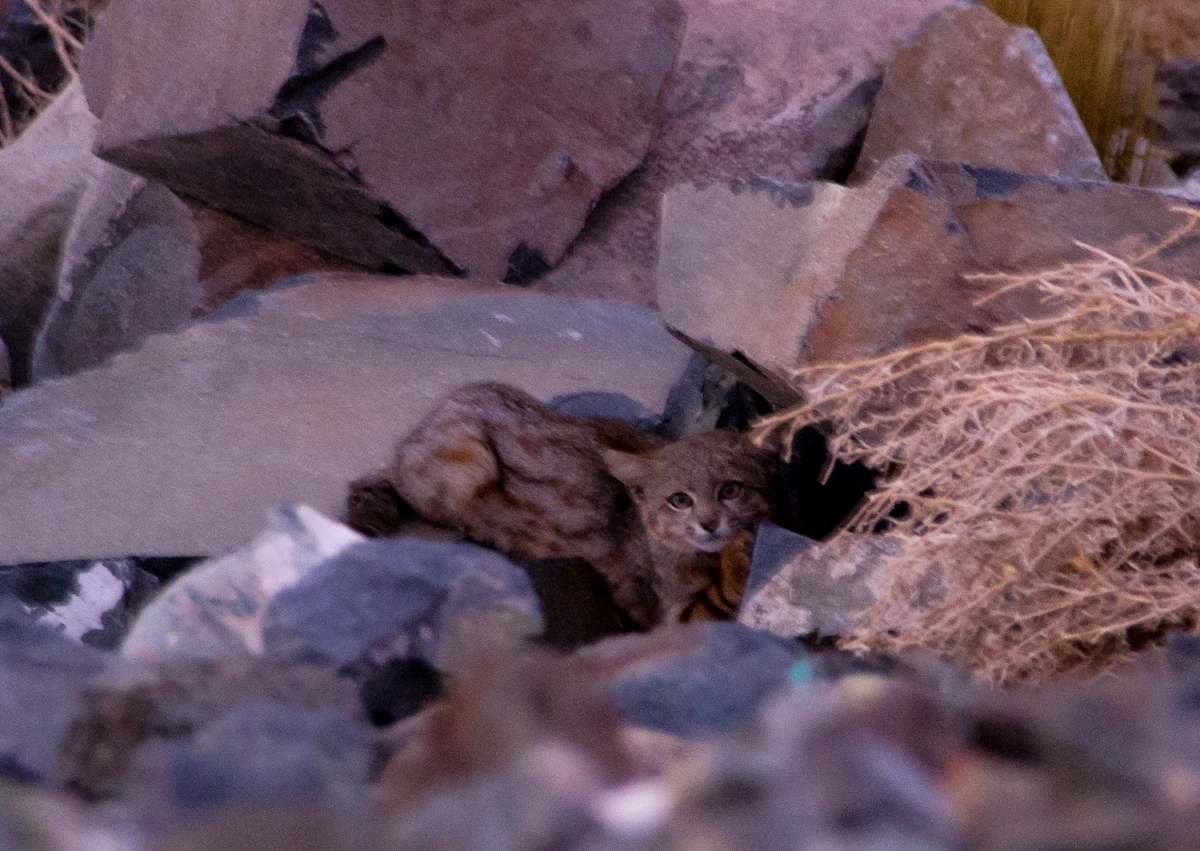
The last thing a camera trap sees before death.
The first impression of the Pampas cat is slightly disheveled. The fur is long, thick, and sticks out slightly in different directions. The muzzle is broad and flat. The ears are small. The tail is fluffy, but not as luxurious as that of the Pallas's cat (which has long been famous). The coloring varies depending on the region: from grayish-yellow to reddish, with indistinct stripes and spots. Some populations are almost monochromatic, as if the cat has decided that camouflage is too difficult. The size of a large domestic cat: 45-70 cm in length, weighing 3-4 kg. 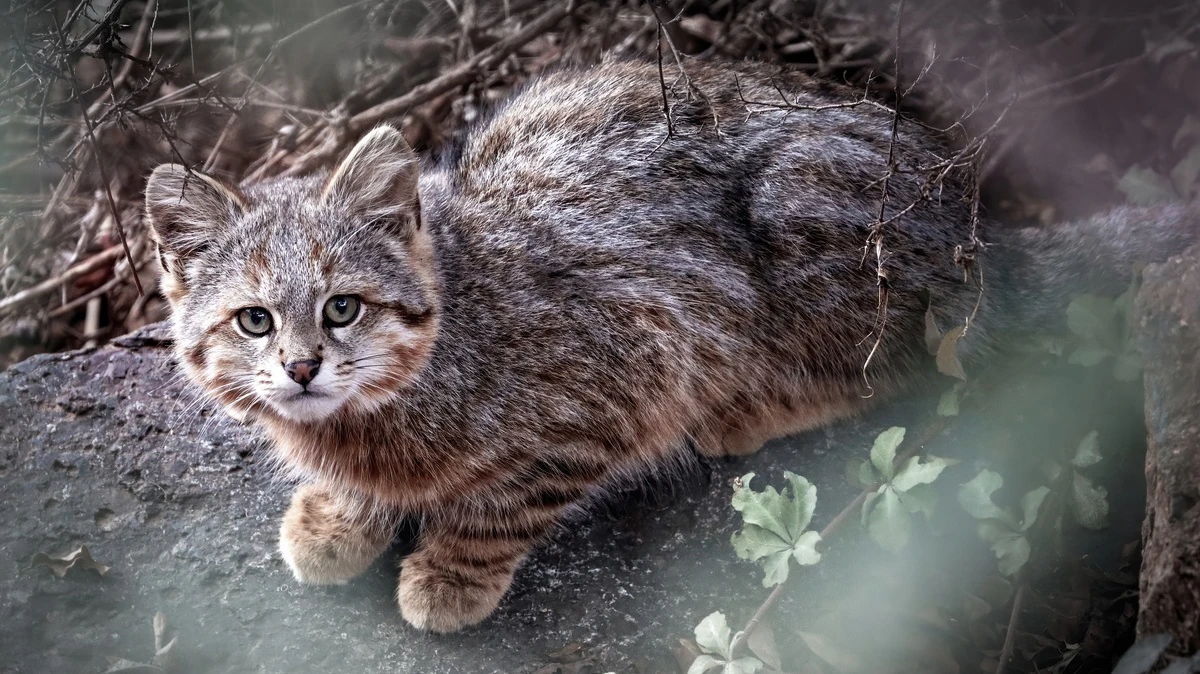
In his eyes, empires crumble and stars are born...
But when danger strikes, the Pampas cat pulls out its trump card. A mane of especially long hair runs along its spine, which it raises on end. At this moment, the animal visually almost doubles in size. 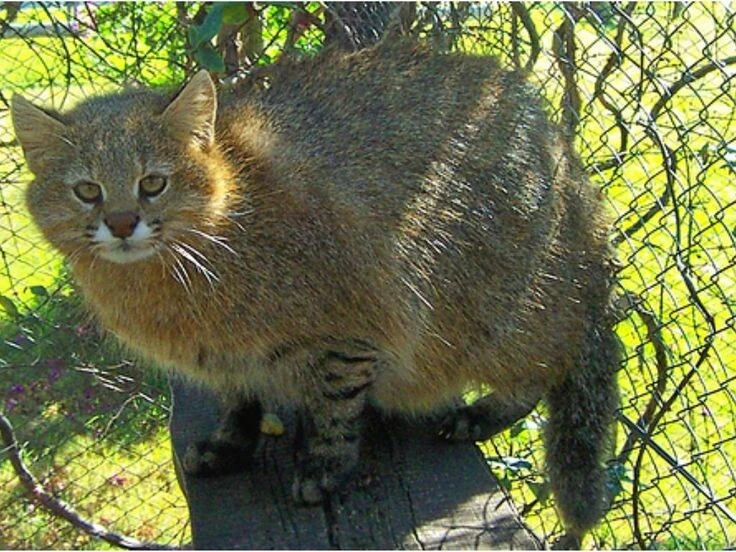
I'm not fat! I was a little scared... 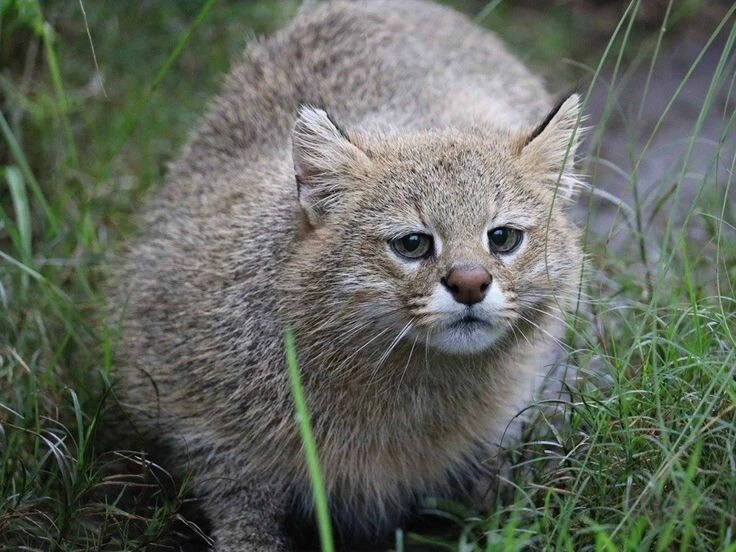
I'm still scared. Go away.
The Pampas cat, surprise surprise, lives primarily in the pampas—the grassy plains of South America. Unfortunately, these fertile lands are very popular with humans, who are actively cultivating them. Therefore, the cat's range and population are rapidly declining. 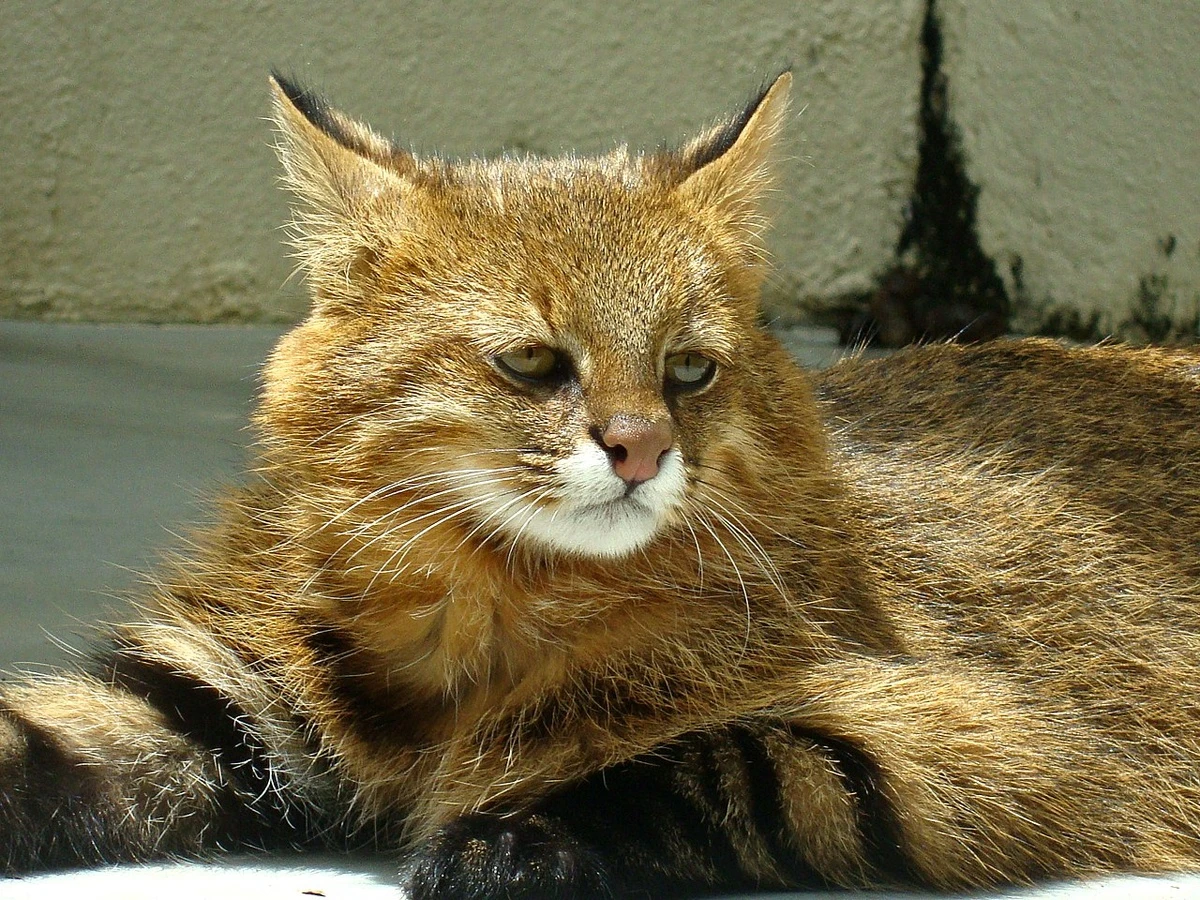
That friend who's ready to get upset at any expense.
But their territory is still quite vast. The cat inhabits almost all of South America, with the exception of tropical forests, deserts, swamps, and bare rocks. They're even found in the Andean grasslands, at altitudes of up to 5,000 meters! However, their population density is consistently low: in favorable conditions, each cat has 2 square kilometers of personal space. And in unfavorable conditions, the population density can be 10 times lower. 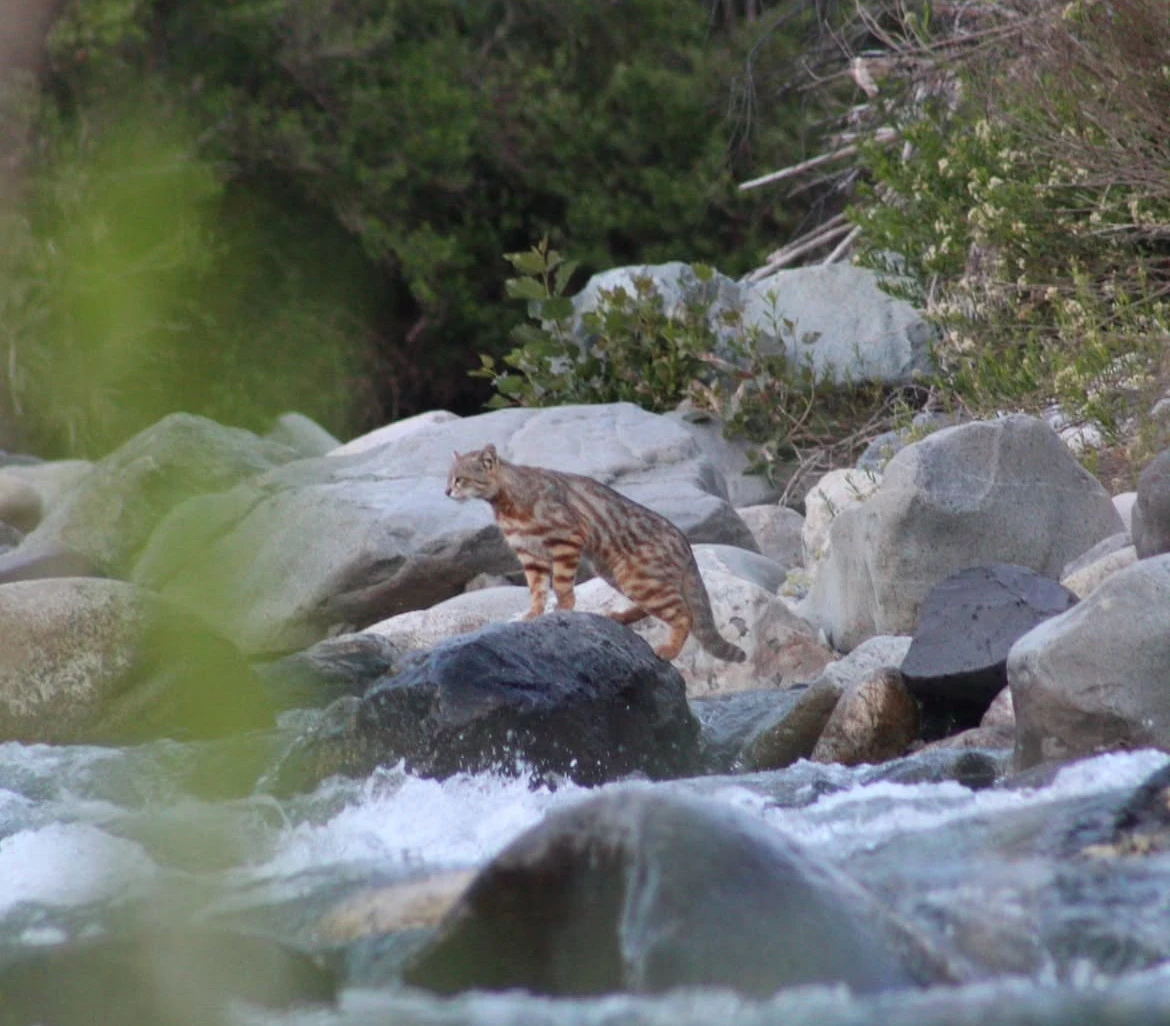
Hey, anyone here?
However, despite their small size, they play a very important role – protecting local wildlife from invasive species. Generally, cats don't care whether they eat natives or invaders. They are capable of hunting any small mammal or bird, but like most general predators, they prefer to attack those they encounter most frequently. And most often, they encounter introduced European rabbits, mice, and rats, which actively deplete local communities. 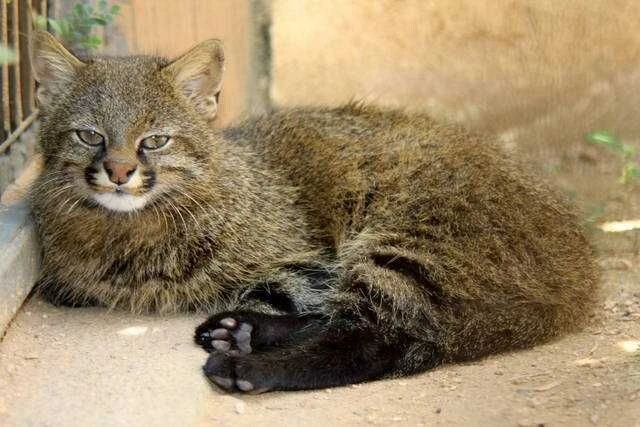
Kiss my paws, I'm saving the world.
The mating season of Pampas fur seals occurs between April and June and is quite typical for wild cats. The female leaves scent marks laced with pheromones at the edges of her territory, attracting the male. He approaches, tenderly rubs his cheeks against the female's, and if she accepts his advances, they mate like rabbits—up to 10 times a day. However, all this debauchery is short-lived—a female's estrus period lasts no more than 5 days. After the estrus period ends, the male leaves the female, returning to his territory to replenish his fat reserves, depleted by physical exertion. After 80 days, the female gives birth to two or three kittens—the future protectors of South America. 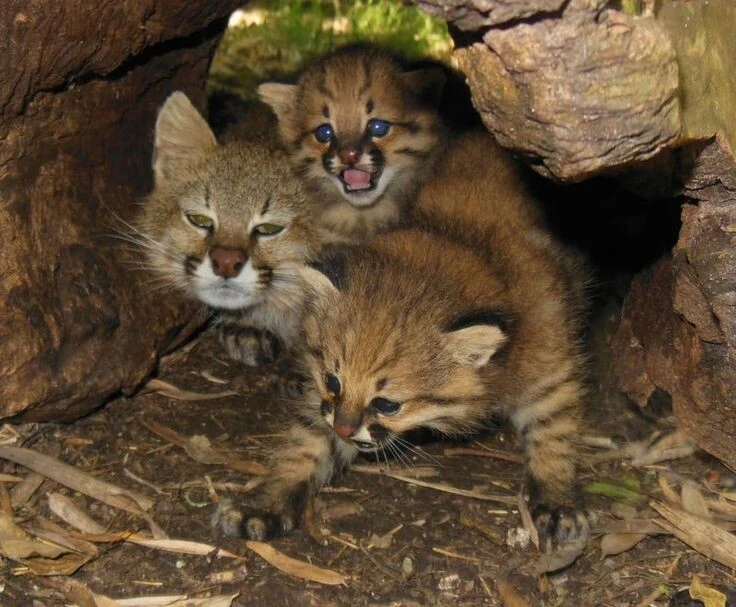
The typical face of a mother of two angels.
Today, the Pampas cat is rapidly losing its territories—the pampas of South America are rapidly being plowed for soybeans and sunflowers, pastures are expanding, and corridors between cat populations are narrowing. The International Union for Conservation of Nature has classified the Pampas cat as "near threatened," but no conservation measures are in place. This is the classic problem with "less interesting" species in conservation: money and attention go where the charisma is. Like the Pallas's cat, the tiger, the panda—we'll protect those, people won't forgive us if we destroy them. But the Pampas cat, apparently, refuses to demonstrate charisma on principle. 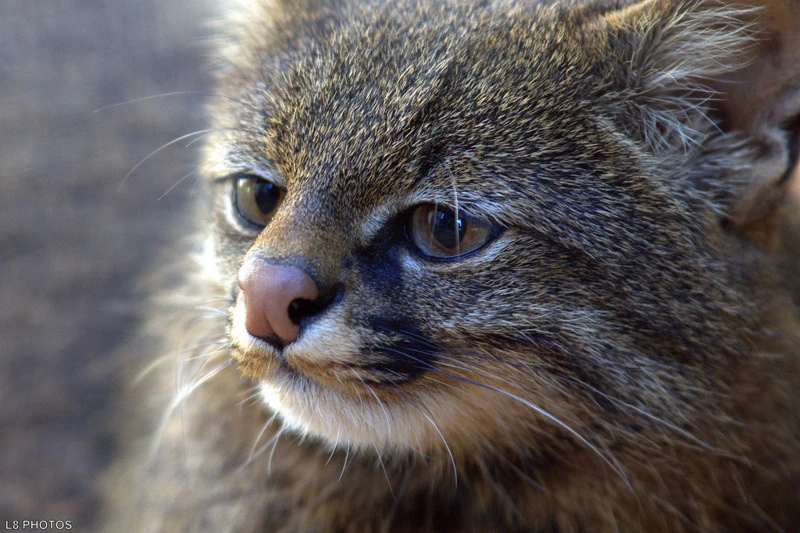
We're expecting a trend toward complex philosophical faces...