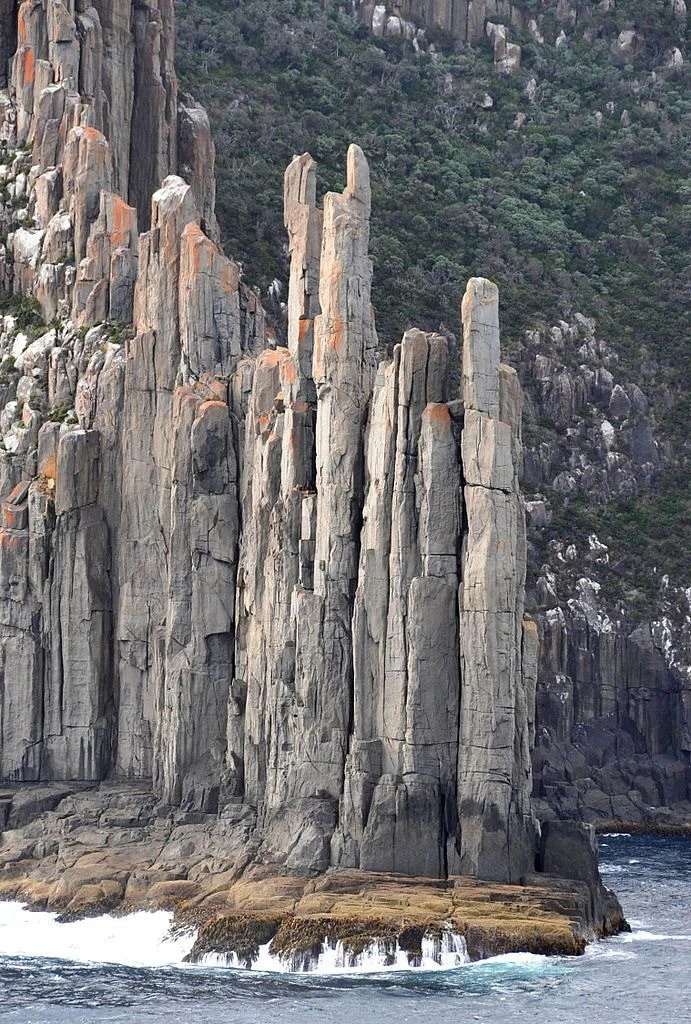
A Tasmanian Rock Organ Created by the Tide (10 photos)
Imagine a shore where, instead of sand and rocks, tens of thousands of giant pencils jut out of the water. Or candles. Or the basalt pipes of an organ Orpheus himself wouldn't be embarrassed to sit at. 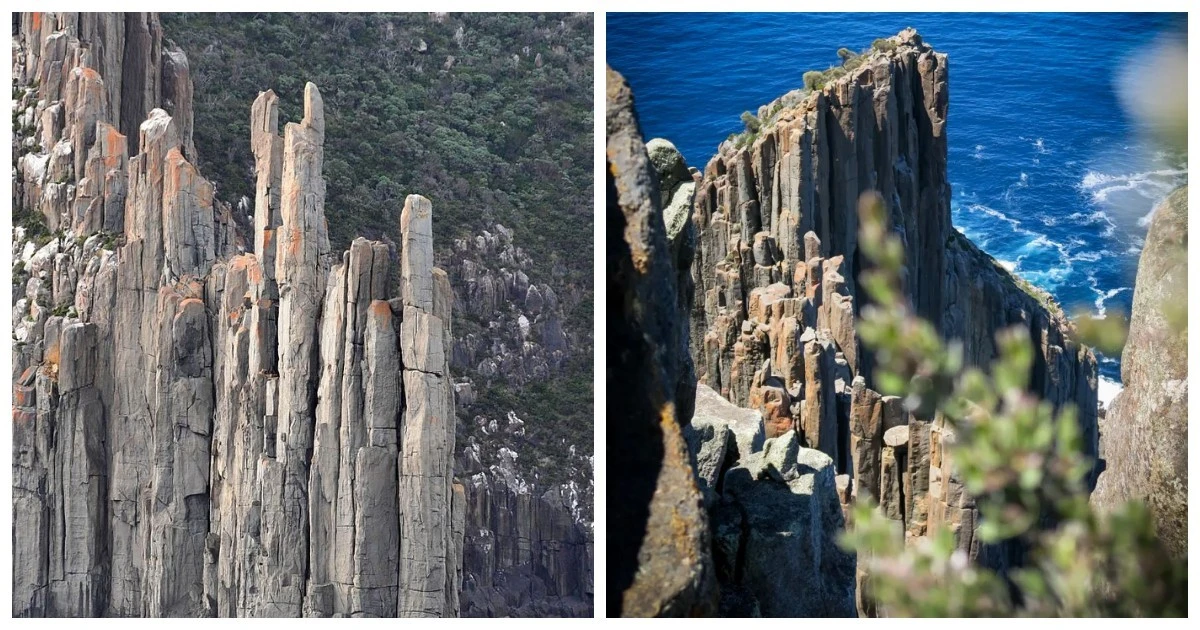
Welcome to southern Tasmania, where nature has played its most geometric game. 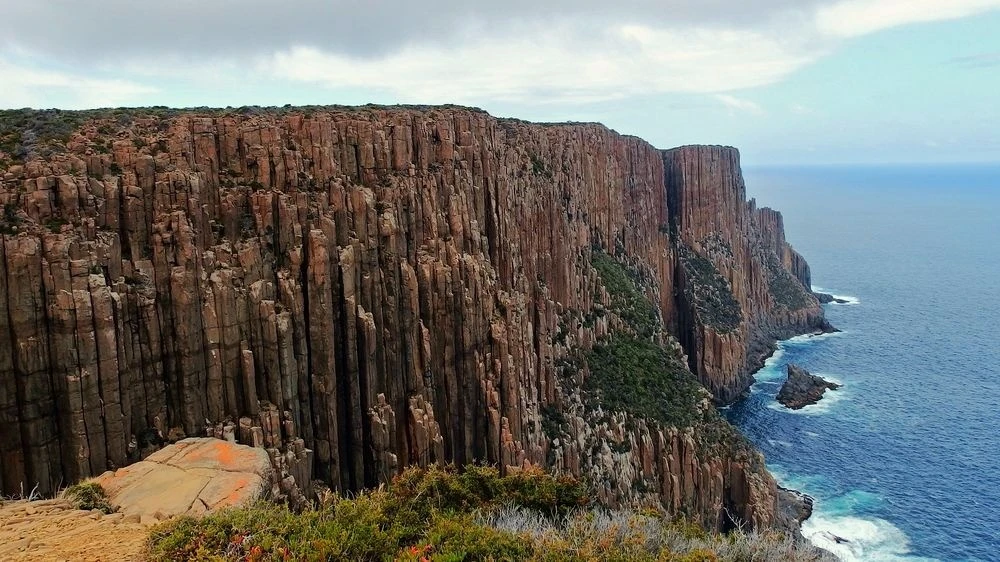
There, in Australia, the coastline has become a palisade of stone columns up to 300 meters high. These are dolerites. They have a recognizable elongated shape and perfect hexagonal cross-sections. 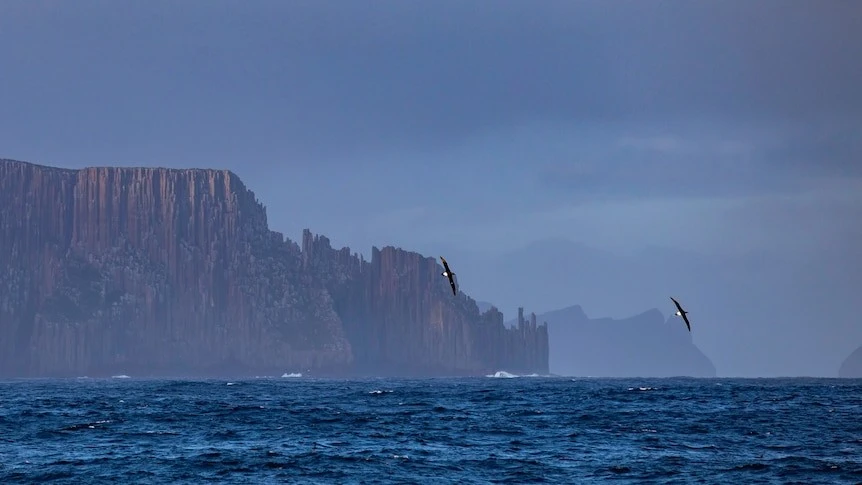
This is because when the hot magma from the earth's interior burst forth and began to cool rapidly, it crystallized into small, visible grains. 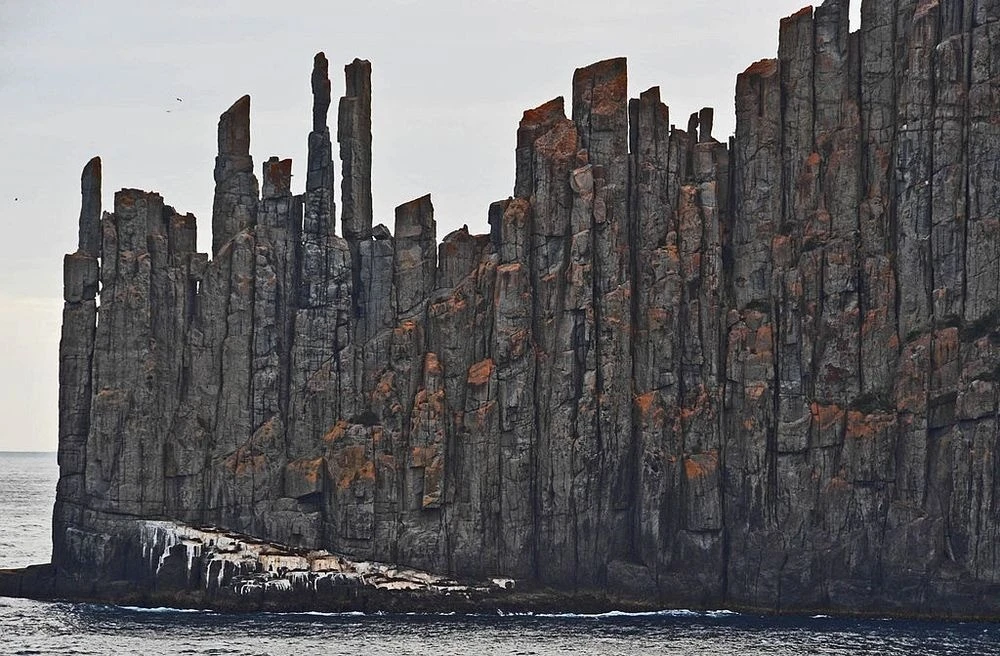
And if the cooling rate was just right, the rock contracted, causing cracks. These cracks allowed cold to enter, creating new cracks, and ultimately creating a huge block with long vertical symmetrical fractures. 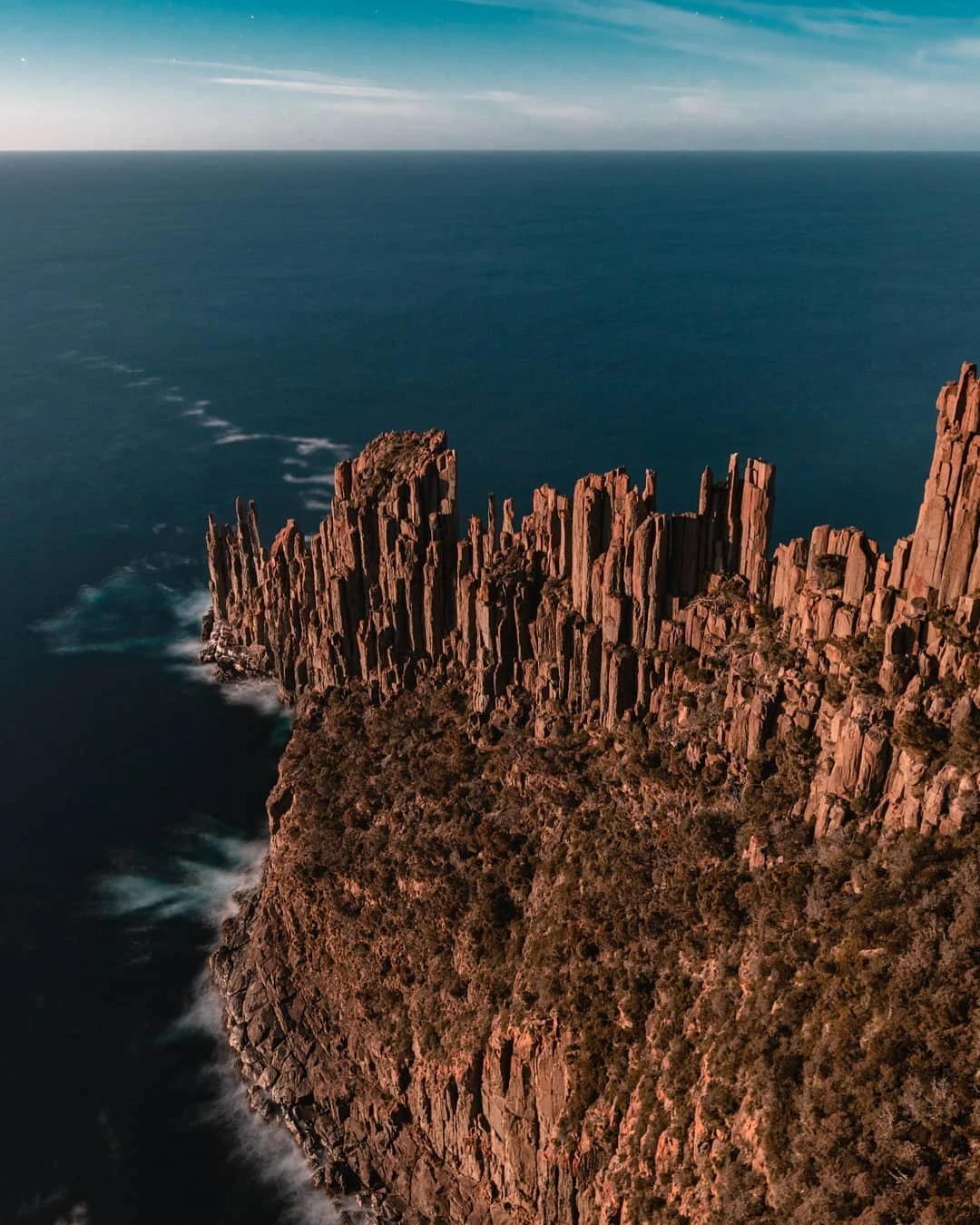
This is how pentagonal or hexagonal pillars are formed, ranging from a few centimeters in diameter to several meters. 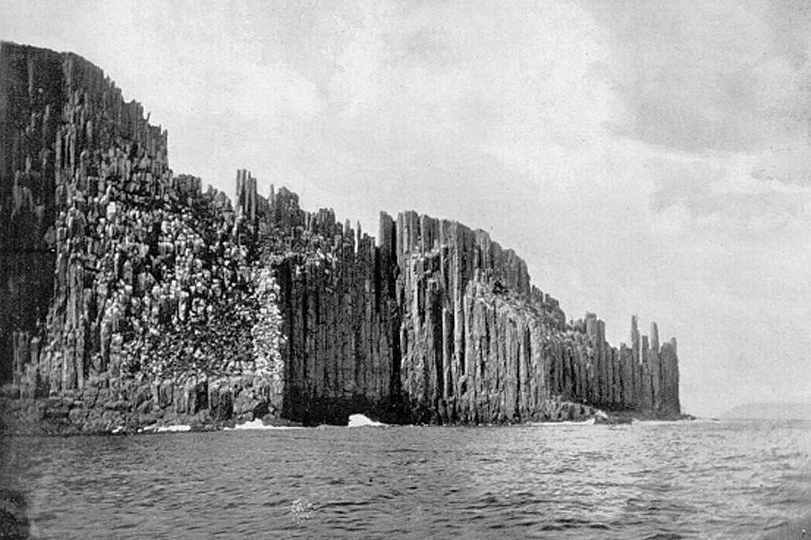
The Tasmanian pillars formed in the Jurassic period, about 185 million years ago, during a massive volcanic event that covered a third of the island. 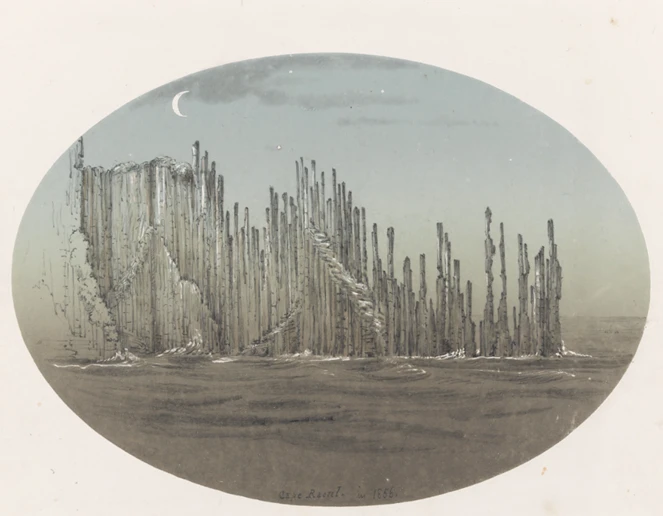
In fact, it's part of a continuous formation over 4,000 kilometers long, stretching from Australia through Tasmania to Antarctica. 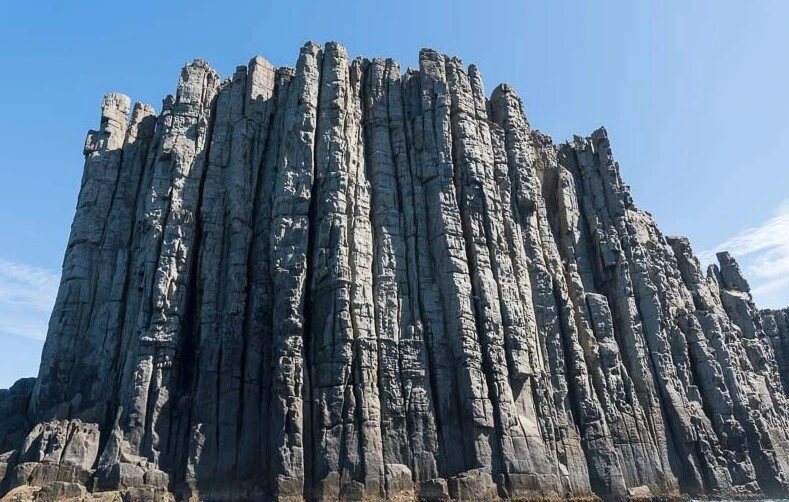
Columnar rocks are not uncommon. Hundreds of places around the world are known to host them. The most famous include the Giant's Causeway in Ireland, Devil's Tower in Wyoming, Los Organos in Spain, and Fingal's Cave in Scotland. 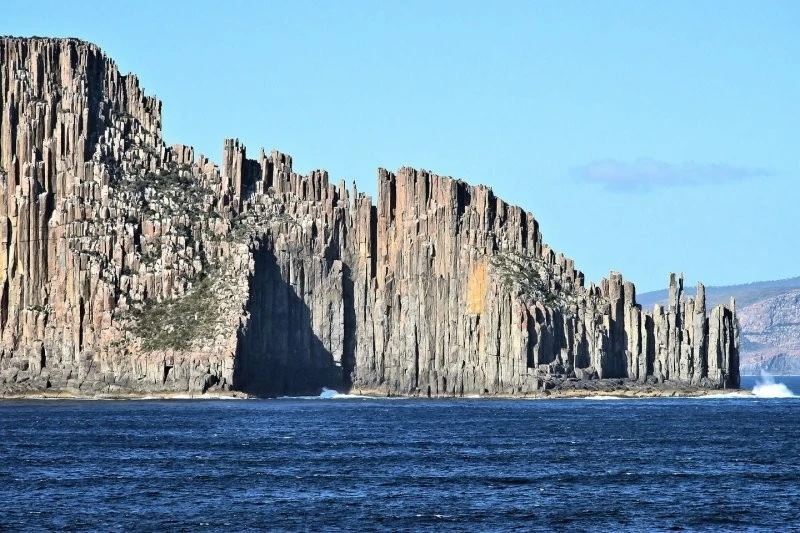
But Tasmanian dolerites stand apart, like sentries at the edge of the world.