The Åtvidaberg cannon, which scorches with sunlight (12 photos)
In the 17th century, a brilliantly simple system was invented in Europe. It consisted of a cannon, a magnifying glass, and the sun, which acted as an alarm clock for hungry aristocrats, signaling the time for dinner. 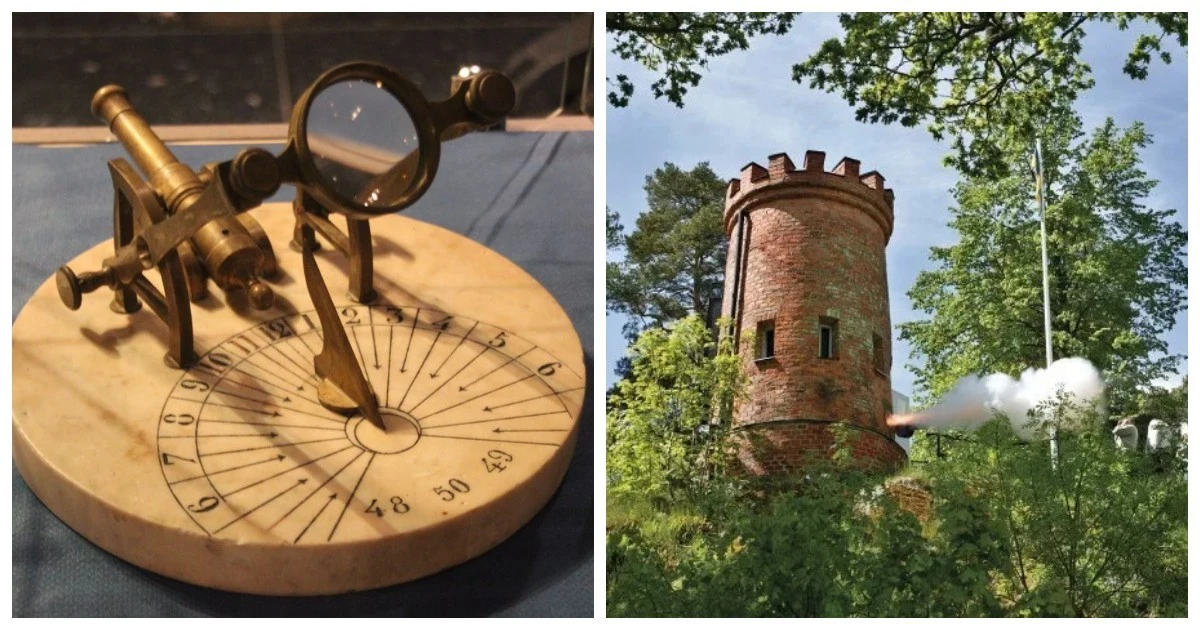
Naturally, no batteries, no springs. Only optics, gunpowder, and precise calculations were used. Today, only one such cannon remains in the world, still firing every day. And it has been doing so for 170 years. 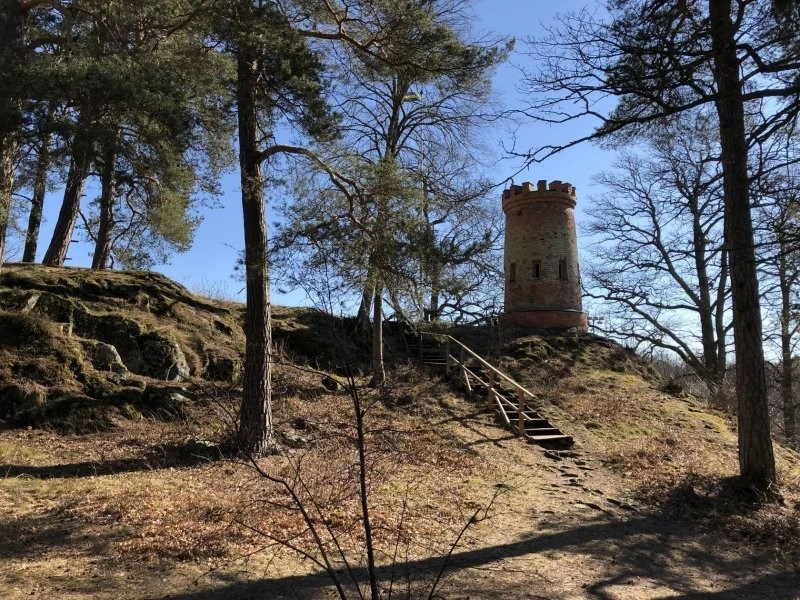
Once upon a time, long before chronometers and stopwatches, midday was a sacred time. It's at this moment that the sun reaches its zenith, and, conveniently, the interval from one midday to the next is almost always the same (within a couple of seconds). This is enough to set your watches. 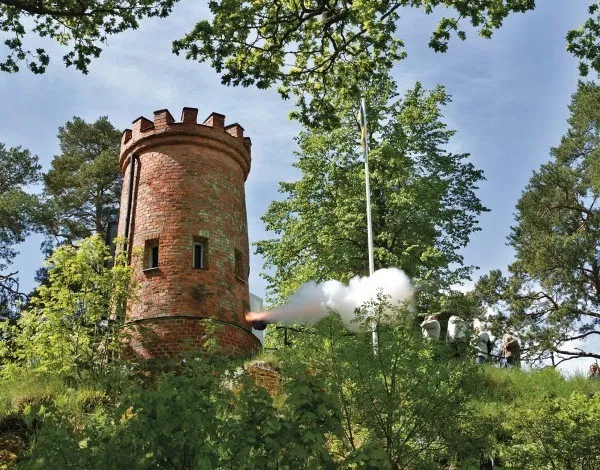
Ports around the world signaled midday with cannon shots. Sailors adjusted their chronometers before setting out to sea. Observatories also fired cannons or dropped "time balls" for citizens and astronomers. In some places, this tradition still lives on. 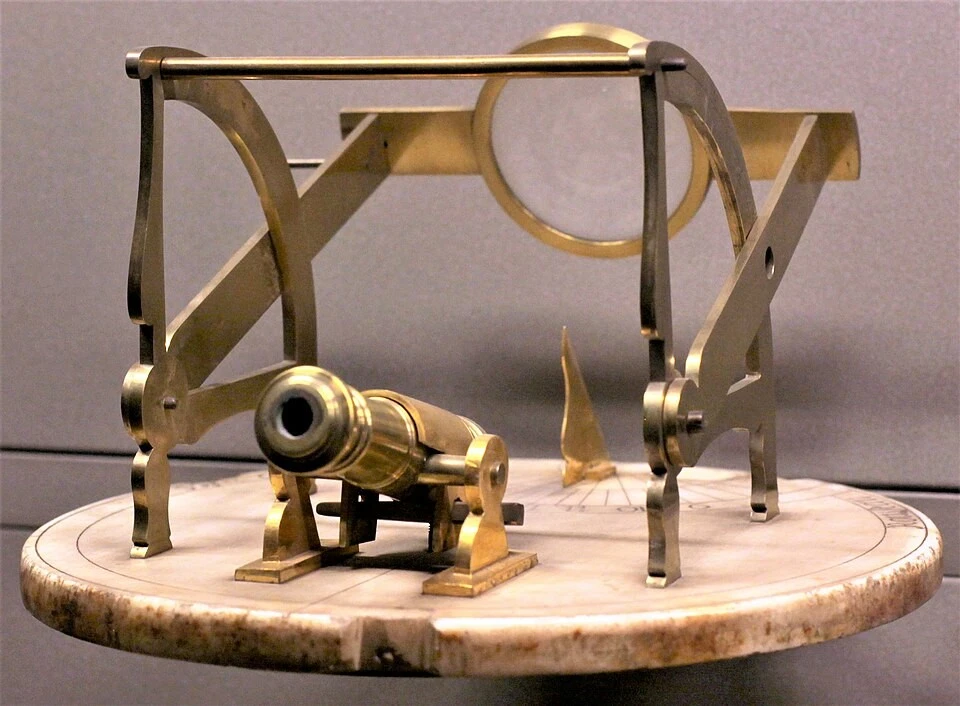
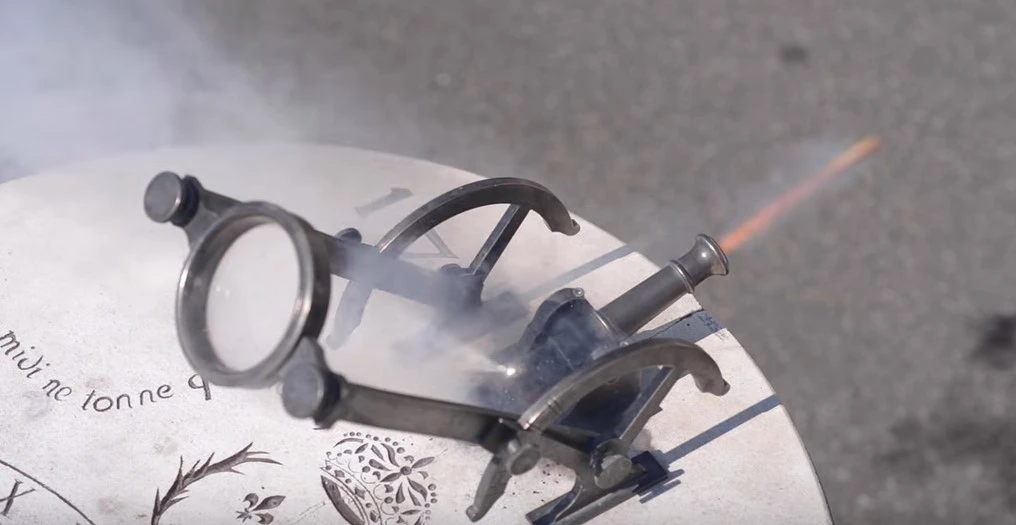
A small brass cannon mounted on a marble sundial base, made by Rousseau of Paris
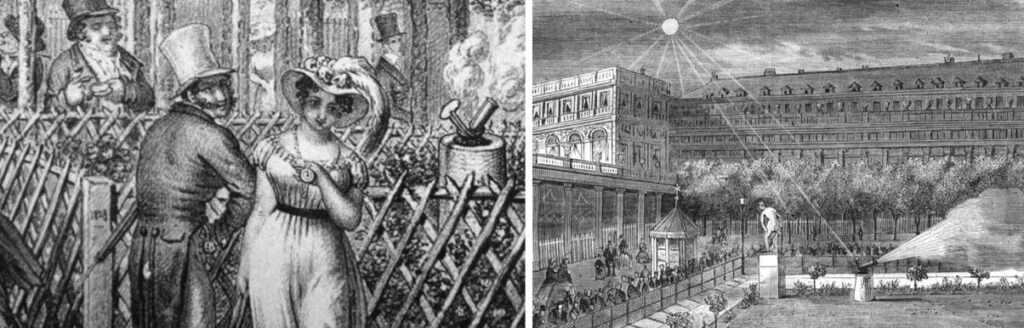
But at the beginning of the 17th century, a special device appeared in Europe – a solar cannon alarm clock. Imagine an ordinary sundial with a tiny cannon attached. A magnifying lens hung above it. At noon, the lens focused the sun's rays precisely on the touchhole containing the gunpowder – and BAM! A loud bang announced that noon had arrived. 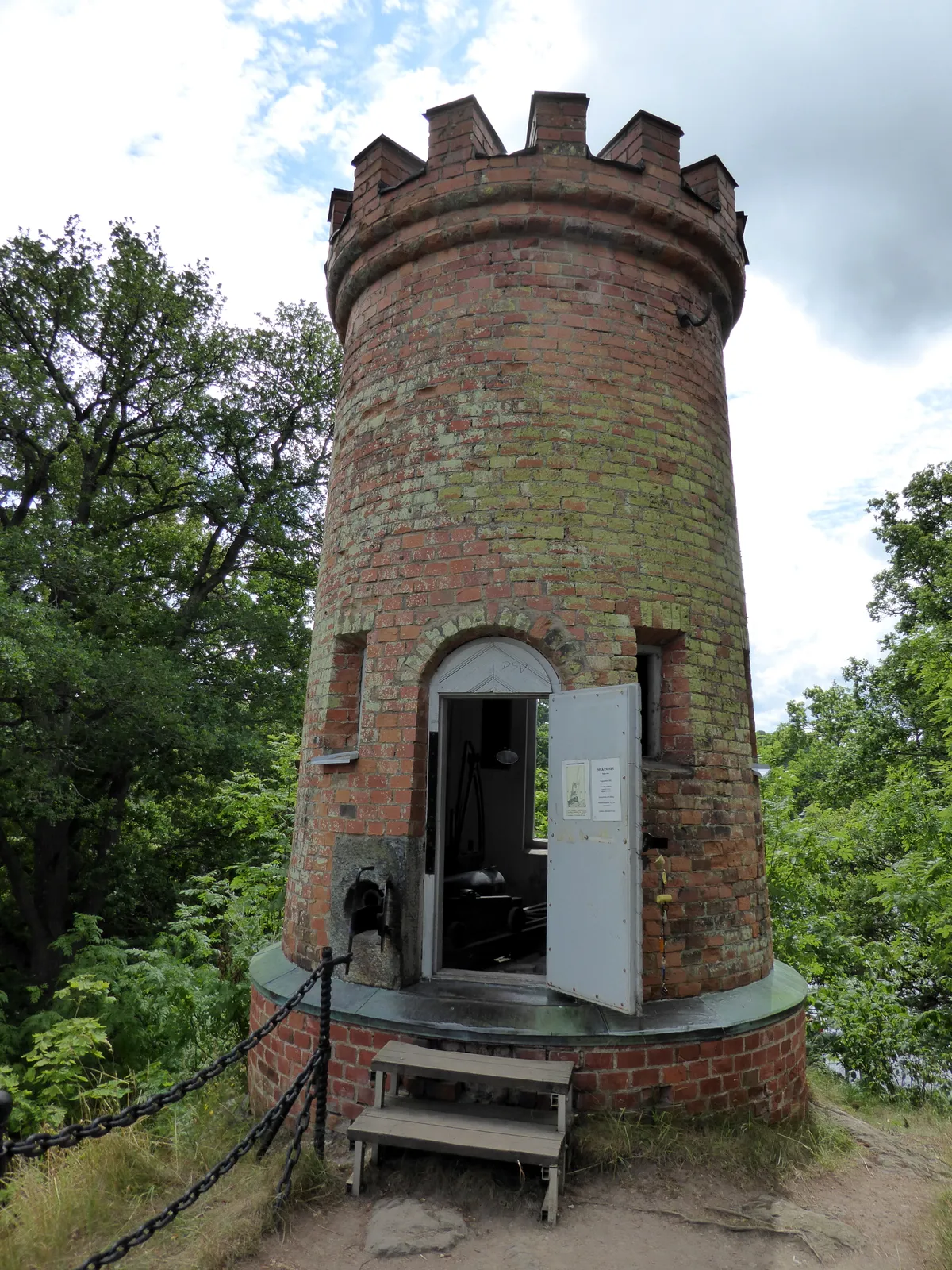
Large cannons were installed in parks so that residents of the surrounding area could hear the signal. Smaller ones were installed on noble estates, where a shot meant "time for dinner." Some of these sun cannons were the size of actual battlefield weapons, and their roar could be heard for kilometers around. 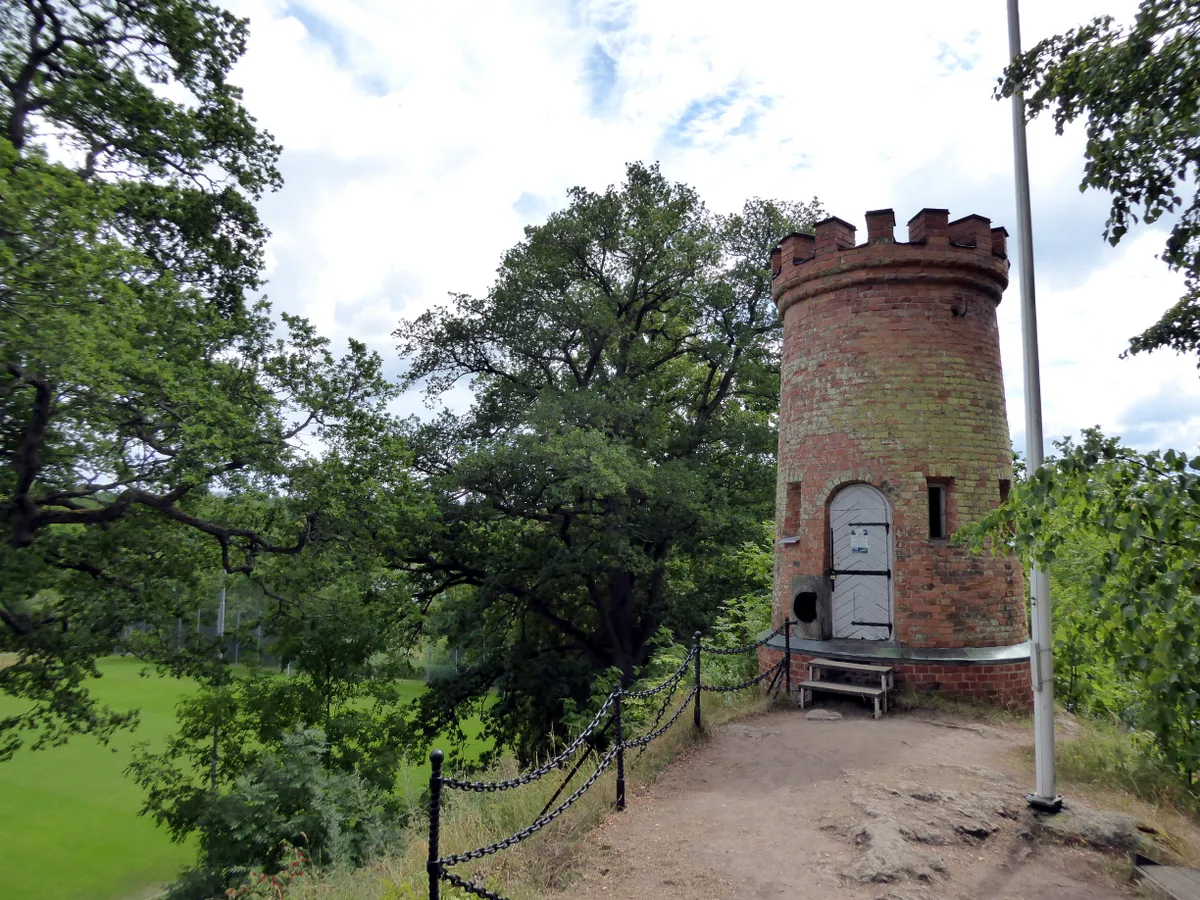
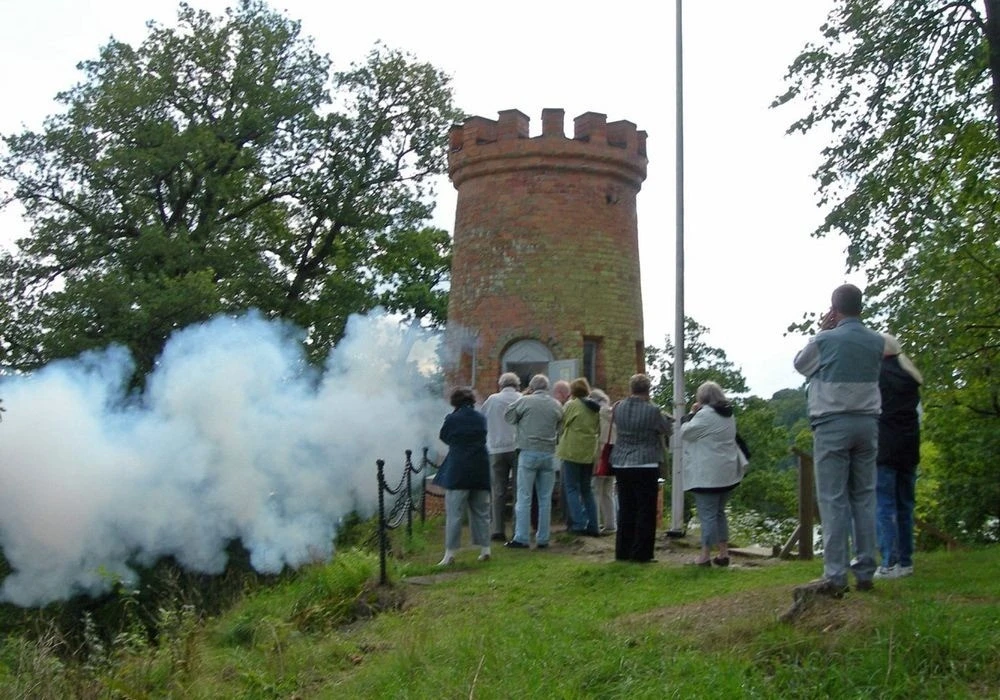
Today, only one working sun cannon remains in the world. It is located in the town of Åtvidaberg in southeastern Sweden. The cannon is hidden inside a red brick tower near Lake Büschen. A long slit is cut into the side of the tower to allow sunlight to hit a magnifying glass. The glass then directs the beam precisely onto the priming hole at the rear of the cannon. 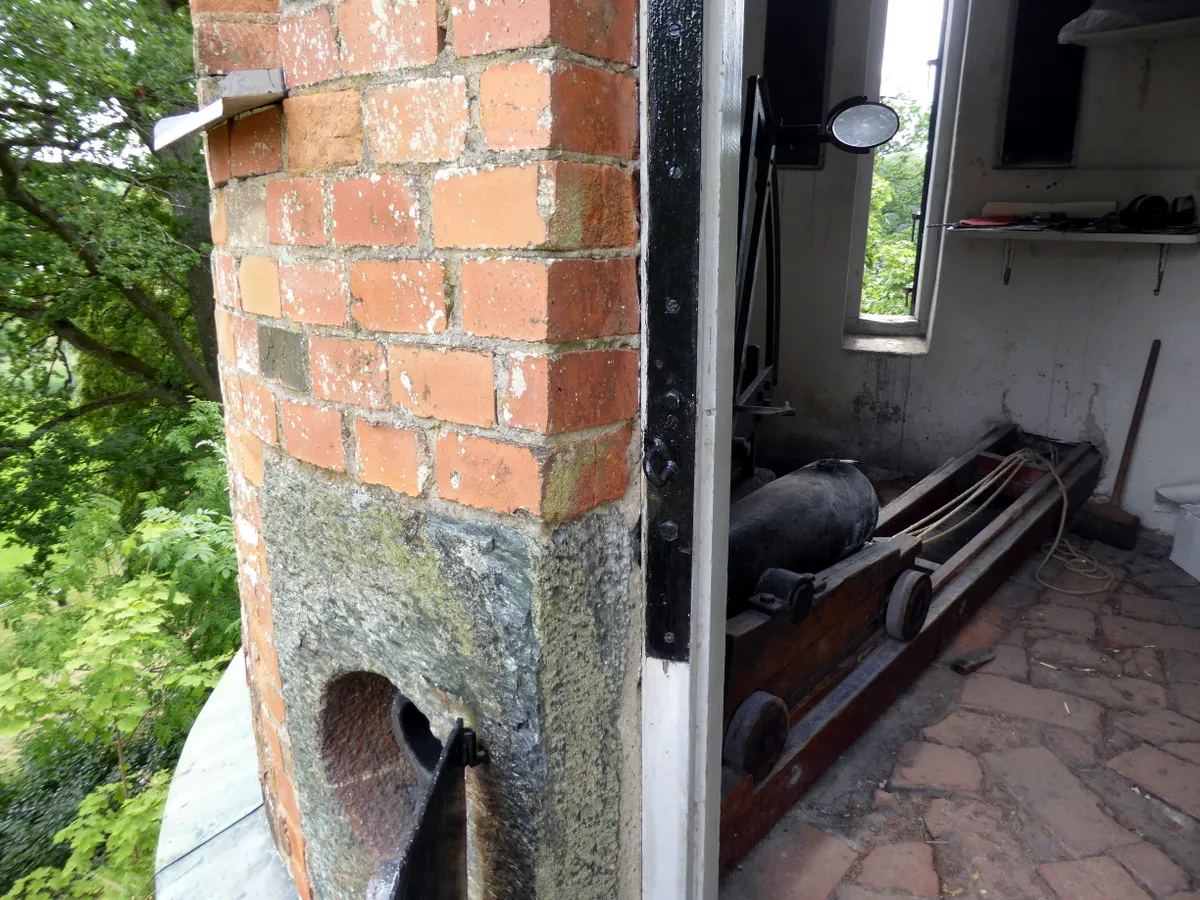
This amazing cannon fires every day at 1:00 PM from May to September. On sunny days, the shot is fired automatically. If the sky is overcast, the solar gunner takes over, igniting the gunpowder with a match or fuse. There's no escape, for tradition is tradition. 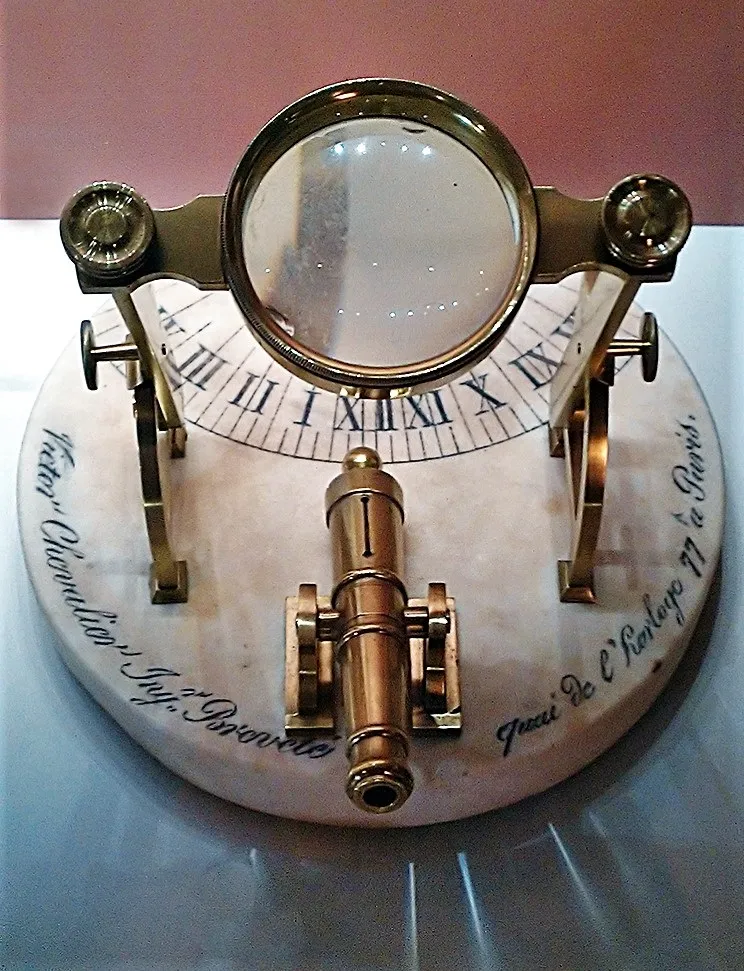
The Meridian cannon by Victor Chevalier, Paris, circa 1800
The cannon was installed in 1853 in the English garden of the Adelsnes estate. Like most sun cannons in Europe, it fell silent when accurate chronometers were invented. But in 1986, it was restored and restarted. Since then, it has fired every day, precisely at 1:00 PM, just as it did a century and a half ago. 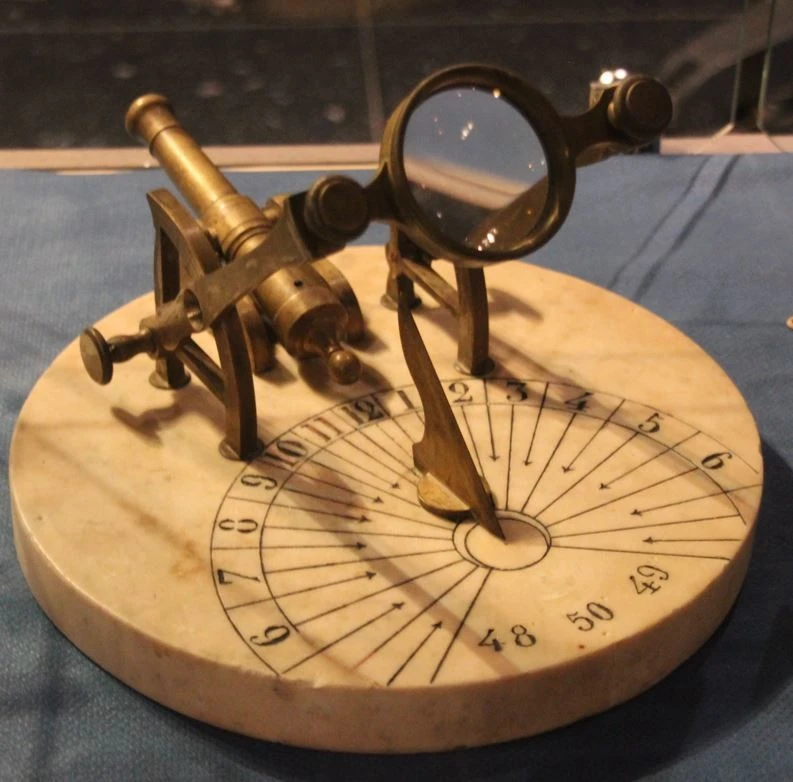
Small collector's editions of these cannons (a bronze cannon on a marble base with a lens) can still be found at auctions and in museums. Most of them were made in Paris in the mid-19th century. But they are now only used on holidays.