Mirror Superstitions and the Practical Wisdom Behind Them (6 photos)
Ancient superstitions about mirrors have been passed down for generations, surviving well into the digital age. These age-old omens warn of the dire consequences that mishandling a mirror can bring. Indeed, our ancestors were convinced that reflective surfaces harbored a dark, dangerous power. 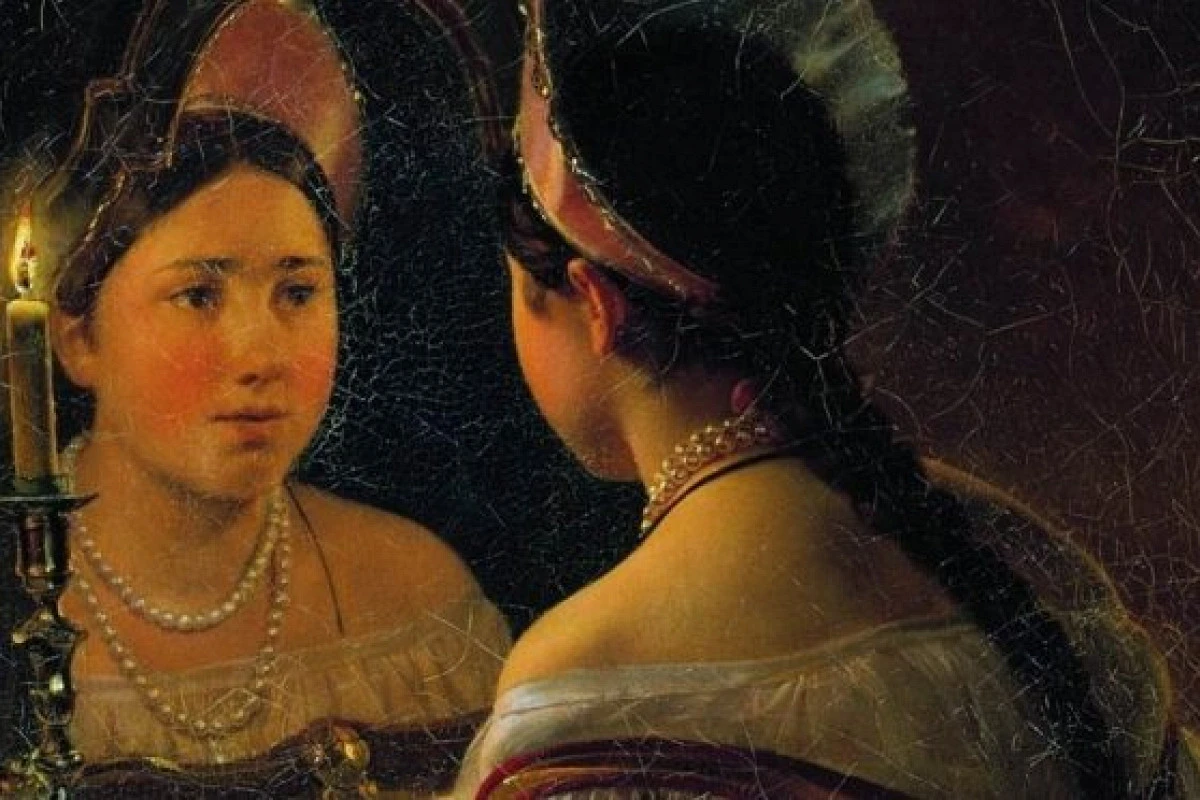
Until the late 17th century in Ancient Rus, gazing at one's own reflection was considered a sin. Spiritual advisers believed mirrors posed a direct threat to the immortal soul. In fact, in 1666, a Church Council went so far as to forbid the clergy from using them. Fascinatingly, early Slavs viewed reflective surfaces as portals to another dimension.
Water
In ancient times, the world reflected on the water’s surface fascinated and unnerved curious minds. While religious law forbade keeping glass mirrors at home, it couldn't ban open bodies of water. Since people interacted with water dozens of times a day, folklore warned of mystical dangers lurking behind those alluring reflections.  A simple trip to fetch water became a ritual bound by strict taboos. Admiring one's reflection while scooping water from a spring was strictly forbidden. People believed that water spirits and mermaids (rusalkas) lurked beneath, ready to bewitch the careless and drag them down into the depths.
According to legend, young women who took their own lives over unrequited love transformed into rusalkas. In death, these tragic figures sought revenge on the living. With alluring beauty and sweet songs, they lured young men into treacherous bogs. Swimming in the river or fetching water at night was seen as utter madness.
Death
What could mirrors possibly have to do with death? For early Slavs, honoring the deceased while protecting the living required elaborate customs—the burial was just one part of the journey. Folklore held that the soul lingered in the world of the living for 40 days after death. On the final day, relatives held a memorial feast to say their last goodbyes. 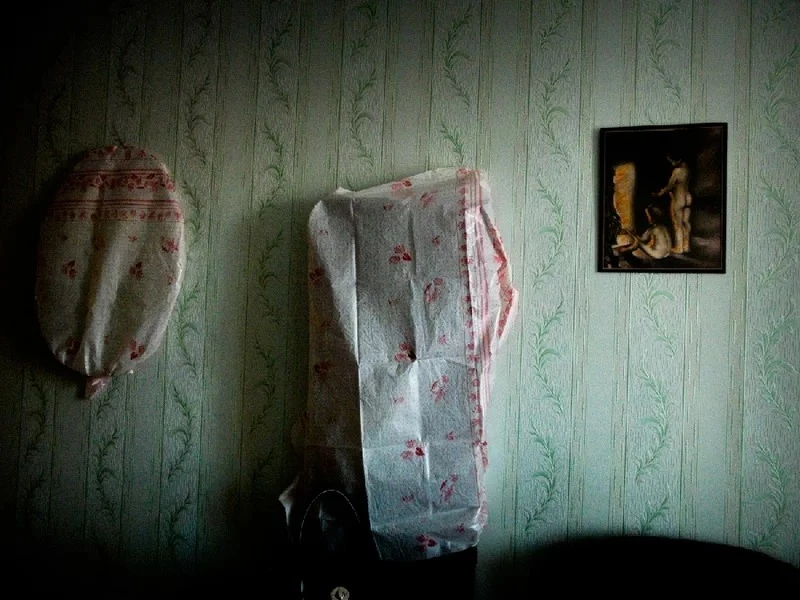
Throughout those 40 days, every mirror in the deceased person's home was kept covered with heavy cloth. This was done to ensure peace for the departing soul and safety for those left behind. It was believed that a soul could mistake the reflected world for reality and get lost forever—or worse, attract the attention of entities living "through the looking glass." Allowing otherworldly beings into the realm of the living promised nothing but tragedy.
Before the burial, prayers and psalms were chanted over the deceased. An uncovered mirror could reflect those sacred words back, twisting their spiritual intent. The heavy cloth served as a shield against terrifying consequences. Furthermore, if a departed soul strayed into the mirror realm, it might pull a living relative’s spirit along with it, marking them for an early grave.
Illness and Misfortune
In Ancient Rus, mirrors were believed to possess magnetic properties, absorbing negative energy around them. Spending too much time admiring one's reflection was thought to invite illness and bad luck. People genuinely believed that a mirror would soak up negative vibes only to radiate them back out later. Because of this, staying too long in front of a mirror was strictly discouraged. 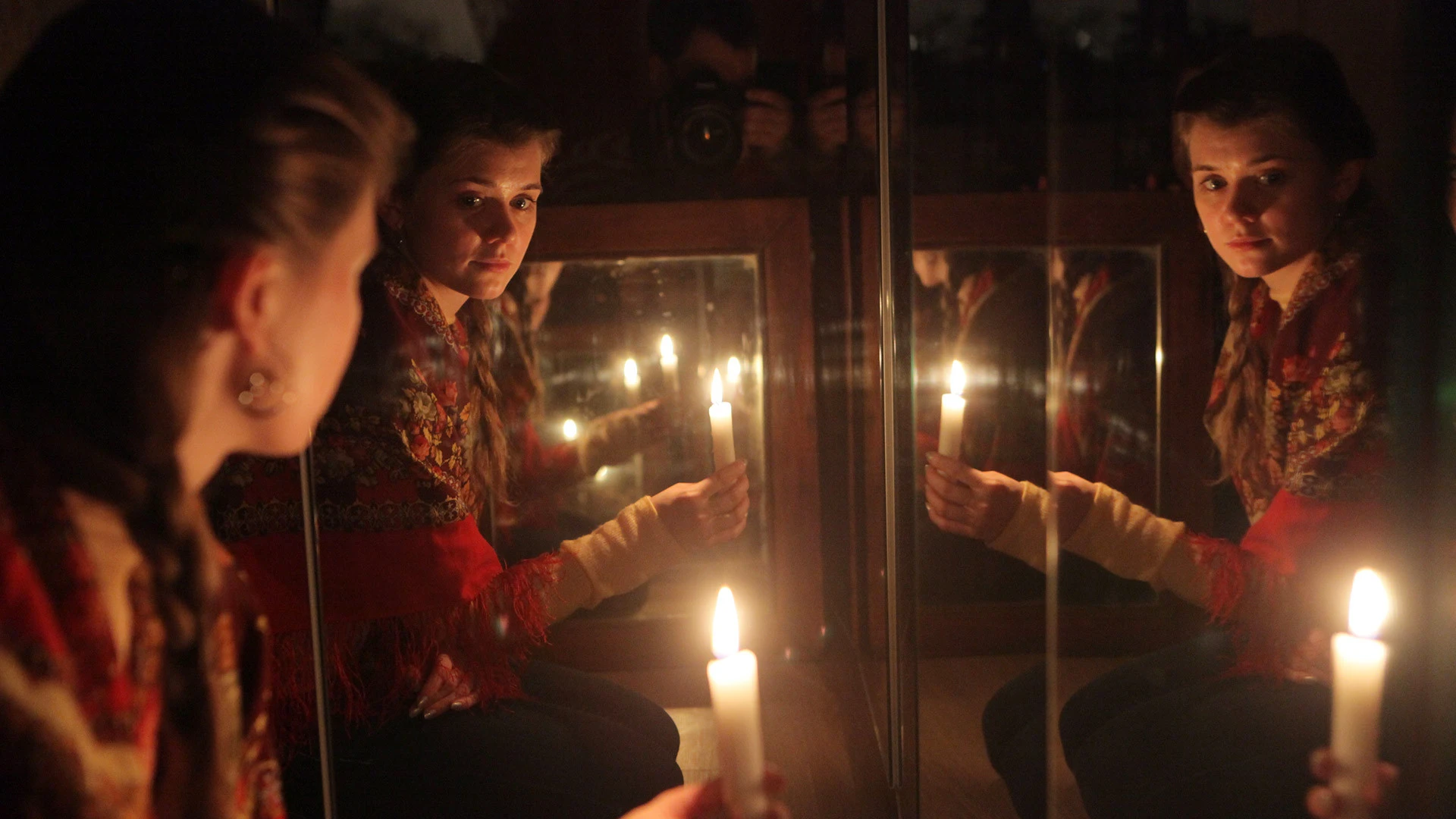 Another warning cautioned against letting infants look in mirrors, as a baby’s fragile soul had no defense against reflective magic. Expectant mothers, anxious to protect their unborn children, avoided mirrors and shiny surfaces altogether.
It was also believed that a mirror's sinister power peaked on moonlit nights, when dark forces roamed freely. Fortune-telling with mirrors was considered a dangerous venture. Yet, brave young maidens took the risk, hoping to glimpse the face of their future groom in the reflection—though legend warned that the Devil himself might appear in his place.
Sleep and Food
Early Slavs often wondered where mirrors drew their power. According to legend, mirrors absorbed people's darkest emotions whenever they captured a reflection. Unwittingly, anyone looking into a mirror fed it fear, anger, envy, and resentment. Ancestors warned that, eventually, an old mirror would unleash all that accumulated malice back onto its owners. 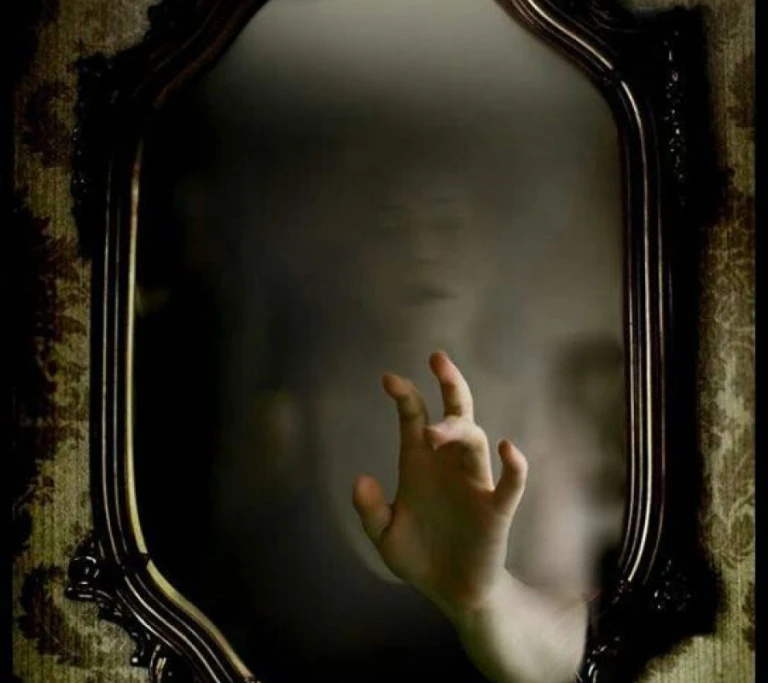 For the same reason, eating in front of a mirror was taboo. The reflection was thought to sap the nourishment from food, corrupting it. Eating before a mirror could cause illness or worse; as the saying went, you could literally "eat away" your own happiness.
Hanging a mirror near a bed was considered equally foolish. While we sleep, our souls wander freely, leaving us defenseless. The reflection of a sleeping person could act as a key, granting restless spirits from the mirror realm access to our world.
Burying a Mirror
The most menacing superstitions surround broken mirrors. To our ancestors, an intact mirror was far less dangerous than a cracked one. Even today, breaking a mirror is believed to bring terrible misfortune. In olden times, people believed that a crack unleashed all the mirror’s stored negative energy. The older the mirror and the smaller the shards, the greater the curse—after all, over a long lifetime, a mirror absorbs decades of dark emotions from various owners. 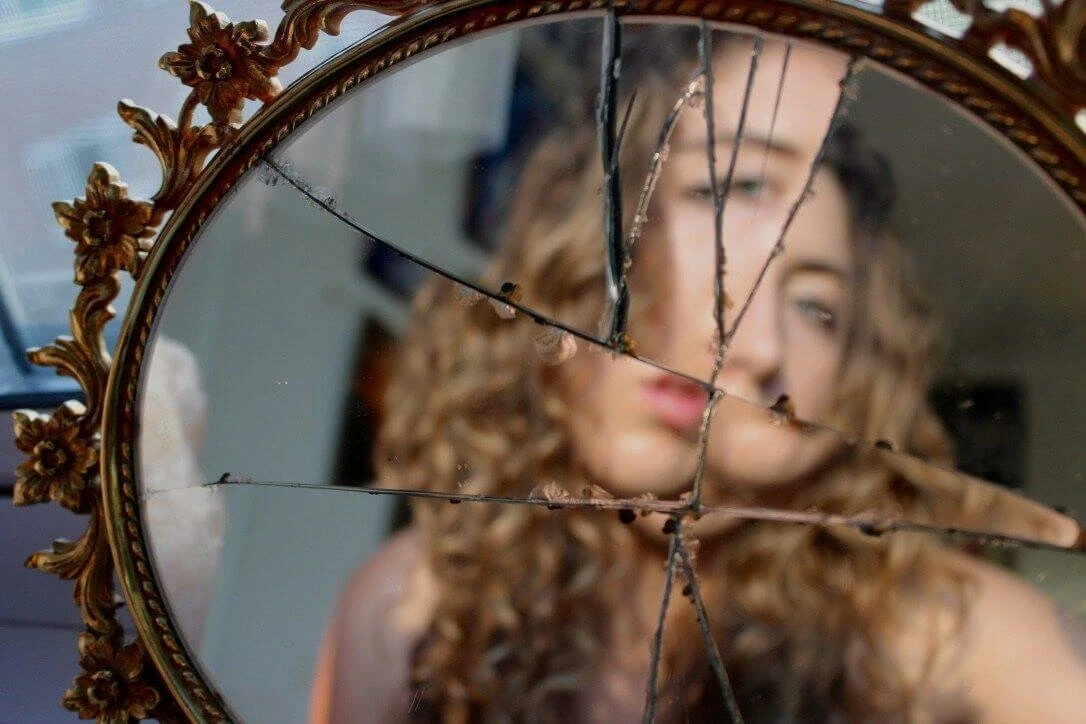 Fortunately, folk wisdom offered a remedy: tragedy could be avoided by properly "burying" the mirror. One had to gather every single shard, down to the tiniest splinter, place them on a dark, heavy cloth, and tie it into a bundle. Then, far from prying eyes deep in the forest, the bundle had to be buried beneath a healthy tree—avoiding aspens, old, or diseased trees. Crucially, the ritual had to be performed with a cheerful spirit to prevent dark forces from following you back home.
No one can prove or disprove these ancient beliefs today. In the digital age, solemnly burying a broken mirror in the woods would look bizarre, to say the least, and no one fetches their daily water from the local river anymore. Yet from a practical standpoint, there is timeless wisdom hidden in these old omens: harbor fewer negative emotions, maintain a positive outlook, and everything will be just fine.