The most expensive item in the Middle Ages was a simple mirror (8 photos)
Surprisingly, until the 17th century, mirrors were such a luxury that many people could hardly imagine what they actually looked like.
This was due to the labor-intensive nature of their production, as well as the guild-like guarantees of mirror workshops, which for centuries strictly guarded their manufacturing secrets and produced too few mirrors to meet demand. 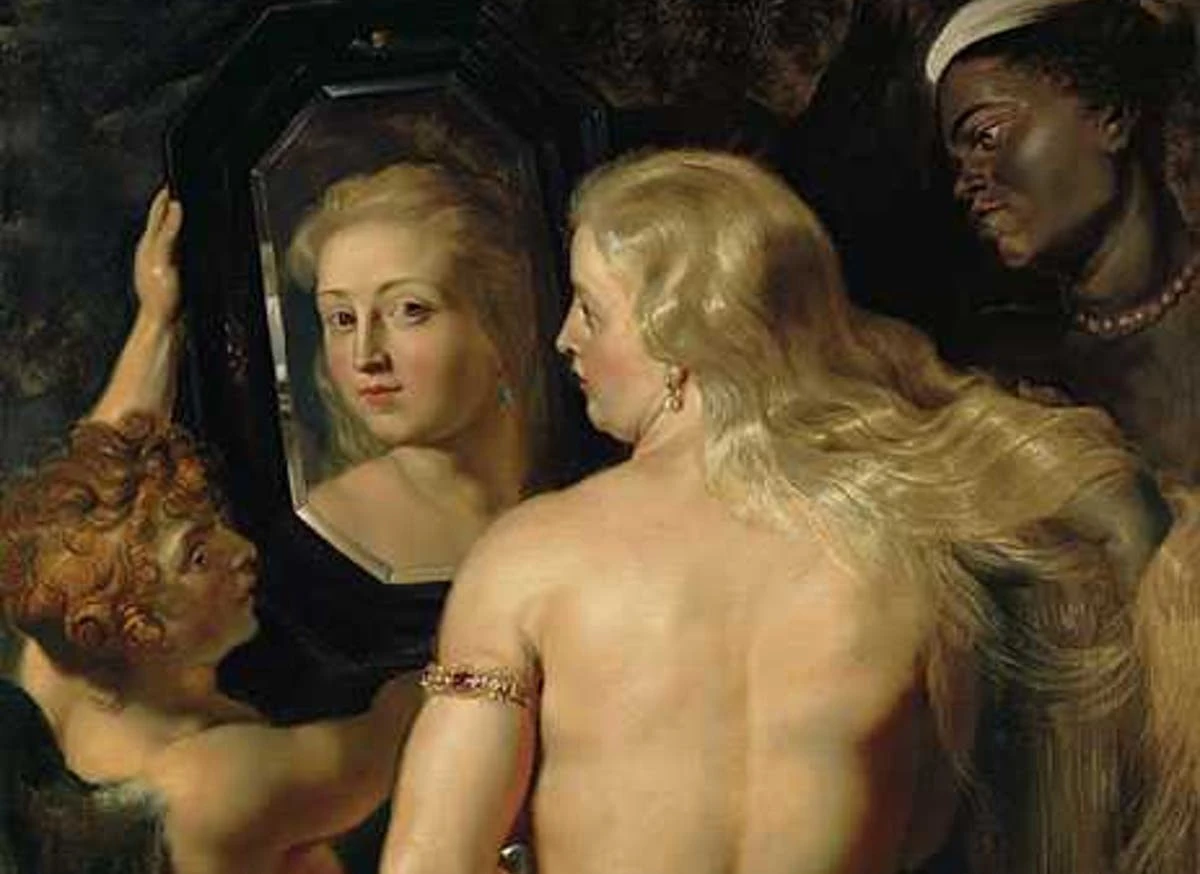
The mirror as we know it only appeared in the 13th century, when Europeans learned to make more or less large pieces from transparent glass. At that time, glass products were blown; cast glass had not yet been invented. 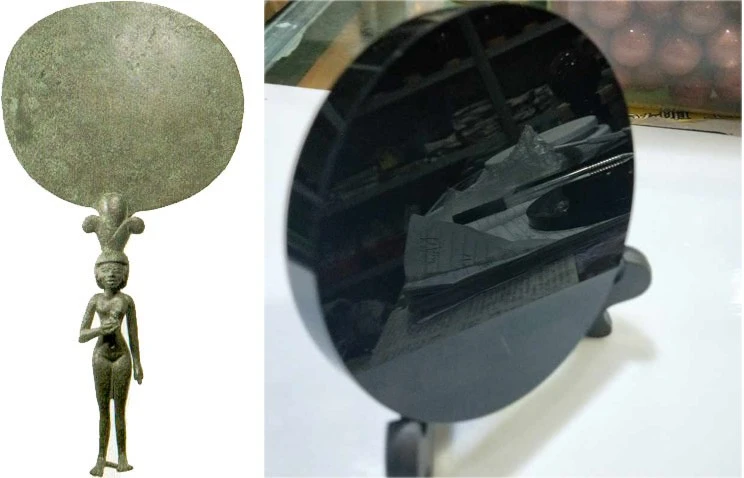
Bronze Egyptian mirror and a modern obsidian mirror
Until this time, metal mirrors made of polished bronze, silver, and tin plates were in common use – of course, the reflection from such mirrors was far from perfect.
The first to coat glass with a thin layer of metal was invented in Italy, but the Dutch were the first to master the production of mirrors using this technology. They blew large glass vessels, then poured molten tin inside and rapidly rotated the vessel until the tin spread over the entire interior surface. 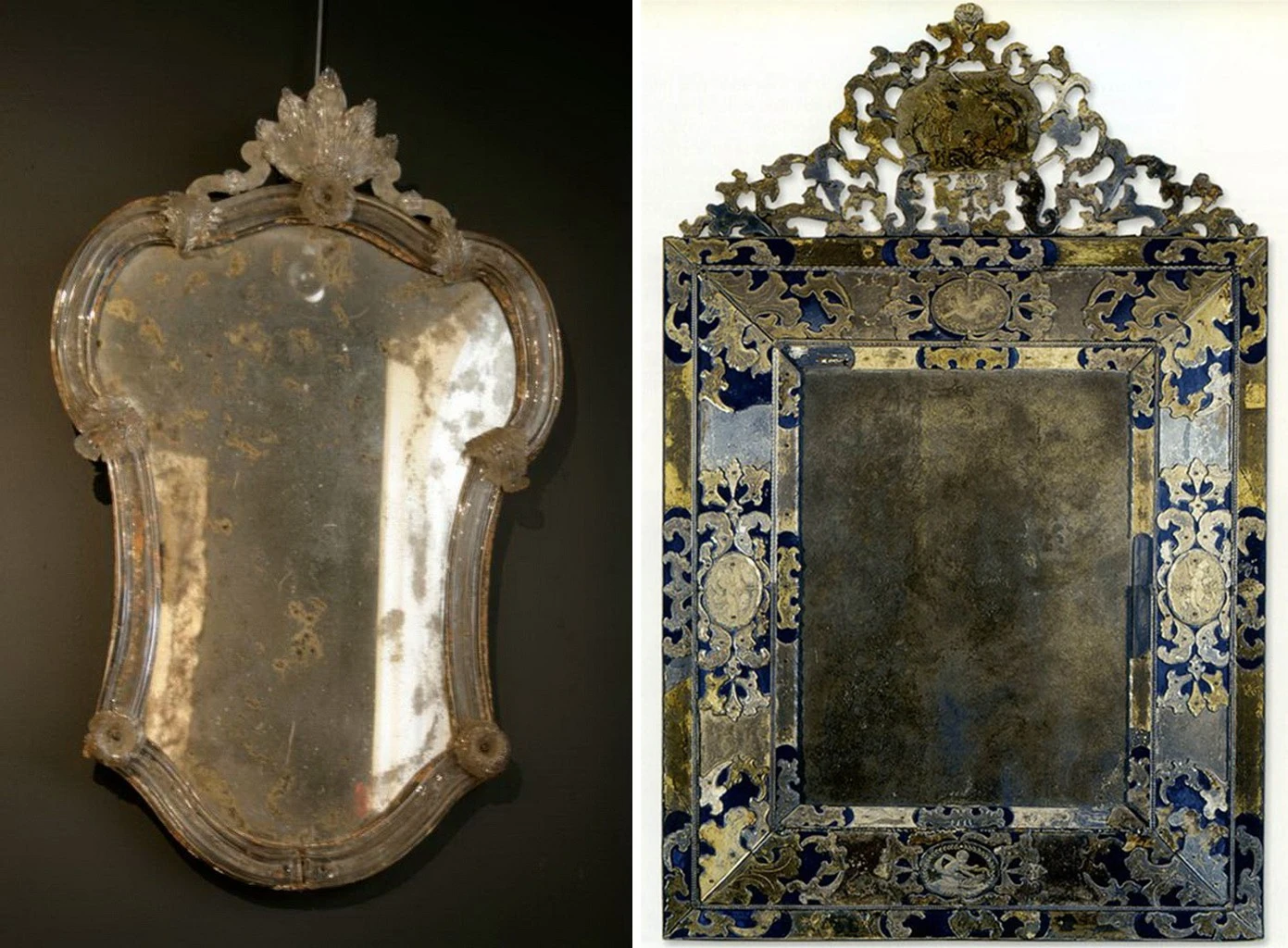
Venetian Mirrors, 17th Century
The vessel was then broken into sections, and these convex fragments became true mirrors, producing an acceptable, albeit distorted and cloudy, reflection.
At the very beginning of the 15th century, Venetian glassblowers bought the patent for mirror production, and they held a monopoly on this production for almost two centuries. Venetian glassmakers greatly improved on old Dutch technology, invented alloys that reflected light better than tin, and learned to coat glass with thin foil. 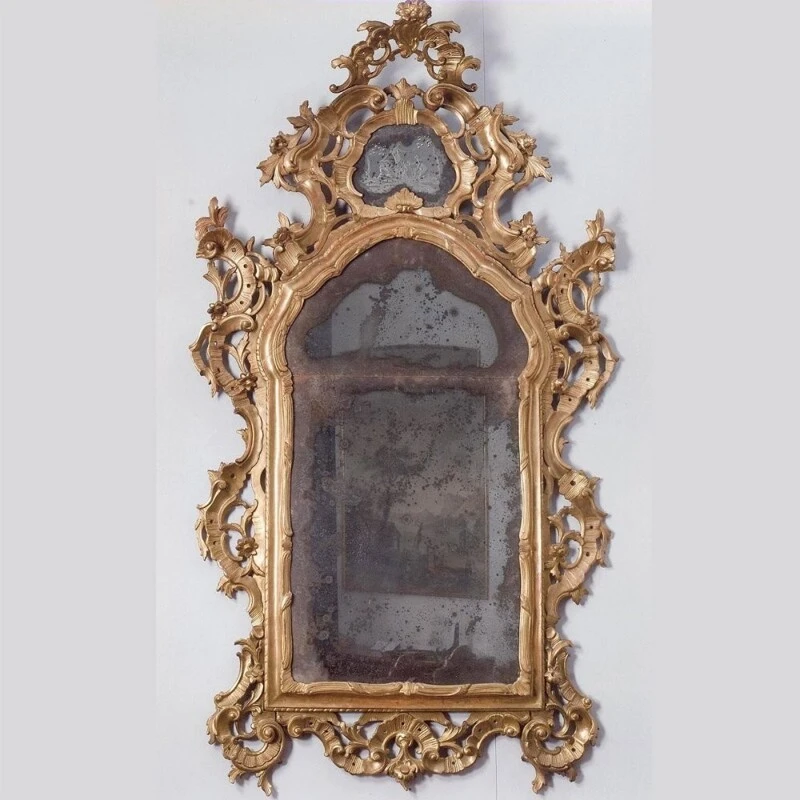
Venetian mirror, 17th century
Mirror production in Venice was concentrated on the island of Murano. Murano technologies were strictly protected by guild regulations, including a ban on craftsmen leaving the island. Foreigners were also not allowed on the island. Therefore, the inventions of mirror masters remained a secret for a long time, while many innovations in mirror production emerged.
The most valuable invention of the early 16th century was the development of sheet glass. A hot glass cylinder was cut and rolled, producing a sheet of smooth, transparent glass. The main difficulty with this technology was the high reject rate – up to 90% of glass sheets were unsuitable for mirrors due to small bubbles that would make the reflection cloudy. 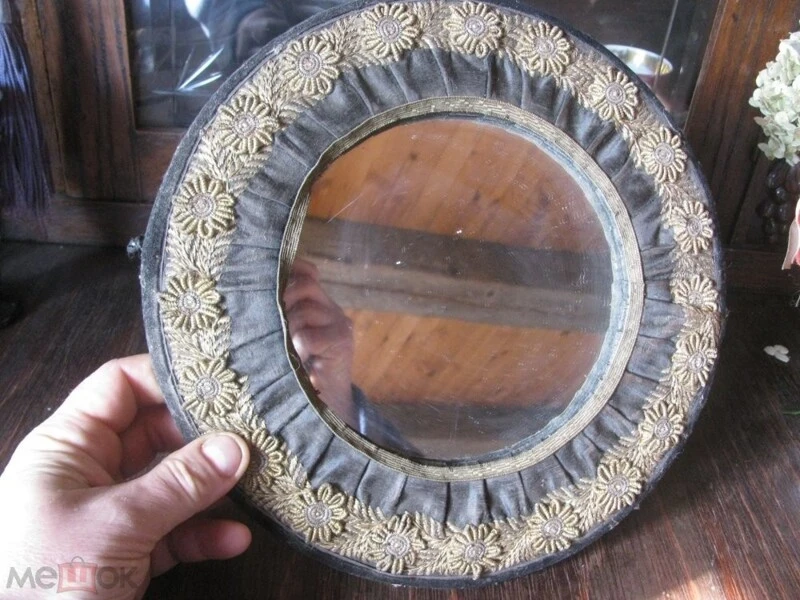
Mirror made in Germany, 18th century
But a mirror made of sheet glass produced a completely distortion-free reflection. Once the glass was deemed suitable, craftsmen polished it for a long time and then, using a special mercury adhesive, coated it with a thin metal foil. The foil alloy was also secret; it included several metals, including gold.
In total, making a mirror involved up to fifty operations, each requiring several weeks to complete. Unsurprisingly, the cost of a mirror was prohibitive, especially if it was large. 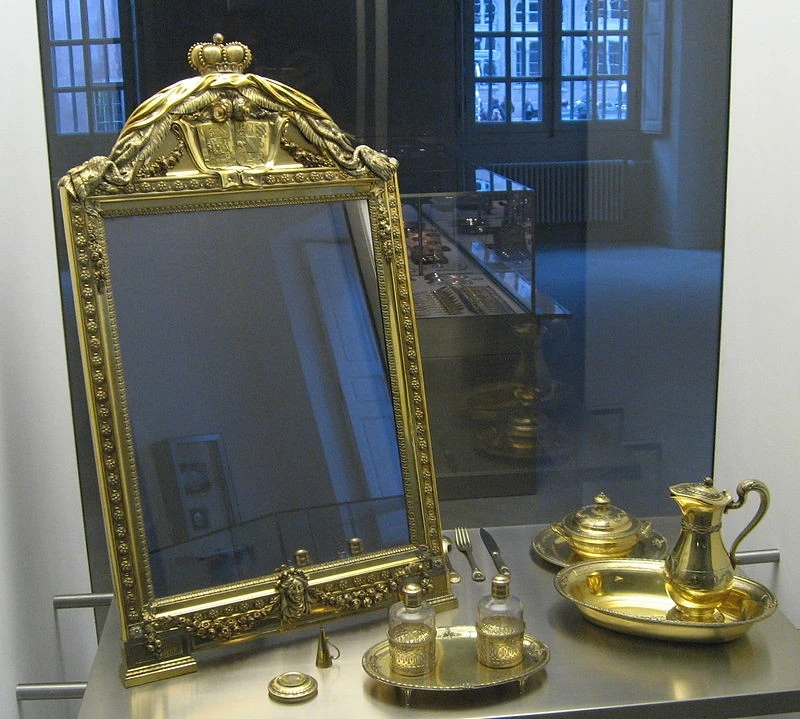
18th-century mirror, Strasbourg
For example, the price of a large mirror, suitable for full-length viewing, was commensurate with the value of an estate or a sea vessel. Owning even a small mirror in an aristocratic family was a sign of wealth; mirrors were set in precious frames and encrusted with gems and mosaics.
It is known that in the 15th century, in the French city of Nantes, there were only four mirrors in the entire city. The largest of them was brought out into the square once a year so that everyone could see their reflection. Seeing oneself in a mirror was considered great luck! 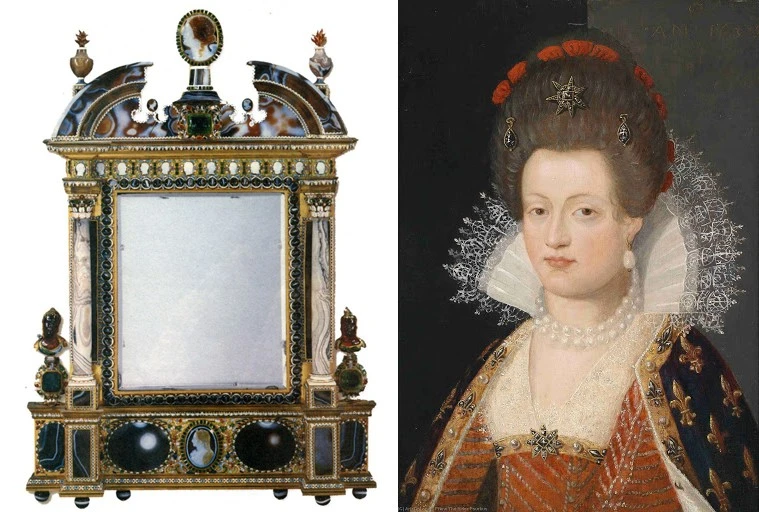
Marie de Medici's wedding mirror, made around 1600, Louvre
The most expensive mirror in history was given to Queen Marie de Medici for her wedding by Murano masters. Marie de Medici placed a huge order – 119 mirrors (each small) for her study, and received an extra one as a gift, what we would now call a "bonus."
This mirror, currently on display in the Louvre, has a gold frame inlaid with precious stones, as well as onyx and agate plates. Its current estimated price is in the tens of millions of dollars, despite the fact that it is not a large mirror, measuring 16 x 14 cm. 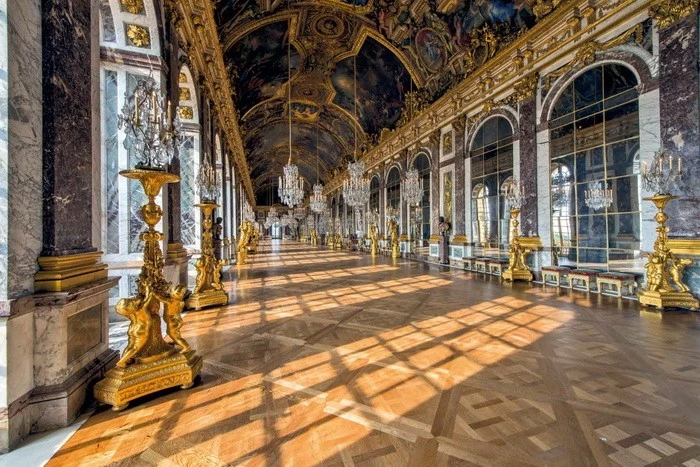
The Hall of Mirrors at the Palace of Versailles, for which 306 mirrors were made at a French factory.
Mirrors only became cheaper in the late 17th century, when the French obtained information about Venetian technology through deception and bribery. The first glass factory opened in France, and similar ones soon sprang up in other European countries.
Furthermore, the French invented a cheaper method for producing sheet glass – casting. Mirrors finally became affordable to the general population.