The History of Baby Strollers
The first stroller, custom-made to resemble an adult carriage 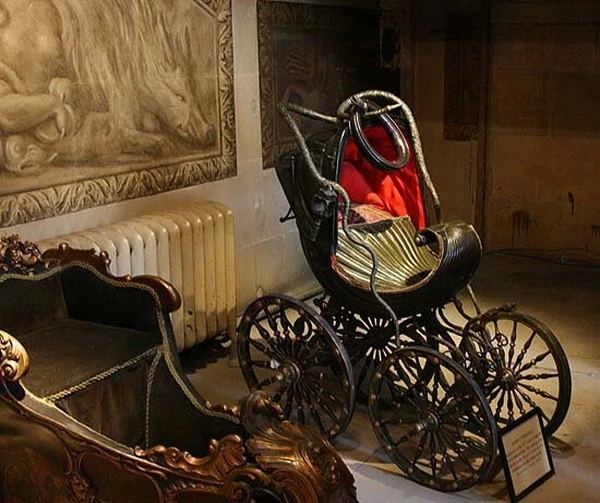
The history of strollers is not particularly impressive, spanning only about three centuries.
The very first stroller was created in 1733 by William Kent, an English landscape architect. He designed it at the request of William Cavendish, the third Duke of Devonshire, a father of six children. In fact, it wasn't a carriage as we know it, but a small children's cart pulled by a goat or pony.
The first users were well worth the effort: while the father who commissioned it never rose above the rank of Viceroy of Ireland, the eldest of the children who rode in the carriage, Lord Frederick, eventually rose to the rank of Field Marshal, and the youngest, Lord John, to Minister of Finance. Kent's model was well received, and carriages soon spread among the upper classes of European society. At the time, they were truly a work of art. The middle and lower classes couldn't afford such an expensive toy, and for over a hundred years, the carriage remained an incredible curiosity.
The fashion for strollers truly arose in 1840, thanks to Queen Victoria, a loving mother of nine children who wanted to stroll with her children through the royal park. Like all strollers of the time, the Queen's stroller wasn't particularly comfortable: it was too tall and unstable, and it had no handles, requiring one to pull it. Following the royal family, all wealthy people began to own strollers, first in England and then around the world.
By the 1840s, ponies had given way to nannies, but they too continued to pull the stroller. Not having to care for a child became a sign of a wealthy and prosperous family, whose number of servants allowed them to raise a child.
Thus, the stroller entered our lives and became a symbol of the enormous distance separating child and mother in the upper classes. Even the stroller model names of the time reflected their privilege: the most popular were the "Duchess" and "Princess."
A revolutionary leap occurred in 1853, when Charles Burton patented a stroller with a handle at the rear. This dramatically improved both the maneuverability of the children's carriage and the visibility of the little passenger. However, the appearance, mimicking the contours of adult carriages, remained intact, along with the very idea that the child should sit in the stroller. This greatly limited its scope of use: it was suitable only for older children. As for toddlers, cases of them falling out of the "carriage" were not uncommon. It wasn't until the last third of the 19th century that the stroller finally lost its resemblance to an adult carriage and evolved into a cradle on wheels.
However, even this metamorphosis didn't change the attitude toward the stroller as a mode of transportation. Due to its widespread use, London police banned strollers from being driven on sidewalks in 1873. Furthermore, in 1880, a requirement was issued for all stroller owners to equip their children's carriages with red and white lights.
When the first automobiles became fashionable, baby carriages also appeared, and parents began requiring nannies to provide a driver's license along with references. However, the rapid spread of motor vehicles and polluted streets quickly rendered all this unnecessary—the stroller was relegated to parks and squares, where it remains today.
At the end of the 19th century, the very first stroller manufacturer, Silver Cross, emerged in Great Britain. It was founded in 1877 and released its first models at the same time. Since then, Silver Cross has been considered the oldest and most prestigious stroller manufacturer in England.
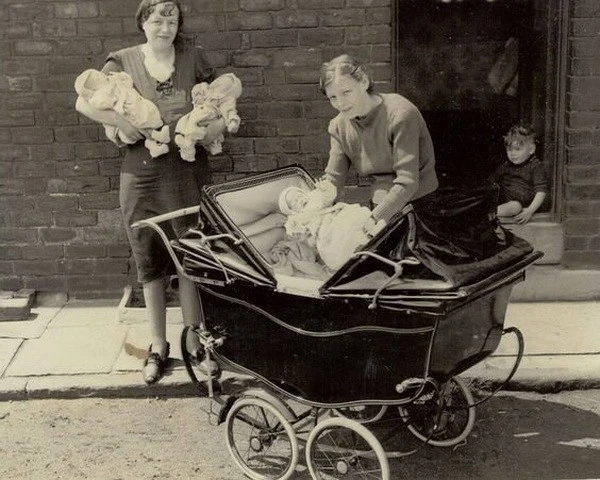
With the end of World War I, on the eve of the baby boom, the stroller market expanded significantly, becoming affordable for almost everyone except the poor. Strollers underwent some changes. They acquired footrests, the stroller basket became somewhat deeper, and the strollers themselves were lower, so that particularly inventive children often climbed out of their strollers and made the journey to the nearest land.
The 1940s were a period of political instability in Europe, yet despite this, demand for strollers remained constant, and product quality standards remained quite high. Gradually, old production facilities were replaced by new, modern factory buildings, and production became increasingly automated.
By 1950, stroller production had become significantly cheaper, making them affordable for any family, even those with modest incomes.
Lightweight strollers
In 1965, aeronautical engineer Owen Maclaren made his mark on stroller history. Listening to his daughter describe her journey from America to England and how she constantly had to lug the stroller around, Maclaren decided to apply his knowledge and invented a lightweight, folding stroller—the Stroller.
He used aluminum construction that could easily be compacted. The Stroller quickly gained popularity and significantly replaced previous models. Maclaren founded his own stroller company, which now produces a wide range of strollers, from inexpensive titanium strollers to luxury strollers costing $3,000.
A typical children's carriage from the mid-19th century 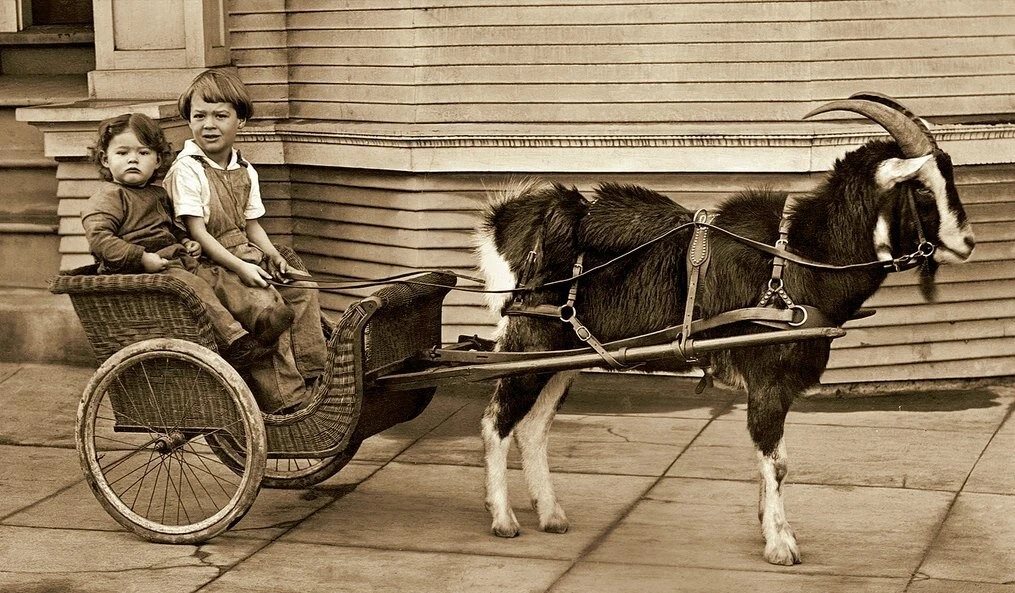
Children's carriages were pulled by ponies, donkeys, goats, and even crocodiles! 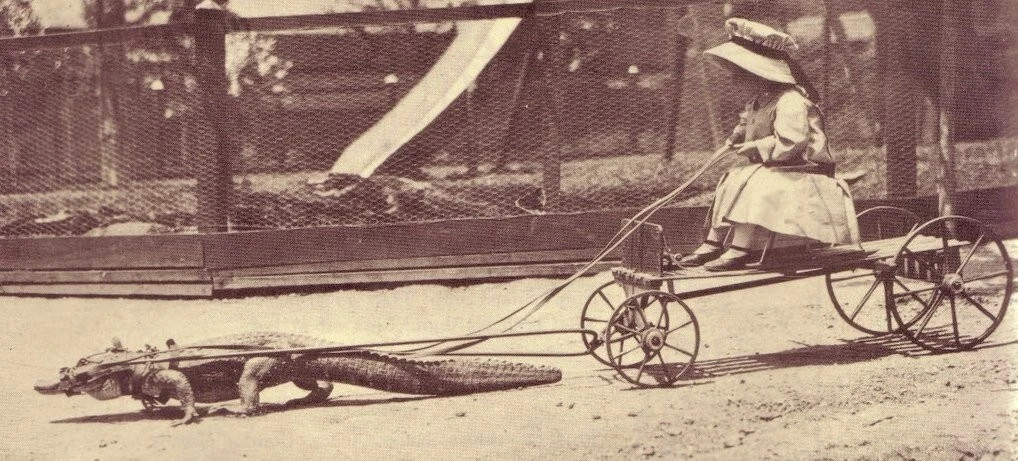
The British Crown traditionally chooses Silver Cross carriages 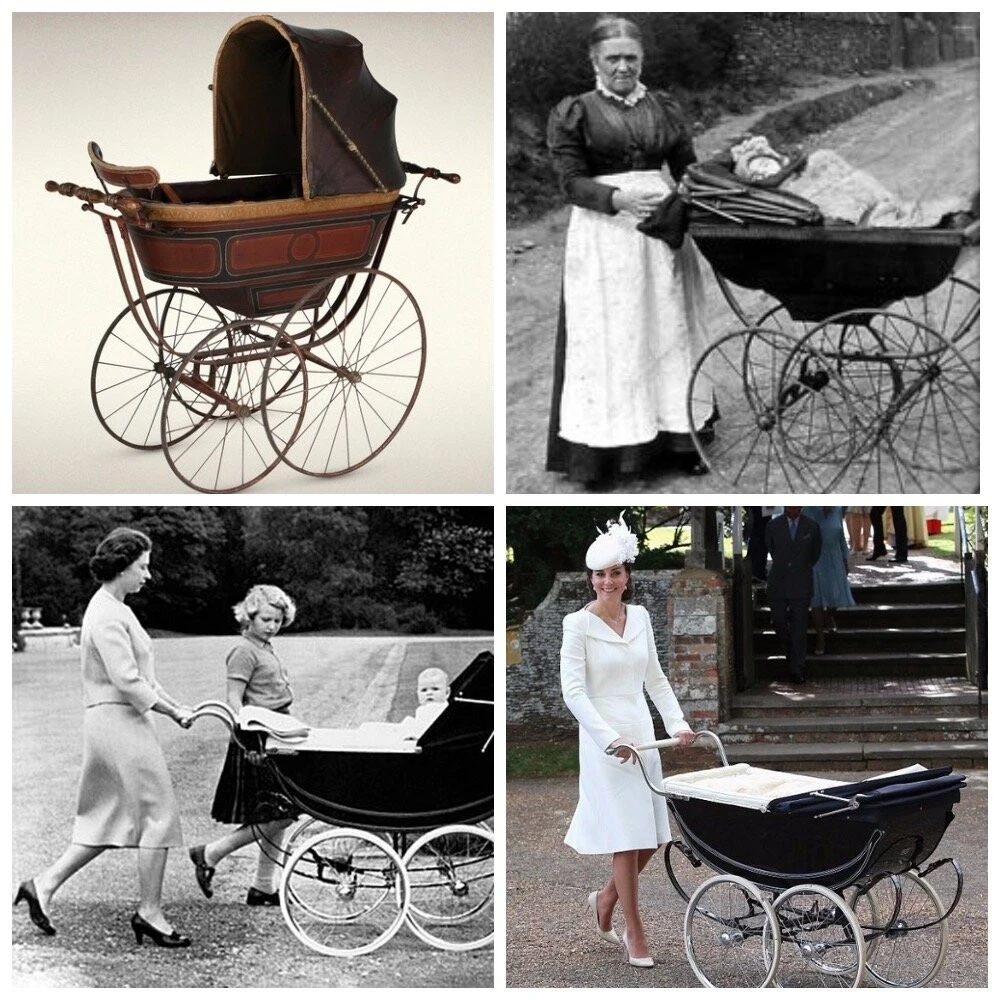
Bicycle carriage, 1920s Europe 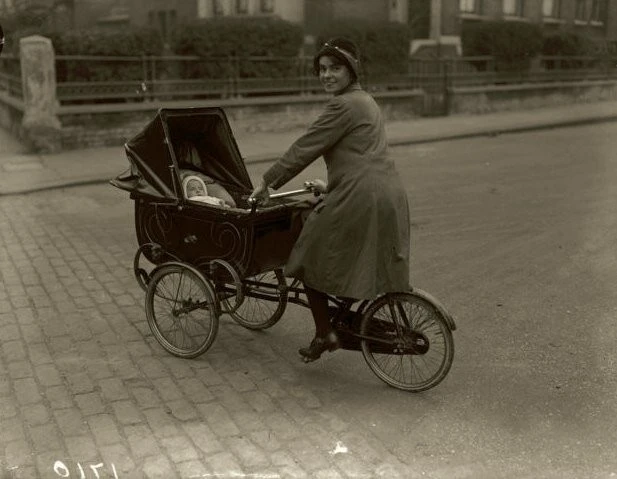
William Richardson's Strollers, Various Models 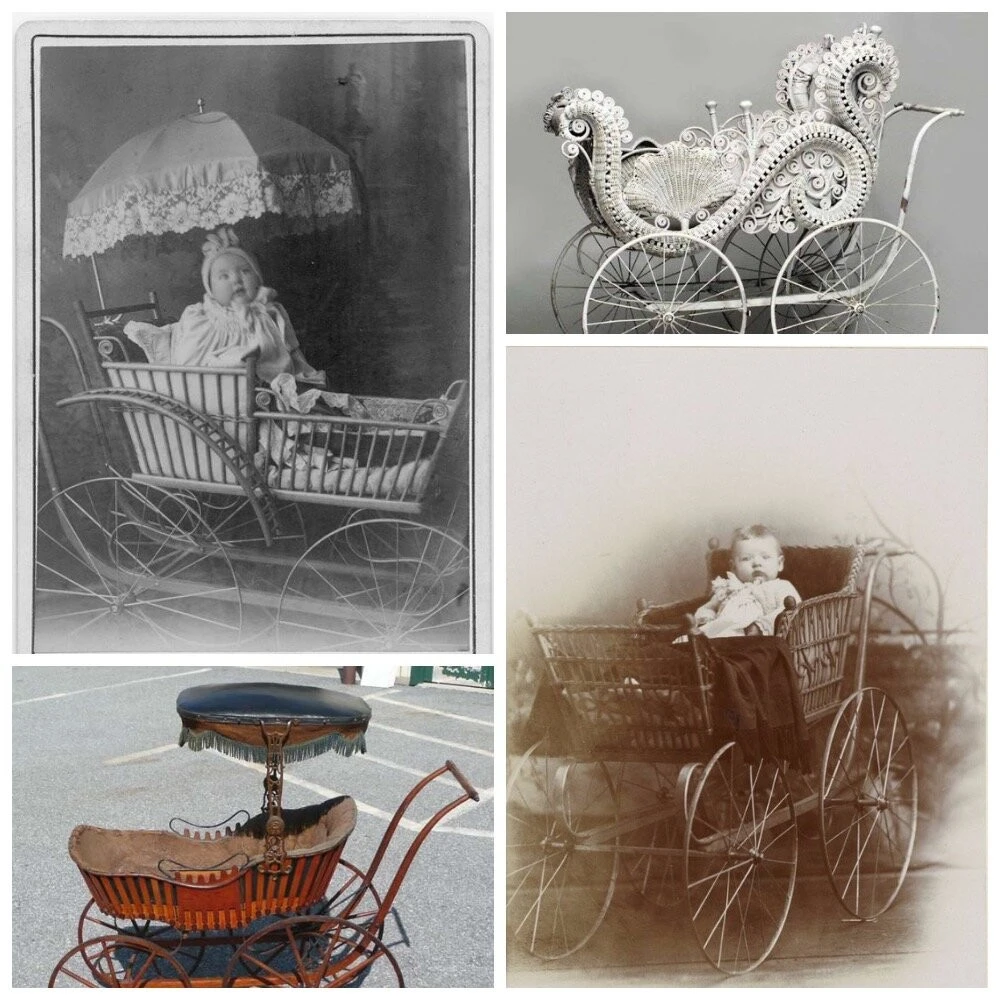
A stroller mobile, nannies required a driver's license to use it. 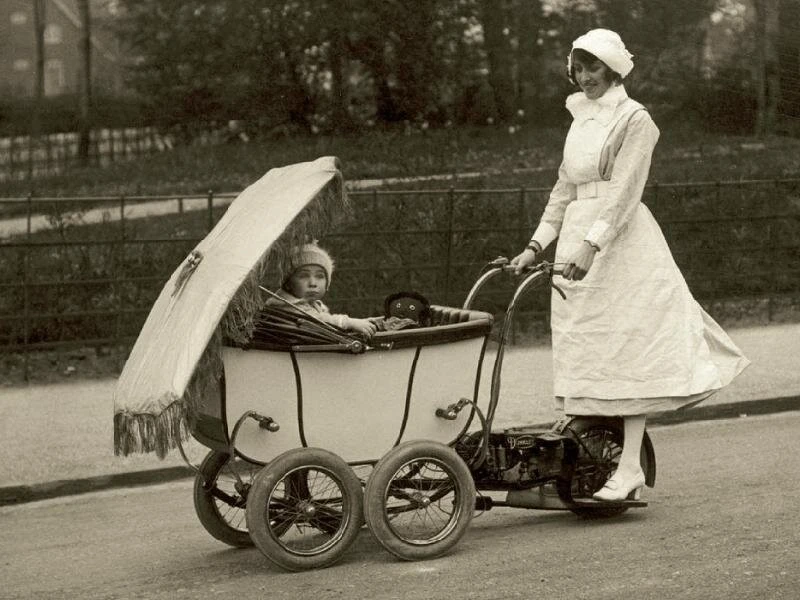
Strollers designed for gas accidents attacks 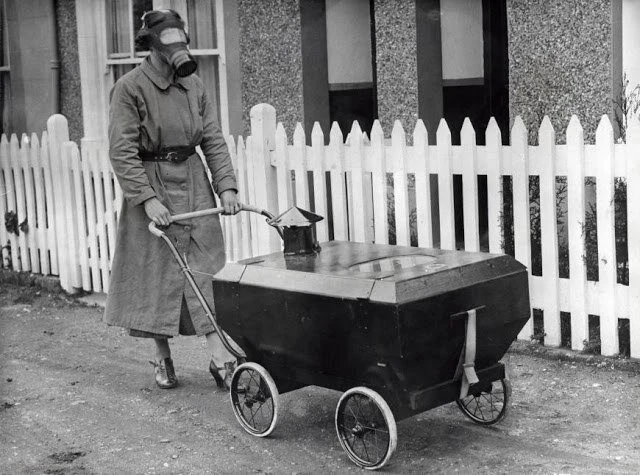
Revolutionary rearward movement of the handle! 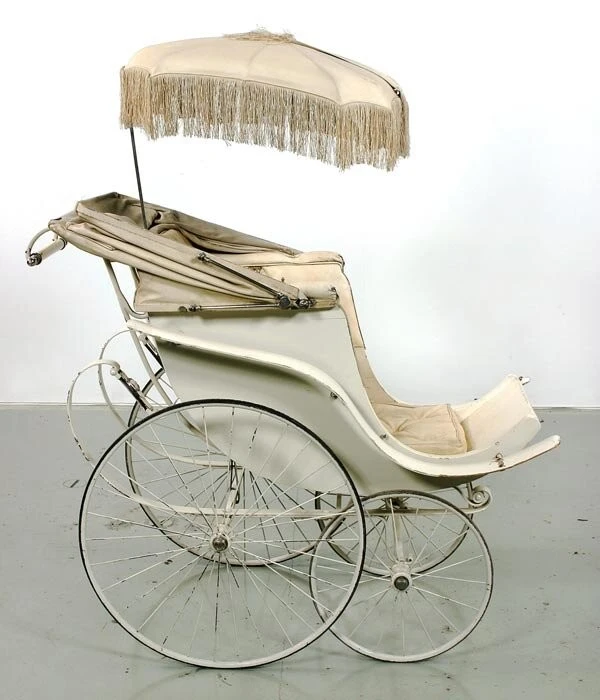
Advertisement for a two-wheeled children's bike strollers 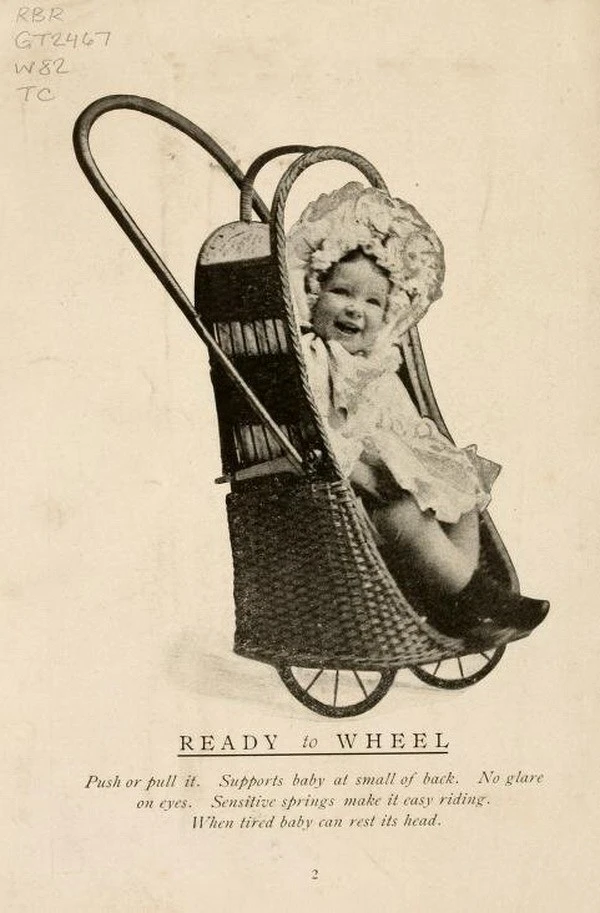
Add your comment
You might be interested in:











Margaret Hamilton Dies at 90: The Story of the Moon

25 Incredibly Beautiful and Rare Stones (26 Photos)

16 Fascinating and Surprising Facts About Life in Sweden

"What Is This Thing?": 20+ Bizarre Objects That

13 "Healthy" Habits You Should Actually Quit (14

Cassini Spacecraft Reveals Saturn’s Rings (10 Photos)

How Germany Got a Mountain Made of Salt (6 photos)

30 Everyday Details That Will Change How You See the World
Hypnotic and Oddly Satisfying GIFs That Show How Food Is
