The Moon appears motionless and "dead," but in reality, its surface is constantly changing. Scientists have recorded a rare event—the formation of a large crater, 225 meters in diameter, caused by the impact of a celestial body. 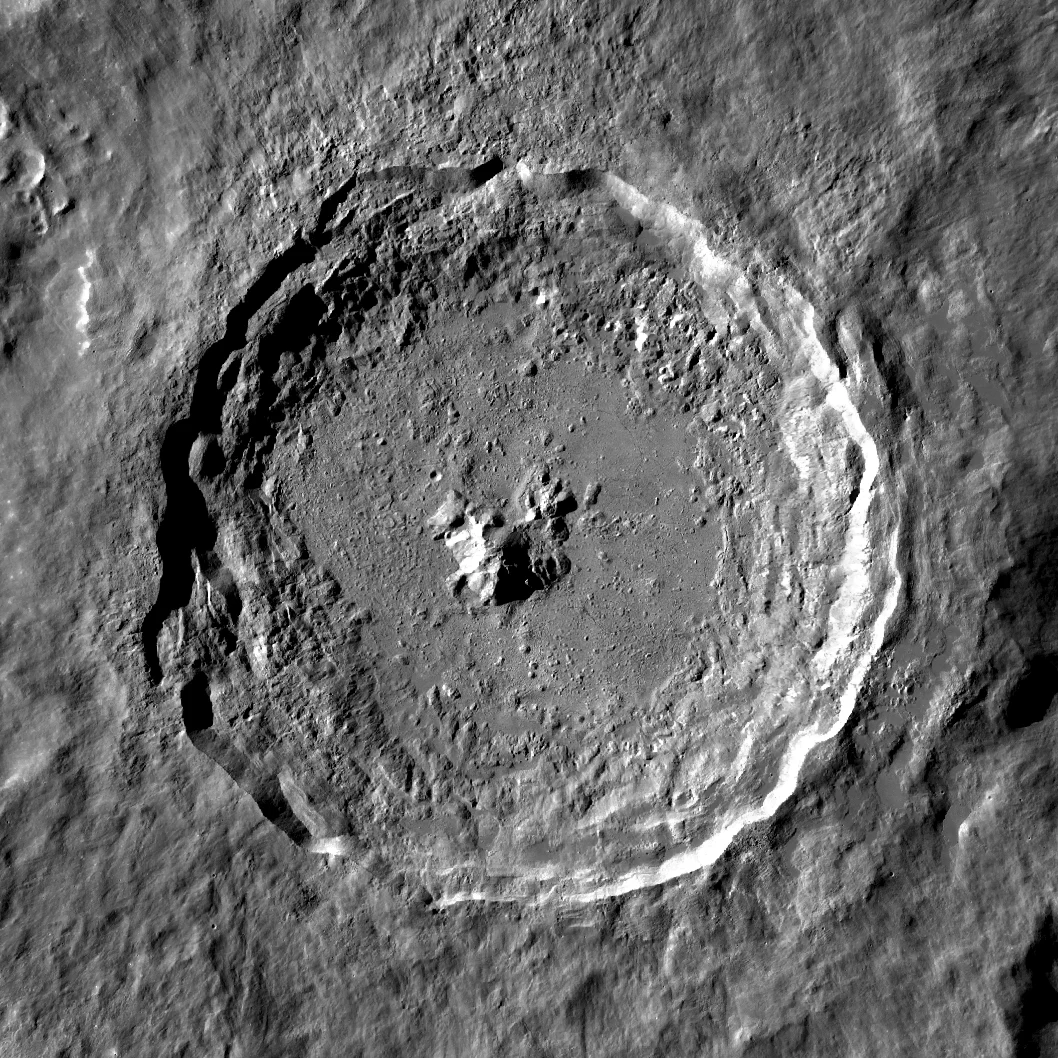
The Moon's surface bears the marks of billions of years of bombardment: unlike Earth, there is no atmosphere, wind, or water to smooth out the impacts. Therefore, each new crater remains virtually unchanged. The recent impact was a unique case for science. The Lunar Reconnaissance Orbiter allowed us to compare images of the surface before and after the impact and study the consequences with high precision. 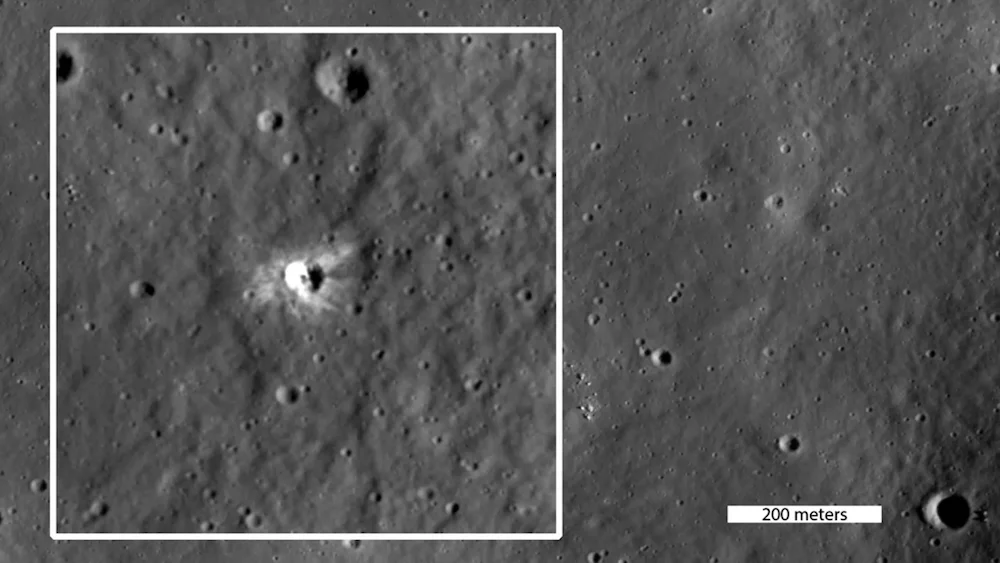
The new crater is more than three times larger than the previous record-breaking crater recorded during the mission. Scientists estimate that similar impacts occur in the same area of the Moon approximately once every 139 years, so observing the aftermath so soon after the event is a stroke of luck.
The crater is approximately 43 meters deep, and its walls are so steep that it's difficult to hold onto. Enormous rock fragments are scattered around it, some up to 13 meters across.
An analysis of the distribution of the ejected material allowed us to reconstruct the impact direction: the celestial body came from the south-southwest and ejected the bulk of the debris in a northerly direction. Of particular interest were patches of dark material within the crater. Researchers believe this is rock melted by the impact and instantly solidified, turning into glass.
This was reported by the portal Universe Today.
Add your comment
You might be interested in:












In Ukraine there is a famous buyer for the most extreme
Barringer Crater in Arizona - a giant impact bowl,
Hundreds of black "spiders" spotted on Mars (3
Tourists got to the edge of the crater of the Dukono
Tourist shows best-preserved meteorite impact site on Earth
Abedin Crater: Mercury's Volcanic Mystery (4 photos)
An interactive image of the Moon, which allows you to see

A man from Arkansas accidentally discovered a 4.87-carat
Impressive footage of the collapse of the volcano crater in

How to start a 102-liter engine

Protective film Removing it with a power screwdriver

When a child plays hide-and-seek at a professional level

Man sets up bedroom camera and discovers the reason for his

Super dads who swoop in to save the day

Precision carpentry

Looks like it's time to buy WinRAR
How to hang wallpaper neatly

How metal buckets are made in Pakistan
