This composite image of the "inner world" of Mercury's Abedin crater was stitched together from dozens of images obtained by NASA's MESSENGER spacecraft. Abedin is one of the most intriguing geological structures on the surface of the closest planet to the Sun. 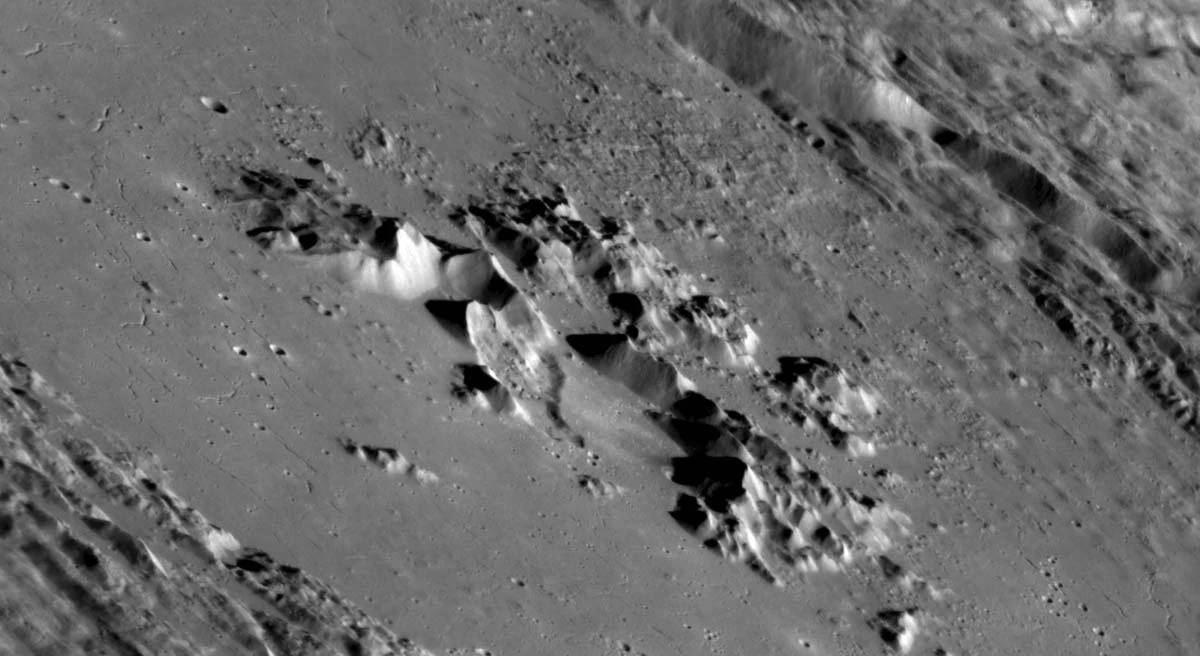
Abedin Crater
The crater was named after Bangladeshi artist Zeinul Abedin (December 29, 1914 – May 28, 1976).
The crater, with an average diameter of 116 kilometers, was formed by the impact of a large asteroid. The numerous mountains on the crater floor are solidified rock that was molten by the release of the colossal energy during the impact. 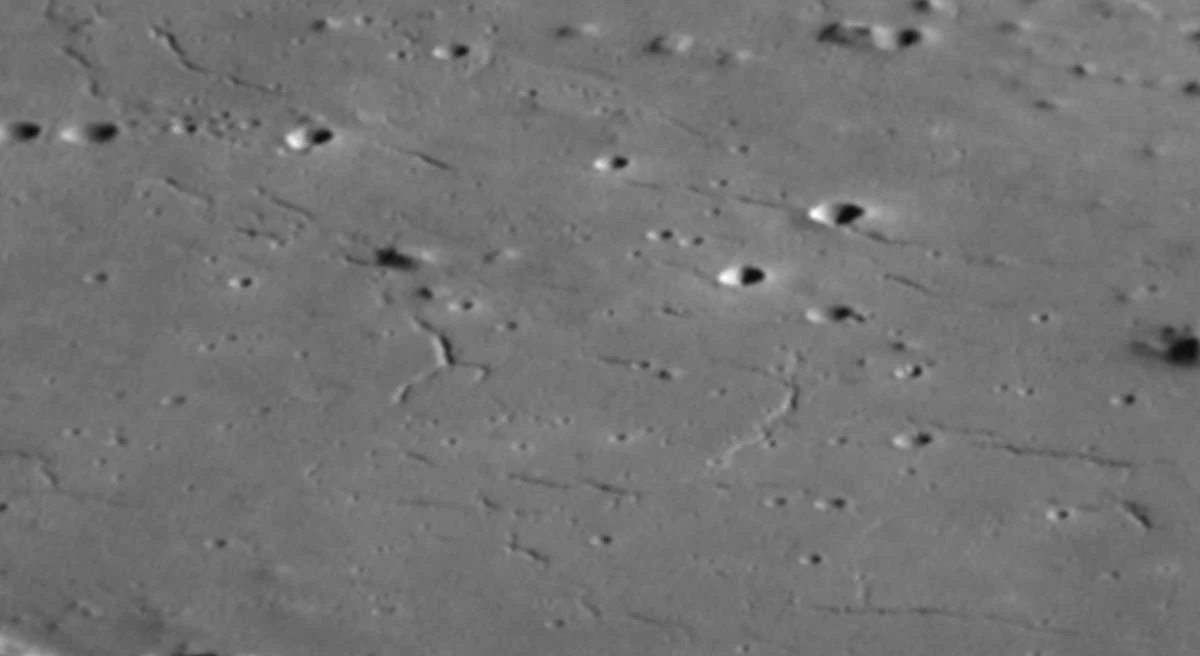
Note the characteristic cracks formed during the rapid cooling of this molten mass.
Data obtained by MESSENGER showed that the central region of the crater is surrounded by pyroclastic deposits containing high concentrations of sulfur, as well as traces of volatile sulfur compounds (SO2, SO3), which are characteristic of explosive volcanic products. Elevated concentrations of potassium, sodium, and chlorine were also recorded in these deposits. Similar deposits have been found in other regions of Mercury. It was initially assumed that volcanic activity in Abedin Crater could have been a direct result of an impact event. However, dating of the volcanic deposits showed that they formed significantly later than the formation of the crater itself, indicating independent internal geological processes. 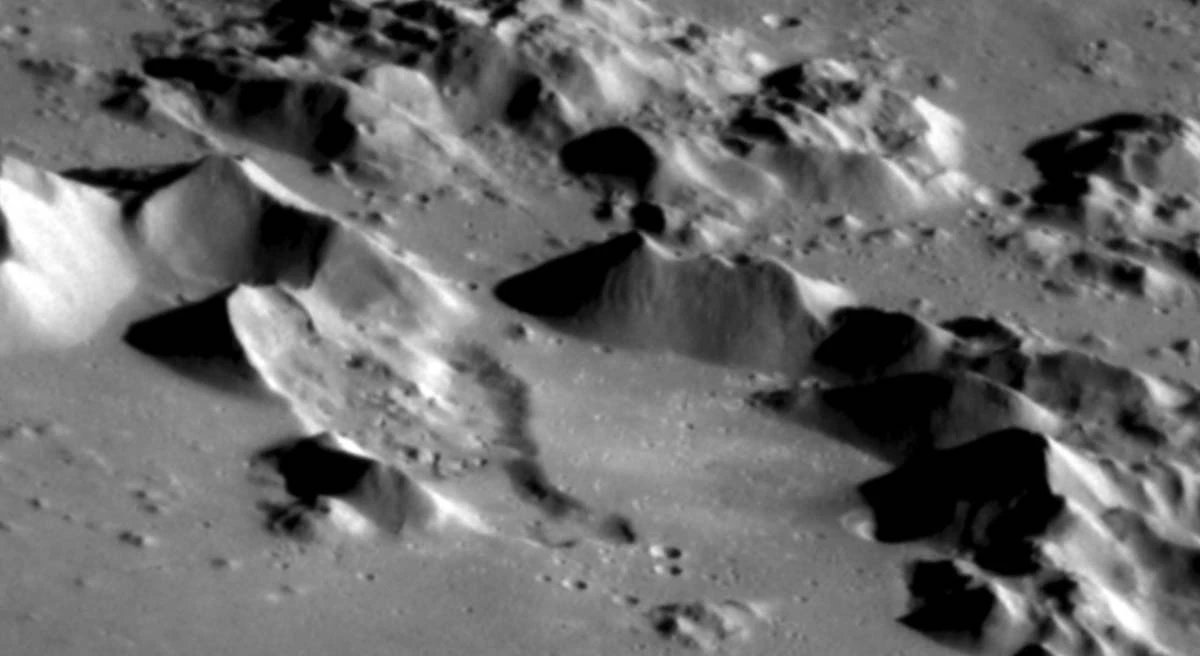
The mountains on the crater floor are solidified rock.
For a long time, scientists believed that Mercury was a geologically dead planet, losing its internal activity shortly after its formation. However, the discovery of traces of volcanic eruptions dating back to about one billion years ago suggests that internal geological processes continued for much longer than previously thought. Although the planet is likely geologically inactive now, these findings are fundamental for refining models of Mercury's thermal history and the evolution of the terrestrial planets (Mercury, Venus, Earth, and Mars) in general. 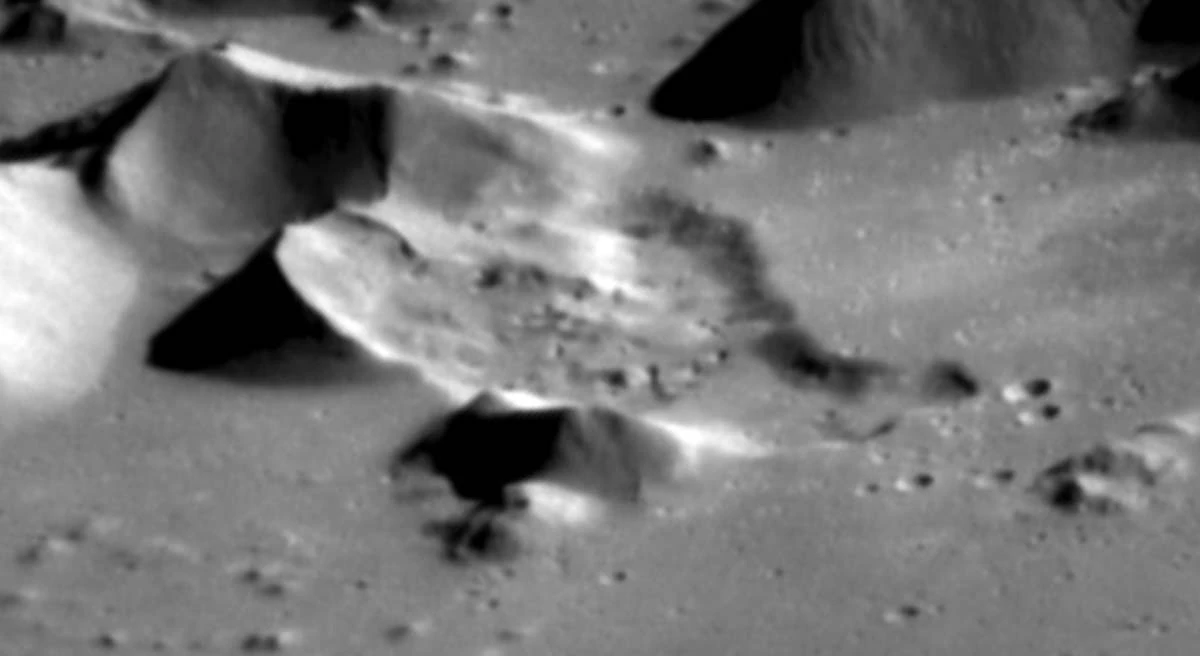
This depression may be related to past volcanic activity.
MESSENGER is the first spacecraft ever to orbit Mercury. During more than four years of exploration, from 2011 to 2015, the probe transmitted over 250,000 images and a vast array of invaluable scientific data back to Earth, completely changing our understanding of the planet closest to the Sun.
The MESSENGER mission ended on April 30, 2015, when the spacecraft ran out of fuel and crashed onto the surface of Mercury. The baton for exploring Mercury was taken up by the European-Japanese probe BepiColombo, which launched on October 20, 2018. It is scheduled to enter orbit in November 2026.
Add your comment
You might be interested in:













17 Photos That Will Stop You in Your Tracks (18 Photos)

Behind the Camera on 'Back to the Future' (45 Photos)

What Would Happen to a Human on Every Planet in the Solar
Stunning Views of the Martian Horizon from 400 Kilometers

20+ Fascinating Photos of Rare and Unusual Sightings (40

50 Incredible Treasures People Rescued From the Trash (51

22 Examples of Pure Design Genius That Deserve a Huge

Hard to Believe Your Eyes: 20 Unreal Photos With

The Sexual Customs of the Vikings: Why an Older Partner Was
