Archaeologists have discovered a cache of 7,000-year-old ostrich eggs in the Israeli desert (4 photos)
Remains of a fire pit were also discovered—ancient nomads used it to make omelets. 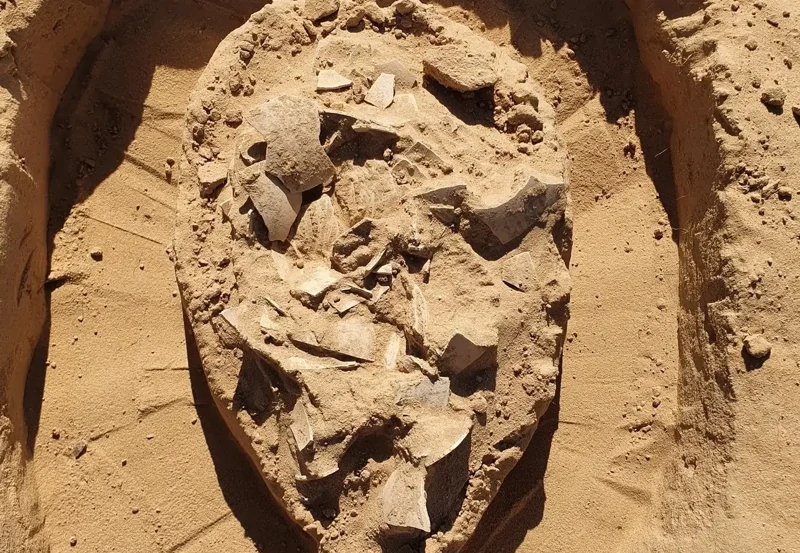
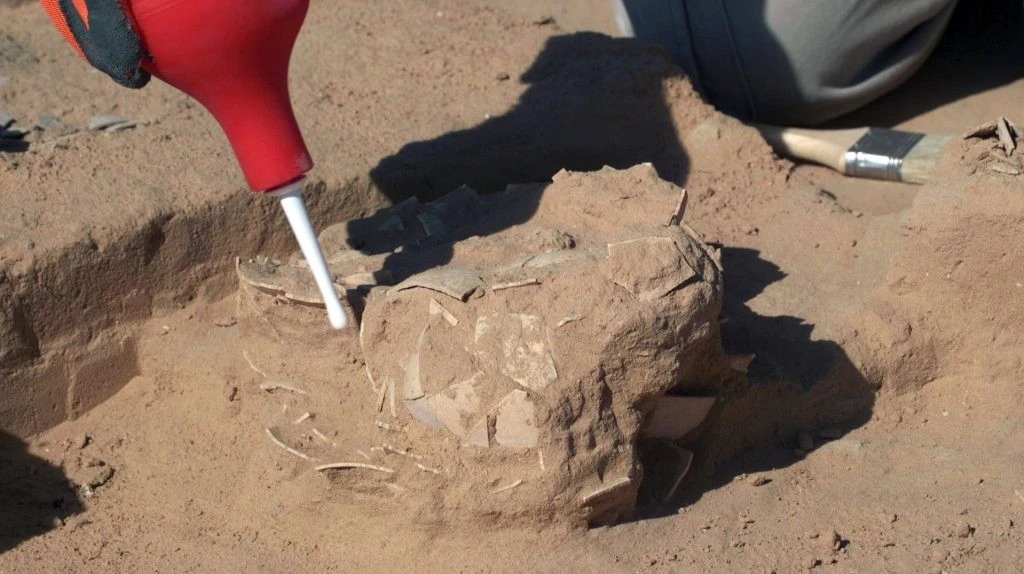
A cache of 7,000-year-old ostrich eggs was discovered during excavations near Nitzana in southern Israel. The Israel Antiquities Authority (IAA) announced the discovery on Sunday.
The eggs were found near the remains of a fireplace. Scientists believe it belonged to prehistoric desert nomads, who collected, cooked, and ate the eggs on the spot.
"The proximity of the eggs to the hearth and the nature of their placement indicate that this was not a natural clutch, but a deliberately collected hoard. One egg was found right inside the hearth, supporting the theory that they were used for food," says IAA archaeologist Lauren Davis, who studies the nomadic cultures of the Negev and Arava. 
According to her, the desert conditions contributed to the preservation of the find.
"Such sites are quickly covered by sand, and then, over hundreds and thousands of years, as the dunes move, they are exposed again," explains the researcher. "This is precisely what allowed the eggs to be so exceptionally well preserved—they usually don't reach us." We are fortunate: these excavations have opened a window into the lives of the nomads who roamed here during that era." 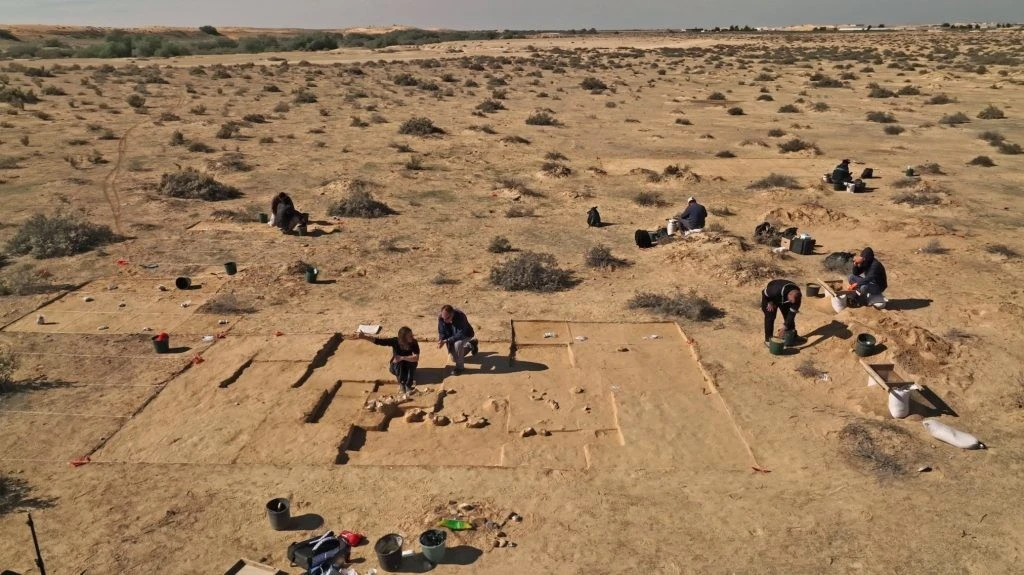
According to the IAA, ostriches were common in these parts until they became extinct in the 19th century. Their eggs were highly prized for various purposes.
"In archaeological sites, ostrich eggs are found in funerary contexts, as luxury items, and as water flasks." "Of course, they were also used as a food source: one ostrich egg has the nutritional value of about 25 regular chicken eggs," said Amir Gorzalchani, the department's leading researcher. "Interestingly, ostrich eggs are a common find during excavations, unlike bones. This may indicate that in ancient times, people avoided hunting ostriches and limited themselves to collecting their eggs."