Unique Historical Footage That Will Take You Back in Time (21 photos)
Today's selection of rare and fascinating photographs takes us back to the 19th century—a time of great change, discovery, the rise of empires, and the first steps into a new era. 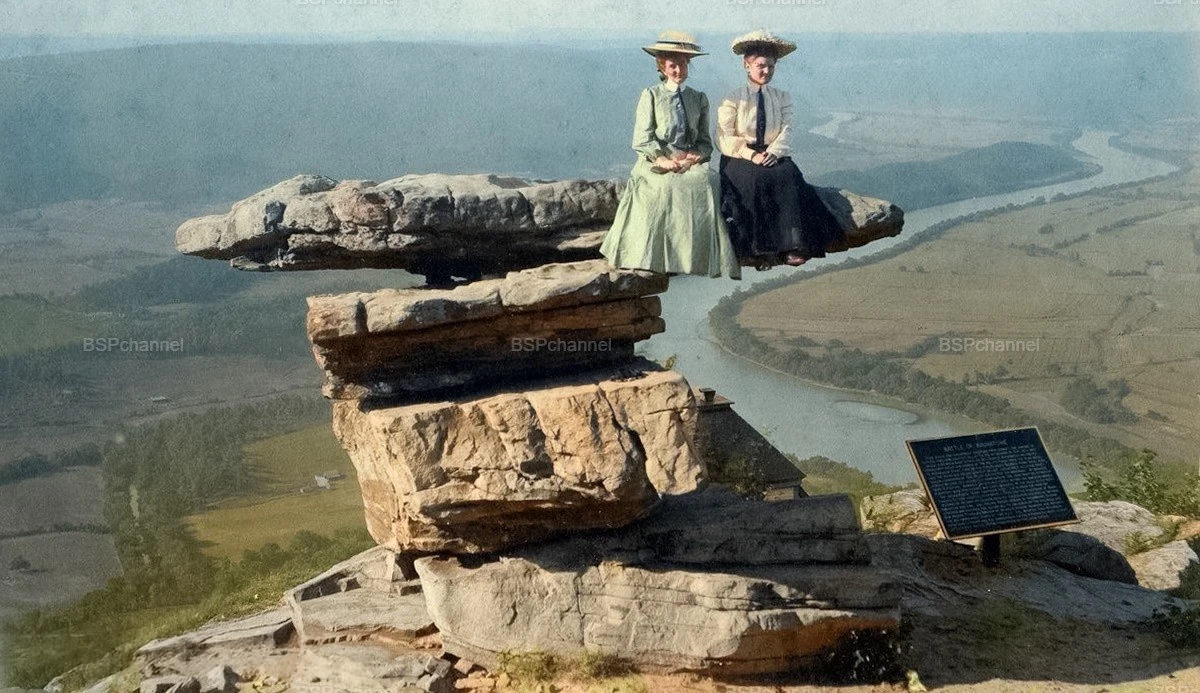
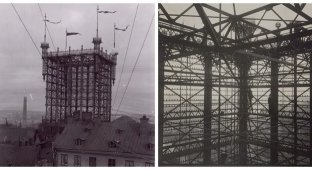
Telephone tower in Stockholm, late 19th century. 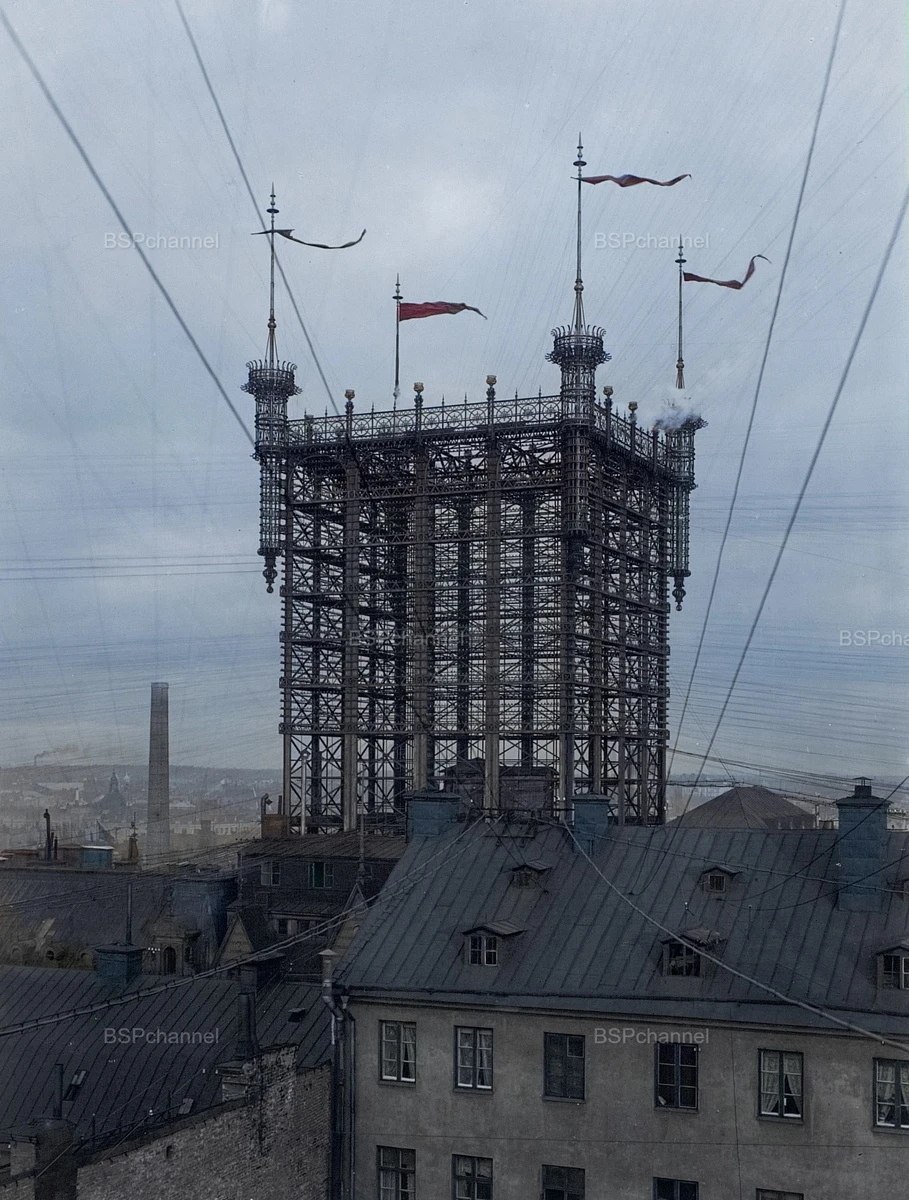
The Old Stockholm Telephone Tower is a metal structure erected to connect approximately 5,500 telephone lines in the Swedish capital. Built in 1887, the tower served its intended purpose until 1913. In 1952, it was seriously damaged by fire and dismantled a year later.
A telephone tower worker in Stockholm, late 19th century. 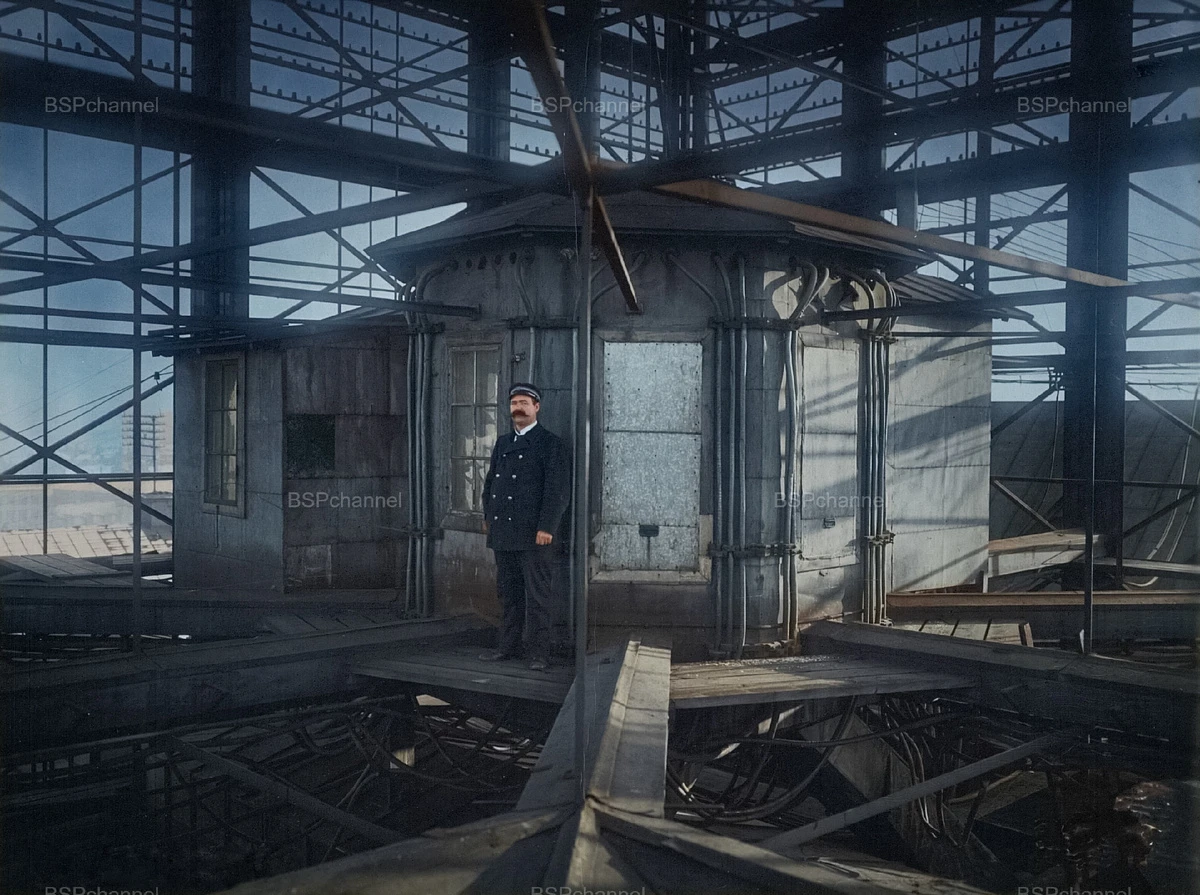
In 1887, Stockholms Allmänna Telefon AB initiated construction of a tower that would connect approximately 5,500 telephone lines. The 80-meter-tall, rectangular metal structure soon drew criticism from local residents. In response, the company commissioned architect Fritz Eckert to redesign the tower's exterior, adding four small turrets to its roof. As urban infrastructure developed, the tower quickly lost its relevance: telephone companies began to rapidly switch to underground cables. By 1913, the underground lines were completely completed, and the tower ceased to be used for its intended purpose. After 1939, it housed an advertisement for the Nordiska Kompaniet department store. On July 23, 1952, a fire weakened the tower's structure, and it was demolished in 1953 for safety reasons.
Gottlieb Daimler and engineer Josef Brech in 1886. 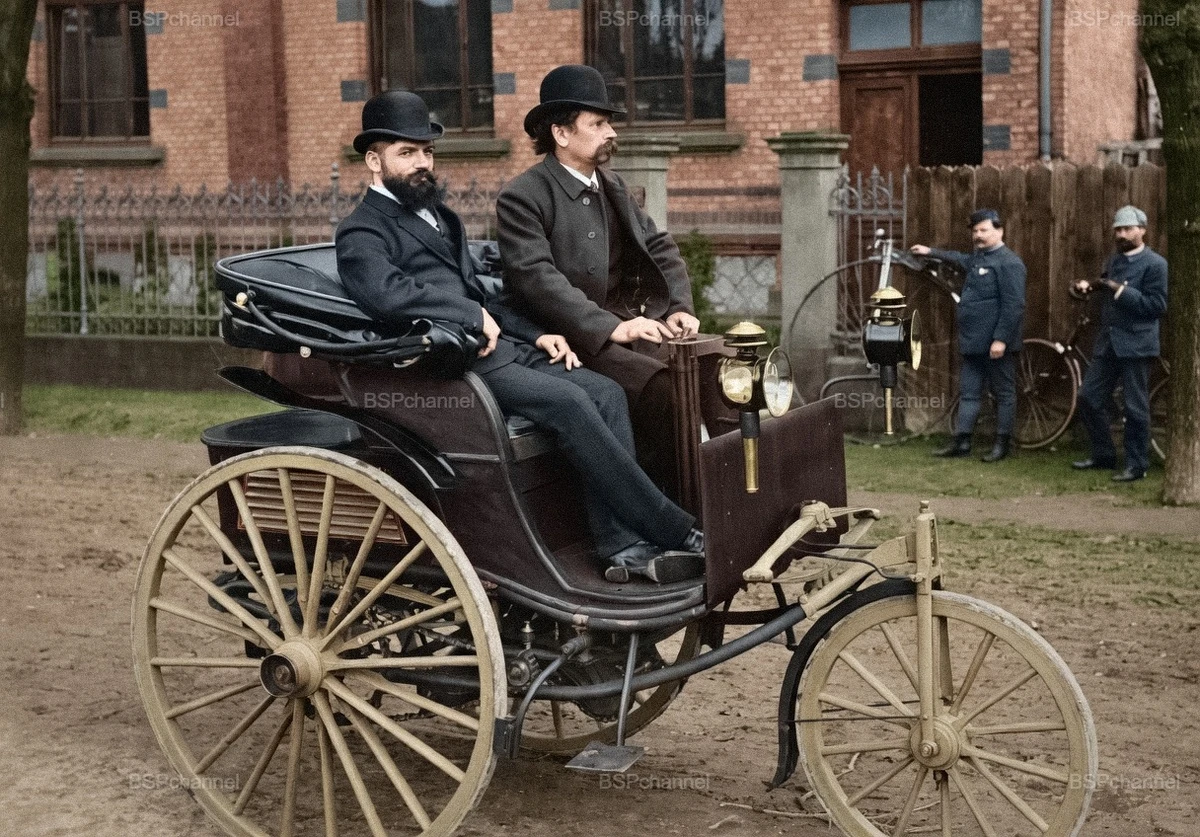
When discussing the history of the automobile industry, it's impossible not to mention Gottlieb Daimler. As early as 1883, he received a patent for his internal combustion engine, which, as it later turned out, was suitable for various modes of transport. Soon, the inventor also focused on the creation and sale of automobiles. Over the next two decades, steam, electric, and gasoline-powered models competed intensely. The lack of clear design standards led to a stunning diversity of automobiles of the time. It wasn't until the 1910s that gasoline internal combustion engines achieved virtually undisputed dominance.
Roller coaster at the 125-room Arcadia Hotel, which opened in 1887, late 19th century. 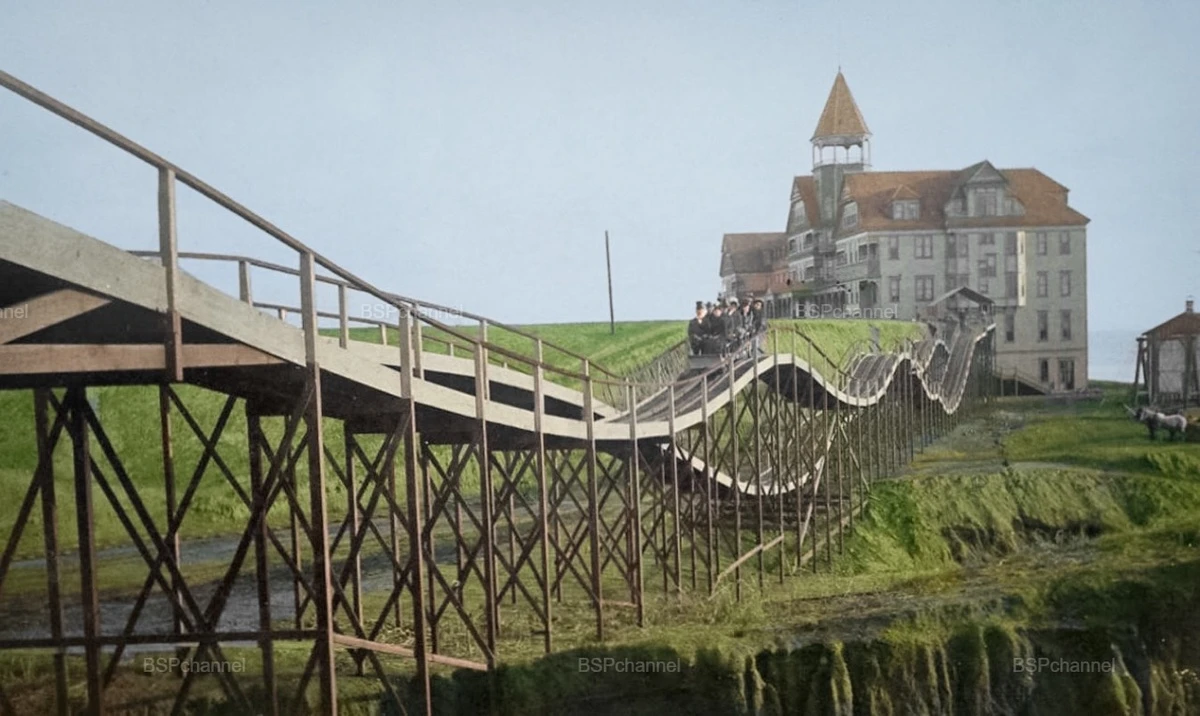
The roller coaster at the Arcadia Hotel was one of the most unusual attractions of the California resort scene of the late 19th century. The hotel itself, which opened on January 24, 1887, in Santa Monica, boasted 125 rooms and was considered one of the most luxurious in Southern California, second in size only to the Raymond Hotel in Pasadena. Its main engineering marvel was the Thompson Gravity Switchback Railroad, a unique railway that served as a guest shuttle. It connected the hotel with the Southern Pacific station, located approximately 500 feet (150 meters) away. The track ran through a deep ravine approximately 150 meters wide. The carriages were propelled without coal, relying solely on gravity, offering guests thrills comparable to modern amusement parks. The structure was short-lived: according to some sources, it operated from 1887 to 1889. Unfortunately, the Arcadia only lasted a short century. The economic crisis of 1893 dealt a serious blow to the resort business, and by 1908, the building was already empty. In 1909, the hotel was demolished. Today, the Casa Del Mar and Shutters on the Beach hotels stand on its site.
No. 6 High Street in Streatley, West Berkshire. England, 1885. 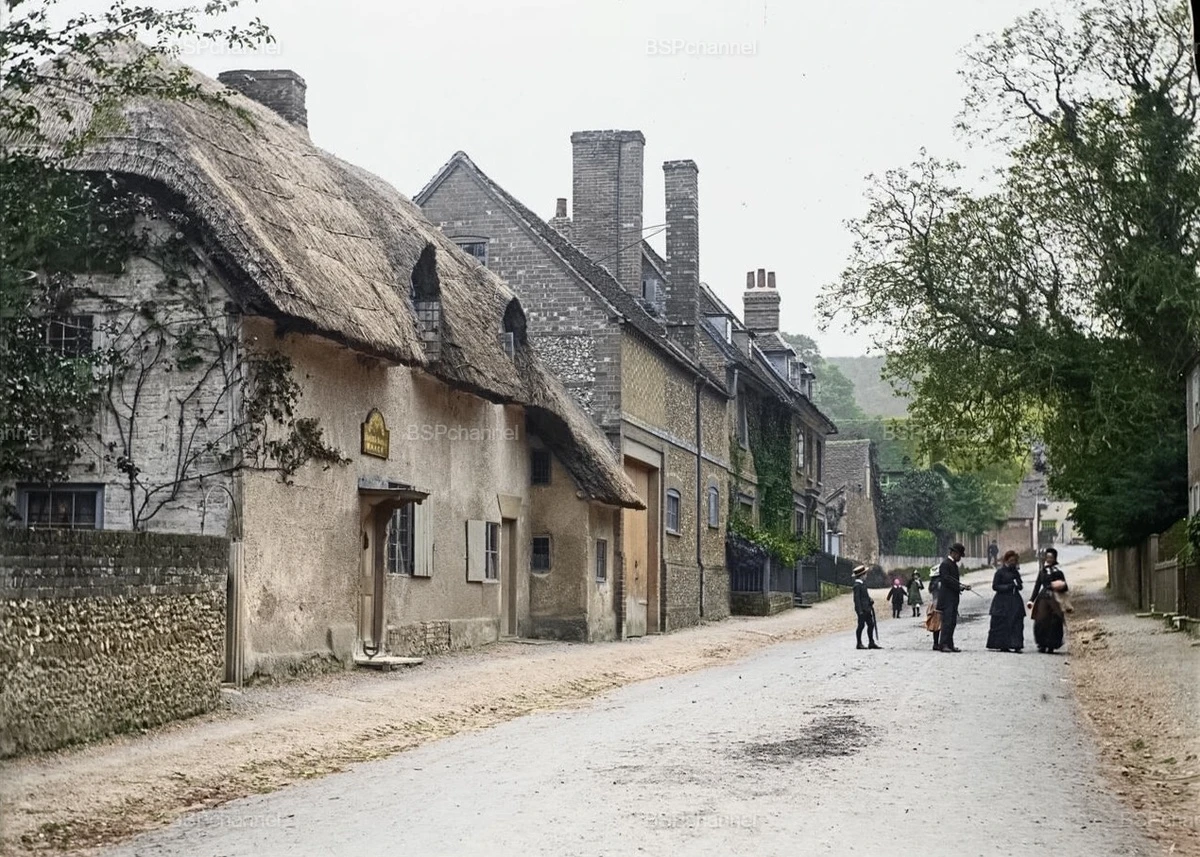
The street and some houses remain to this day.
Construction of the Forth Bay Bridge. Scotland, 1890. 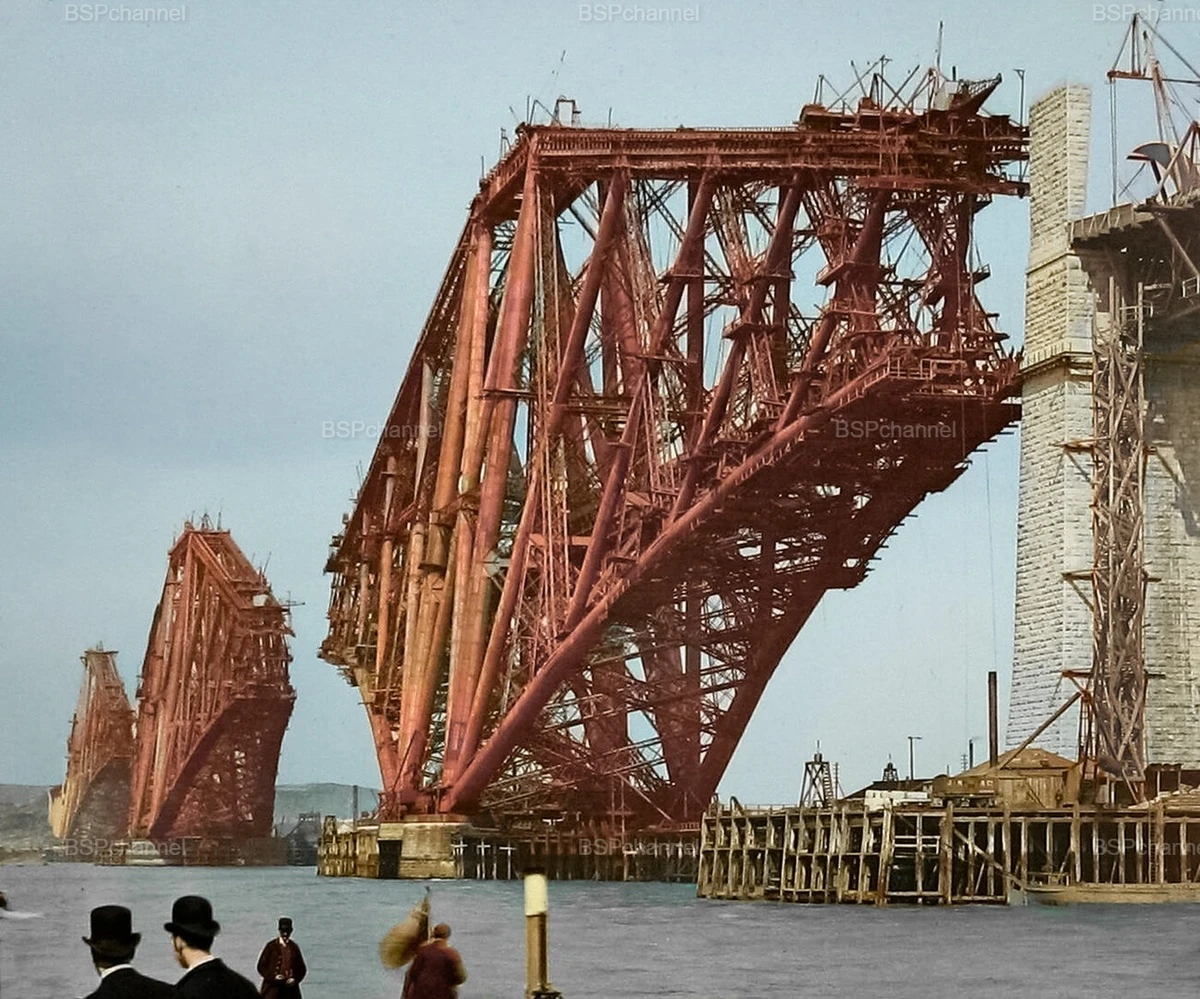
The Forth Bridge, opened on March 4, 1890, was one of the greatest engineering achievements of the Victorian era. It is a cantilever railway bridge connecting Edinburgh, the capital of Scotland, with the Fife region on the northern shore of the Forth. The Forth Bridge's most distinctive feature is its incredible strength. Constructed of wrought iron, it consists of three cantilever sections, totaling 2,529 meters in length. The two main piers rise to a height of 110 meters, providing a navigable span 520 meters wide. March 4 marked the 136th anniversary of the opening of Scotland's most beloved bridge. This bridge was perfect in every way except one: its enormous metal structure had to be continually painted to prevent corrosion. The Cambridge International Dictionary of Idioms even coined the phrase "like painting the Forth Bridge," which describes a process that takes so long that by the time it's finished, everything has to be started over again. In 2015, the Fort Bridge was inscribed on the UNESCO World Heritage List as an outstanding example of engineering.
View of Umbrella Rock and Lookout Mountain. Tennessee, USA, 1864. 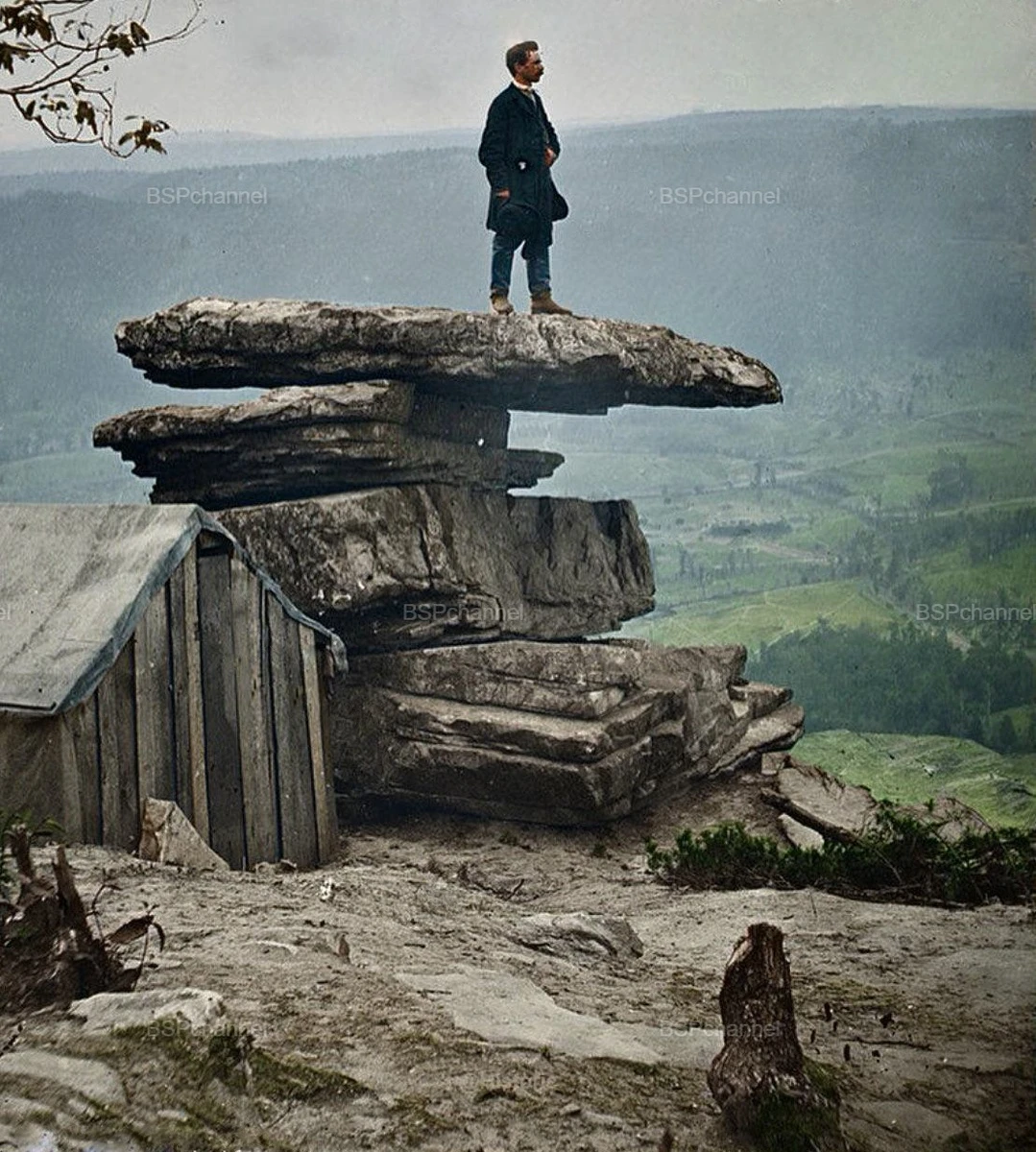
Lookout Mountain is a narrow southwestern spur of the Cumberland Plateau, stretching 120 kilometers from the bend of the Tennessee River in Tennessee through northwest Georgia to Alabama. At its northeastern end, overlooking the river valley and the city of Chattanooga, lies a picturesque rock outcrop known as Point Lookout. It is here, at the very top, that one of the most unusual natural landmarks is located – Parasol Rock, named for its distinctive shape: a huge flat rock balanced on a narrow base, resembling an open umbrella.
Women sitting on Parasol Rock, 1900. 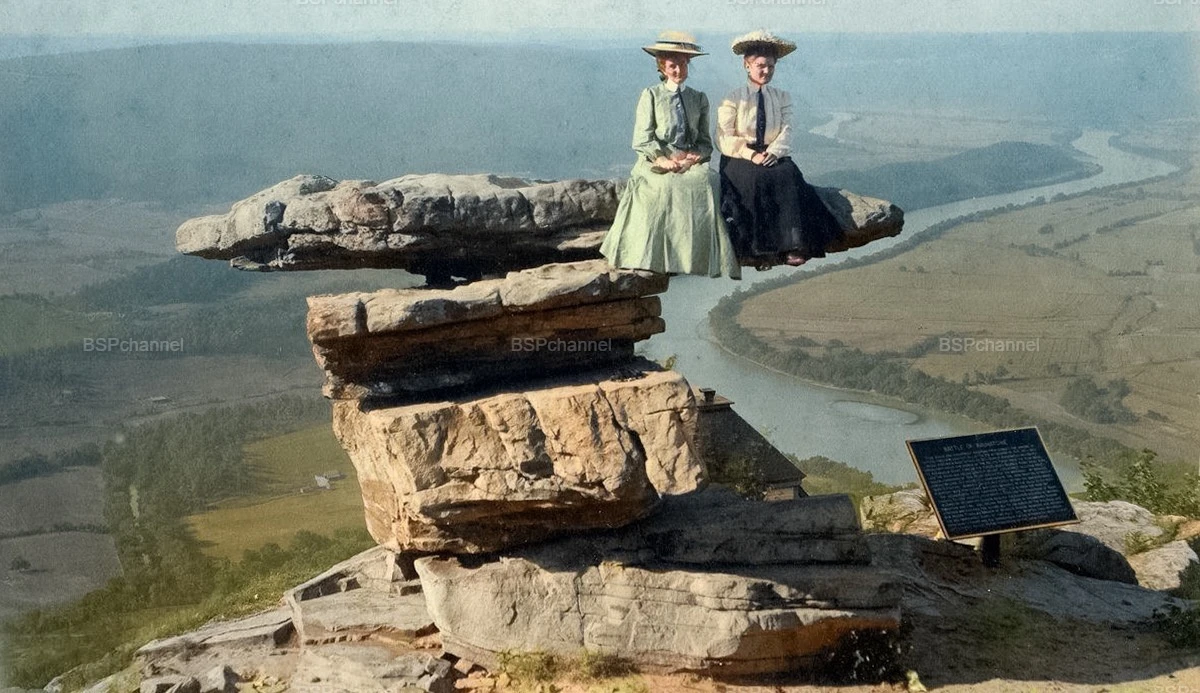
A family transfers from a cart to a coastal rowboat on an English beach, circa 1900. 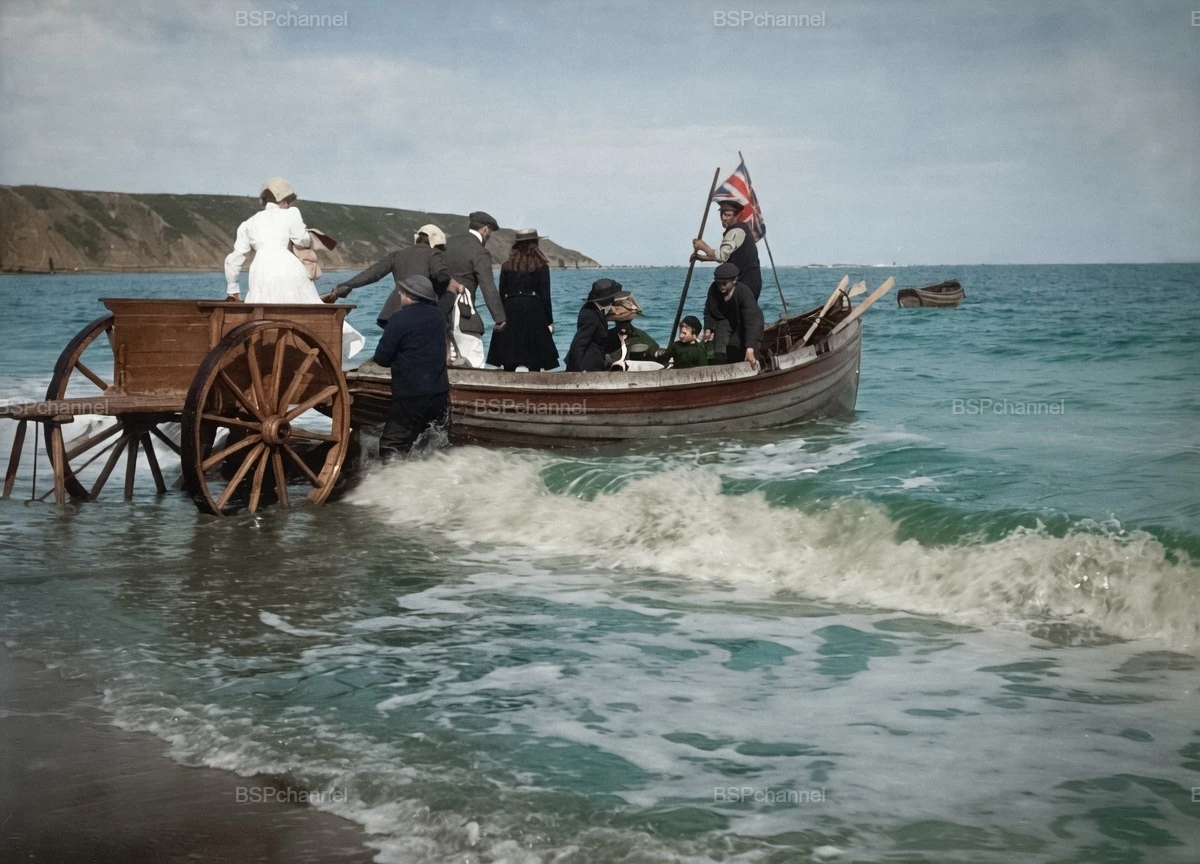
Countess di Castiglione, 1861-67. 
Photographer: Pierre-Louis Pierson
Countess Virginia di Castiglione, or simply La Castiglione, née Marchesa Virginia Elisabeth Louise Carlotta Antoinette Teresa Maria Oldoini, was an Italian aristocrat, Parisian socialite, and fashion model.
Man with a Cart. Cuba, 1899. 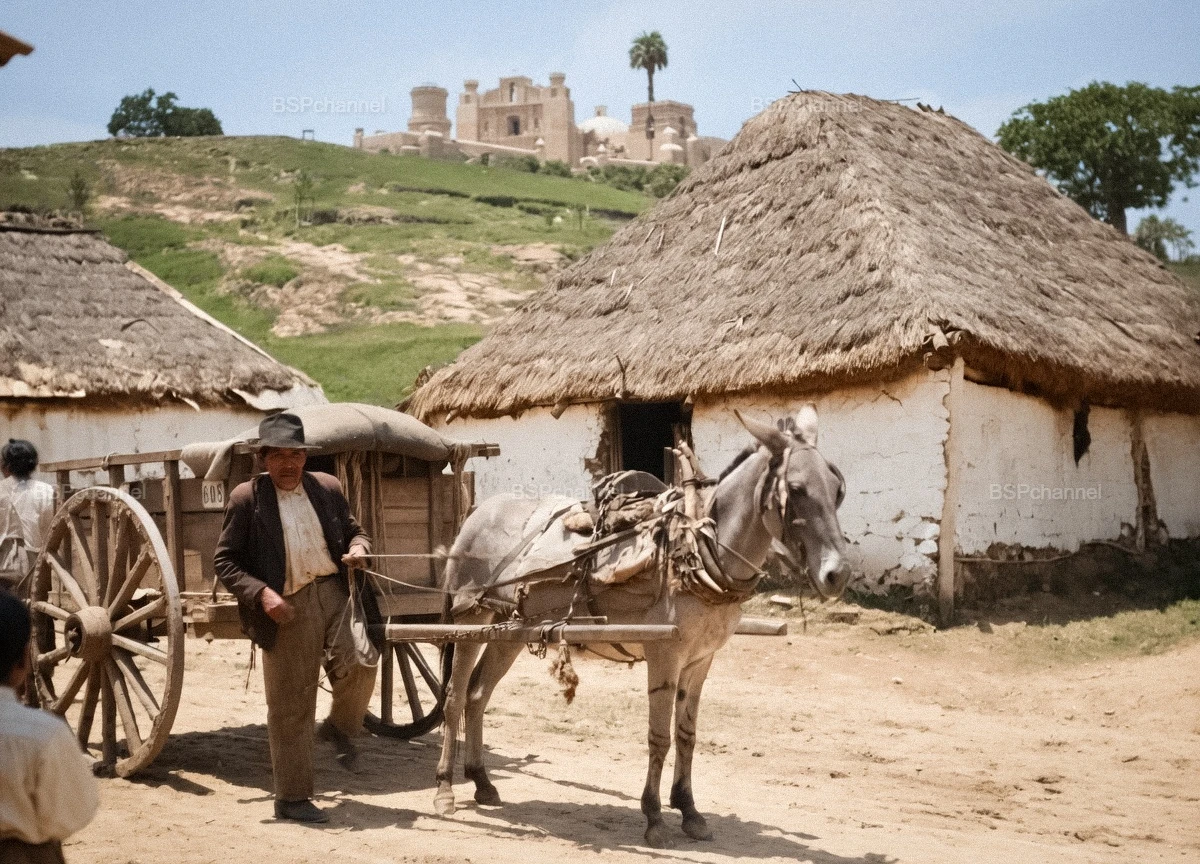
Photographer: Arnold Genthe
Fishing Boats Leaving Macau, 1869. 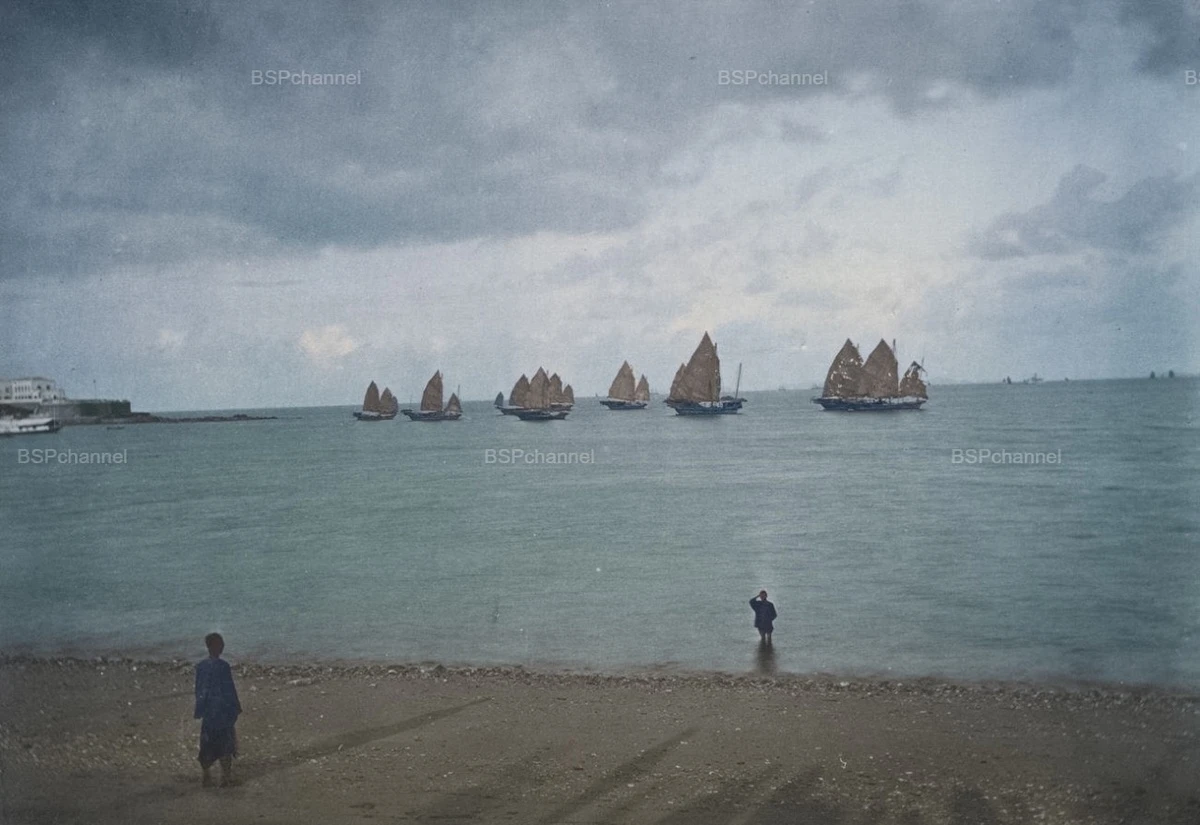
Photographer: John Thomson
Horseshoe Falls, Niagara Falls, Ontario, Canada, 1869. 
London's homeless children in the 1890s. 
Tommy Neil pushes one of his brothers in a homemade wheelbarrow. The boys' mother died two years earlier; her death certificate clearly lists the cause of death as "emaciation." In the 1890s, Victorian London faced a widespread problem of child homelessness. Thousands of children, known as "street urchins" or "waifs," survived on the city's streets. Many of these children were orphans, but a significant number came from dysfunctional families plagued by alcoholism, neglect, and unemployment.
Two men with a cart, 1897. 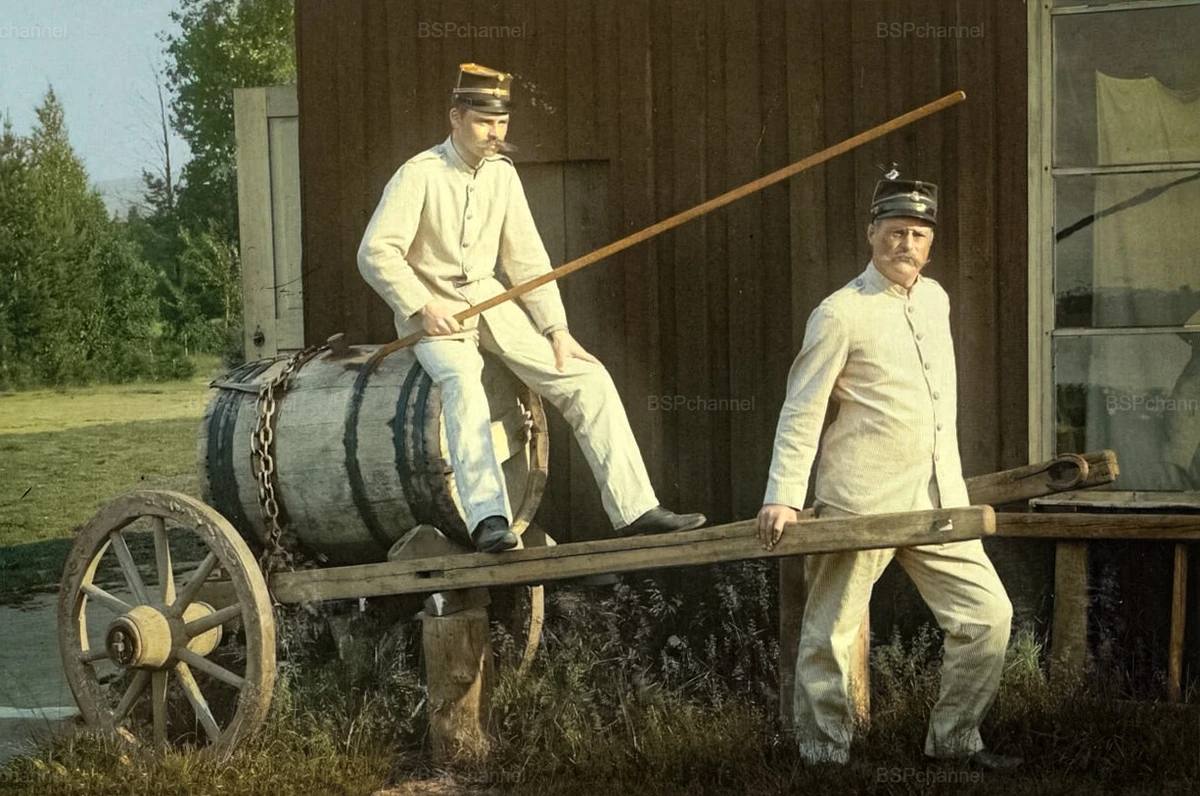
Photographer: Hannah Groberg
The top of Rue Champlain in the 20th arrondissement. Paris, 1877. 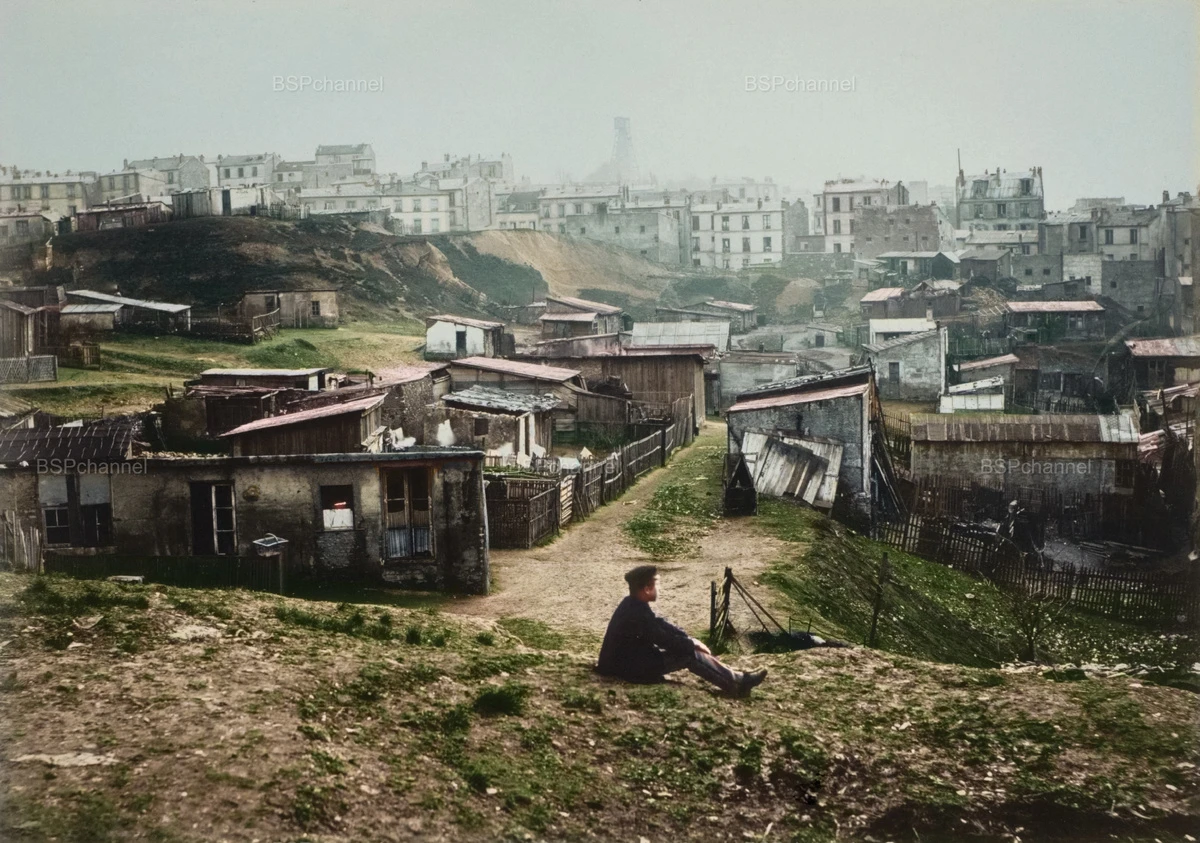
Located in one of the poorest suburbs of Paris, Rue Champlain was for many years considered the most neglected and impoverished area of the capital.
A bride preparing for her wedding. England, 1890s. 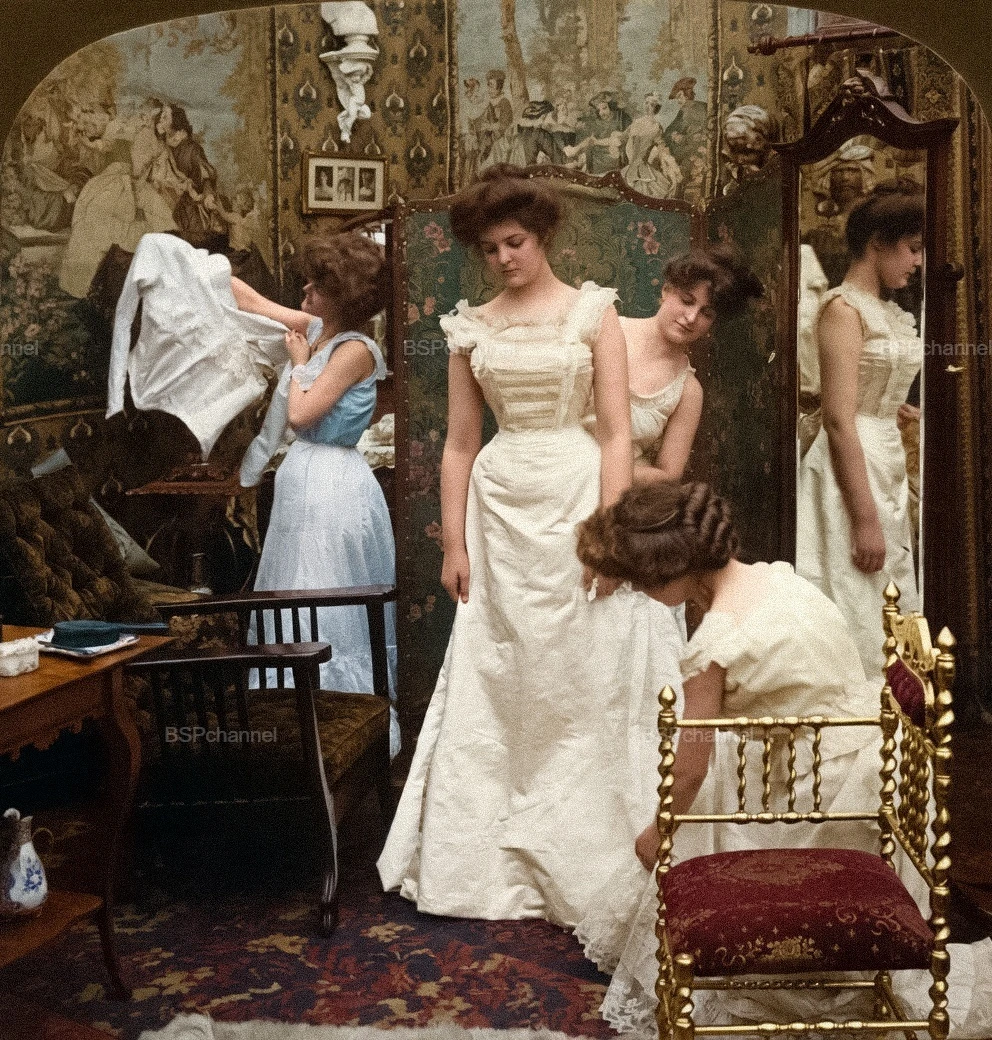
Old French Market in New Orleans, 1880. 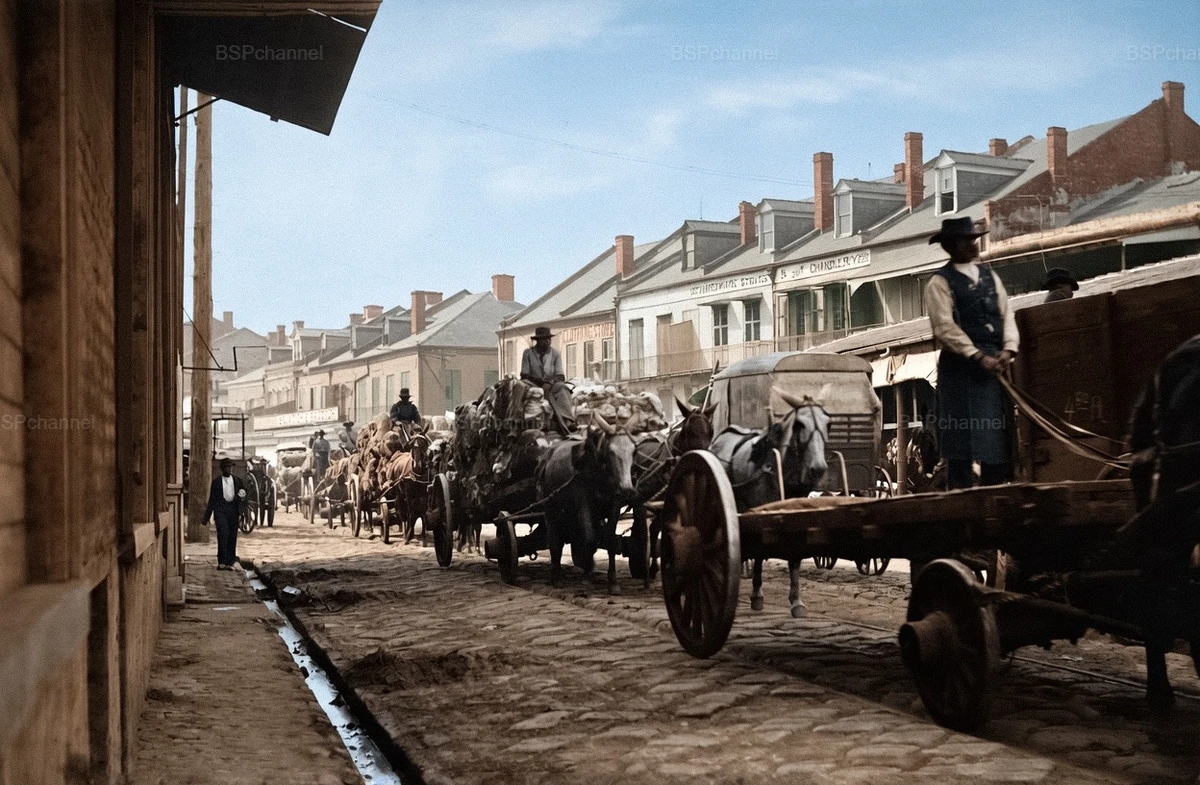
Photographer William Henry Jackson
New York City, late 19th, early 20th century. 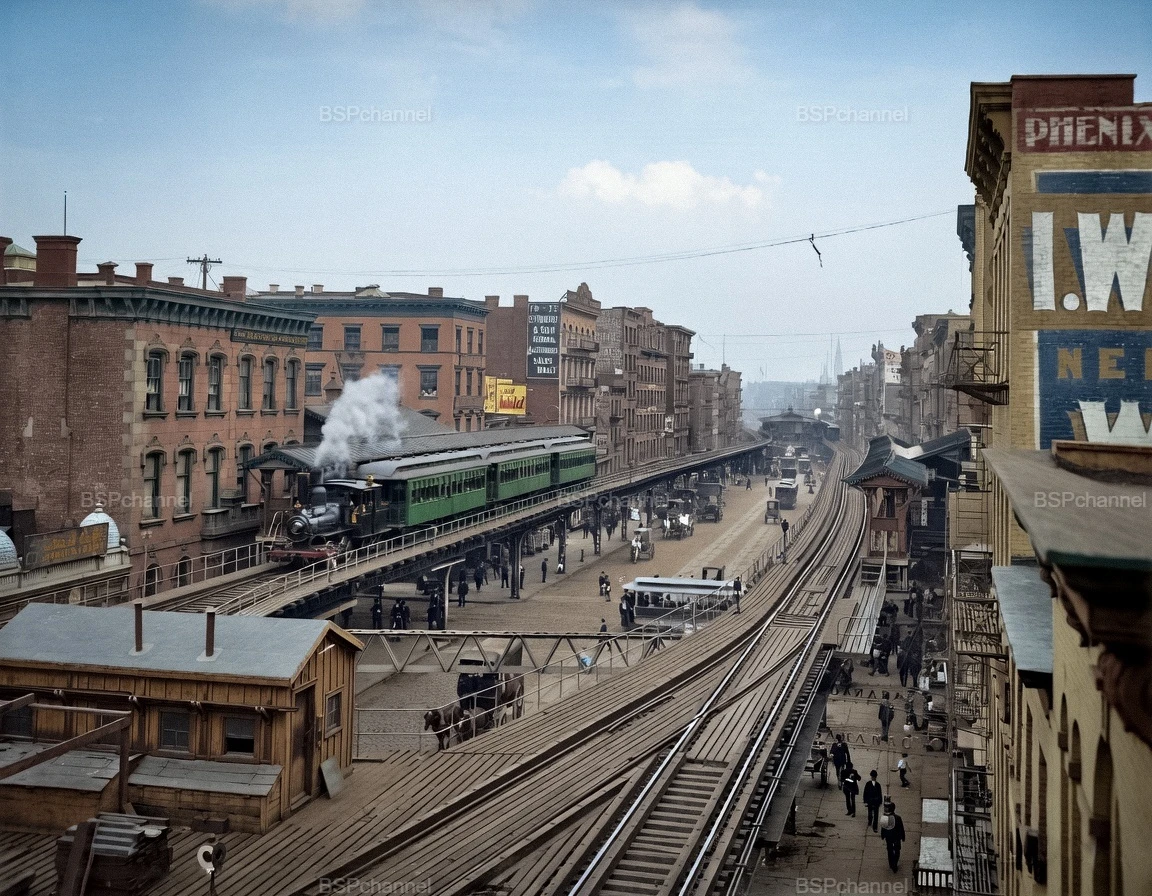
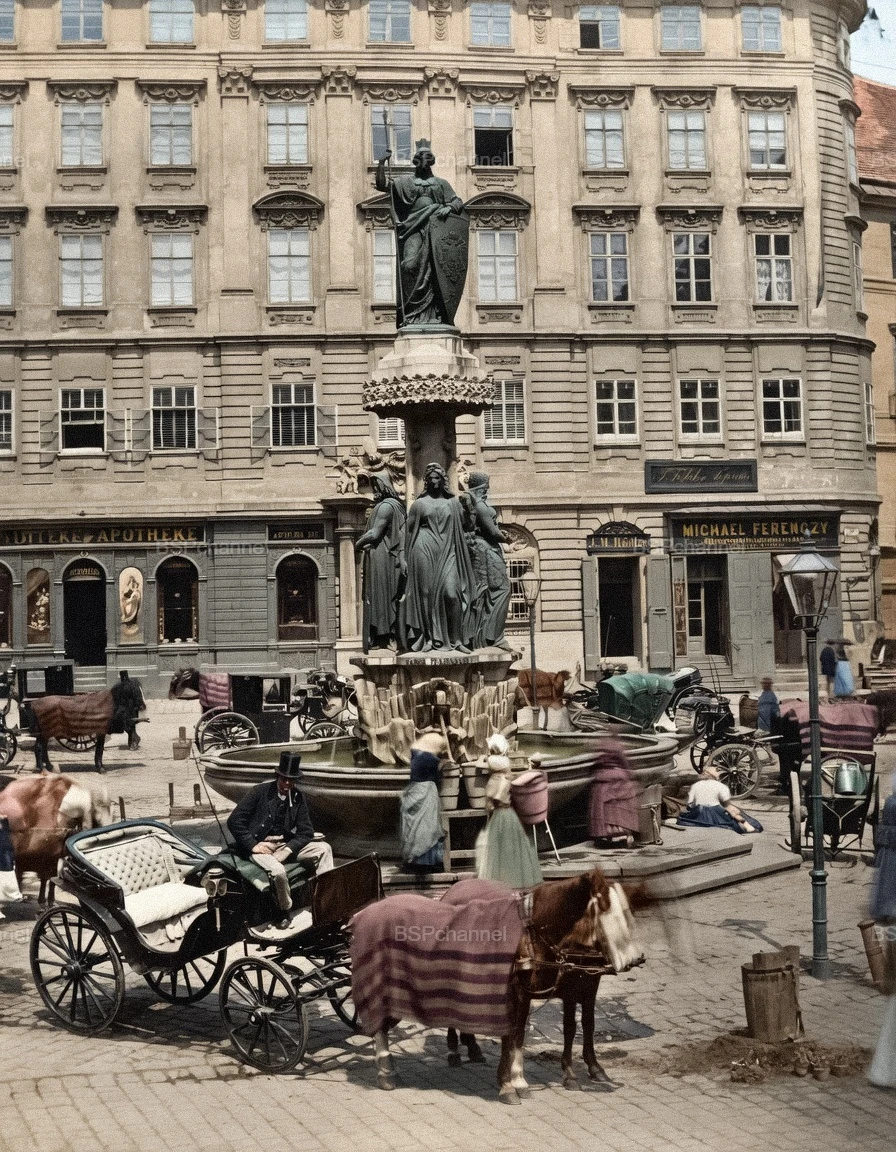
Horse-drawn carriage near the fountain on Freyung Square, Vienna, Austria, 1860-1890.