How do scientists explain the Ten Plagues of Egypt? (9 photos)
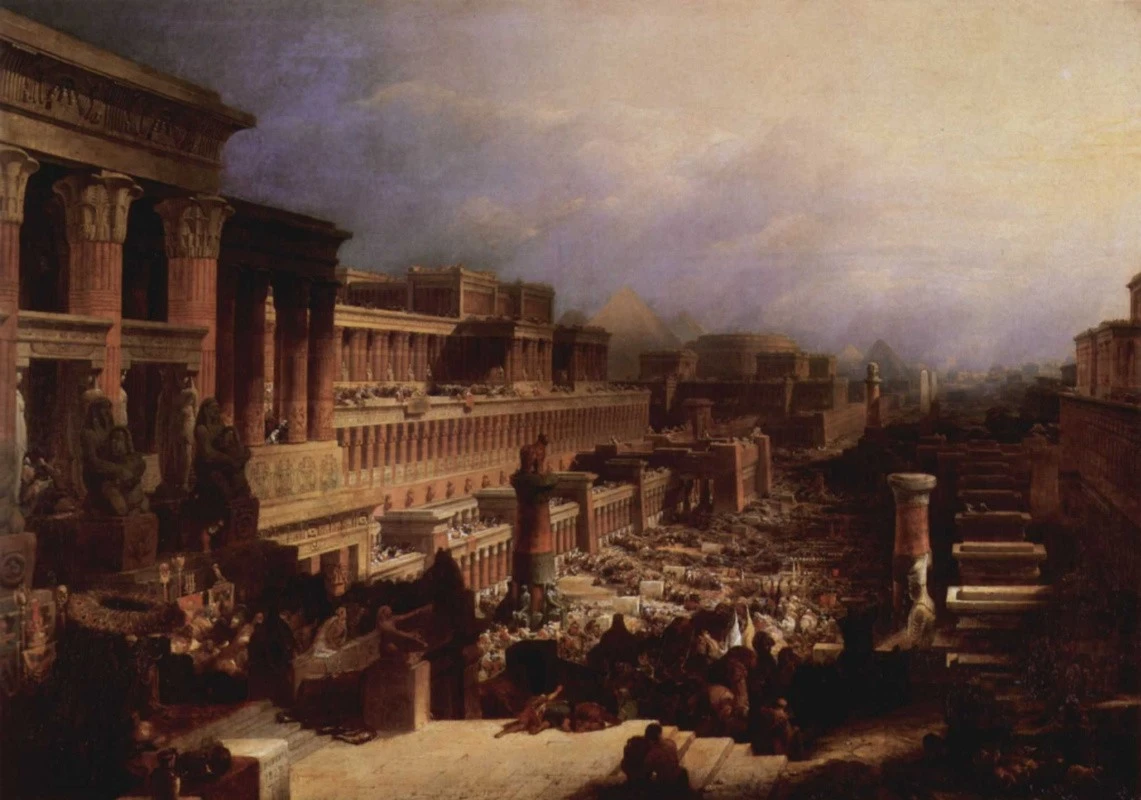
The story of the Ten Plagues that befell Egypt for Pharaoh's refusal to release the Jewish people from slavery is one of the most dramatic and well-known stories in the Old Testament. For centuries, it was considered part of the sacred text, requiring no proof. But can modern science find a grain of truth in the description of events three thousand years ago?... 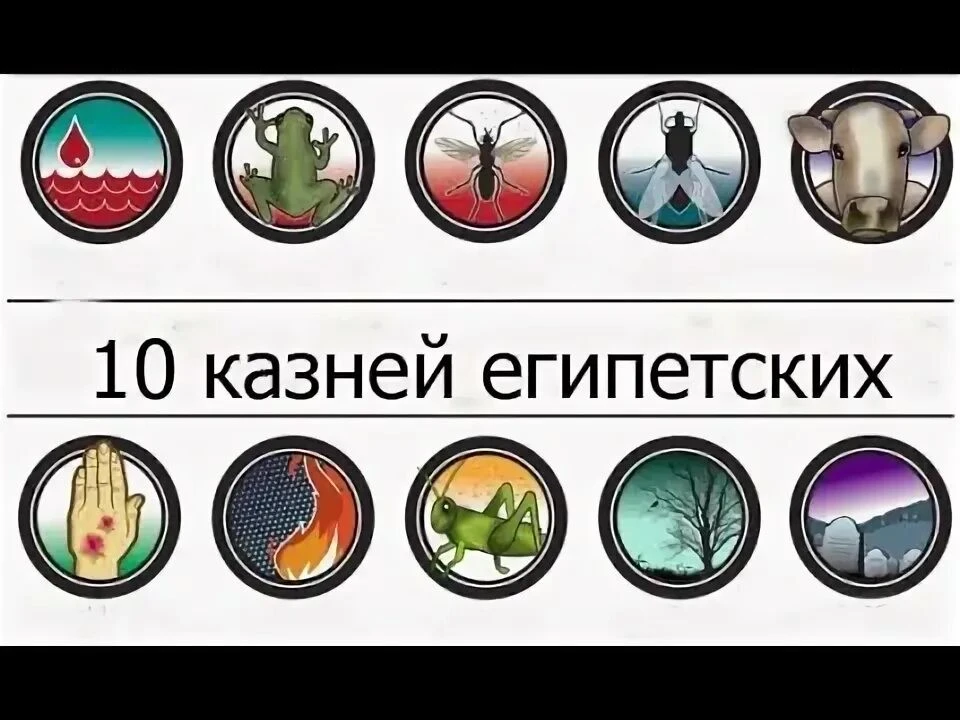
Archaeologists and climatologists have discovered that in the 13th century BCE, during the reign of Pharaoh Ramses II, the ancient Egyptian capital of Pi-Ramesses was suddenly abandoned by its inhabitants. According to the Bible, the Exodus occurred around this time. A study of stalagmites in the caves of the Nile Delta revealed that a dramatic climate change occurred there at the time. This discovery allowed scientists to construct a logical chain of events that transformed a series of miracles into a consequential ecological catastrophe. 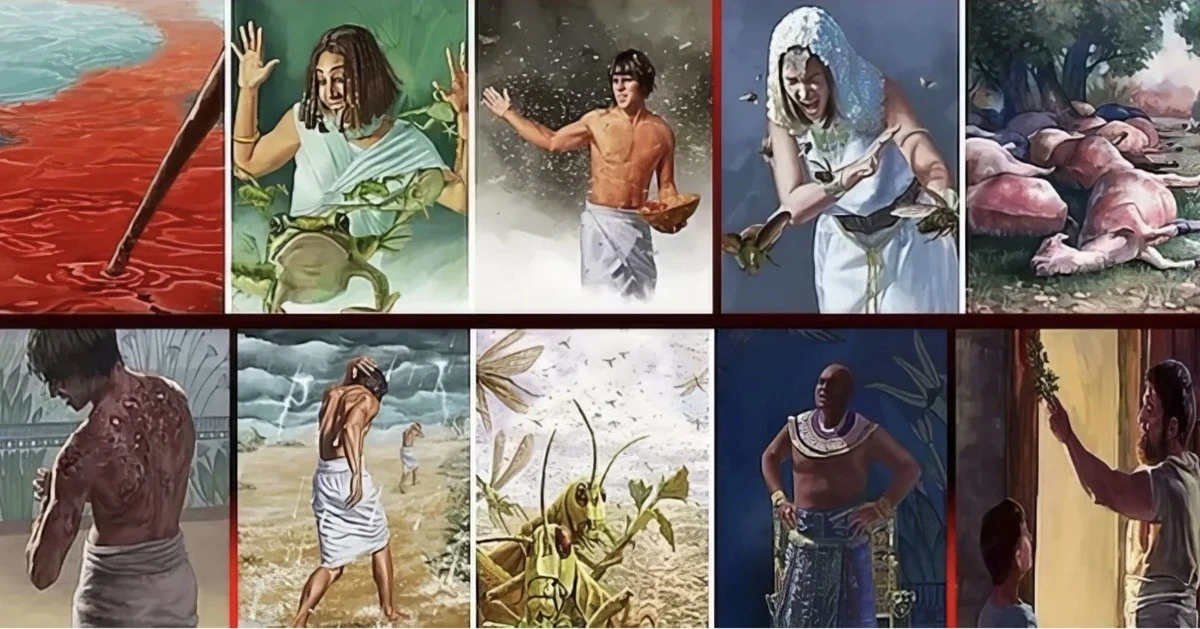
Blood, toads, and midges: ecological collapse.
It all began with the waters of the Nile turning to blood. The scientific explanation for this "first plague" is a bloom of toxic algae (for example, Oscillatoria rubescens). Severe drought and heat led to the shallowing and slowing of the great river's flow, creating ideal conditions for their rapid proliferation. As the algae died, they turned the water a brownish-red color, making it toxic and leading to massive fish kills. 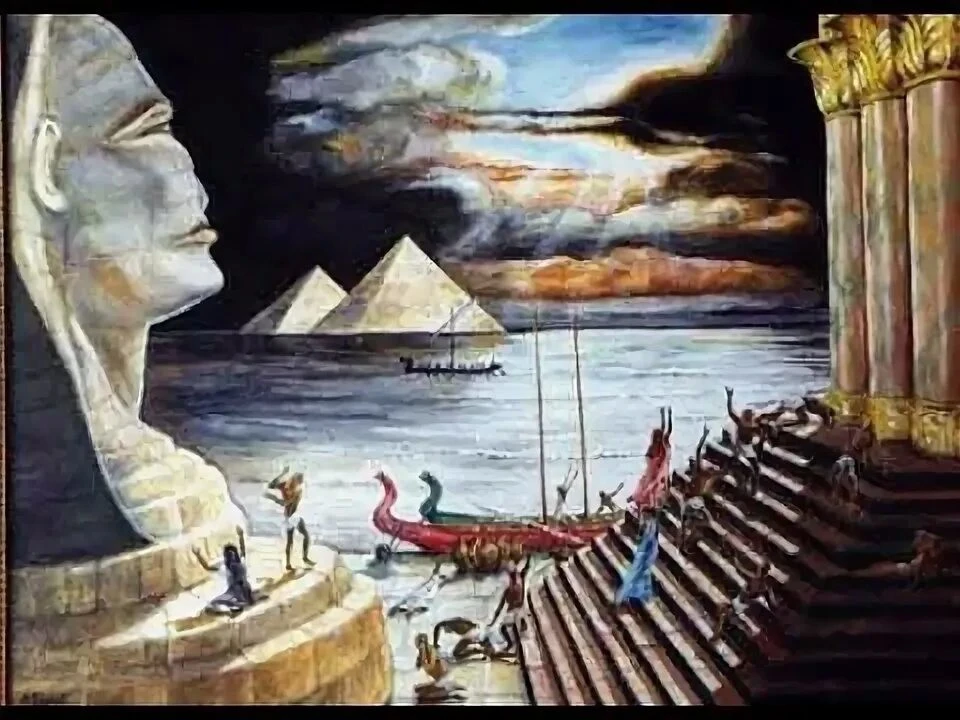
The fish kills and poisoned water led to a "second plague"—a toad infestation. Amphibians panicked and fled the contaminated water, flocking to land en masse. Deprived of their natural habitat and food supply, the toads began to die out. Their decomposing carcasses became an ideal breeding ground for the insects that had previously been eaten by the same fish and toads. Thus began the "third plague"—hordes of midges and lice ("kinim") covered the land. 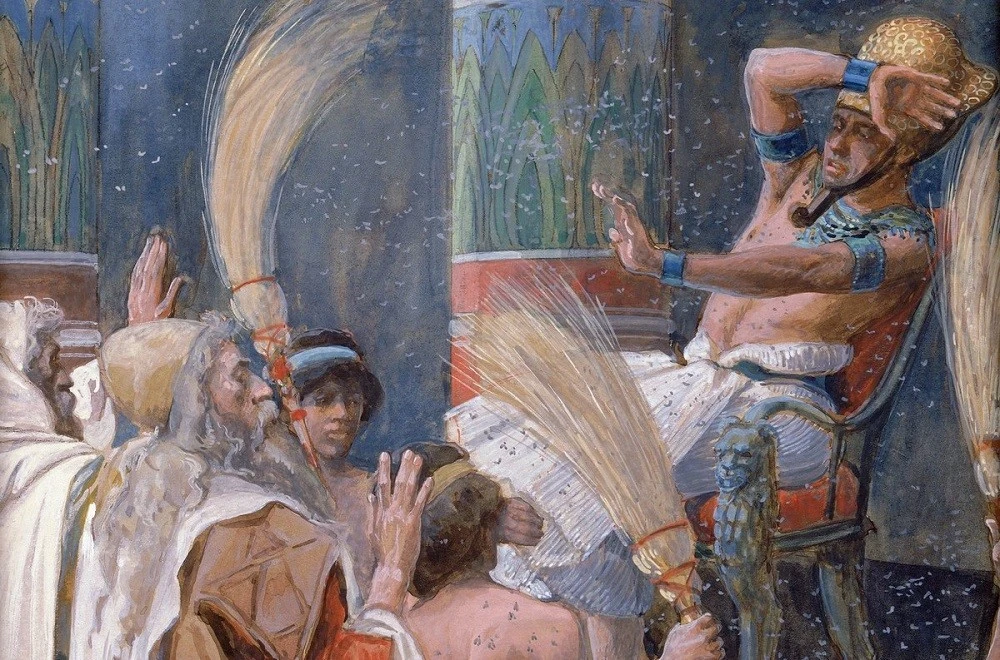
Pestilence and Plagues: Epidemic.
Insects, whose numbers were no longer controlled by nature, became carriers of deadly diseases. "Dog flies" (possibly bloodsucking stingers or mosquitoes) attacked people and livestock, causing the spread of infections. This led to the "fifth plague"—the cattle plague, and then to the "sixth"—the appearance of excruciating ulcers and abscesses in people. Scientists speculate that these could have been diseases such as glanders, anthrax, or even smallpox. It is noteworthy that traces of smallpox were found on the mummy of one of the pharaohs (Rameses V). 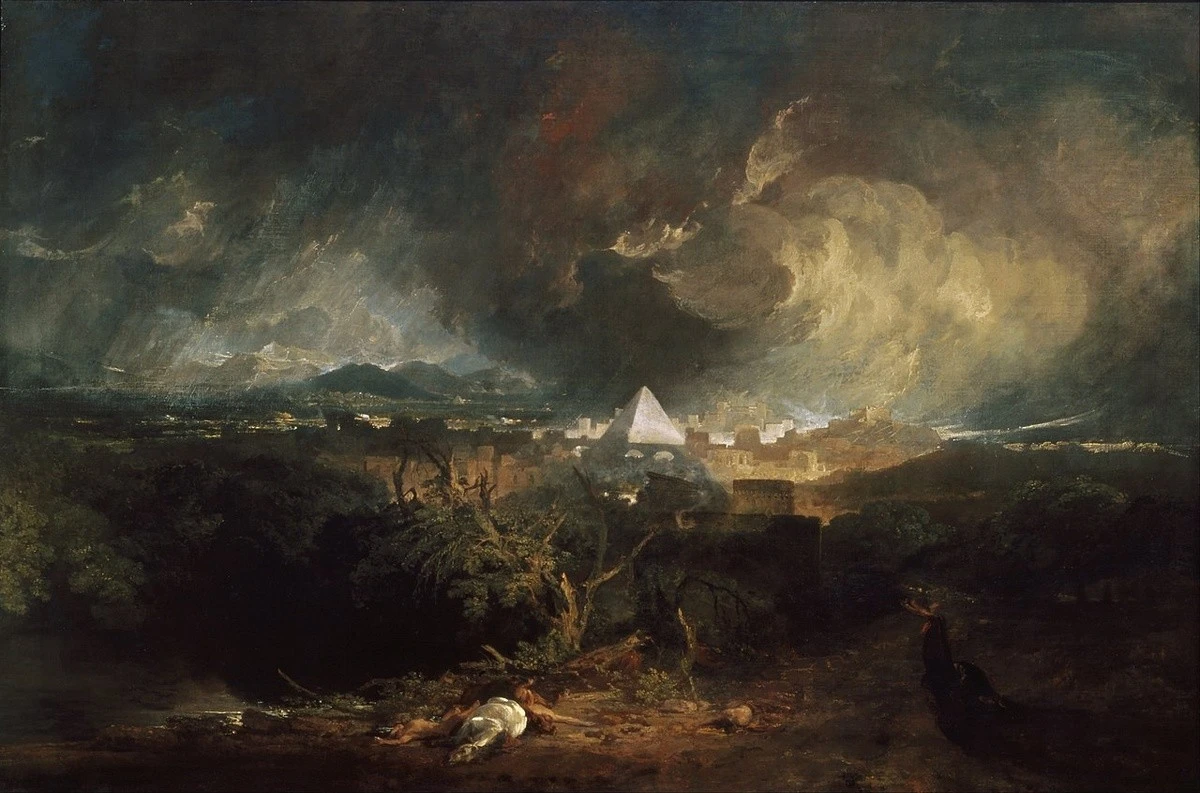
Fire from heaven and darkness: volcanic ash.
The Bible then describes a "hail of fire"—a violent storm with lightning and burning particles falling from the sky, followed by "thick darkness" that covered Egypt for three days. These phenomena are difficult to explain by a local drought. Therefore, many researchers associate them with an even more dramatic event—the catastrophic volcanic eruption on the island of Santorini (Thera) in the Aegean Sea. 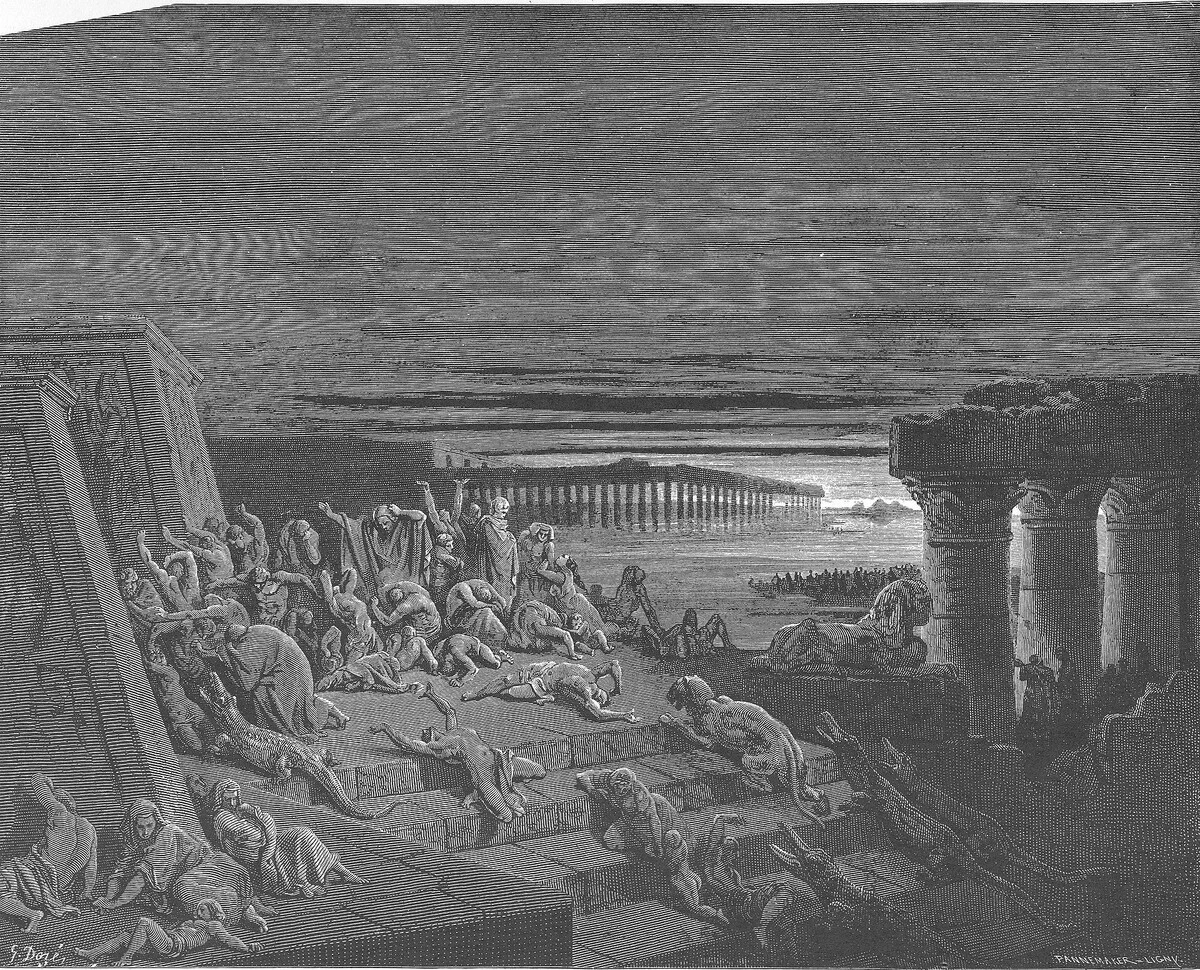
Volcanic ash, thrown tens of kilometers into the air, could have reached Egypt. Dense ash clouds could have caused powerful thunderstorms and blotted out the sun for days—that same "tangible darkness." Volcanic bombs and rock fragments falling with hail could well have been perceived as "fire." Ash settling on the ground altered the climate: increased humidity created ideal conditions for locust breeding (the "eighth plague"), which destroyed the remaining crops not damaged by hail. 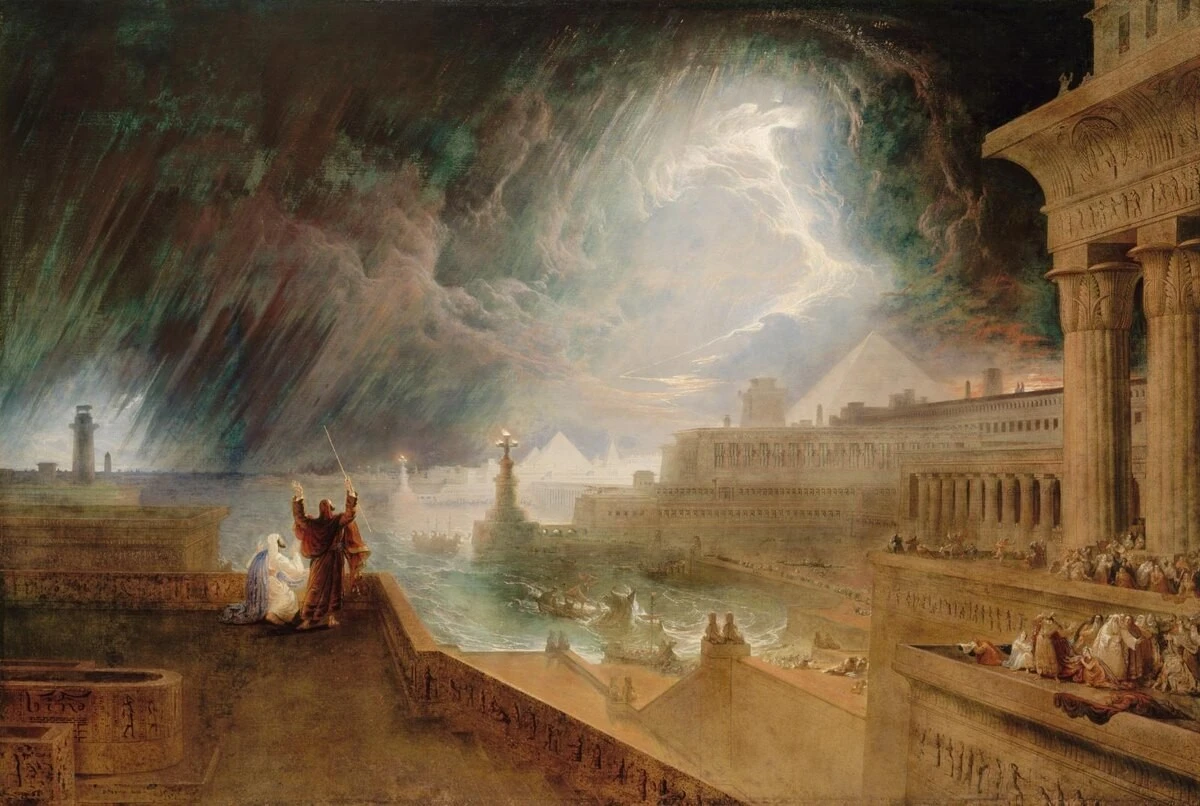
The Death of the Firstborn: The Most Terrible Mystery.
The tenth plague (the death of all the firstborn in Egypt) is the most difficult event to explain. Scholars have proposed several theories. The first is related to the contamination of grain stores. After a locust infestation and floods, a poisonous fungus (such as Stachybotrys atra) could develop in the remaining grain, producing dangerous mycotoxins. According to the traditions of the time, the firstborn (both humans and animals) received the best and first portion of food. If the top layer of grain in the barns was contaminated, they would be the first to be poisoned. Younger children and ordinary people who ate leftovers may have received a smaller dose of the toxin, which did not result in death.
Another theory is psychological or social. Researchers from the National Institutes of Health (NIH) suggest in their study that firstborn children may have been victims not so much of direct physical impact as of the social consequences of chaos. During times of famine and epidemics, when resources are depleted and social norms collapse, it was the eldest children who might have been sent to the most dangerous work sites to obtain food or, conversely, become the first victims of despair and disease in an attempt to save their families. 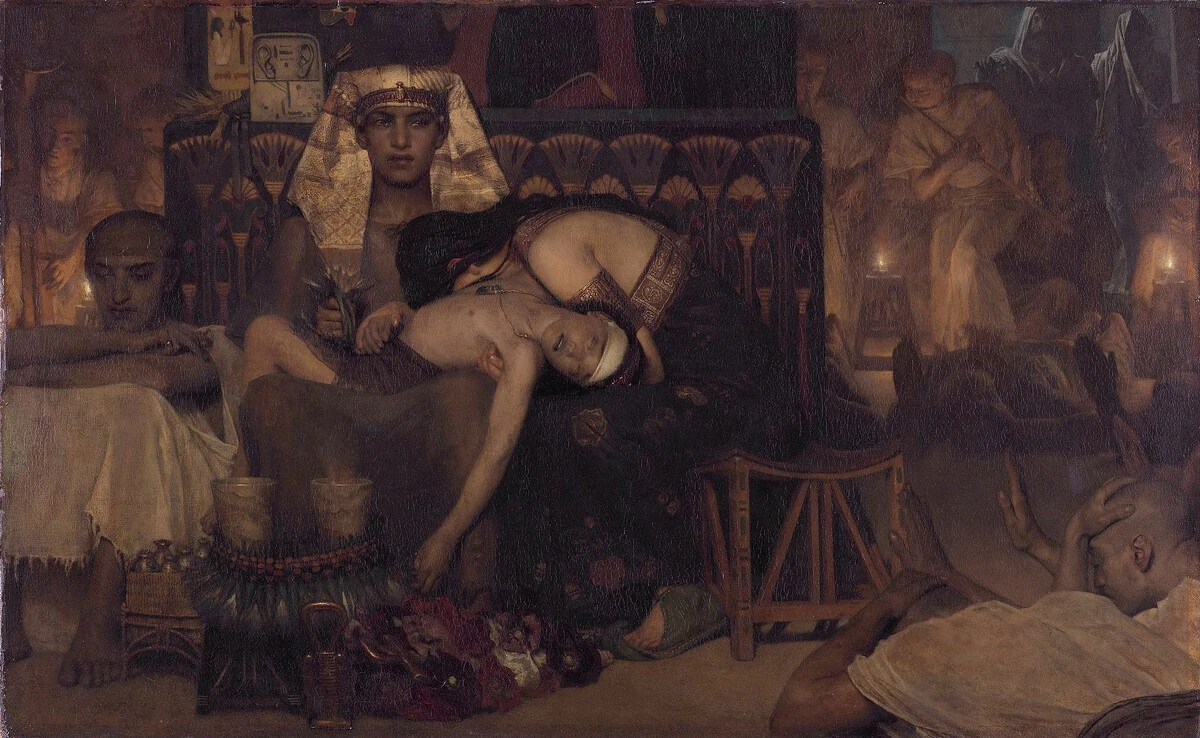
Thus, the "Ten Plagues of Egypt" appear to us not as a chaotic series of miracles, but as a tragic yet logical chain of natural phenomena. The key links in this chain were climate change (a drought caused by the El Niño phenomenon) and a massive volcanic eruption. Of course, science cannot explain why Moses foresaw these events, why they ceased at his command, or why the disasters spared the land of Goshen, where the Jews lived. But it does show that ancient texts may be based on real, documented natural cataclysms that shook the imagination of our ancestors and forever changed the course of history.