Guardians of the Stone Age: How the Pyramids Are Born in the South Tyrol (15 photos + 1 video)
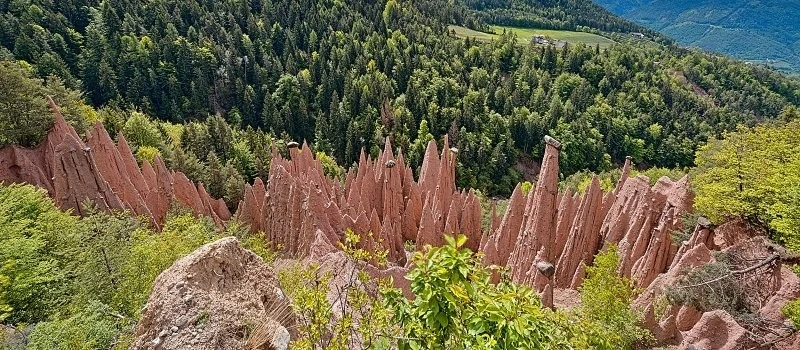
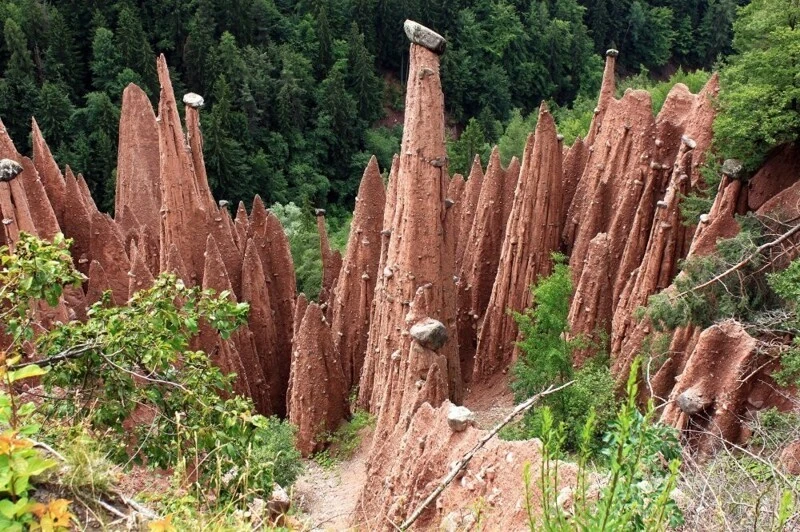
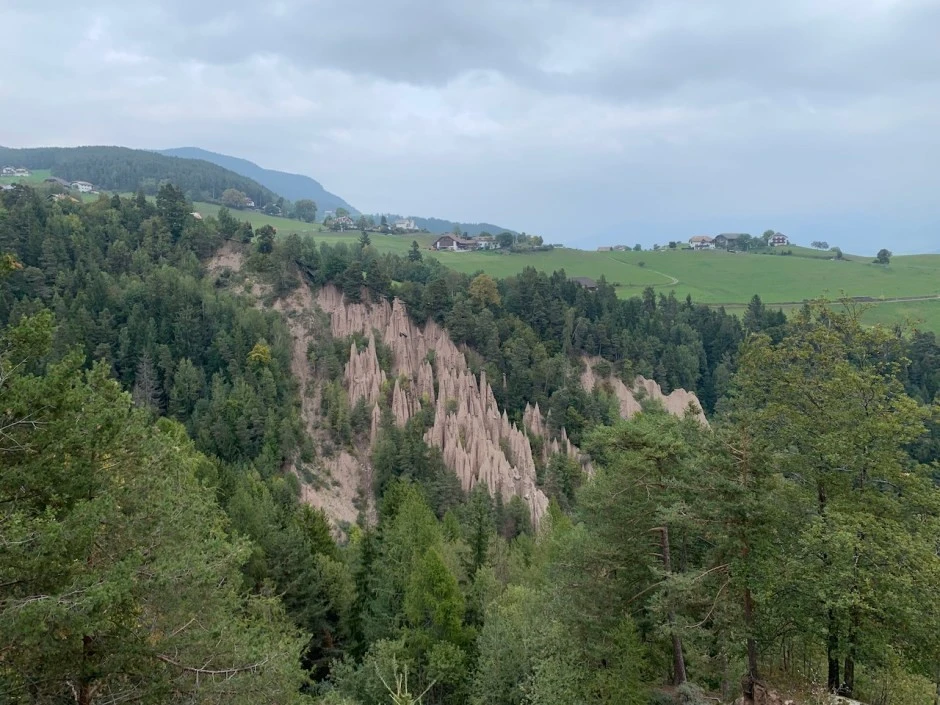
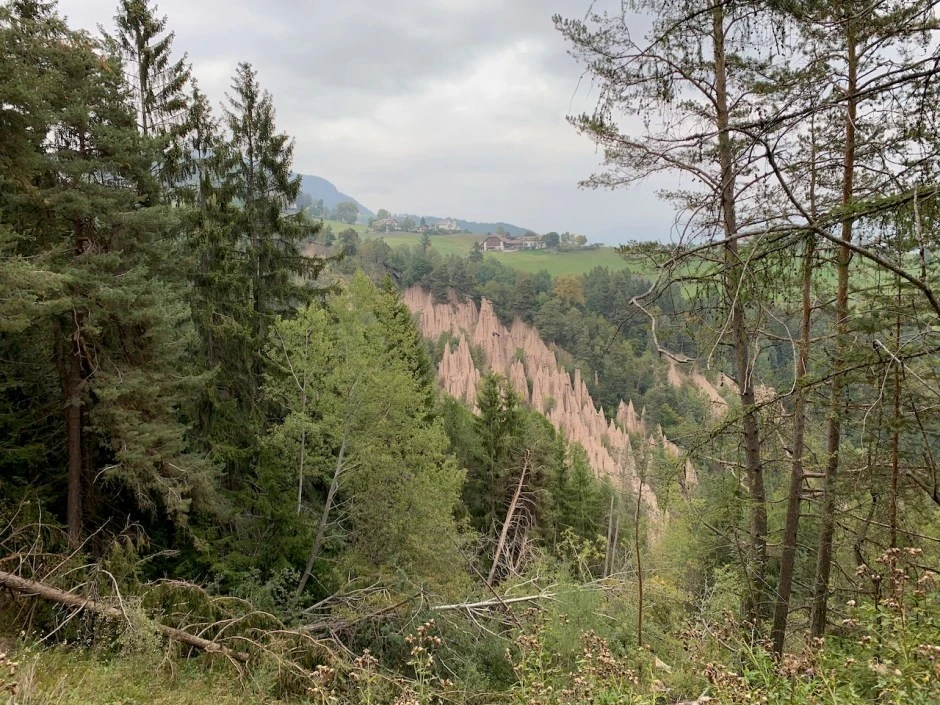
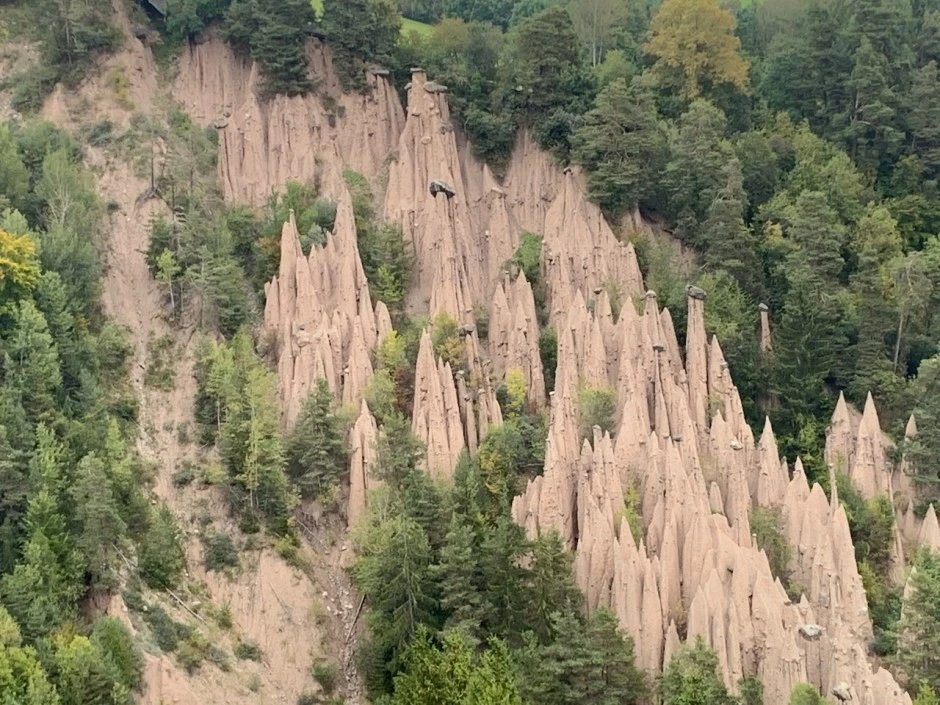
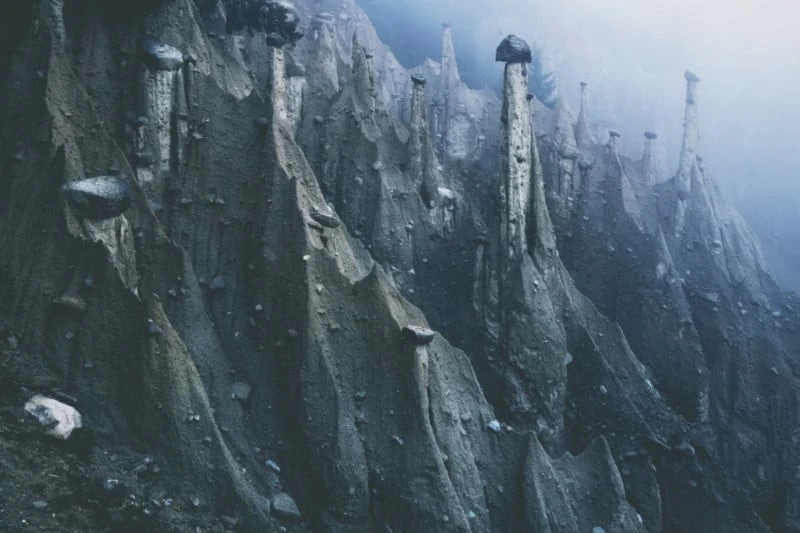
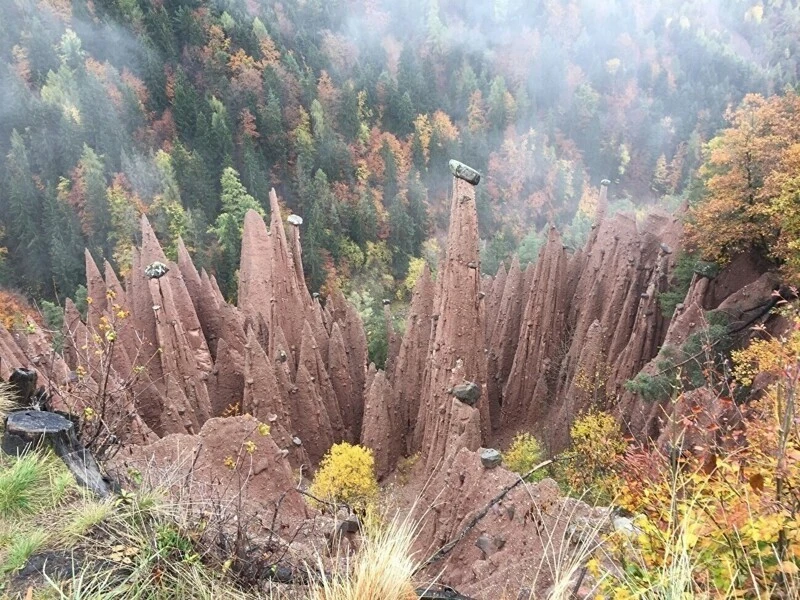
In South Tyrol, northern Italy, nature has created amazing sculptures known as earthen pillars or pyramids. 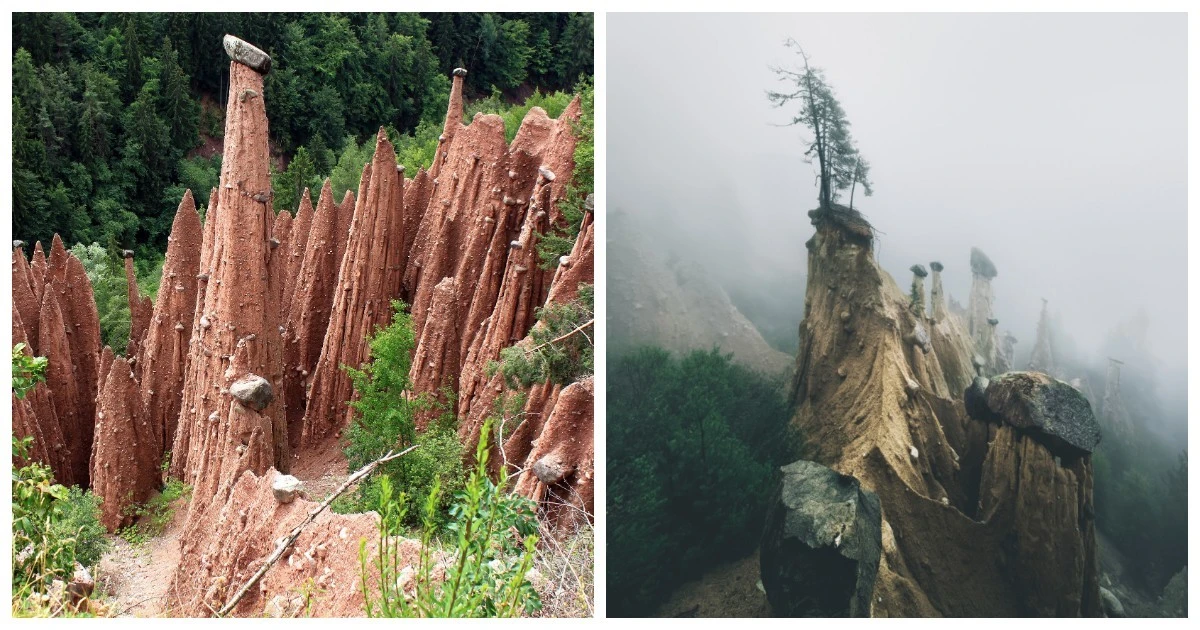
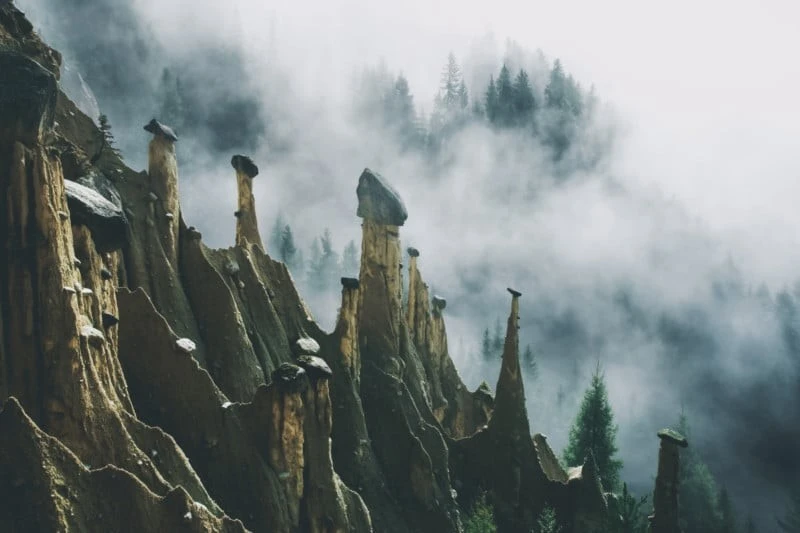
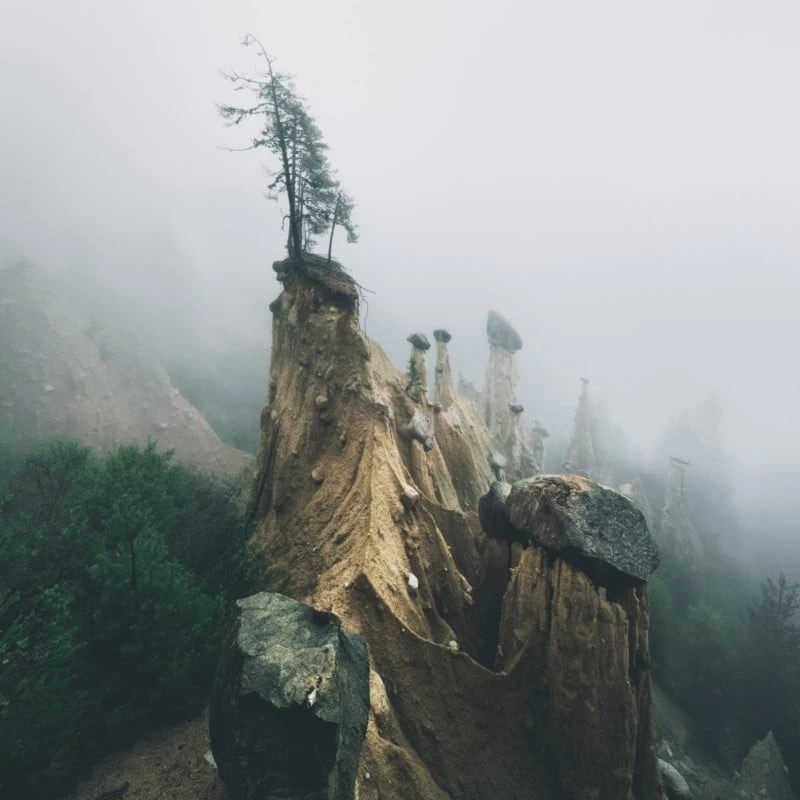
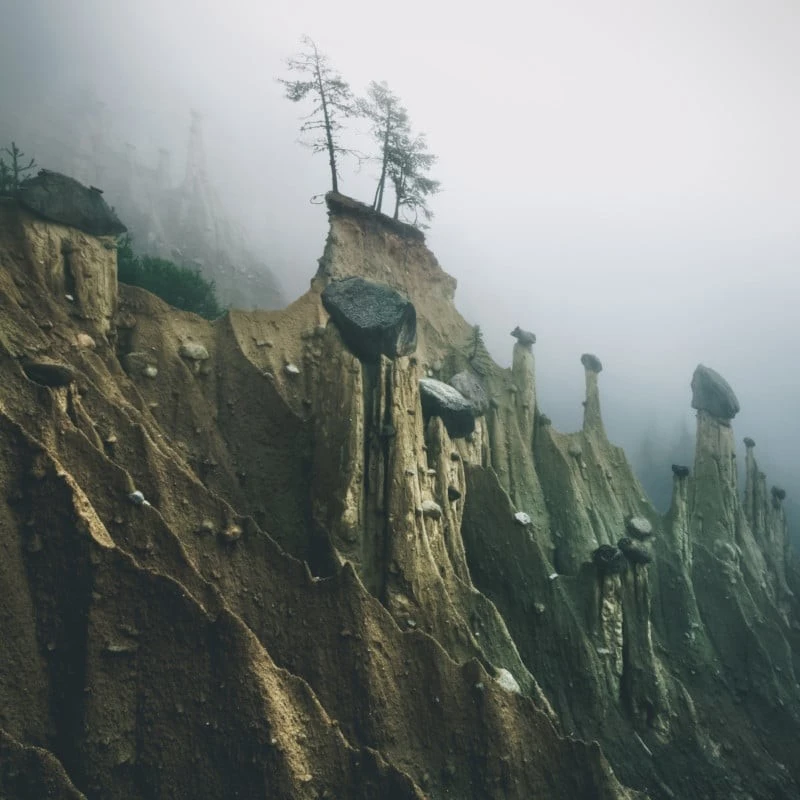
These are tall, cone-shaped clay columns topped with enormous boulders that crown their fragile foundations. 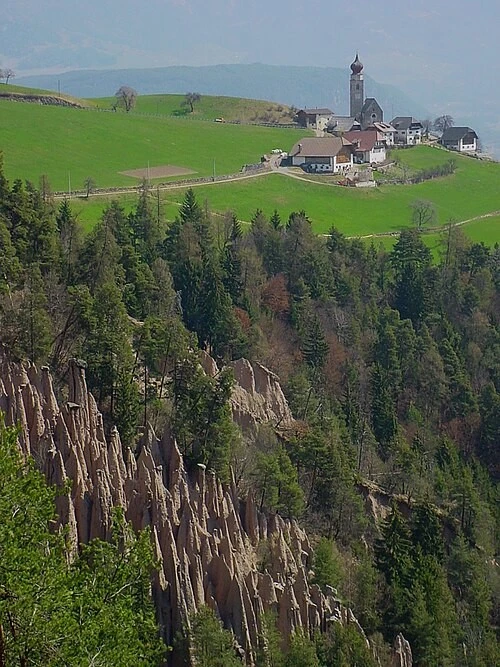
The history of these unusual formations began thousands of years ago, after the end of the last Ice Age. When the ancient glaciers melted, they left behind clay. In dry weather, this soil is hard as rock, but when it rains, it turns into a soft mass that slides down, forming steep slopes up to 15 meters high. 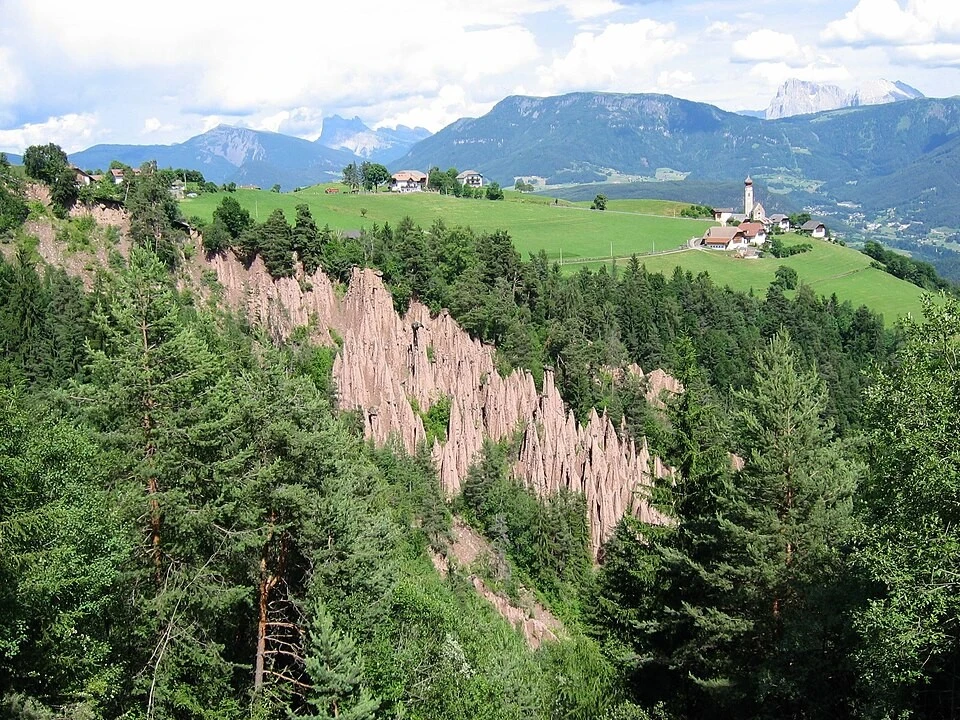
With the onset of the rainy season, water begins to erode these slopes, but if a rock gets in the way, the clay beneath remains untouched. Thus, while the rains mercilessly wash away the surrounding soil, majestic columns are born under the protection of the rocks. It takes nature hundreds, sometimes thousands, of years to create one such pyramid. 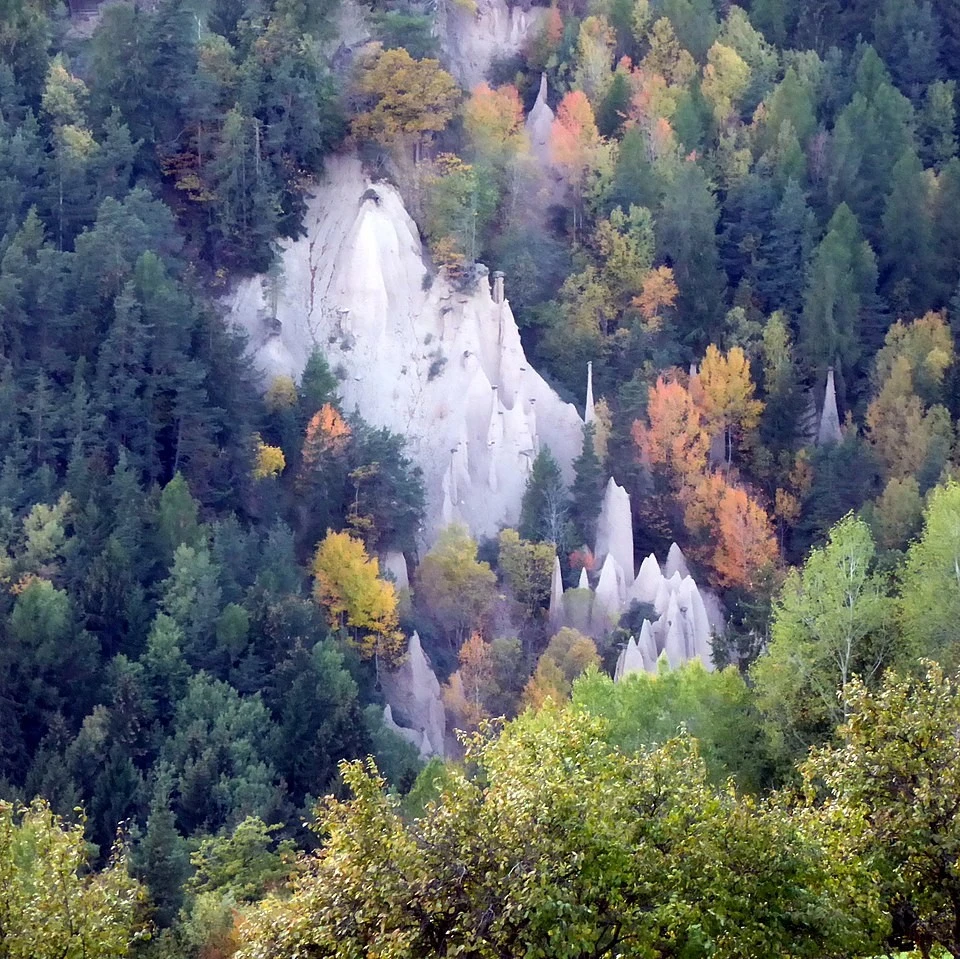
These columns continue to slowly erode, but much more slowly than the rest of the landscape. However, their lifespan is not indefinite. There will come a point when the clay foundation can no longer support the heavy stone mass. Once the boulder falls from its summit, the column will disappear very quickly, washed away by the first rainstorms. 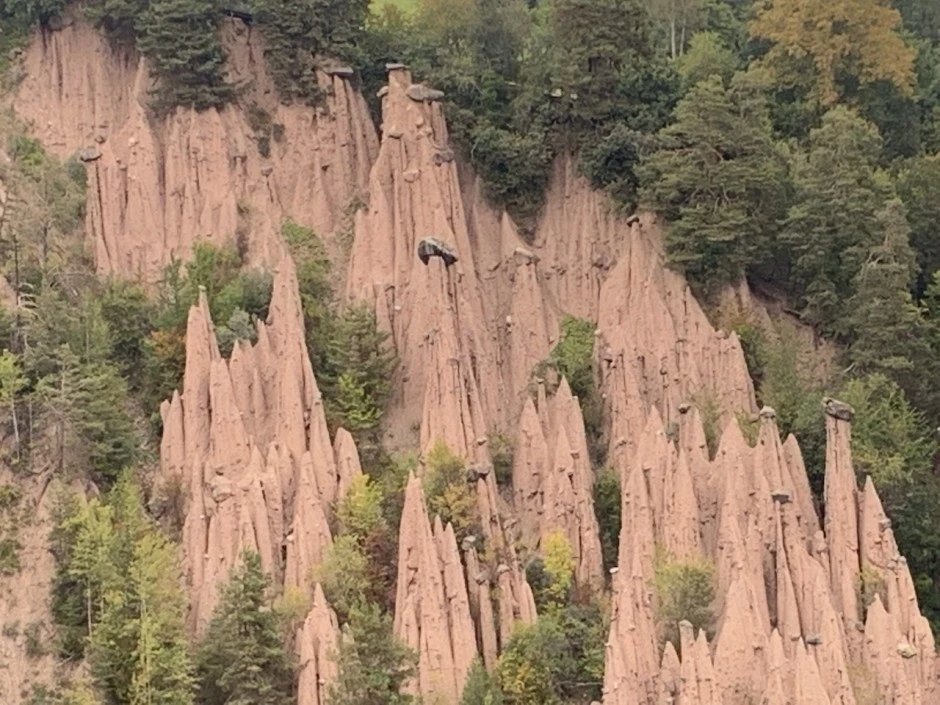
Although earthen pyramids are found only in South Tyrol, they are quite common here. The most impressive of these can be seen on the Ritten plateau, near Bolzano. Another famous site is in the Puster Valley, at Platten near Perca.