The Chenonceau Bridge, which became a ladies' castle (28 photos + 1 video)
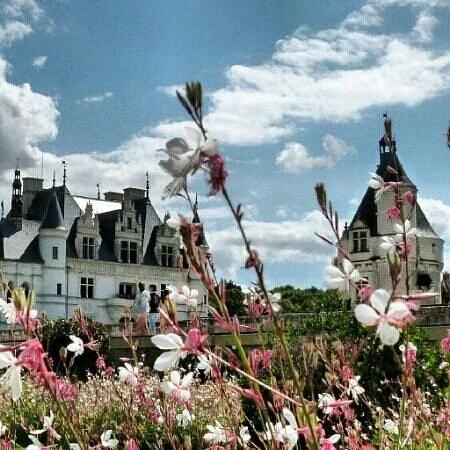
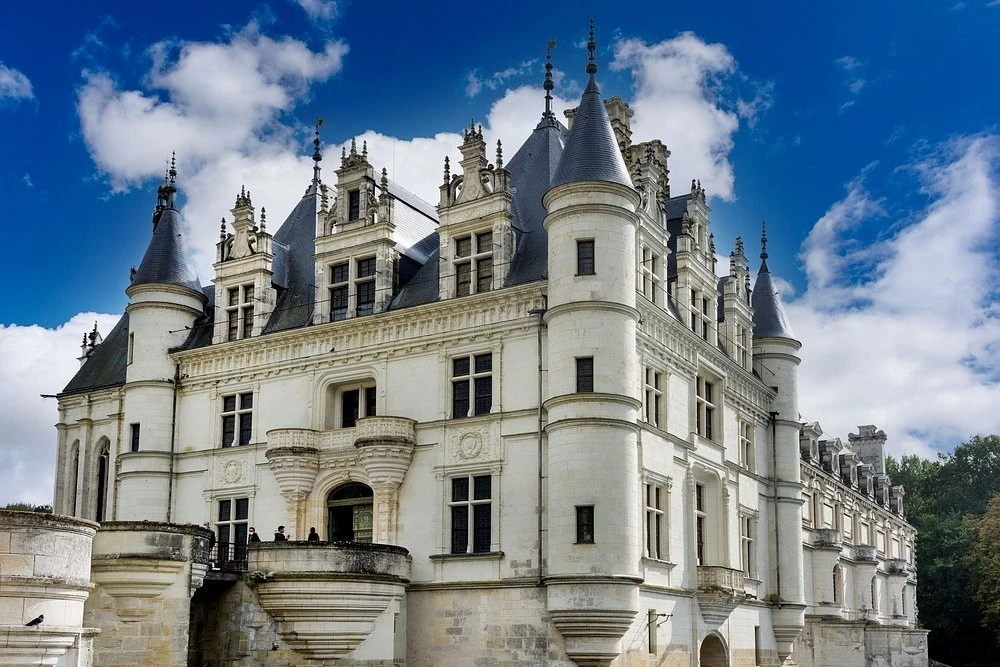
Chenonceau Castle, nestled near a quiet French village of the same name, is rightfully considered a jewel among the majestic structures of the Loire Valley. 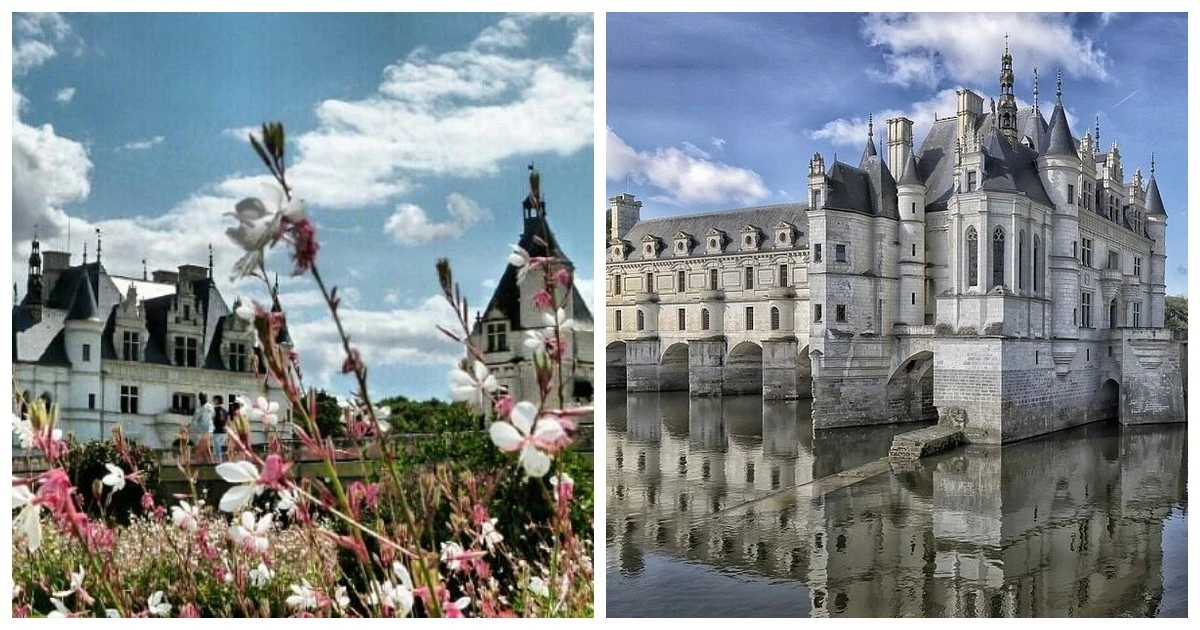
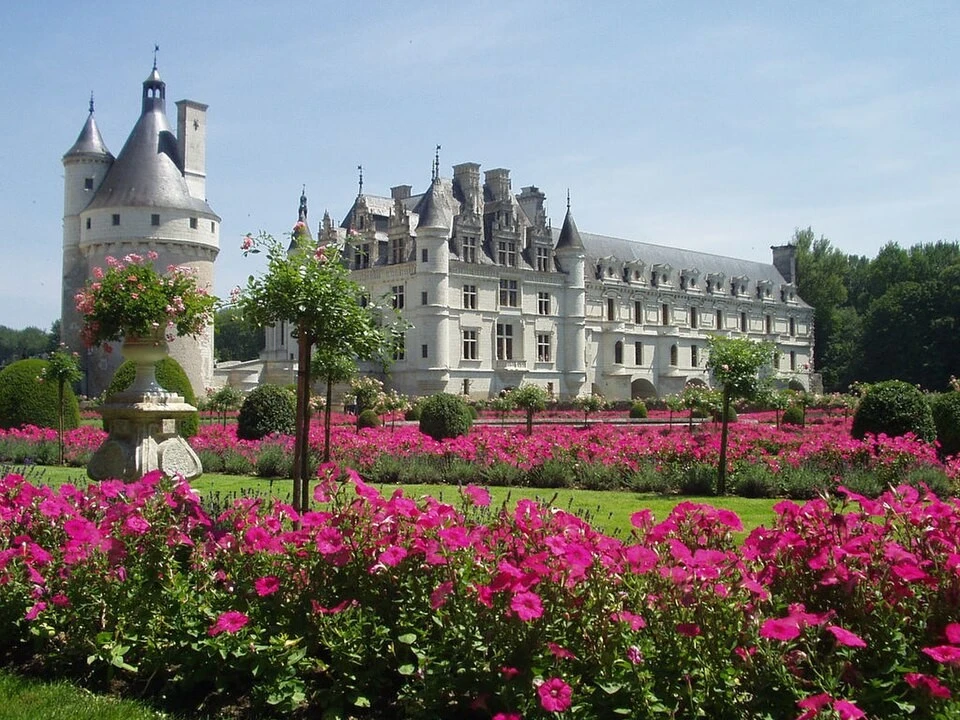
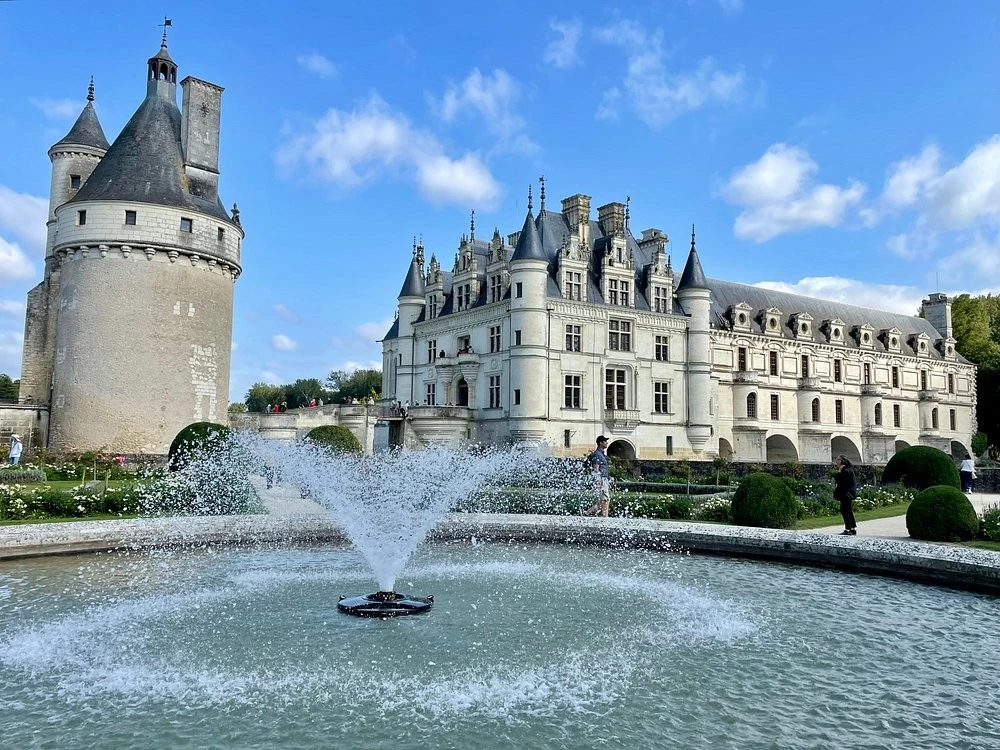
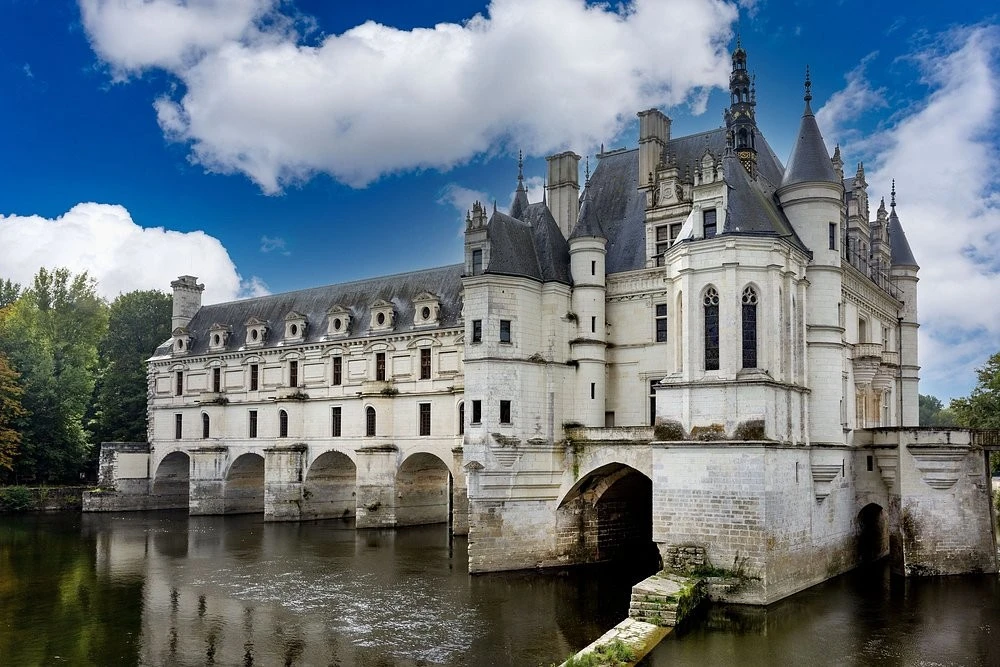
Its greatest architectural audacity is its construction directly over the Cher River, which on fine days simmers so serenely that it transforms the castle into a mirage in the middle of the lake. But Chenonceau also has another, almost mystical quality. For four centuries, it was owned, developed, protected, and fought over by women, almost without the help of men. That's why people nicknamed it the "ladies' castle." 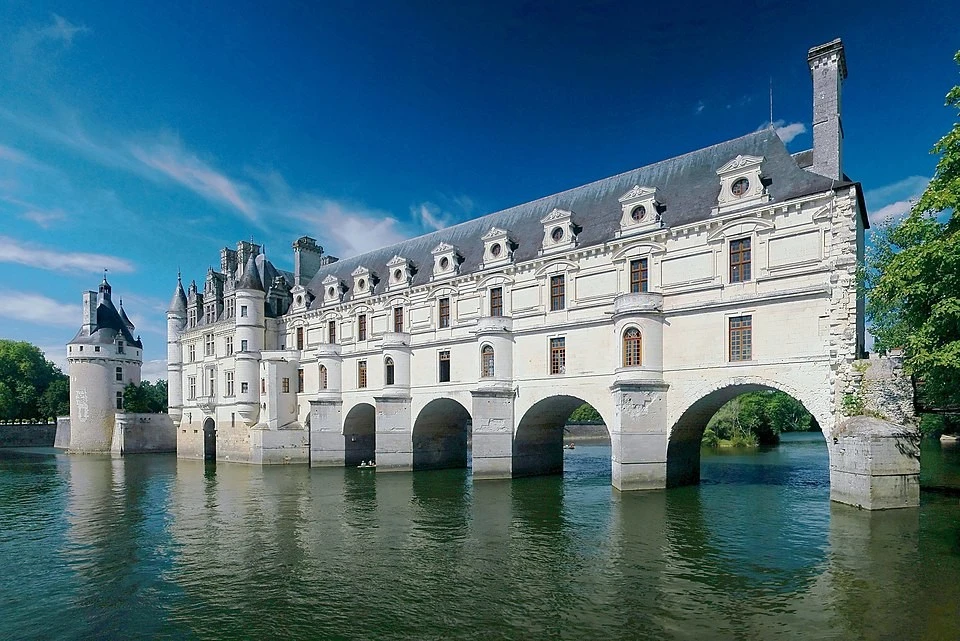
At the beginning of the 16th century, Thomas Boyer, treasurer at the court of Charles VIII, became the owner of the land. He demolished the old fortress and mill, making way for the future palace. His wife, Catherine Briconnet, oversaw much of the construction. However, after Boyer's death, King Francis I confiscated the estate for debts. However, the monarch himself did not own the castle for long. He died shortly after acquiring it, and Chenonceau passed to his son, Henry II. 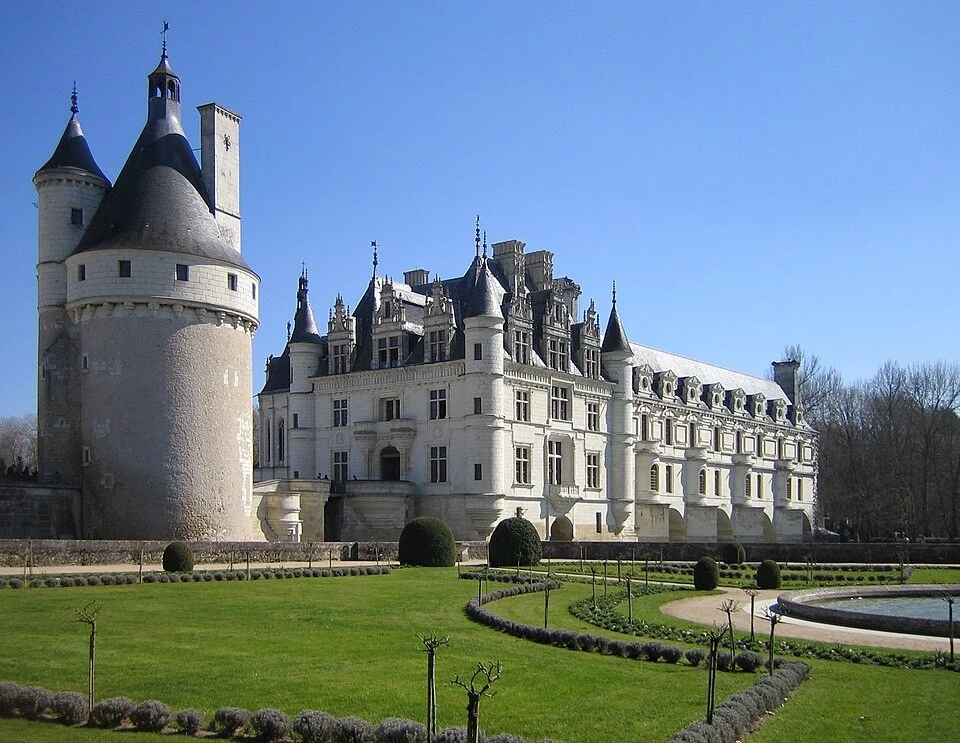
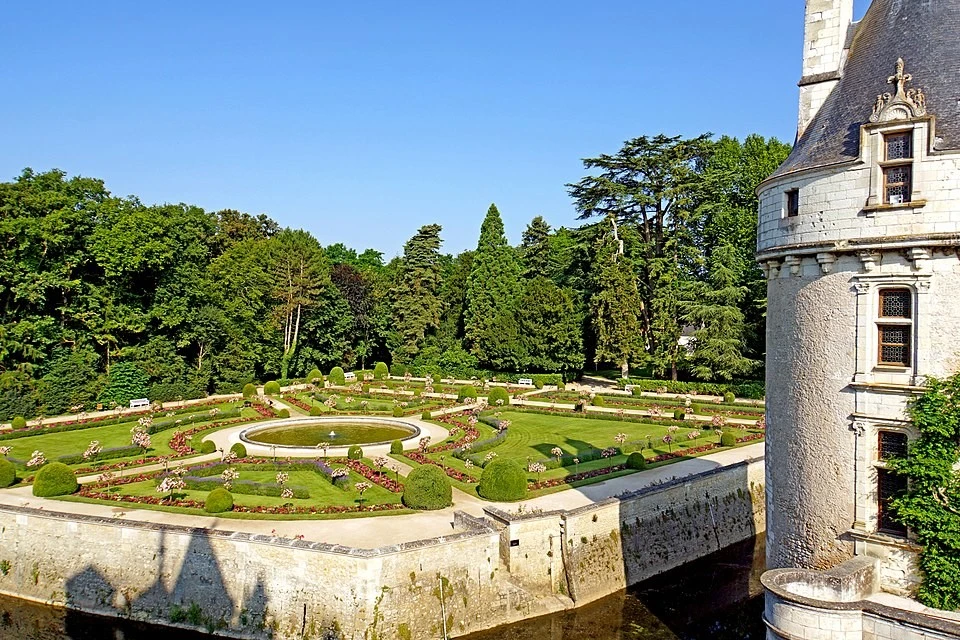
Henry presented the castle as a gift to his beloved Diane de Poitiers. A woman of refined taste, she beautified the estate, laid out gardens, and built an arched bridge across the river. But after the king's tragic death at a knight's tournament in 1559, his widow, Catherine de Medici, seized the opportunity and ruthlessly exiled her mistress. 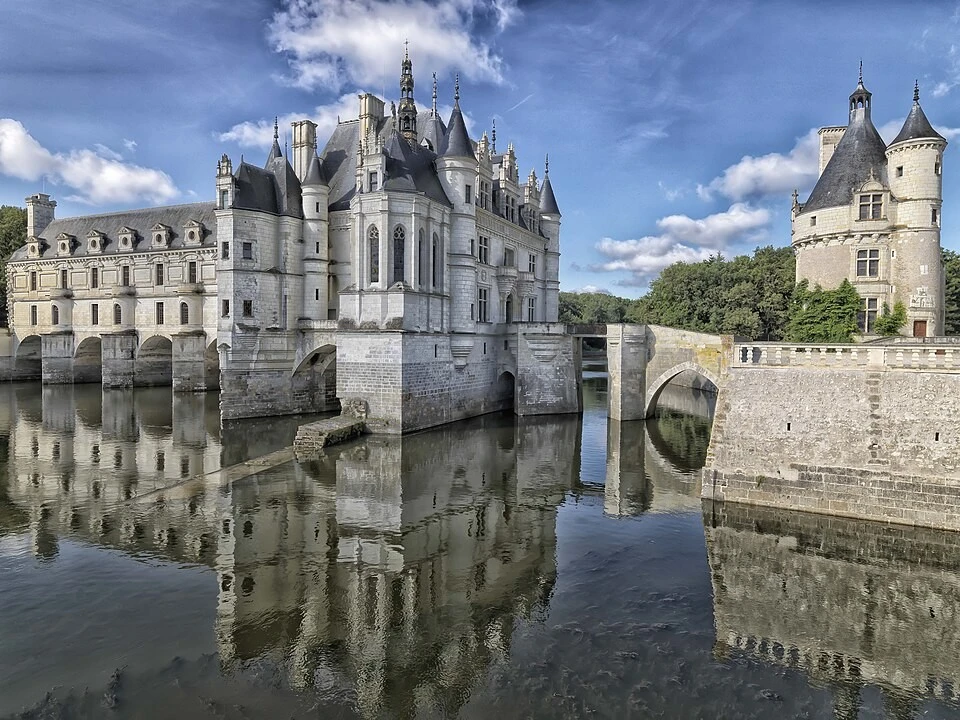
Catherine invested heavily in the reconstruction of Chenonceau. It was she who ordered the construction of a two-story gallery in the Italian Renaissance style over the Pont de Diane, which remains the castle's signature feature. 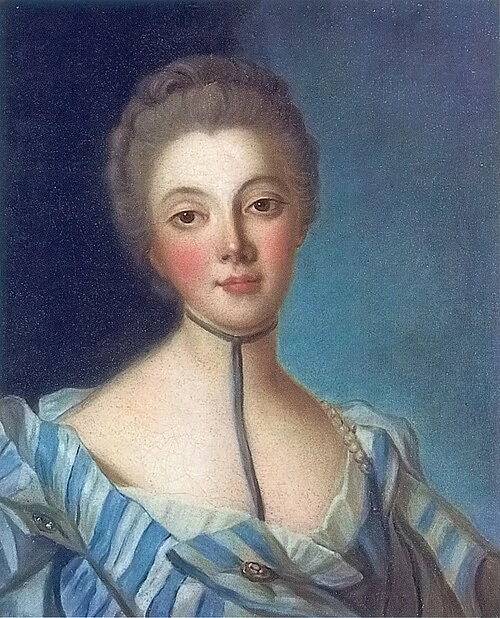
Louise Dupin
After Catherine's death in 1589, the castle passed to her daughter-in-law, Louise of Lorraine, wife of Henry III. When the king was assassinated that same year, the inconsolable widow sank into despair. She transformed Chenonceau's chambers into a mourning crypt: she had the bedroom walls draped in black and wandered the corridors in widow's garb. Louise later passed the château on to her grandniece, then a girl, who was already betrothed to Henry IV's young son. For nearly a century, Chenonceau fell into disrepair. The Bourbons showed no interest in it. 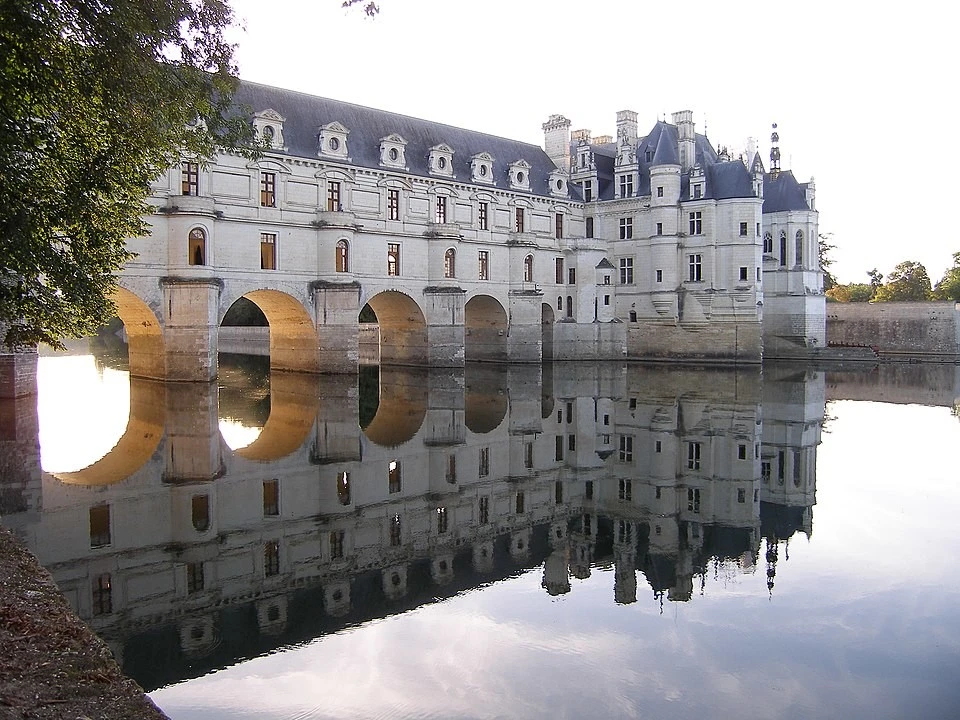
In 1733, the estate was acquired by the wealthy nobleman Claude Dupin. His wife, Louise Dupin, hosted a literary salon in the château, attracting the best minds of the era: Voltaire, Montesquieu, Fontenelle, Buffon, and Marivaux. When the French Revolution broke out, and the mob intended to raze Chenonceau to the ground as a symbol of royal luxury, it was Louise Dupin who saved the château, reminding the rebels that it remained the only bridge across the river for many kilometers around. 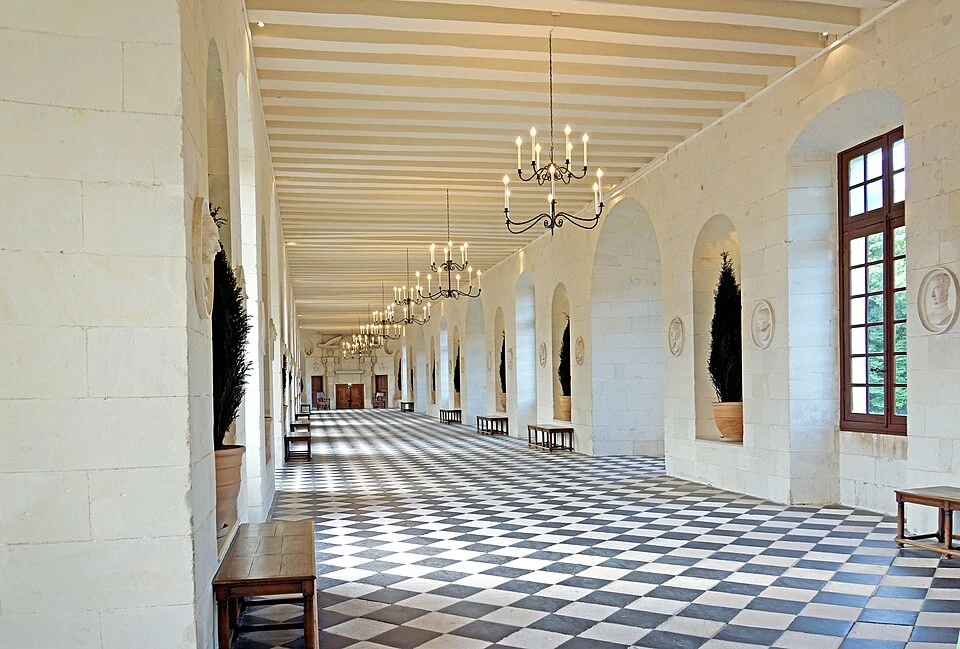
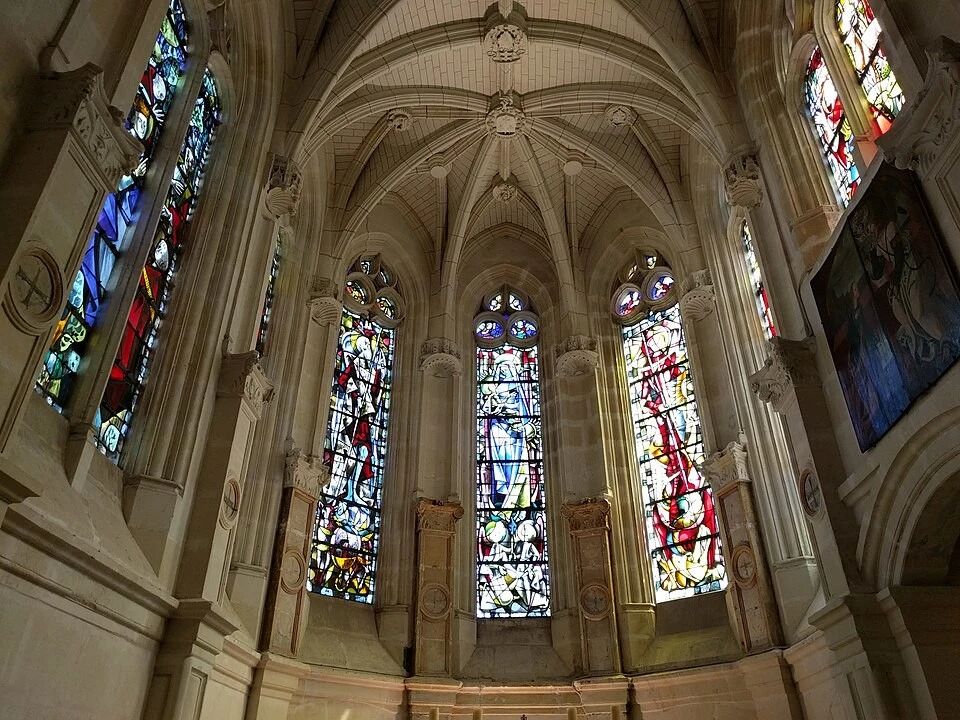
The last woman to leave her mark on the château was the wealthy heiress Marguerite Pelouze. In 1864, she purchased Chenonceau and began a large-scale restoration. Having almost completely renovated the interiors, she destroyed many elements from the time of Catherine de Medici. But, alas, her lavish lifestyle and unrestrained spending on restoration led Marguerite to ruin. The château was forced to be sold. 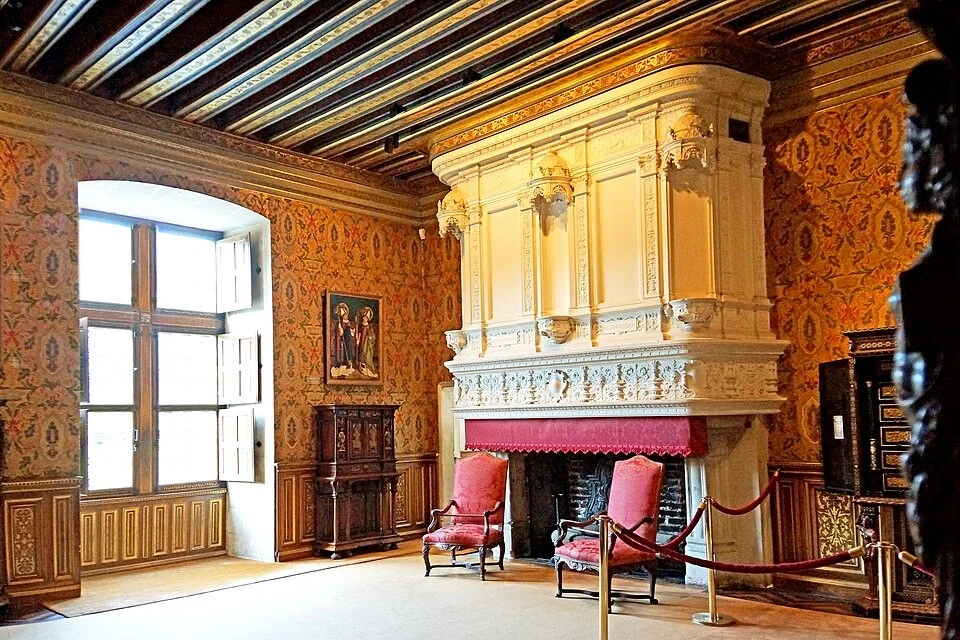
From 1913 to the present day, Chenonceau has belonged to the Menier family. Its owner was Henri Menier, and his descendants continue to preserve this legacy. The current owner is his great-nephew, Jean-Louis de Beaujeu-Craon. He inherited the château after the death of his mother, who was a direct descendant of the Menier family. 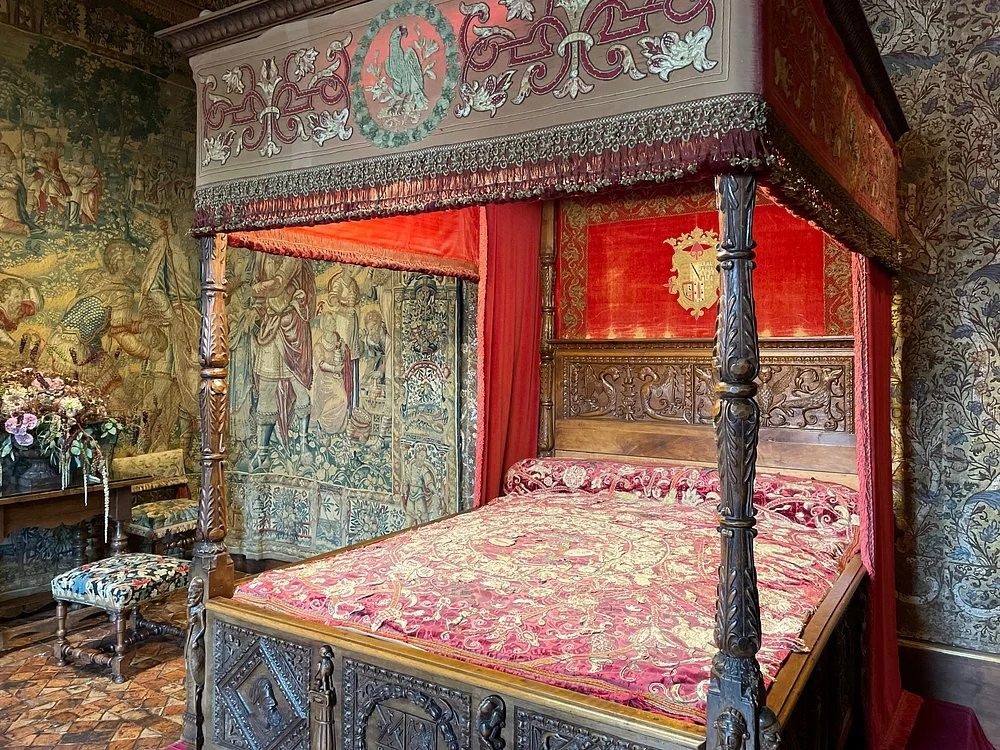
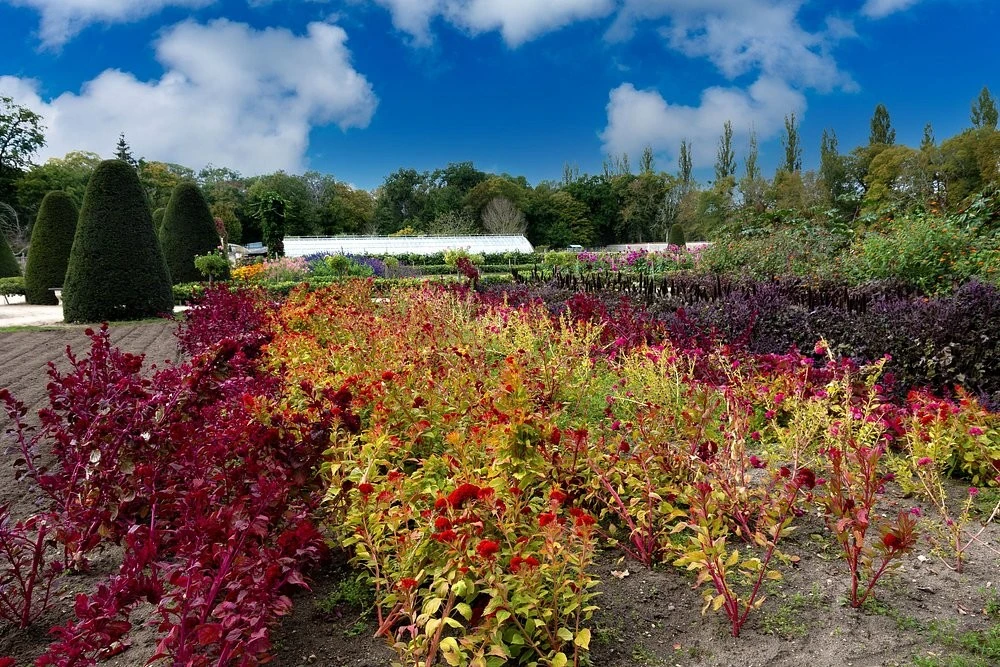
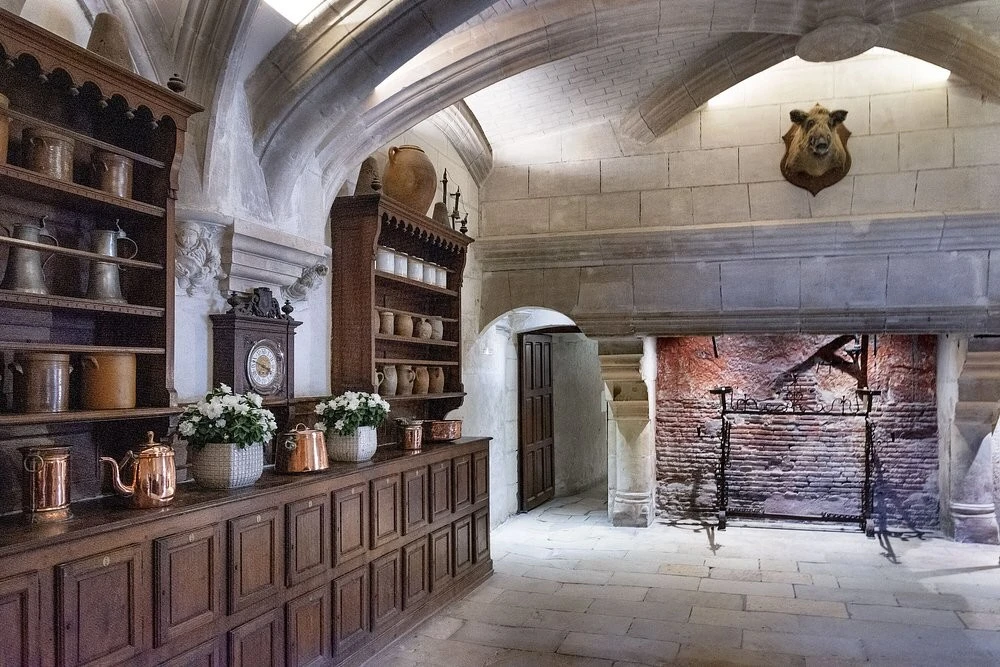
The family owns the castle more than just a private residence. It is a fully-fledged museum and tourist complex, open to visitors year-round. Contemporary art exhibitions are held here in the Catherine de' Medici Gallery. Every spring, the gardens of Diane de Poitiers and Catherine de' Medici, restored from ancient engravings, bloom. 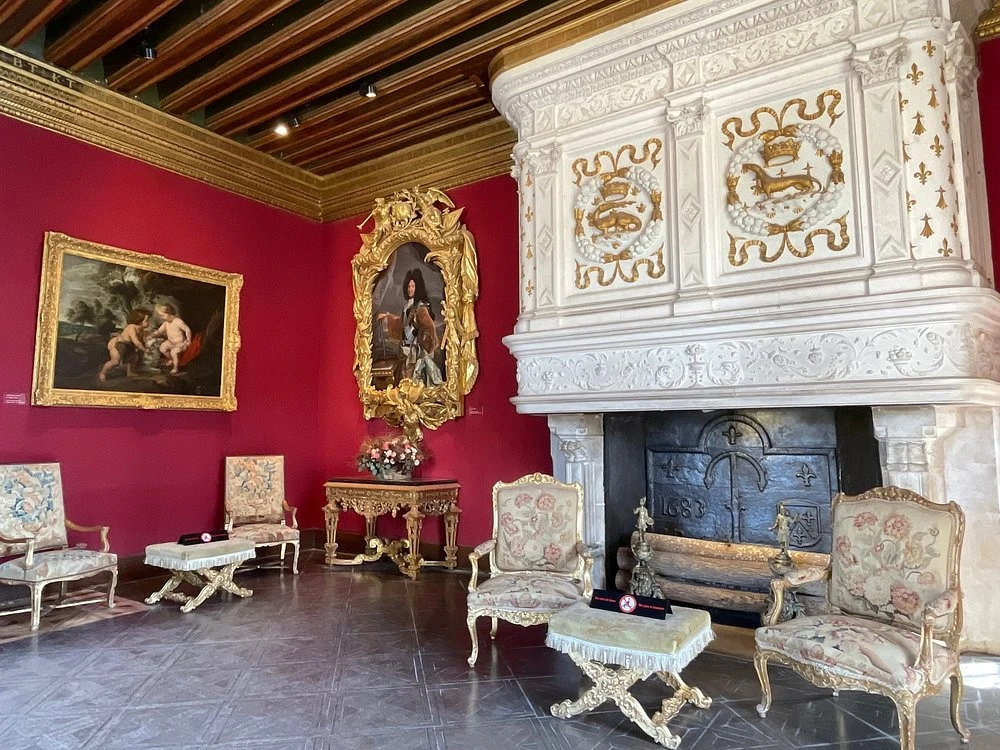
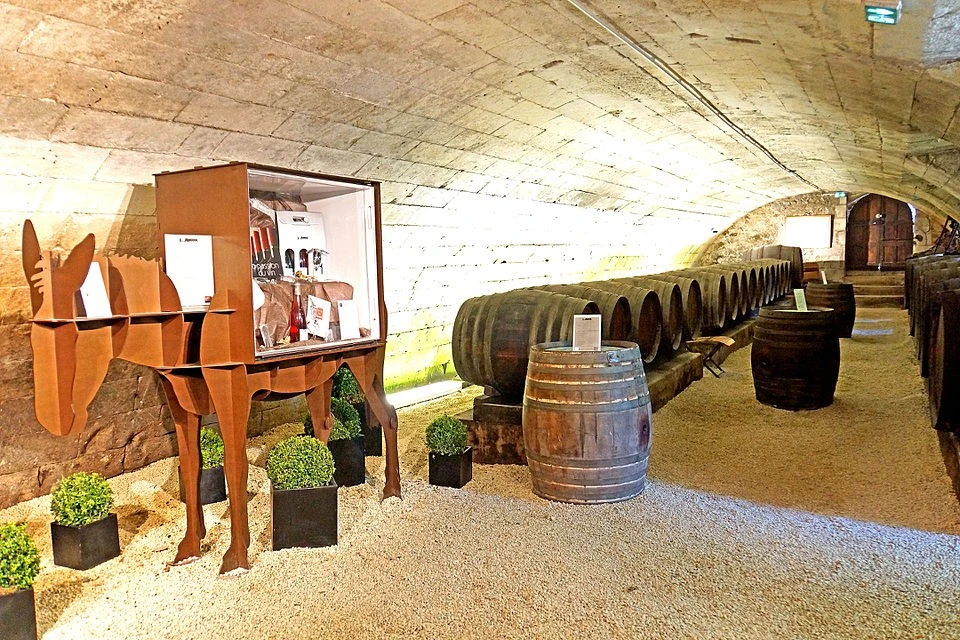
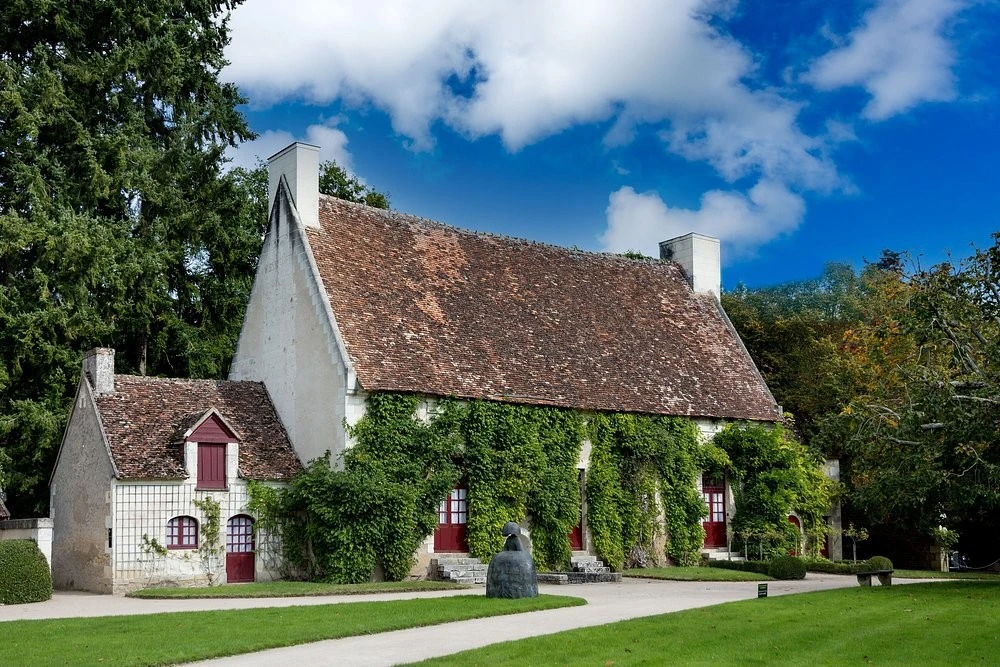
Chenonceau boasts a wax workshop in a farmyard, a winery, a restaurant, a bookstore, evening performances, and candlelit dinners in historic settings.