Trial for an overly realistic film: How "Cannibal Hell" led the director to murder charges (6 photos)
"Cannibal Hell" is a found-footage horror film. It was so realistic that 10 days after its Milan premiere, the film was confiscated, and director Ruggero Deodato was arrested on suspicion of murdering the actors. 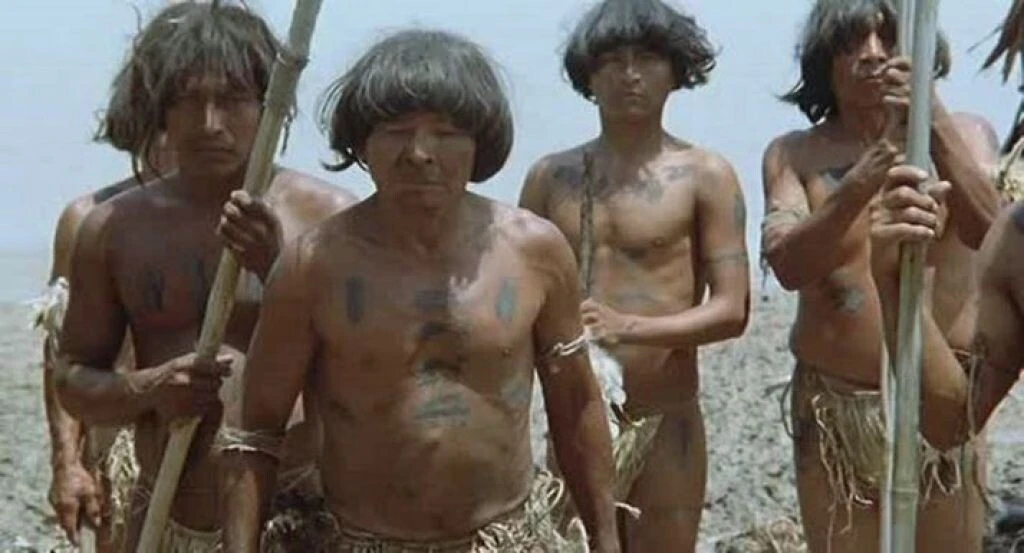
The story sounds like the perfect urban myth: the film depicts death so convincingly that the police believe it's real. Prints are confiscated, the director is arrested, and to avoid life in prison, he literally brings the "murdered" actors to court. And all this isn't about a blockbuster, but about an Italian scandal from the early 1980s: Ruggero Deodato's "Cannibal Holocaust."
I've fact-checked your text. The basic story is indeed confirmed, but there's an important nuance: the episode with the "year-long disappearance contract" is interpreted differently in different sources. Deodato himself has repeatedly claimed that such a condition existed and that it heightened suspicions. However, some participants and researchers dispute how strictly and realistically this was carried out by all the actors, pointing out inconsistencies (for example, that some members of the cast had appeared in other projects).
And now, how it all played out in reality, step by step.
"Found Footage" Before It Became a Genre 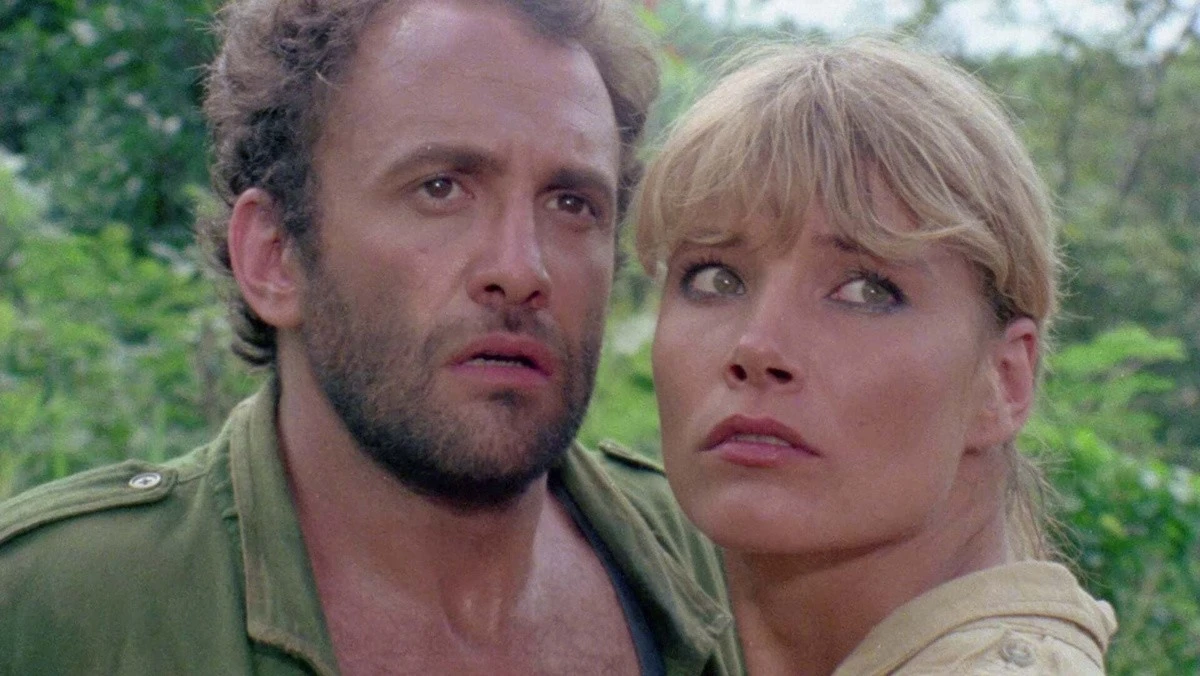
Today, it's hard to surprise viewers with pseudo-documentaries: we're accustomed to "found footage," handheld cameras, and the feeling of "I'm watching proof, not a movie." But in the late 1970s, this was practically uncharted territory. "Cannibal Hell" is built precisely on this effect: first, the viewer is led through a typical plot, and then they slip them a "film," supposedly found after the film crew disappeared.
An important detail: the film isn't simply "scary." He plays at being a documentary—and does so so brazenly and confidently that he provokes the question: "What if it's true?"
And here's where the real story begins: when a film deliberately pretends to be real, it inevitably clashes with those who are obliged to distinguish one from the other.
Ten days—and the film becomes evidence 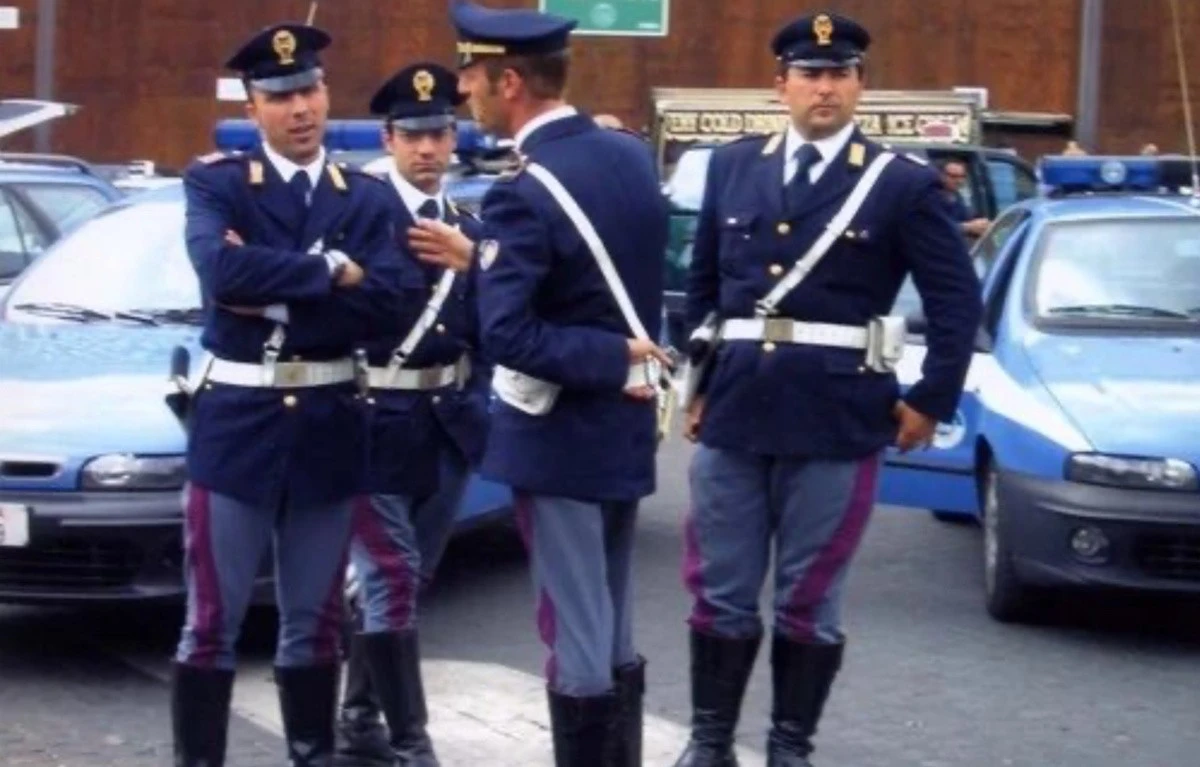
The film did indeed premiere in Milan and quickly found itself at the center of a scandal. The same motif is repeated in sources: less than two weeks (often phrased as "about 10 days") after its release, the film was seized, and Deodato found himself under investigation for obscenity.
But the story didn't stop there. Due to the hyper-realistic scenes and the general "documentary" narrative, the case became overgrown with a far more sinister suspicion: what if some of the "deaths" onscreen weren't special effects?
Thus emerged what would later be retold in a single sentence: the director was suspected of murdering the actors.
Why People Believe in a "Snuff Film"—and What Do the Missing Actors Have to Do With It? 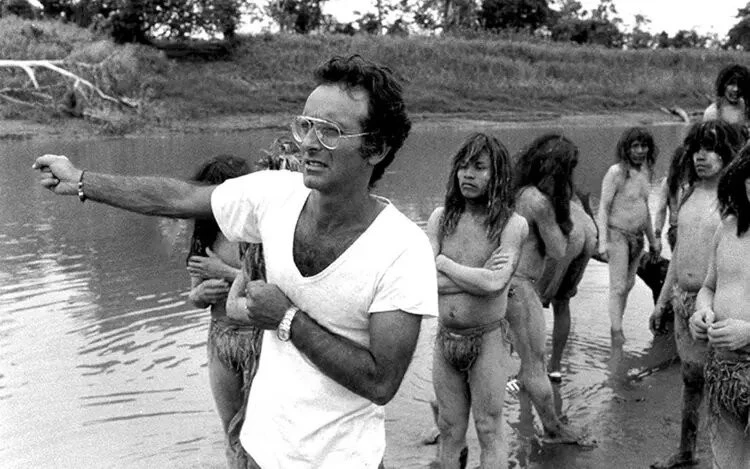
For the rumor of "real murders" to even arise, several factors had to conspire.
The first is the form of the "found footage": it itself suggests that what was shown could have actually happened.
The second is the unusually realistic special effects, which Deodato then explained in detail (even demonstrating the mechanics of the scenes), because otherwise it would have been impossible to convince the court.
The third—and most explosive—is the topic you mentioned: the disappearance of actors from the public eye. Deodato himself openly said that he asked young, unknown actors to "disappear" for a year to enhance the effect of reality. Amid rumors, this worked against him: if the "dead" actors never reappear, someone would inevitably suspect they were truly dead.
But here lies the very nuance of the investigation: the existence and strictness of this "year-long contract" are disputed. Biographical materials about the actors and discussions of the film's history suggest that some people did indeed "take a break," but others could appear elsewhere, and the legend itself became embellished over time.
So the mechanism is plausible and supported by the director's words, but the details don't match perfectly for everyone.
Trial as a spectacle: when the "dead" must return alive 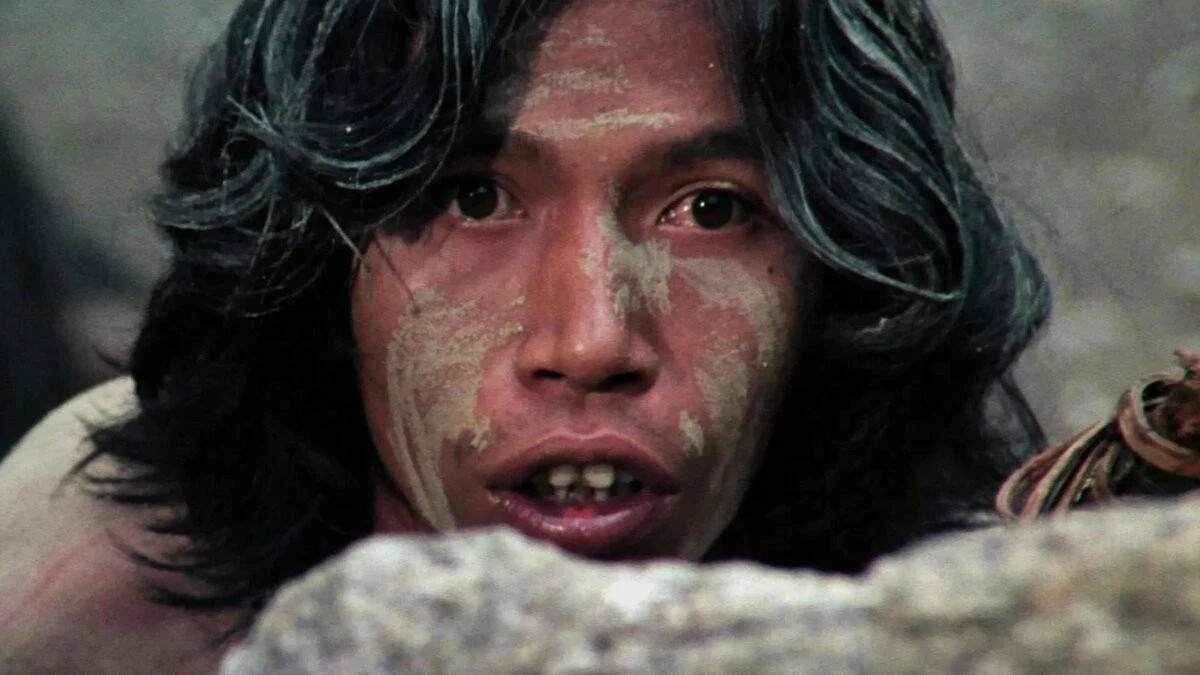
The most cinematic part of the story is also not fiction. Essentially, Deodato had only one way to quickly dispel suspicion: by showing that the "dead" were alive.
According to major sources, the murder charges were dropped after the director introduced the actors and/or convincingly demonstrated the scenes were staged. This is a rare case where the expression "prove it's a movie" becomes literal: the court doesn't need a critic's opinion, but rather a demonstration of how exactly something "too real" was made.
And therein lies the irony: the film was conceived as an expose of the cruelty of "civilized documentarians," but ultimately was itself exposed—in a judicial sense—as the product of a carefully calculated illusion.
The Price of Realism: The Scandal Didn't End with the "Actors" 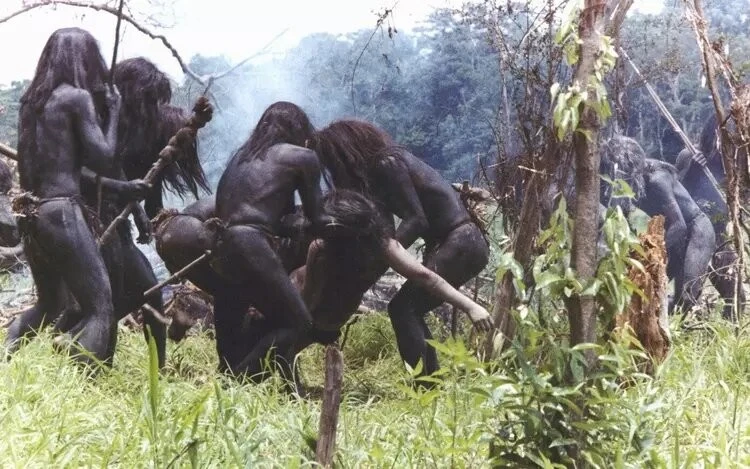
Even after the "human" element of the suspicions was cleared, a second layer of criticism remained surrounding the film—much more mundane and, alas, less "legendary": the issue of animal cruelty and the general ethical limits of what is acceptable. Reviews of the case and the director's biography emphasize that the film gained a reputation for its real-life scenes of animal abuse, and the legal proceedings also included cruelty-related charges.
So the result is paradoxical: the "actor murder" turned out to be a myth/suspicion that was dispelled, but the claims against the real actors on set were already the subject of serious investigation.