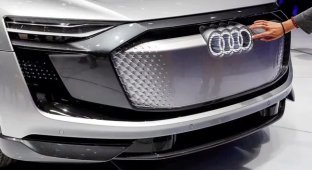
Audi's new large SUVs will finally be released next year (2 photos)
New Audi models coming next year
This year, Audi has introduced a number of new models, including the A5, A6 and Q5, as well as updated versions of other cars. Next year will also be an important one for the German brand, as it is expected to debut the all-new Q7 and the long-awaited Q9, which will be a response to the BMW X7 and Mercedes-Benz GLS.
Importance of the new models
While the Q9 has been long awaited, the new Q7 could prove to be Audi's most important model next year. The current second-generation Q7 has been in production since 2015, and despite two facelifts, the car is in need of a complete overhaul.
Audi’s head of development, Geoffrey Bouqout, confirmed to Automobilwoche that the new Q7 and Q9 will launch next year, although he didn’t specify when.
Technical features
The new Q7 will be built on the Premium Platform Combustion architecture, which supports internal combustion engines, mild hybrids, plug-in hybrids and models with a range extender. Production will take place in Slovakia at the same plant where the current model is built.
The Q9 will also be a big deal for Audi, both in terms of size and importance. For many years, the brand has not had a flagship SUV to compete with its main rivals. Like the Q7, the larger Q9 will use the PPC platform. 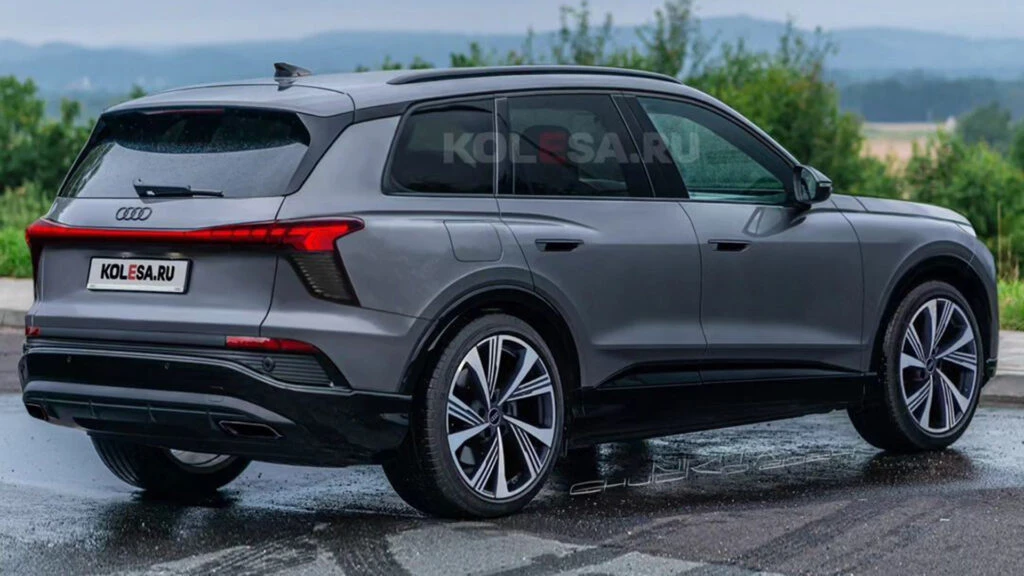
Reports suggest that software issues with the PPC platform have slowed the launch of both models.
Design and specifications
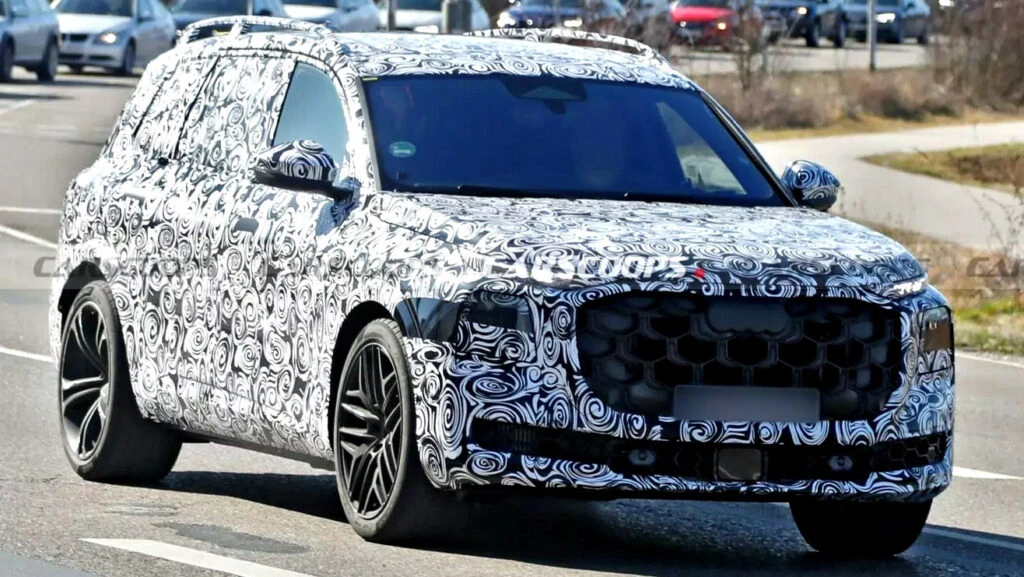
Test shots show that the Q9 will be taller than the current Q7 and will receive new design elements common to other Audi models. These will include split headlights, a large honeycomb grille and LED taillights similar to those found in the new A6.
Technical details for the Q9 have yet to be confirmed, but the sporty SQ9 is expected to get a 4.0-liter twin-turbo V8 engine with around 500 hp. It is also possible to release a top-of-the-line version of the RS Q9 with a 631 hp engine, like the RS Q8.
The planned release of new models indicates Audi's strategic focus on expanding its SUV line, especially in the premium segment. This will allow the brand to increase competition with BMW and Mercedes-Benz, which already have established flagship models in this class. The use of a universal PLC platform demonstrates the desire for flexibility in the choice of power units, which is especially relevant in the context of the transition to environmentally friendly technologies.