Why Store Shelves Would Be Empty in Three Days Without Truckers (12 photos)
Every time you buy a loaf of bread or flip a light switch, a trucker made it possible. Long-haul drivers deliver virtually everything found in supermarket aisles, pharmacies, and job sites—working year-round through any weather and on every kind of road. Ahead of Truck Driver Appreciation Day on August 29, 2026, we’ve rounded up 10 fascinating facts about the profession, from world records and unique cultural traditions to extreme routes and autonomous rigs. 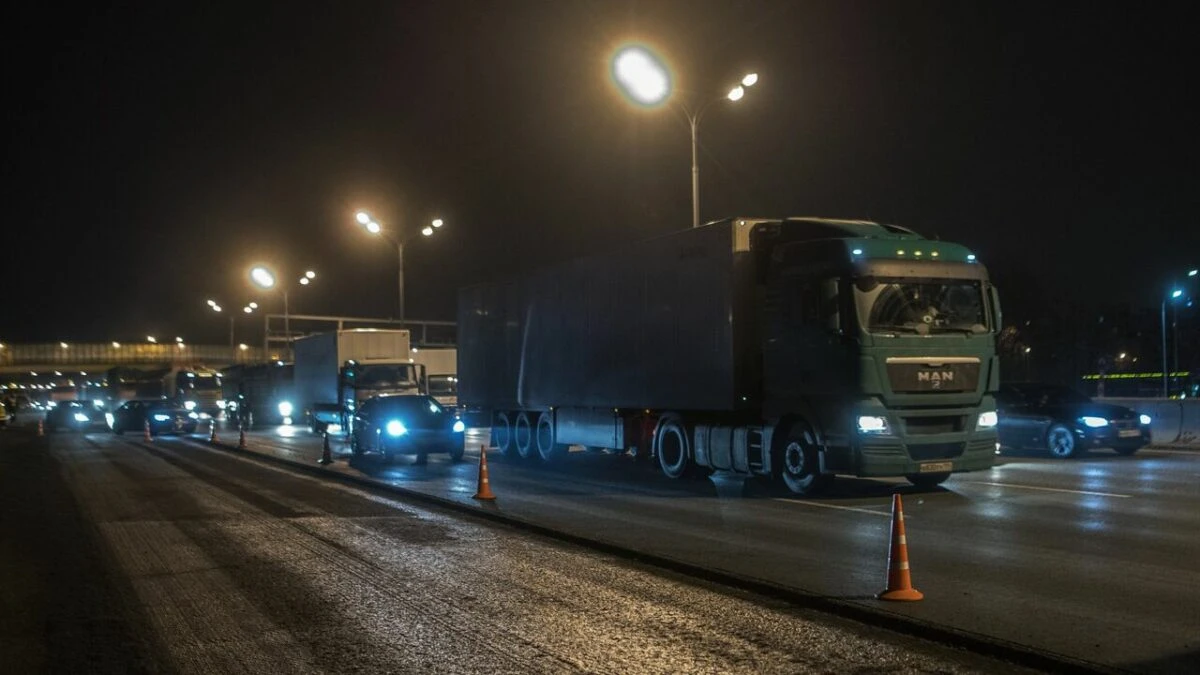
Trucks Move Almost Everything Around You
Without long-haul truckers, grocery store shelves would run completely bare within three days. In the United States alone, trucks haul roughly 10 billion tons of freight every year. Meanwhile, China boasts the world’s largest commercial fleet, registering 33.6 million trucks in 2023—outnumbering the entire population of Canada. 
Every year, global freight transport moves trillions of dollars in goods—and every single journey begins with a human behind the wheel.
The job has been around as long as trucks themselves. The first regular long-distance runs started in the U.S. during the 1910s alongside the birth of paved highways. Since then, freight volumes have grown thousands of times over, turning long-haul driving into its own distinct subculture complete with its own rules, traditions, and lingo.
Australian Road Trains: A Mile-Long Rig Powered by a Single Truck
In the Australian Outback, road trains aren’t a novelty; they’re an absolute necessity for delivering food and fuel to isolated settlements. A road train consists of a heavy tractor unit pulling three to four trailers hooked together with specialized hitches. A standard rig spans up to 53.5 meters (175 feet) long and weighs between 80 and 120 tons. 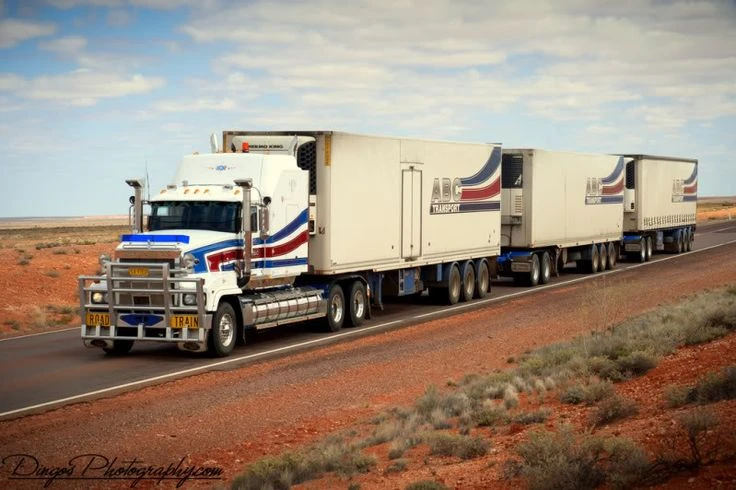
A standard Australian road train weighs up to 120 tons and pulls three trailers—serving as the sole lifeline connecting remote outposts to civilization.
The ultimate record was set on February 18, 2006, in Clifton, Queensland, when Australian driver John Atkinson used a Mack Titan tractor to pull 113 trailers. The colossal road train stretched 1,474 meters (nearly a mile) long. Officially recognized by Guinness World Records, the achievement remains unbeaten to this day.
Yakutia's Ice Roads: Highways Open Just Four Months a Year
From December through April, seasonal ice roads known as
zimniki
are mapped out across frozen rivers and swamps in Yakutia and Siberia. In Yakutia alone, these temporary highways stretch for more than 16,000 kilometers (10,000 miles). Trucks require an ice layer at least 60 centimeters (2 feet) thick, while heavy equipment needs reinforced ice exceeding one meter. 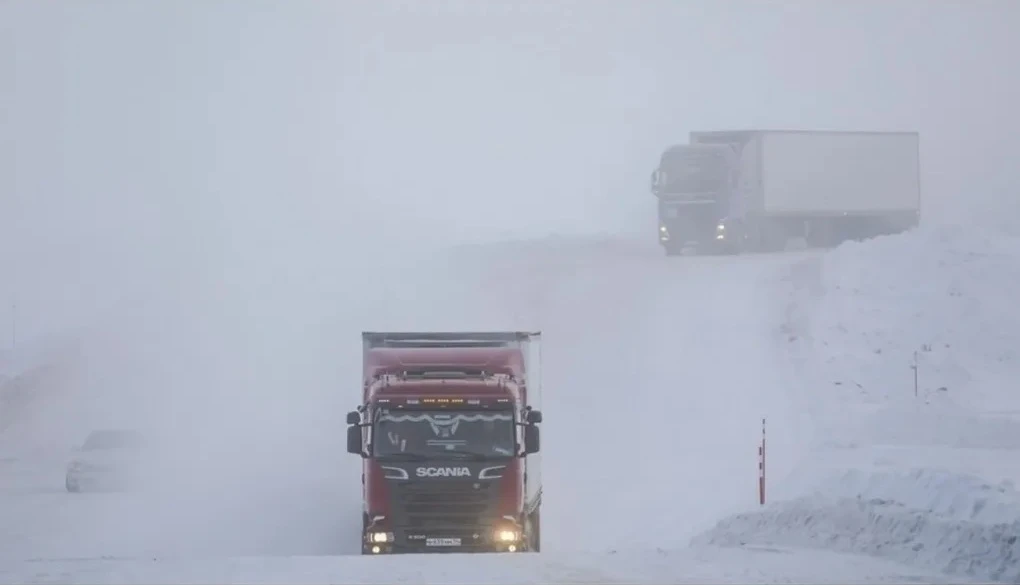
On Yakutian ice roads, trucks must stay at least 500 meters apart: the ice simply cannot support two heavy rigs side by side.
The trek from Ust-Kut to Mirny covers 1,100 kilometers, with 830 of those running across frozen terrain. Temperatures during the run can plunge to minus 50 degrees Celsius (-58°F). If spring arrives early, stranded cargo must stay on the riverbank until the following December. Inside a local trucker’s cab, you’ll always find a crate of canned meat, a tow cable, and spare spark plugs—the nearest sign of life could easily be 200 kilometers away.
Pakistani "Jingle Trucks": Heavy Machinery as High Art
In the 1920s, British companies introduced high-sided wooden Bedford trucks to Pakistan. Local craftsmen quickly began customizing the cabs with elaborate woodcarvings, mirrors, and vibrant paintings. Over the decades, this evolved into a thriving industry: in Karachi alone, roughly 50,000 artists, woodcarvers, and metalsmiths work in truck decoration workshops. 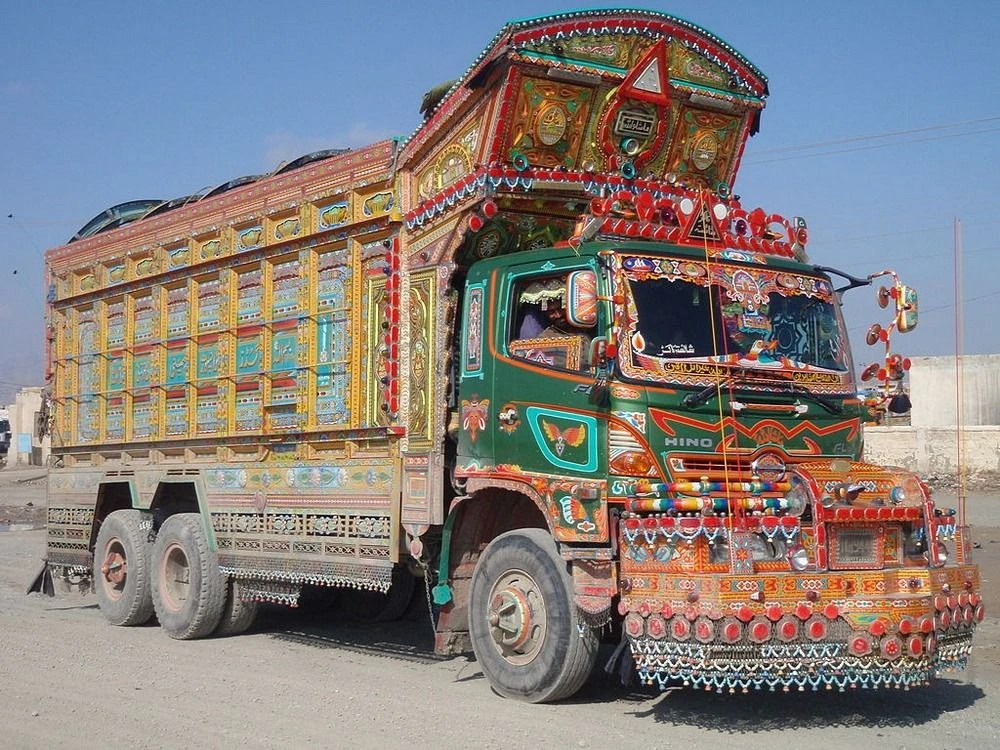

A Pakistani driver may spend up to two years' salary decorating his rig—and views it as a sound business investment.
A basic paint job and trim costs around $2,500—roughly two years’ income for an average driver. Full custom builds featuring intricate woodwork can cost anywhere from $12,000 to $16,000. The term "jingle truck" was coined by American troops in Afghanistan, inspired by the metal chains and bells dangling from the chassis that chime as the rig moves. Drivers are convinced that an ornate truck attracts more business, as clients view it as a mark of reliability and pride. (Their counterparts in India are equally famous for lavishly decorating their rigs.)
Drowsy Driving: The Most Dangerous Part of the Job
Under European Union rules, commercial drivers are limited to 9 hours behind the wheel per day and must take a break every four hours. In practice, however, sleep schedules look vastly different. A landmark study published in the
New England Journal of Medicine
revealed that long-haul truckers average just 4 hours and 47 minutes of sleep per night, far short of the recommended seven hours. 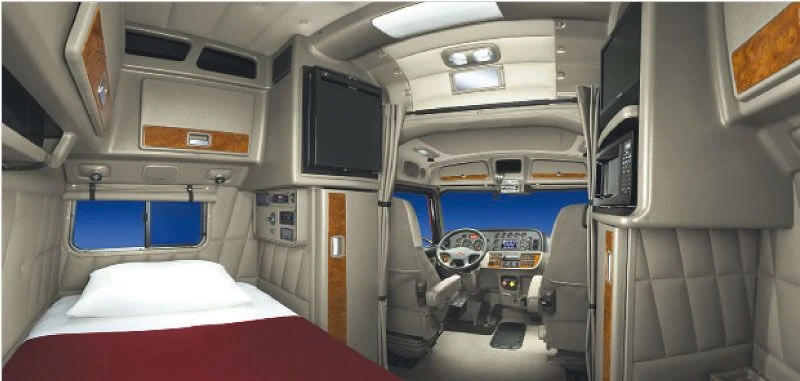

Modern American sleeper cabs like Kenworth and Peterbilt come equipped with beds, mini-fridges, and coffee makers—yet getting a solid eight hours of sleep remains a luxury.
More than half of European drivers surveyed admitted to nearly falling asleep at the wheel at least once. Driver fatigue—rather than speeding—remains the leading cause of major accidents involving semi-trucks. To address this, fleets across the U.S. and Europe are increasingly adopting eye-tracking driver monitoring systems that sound an alert at the first sign of micro-sleep.
An Aging Workforce: Why Younger Generations Are Steering Clear
By 2024, the average age of an American long-haul trucker reached 54, while in Europe it sits at around 50. Younger workers are opting out of the profession, turned off by weeks away from family, grueling schedules, and living out of a cab. 
The average trucker is a man over 50. Fewer young drivers are joining the field, despite high earning potential.
To recruit fresh talent, freight companies have bumped up pay: the median truck driver salary now surpasses that of logistics coordinators or foreign trade specialists. Yet labor shortages persist. It highlights a telling paradox: despite higher earnings, competitive pay alone isn't enough to lure a new generation to such a demanding lifestyle.
Bolivia's "Death Road": Navigating Slopes Where Others Fear to Tread
Bolivia's North Yungas Road is a 64-kilometer mountain pass winding down from an elevation of 4,650 meters (15,250 feet) to 1,200 meters. The narrow dirt track is barely three meters wide, lacks guardrails, and borders sheer drop-offs of up to 600 meters. It is the only road in Bolivia where drivers travel on the left side of the track—giving truckers a direct view of how close their outer wheels are to the cliff edge. 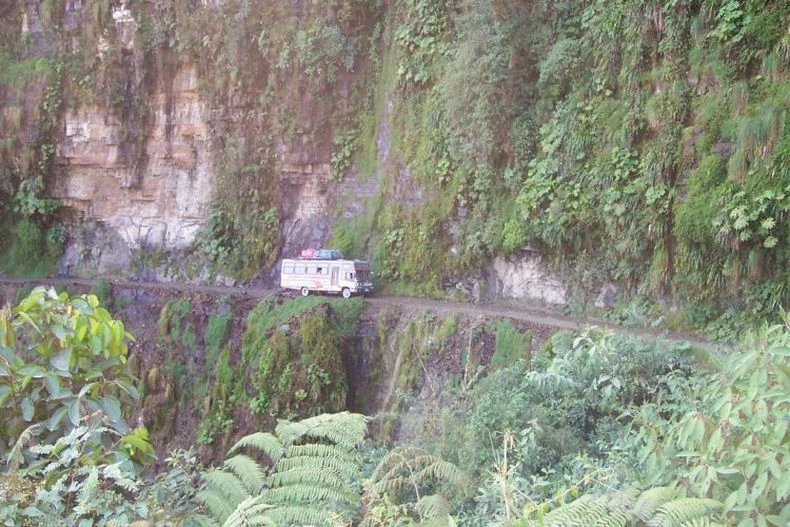
Bolivia's Yungas Road: three meters of dirt hanging over a 600-meter drop. Before a bypass was built, hundreds died here every year.
In 1983, the road claimed over a hundred lives in a single tragedy when a bus veered off a cliff with no survivors. Until a modern bypass opened in 2006, as many as 300 people lost their lives on Death Road every year. Yet some local truckers still take the treacherous old route, as the modern highway adds considerable distance to their journey.
Adelaide to Darwin: Nearly 3,000 Kilometers Through Endless Nothingness
The Stuart Highway cuts through the heart of Australia from south to north. Running roughly 3,000 kilometers from Adelaide to Darwin across desolate desert terrain, civilization appears only once every few hundred kilometers. Road train drivers complete the marathon run in two days without stopping overnight at rest stations. On certain stretches of the highway, speed limits don't exist at all. 
The Stuart Highway is one of the longest, straightest roads on Earth. At night, you're far more likely to run into kangaroos than oncoming traffic.
After dark, kangaroos pose a constant hazard along the route. Hitting a large kangaroo causes as much structural damage as colliding with a small passenger car, which is why road trains are fitted with heavy-duty bull bars made from thick steel piping. For local drivers, bull bars aren't an accessory—they're essential survival gear.
Autonomous Rigs Are Already Rolling Out
Since the mid-2010s, self-driving trucks have been undergoing real-world trials across Australia, the U.S., and China. Mining giant Rio Tinto pioneered driverless haul trucks in Western Australia as early as 2008, converting its first mine sites to fully autonomous operations by 2015. Today, the company operates hundreds of autonomous haulers across the Pilbara region. 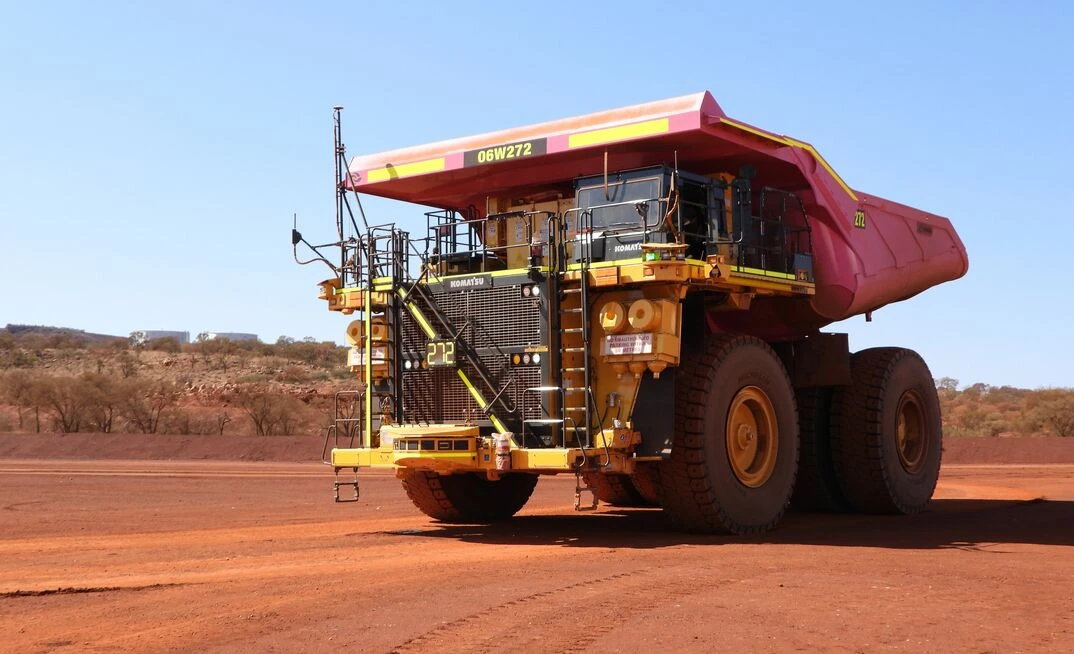
Rio Tinto's driverless haul trucks have operated in Western Australia since 2015—running non-stop, 24 hours a day, without a human behind the wheel.
On public roads, self-driving freight is still largely in the testing phase. Industry experts agree that human drivers will remain indispensable in congested cities and complex driving conditions for at least another two to three decades. The profession is evolving, but it isn't going anywhere. Ahead of Truck Driver Appreciation Day on August 29, it’s worth keeping that in mind.
Have you ever stopped to think about how many truck deliveries it took to bring everything in your home to your doorstep?