20 Psychedelic Photos of the 1960s: Inside the Era of Hippies and Rock Festivals (21 photos)
These images could never be mistaken for any other era—it was vibrant, free, and louder than anything before or since. Painted faces at the Monterey Pop Festival, dancing under multi-colored spotlights at the Cheetah Nightclub, Jane Birkin starring in psychedelic cinema, and Melanie performing in the pouring rain at Woodstock. Here are the 1960s captured in 20 photos, spanning from the Summer of Love to the decade's final crescendo. 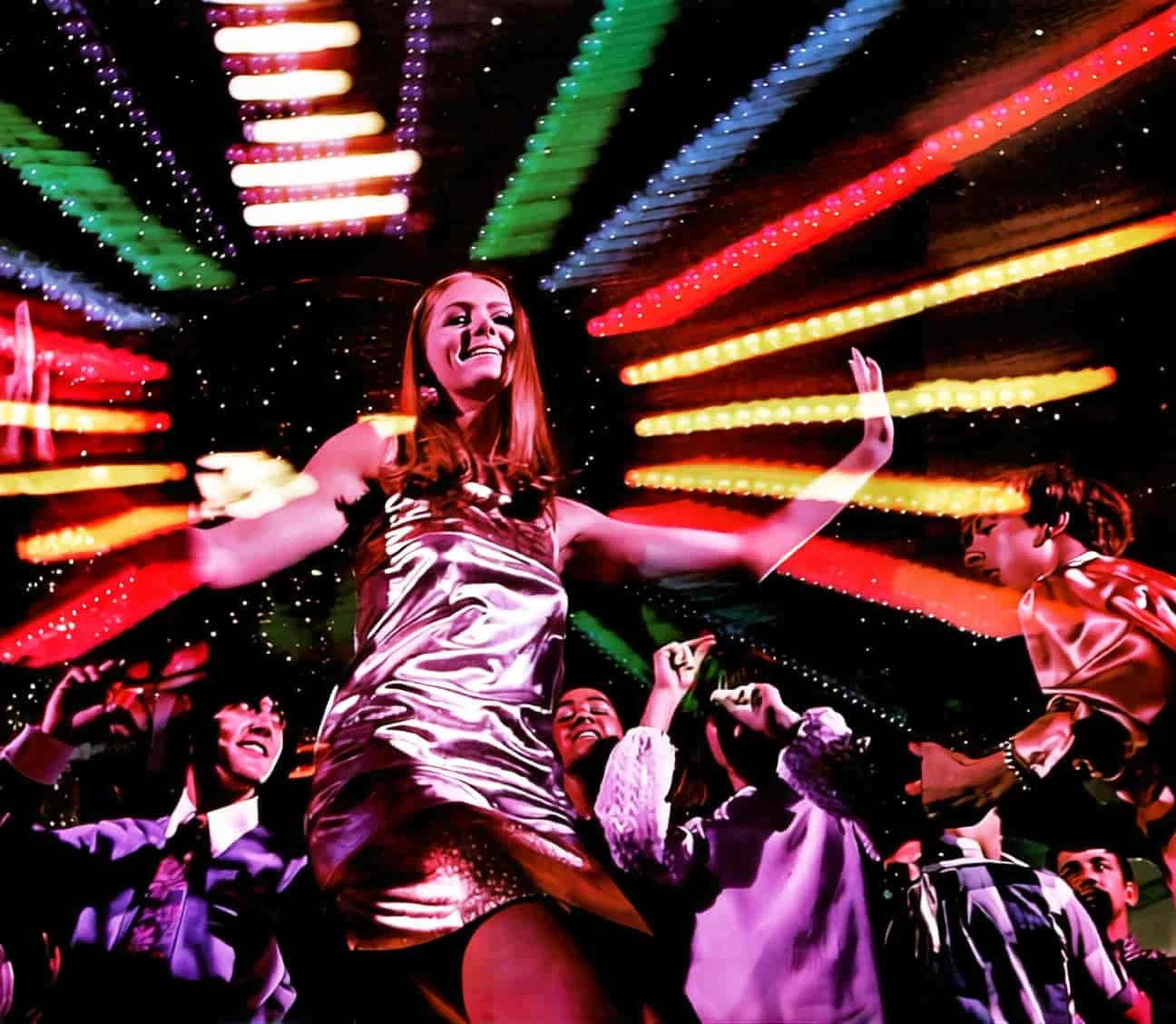
Fashion of the Era: Flowers, Color, and Throwing Out the Rulebook
"Flower Power" fashion—one of the ultimate symbols of the 1960s—didn't originate in high-end design ateliers, but on the streets of San Francisco. Hippies deliberately rejected tailored suits and neat haircuts: long hair, loose-fitting shirts, embroidery, beads, and vivid prints were a statement, not just clothing. Take a look at the photo below: this wasn't a costume party, but everyday life for young people in the late 1960s. 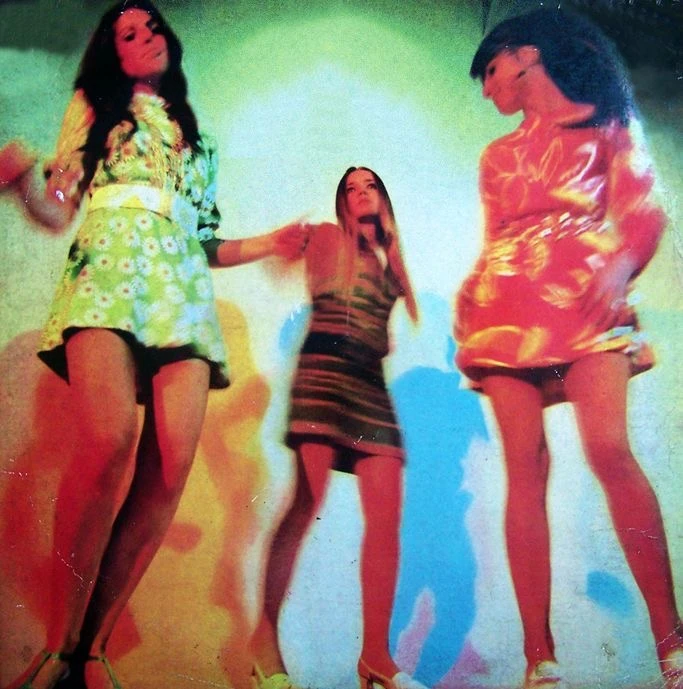
Flower Power fashion. Eye-catching prints, miniskirts, beads, and loose cuts—a style born on the street, not the runway.
You couldn't buy this look off the rack. It was pieced together from flea markets, hand-stitched, or brought back from trips to India and Morocco. That’s why everyone’s style was unique—there was no standard "hippie starter pack." There were quiet moments, too: in 1969, Paul McCartney photographed his wife Linda in the poppy fields of Provence—a gentler, softer side of the 1960s. 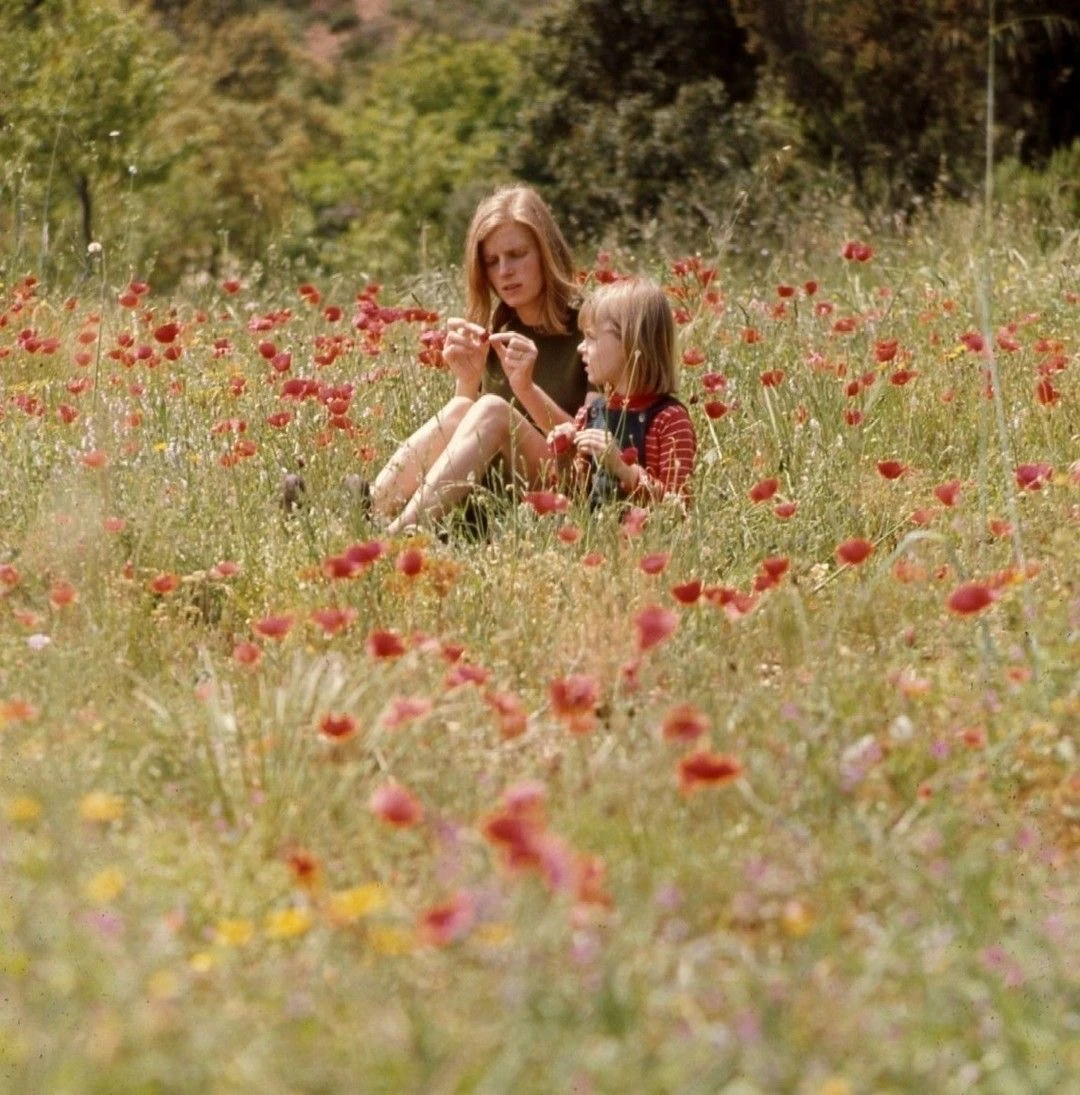
Linda McCartney with her daughter Heather among wildflowers in Provence, 1969.
Dancing Till Dawn: Ballrooms and Nightclubs
While hippies were staging lawn picnics, a different kind of energy was buzzing in city centers: club life. San Francisco's Avalon Ballroom became a cornerstone of the psychedelic scene, hosting iconic acts like Jefferson Airplane, the Grateful Dead, and Quicksilver Messenger Service. Admission in 1966 was just $2.50. Liquid light shows featuring overhead projectors and colored oils produced an effect known back then as "mind expansion without the drugs." 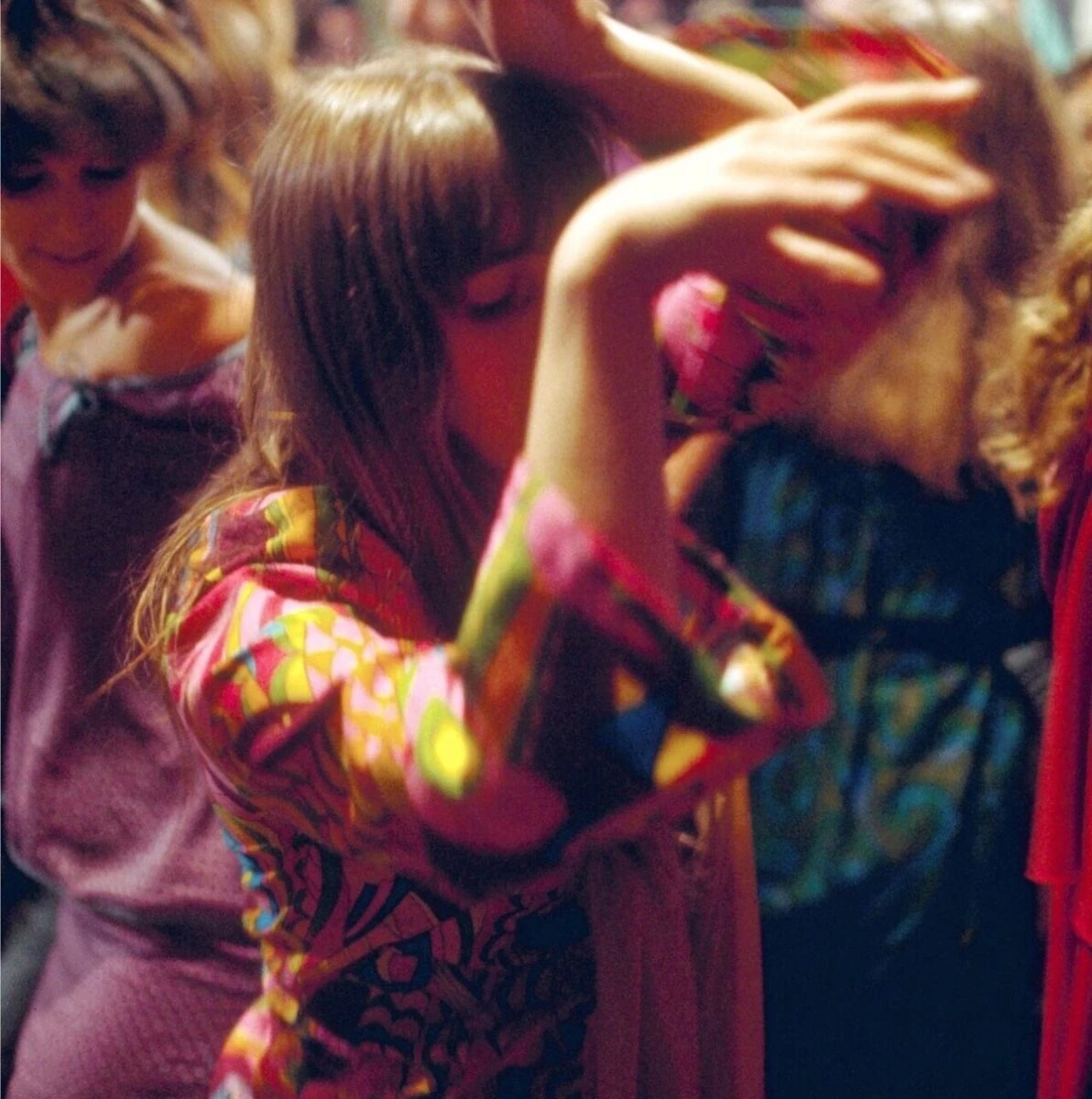
The Avalon Ballroom, San Francisco, 1966. One of the definitive dance venues of the psychedelic era.
New York City's Cheetah Nightclub opened in 1966 inside a former casino on Broadway and instantly became legendary. It was the place to be for those who stayed on the East Coast but craved that same electric atmosphere. Photographs from Cheetah capture a crowd dancing beneath swirling colored spotlights, where the line between performer and audience virtually dissolved. 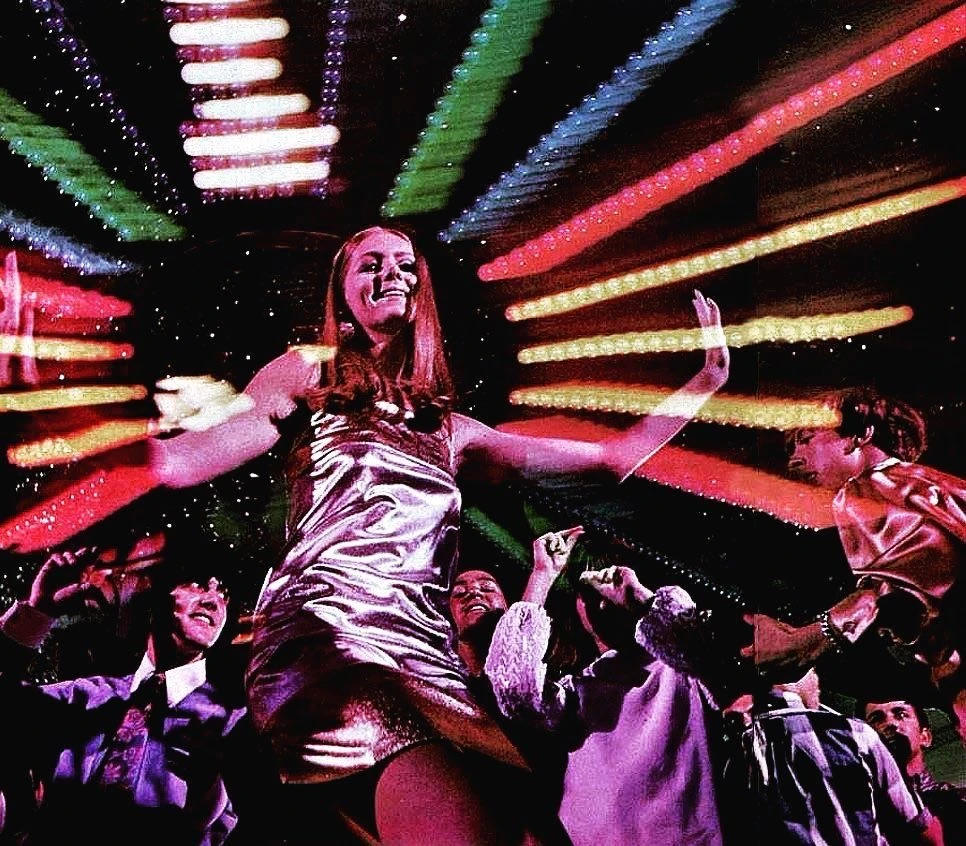
The Cheetah Nightclub, New York City, 1966. Colored spotlights and packed crowds—a quintessential night out in 1960s NYC.
Monterey Pop, 1967: Three Days That Changed Everything
The Monterey International Pop Festival took place from June 16 to 18, 1967, in the California coastal town of Monterey, drawing between 55,000 and 90,000 festivalgoers. It was the first major rock festival in history—a full two years before Woodstock. This was where mainstream America first witnessed Janis Joplin and Jimi Hendrix. Otis Redding won over a massive mainstream audience, while The Who literally smashed their equipment to pieces on stage. 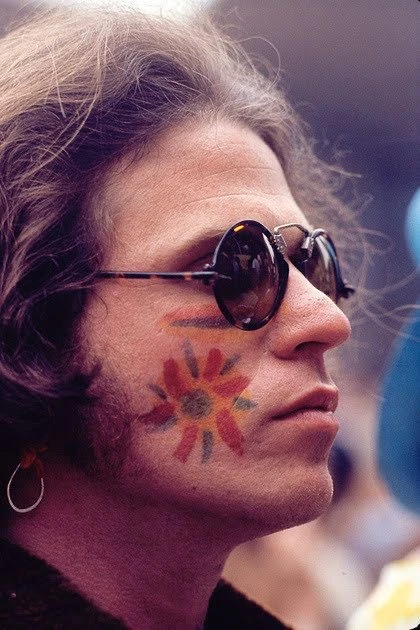
Country Joe McDonald of Country Joe and the Fish wearing face paint at the Monterey Pop Festival, 1967.
Country Joe McDonald took the stage with vibrant face paint, which was no mere gimmick. In 1967, body art and face painting were part of the anti-war movement—a wordless visual statement. The crowd quickly embraced it, painting one another's faces on the festival grounds. 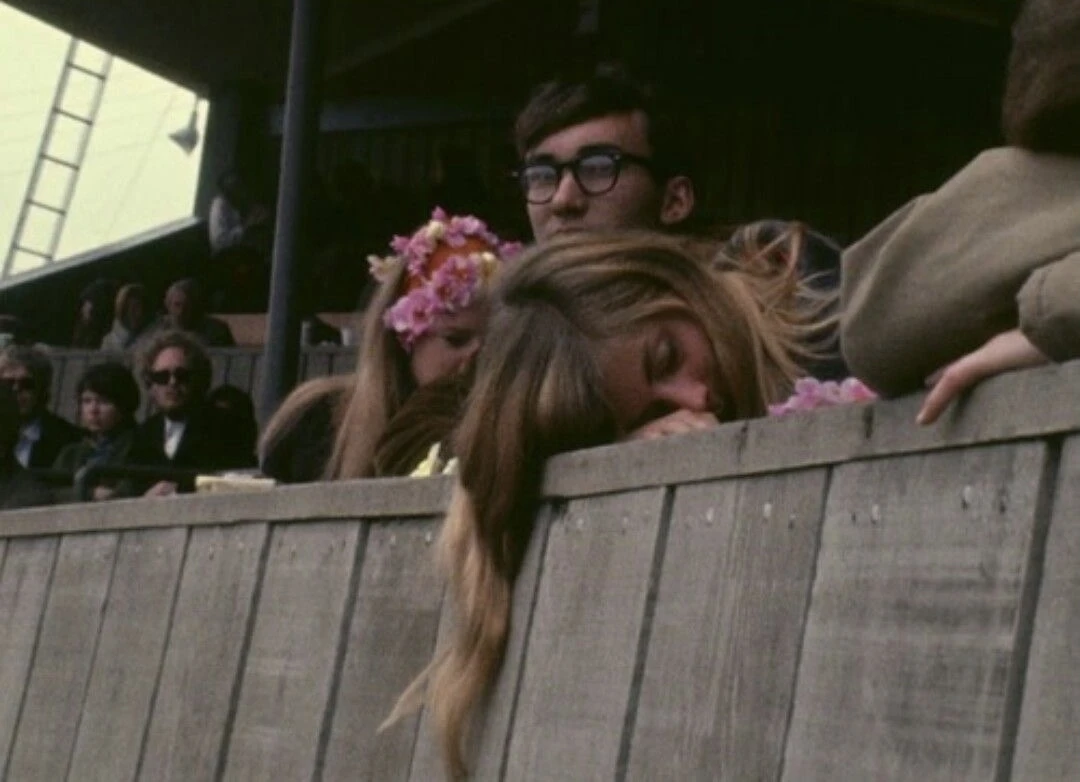
Monterey, 1967. After three days of music, catching some sleep right on the grass was part of the experience. 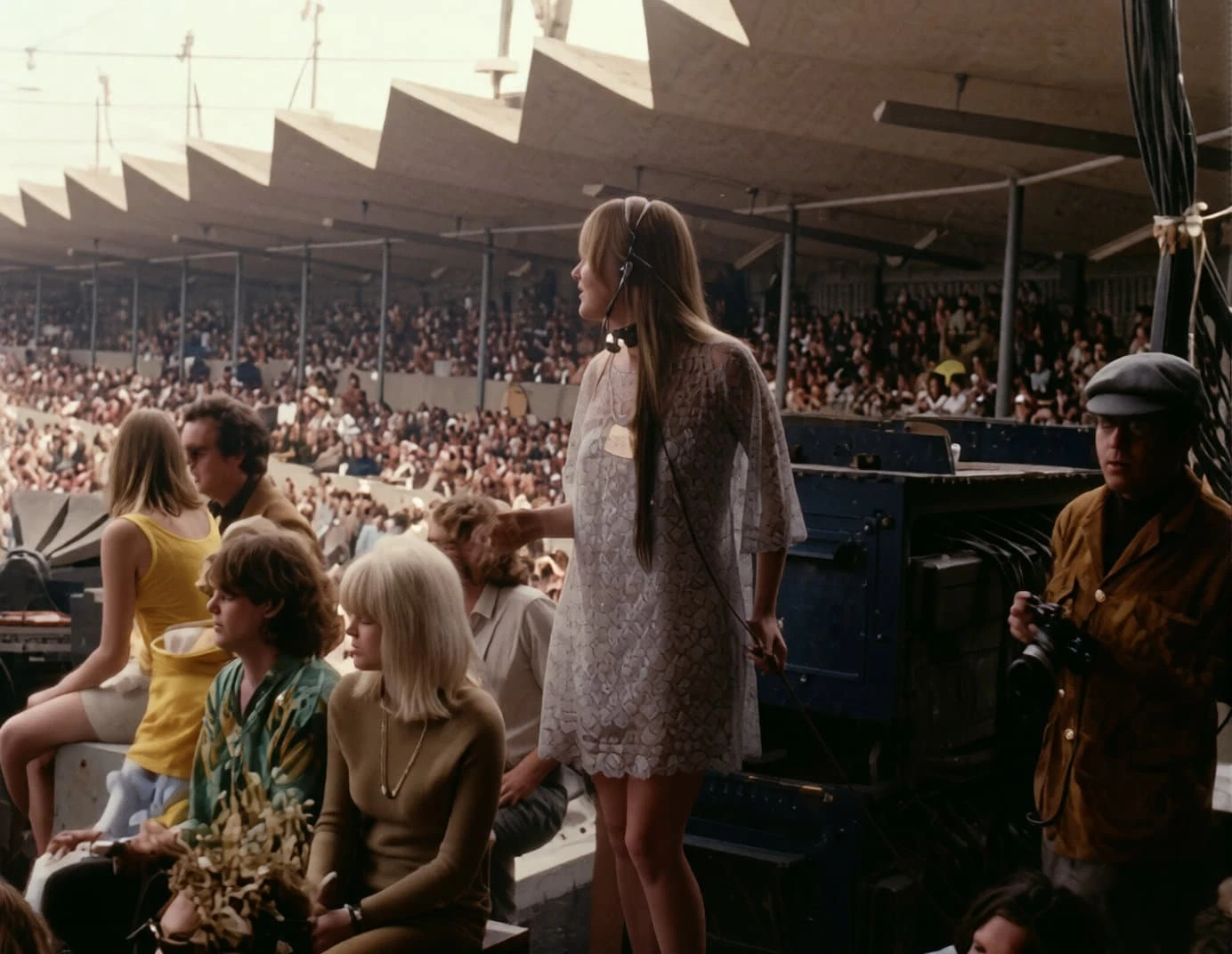
The crowd at the Monterey Pop Festival, 1967. Peak attendance reached 90,000—without a single arrest or police incident. 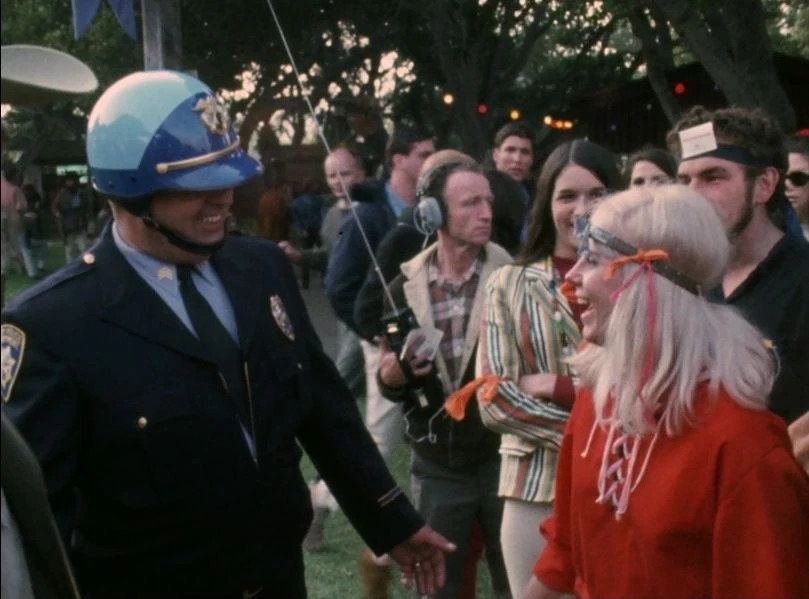
Festivalgoers at Monterey, 1967. Bright colors, flowers, and complete freedom to roam. 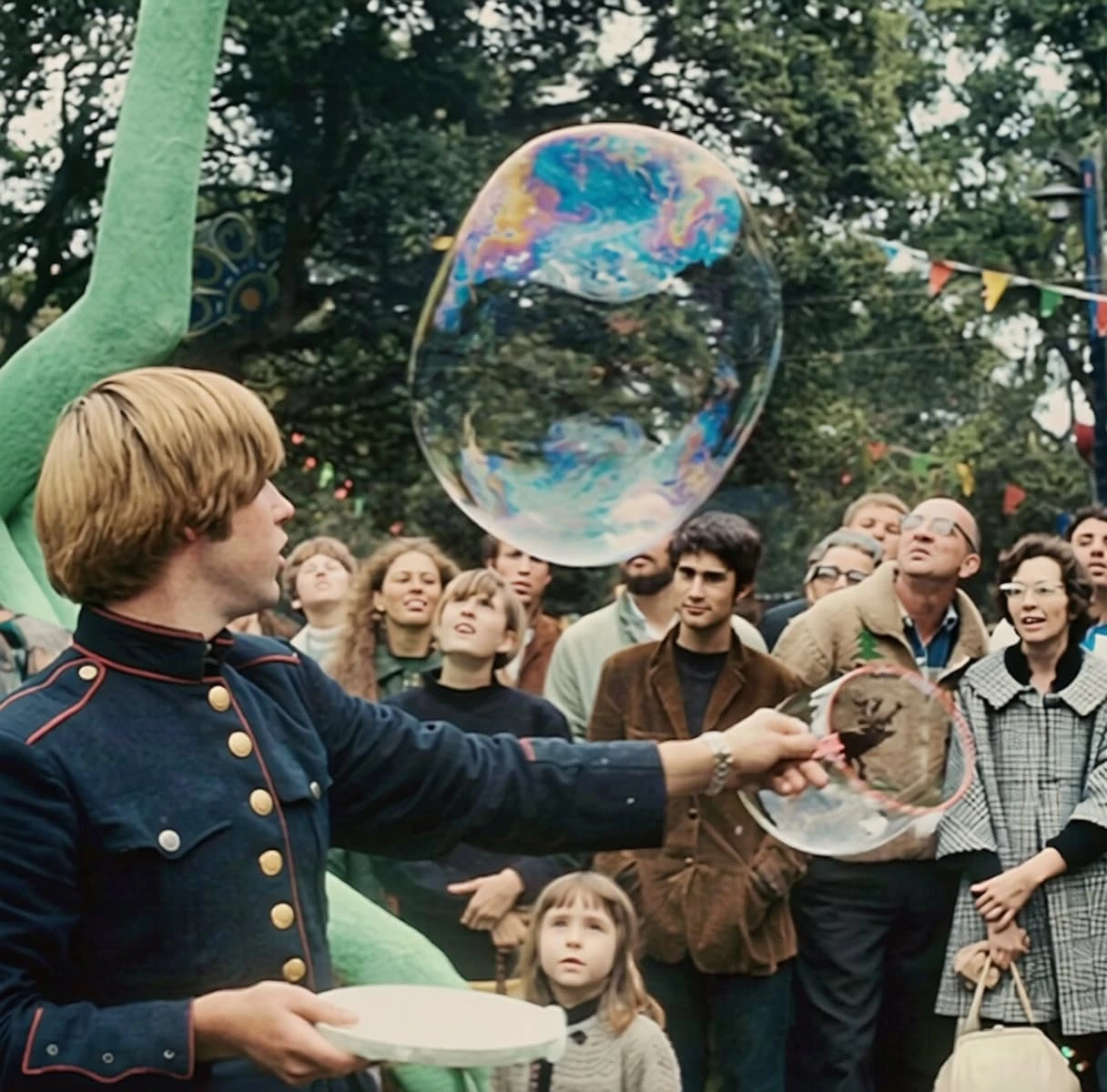
Monterey, 1967. Photos from the event look as though the color saturation was turned all the way up—but no, that was just the era. 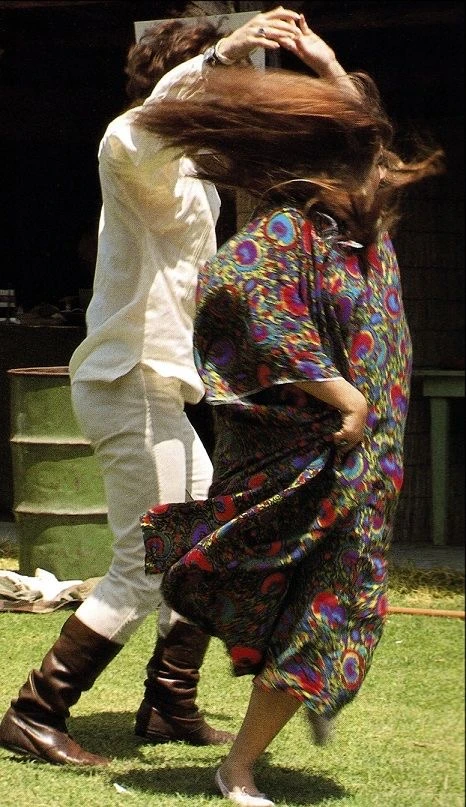
Monterey, 1967. Three days of music where everything else simply melted away.
The Stars: From Michelle Phillips to Jane Birkin
The Monterey Pop Festival was co-organized by John Phillips of The Mamas & the Papas. His wife Michelle Phillips and groupmate Cass Elliot walked through the audience—a camera captured them smiling among the festivalgoers. It remains one of the warmest, most candid photos of the decade. 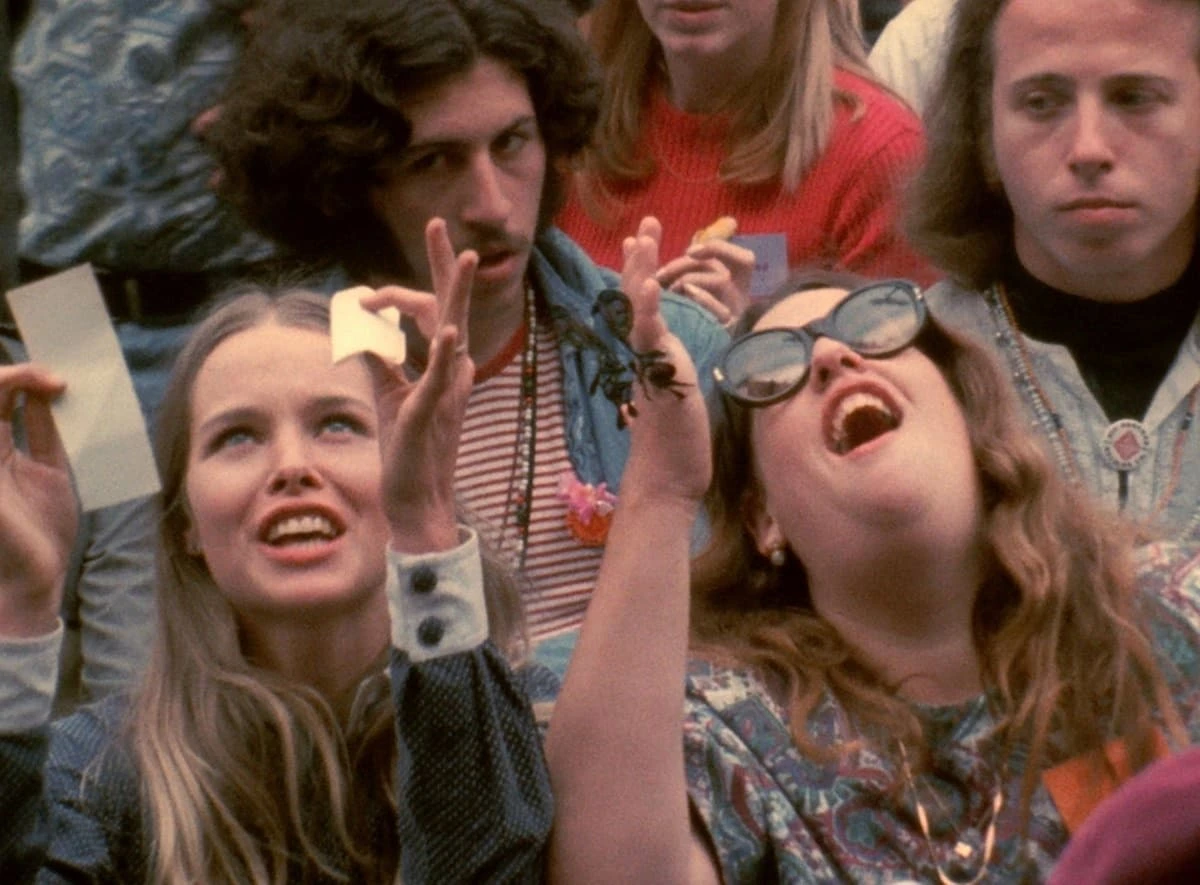
Michelle Phillips and Cass Elliot of The Mamas & the Papas in the crowd at the Monterey Pop Festival, 1967.
While Monterey was making noise in California, a very different artistic movement was unfolding in London. In 1968, the movie Wonderwall hit screens—a psychedelic feature scored by George Harrison. It starred a 22-year-old Jane Birkin. The British actress was just launching her career in France, long before becoming the style icon famous today for inspiring the Hermès Birkin bag. 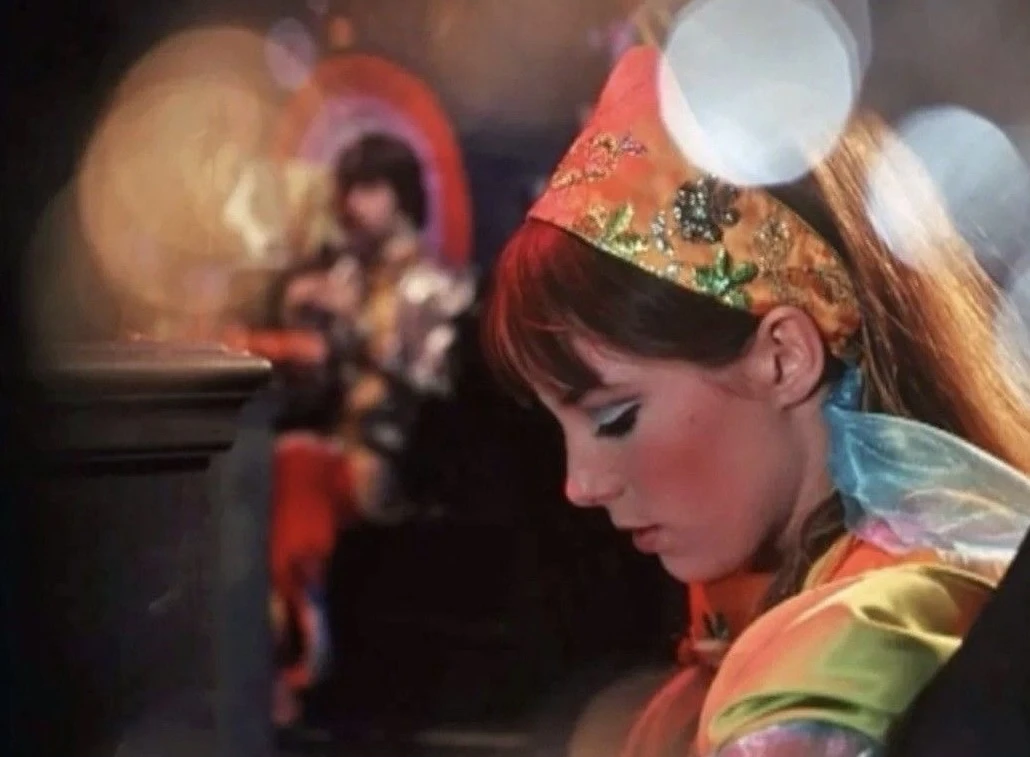
Jane Birkin in the psychedelic film Wonderwall (1968), featuring a soundtrack composed by George Harrison.
Psychedelia spilled over into music packaging as well, turning album art into a standalone art form. The Dutch design collective The Fool, who famously decorated The Beatles' Apple Boutique, helped define the decade's aesthetic with bold patterns, Eastern motifs, and unapologetically vibrant colors. 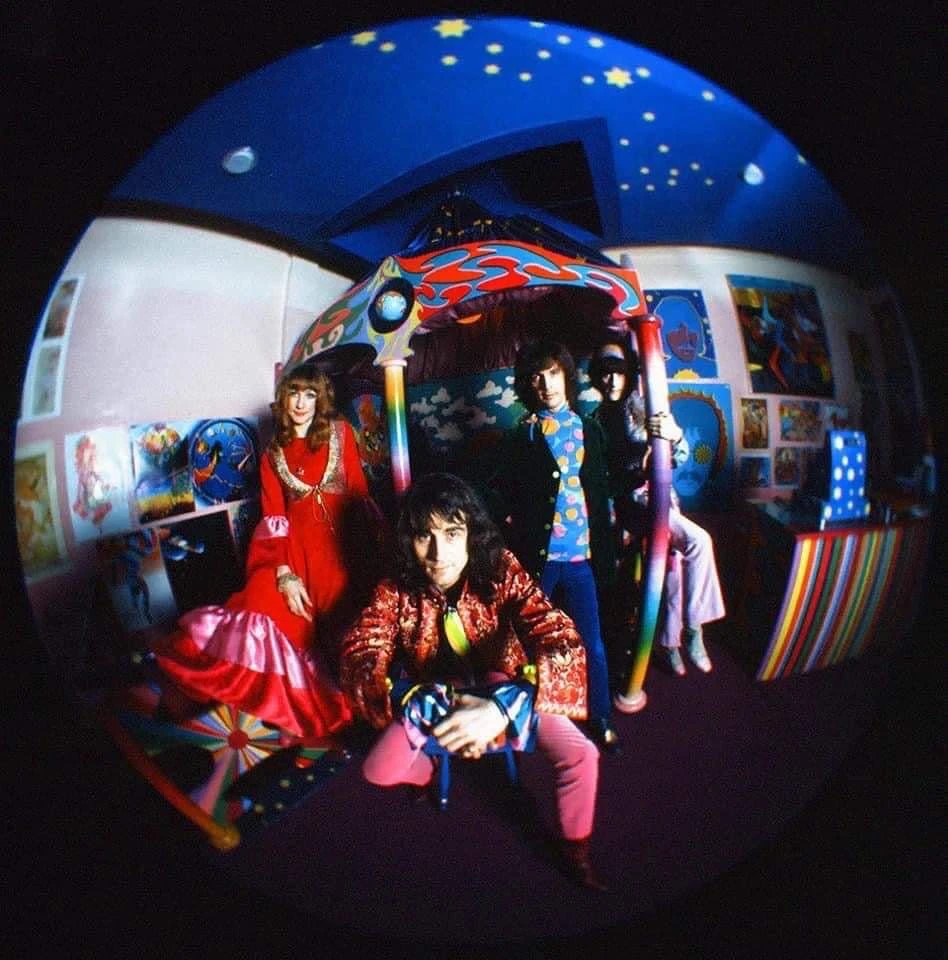
The design collective The Fool inside the Apple Boutique, London, 1967. Owned by The Beatles, the shop stayed open for less than a year. 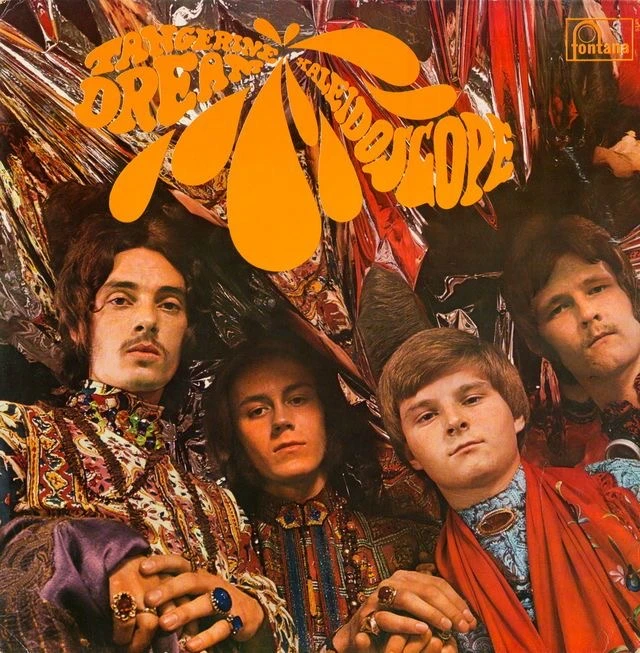
Album artwork for Tangerine Dream, 1967. Psychedelia reshaped the visual language of record covers. 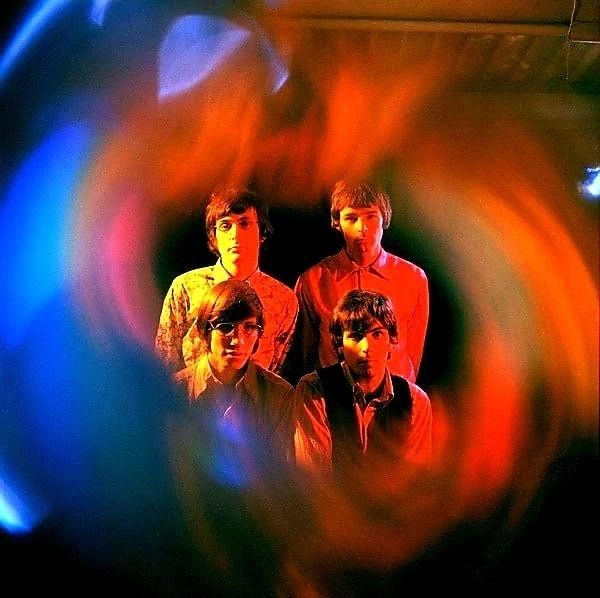
Pink Floyd, 1967. Less than two years after forming, with Syd Barrett still leading the band.
Woodstock and Beyond: How the World Said Goodbye to the 1960s
The Woodstock Music & Art Fair took place from August 15 to 18, 1969, on a farm in upstate New York, defining an entire generation. Nearly 500,000 people attended—more than double what organizers had planned for. Food, water, and sanitation facilities were severely lacking, and rain turned the fields to mud. Yet the gathering remained entirely peaceful. Jimi Hendrix closed out the festival, taking the stage at dawn on August 18 to deliver an iconic, historic performance of "The Star-Spangled Banner." 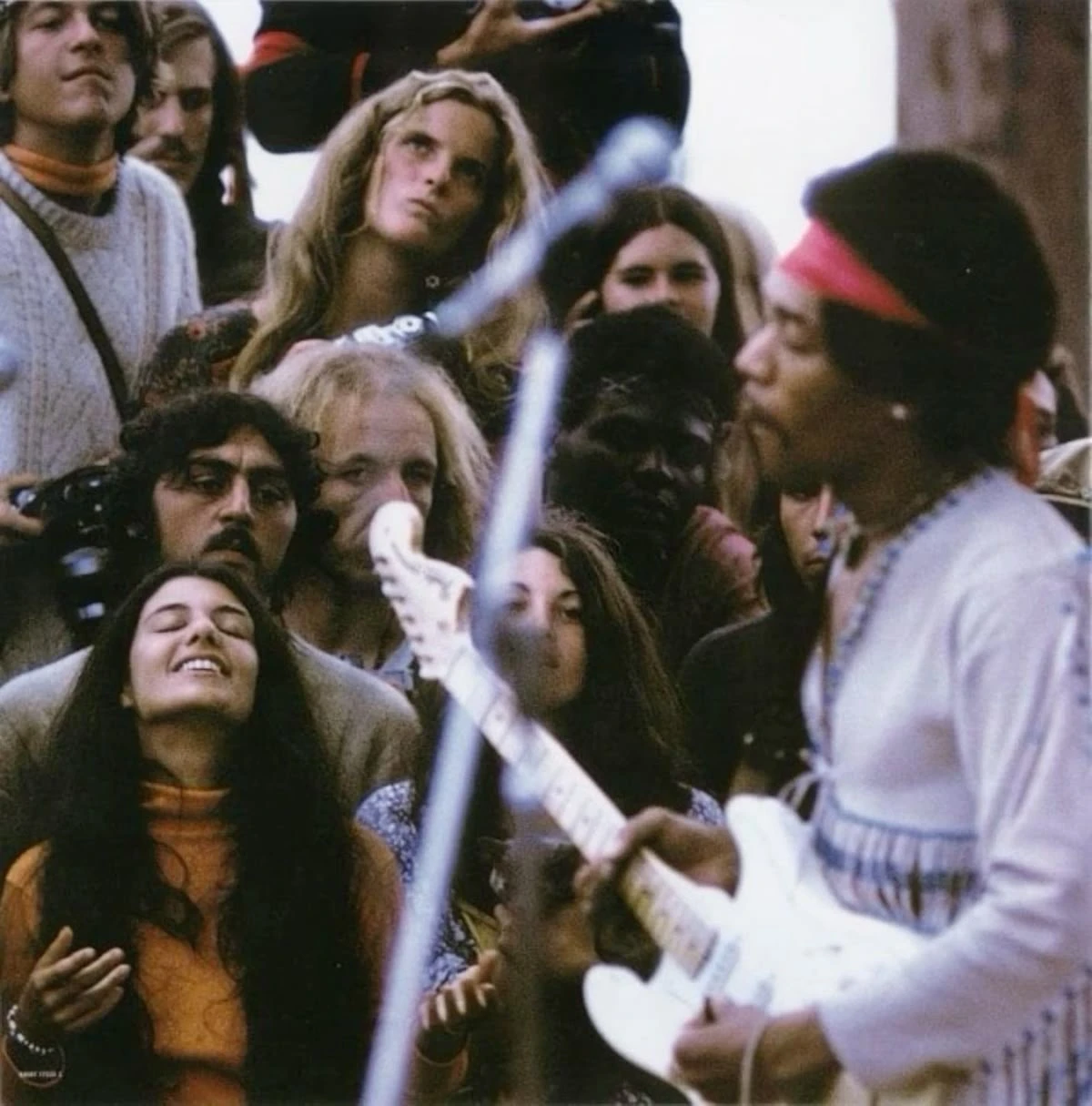
Jimi Hendrix at Woodstock, 1969. Closing out the festival at dawn on August 18 with a performance for the history books.
Singer Melanie Safka, known simply as Melanie, stepped onto the Woodstock stage on the night of August 15, 1969, in the middle of a rainstorm. Just 22 years old, her performance of "Beautiful People" became one of the weekend's most touching highlights. She later wrote her smash hit "Lay Down (Candles in the Rain)" inspired by that very night. 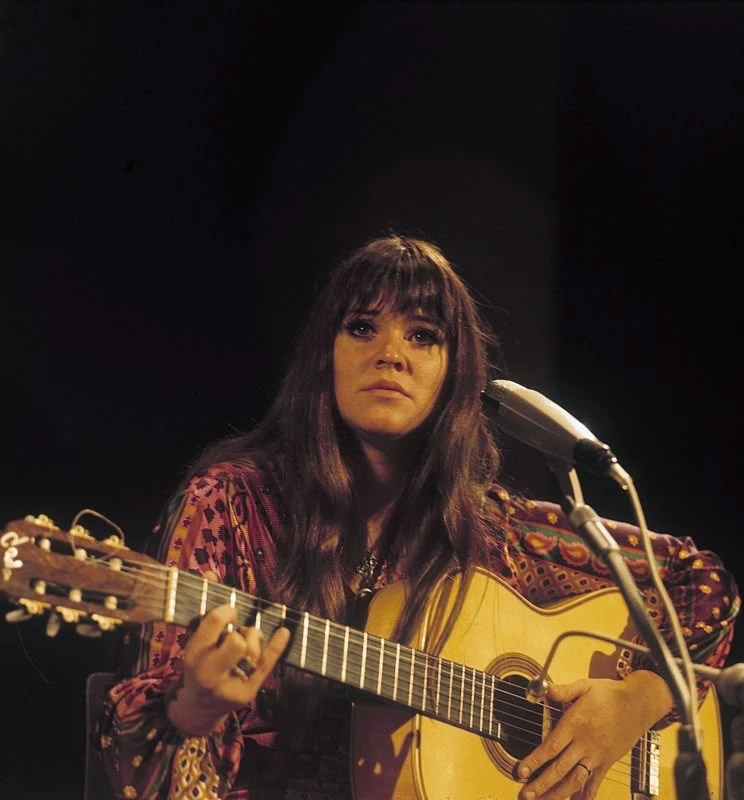
Melanie Safka at Woodstock, 1969. Performing late at night in a pouring rainstorm, inspiring thousands of audience members to hold up candles.
By that time, the festival movement had spread far beyond American borders. The UK's Isle of Wight hosted its first festival in 1968—intimate compared to Woodstock, but every bit as vibrant. 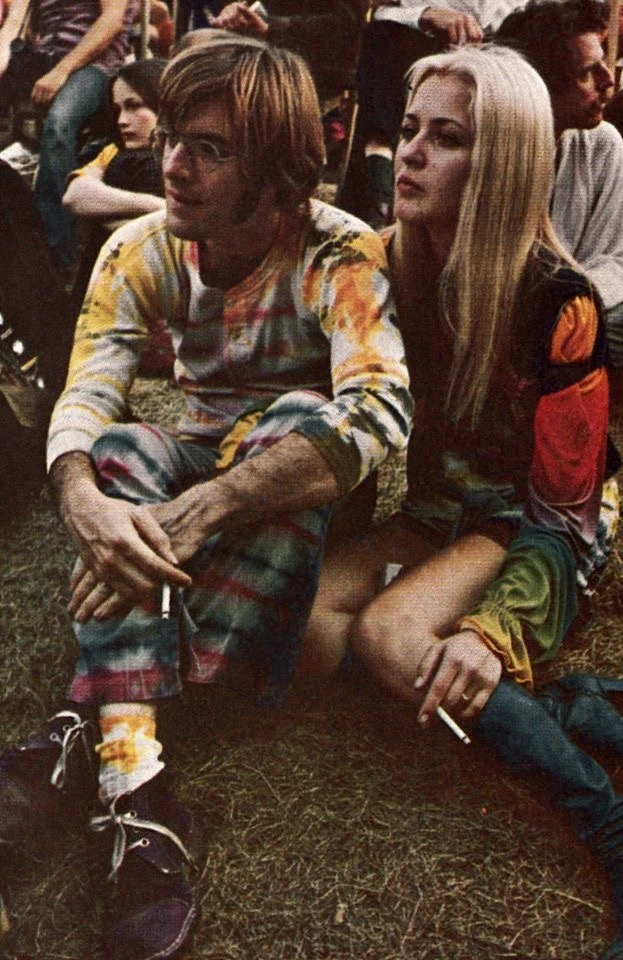
John Sebastian and his wife Catherine at the Isle of Wight Festival, 1968—Britain's answer to Monterey.
On the other side of the globe, psychedelia reached Argentina. In 1968, avant-garde artist Marta Minujín staged high-energy performances in Buenos Aires featuring inflatable sculptures and vivid color displays, earning her the nickname "the Latin American Yoko Ono." The counterculture movement was truly global, sharing the exact same spirit from California to South America. 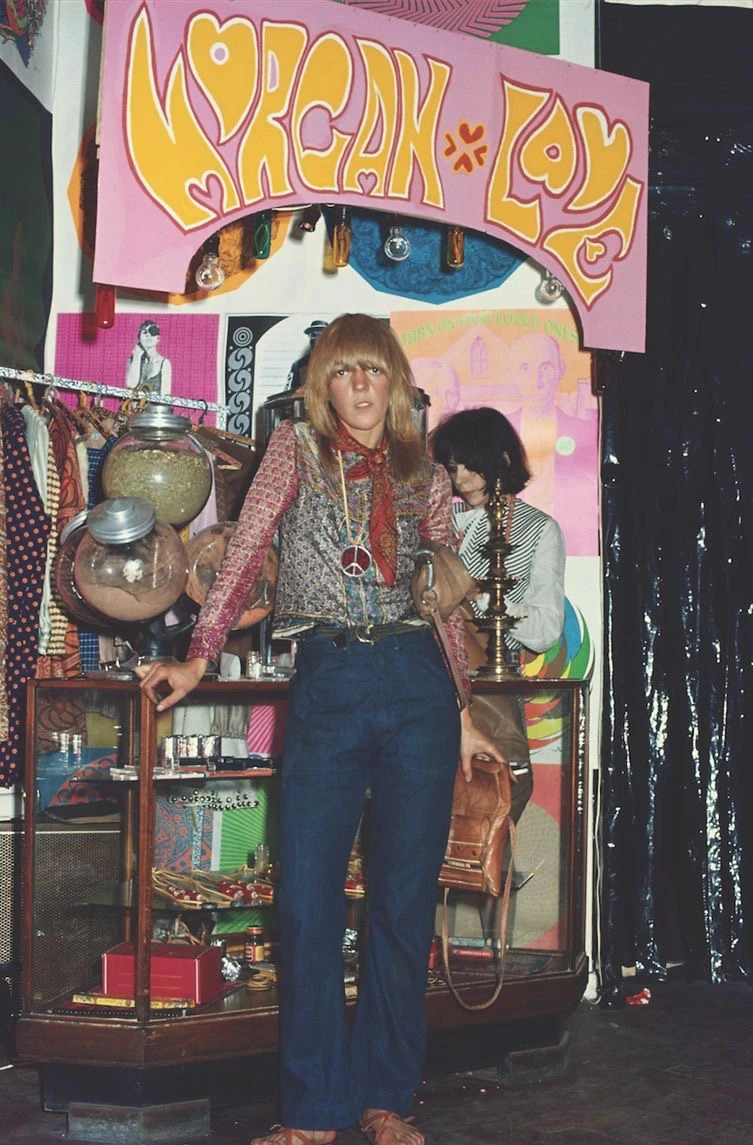
Marta Minujín inside her installation Importación-Exportación at the Torcuato di Tella Institute in Buenos Aires, 1968. 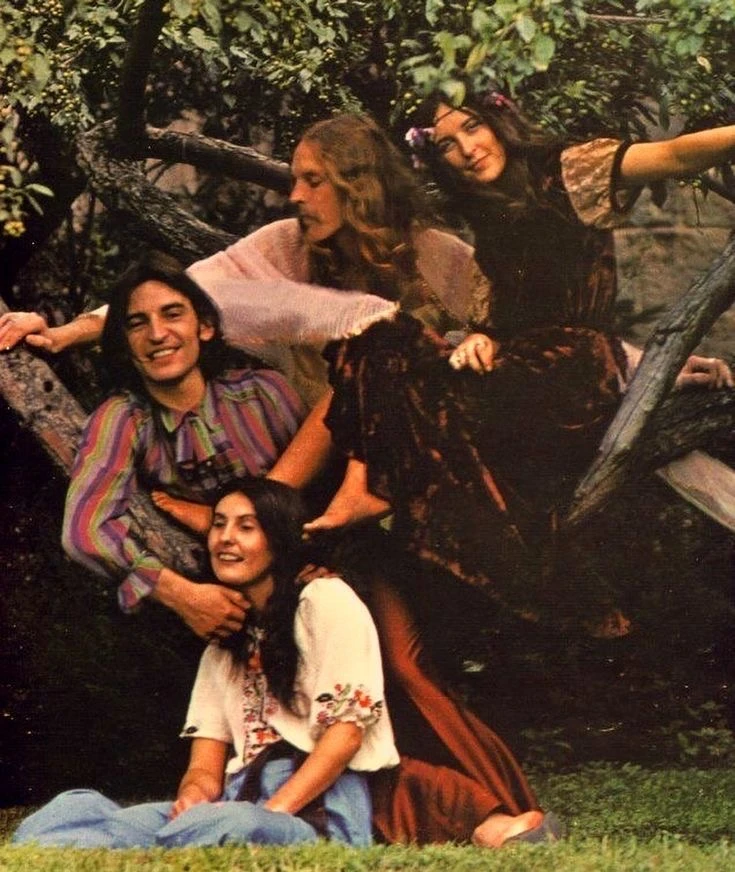
Scottish psychedelic folk group The Incredible String Band on the cover of their 1969 studio album, Changing Horses.
The late 1960s brought together everything that would come to define the counterculture movement: music, color, protest, freedom, and a collective belief that the world could be changed. Photographs from this era hit differently than standard historical archives—they feel alive. What are your thoughts on this legendary era? Let us know in the comments.