How Sake Is Made in Japan (16 Photos)
October 1 marks "Japanese Wine Day" (Nihon-shu-no Hi) in Japan—or Sake Day, as it’s better known to foreigners. While it’s not an official public holiday in the Land of the Rising Sun, we decided to mark the occasion by taking a look at how Japan’s signature drink is made. 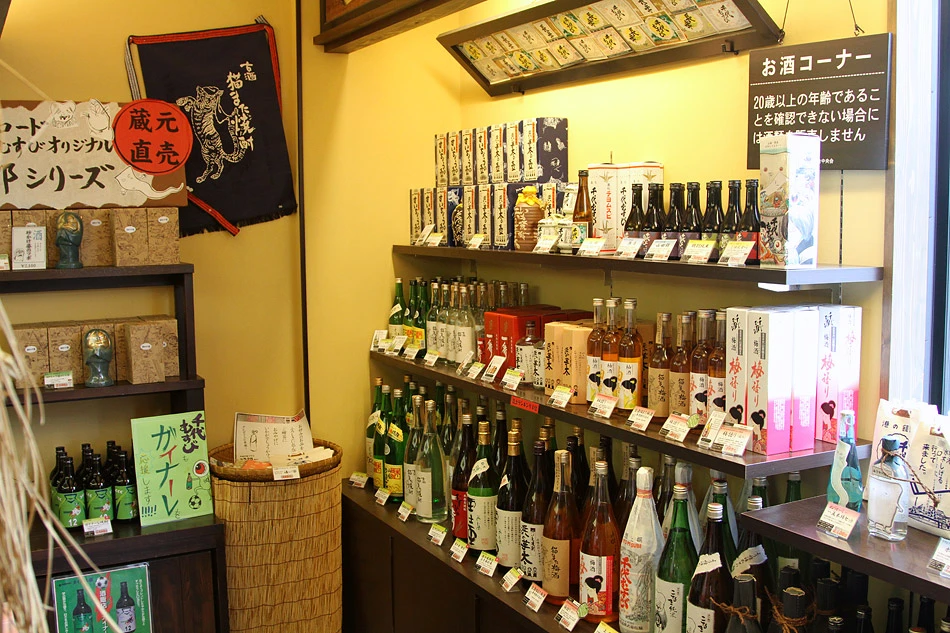
Today, we’re heading to a small, family-run sake distillery to check out the conditions in which it's brewed.
For some reason, I had imagined us pulling up to an industrial zone on the outskirts of town, slipping into protective gear, and stepping into a sprawling, sterile factory with a mile-long conveyor belt rolling out bottles of sake while workers in pristine white coveralls monitored automated lines...
"Must've been dreaming," I thought as I stepped over the threshold of the "facility." 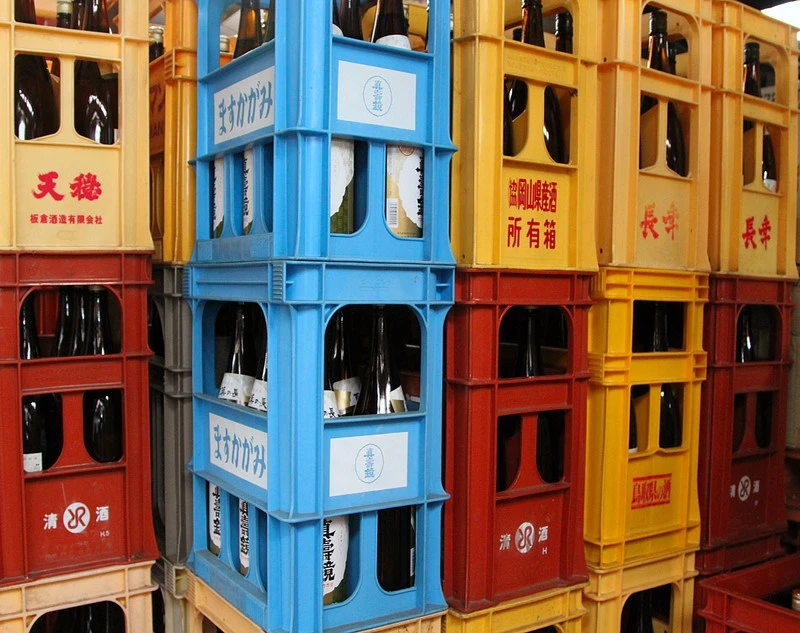
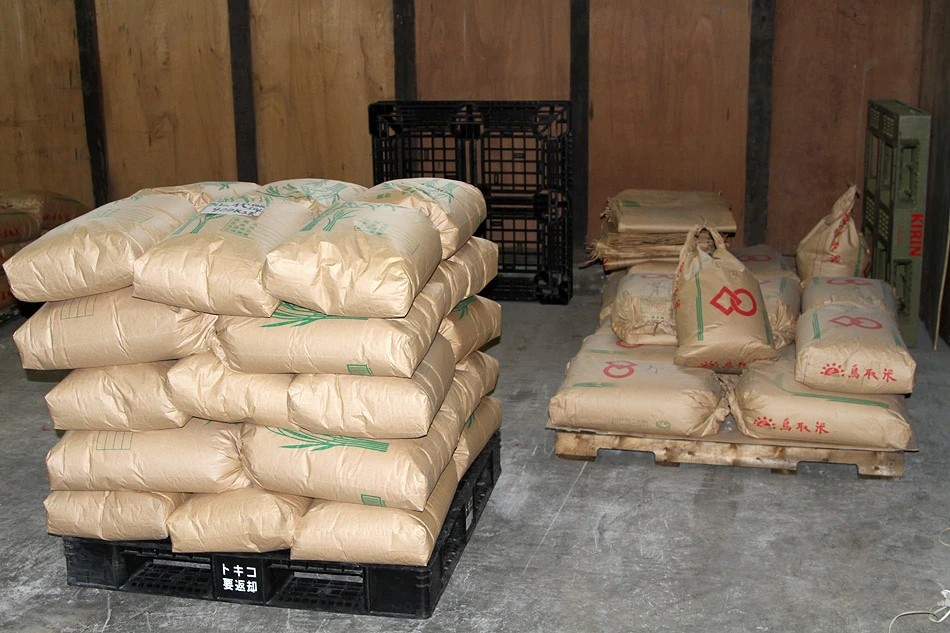
Instead, the brewery greeted us with a few sacks of rice and a modest set of equipment for cleaning, soaking, fermenting, filtering, pasteurizing, and aging the ingredients. 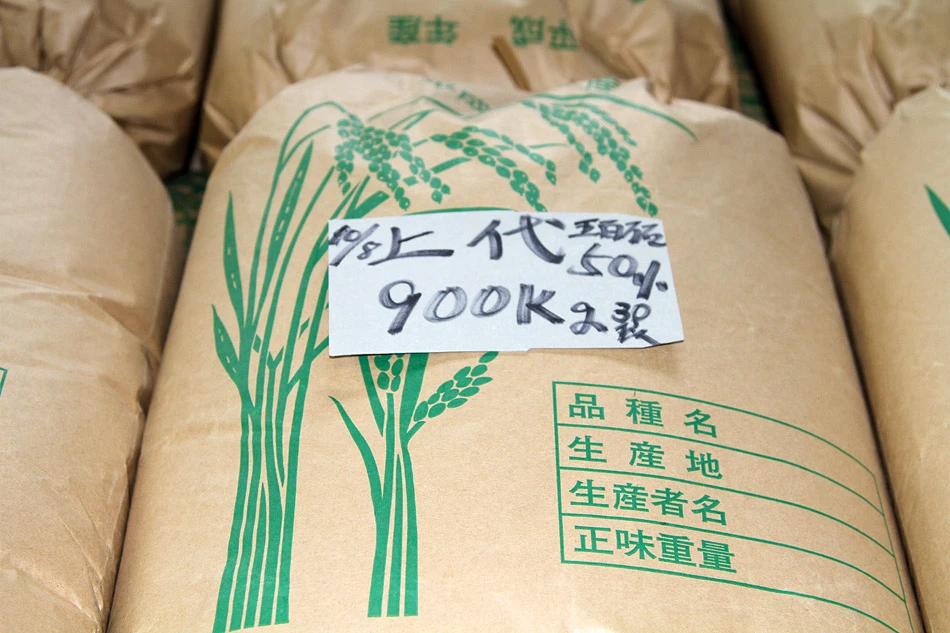
Let’s take a look at the brewing process along with some photos. Making sake requires special varieties of rice with large, heavy grains high in starch content. The water is held to strict standards, too—it must be rich in potassium, magnesium, phosphorus, and calcium, but completely free of iron and manganese. 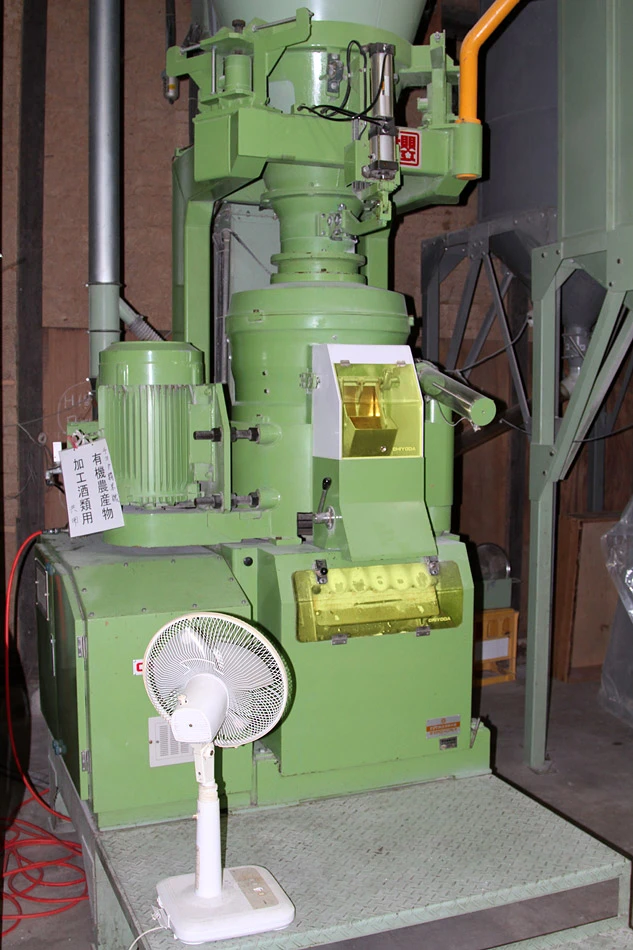
The first step in production is milling (or polishing) the rice, which grinds away anywhere from 10% to 50% of the outer grain. 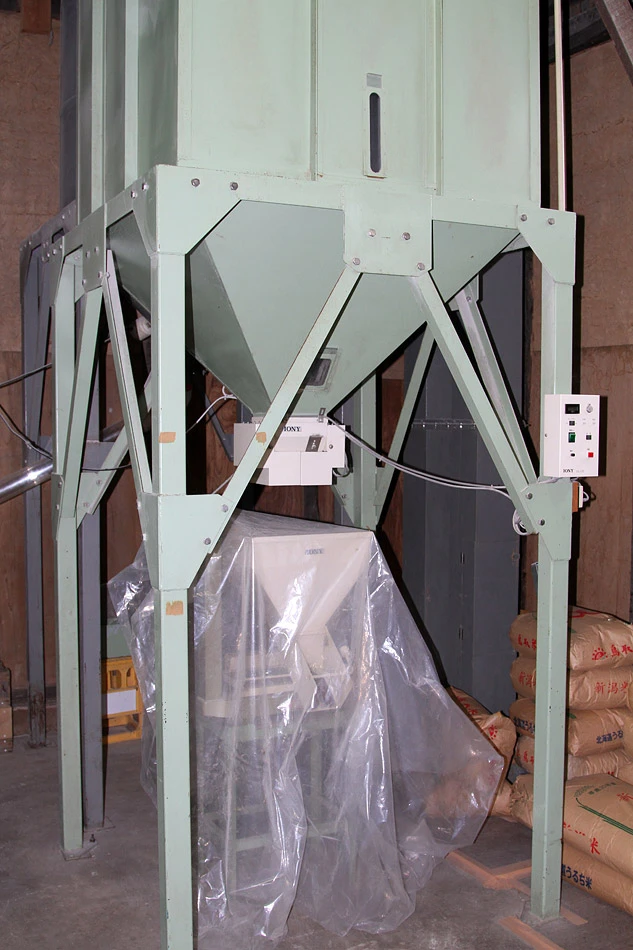
The polished rice is rinsed with water and soaked for anywhere from a few hours to a full day. 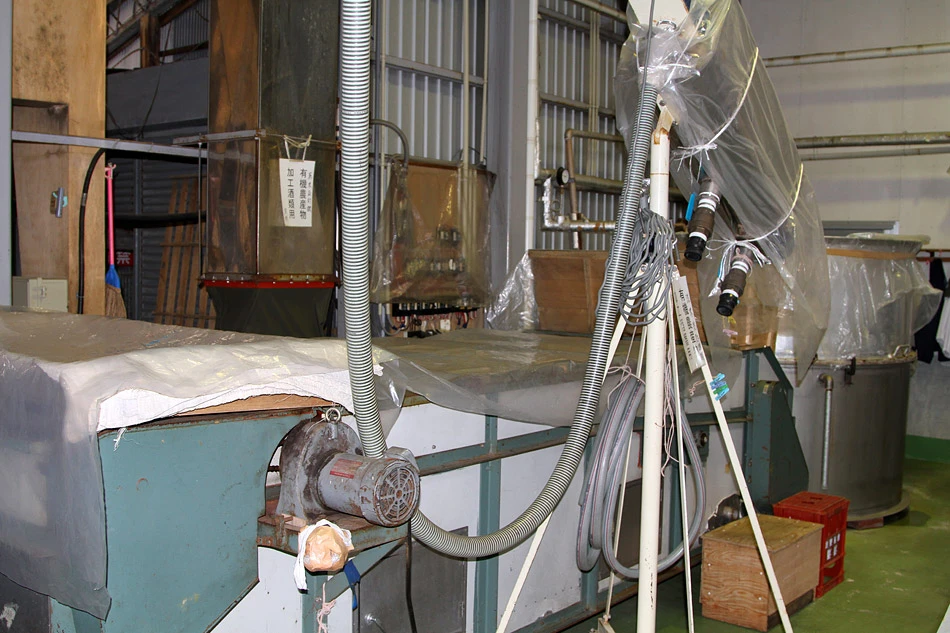
Next, the rice is steamed. A portion of this steamed rice goes into making the starter culture—it is inoculated with mold spores (koji-kin) and left in a warm, humid room for about 35 hours. 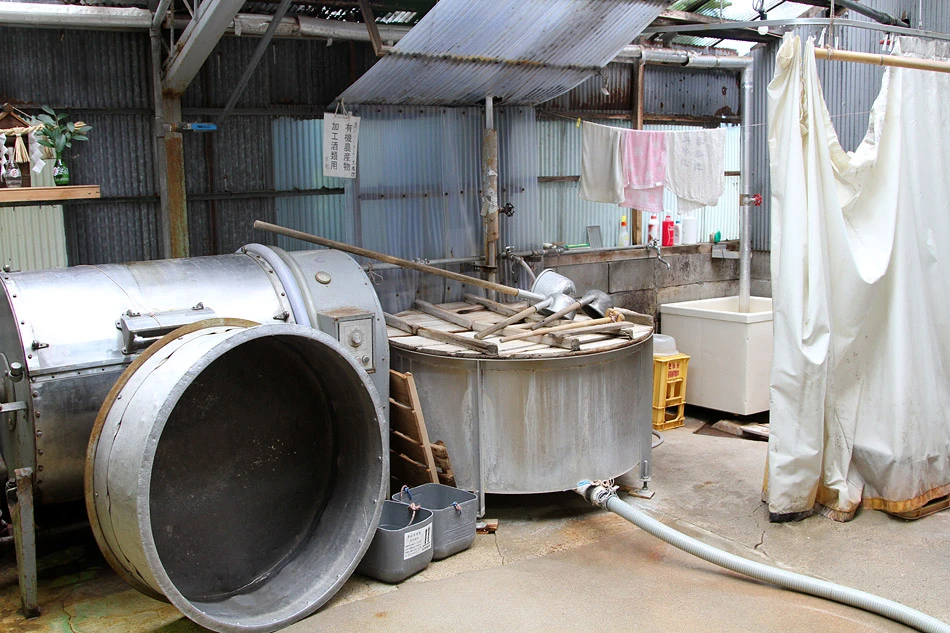
The resulting mash is then mixed with additional steamed rice and water for the main fermentation stage, which lasts between 15 and 35 days. 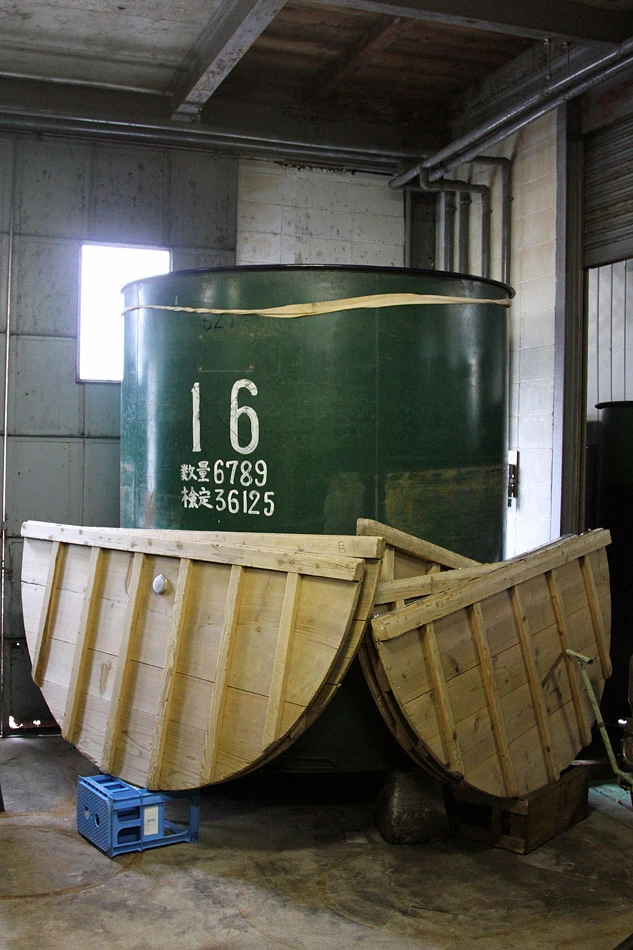
Afterwards, the liquid is settled and filtered. To achieve a smoother flavor, the sake is pasteurized and aged in airtight tanks for 6 to 12 months. 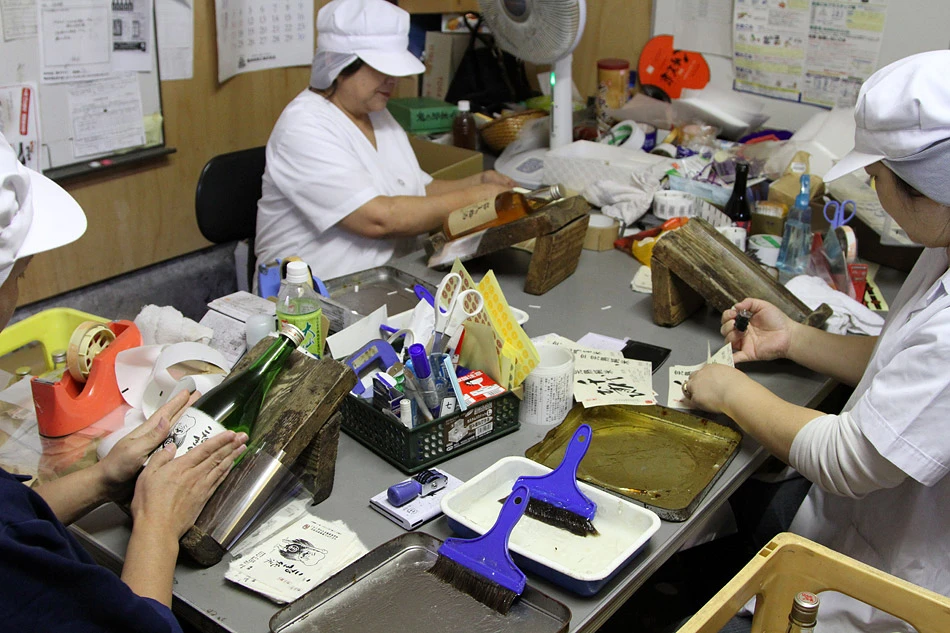
From there, all that’s left is bottling and labeling. 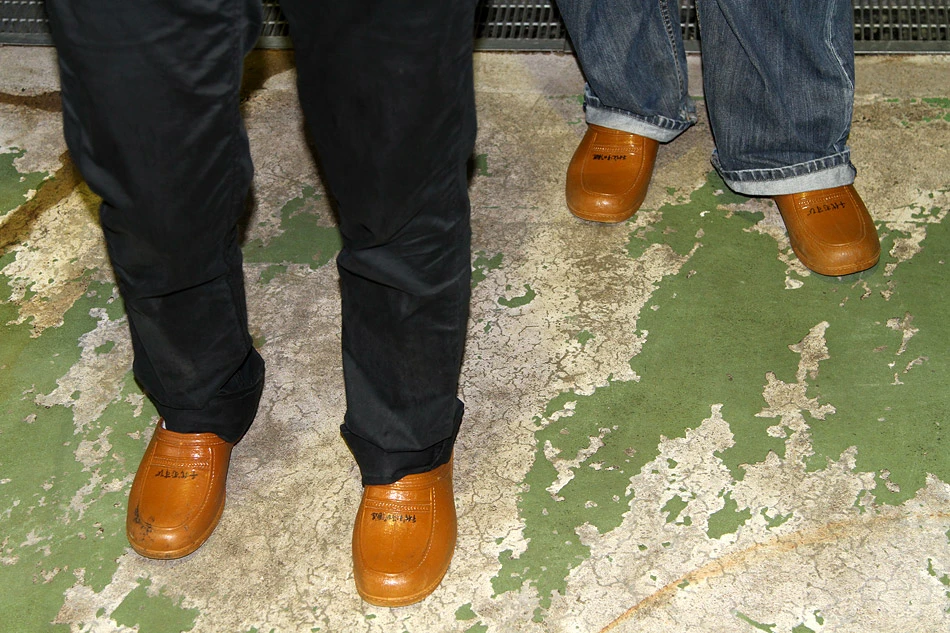
The finished product is stored right on site under a covered patio... In fact, we walked around the premises in house slippers. 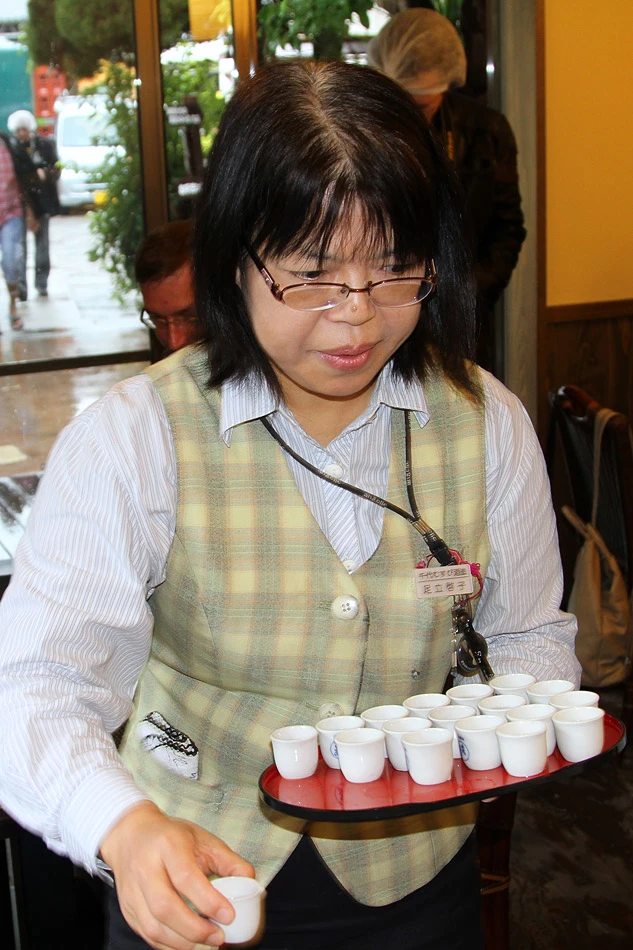
And that's how traditional sake is made! Of course, modern mass-production facilities exist as well. Naturally, the facility features a gift shop and a small tasting room, which is where we headed next. The tasting was straightforward: they brought us small shot glasses of sake, and we downed them ???? We tried about 5 or 6 samples of varying strengths. Everyone agreed that the ~17% ABV variety tasted best.
Sake is so distinct from traditional Western alcoholic beverages that classifying it can be tricky. It is often called "rice vodka," which is completely inaccurate and stems from the misconception that the process involves distillation. In reality, people mistake the standard pasteurization process for distillation. 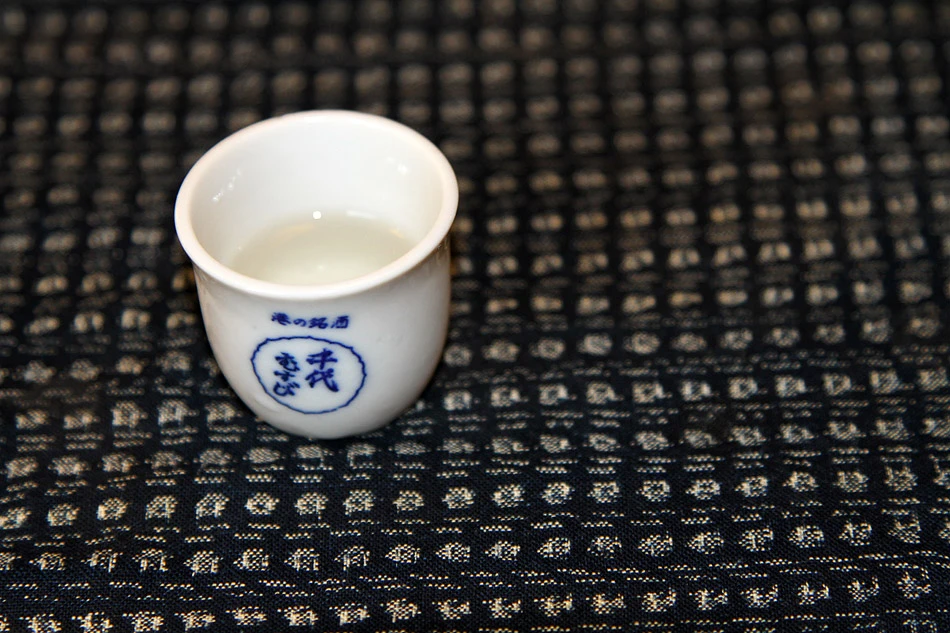
It is also frequently called "rice wine," which is equally incorrect, as brewing it involves mold fermentation (distinct from yeast fermentation) and preparing a mash from rice malt, steamed rice, and water. Technically speaking, sake is closer to rice beer. Although its alcohol content ranges from 14.5% to 20% ABV, it is generally considered a light beverage due to how it's brewed. 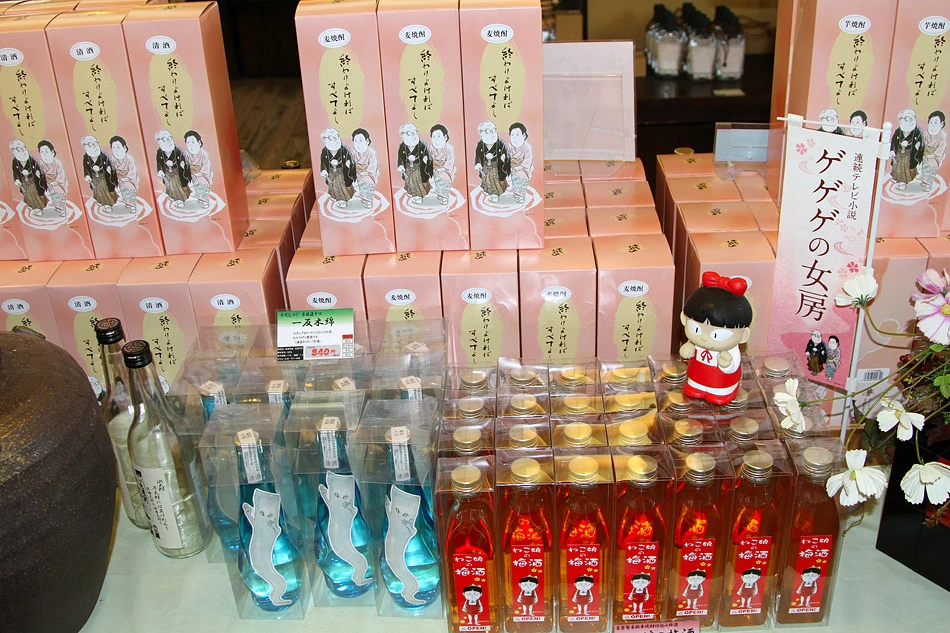
Having completed our "tasting," we headed over to the shop and picked up a couple of bottles each. 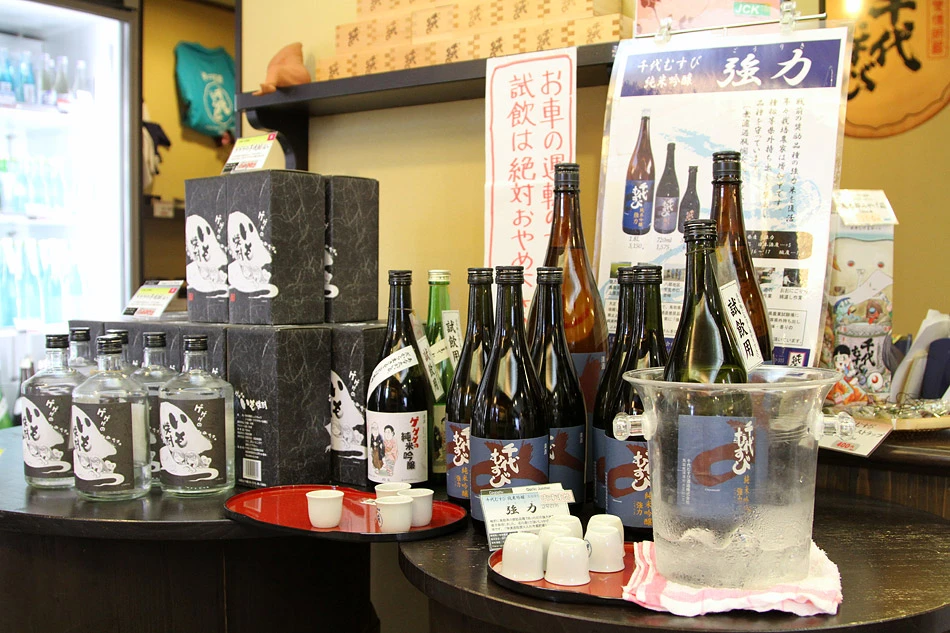
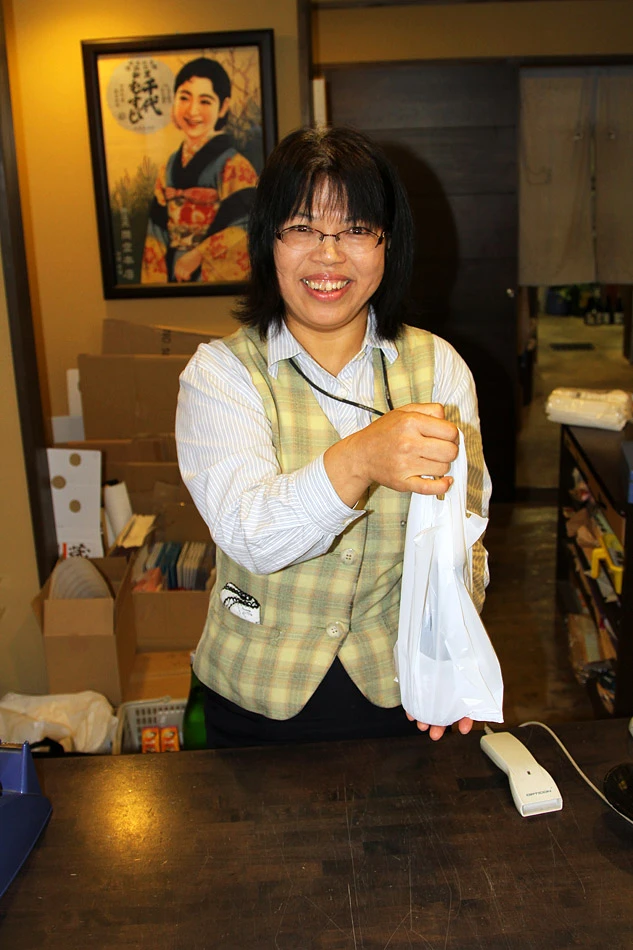
And here is my purchase.