He Broke the Internet in 2 Weeks — Then It Turned Out He Didn't Exist (10 photos)
Jean Philanthrope landed on Instagram and TikTok on September 17, 2026. A blonde man in a tweed suit, deadpan as could be, shadowboxing along Parisian boulevards. Within just two weeks, he amassed over 230,000 followers and racked up 33 million views on TikTok alone. Audiences were hooked by his absurd handlebar mustache and wooden facial expressions—until they uncovered the truth. Jean Philanthrope wasn't a real person at all, but an AI character designed to promote a crypto memecoin called $JEANPHIL. Here is how the scheme was exposed, and why this is far from the first time a virtual icon has left fans empty-handed. 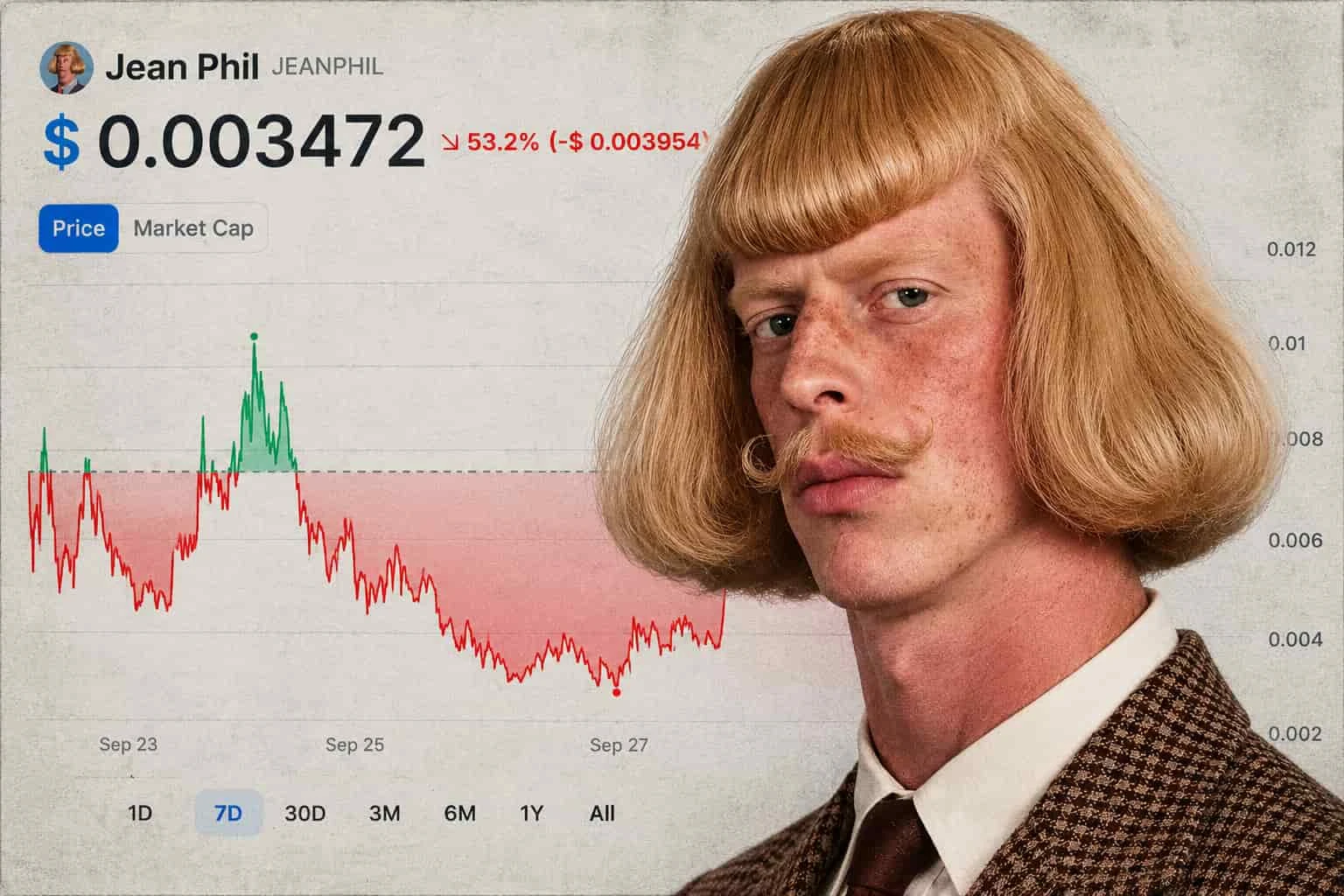
How Jean Philanthrope Took Social Media by Storm in Just 2 Weeks
In recent years, caricatured comedy—a genre where a character takes cultural quirks and stereotypes to absolute absurdity—has carved out a major niche in short-form video content. While these clips generate millions of likes, they spark just as much debate. In the fall of 2026, one of the most viral examples was a character going by the name Jean Philanthrope. 
Jean Philanthrope's signature look: a blonde bob, a handlebar mustache, and a tweed suit. Not a single detail of his persona felt accidental—including his complete lack of facial expression.
The account jean_philanthrope posted its first video on September 17, 2026. Just two weeks later, the persona had gained over 230,000 followers. In total, Jean Philanthrope's videos drew more than 33 million views and 3.6 million likes on TikTok alone.
Viewers were captivated by his striking deadpan expression, dramatic blonde bob, handlebar mustache, and theatrical gestures. Fellow content creators admitted they were baffled by the secret behind his meteoric rise.
Shadowboxing by the Eiffel Tower: What Was the Joke?
The caption on his first Instagram video—showing the character in a brown suit shadowboxing on a Paris boulevard—was written in deliberately broken English: “She call me night she call you cabbage patch.” The bizarre phrase read like a rough machine translation of French song lyrics. 
Jean Philanthrope, suited up with his signature bob, shadowboxes on a pedestrian crossing
The caption for that video was equally cryptic: “she feels safe with this man.” Similar videos quickly followed: Jean Philanthrope shadowboxing while sitting in a cafe, admiring gallery paintings, eating oysters, or gazing at the Eiffel Tower. Through it all, his face remained entirely stone-cold. 
A studio portrait makes it especially clear: the resemblance to a poodle was no coincidence.
The eccentric character quickly turned into a meme. Users compared his look to Lord Farquaad from *Shrek* and to a poodle. One follower commented, “Here he is, the internet's next big star.”
The Truth Revealed: Behind the Facade Was the $JEANPHIL Memecoin
Around September 20, 2026, it became clear the persona was not created just for laughs. That day, an account bearing Jean Philanthrope's name and likeness appeared on X, promoting a cryptocurrency called $JEANPHIL built on the Solana blockchain. 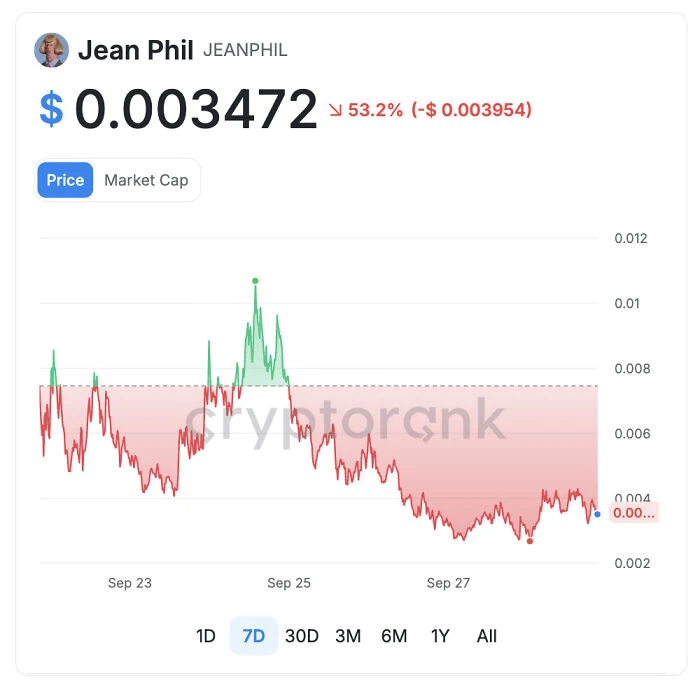
The $JEANPHIL token surged in price right after the X account launched, before suddenly crashing
A memecoin is a cryptocurrency inspired by an internet joke, viral meme, or pop-culture trend. Its value depends entirely on online buzz, making these tokens an extremely volatile digital asset. Before long, a link to the Pump.fun platform appeared in Jean Philanthrope's Instagram bio, leading directly to the token. 
Oysters, art galleries, the Eiffel Tower—the backdrops changed, but the goal remained the same: keeping the audience hooked.
That link confirmed followers' suspicions: Jean Philanthrope was not a human being, but an AI avatar engineered for a crypto scheme. According to Coinbase data, $JEANPHIL spiked on September 20—just three days after the character debuted—reaching a peak of $0.02845 on September 21. By the end of that same day, the token had lost over 99% of its value.
How the Pump-and-Dump Scheme Works
Experts refer to this maneuver as a “pump and dump”—a form of market manipulation where token creators artificially inflate the price of a low-cost crypto coin through hype, then sell off their own holdings once unsuspecting buyers drive the price up. 
Jean Philanthrope soon gained a “rival”—complete with his own name, backstory, and memecoin.
According to media outlet Dexerto, by September 25, 2026, $JEANPHIL's market cap stood at roughly $8.8 million, with around $415,000 in crypto remaining in primary liquidity pools. Meanwhile, a second character emerged—an Englishman named Archibald Brown, framed as Jean Philanthrope's boxing rival. He came with his own memecoin, $ARCHIBROWN, and staged "bouts" between the two characters ensued.
Experts and Fellow Influencers Exposed the Scam
On September 25, 2026, digital literacy expert Jeremy Carrasco broke down the scheme in detail in an Instagram video. He revealed that the Jean Philanthrope account was actually registered back in June 2025 and had changed its username six times over 15 months, posting a total of just seven videos. 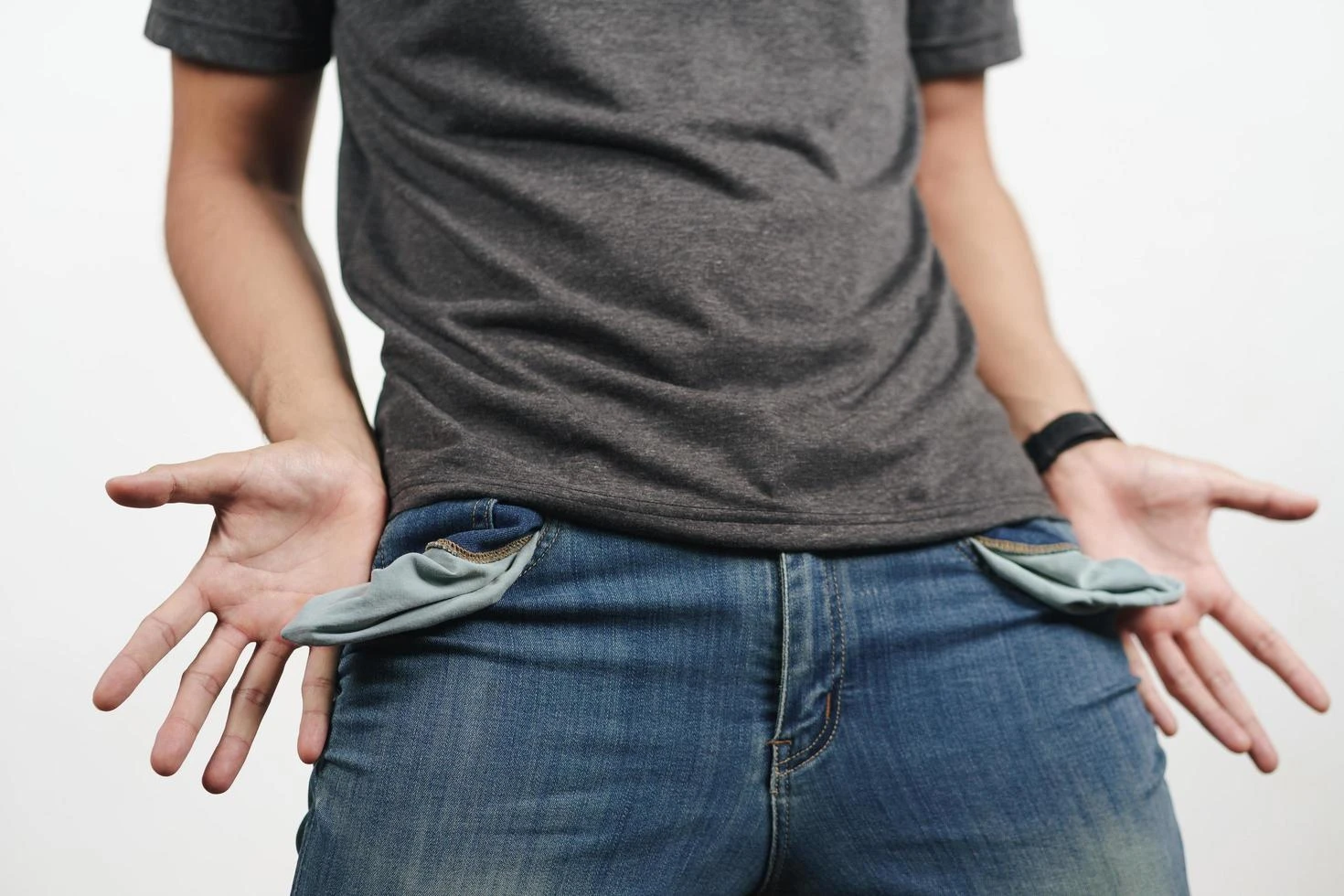
This is what the wallet balance looks like for those who bought the token at its peak.
“Since the character isn't tied to a real person, this memecoin has unique dynamics,” Carrasco explained. “The people behind it can remain anonymous and virtually unaccountable. That's the whole point.”
Fitness creator Colin Smith, known online as largebaj, was even more blunt:
“I saw his first post a week or two ago. 230,000 followers—and it immediately goes straight into a pump-and-dump.”
“How is money even real anymore?” Smith continued. “It's so easy now: you don't even have to exist online. You can be a completely fake person, make a quick $100,000, log off, and ride off into the sunset. Zero consequences.”
Jean Philanthrope Isn't the First: Memecoins Have Crashed the Market Before
The Jean Philanthrope saga is hardly the first time a viral figure has launched a memecoin that cratered within hours. In December 2024, Haliey Welch, known as the 'Hawk Tuah Girl,' launched the $HAWK token. 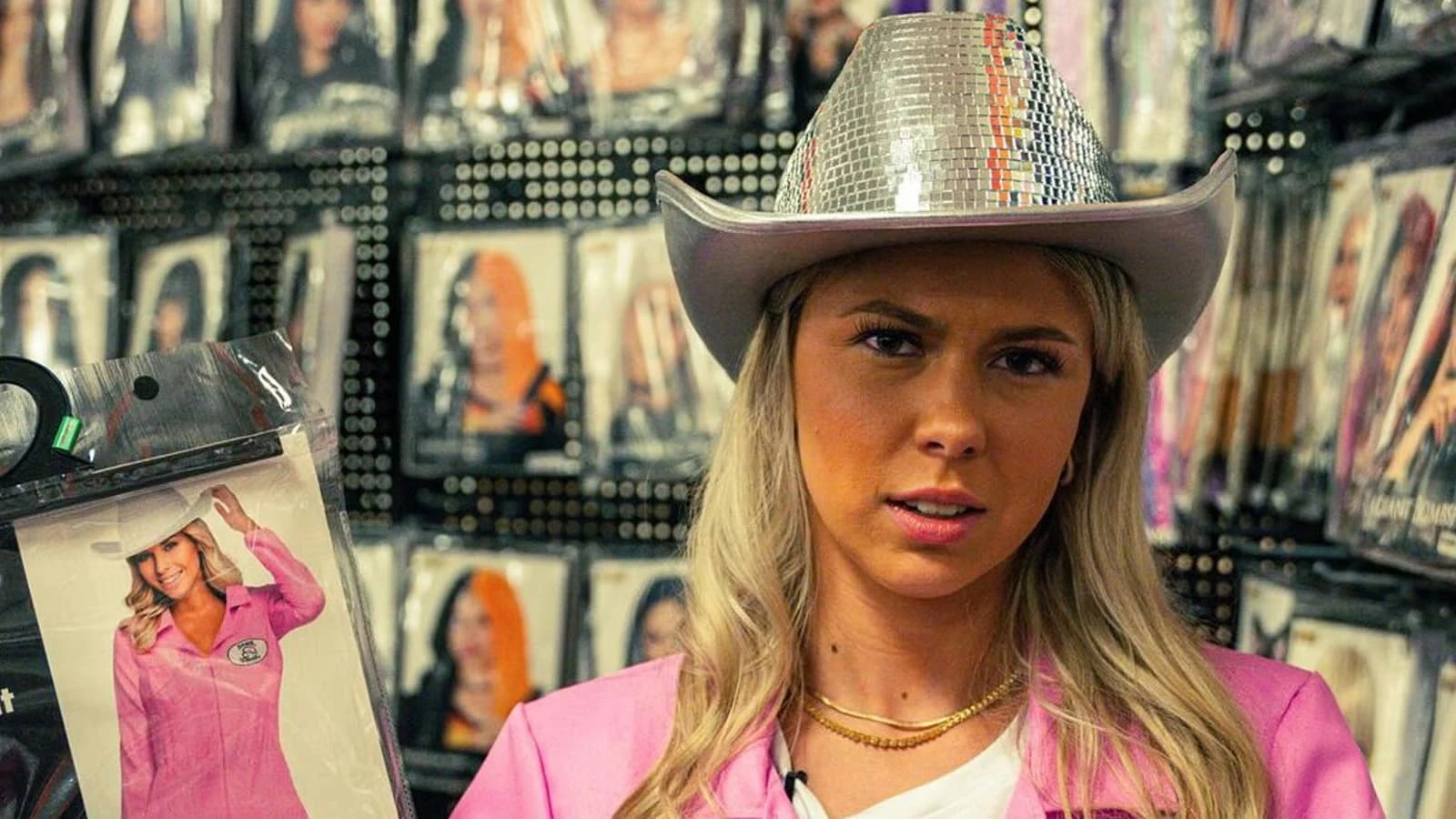
The Hawk Tuah Girl memecoin collapsed within hours of a dramatic skyrocket.
The market cap of $HAWK surged to $490 million before plummeting by more than 90% in just a few hours. A similar scandal unfolded with Argentine President Javier Milei: in February 2025, he promoted the $LIBRA memecoin, which peaked at a market cap of roughly $4.5 billion before crashing over 90%. Milei later faced fraud allegations and a criminal investigation, while investors lost a combined $251 million.
Audiences Felt Betrayed
As soon as the truth came out, Jean Philanthrope's comment section was flooded with disappointed fans. One wrote, “I was so upset when I realized it was AI. I've never been tricked by AI before. AI tricked me.” Another compared the revelation to finding out Santa Claus isn't real. 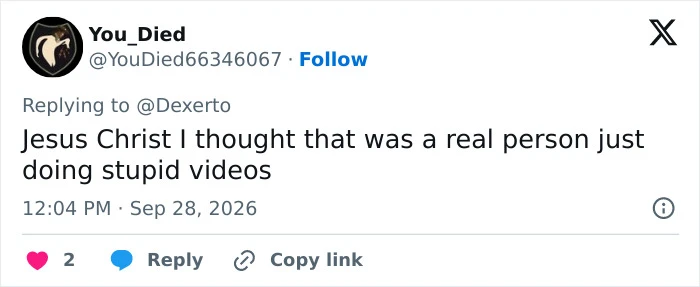
Social media users poured in comments saying they felt cheated and duped.
“Unfollowed. Just realized you're AI. This makes me sad, I can't believe I got duped,” another follower posted. A fourth added, “You can't trust your own eyes anymore. Let this be a wake-up call.” The story of Jean Philanthrope underscores a growing reality: the line between authentic and AI-generated content on social media is blurring faster than ever.
Would you have spotted that he was AI rather than a real person?