Beyond Snakes and Spiders: 10 Venomous Animals That Can Kill You (11 Photos)
A single strike from certain members of the animal kingdom is all it takes to send a human across the River Styx. Whether housed in specialized defensive organs or infused within their very tissues, these creatures harbor potent compounds toxic to both humans and other animals. Nature gifted them these lethal arsenals as an evolutionary edge to survive in the wild, primarily for hunting prey or fending off predators. 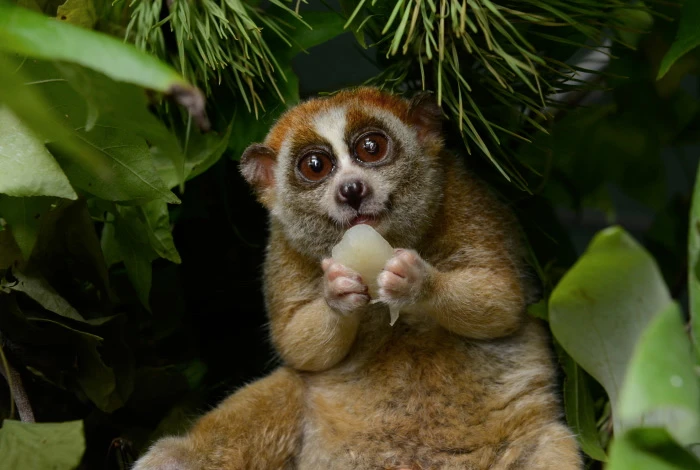
While arachnids and snakes hold the spotlight when it comes to venom, land and sea teem with other creatures packing just as lethal a punch. Here are 10 surprising species armed with specialized biological weaponry capable of delivering deadly venom. 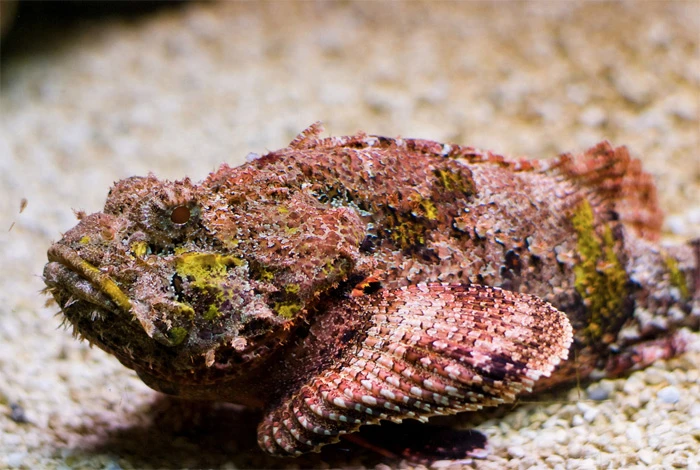
1. Stonefish
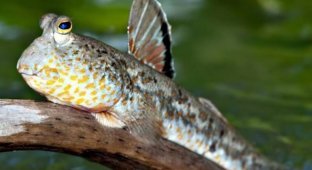
A member of the Synanceiidae family, this marine dweller is considered the most venomous fish in the world. Perfectly camouflaged against the coral reefs of the Pacific and Indian Oceans, it blends seamlessly into the seabed. The 13 spines along its dorsal fin house the most potent venom glands found in any fish. Depending on the depth of the sting, the venom triggers excruciating pain, potential shock, paralysis, and severe tissue necrosis. If a spine pierces a major blood vessel, death can occur in as little as two to three hours. 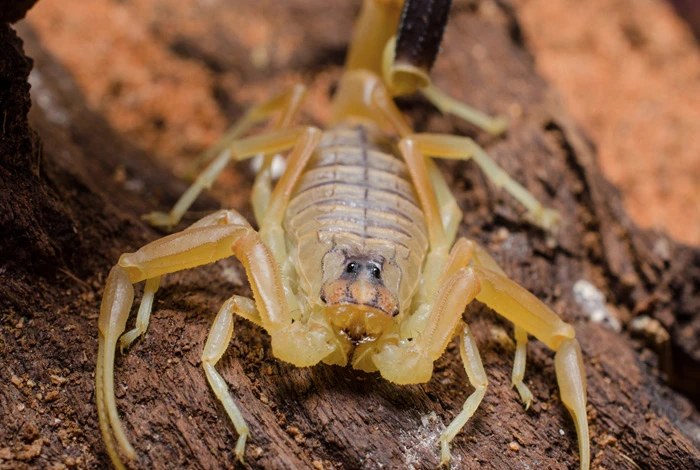
2. Deathstalker Scorpion
Inhabiting the arid deserts of North Africa, the Arabian Peninsula, and the Middle East, the deathstalker relies on a devastating cocktail of neurotoxins for defense and hunting. While healthy adults might endure agonizing pain, a sting can prove lethal to children, the elderly, and anyone with underlying heart conditions. 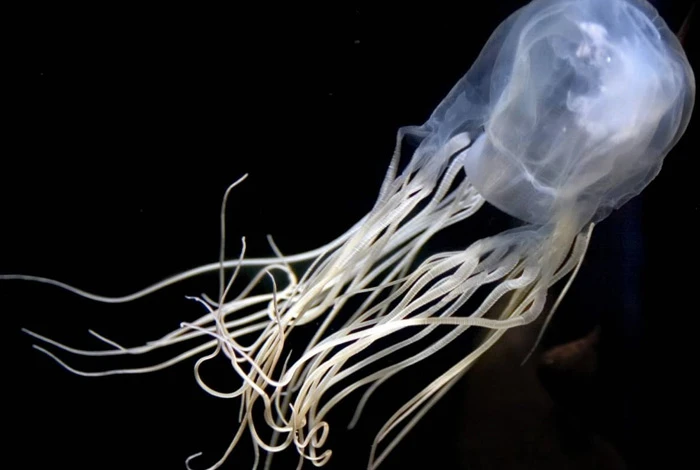
3. Box Jellyfish
This class of cnidarians encompasses dozens of species that drift through tropical and subtropical ocean waters. Crossing paths with them can be catastrophic. A brush with a box jellyfish tentacle can trigger anything from blinding pain and cardiovascular collapse to death within minutes. 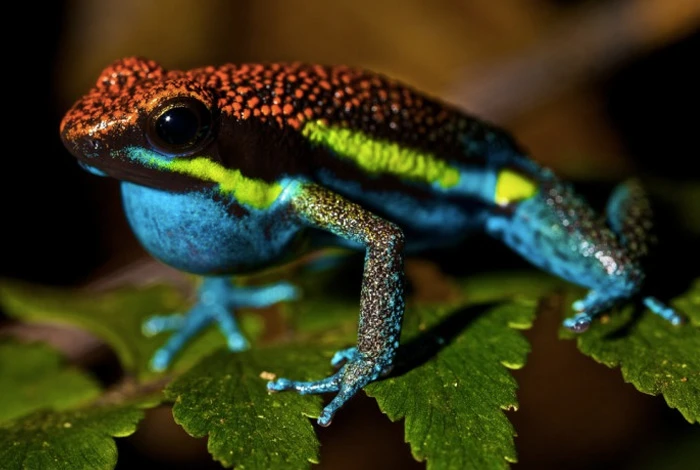
4. Poison Dart Frogs
Lurking in the rainforests of Central and South America, these brightly colored amphibians produce an extraordinarily potent poison. Their skin secretions are loaded with batrachotoxin alkaloids. Simply handling one can cause burning sensations and severe headaches, but if the toxin enters the bloodstream through an open cut, it leads to arrhythmia, cardiac arrest, and death. 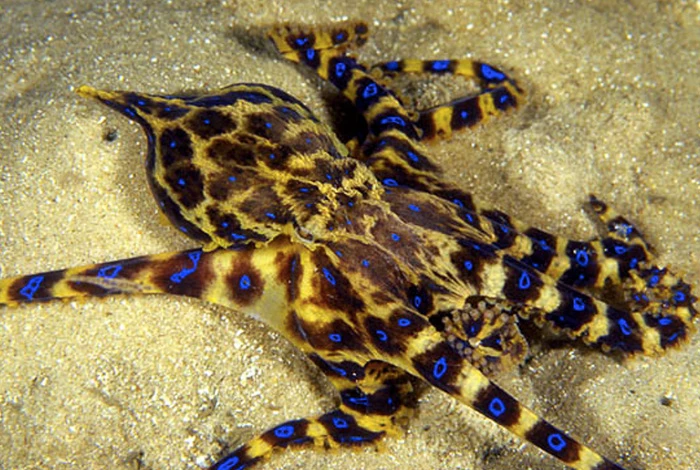
5. Blue-Ringed Octopus
Measuring a mere 12 to 20 centimeters, this pocket-sized cephalopod packs enough venom to kill 26 adult humans in just minutes. Found in the tide pools and coastal reefs of the Pacific Ocean, from Japan down to Australia, it owes its lethal punch to symbiotic bacteria living in its salivary glands. The neurotoxin paralyzes the victim's nervous system, leading to rapid respiratory failure followed by cardiac arrest. 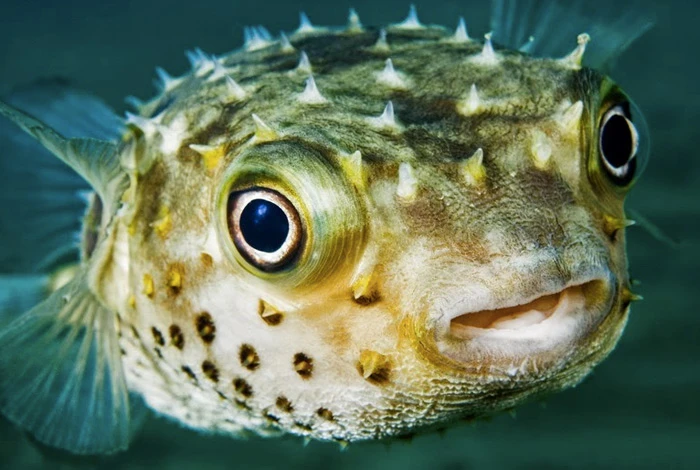
6. Pufferfish (Fugu)
In Japan, fugu is prized as a luxury delicacy and a thrill-seeker's rite of passage. The fish's internal organs contain lethal concentrations of tetrodotoxin. If a licensed chef fails to fillet the fish with surgical precision or leaves behind even a trace of toxic tissue, a diner’s adventurous meal could easily become their last. 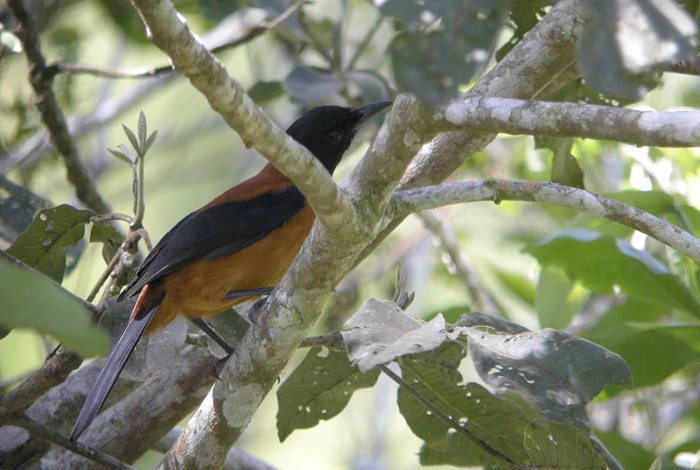
7. Hooded Pitohui
Native to the rainforests of New Guinea, the hooded pitohui harbors batrachotoxin throughout its skin and feathers. The birds absorb the poison from their diet of toxic Choresine pulchra beetles, having evolved complete immunity to the compound. Touching a pitohui can leave a human with chemical burns and numbness, while for smaller animals, direct contact is often fatal. 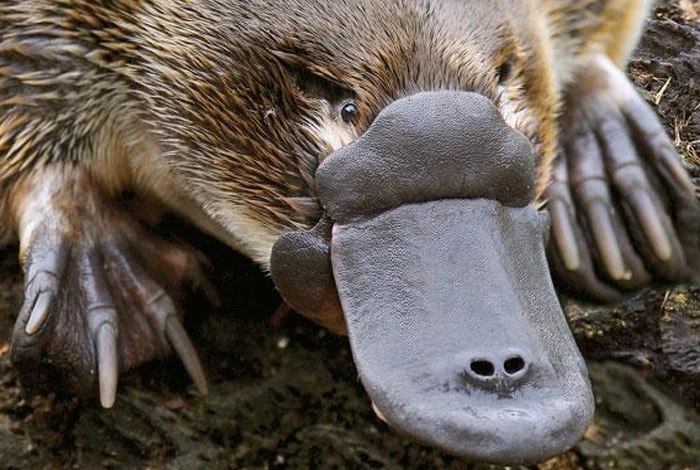
8. Platypus
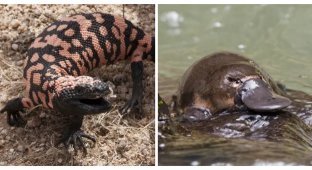
Young platypuses of both sexes are born with calcaneus spurs on their hind legs, but females shed theirs, while males retain them—growing to about 1.2 to 1.5 cm in length. Connected to venom-secreting crural glands, these spurs pack a painful punch, especially during the breeding season. While the venom can easily kill a small animal, a strike in humans triggers excruciating, incapacitating pain and severe localized swelling that painkillers struggle to touch. 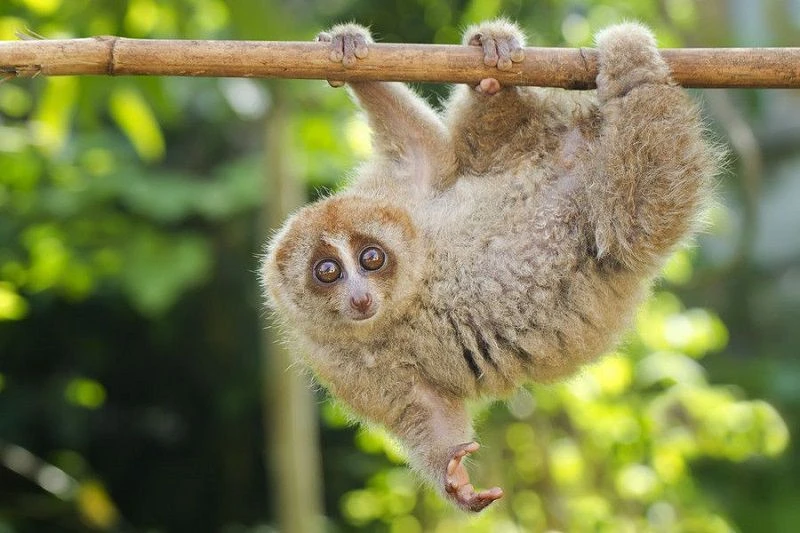
9. Slow Loris
The slow loris holds the rare distinction of being the only known venomous primate. Glands situated on the inside of its elbows secrete a dangerous toxin that the animal licks to coat its teeth. A bite can induce anaphylactic shock, suffocation, and even death in both small animals and humans. 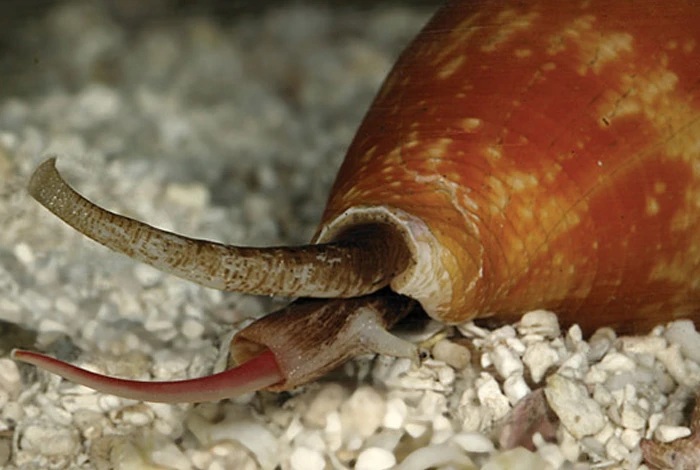
10. Cone Snails
Don't let the geometric beauty of its spiral shell fool you: the cone snail is one of the ocean's deadliest predators. Its modified radula teeth act like hypodermic harpoons, plumbed directly into a venom gland. When prey wanders near, the snail fires its harpoon, instantly paralyzing small fish. For humans, an accidental sting from larger species can be deadly, causing respiratory paralysis and death in just a matter of minutes.