The Sampoong Department Store Collapse (12 photos)
On June 29, 1995, a disaster struck Seoul, South Korea, that shocked the world. Claiming 502 lives, it became one of the deadliest structural failures of the century. On that afternoon, the Sampoong Department Store—once touted as a modern engineering marvel—collapsed in seconds. Nearly 1,500 people were buried beneath the rubble; only 937 were rescued. 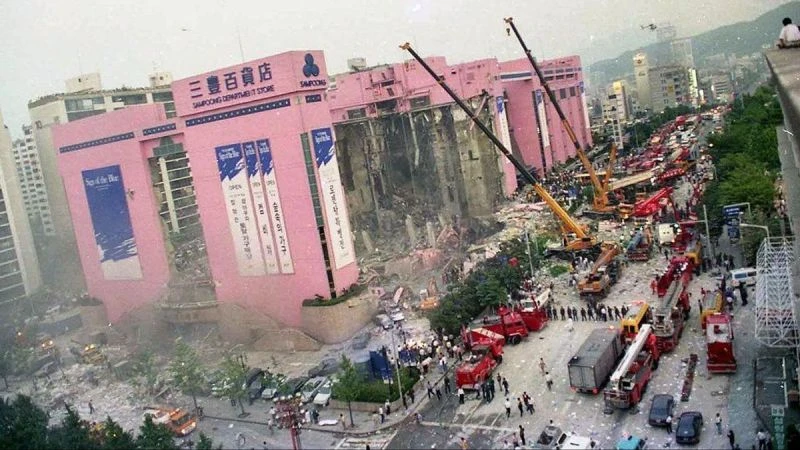
Early Warning Signs
It began like any ordinary weekday. During his routine morning inspection, the head of security noticed cracks forming on the building's roof and reported them immediately. However, Sampoong executives shrugged off the warning. 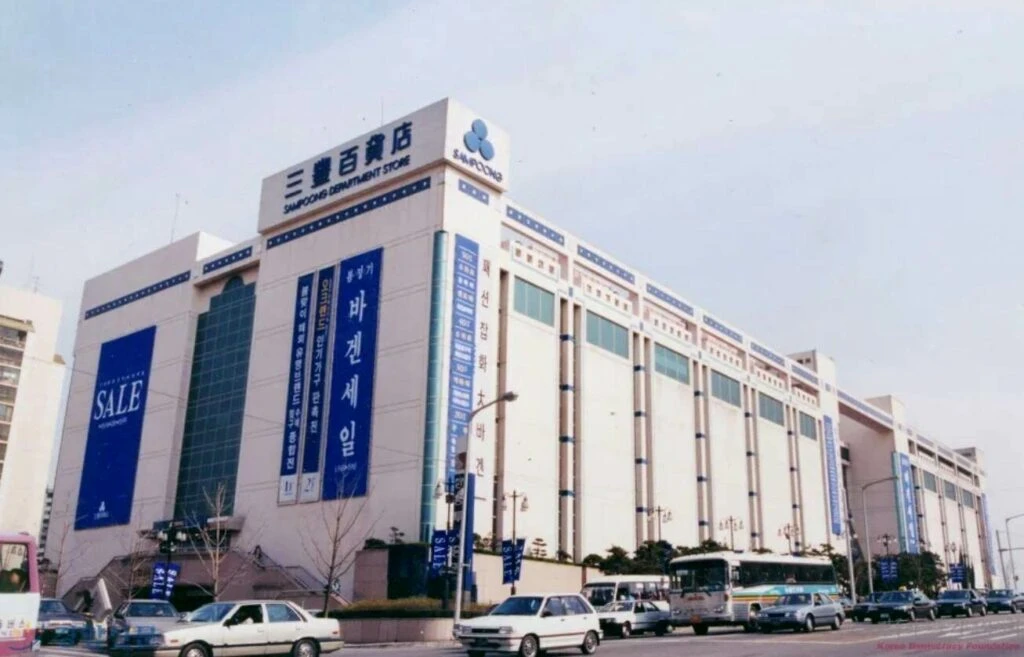
Later that morning, the building's owner met with the project architect, who urged management to evacuate the complex and conduct an emergency structural inspection. His warnings fell on deaf ears. Shutting down meant costly emergency repairs and lost revenue, which the owner was unwilling to accept. 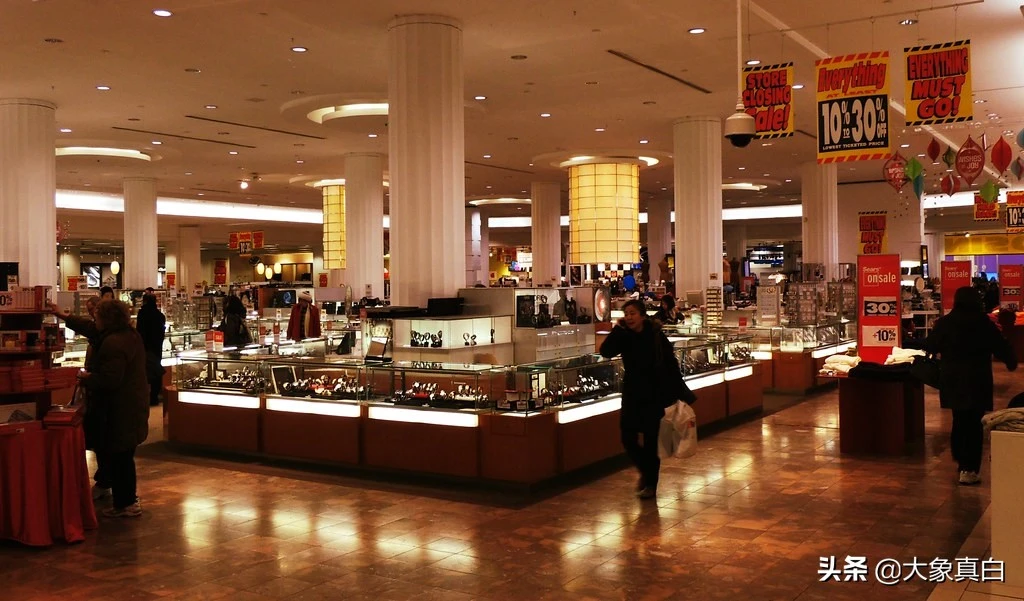
Meanwhile, conditions inside deteriorated rapidly. Employees reported hearing loud, cracking noises that sounded like gas explosions. The building shuddered, and cracks opened up across the floors. Soon after, the air conditioning system shut down, sending temperatures inside Sampoong soaring past 86°F (30°C).
The Collapse
One surviving store employee recalled the moments leading up to the disaster in an interview with the news outlet Ddanzi:
"When I think back to that day, the first thing that comes to mind is how brutally hot it was inside the department store. The AC was off all day. I never imagined for a second that the building could collapse in an instant. But because I couldn't stand the heat, I stepped away to the home appliances section near the stockroom." 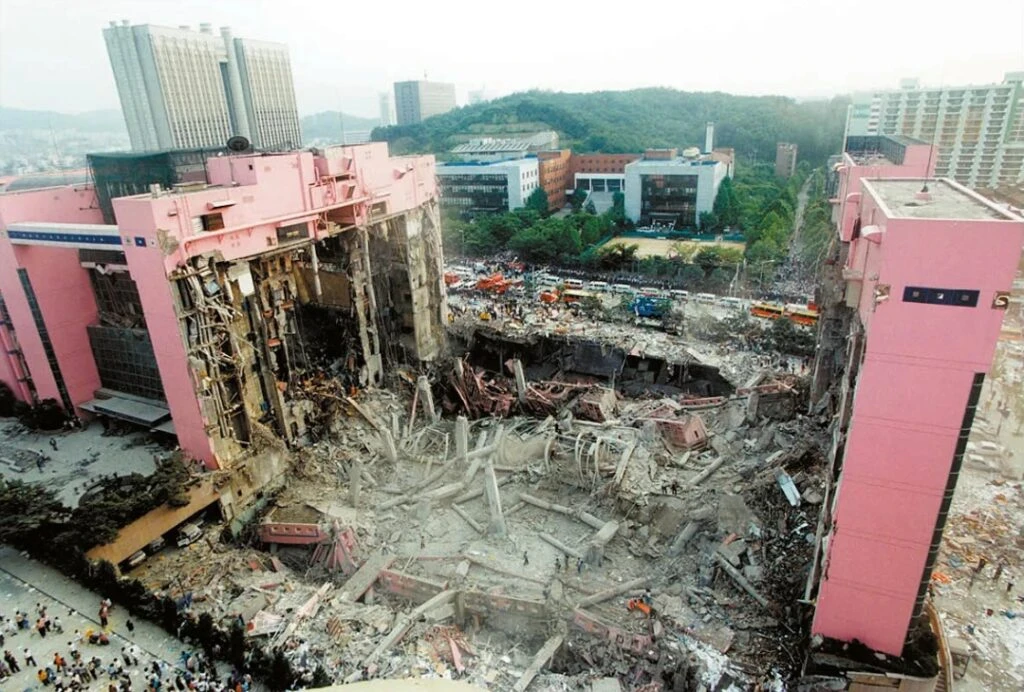
At 5:30 p.m., with the mall packed with evening shoppers, another deafening crack echoed through the structure. Within seconds, the five-story building pancaked to the ground, burying shoppers and staff under tons of rubble. A survivor working at one of the shops remembered a violent blast of air that threw people, merchandise, and display cases across the room. 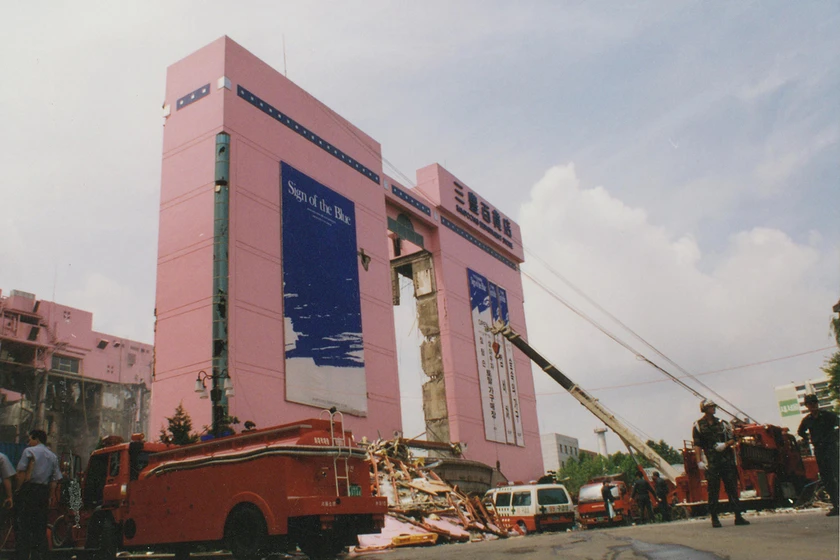
He and his colleagues were among the lucky ones—they escaped with minor cuts and bruises and managed to crawl out on their own. Hundreds of others were far less fortunate, crushed beneath heavy concrete, broken glass, and tons of steel rebar. 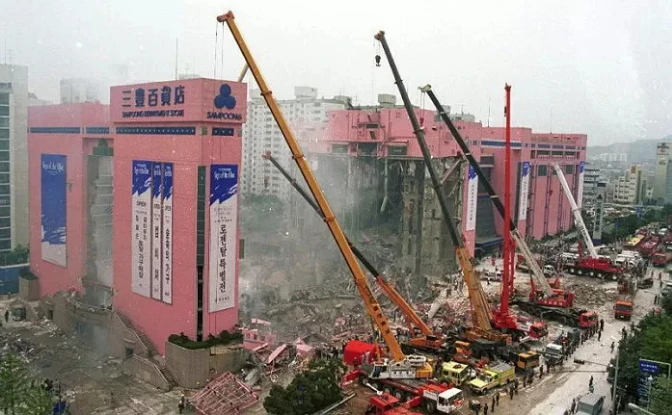
The Rescue Operation
Less than an hour after the disaster, an emergency command center was established at a nearby gymnasium at Seoul National University. Soon, over a thousand frantic family members gathered, desperately seeking news of missing loved ones. The victims were ordinary people caught in the wrong place at the wrong time. 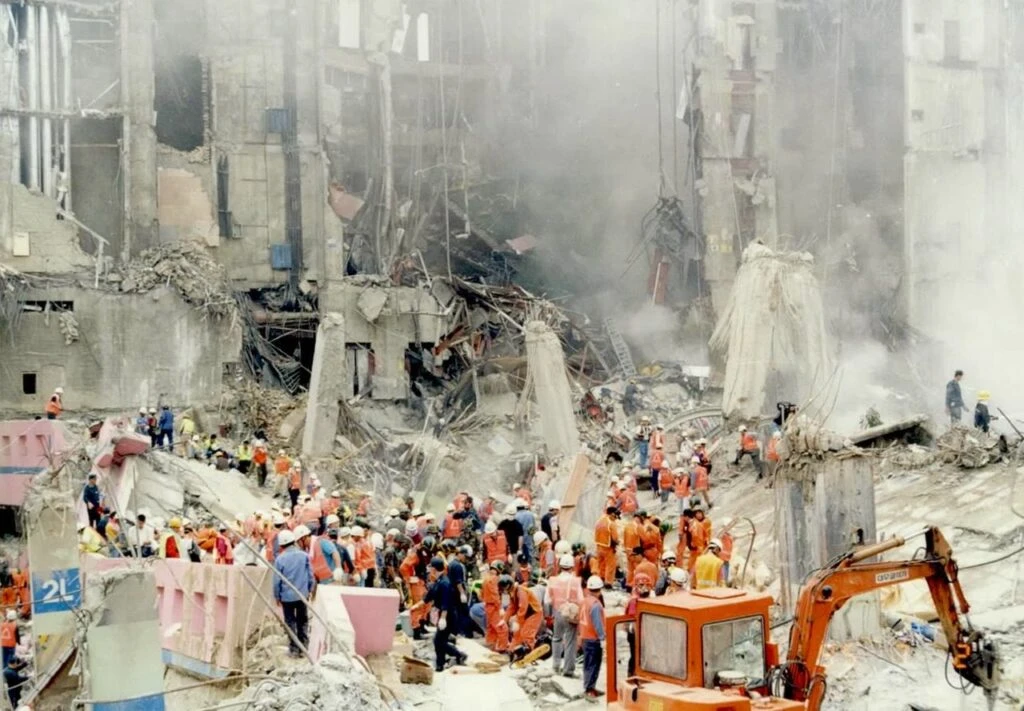
"A housewife in her 40s returning an item, a honeymooning couple in their 20s shopping together, a mother and daughter, a college student, a store clerk working their first shift back after a long break," a rescuer recalled in an interview with Busan News.
Search and rescue operations dragged on for nearly three weeks. Authorities attempted to halt excavation multiple times due to safety risks, but public outrage forced them to press on. The final survivor pulled from the wreckage was 19-year-old Park Seung-hyun, rescued 17 days after the collapse. 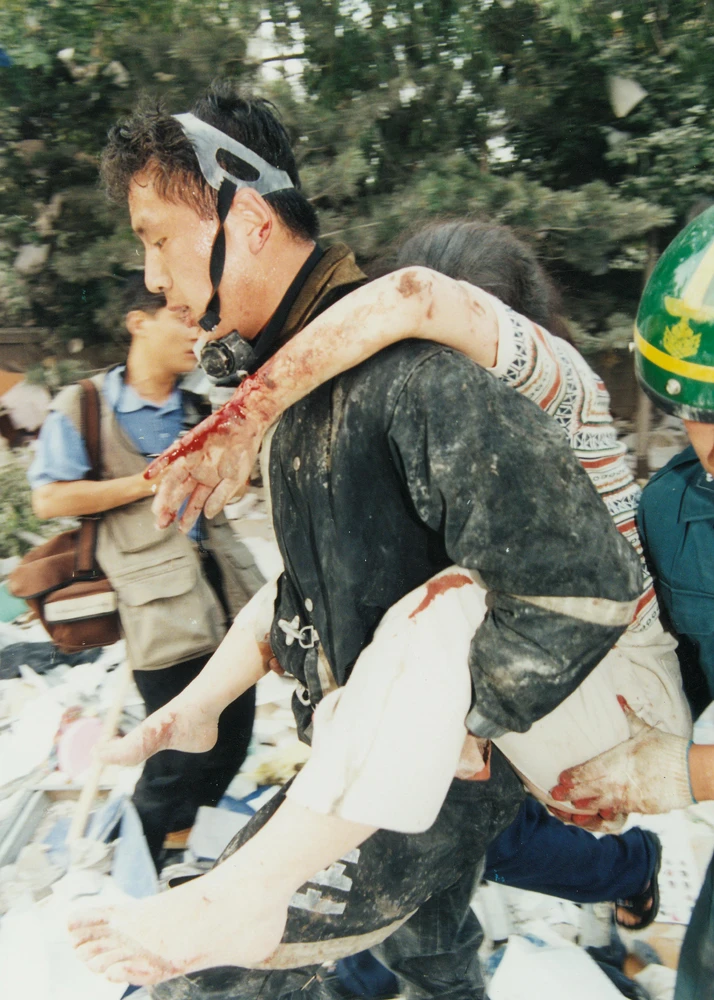
In addition to the hundreds killed, thousands suffered severe physical and psychological trauma. Forty-year-old Choi Myung-seok, a student working part-time at Sampoong at the time, spent 230 hours trapped under the debris. Though his physical injuries eventually healed, the emotional scars remain profound. Decades later, he is still haunted by nightmares, memory loss, and depression. 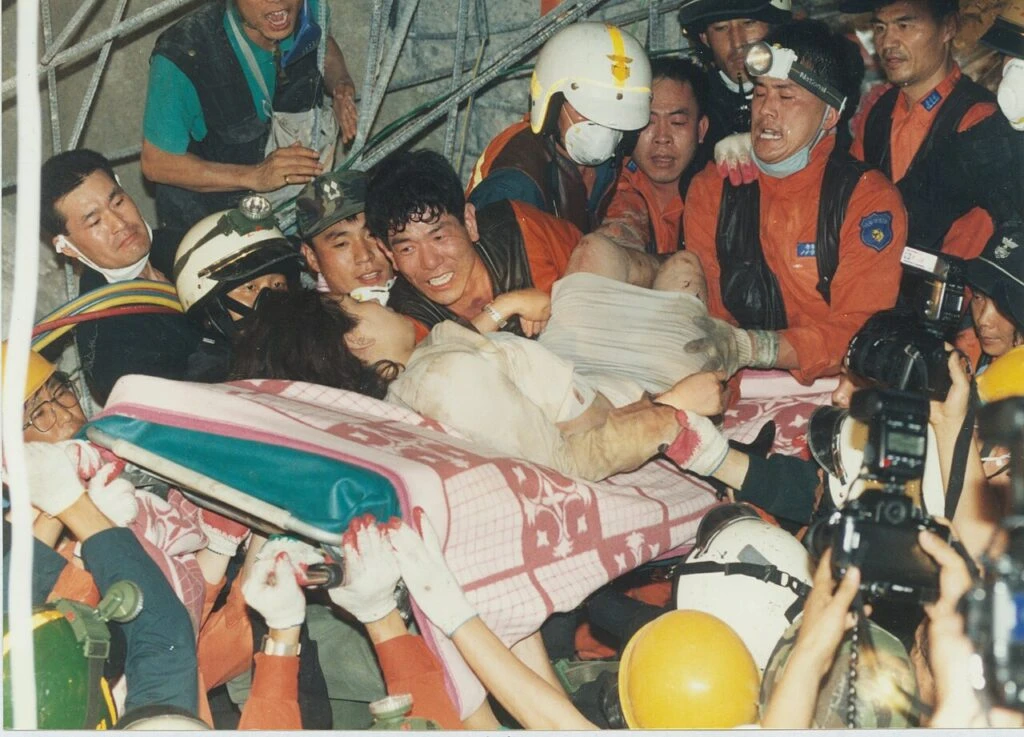
A formal investigation was led by structural disaster expert Professor Lan Chung. Investigators initially explored several possibilities, ranging from a gas explosion to a terror attack orchestrated by North Korea. However, forensic analysis quickly revealed a far more sinister truth: catastrophic engineering flaws and gross construction violations. 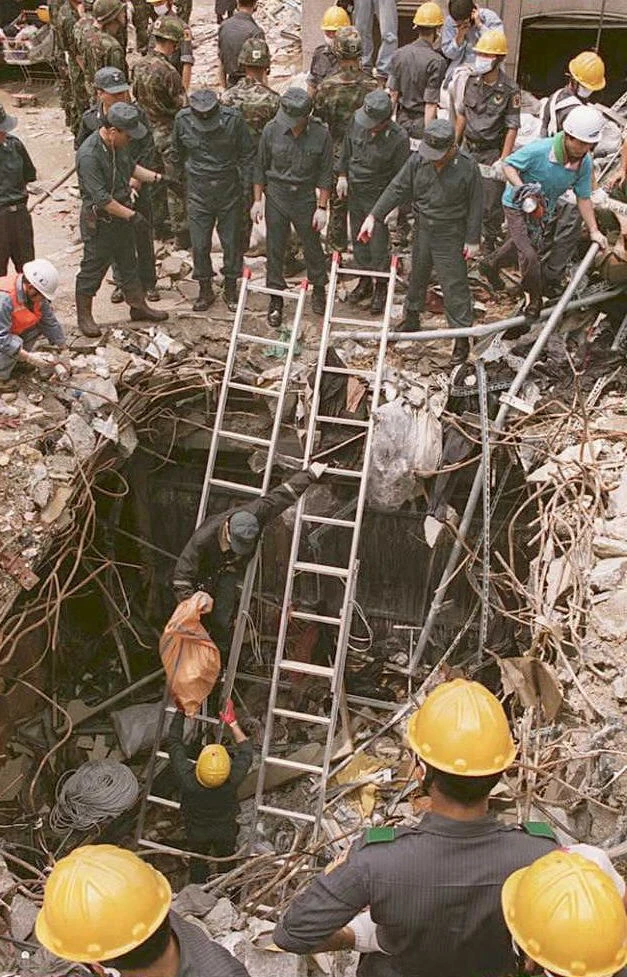
Who Was to Blame?
The Sampoong Department Store was designed as a flat-slab structure without crossbeams, where massive concrete floor slabs rested directly on support columns across a vast area. 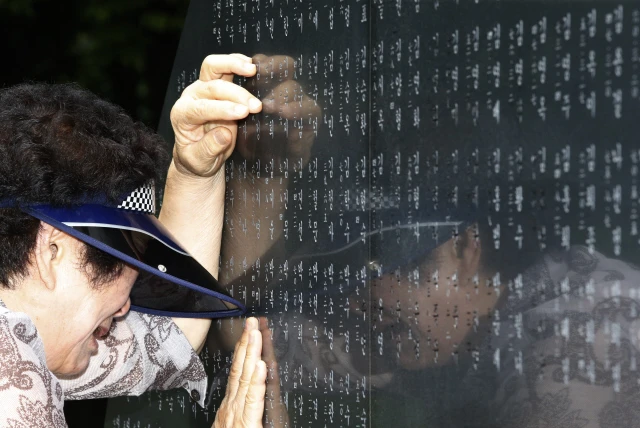
An elderly woman grieves near a monument inscribed with the names of the victims
During construction, the developer—who was also the owner of Sampoong—cut corners aggressively. He ordered engineers to reduce the diameter of the support columns from 800 mm to 600 mm to save money and maximize retail floor space. Additionally, the number of steel rebar rods inside each column was cut in half, from 16 to 8. 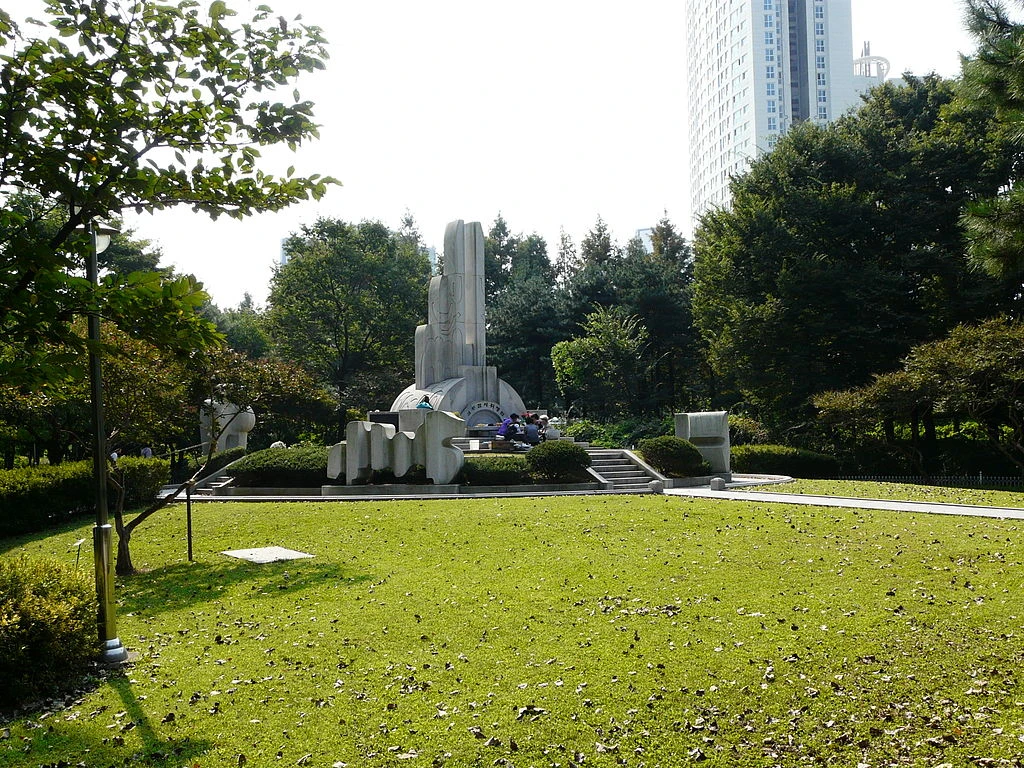
Memorial at the site of the disaster
Following a six-month investigation, prosecutors indicted dozens of individuals, including the penny-pinching owner, corrupt city officials, structural engineers, and contractors. The chairman of Sampoong Group was sentenced to seven and a half years in prison, and the company was ordered to pay over $300 million in compensation to victims and their families.
Tragedies born of corporate greed and engineering negligence are all too common around the world. Tragically, it is almost always innocent people who pay the ultimate price.