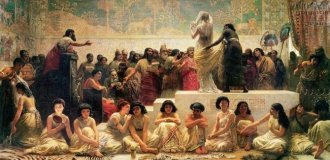
The Bride Auction: Why Even Unattractive Women Were in High Demand in Ancient Babylon (4 photos)
In many ancient cultures, women were treated as property, their wishes completely ignored. Babylon even held bride auctions where suitors of all ages and financial standing could acquire a wife. You might think this sounds horrific—and you'd be partially right. Yet, for many young women, these humiliating auctions were their only chance at married life. 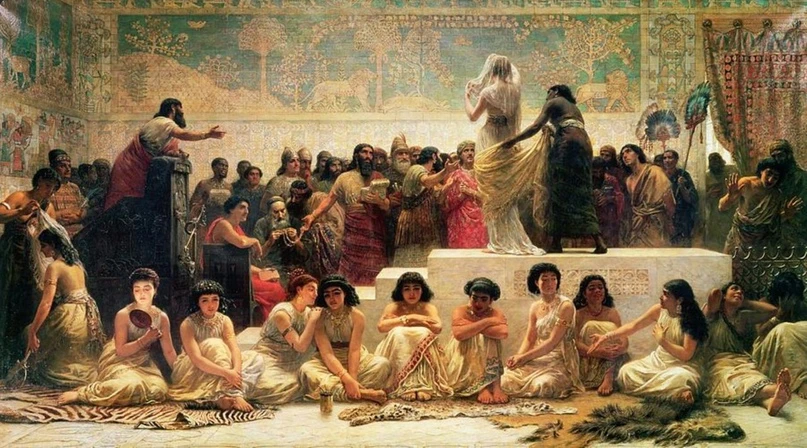
We know about the ancient Babylonians' unusual bride auctions thanks to the Greek historian Herodotus, who documented the custom in his
Histories
. Every year, all marriageable young women and eligible bachelors in a village were gathered together. 
Herodotus, the "Father of History"
Once everyone assembled, a herald stepped forward and the bidding began. The auctioneer called the women up to the platform one by one while the men placed their bids. Naturally, the herald presented the most beautiful women first, sparking fierce bidding wars that saw each go under the hammer for a hefty sum.
Once wealthy suitors had snapped up all the beauties, the real intrigue began. Left beside the platform were women deemed plain, those with physical disabilities, or those considered past their prime. By this point, the wealthy buyers had cleared out. The herald would then bring forward the least attractive bride and start offering money with her. 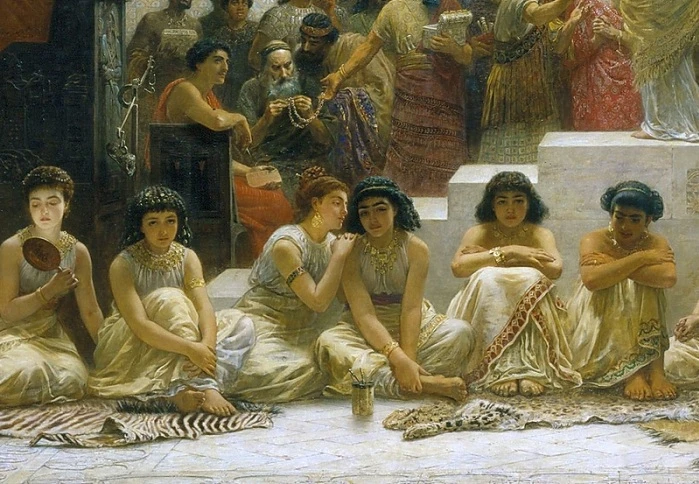
Under the rules, the money raised from auctioning off the most sought-after maidens didn't go to their parents. Instead, it was pooled into an auction fund used to subsidize dowries for the less desirable brides. The auctioneer called out increasing dowry amounts alongside each young woman until a man in the crowd agreed to take her. He then walked home with both a wife and cash in hand.
How the System Prevented Fraud
This system ensured that nearly every woman who wanted to marry was able to do so. For commoners, this was actually the only way to start a family. Choosing a bride freely based on romance was a privilege reserved strictly for the aristocracy. Peasants, artisans, and merchants weren't allowed to marry as they pleased; participating in the auction was mandatory. 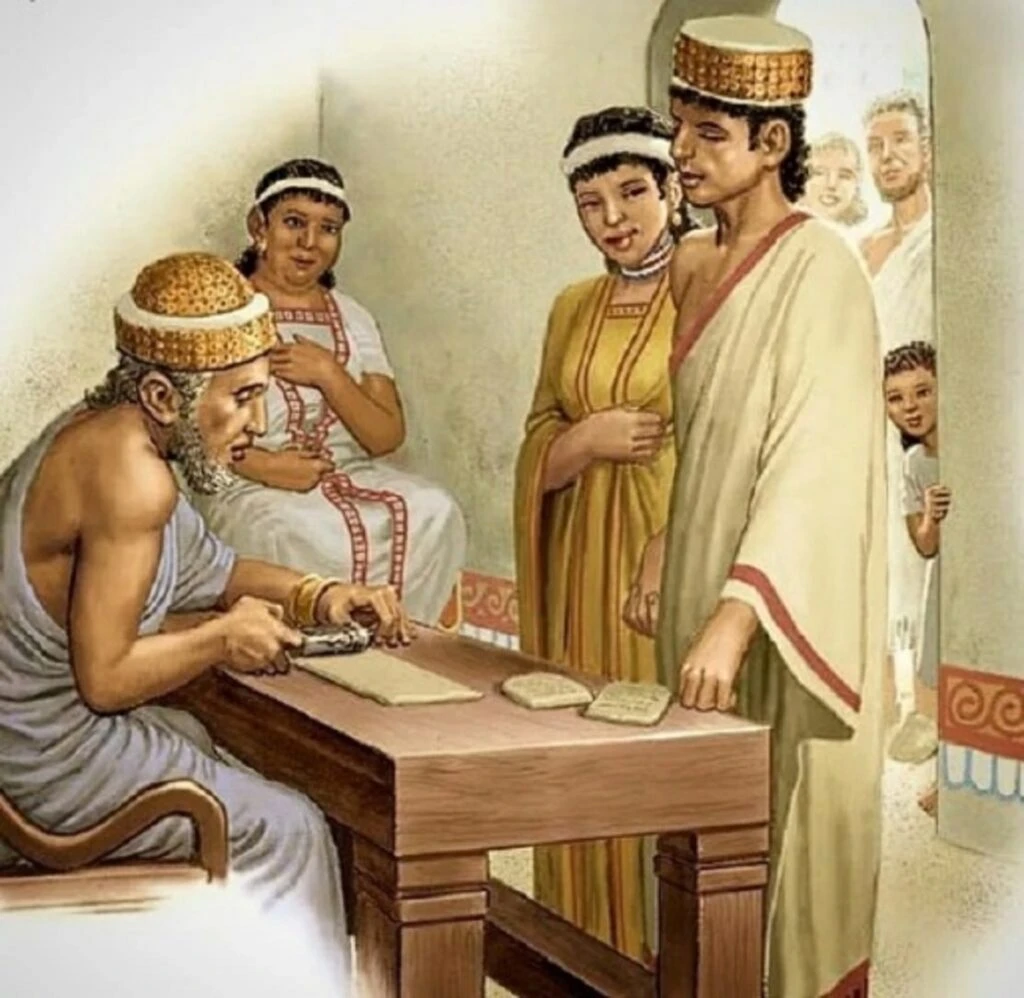
The arrangement was straightforward enough for wealthy men who paid handsomely for their brides. But what if a poor groom took the cash incentive for marrying a plain woman and then backed out of the marriage? The Babylonians had a safeguard for that. A groom received the bride and the cash only if he had a guarantor—typically a respected member of the community. If the marriage fell through, the money had to be returned, with the guarantor held jointly liable.
In England, on the other hand, wives were auctioned off by husbands seeking a divorce—and this wasn't in ancient times, but as recently as the 19th century.