How Coca-Cola Took Over the Mexican State of Chiapas, Where Soda Replaces Water (10 Photos)
Coca-Cola is enjoyed worldwide, but few places love it quite like this. The Mexican state of Chiapas holds the undisputed world record: the average resident drinks an astonishing 821.2 liters of Coca-Cola a year—32 times the global average. How did Chiapas become a place where people drink more Coke than water? 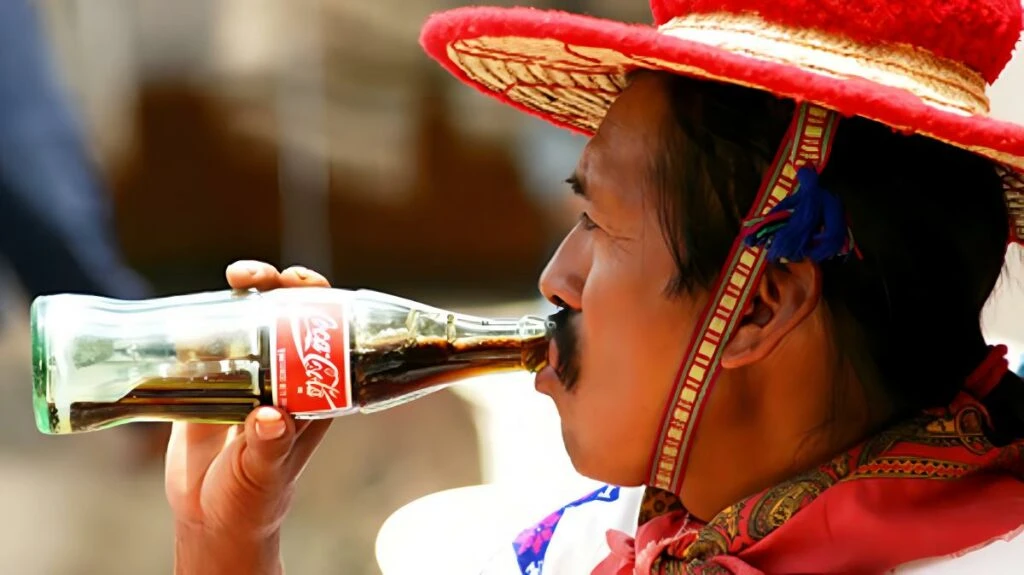
From Pox to Coca-Cola: How American Soda Infiltrated Chiapas Culture
The "Coca-Colonization" of Chiapas dates back to the 1960s, when local indigenous leaders were granted government concessions to distribute soft drinks. They began heavily promoting the American soda, gradually replacing pox, a traditional indigenous liquor. Pox (or posh) is a Mayan sugarcane- and corn-based spirit long used in sacred rituals. Over the past half-century, however, Coke's sheer availability pushed it aside. 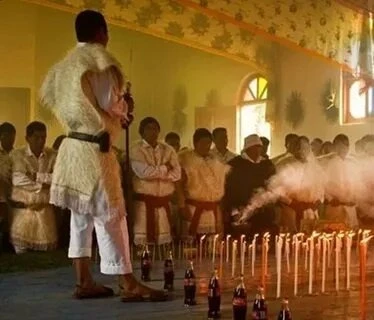
Coca-Cola has become a central part of religious ceremonies in many indigenous villages
Over time, the fizzy American drink became much more than a refreshment. People began viewing it as a vessel of spiritual power, even using it as a magical remedy for illness. Coca-Cola transcended being a mere beverage—it became a cultural icon.
A Monopoly on Water: How a Coca-Cola Bottling Plant Transformed Chiapas's Economy
Everything shifted when a massive Coca-Cola bottling plant opened in San Cristóbal de las Casas. The facility not only ramped up production but dramatically reshaped the local economy. Coca-Cola became a major employer, supporting thousands of families across the region. Yet this economic reliance has come at a steep price. 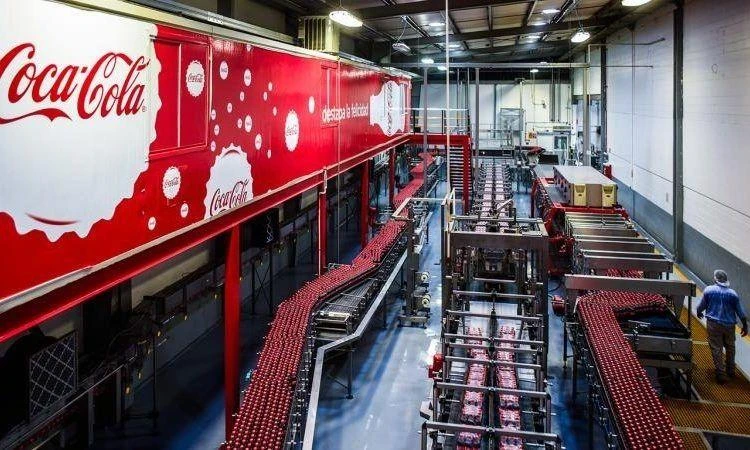
The plant guzzles staggering amounts of water—over one million liters a day—fueling severe water shortages for local communities. As a result, many residents are forced to either buy bottled water or simply drink Coke. Today, the average resident of Chiapas consumes about 2.2 liters of Coca-Cola every day. The soda has practically outcompeted clean drinking water. Across the state's towns and villages, sugary carbonated drinks are no longer a treat; they have become the default way to stay hydrated.
Coca-Cola as Spiritual Power: Woven into Culture and Religion
Many Chiapas residents don't even perceive their reliance on Coke as an addiction. The sweet beverage is deeply embedded in their way of life, featured prominently in ceremonies and traditional rituals. People drink it constantly as a substitute for water. The local bottling plant made the soda cheaper and ubiquitously available. Aggressive marketing soon followed: Coca-Cola billboards sprouted on every corner, featuring indigenous models and slogans translated into native languages alongside Spanish. Retail outlets selling the soda multiplied beyond all proportion. 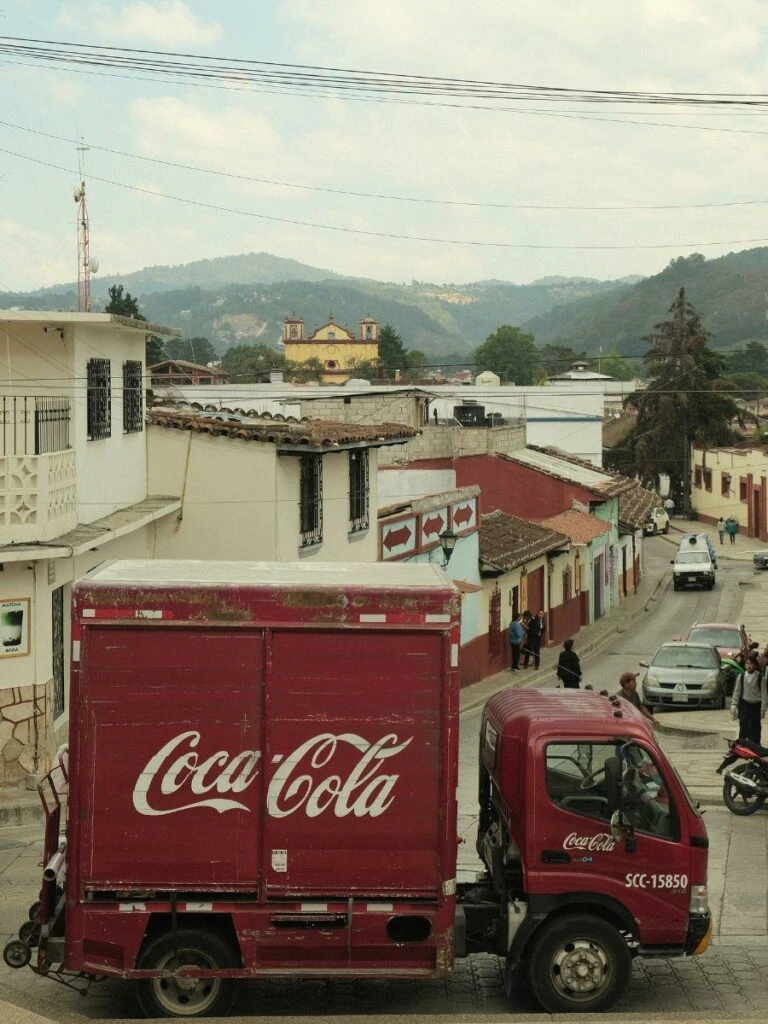
As noted, Coca-Cola has become deeply ingrained in local culture and religious life. Present at ceremonies and healing rituals, it has been embraced as a conduit for spiritual energy and even a healing tonic. In reality, far from curing anything, it does tremendous harm.
From Water Shortages to a Health Crisis: The Toll of Coca-Cola on Chiapas
The widespread consumption of Coke is tied not only to water scarcity but also to a severe public health crisis. Residents drink the soda daily in place of water, often oblivious to the staggering amounts of sugar packed into each bottle. Driven by sheer availability and popularity, rates of diabetes, obesity, and related illnesses have skyrocketed across Chiapas. Diabetes claims roughly 3,000 lives a year in the state, making it the second leading cause of death after cardiovascular disease. 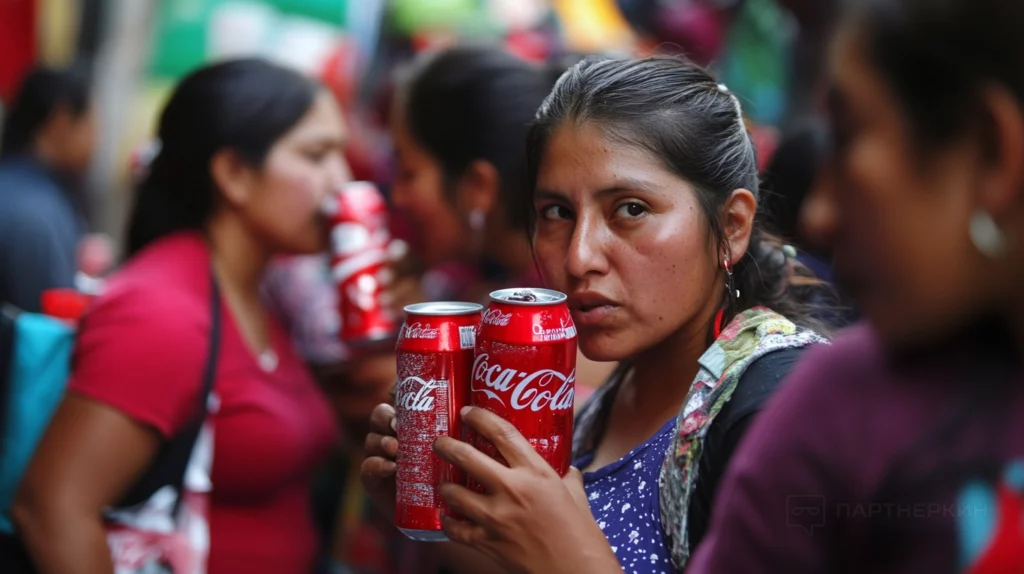
Rampant soda drinking has also caused a dental crisis, with severe tooth decay rampant among both children and adults. Diabetes, dental cavities, obesity—these are only the most visible consequences of Chiapas's soda habit. Doctors emphasize that rates of these conditions here are vastly higher than in the rest of Mexico. Yet despite the clear health risks, consumption remains sky-high, with Coke seen as an indispensable staple of daily life. 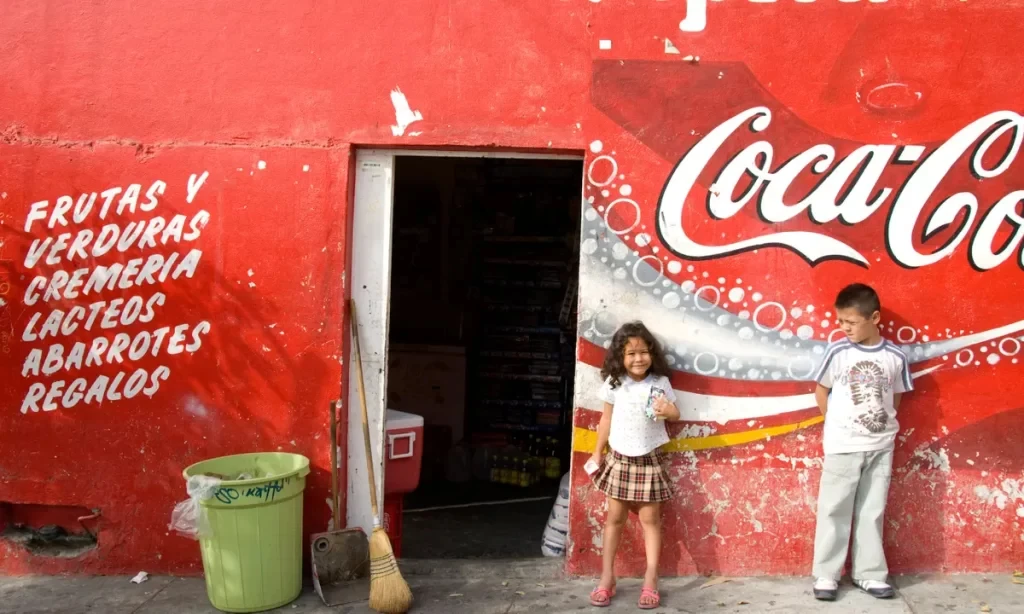
Hooked from Infancy: How Coca-Cola Affects Children's Health in Chiapas
One of the most alarming trends is that addiction to Coca-Cola takes root in infancy. In an interview with The Guardian, Chiapas physician Marcos Arana noted that 15% of indigenous children aged 1 to 2, and 3% of babies under six months old, are already drinking sugary sodas. 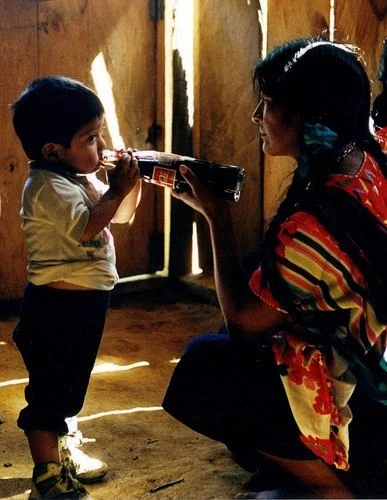
Giving infants soda instead of milk or water triggers serious health issues from early childhood and sets the stage for chronic diseases later in life. Despite efforts by local doctors and advocates to change these habits, Coca-Cola's hold on children remains an urgent crisis. 
Fighting for Health: How Local Activists Are Pushing Back Against Coca-Cola
Despite the daunting odds, advocates in Chiapas are working to reverse the trend. Local activists and healthcare workers are striving to curb Coca-Cola consumption, particularly among youngsters. They run educational outreach programs, raising awareness about the hazards of sugary drinks and promoting healthier lifestyles. 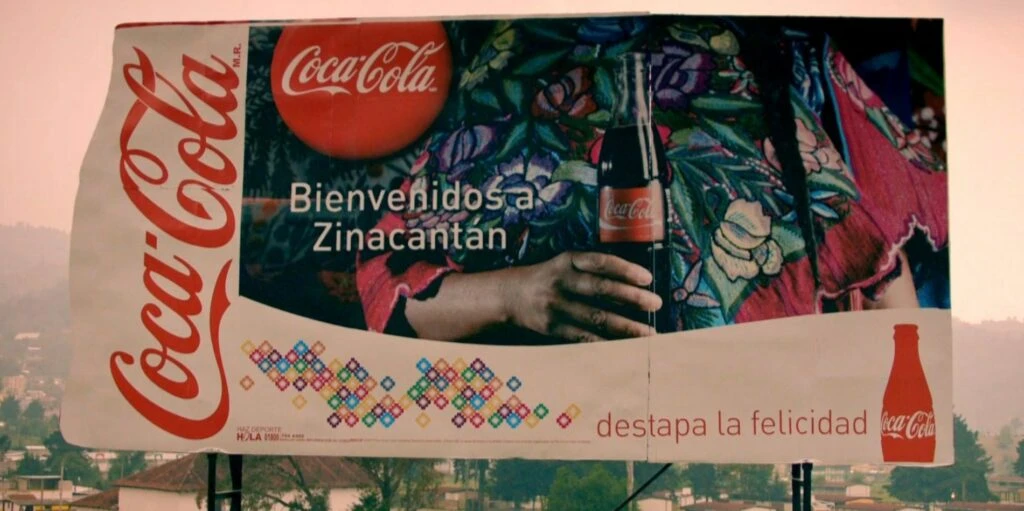
Yet these efforts face uphill battles. Soda consumption has become so deeply entrenched that initiatives to reduce it often encounter resistance within communities where Coca-Cola is now viewed as an integral part of cultural identity. 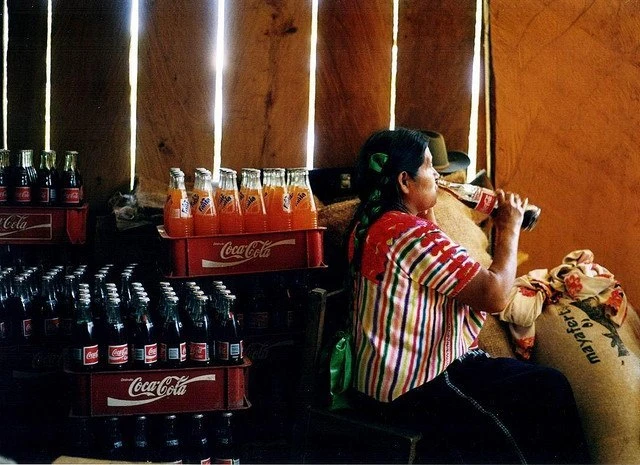
In 2014, Mexico introduced an excise tax on sugary drinks, but it hit the poorest communities hardest. Instead of delivering the hoped-for health improvements, the tax burden fell square on the most vulnerable populations. The tax also drove more than 30,000 traditional corner stores out of business, as a major portion of their inventory became subject to the levy.
How do you think societies can effectively tackle excessive soda consumption without penalizing the most vulnerable citizens?