What Life in China Is Really Like: A Firsthand Account (17 Photos)
Yulia Chervo lives and works in China, giving her a front-row seat to daily life in the world's most populous nation. Here is her eyewitness account of living in the Middle Kingdom—and a few of these details might just surprise you. 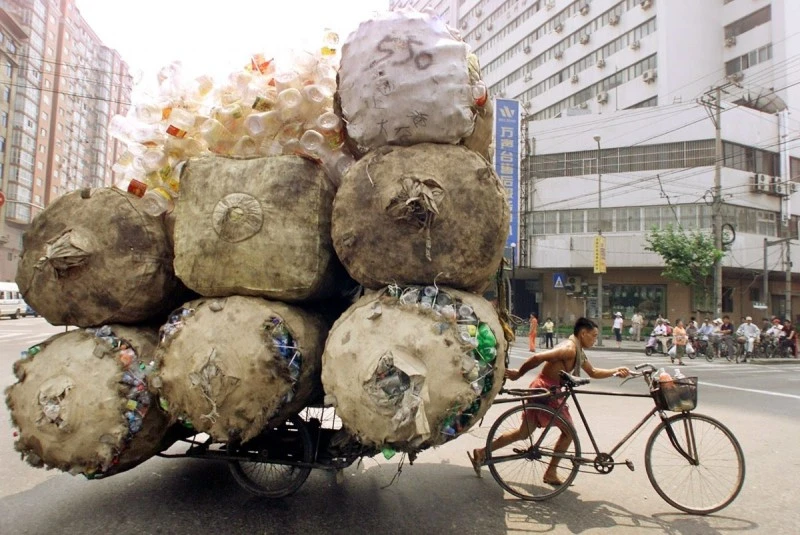
I'm trying to make sense of China through the lens of a "small" (by Chinese standards) city of four million people in the southwest. The city is called Guiyang, located in Guizhou province, where I've been working as a language teacher for a while now. These are just my personal observations, so please hold the rotten tomatoes if you happen to see things differently. 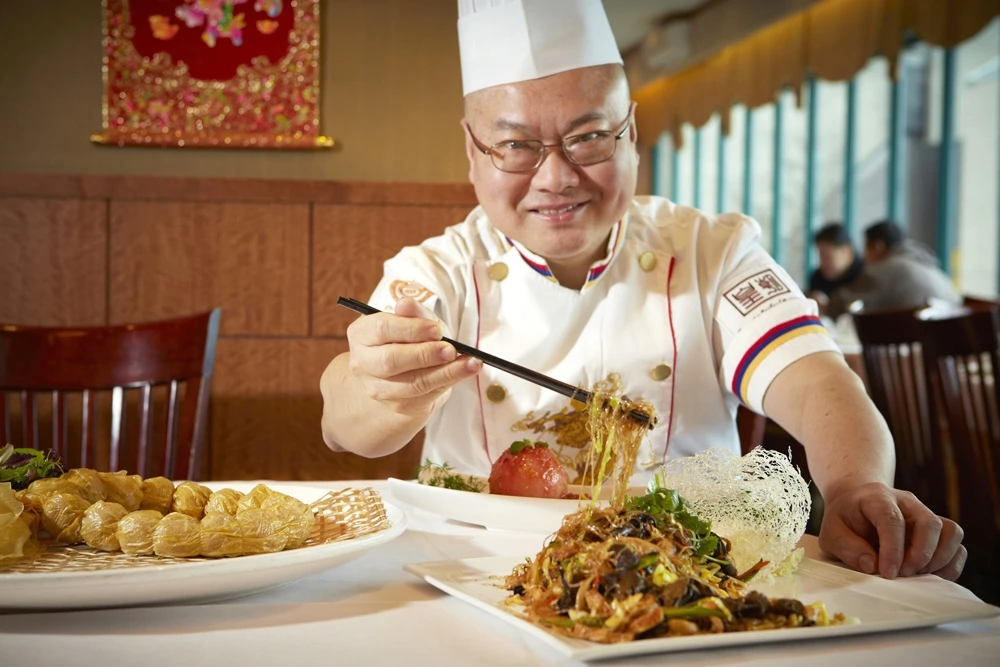
Food
So, I'm navigating life in China by living, working, and attempting to communicate with the locals—if you can call it "communication" when I point at pictures of food and make unintelligible grunts trying to mimic a translation app, hoping someone catches a word that sounds remotely familiar.
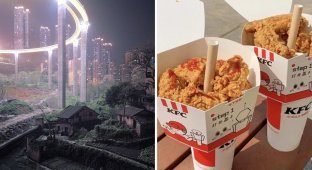
Honestly, I only built up the courage to make those sounds once I couldn't stomach another bowl of instant noodles. Hunger wins in the end, especially with delicious food aromas wafting from every corner (stinky tofu aside—that stuff smells so bizarre I hold my breath whenever I pass by). My first attempt at ordering food on my own was a success: it took ten minutes of frantic gesturing and four separate translation apps—mine, the cashier's, a bystander's, and the chef's. But it was worth it. I got a freshly cooked home-style meal and managed not to burn a hole through my esophagus, which is a real achievement considering local Guizhou cuisine isn't just spicy—it's off-the-charts fiery. They grow chili peppers here, so they eat them by the pound.
China revolves around food. You could easily divide the population into two groups: 50% are cooking, and the other 50% are eating. Everyone eats everything, everywhere, all the time. People walk around carrying thermoses, plastic bags, small plates, bowls, and chopsticks. They eat, eat, and eat some more. And when they aren't eating, they're talking about food. It's like France on steroids. 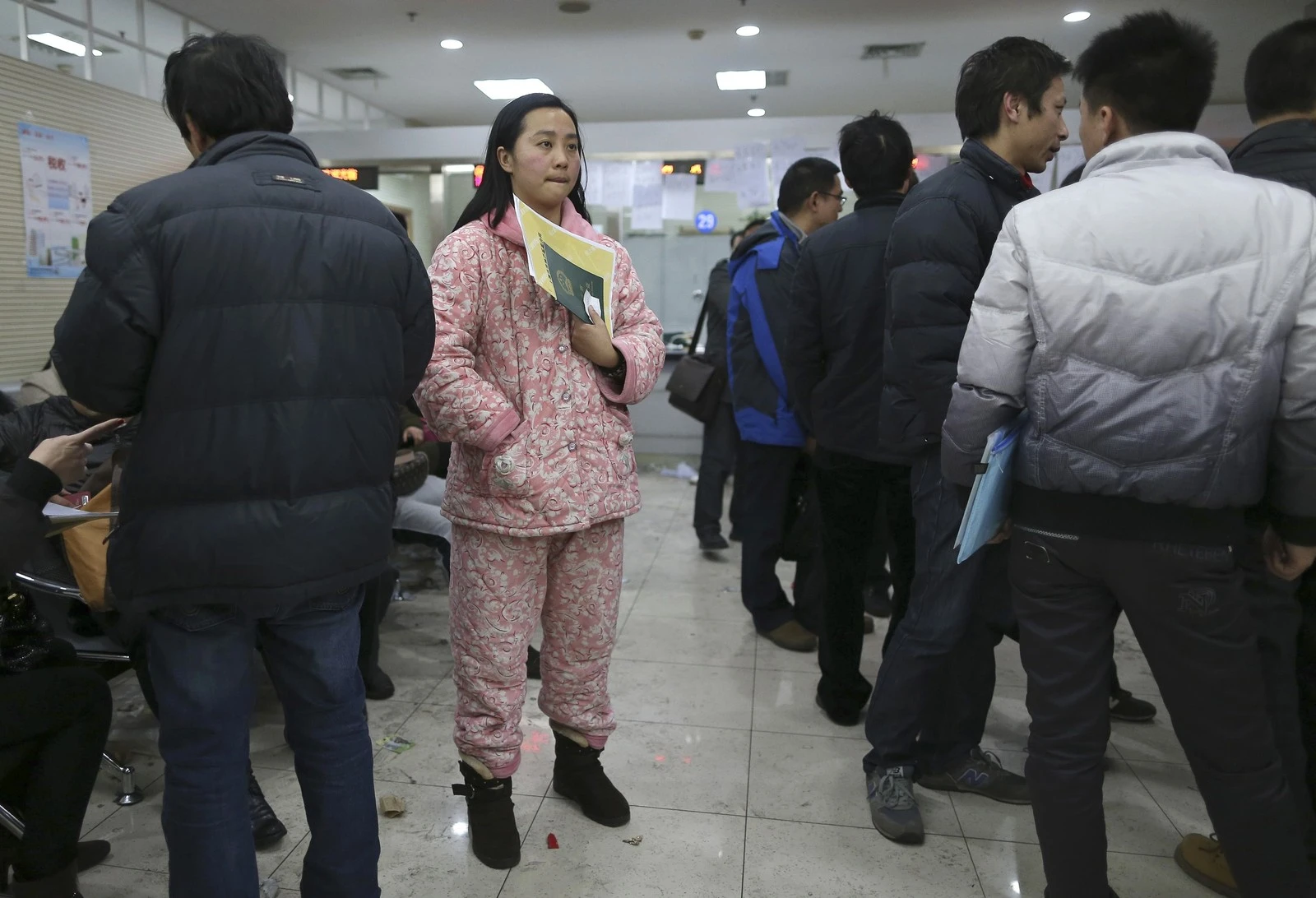
Pajama Party
Pajamas are extraordinarily popular daywear in China. You'll routinely see entire families out for a stroll dressed in pajamas and slippers. Some swap the slippers for regular shoes, but the pajamas stay on. It constantly feels like everyone is on their way back from a massive sleepover.
You'll see pajamas in every color and style imaginable—fuzzy, quilted, covered in cartoon mice, teddy bears, and kittens. And these are full-grown adults wearing them. Honestly, it's pretty awesome! 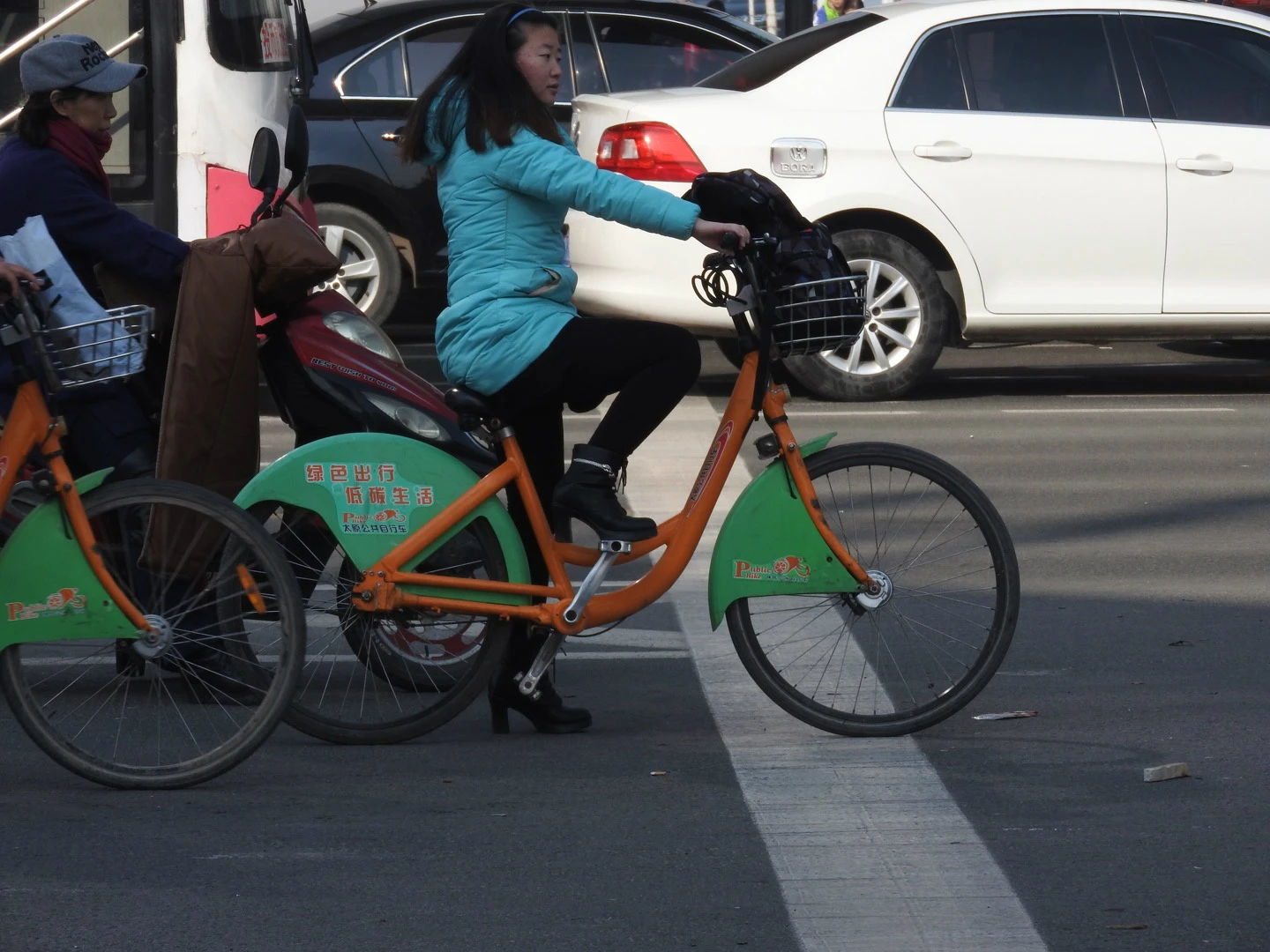
High Heels
High heels are an absolute staple of women's fashion here. They come decked out with bows, lace, rhinestones, beads, dangling charms, and pretty much anything else you can imagine. 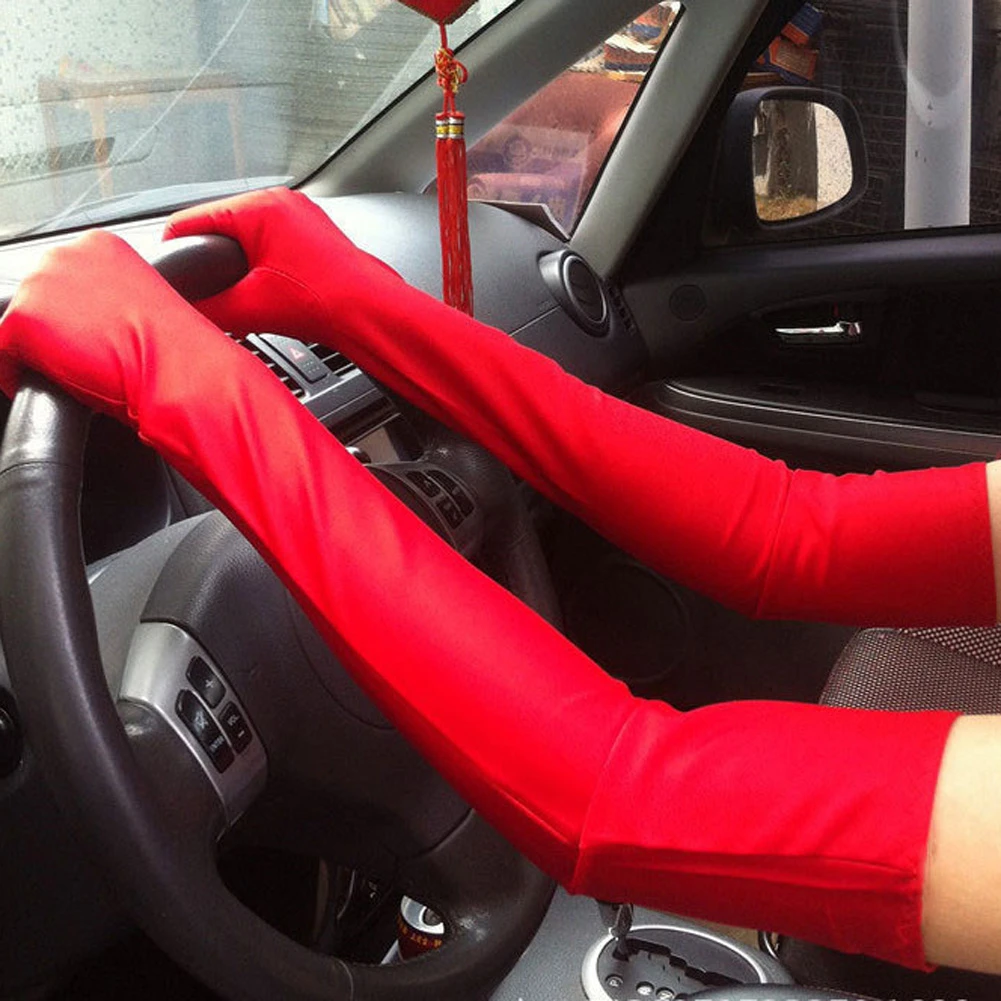
Sleeve Covers
This is peak fashion. You simply aren't trendy if you're not wearing protective arm sleeves. Oversleeves aren't just practical for keeping your clothes clean and preventing wear—they're a full-on fashion statement designed to highlight your personality, complete with beads, lace, rhinestones, lurex, and even fur... 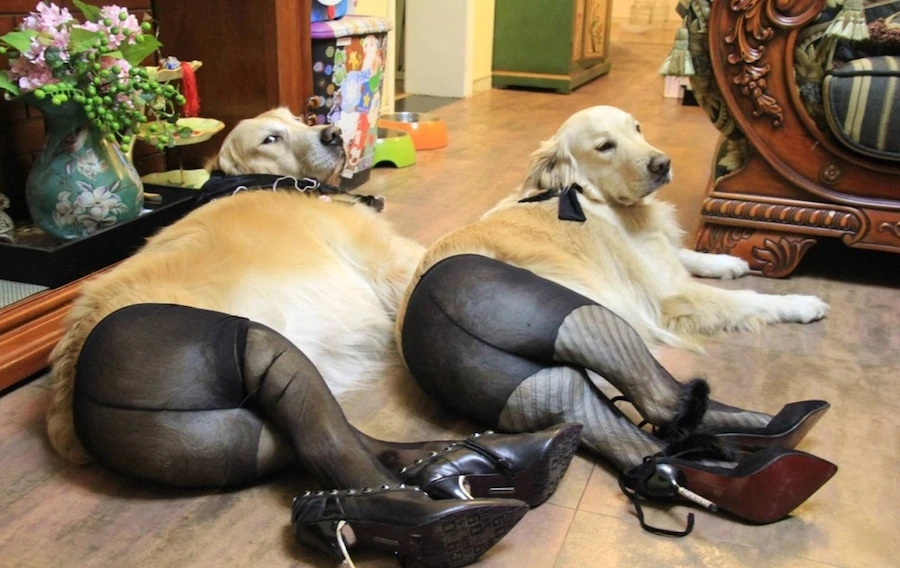
Tights and Pantyhose
The level of fashion creativity here is unbelievable. Who said tights had to be subtle? The absolute height of style is fleece-lined insulated tights overlaid with black fishnet. 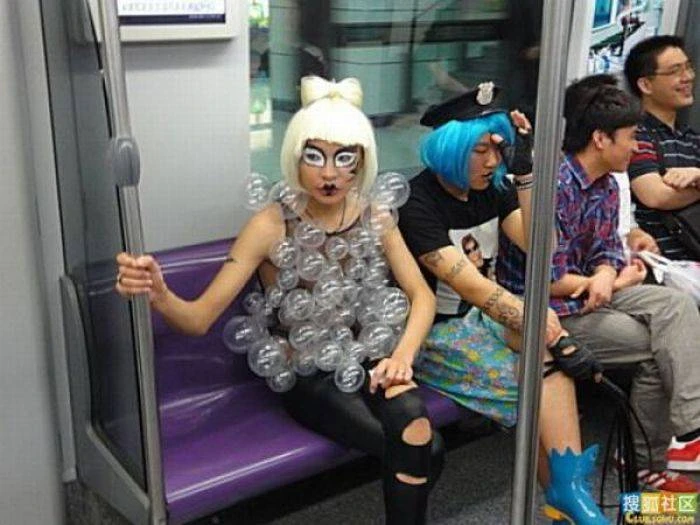
Street Style
Rhinestones, lace, and lurex—without these, an outfit just isn't complete. Season highlights include women over 50 rocking leather shorts, clothes printed with nonsensical phrases, "extreme eggplant" hair dye, and tight perm waves. Of course, some people dress conventionally (in the Western sense), but the vast majority aren't afraid to experiment. 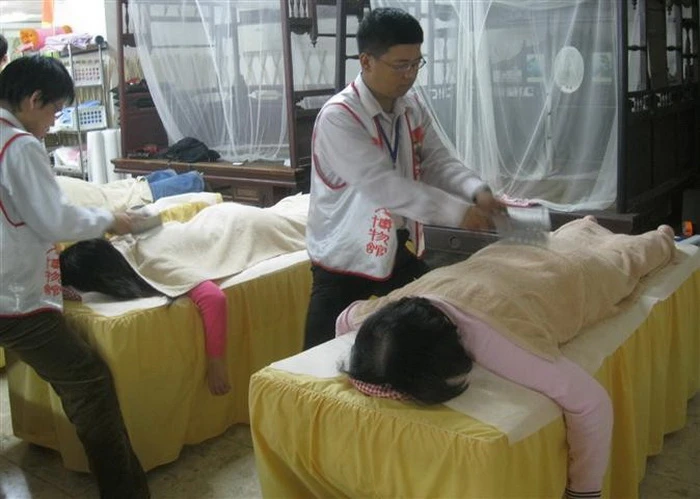
Self-Massage
People in China are constantly patting, rubbing, tapping, and pinching themselves. There's an entire industry selling gadgets for this, but locals usually stick to their hands for a quick self-massage. Almost every apartment block features a massage parlor, mainly specializing in foot massages and pedicures. 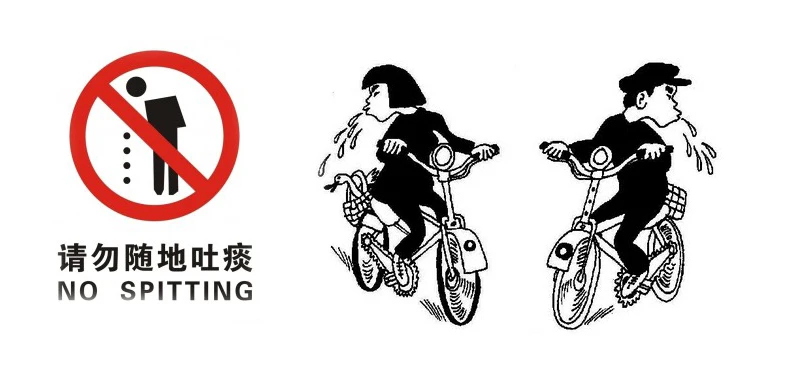
Burping and Spitting
Burping and spitting happen everywhere—enthusiastically, loudly, and without hesitation, operating on the logic that "you shouldn't bottle up bad energy!" They do try to spit off to the side (which I appreciate). Public buses even have trash buckets on board for spitting. Thank goodness it's not right on the floor. 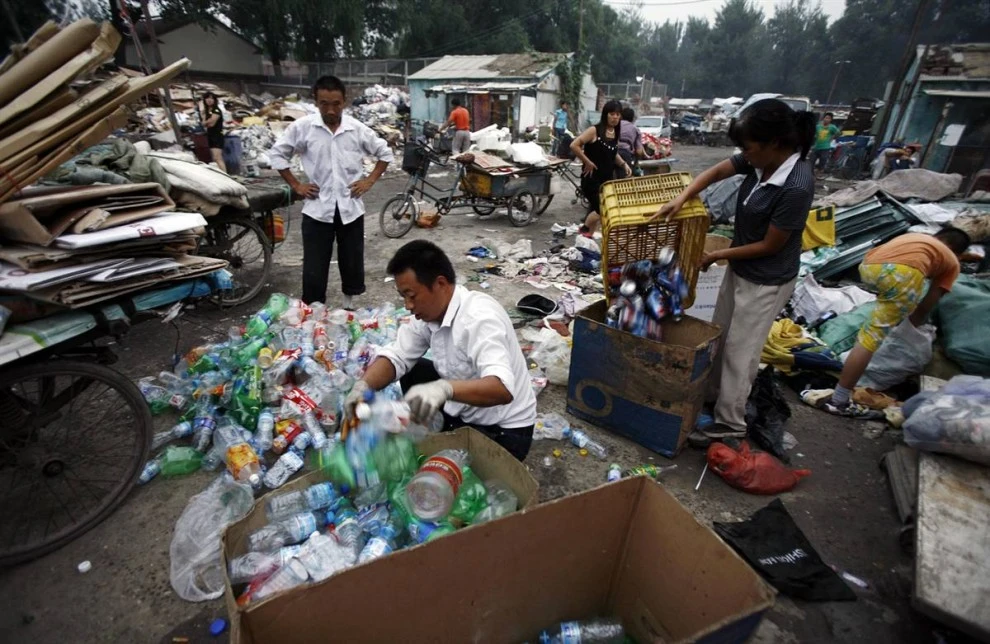
Litter and Cleanliness
People produce a lot of litter, but it gets cleaned up just as fast. Street sweepers are everywhere, constantly sweeping and even scrubbing the pavement with soapy water (a government program to employ low-skilled workers). Kids are taught to use trash cans and happily do so. Typically, those who litter the most or ignore public etiquette are visitors from rural areas—a phenomenon common enough back home too. 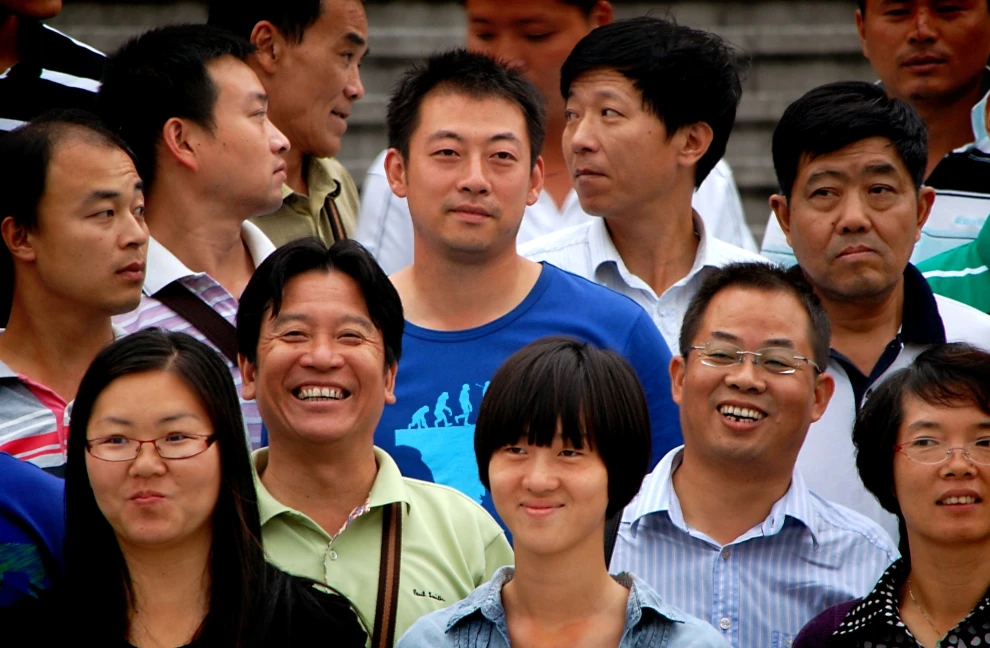
The Local People
Loud, friendly, and deeply caring—they're wonderful people! They always try to understand you and help in any way they can; they won't leave you stranded. They look calm on the surface, but can be surprisingly passionate when push comes to shove. It's just not customary here to show strong emotions in public.
Young and old alike walk around glued to massive smartphones. They talk on the phone extremely loudly (a side effect of the language's tonal nature). Honestly, if you took away their phones, I don't know what would happen to the country. 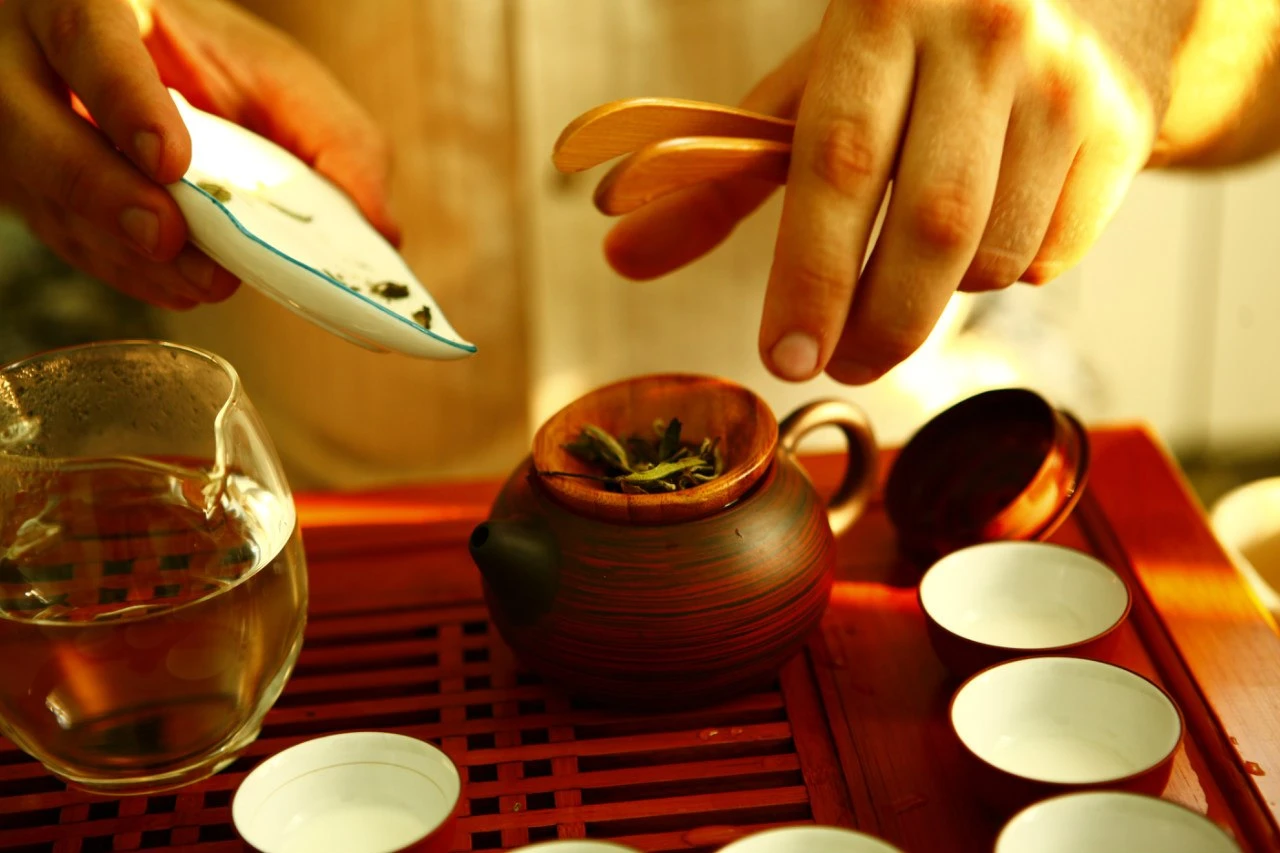
Tea Culture
Oh, absolutely! Tea is everywhere, all the time—both hot and cold. Everyone carries their own personal travel flask filled with tea leaves, topping it up with hot water throughout the day. And free hot water dispensers can be found everywhere across China. 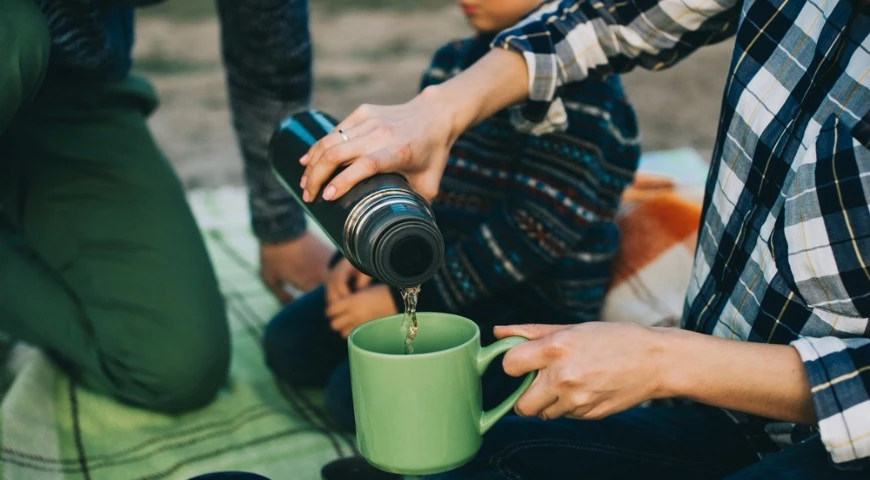
Boiled Water
The ultimate cure-all. I'm not kidding. If you go to the doctor, chances are they'll prescribe rest and drinking warm water. Every expat living in China knows this drill. Warm boiled water is served everywhere you go—it's practically the official national beverage. 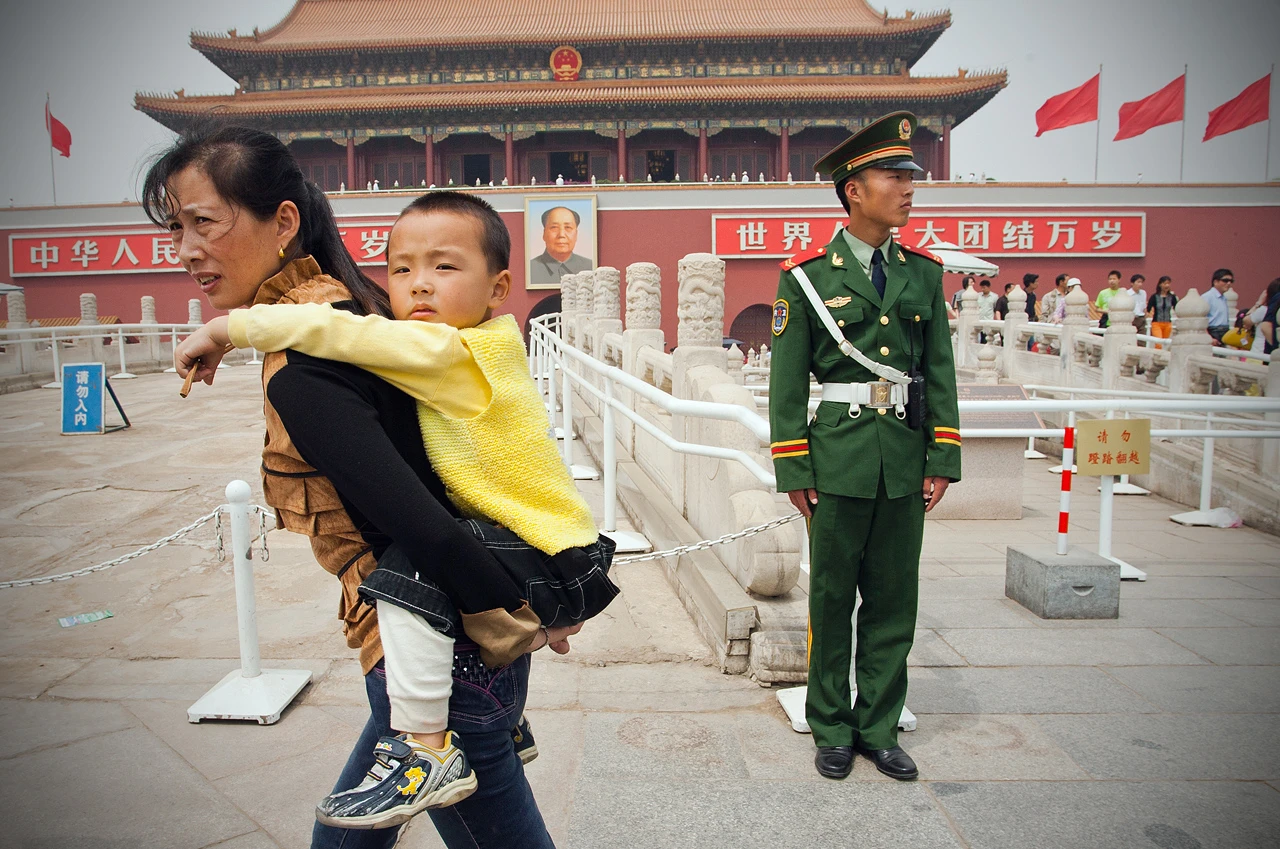
Children
There are kids everywhere now that families can have more children. Parents carry them constantly in their arms or in baby slings; strollers aren't very popular. Grandparents handle most of the day-to-day childcare, which is sweet to watch, while parents are out earning a living. Maternity leave in China is quite brief—about 8 months—because placing the entire financial burden on a single earner is considered unfair. 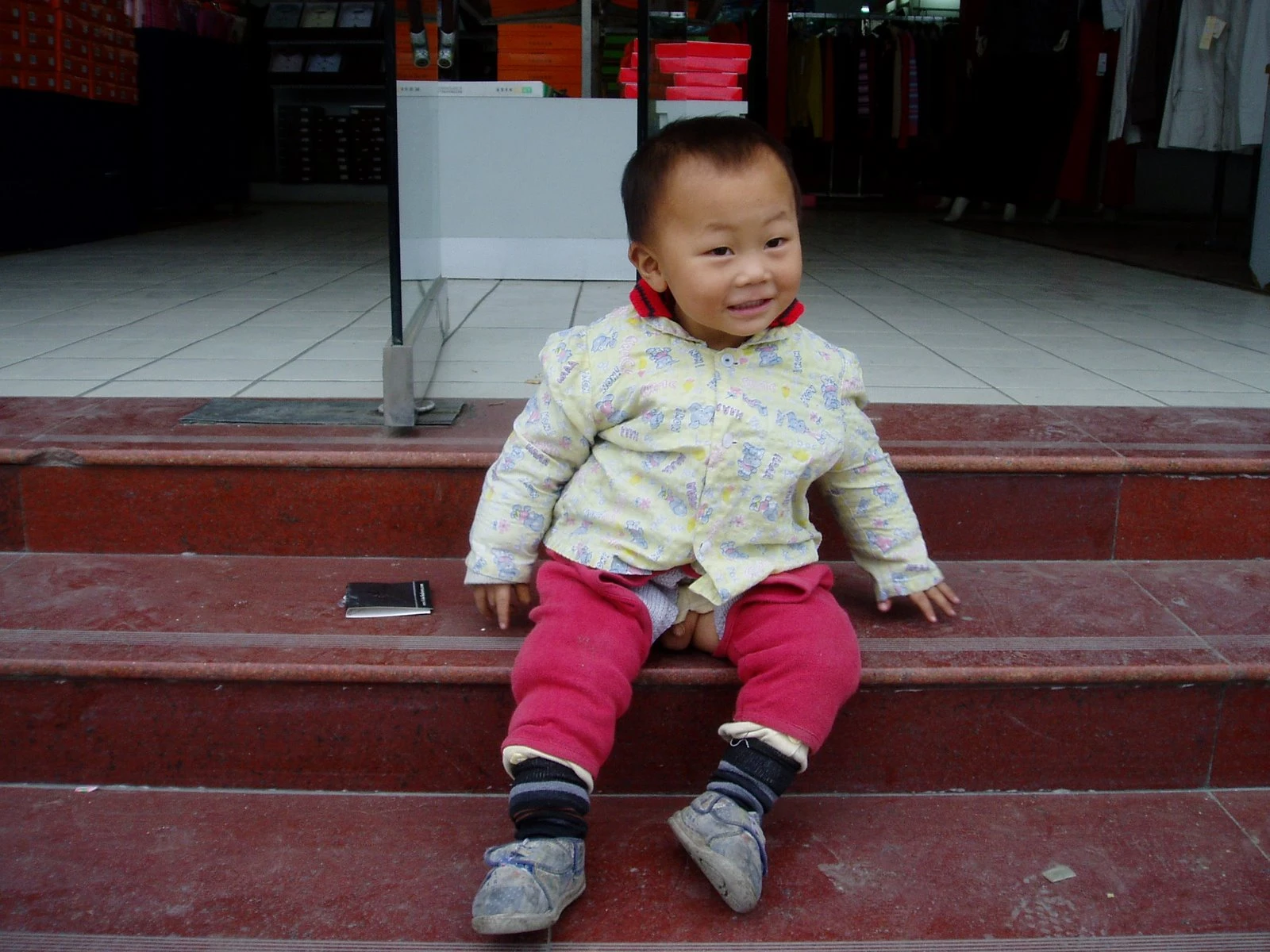
Split Pants
These days, you're more likely to see a diaper peeking out of open-crotch split pants rather than a bare bottom, though bare bottoms are still plenty common. It looks bizarre to Western eyes to see toddlers walking around bare-butt in chilly weather, but on the bright side, potty training isn't an issue.
Baby hats are equally rare. It can be 4°C (39°F) outside, yet a baby will be out and about with a bare head and bare bottom. Strangely enough, I've never heard of local kids constantly catching colds or suffering from ear, nose, and throat issues.
Kids are brought along everywhere, too—even to nightclubs where chain-smoking is rampant and music is blasting. Yet infants sleep right through it all. Thanks to this early conditioning, the average Chinese adult can sleep literally anywhere, in any position, at any time of day. 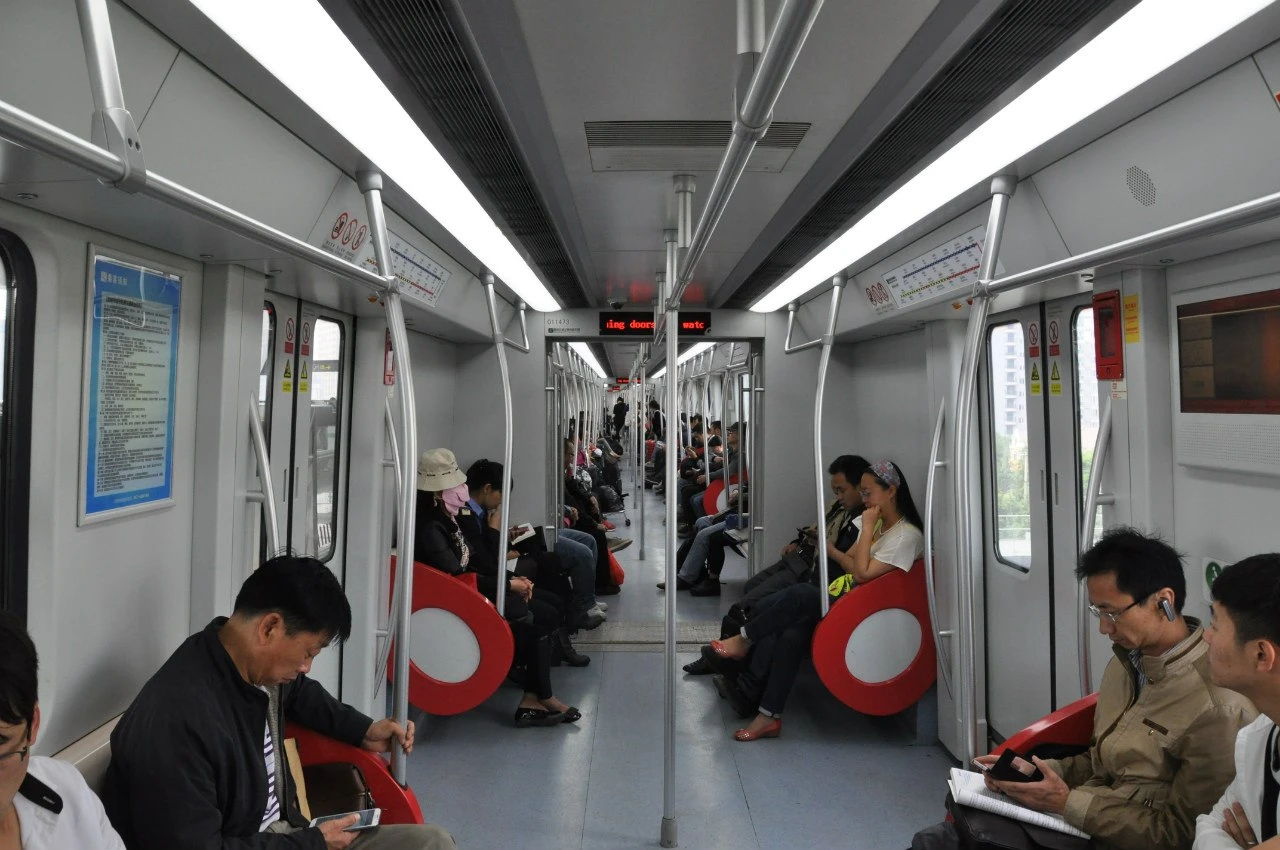
Public Transit
Public transit is phenomenal, at least where I'm staying. You can track bus routes and arrival times using a dedicated app, which also lets you easily check estimated taxi fares.
Unlicensed cabs are common too. Official taxis are plentiful, but demand often exceeds supply. Interestingly, regular taxis are usually cheaper than private rides—assuming you're the first passenger. If the driver picks up extra passengers along the way (which is totally standard practice), you pay whatever flat rate the driver quotes rather than the meter price.
A bus ride costs 2 yuan. One key detail: there's no change provided. You don't hand money to the driver; instead, you drop exact fare into a cash box. You either need to prepare exact change in advance or collect your change directly from passengers boarding after you.
Keep in mind that people only start moving toward the exit *after* the bus has come to a complete stop and opened its doors. Since crowds often gather around the doors without intending to get off—and without making way—locals have perfected the art of elbowing their way through. 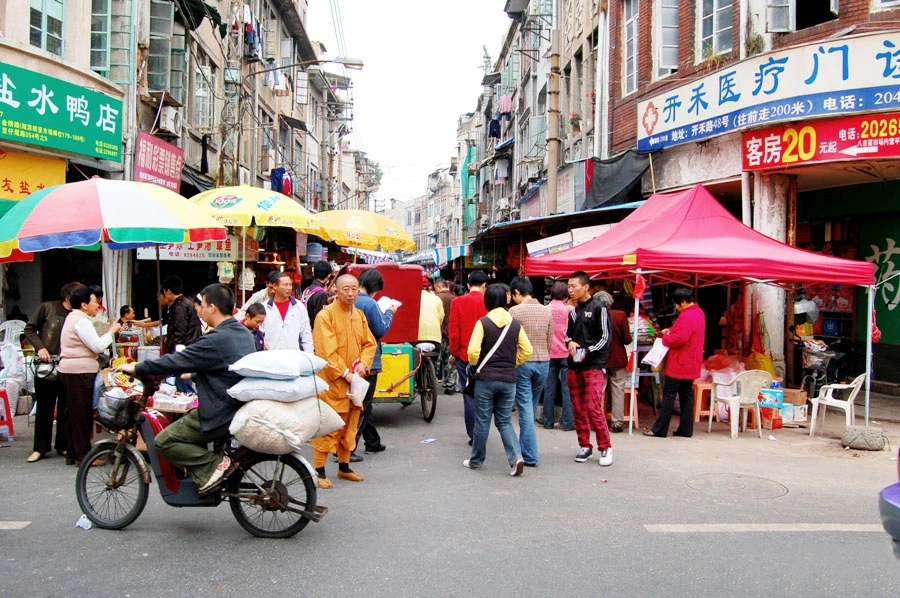
One Last Thing
If a local walking down a busy boulevard suddenly decides to scratch their nose and ponder the universe, nothing will convince them to step aside. They will freeze in place right in the middle of foot traffic, creating a bottleneck. Yet everyone simply walks around them without a single word of complaint.
In some ways, they are so much like us, yet in others, completely different. But then again, who says we all have to be the same?