Fascinating Artifacts from the Past (18 Photos)
40,000 years ago, an ancient artist carved a creature with a human body and a lion's head from a mammoth tusk. It remains the oldest known statue in the world, and it kicks off today's collection. What follows includes a transformation mask capable of altering reality with the pull of a string, a fortress soaring over a medieval village, the largest ancient Roman wall mosaic ever discovered, 3rd-century sapphires, and much more. Each of these artifacts is far more than just a beautiful object—it is a relic of someone's life, faith, fear, or vanity. Scroll down to see just how deep human memory really goes.
1. The Löwenmensch figurine ("Lion-man"), the oldest known statue ever discovered. Carved from mammoth tusk in the Hohlenstein-Stadel cave (Germany) 40,000 years ago. 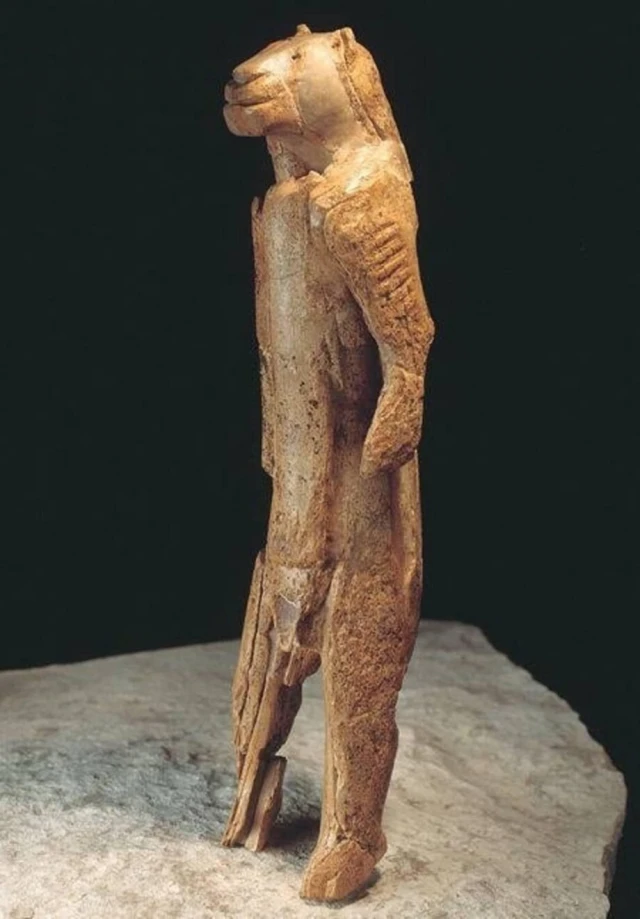
2. An "Eagle" transformation mask, used during ritual dances. Pulling a string opened the mask, symbolizing the shift from the natural to the supernatural realm. Crafted by a Kwakwaka'wakw artist, Vancouver Island, late 19th century. 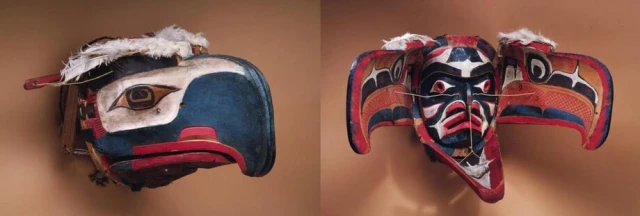
3. The Citadel of Entrevaux, a 17th-century fortress looming 156 meters above the medieval village of Entrevaux in Alpes-de-Haute-Provence, France. 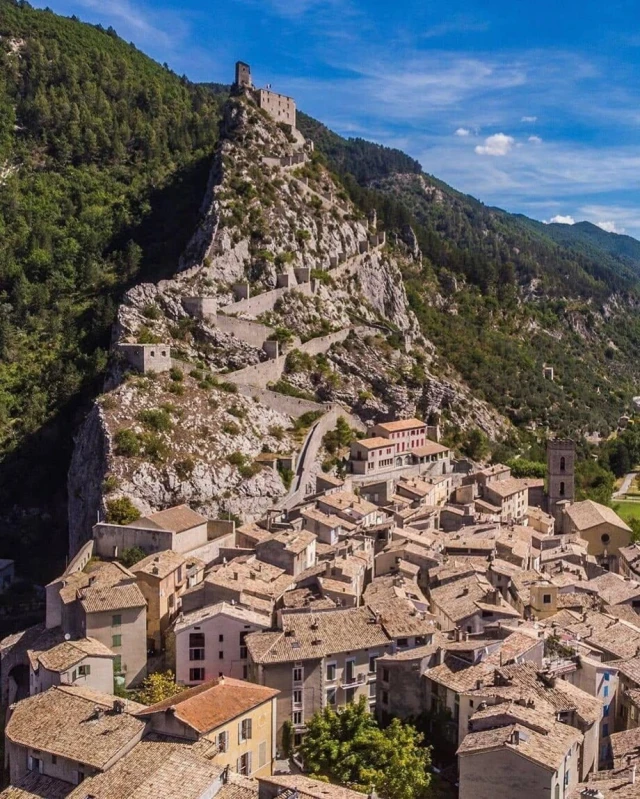
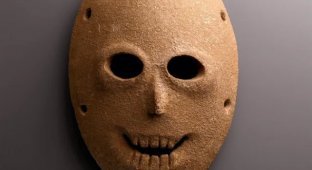
4. A stone cube carved with Mesopotamian symbols, discovered at Qasr al-Hamra in Tayma, Saudi Arabia. 9th century BCE; currently housed at the National Museum of Saudi Arabia. 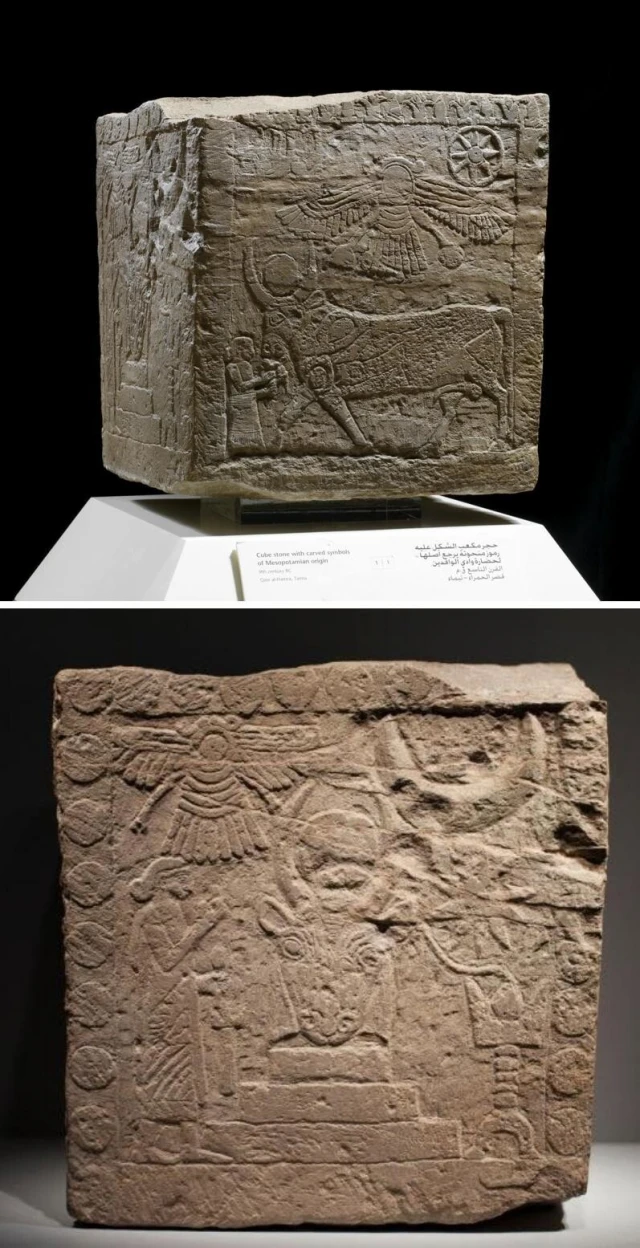
5. Roman authorities unveiled what is believed to be the largest ancient Roman wall mosaic ever found. Uncovered in 1998 beneath the Baths of Trajan, this 15-meter-tall mosaic features theatrical scenes with human figures on its upper level, while the lower level details the layout of a port city. 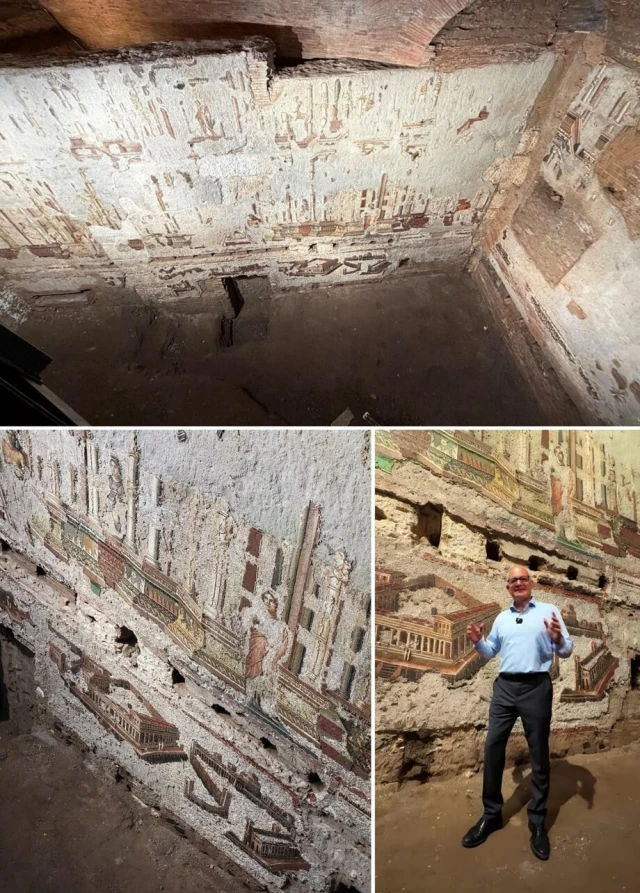
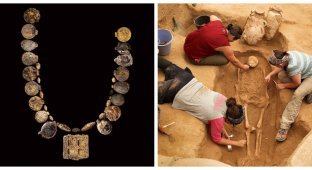
6. A set of 2nd-century CE jewelry recovered from the burial of a wealthy Roman woman in Lyon. Now on display at the Lugdunum Museum in France. 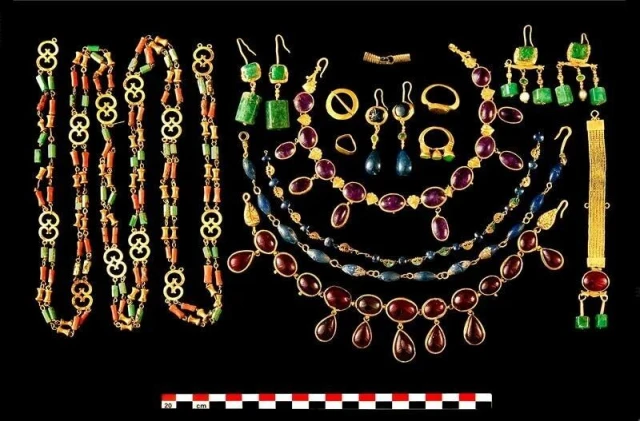
7. A Malagan (also Malanggan) mask; c. 1900; a ceremonial mask from New Ireland, Papua New Guinea, made of wood, cloth, and pigment. 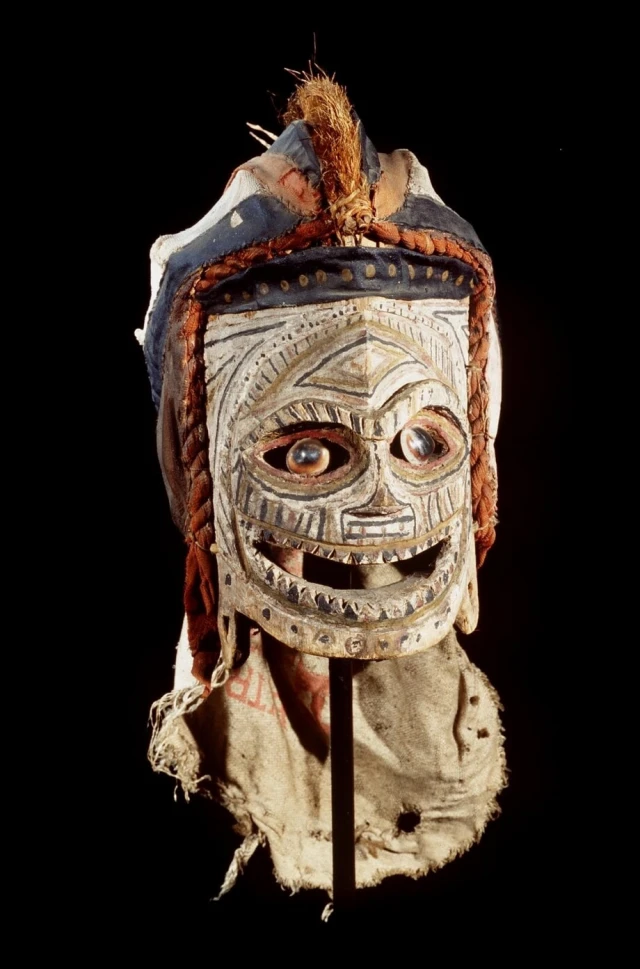
8. A partisan (a broad-bladed polearm) bearing a gilded emblem. Spain, 1715. 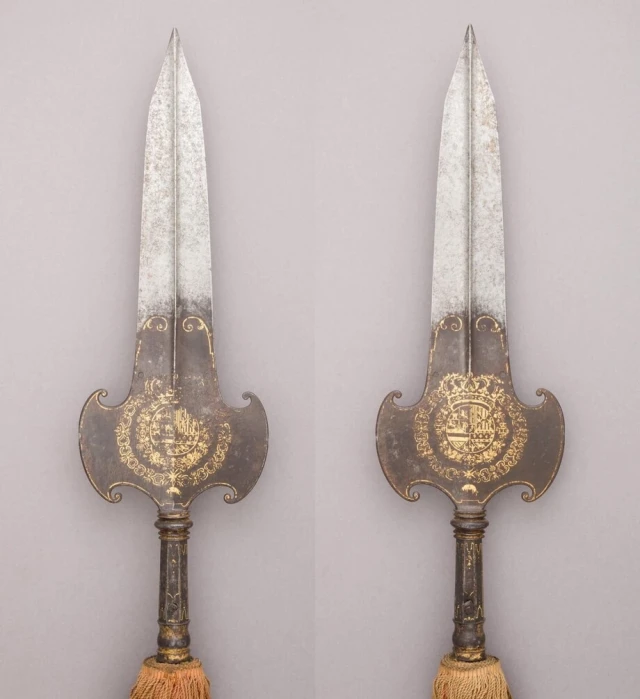
9. A plate featuring a floral petal motif. China, 17th–18th century. 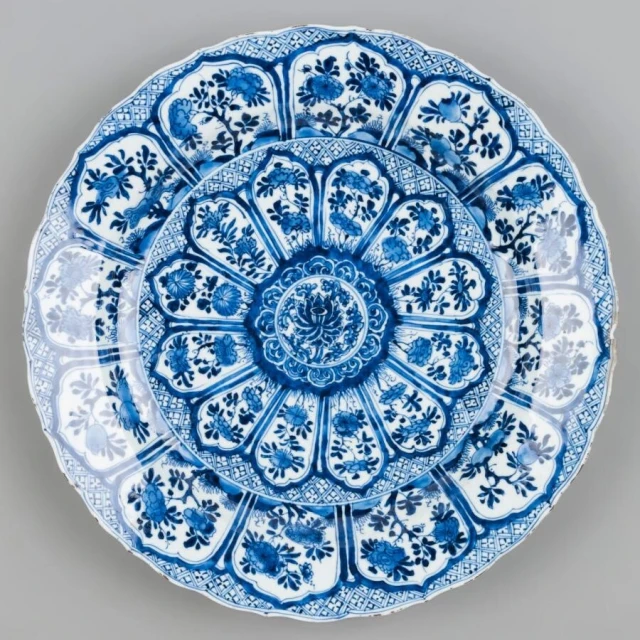
10. A 3rd-century CE Roman gold and sapphire tiara, discovered in 2011 inside a woman's tomb in Colonna, Italy. Gemological and archaeometric analyses revealed that the sapphires originated in Southeast and South Asia. Now housed at the Archaeological Museum of Palestrina. 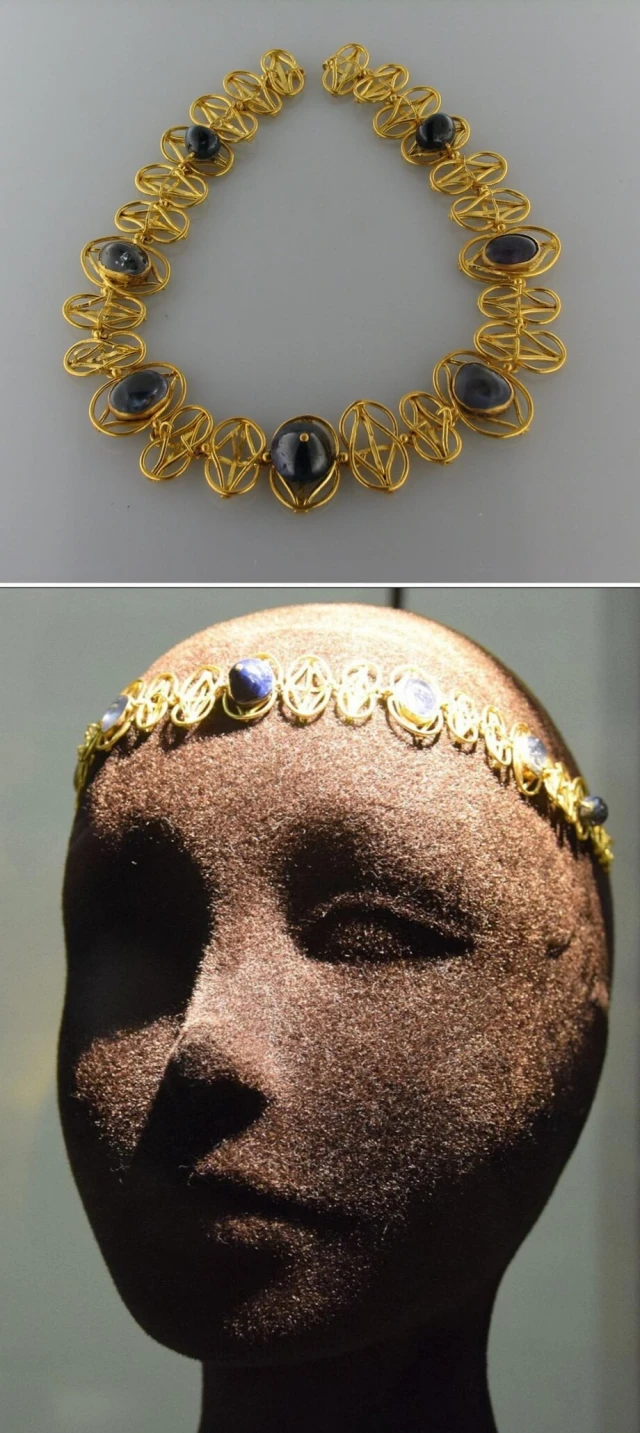
11. An ancient Roman wig worn by a woman living in the frontier settlement of Vindolanda near Hadrian's Wall. Preserved in the site's oxygen-free soil, this lady's wig was crafted from hair cap moss. Now on display at the Chesterholm Museum in England. 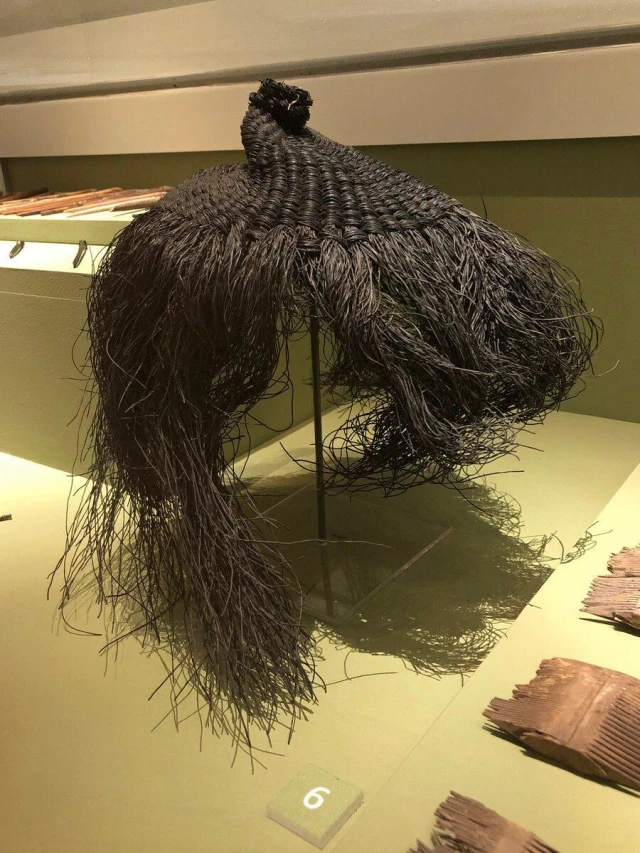
12. A stirrup adorned with dragon heads. China, 18th century. 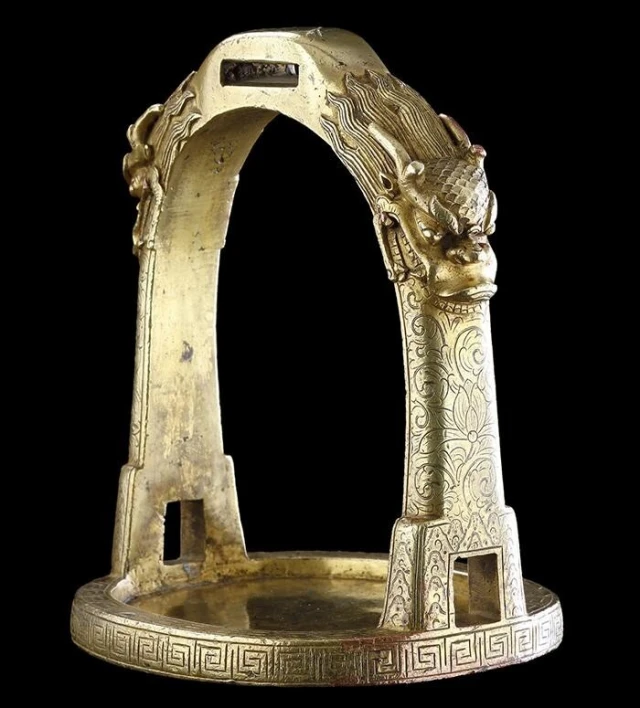
13. An American brisé fan made of ostrich feathers, tortoiseshell sticks, and silk ribbon, c. 1880–1900. 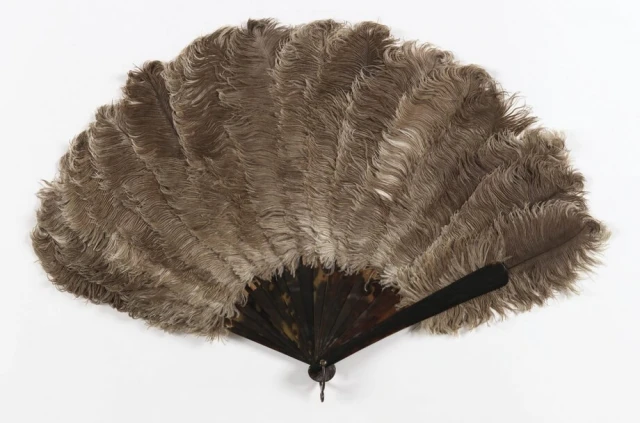
14. Terracotta miniatures of a house and well, Eastern Han dynasty, Northern Vietnam, 1st–3rd century CE. 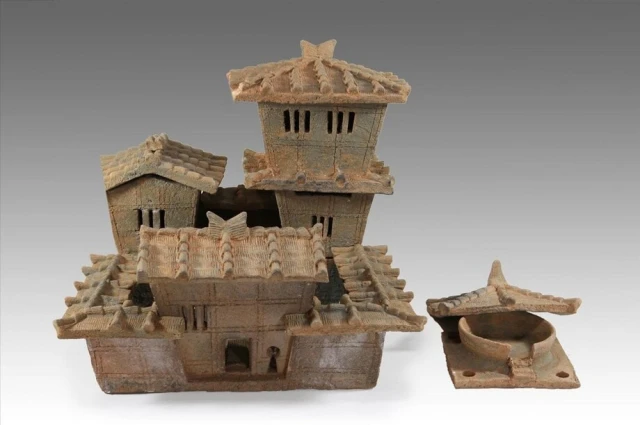
15. A 16th-century Agnivrishabha sculpture in Pateshwar, India, depicting the seven arms of the god Agni combined with the body of a bull (Vrishabha). 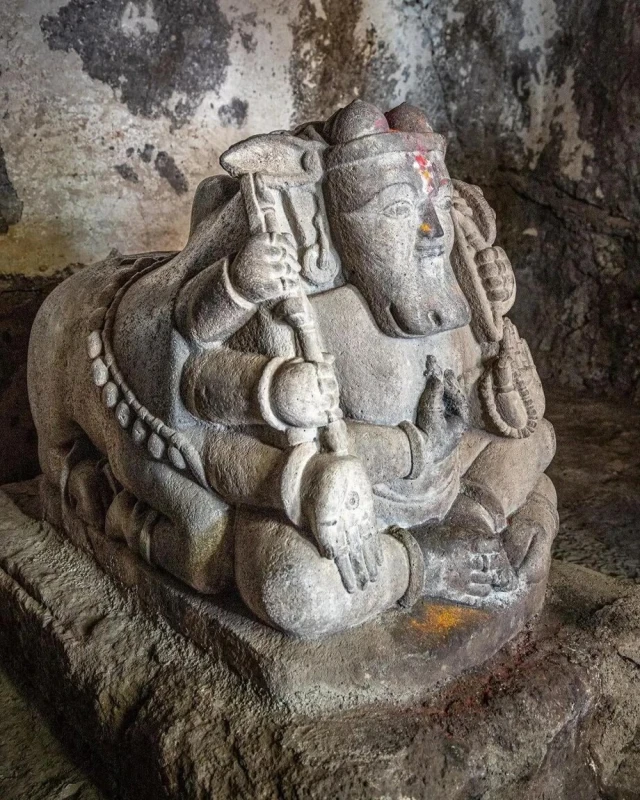
16. A 3,000-year-old bronze axe discovered by a gold prospector. Borneo, Indonesia, 2000 BCE. 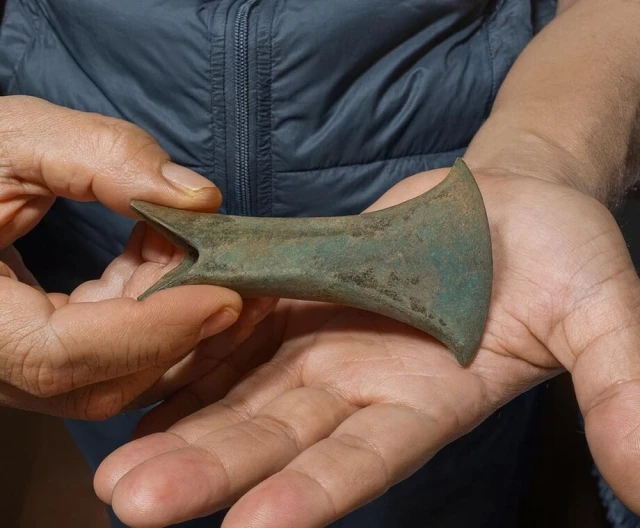
17. A ritual offering dish, Nepal, 17th–19th century. 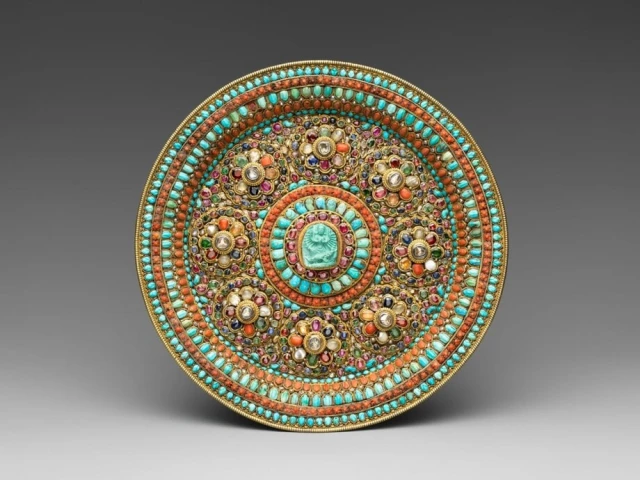
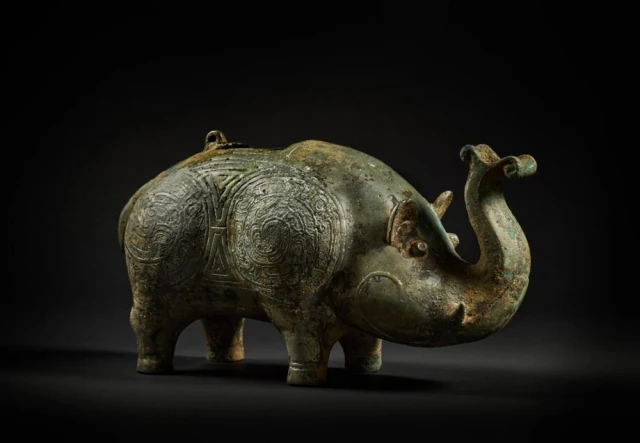
18. An elephant-shaped bronze vessel, mid-Western Zhou period, 10th century BCE.