Fascinating Artifacts From the Past That Will Surprise You (18 Photos)
From a jade bitter melon and a Syrian glass horse to porcelain figurines of Napoleon and Josephine and a Maya scribe with dwarfism—these ancient relics impress as much with their exquisite craftsmanship as with their age. Let's take a look at these extraordinary historical and cultural treasures.
1. The world's oldest mask, crafted 9,000 years ago and discovered in the Judean Desert 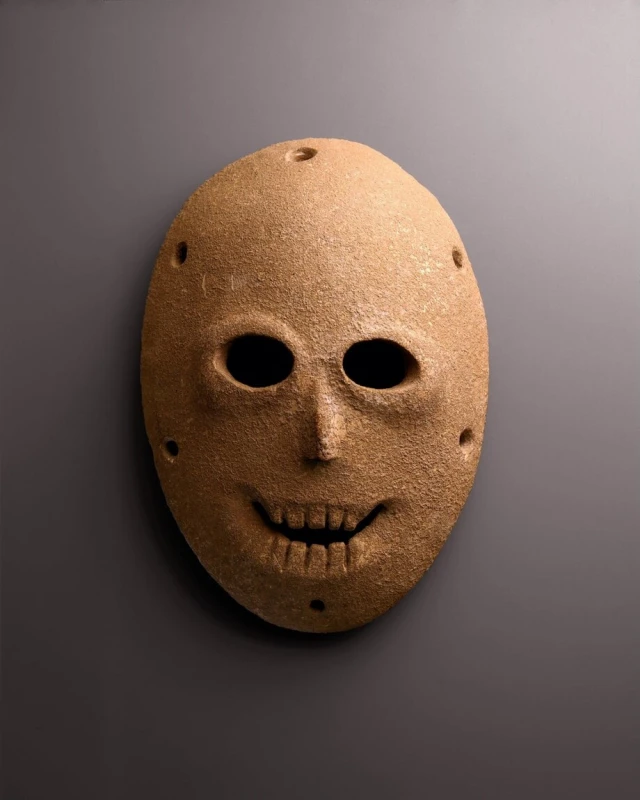
2. Carved and engraved brass guillotine earrings, c. 1880. Carnavalet Museum, Paris 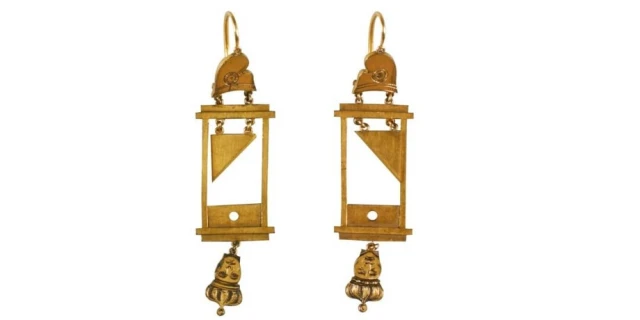
3. Ivory cosmetic spoon shaped like a duck turning its head to offer a fish to two ducklings sitting on its back 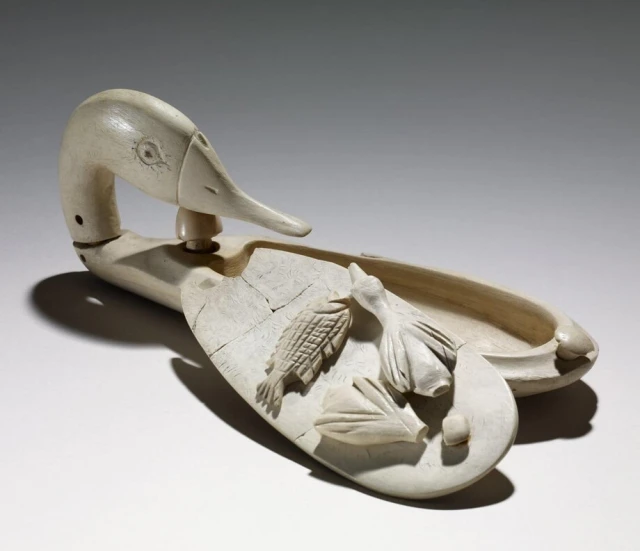
From Egypt, 1350–1300 BCE, currently housed at the British Museum. It features a clever mechanism: the duck's wings acted as a hinged lid that opened to reveal a hollow cavity inside the bird's body, used for storing scented oils or ointments.
4. Death mask of a Roman infant who died accidentally, 1st century CE 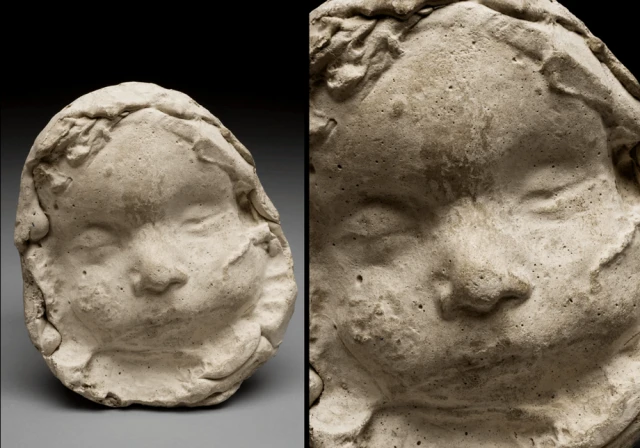
5. Golden Flinderhaube headpiece worn by a Nuremberg patrician woman, crafted between 1640 and 1680 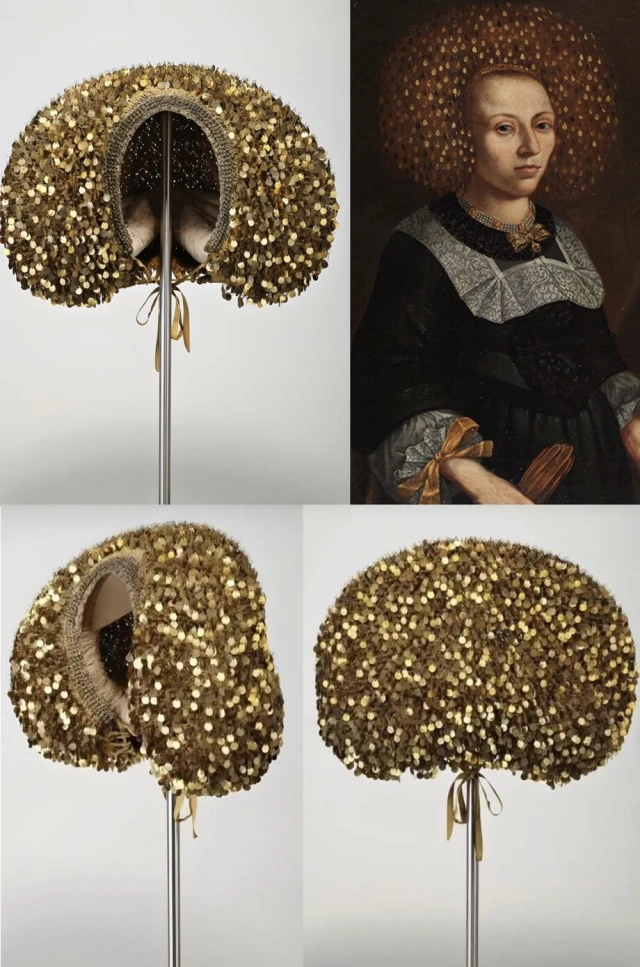
In 1657, Nuremberg passed a law granting the exclusive right to wear a Flinderhaube—decorated with dangling sequins—solely to women of the patrician class. This served as a prominent symbol of their high social standing.
The headpiece was built upon a silk cap reinforced with a linen lining. Thousands of wire pins were woven into its surface, holding tiny, freely suspended gilt-copper sequins known as Flindern. With every movement, they shimmered in the light and produced a gentle, melodic chime, turning the wearer's every appearance into a captivating spectacle.
6. A 15th-century pillow from the tomb of Bishop Antonio degli Agli, now preserved in the Treasury Museum of Santa Maria dell'Impruneta in Italy 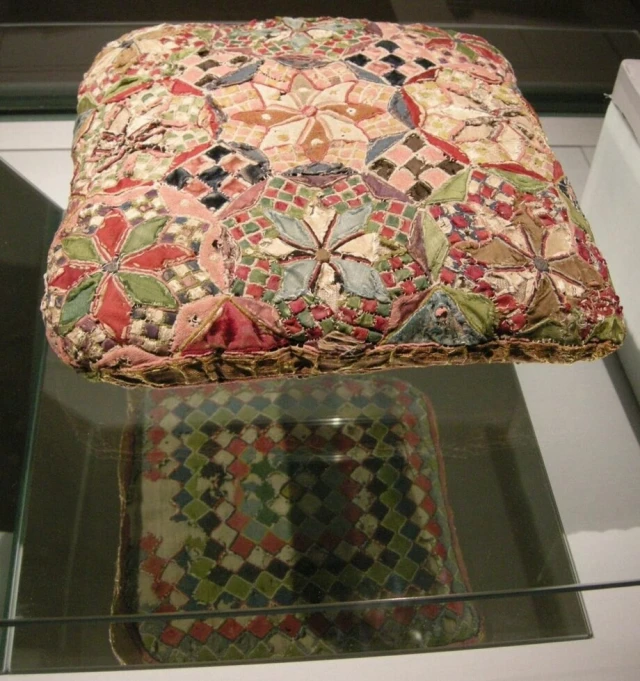
7. Napoleon Bonaparte's golden Marengo sword, France, c. 1800 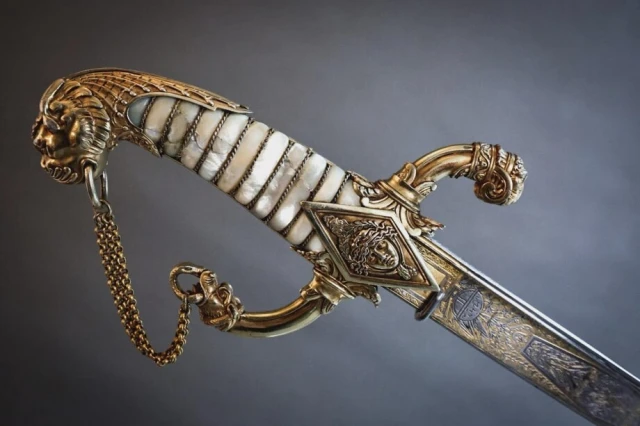
8. This blown-glass flask was cleverly integrated into a horse-like animal figurine made from pinched glass 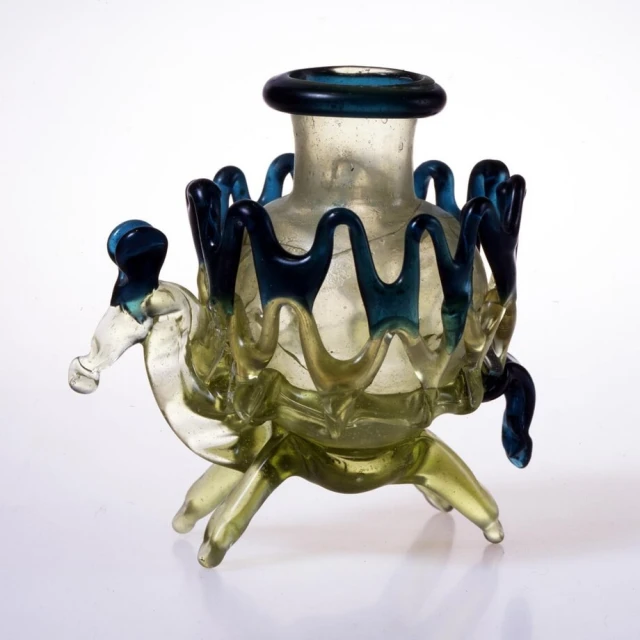
Likely crafted in Syria between the 7th and 9th centuries CE, it is now part of The David Collection in Copenhagen, Denmark.
9. Jade bitter melon (Momordica), Qing dynasty (1736–1820), National Palace Museum, Taipei 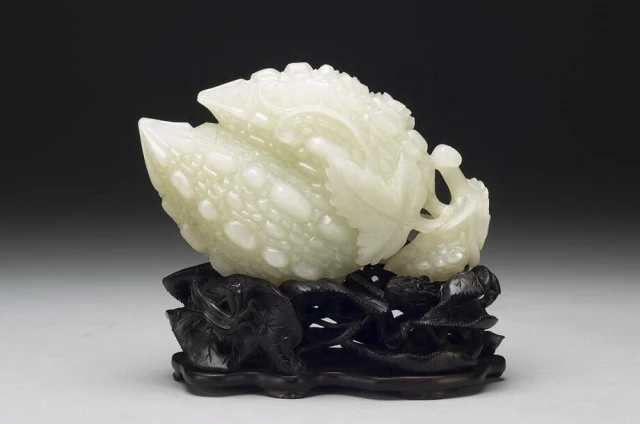
10. Bronze image of the Hindu war god Kartikeya, 50 BCE – 100 CE. It is the oldest known bronze sculpture of a Hindu deity ever discovered 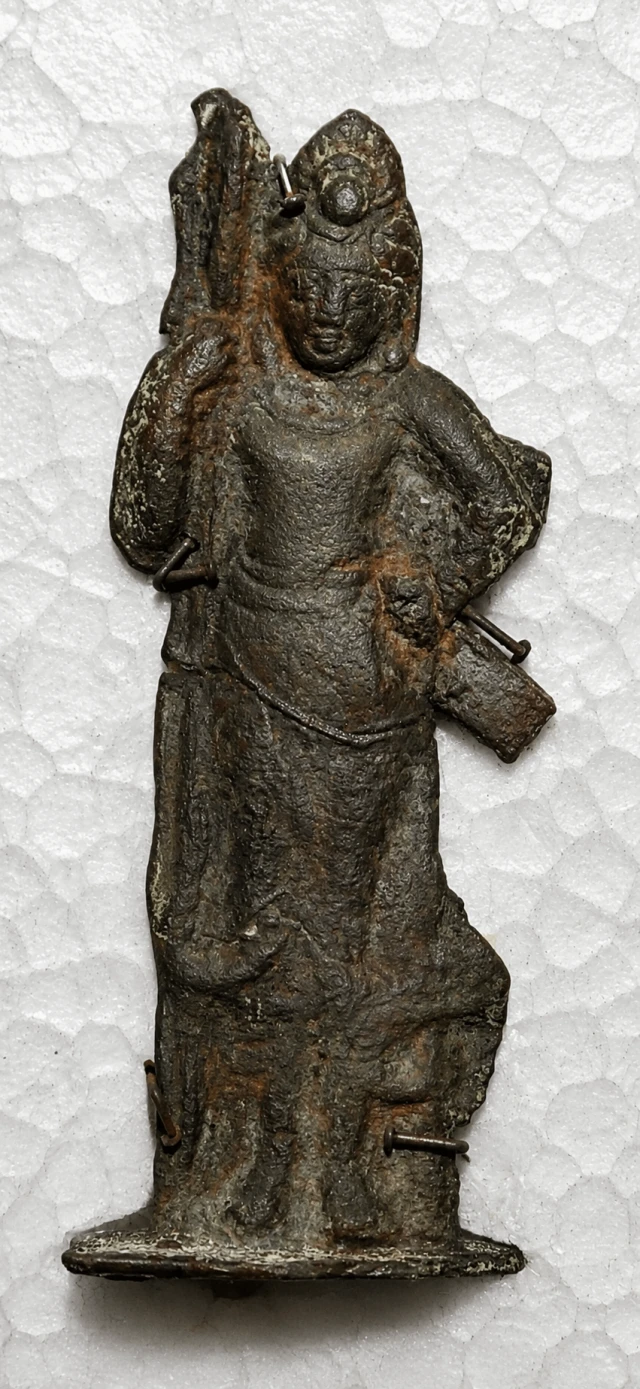
Uncovered in Sonkh, Mathura, India—a site that also hosted the ruins of the earliest known Hindu temple, dedicated to the wine goddess Varuni and dating back to 100 BCE. Mathura Museum, India.
11. Sculpted head of a civil official. China, Song dynasty, 976 CE 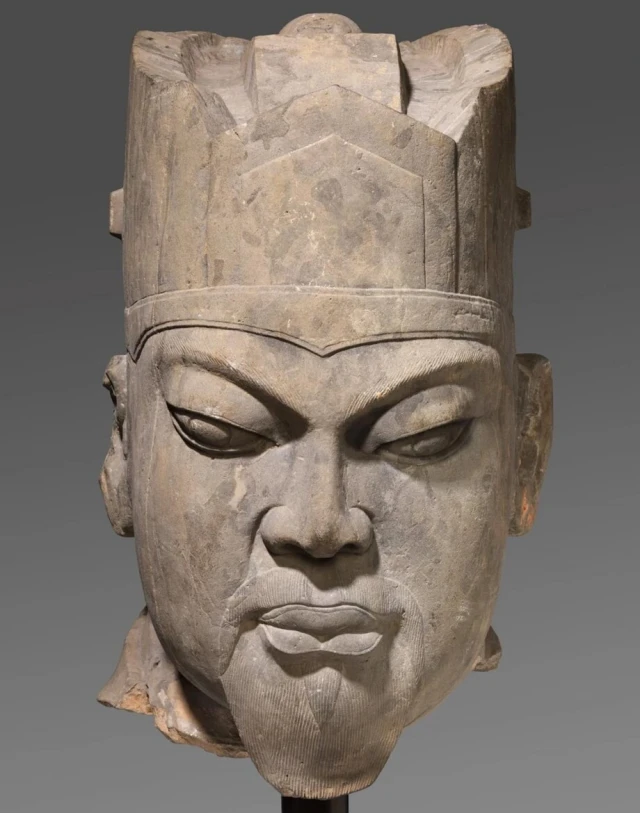
12. Plate depicting Jonah and the Whale. Toledo, Spain, c. 1600. Tin-glazed earthenware. Collection of The Hispanic Society of America 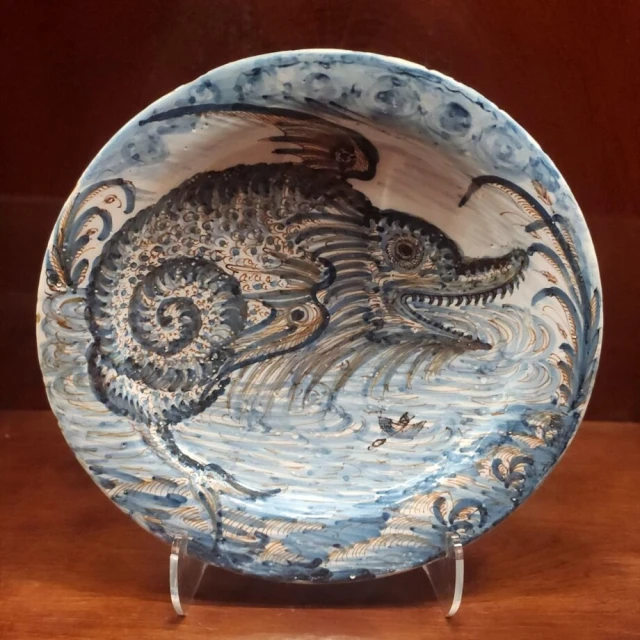
13. Two saru-ishi, or "monkey stones," standing by the tomb of 6th-century Japanese Princess Kibi-hime in Asuka 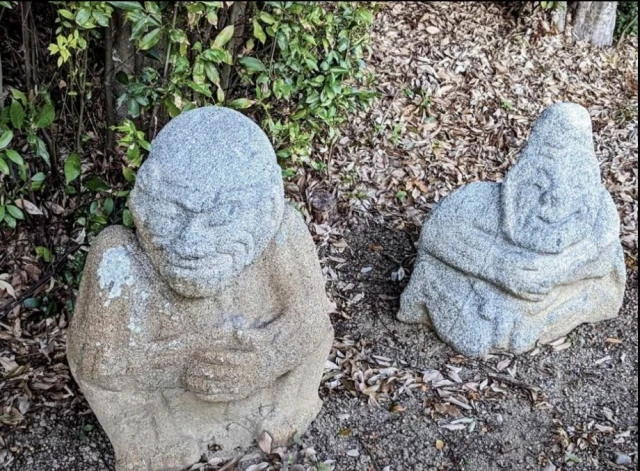
14. Hühnermensch, or "Chicken Man." Historical Medical Library of The College of Physicians of Philadelphia 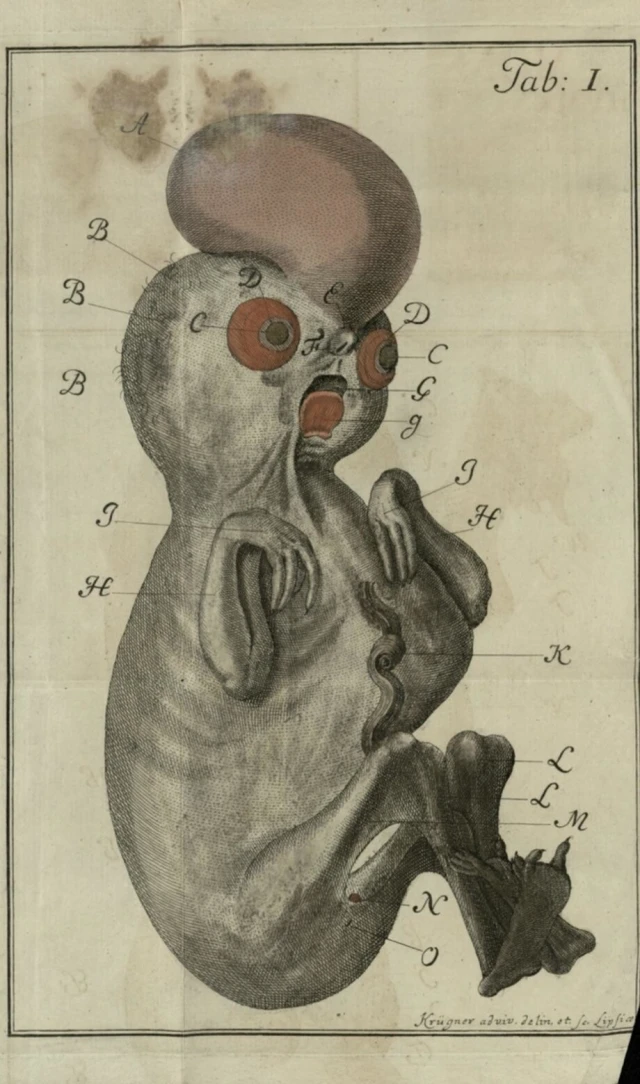
This illustration comes from a 1737 medical treatise depicting a severe case of congenital malformation.
15. A human-faced ceramic artifact from Taiwan (Shihsanhang site, Metal Age), housed at the Institute of History and Philology, Academia Sinica 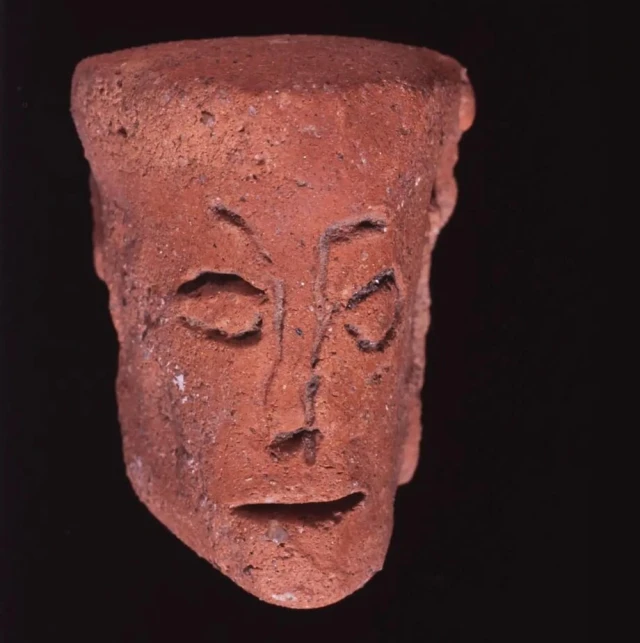
16. Maya figurine depicting a scribe with dwarfism, Mexico, c. 550–850 CE 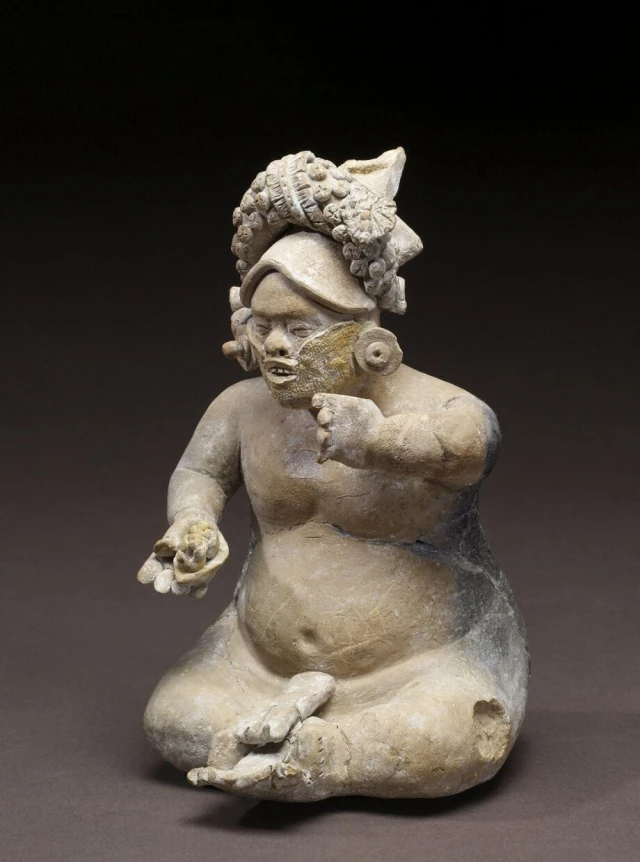
17. Porcelain figurine of Napoleon and Josephine, made in France between 1804 and 1808. Maker's mark: "Mre le de Sèvres." Salar Jung Museum, Hyderabad, India 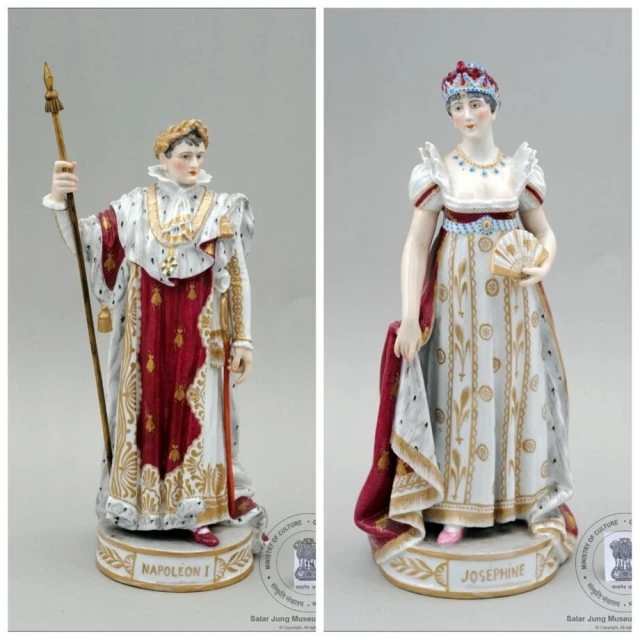
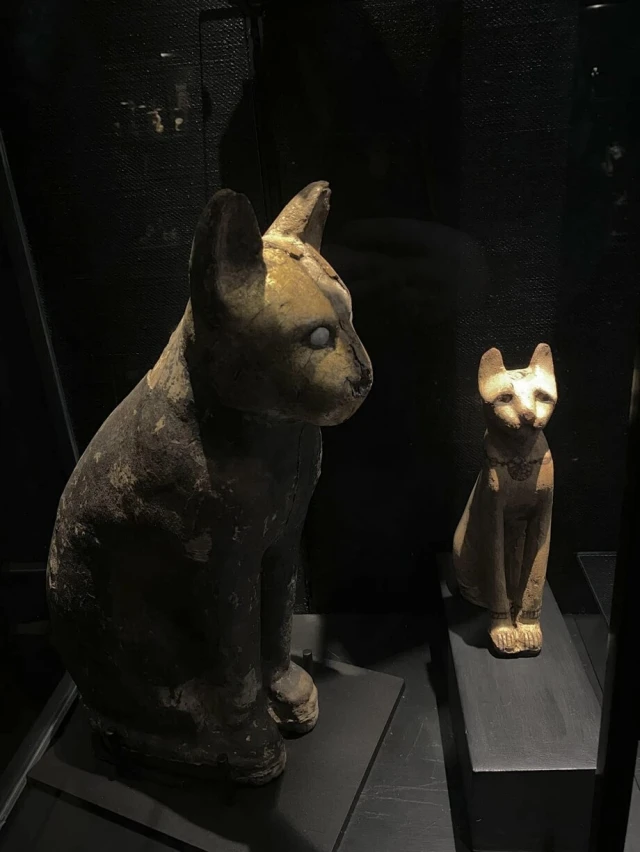
18. Cat mummy reliquaries; the mummies inside are often found with broken necks. These cats were likely bred solely to be offered as sacrifices to the Egyptian cat goddess Bastet, c. 1000–800 BCE