Undercover Investigation by Reporter Nellie Bly: 10 Days in America's Most Notorious Insane Asylum (14 Photos)
In 1887, journalist Nellie Bly did something extraordinary: to pull off an undercover investigation, she feigned madness and spent ten days in America's most notorious insane asylum. The experience didn't just change her life—it sent shockwaves through society. Discover what Bly saw behind the asylum's locked doors and the horrors she exposed in this daring, perilous assignment. 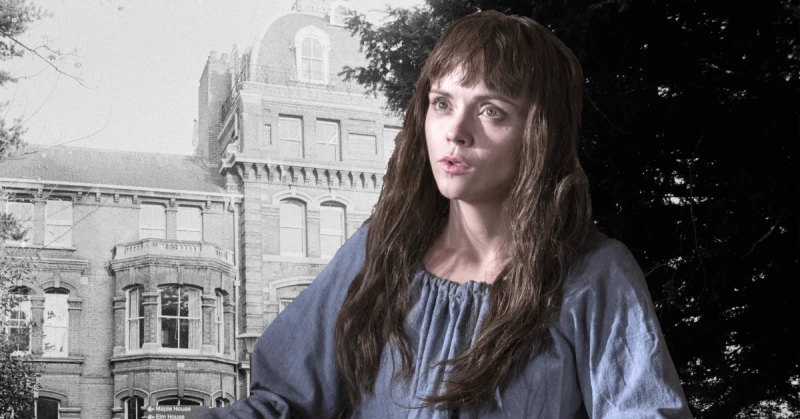
American journalist Nellie Bly took a gamble that forever reshaped investigative journalism. Driven by a thirst for truth and a determination to expose the horrifying realities of the psychiatric care system, she feigned insanity and spent ten days inside one of the United States' most infamous mental institutions. This ordeal transformed her life and ignited public outrage. Here is the story behind her audacious investigation and how she uncovered the terrifying secrets of the Blackwell's Island asylum.
Nellie Bly: How an Everyday Girl Became a Pioneering Journalist
Elizabeth Jane Cochran was born in the small town of Cochran's Mills, Pennsylvania. Her birth year remains a matter of debate—either 1864 or 1867. While nothing about her early childhood hinted at historic fame, she displayed a remarkably fiery spirit as a young woman. After moving with her family to Pittsburgh in 1880, she launched her journalism career almost by accident: she penned an indignant letter to the
Pittsburgh Dispatch
in response to a misogynistic column. Her sharp response caught the editor-in-chief's eye, and by 1885, Cochran had joined the paper as a full-time reporter. 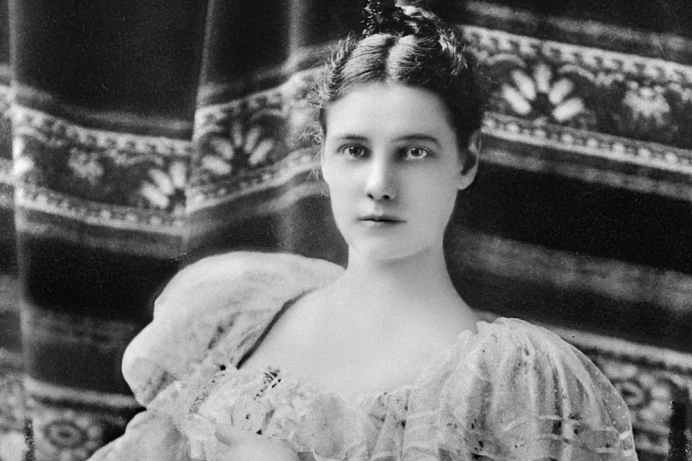
Upon becoming a journalist, Cochran adopted the pen name Nellie Bly, inspired by a popular song of the era. Bly threw herself into her work, quickly proving her formidable talent. She was drawn to stories on social injustice, women's rights, and the plight of the working poor. However, her editors routinely restricted her assignments, pushing her toward soft "women's interest" pieces—a compromise Bly refused to accept.
First Steps Toward Groundbreaking Investigations
Determined to tackle weightier and more dangerous subjects, the 21-year-old reporter headed to Mexico. Over the course of six months, she reported extensively on daily life and political conditions in the country—dispatches that were later compiled into a book. Yet returning to the
Pittsburgh Dispatch
left the ambitious journalist restless; she wanted to tackle hard-hitting, timely issues, but her editors kept holding her back. 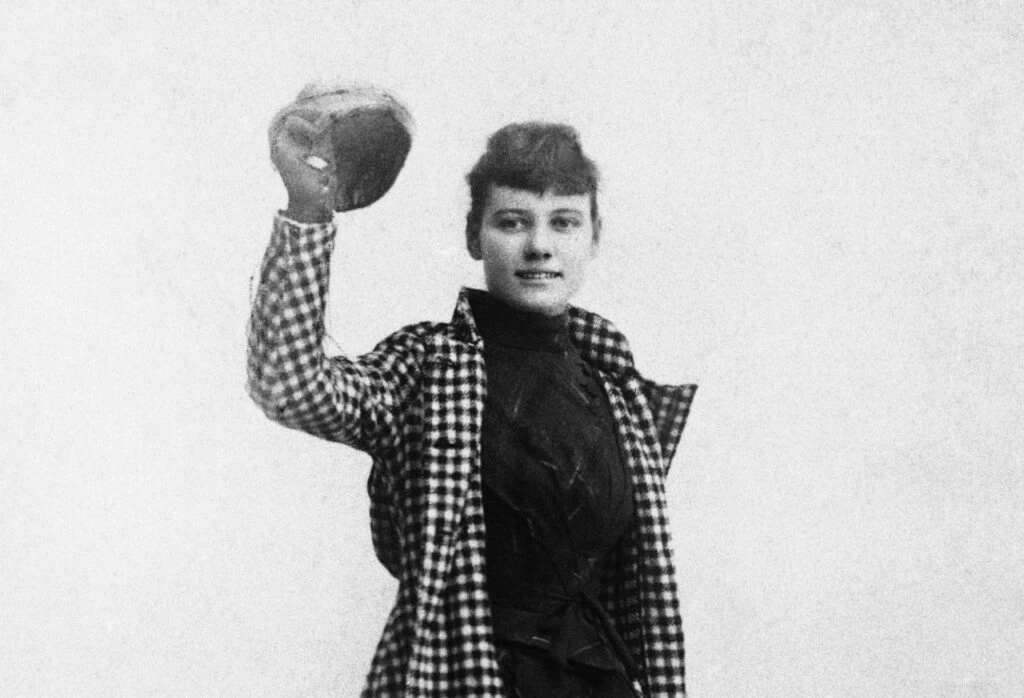
Moving to New York City in 1886, Bly spent four grueling months looking for work. Broke and starving, she desperately sought an opportunity to do real journalism. Her relentless determination finally paid off when she secured a meeting at the
New York World
, published by Joseph Pulitzer. It was under Pulitzer's leadership that she would launch her first major investigative breakthrough.
A Dangerous Assignment: Infiltrating the Asylum
In late 1887, Pulitzer offered Bly a daring mission: infiltrate the Women's Lunatic Asylum on Blackwell's Island, a facility infamous for rumors of brutal patient mistreatment. Her task was to feign insanity, get committed, and expose what was truly happening behind closed doors. 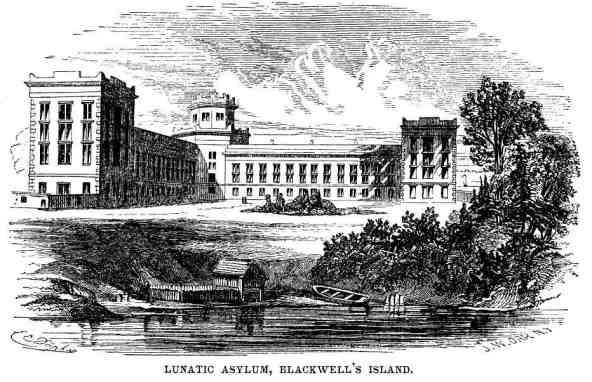
The Blackwell's Island Asylum
Bly eagerly accepted the challenge and began preparing. Her task was daunting: she had to fool medical professionals into believing she was genuinely insane. The polished, cheerful reporter began crafting a new persona. She stopped bathing, donned tattered clothing, and wandered the streets of New York with a vacant gaze. When that proved insufficient, she checked into a boarding house for working-class women, staying up all night, refusing to speak rationally, and terrifying the other guests with unhinged behavior. 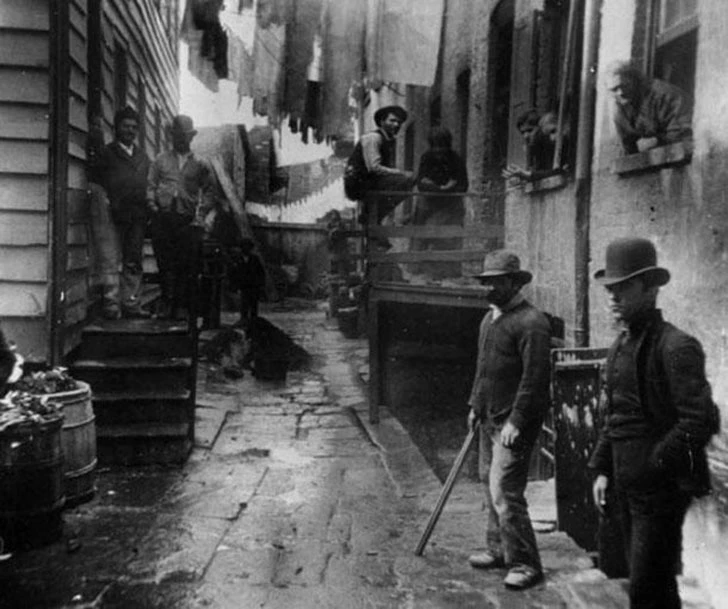
A New York City slum in the 19th century
Her act was convincing enough to raise alarms. Bly was taken into custody and brought to Bellevue Hospital for a psychiatric evaluation. A panel of five doctors examined her; four declared her hopelessly insane, while only one suspected she might be feigning it. Despite the single dissent, she was committed to the Blackwell's Island facility—exactly as she had planned. 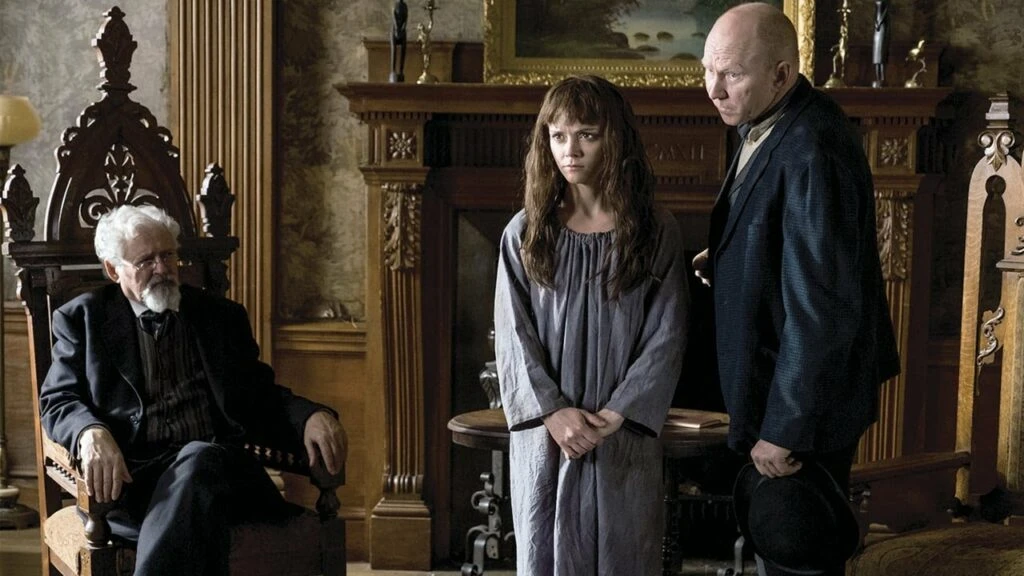
A still from the 2019 movie "Escaping the Madhouse: The Nellie Bly Story"
Horrors Behind the Walls of Blackwell's Island
By the time Nellie Bly arrived, the Blackwell's Island asylum was a far cry from its original vision. Designed as a model of progressive, humane mental health care, it had swiftly descended into a hellscape of neglect and abuse—New York's answer to London's Bedlam. Severe budget cuts had gutted the facility, guards were frequently hired from convict labor pools, and the medical staff was woefully unqualified. 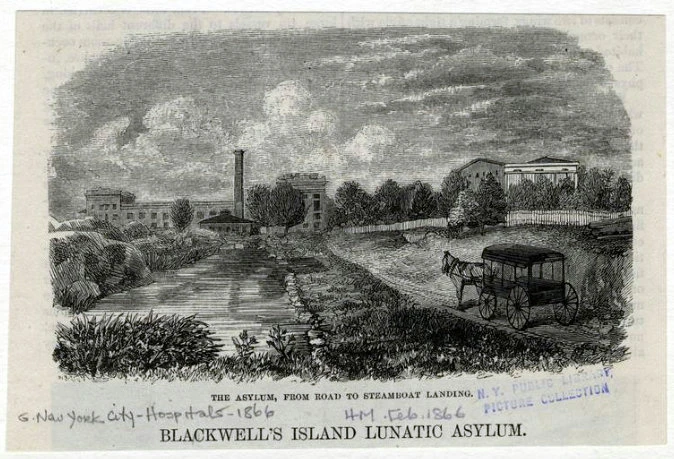
The asylum was located on an isolated island
Bly immediately encountered horrific conditions and sadistic orderlies. Upon arrival, she was forced into a "therapeutic" bath of filthy, ice-cold water that left her gasping for breath and nearly unconscious. Her initial glimpse of life inside the asylum was terrifying:
“Madness! What can be half so horrible? My heart bled as I looked upon the old, grey-haired woman who sat talking to space... One woman was in a straight-jacket, and two others were dragging her along. Ugly, blind, old, young, coarse, or fine—all merged into one wretched mass of human misery...” 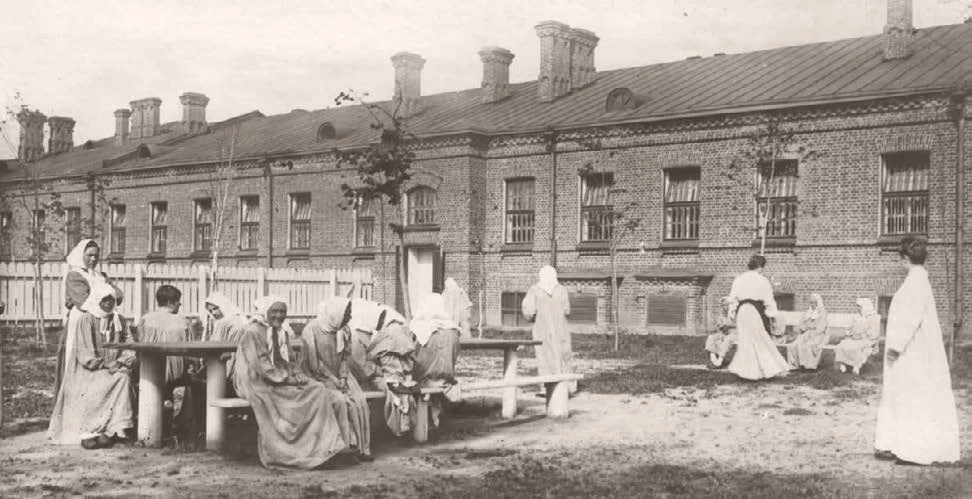
The inmates endured truly nightmarish living conditions: rats scurried through the hallways, bedsheets were encrusted with grime, and the food was virtually inedible. Many of the women held there were completely sane—victims of scheming relatives, tyrannical husbands, or bureaucratic incompetence. Among them were several immigrants who couldn't speak English and had no idea why they had been locked away. 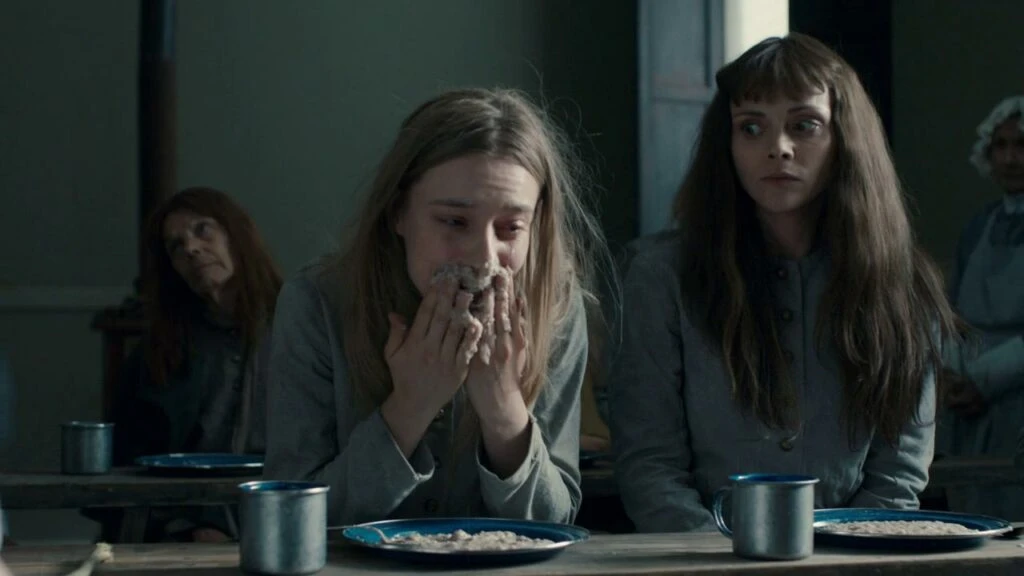
Clean water was nonexistent at Blackwell's, let alone hot water; rancid, brownish sludge dripped from the taps. Unsurprisingly, the food was no better:
“I tried the bread, but the butter was so rancid it was impossible to eat. A blue-eyed German girl across the table whispered that I could ask for unbuttered bread, adding that almost no one could stomach the butter. I turned to the prunes, only to find two that were edible. A patient beside me asked if she could have mine, and I handed them over. That left only a cup of tea. I took one sip, and that was enough. It contained no sugar and tasted as if it had been brewed in a copper pot—weak, harsh, and foul.”
Ten Days in Hell
During her ten days behind asylum walls, Bly witnessed human beings systematically stripped of their dignity and rights. Patients received no actual medical treatment; instead, they were beaten, humiliated, and forbidden to speak or move. The attendants exercised unchecked power, abusing inmates with complete impunity. The asylum functioned like a prison, driving those inside into utter despair. 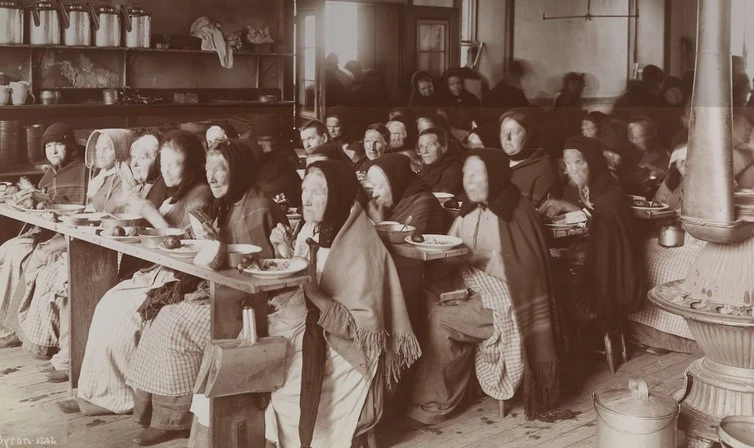
“Every door was locked separately, and heavy bars covered the windows, making escape impossible. In each building like the one I was in, there were about 300 women... locked in their rooms. If a fire broke out, the guards and nurses would never bother to unlock the doors to save the patients...”
Inmates were completely cut off from the outside world. Bly concluded that spending just a few months in such conditions would turn a perfectly sane person genuinely insane. Getting committed to the asylum, she realized, was disturbingly easy—but escaping was nearly impossible. 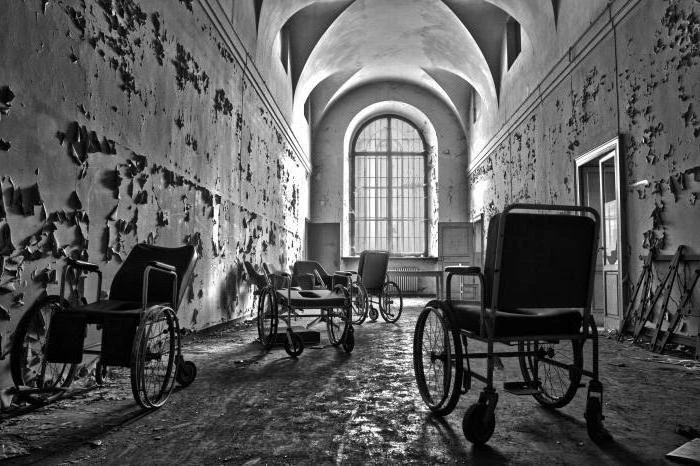
Medical care was practically nonexistent. Patients were forced to sit motionless on hard benches for hours or wander lifelessly through cold corridors. Nurses routinely struck patients for talking or moving. Bly became convinced that a couple of months under this regime would break the sanity of the healthiest mind.
Near the end of her undercover stint, Bly's cover was almost blown. In a hallway, she unexpectedly crossed paths with a reporter from a rival newspaper whom she knew well. He was on assignment covering a story about a mysterious patient. Bly managed to whisper a quick plea, begging him not to expose her true identity.
The Exposé and Its Shockwaves
After ten days, as prearranged, the
New York World
dispatched a legal representative to secure Bly's release. Two days later, the paper published the first installment of her harrowing series, titled "Behind Asylum Bars." The story exploded across the nation, leaving the public outraged by the atrocities happening inside public institutions. 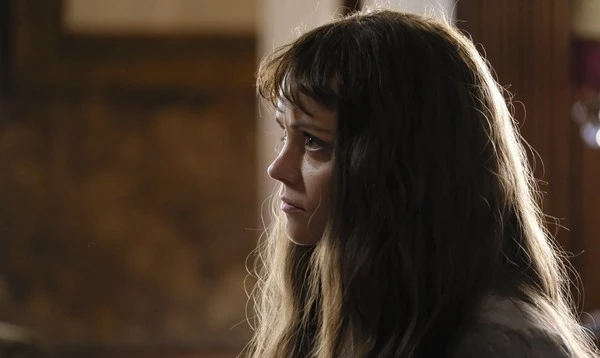
The fallout was immediate. New York City officials launched a grand jury investigation, triggering sweeping reforms. The inquiry uncovered systemic abuse, leading to the dismissal of abusive staff and the prosecution of several officials. Following evaluations by an independent panel, numerous sane women who had been wrongfully institutionalized were set free.
Just one month after her article was published, Nellie Bly returned to Blackwell's Island—this time as a member of the official grand jury panel. In that short window, vast changes had already taken place: abusive guards had been replaced, the wards cleaned, and patients provided with proper clothing and clean bedding. 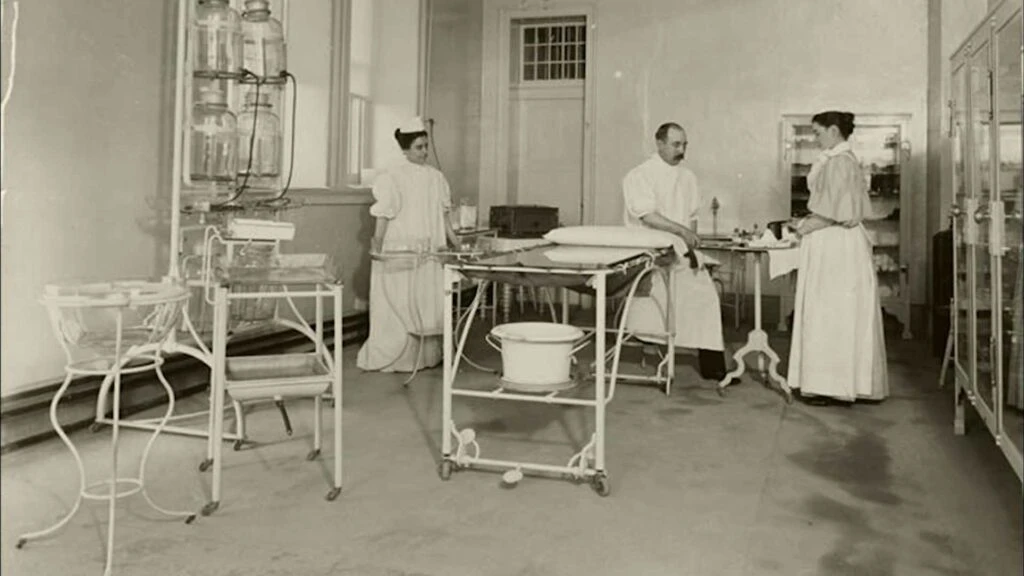
Most importantly, Bly noticed that many of the sane patients she had befriended were gone. Re-examined by independent doctors, they had finally been granted their freedom. Bly's dangerous mission had succeeded beyond all expectations.
The Legacy of Nellie Bly
The exposé catapulted Nellie Bly to national fame. It marked a watershed moment in undercover investigative journalism and set a new standard for investigative reporting. Yet the fearless reporter took little pride in fame or financial reward, noting:
“I have one comfort in my work. Through my efforts, the Department of Public Charities and Correction secured a $1,000,000 increase in its annual budget for the care of the insane.” 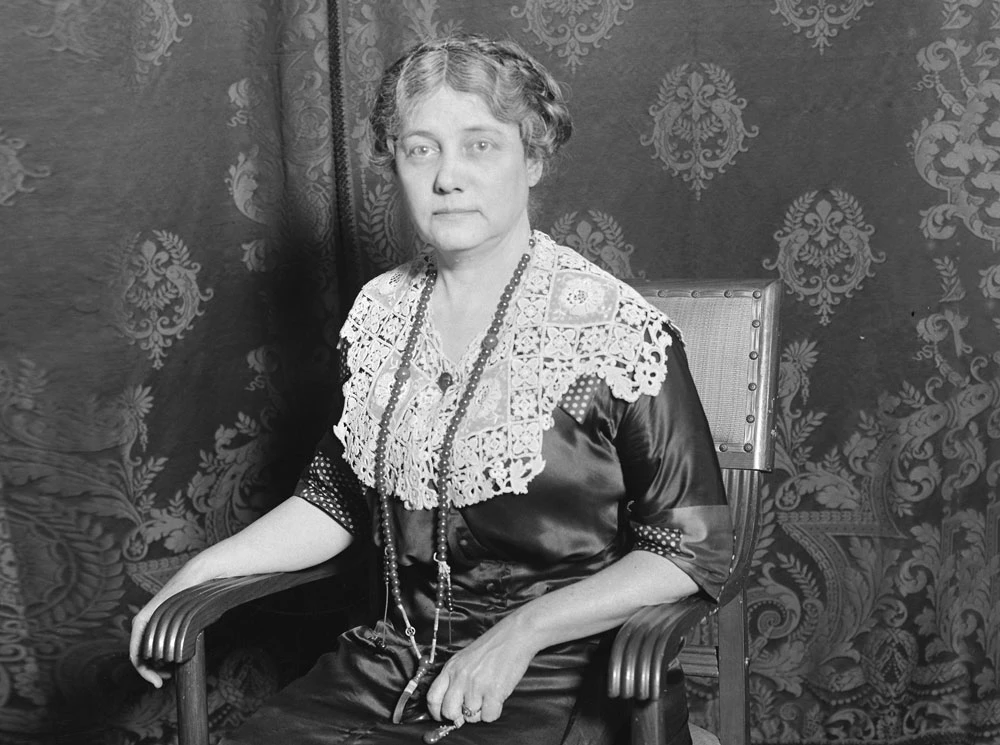
Bly continued her storied career, repeatedly risking her safety in pursuit of the truth. Her next famous feat was a record-breaking trip around the world, inspired by Jules Verne's novel. She shattered the fictional record of Phileas Fogg, circumnavigating the globe not in 80 days, but in 72.
Nellie Bly's story is more than a thrilling journalistic adventure—it is a powerful reminder of how one person's courage can change thousands of lives. How important do you think undercover journalism is in holding institutions accountable today? Share your thoughts in the comments!