The Naga Fireballs: The Unexplained Mekong River Phenomenon (5 Photos)
Also known as the "Mekong lights" or "ghost lights," the Naga fireballs are a mysterious phenomenon observed over the Mekong River in East and Southeast Asia. Every year, thousands of spectators watch glowing spheres rise straight out of the water into the air, reaching heights of 100 to 200 meters. Upon reaching their peak, they simply vanish into thin air. The fireballs vary significantly in size, ranging from tiny specks of light to basketball-sized globes. 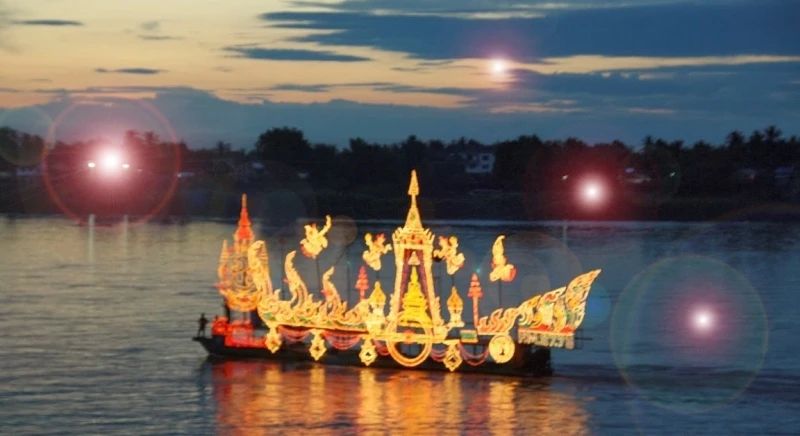
The fireballs always appear in large numbers, though anywhere from a few dozen to several hundred objects may be spotted in a single night. Locals call them
phaya nak
and believe they are spewed by Nagas—mythical creatures said to inhabit the depths of the Mekong. Legend depicts them as tall, human-like beings with serpent tails. 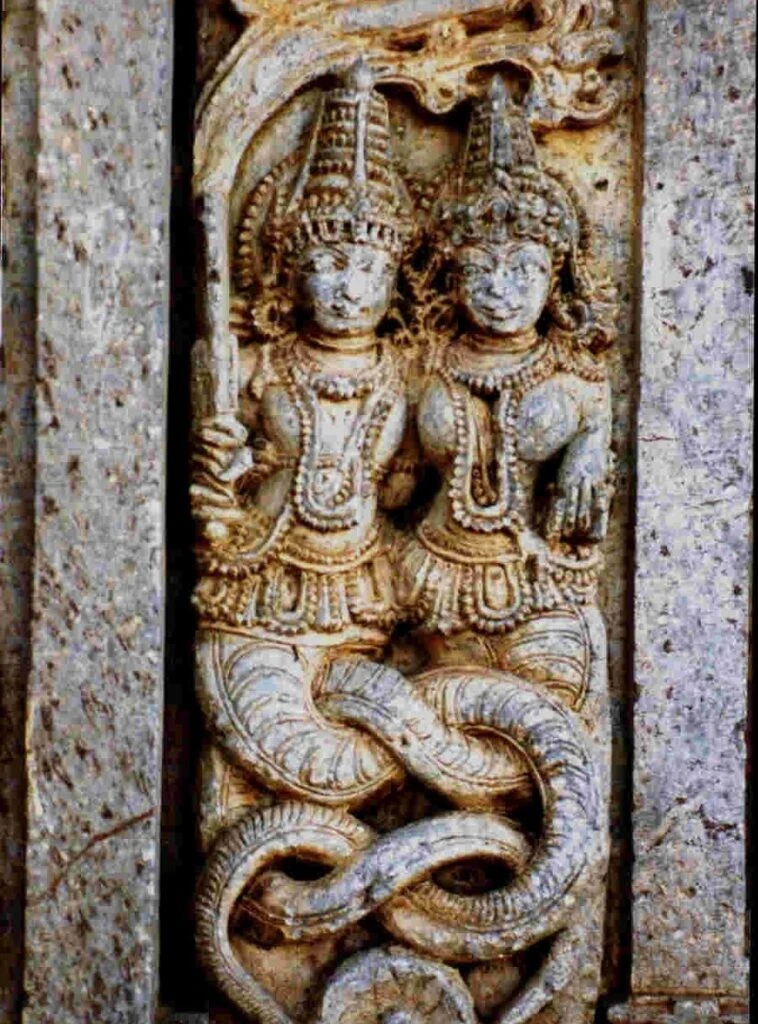
A depiction of Nagas on an ancient temple wall
While sightings occur at various times throughout the year, the fireballs are most commonly seen during the festival of Wan Ok Phansa, which marks the end of Buddhist Lent in late October. As dusk falls, the river fills with flower- and lantern-adorned boats laden with offerings. A common offering is
khao tom
, a sweet dish made from sticky rice wrapped in banana leaves. 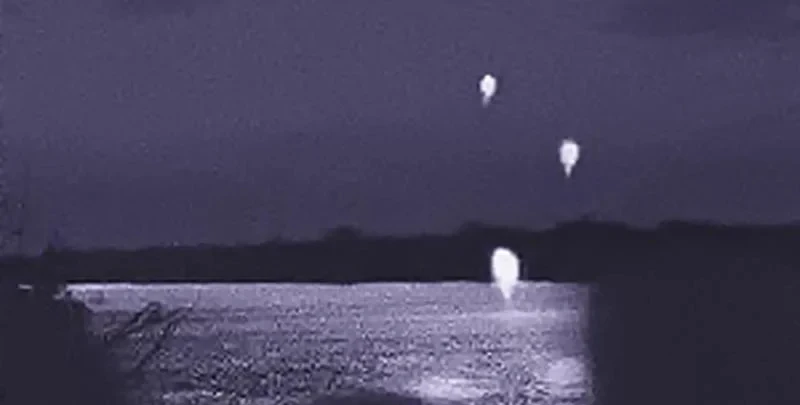
The boats float down the river all night, symbolizing the shedding of life's misfortunes and the granting of wishes. Glowing paper sky lanterns are also released. There is little chance of confusing these with the Naga lights, however, as they differ dramatically in size, speed, and intensity. 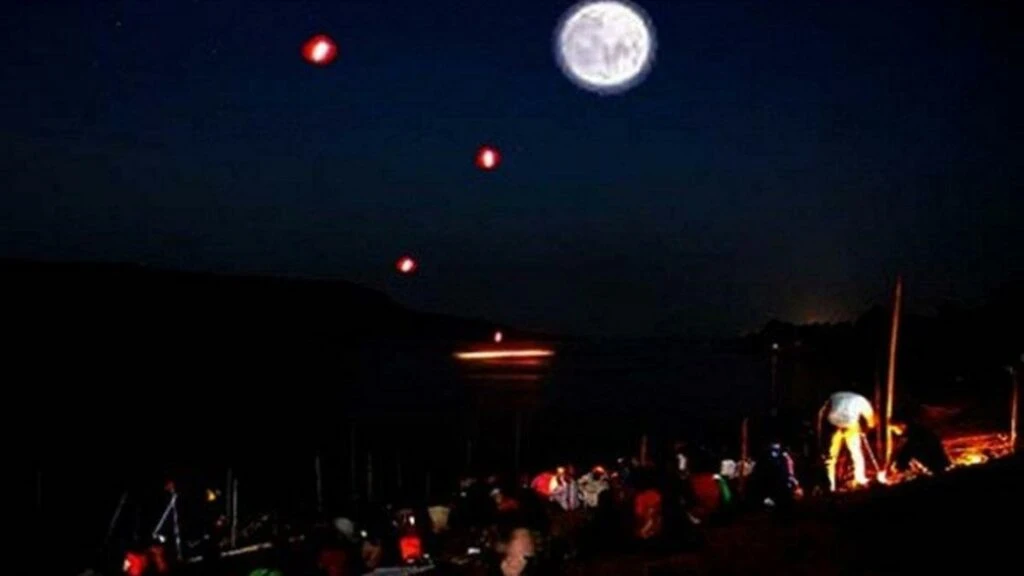
The fireballs do not occur along the entire length of the Mekong—the world's 12th-longest river—but are confined to a specific 250-kilometer stretch along the border between Thailand and Laos. Unconfirmed reports occasionally claim sightings over other rivers, lakes, or small ponds in the region. However, the Mekong remains the only location backed by an abundance of photos, videos, and eyewitness accounts.
Attempts to Explain the Phenomenon
Skeptics naturally doubt any supernatural explanation. Thai biologist Jessada Denduangboripant even disputes its natural origins, arguing that the glowing lights captured on camera are simply flare gun rounds fired by humans. Fireworks are immensely popular in Southeast Asia, especially during Wan Ok Phansa, when making noise and light is thought to honor the deities. 
Another popular theory attributes the fireballs to flammable phosphine gas generated in marshy riverbeds. Yet scientists cannot explain what causes the gas to spontaneously ignite or why the fireballs travel upward in smooth, vertical paths for such long distances. Adding to the mystery, the spheres emerge completely silently, leave no smoke, and emit no odor. Some researchers even speculate that the phenomenon is purely optical and entirely non-physical.
Whatever the true explanation, the Naga fireballs have become a major tourist attraction, with travel agencies offering specialized tours for those eager to witness the spectacle firsthand.