35 Famous "Scientific Facts" Debunked (36 photos)
In this roundup, we’re setting out to debunk popular "scientific facts"—or rather, the widespread misconceptions many people mistake for reality. Passed down through generations, these myths, old wives' tales, and urban legends have hung around for far too long. Forget everything you were taught in school; it's time to set the record straight! 
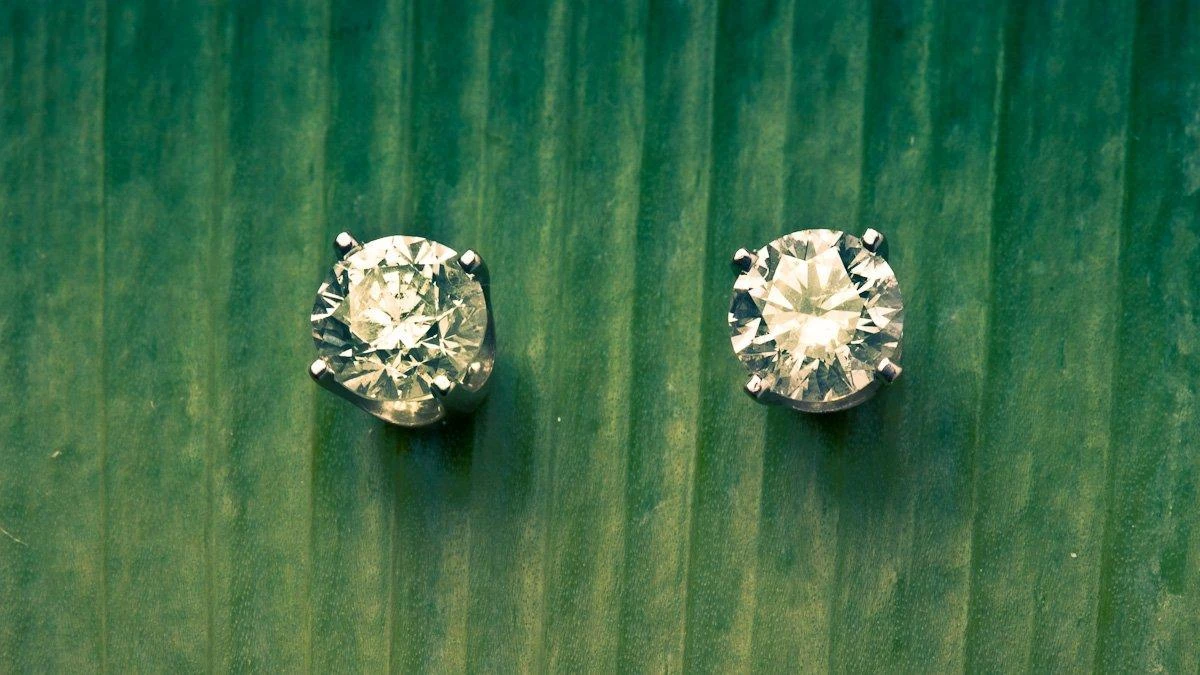
1. Contrary to popular belief, diamonds don't form from compressed coal. Most diamonds are formed deep within the Earth, over 90 miles (150 kilometers) below the surface, whereas coal deposits are found much closer to the surface—usually around two miles down. 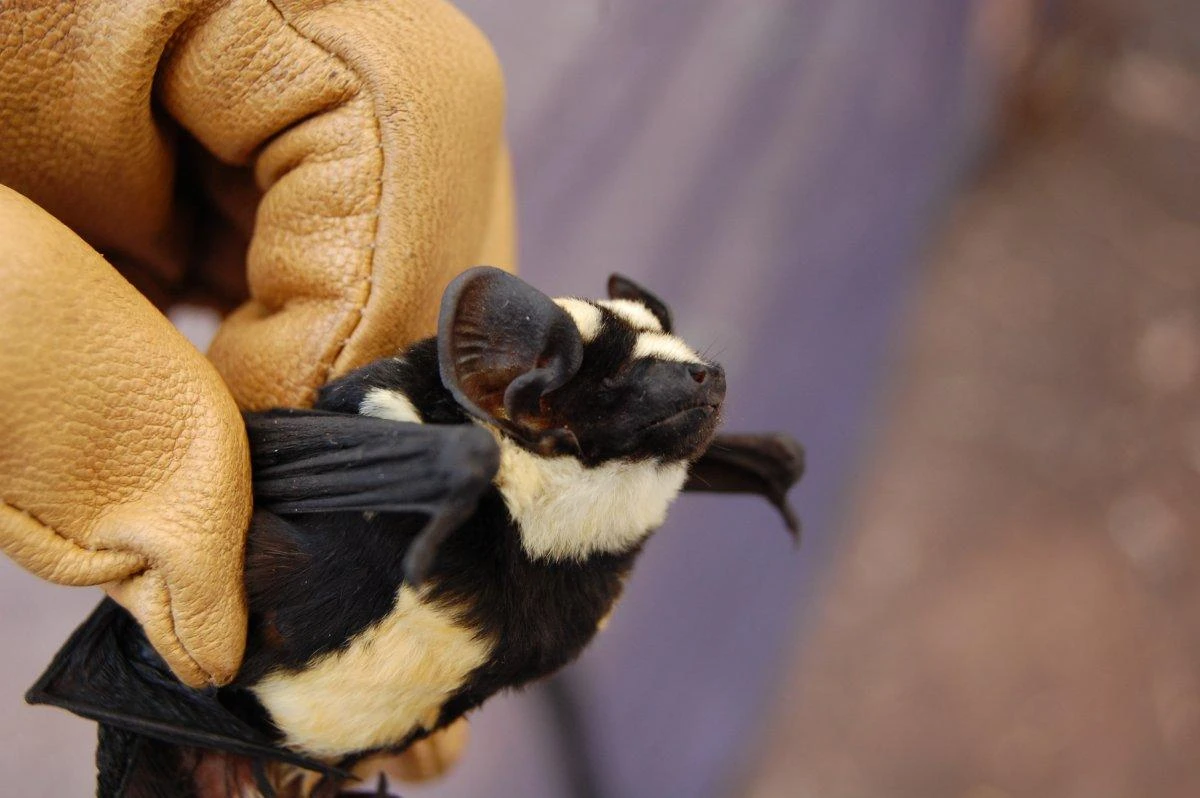
2. The phrase "blind as a bat" is completely misleading. While many bat species rely on echolocation to navigate, every single species of bat can actually see. 
3. Poinsettias won't kill you or your pets, though eating them still isn't a great idea. Ingesting the plant might cause mild nausea or digestive discomfort, but it isn't deadly. 
4. Dropping a penny from the top of the Empire State Building won't kill anyone on the sidewalk below. Terminal velocity for a penny is only about 50 mph (80 km/h)—fast enough to sting, but nowhere near fatal. 
5. Blondes and redheads aren't going "extinct." Genes don't just disappear. Recessive traits like blonde or red hair can be carried through generations without being expressed. 
6. Hair and fingernails don't keep growing after death. As the body dehydrates, the skin shrinks and pulls back, creating the illusion of growth. 
7. You can't diagnose an illness by the color of your snot. Both viral and bacterial infections can turn nasal mucus anything from clearish-yellow to dark green. 
8. Pure water is actually a poor conductor of electricity. You get shocked in water because of dissolved minerals, dirt, and impurities that conduct electrical current. 
9. Handling frogs or toads won't give you warts, but shaking hands with someone who has them just might. Warts are caused by human papillomavirus (HPV), which is unique to humans. 
10. Ostriches don't bury their heads in the sand when threatened. In fact, they don't bury their heads at all. When spooked, they flop to the ground and play dead to blend in with the environment. 
11. Deoxygenated blood isn't blue—it turns a deep, dark burgundy red. Veins only look blue because of how light penetrates and reflects through your skin. 
12. Sugar doesn't make kids hyperactive. Multiple controlled studies comparing sugary and sugar-free treats found no difference in children's behavior or activity levels. 
13. You can balance an egg on its end any day of the year, not just during the vernal equinox. All it takes is a steady hand and an egg with a slightly textured shell. 
14. Cracking your knuckles might annoy your coworkers, but it won't give you arthritis. Osteoarthritis is driven by factors like age, joint trauma, obesity, and genetics—not popping gas bubbles in your joints. 
15. Organic food can still contain pesticides. However, pesticide residues on both organic and conventional produce are well below harmful levels. 
16. Stress isn't the primary driver of chronic high blood pressure. While acute stress causes short-term spikes, long-term hypertension is mostly driven by genetics, smoking, poor diet, and lifestyle factors. 
17. Lightning frequently strikes the same place twice. Tall structures like the Empire State Building get hit up to 100 times every year. 
18. Lemmings don't commit mass suicide. During large migrations, some may accidentally fall off cliffs or drown when navigating unfamiliar terrain. 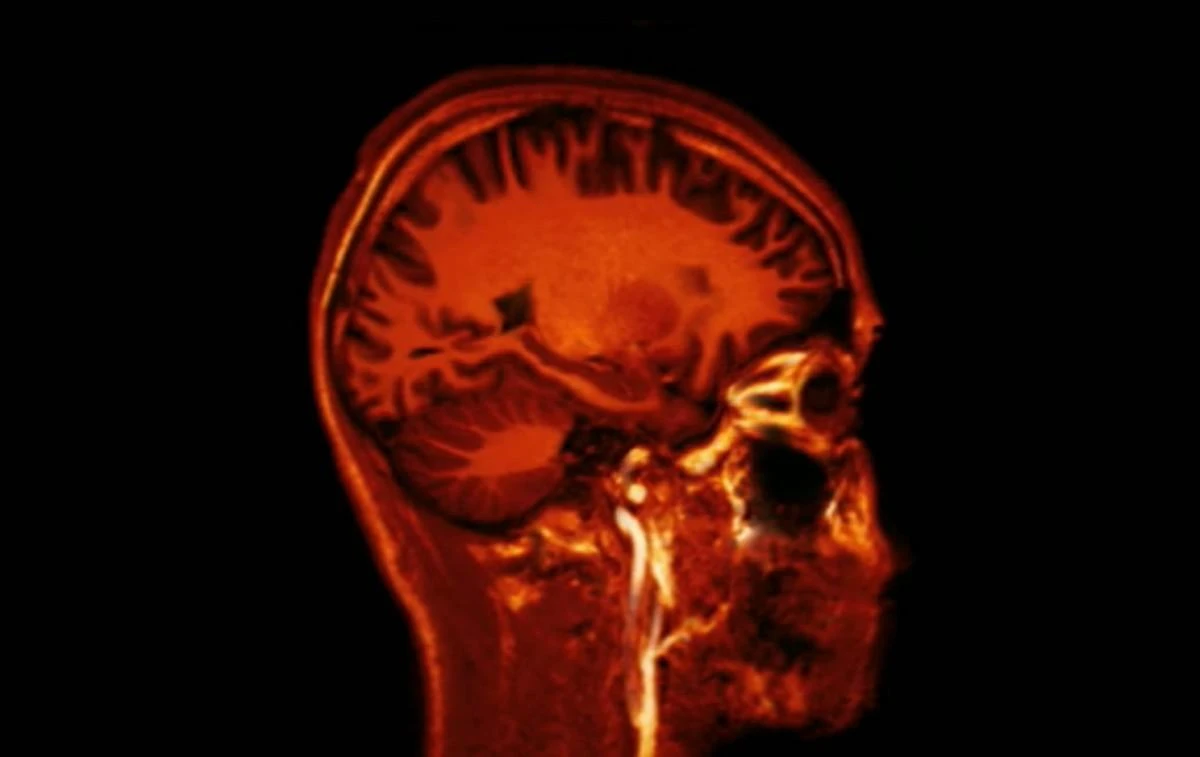
19. You aren't stuck with only the brain cells you were born with. Research shows that certain areas of the brain continue to generate new neurons throughout adulthood—a process known as neurogenesis. 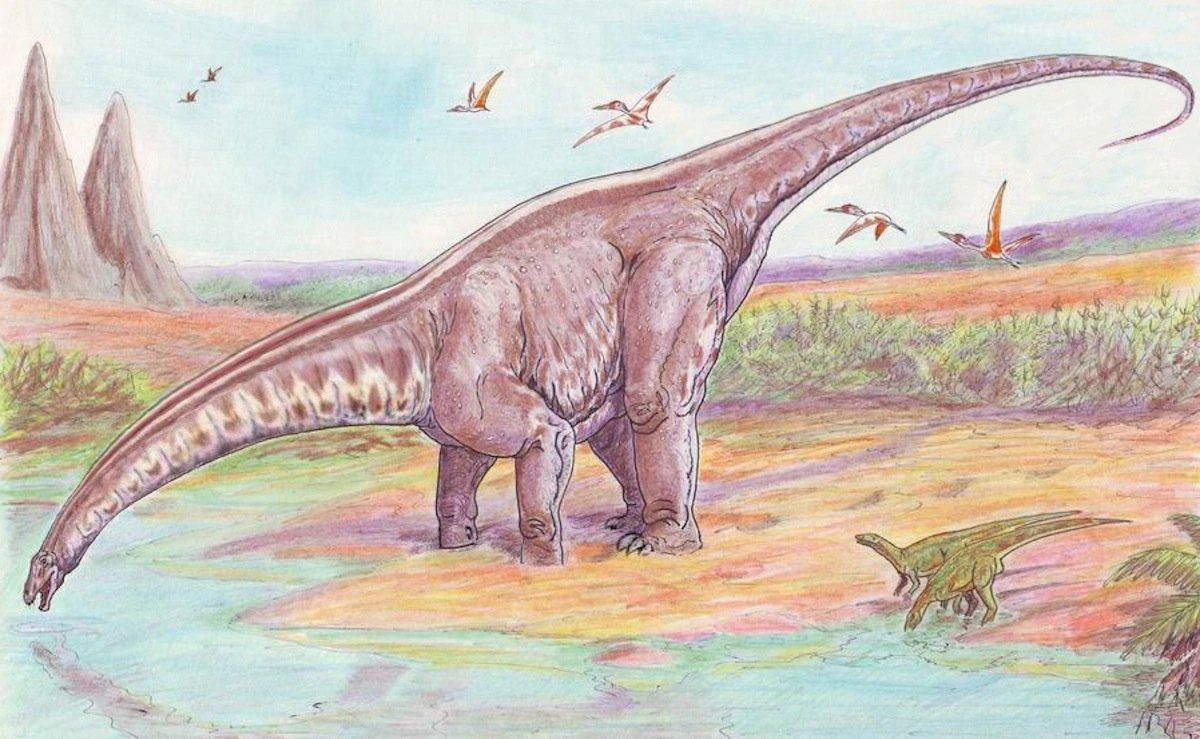
20. Many people know this dinosaur as a Brontosaurus—even Michael Crichton called it that in *Jurassic Park*. However, for a long time, it was officially classified as an Apatosaurus. The confusion arose from a bitter rivalry between two paleontologists during the Bone Wars 130 years ago. 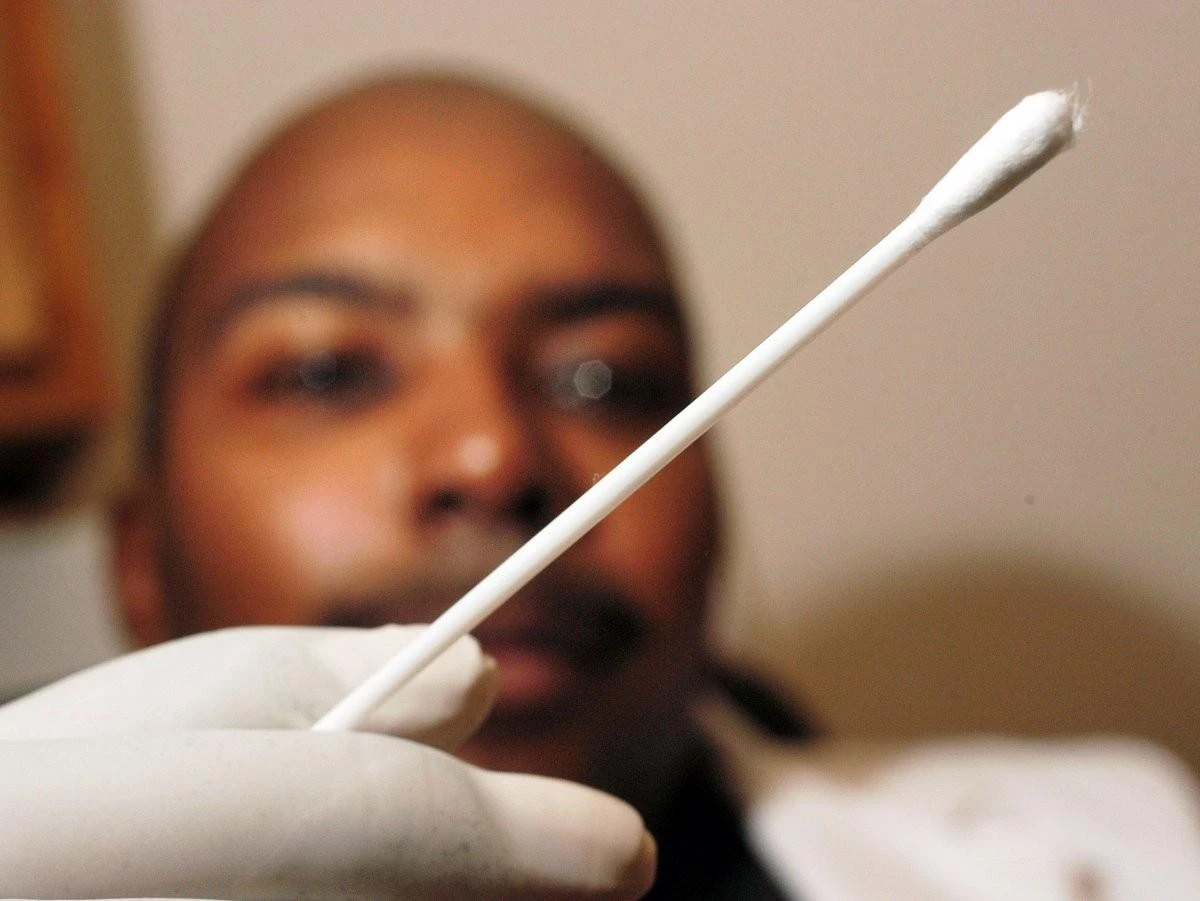
21. One gene doesn't just code for one protein. Many genes can produce a variety of proteins depending on how messenger RNA is spliced, and some genes don't produce proteins at all. 
22. Goldfish actually have pretty good memories. They can recall information and events for months, not just three seconds as urban legend claims. 
23. HIV didn't jump to humans through sexual contact with apes. The most widely accepted theory is that it was transmitted through blood contact during bushmeat hunting. 
24. Cats and dogs don't see in black and white. They can actually distinguish blues and greens. Dogs also have a wider field of view than humans, though they can't see objects directly in front of them as clearly over long distances. 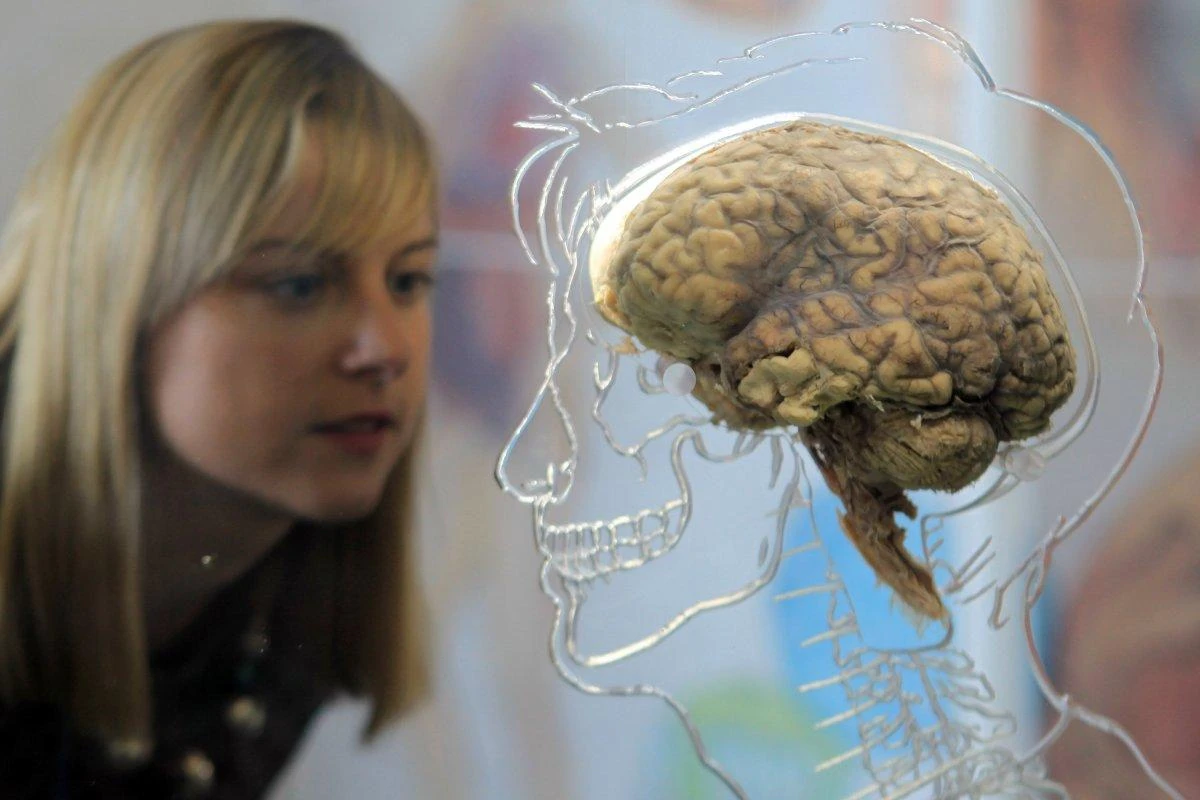
25. Humans don't use "only 10% of their brain." We use virtually every part of the brain over the course of a day, and we couldn't survive if 90% of it were inactive. 
26. Only a tiny fraction of people with Tourette syndrome involuntarily shout swear words. The condition encompasses a wide range of symptoms, including physical and vocal tics. Uncontrollable swearing is a specific symptom known as coprolalia. 
27. Throughout the Middle Ages, virtually all scholars knew the Earth was round, not flat. The myth of widespread medieval ignorance regarding a flat Earth was actually popularized in the 1940s by members of the British Historical Association. 
28. Sharks do get cancer, and shark cartilage cannot cure or prevent the disease. The myth was popularized by William Lane, who coincidentally was selling shark cartilage as a "miracle" cancer treatment. 
29. The Northern Hemisphere isn't closer to the Sun in summer. In fact, Earth is closest to the Sun in January (around 147 million km) and farthest in July (around 152 million km). It's warmer in summer because the Northern Hemisphere is tilted toward the Sun, receiving direct solar energy. 
30. The Great Wall of China is not the only man-made structure visible from space—it all depends on your definition of space. From low Earth orbit, many structures are visible; from the Moon, however, only city lights are visible on the night side. 
31. There is no such thing as a true "photographic memory." There are only exceptional memories. Even people with extraordinary recall cannot retain details with the precise accuracy of a camera. 
32. Microwaves don't cause cancer. Microwave ovens use non-ionizing radiation simply to heat food. Only certain types of radiation cause cancer depending on the dosage: sunlight can cause skin cancer, but in moderate doses, it helps our bodies synthesize vitamin D. 
33. The claim that McDonald's burgers never rot is a myth. Under the right conditions—with sufficient moisture and warmth—microorganisms will break down the food just like anything else. 
34. Shaving doesn't make hair grow back thicker—it just feels coarser for a short time. That's simply because cutting the hair removes its natural tapered tip, leaving a blunt edge. 
35. Swallowed chewing gum doesn't take seven years to digest. While your body can't break down the gum base, it passes straight through your digestive tract within a matter of hours.