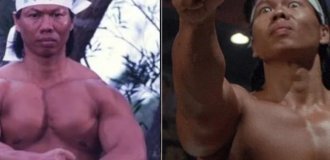
The Ultimate '80s Action Movie Villain: Where Did the "Chinese Hercules" Bolo Yeung Disappear To? (7 Photos)
In every role he took, Bolo Yeung had a way of radiating just as much magnetic screen presence as the leading men, sharing top billing and holding his own alongside icons like Bruce Lee and Jean-Claude Van Damme. 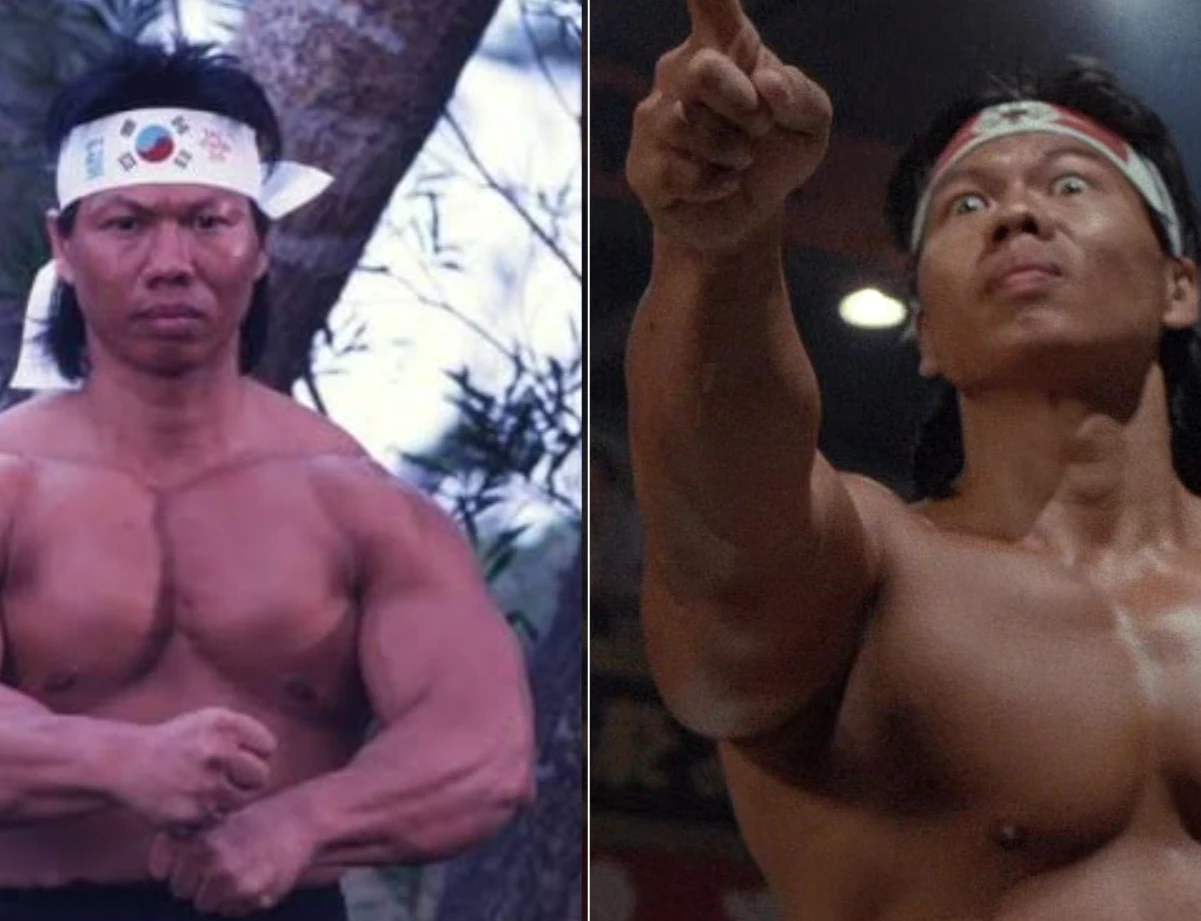
Yet by the turn of the 1990s, Bolo Yeung abruptly dropped off the cinematic radar, virtually vanishing from the screen.
What drove the renowned martial artist and ten-time Hong Kong bodybuilding champion to hang up his gloves for good?
From Chinese Athlete to Action Movie Icon 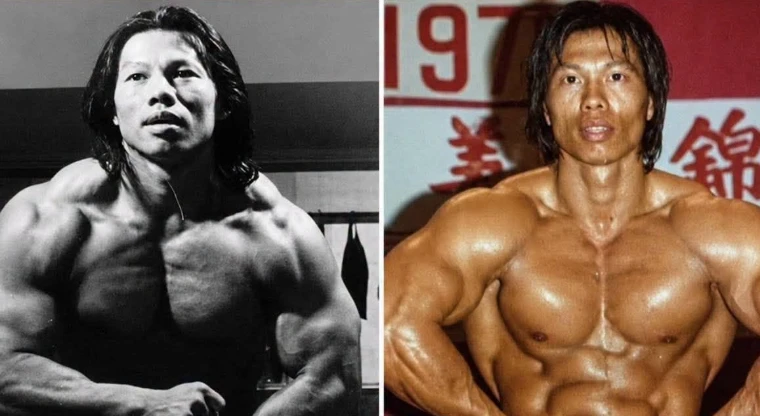
Bolo Yeung was born Yang Sze on July 3, 1946, in China. He began training in martial arts as a child before later discovering a serious passion for bodybuilding. As a young man, Yeung moved to Hong Kong, where he continued to train and set his career in motion.
In 1970, he captured the Mr. Hong Kong bodybuilding title. By then, Yeung possessed an imposing physique that instantly set him apart from other aspiring actors.
It was precisely that menacing look and remarkable build that opened doors in the film industry. In the early 1970s, he began booking roles in Hong Kong action films, mostly cast as fighters, mobsters, and bodyguards. However, international stardom truly knocked on his door after he met Bruce Lee.
In 1973,
Enter the Dragon
premiered, featuring Bolo Yeung as Bolo, the brutal, towering enforcer serving the story's main antagonist. 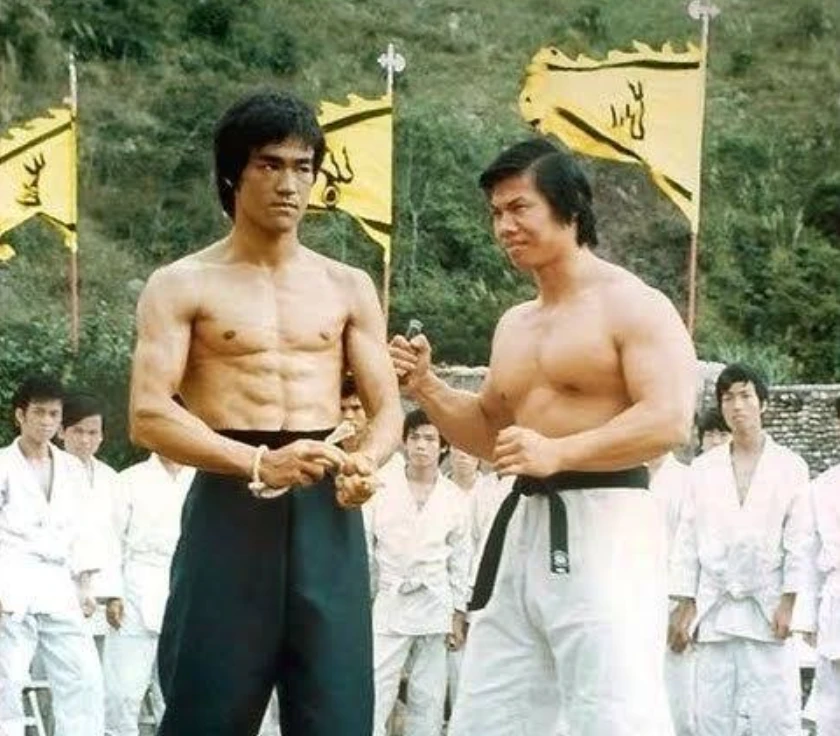
Despite having relatively limited screen time, Yeung made an indelible impression on audiences. His character radiated raw menace, and his fight sequences showcased everything genre fans loved: sheer physical dominance and ruthless authenticity in battle.
The film's runaway success put Yeung on the international map. However, the role that permanently etched his name into pop culture arrived fifteen years later.
In 1988, Yeung starred as Chong Li in
Bloodsport
alongside Jean-Claude Van Damme. He portrayed the reigning, merciless champion of an underground martial arts tournament who struck terror into the hearts of every contender. 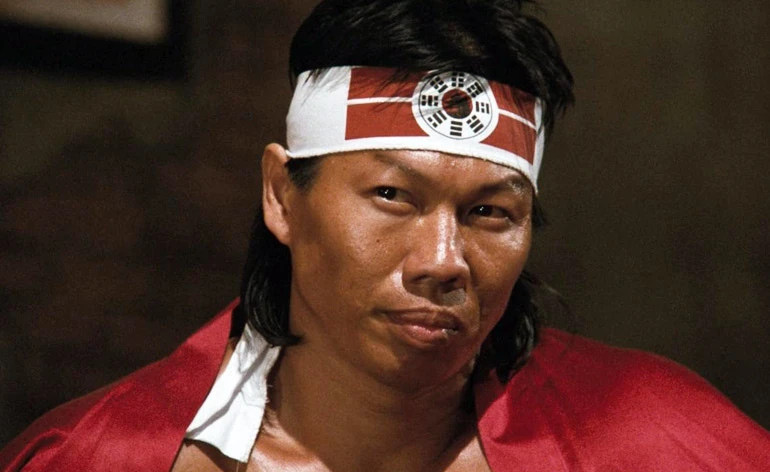
The film achieved cult status, turning Bolo Yeung into one of the most recognizable action villains of the 1980s. In 1991, he reunited with Van Damme on screen in
Double Impact
, playing Moon, a ruthless adversary facing off against twin brothers. Throughout the early '90s, Yeung continued working in action films, but his career soon began to wind down.
Why Did the Actor Suddenly Stop Making Movies? 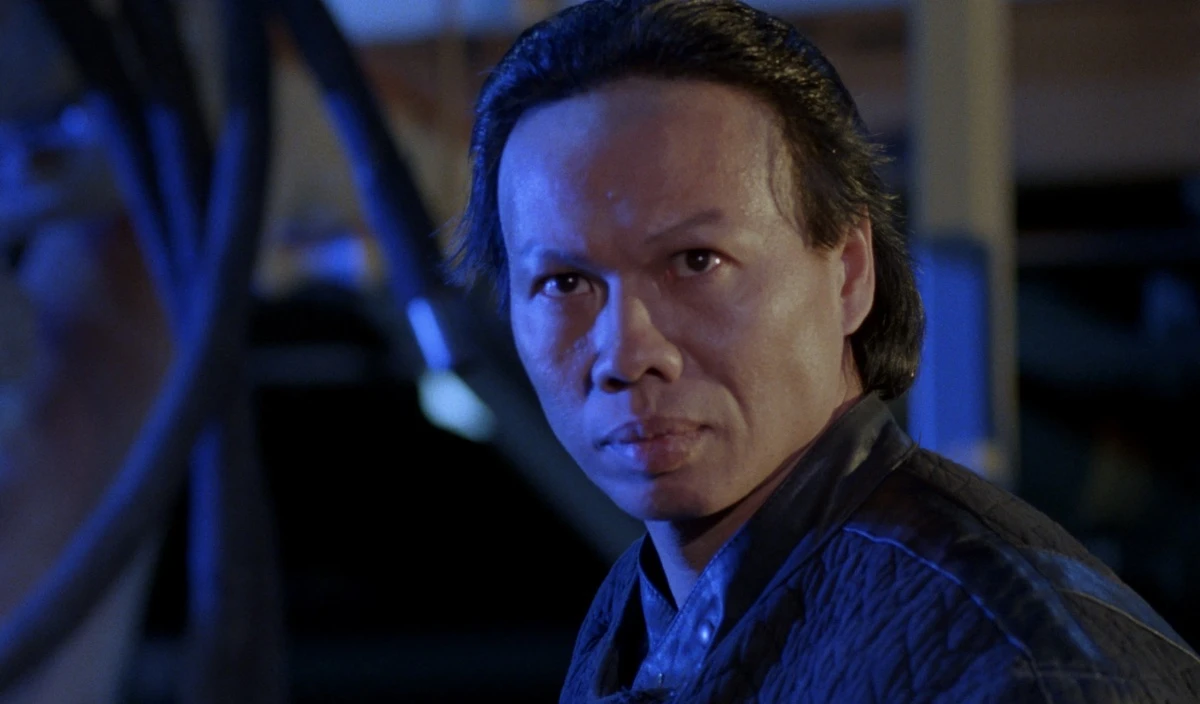
Bolo Yeung's sudden disappearance from screens around the turn of the millennium was long a mystery to fans. In reality, there was nothing mysterious about it: the actor consciously decided to step away from the profession, driven by a decline in the genre, exhaustion from relentless typecasting, and the inevitable passage of time.
The "Chinese Hercules" shared the true reasons for his departure in a rare video interview, voicing genuine frustration with the way martial arts films were being made at the turn of the century. He candidly noted:
"Martial arts movies used to be made by professionals—it was real, grueling work. And now? Everything has been replaced by CGI and frantic, choppy camera cuts. Many actors playing martial arts masters don't even know how to throw a proper punch; dozens of stunt doubles do the work for them. The real magic of fight choreography is practically gone from the screen."
He simply lost interest in appearing in projects that relied on green screens, dozens of stunt doubles, and editing tricks rather than authentic physical skill, all while sets were desperately lacking trained fighters.
Beyond the industry's digital shift, his age was beginning to take its toll. Throughout his life, Yeung had made it a point of pride to perform all his demanding stunts and complex fight scenes himself. By the 1990s, however, he could clearly feel that keeping up that fierce, explosive pace was growing harder. Always a proud man, he refused to become a "pale imitation of his former self." Recognizing that age would compromise the caliber of his performances, he chose to step down with dignity rather than look a shadow of his peak on camera.
Physical fatigue was accompanied by creative burnout: Yeung was fed up with playing one-dimensional, monosyllabic villains destined to be taken down by the hero in the final act. He fought hard to break out of that mold and prove he could do more. Looking back at his career highlights, there were genuine attempts to pivot: in the sci-fi actioner
TC 2000
(1993), he took on an unusual role as Master Sumai, a wise mentor who aids the hero in bringing about justice. Later, in the
Shootfighter
duology, he reinforced this transition by playing explicitly heroic characters. But producers were reluctant to back the change: with his limited English, he was rarely considered for conventional leading roles, and the offers gradually dwindled.
The final blow was the irreversible demise of the VHS era and direct-to-video B-movies. The film industry shifted toward massive, hyper-commercialized productions: studios pivoted to multi-million-dollar blockbusters that required bankable Hollywood A-listers on the posters to pack theaters, leaving little room for old-school martial arts icons.
What Is Bolo Yeung Doing Today? 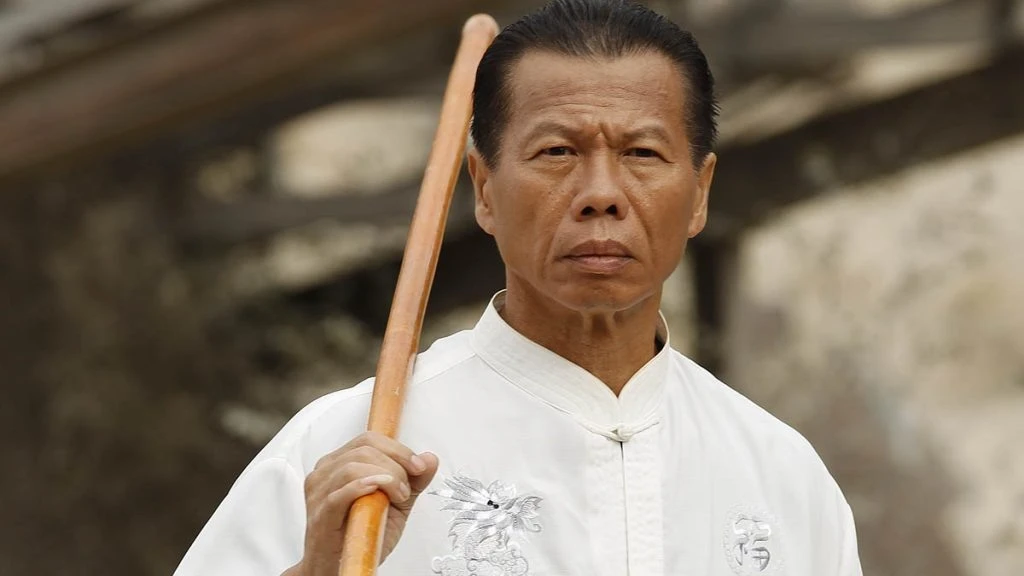
Today, Bolo Yeung is 80 years old. At the height of his career in the early 1990s (
Double Impact
,
Shootfighter
,
Tiger Claws
), Yeung earned an average of $20,000 to $50,000 per project. Direct-to-video releases lacked major studio budgets, so actor pay lagged far behind what mainstream A-listers were pulling in. Bolo earned the bulk of his wealth not from film sets, but through VHS sales royalties, commercial endorsements, and opening his own martial arts schools and fitness centers across the United States and Hong Kong. 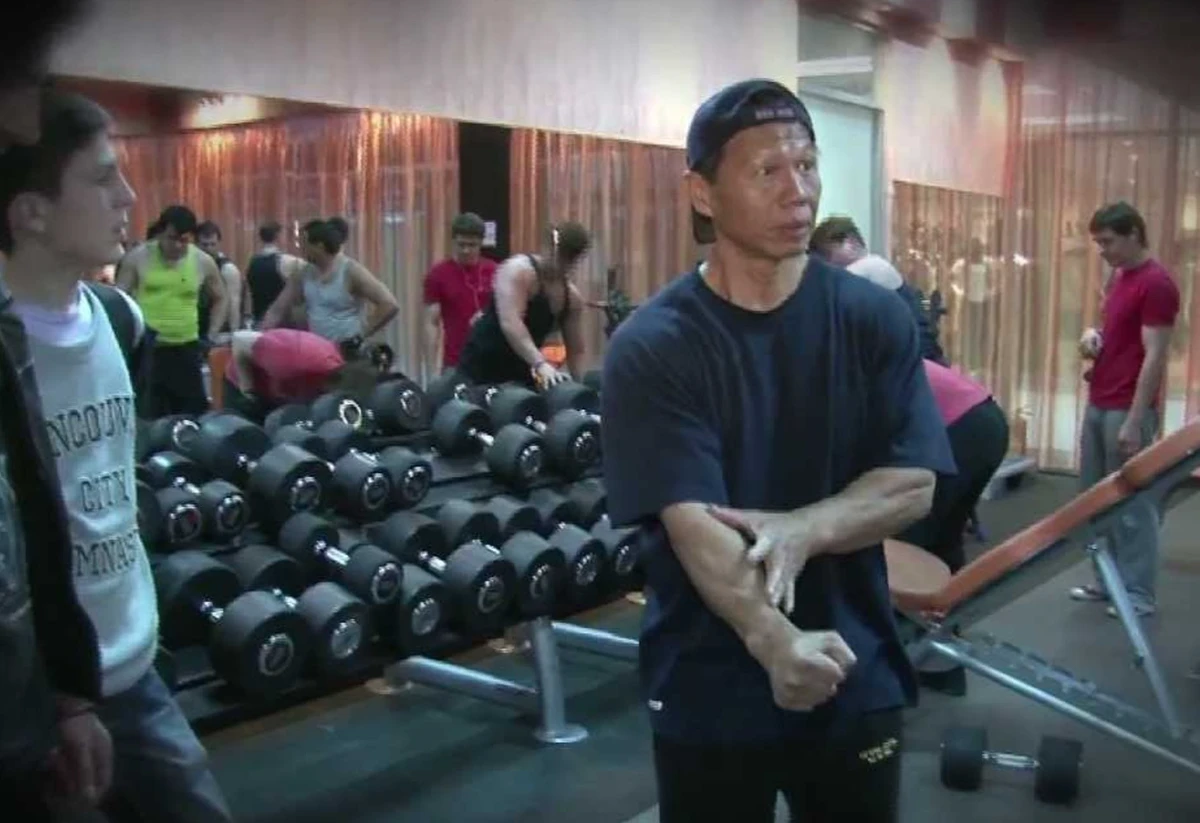
Naturally, his widely recognized face went a long way toward making those business ventures a success. Celebrity Net Worth currently estimates Bolo Yeung's net worth at approximately $1.5 million. He may never have headlined massive Hollywood franchises or spent decades chasing past glory, but he achieved something far more enduring: he created an iconic screen persona that audiences still celebrate decades later.